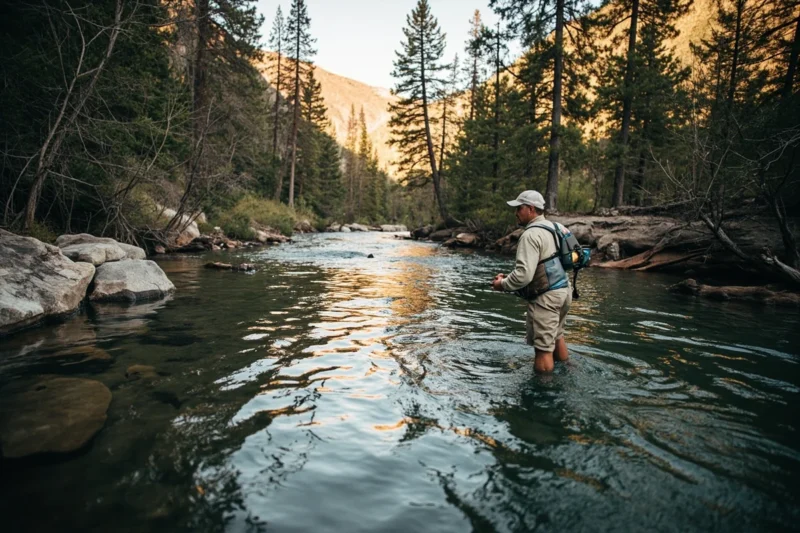
Ask any Missoula local where they learned to fly fish, and there’s a good chance the answer is a narrow, bumpy road running alongside a “creek” that most other states would call a genuine river.
- Rock Creek runs about 52 miles from the confluence of its East and West Forks near Philipsburg down to the Clark Fork near Clinton, just 20 minutes from Missoula.
- It’s a designated Blue Ribbon trout stream holding roughly 2,000 wild trout per mile, and many guides consider its salmonfly hatch the best and most reliable in the American West.
- Floating is legal year-round, but fishing from a boat is prohibited after July 1 — a rule that surprises visitors the same way a similar restriction does on the Gallatin.
- The access road itself, aptly named Rock Creek Road, is narrow, slow, and part of the experience rather than an inconvenience.
- I’ll cover the fishing section by section, the float-fishing rule, and why this river gets so much love from the people who live closest to it.
Liked this article?
Add Roaming Montana as a preferred source so you see more of our articles and guides on Google.
Missoula’s Home River
I want to be upfront about something before I get into the details: Rock Creek isn’t a hidden secret. It’s the first river most Missoula locals learn to fish, and it holds a genuinely beloved place in the city’s outdoor culture. If you’re looking for total solitude, I’d point you toward some of the quieter rivers elsewhere in this series instead.
What Rock Creek offers instead is proximity and quality in a combination that’s hard to beat. It sits about 20 minutes east of Missoula, threading through a narrow valley in the Sapphire Mountains within the Lolo National Forest, and despite its modest size, it holds trout numbers that rival much bigger water.
I’ve fished it on a weekday morning and had a productive run entirely to myself, then driven ten minutes upstream and found a pull-out packed with cars. Timing and location both matter here more than on most rivers in this series.
The Best Salmonfly Hatch in the American West
I don’t use that description lightly, and I’m not the only one who’d make that claim. Multiple guides who fish rivers across this entire region consistently point to Rock Creek’s salmonfly hatch as the most reliable of its kind anywhere in the West.
The reason comes down to the creek’s steep gradient and cold, well-oxygenated water, which supports an extraordinary density of aquatic insect life. When the hatch arrives, typically as spring runoff diminishes in mid-to-late June, it can last a genuine two solid weeks rather than the fickle few-day windows other rivers offer.
Golden stoneflies overlap with the salmonflies during this same window, giving trout an even richer menu and anglers a correspondingly excellent shot at explosive dry fly eats on size 4 patterns.
I fished this hatch myself on a bright June afternoon a few years back, and the sheer number of boats and waders converging on the creek at once genuinely surprised me — this is not a quiet time to visit if solitude matters to you. But the fishing more than justified the crowds.
I landed more fish willing to eat a size 4 dry fly in that single afternoon than I typically manage across an entire week on some of the state’s quieter water, and I’ve come to understand why guides from well beyond the Missoula area make the drive specifically for this two-week window.
Beyond the salmonfly spectacle, Rock Creek’s hatch calendar stays busy nearly year-round. Skwala stoneflies and blue-winged olives kick things off in early spring, western march browns follow, and by midsummer, terrestrials like hoppers and ants take over as the primary dry fly game.
Caddis and green drakes round out the summer months, giving the creek a genuinely reliable hatch in nearly every season except the dead of winter.
The Rule That Catches Floaters Off Guard
Here’s a detail that trips up more visitors than almost anything else about this creek, and it echoes something I’ve written about elsewhere in this series.
You can float Rock Creek year-round, but fishing from a boat is prohibited after July 1st, for the remainder of the season through November 30.
Once that date hits, the creek reverts entirely to wade-only fishing, even though recreational floating without fishing remains technically legal. I’ve watched a group of visitors show up in mid-July with a drift boat, only to learn on the water that they’d need to anchor and wade instead.
This isn’t quite the same rule I described in our Gallatin River guide, where float fishing is banned across most of that river’s length year-round, but the underlying idea is similar: Montana sometimes manages heavily-fished rivers by controlling how anglers access them, not just how many fish they can keep. If you’re planning a Rock Creek trip specifically to float-fish, June is your only real window.
Fishing Rock Creek, Section by Section
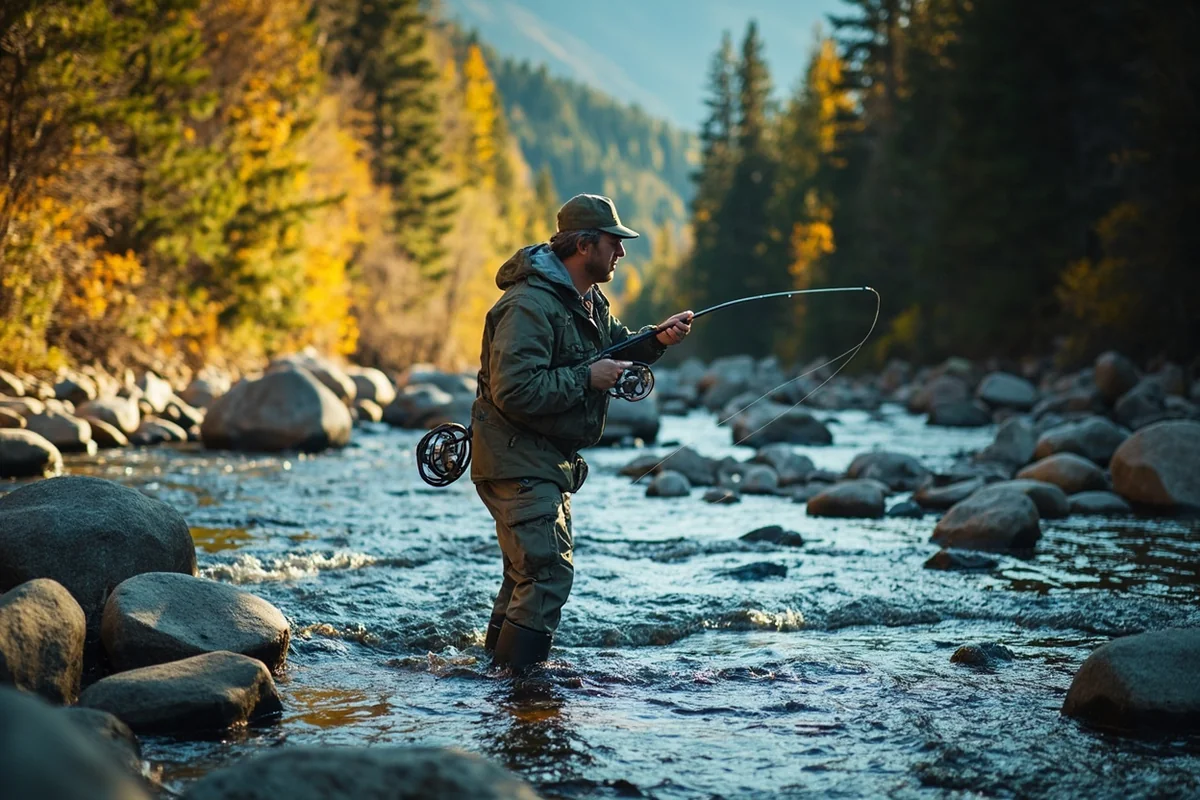
Lower Rock Creek (near the Clark Fork confluence). This stretch, closest to Clinton and easiest to reach from Missoula, tends to be the most heavily fished simply because of its convenience. The creek is at its largest volume here, braiding into side channels that create excellent structure. Some of the biggest fish in the whole system show up in this stretch, moving up from the Clark Fork to feed or spawn.
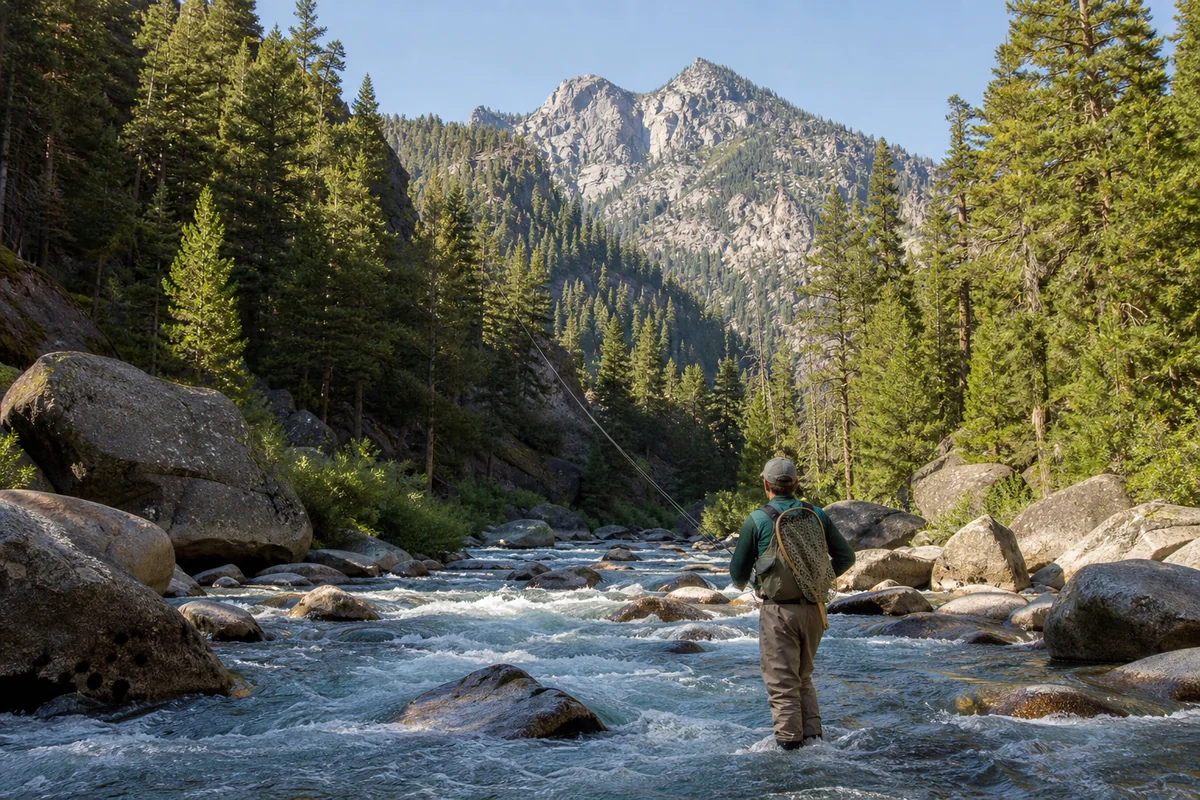
Middle Rock Creek. As you move upstream along Rock Creek Road, public national forest land becomes more consistent, and named pools like The Hogback, The Dalles, and Valley of the Moon offer some of the most scenic and productive water on the whole creek. This is classic pocket water fishing — boulders, cutbanks, and deadfalls holding fish in nearly every likely looking pocket.
Upper Rock Creek and the forks. Above the Kyle Bohrnsen Bridge, private land becomes more common and access narrows to bridges and campgrounds. The Ranch at Rock Creek, a well-known luxury resort, sits along this upper stretch. Beyond it, the East and West Forks offer smaller, quieter water for anglers willing to hike a bit farther from the road.
Regardless of which stretch you fish, Montana’s Stream Access Law applies here just as it does statewide — you’re free to wade and fish up to the ordinary high-water mark from any legal public access point, even where the surrounding banks are privately owned.
Given how much of the upper creek runs through private land, knowing exactly where those legal access points sit matters more here than on some of the more consistently public rivers covered elsewhere in this series.
Our broader page on Montana laws covers this and other regulations that trip up out-of-state visitors, and it’s worth a quick read before your first trip.
Winter fishing here has a genuine following too. Rock Creek’s faster gradient keeps it from freezing over the way slower rivers do, and cold-season anglers who target the deep, slow runs during the warmest part of the day — generally late morning through mid-afternoon — can have entire pools to themselves.
The Road Itself Is Part of the Experience
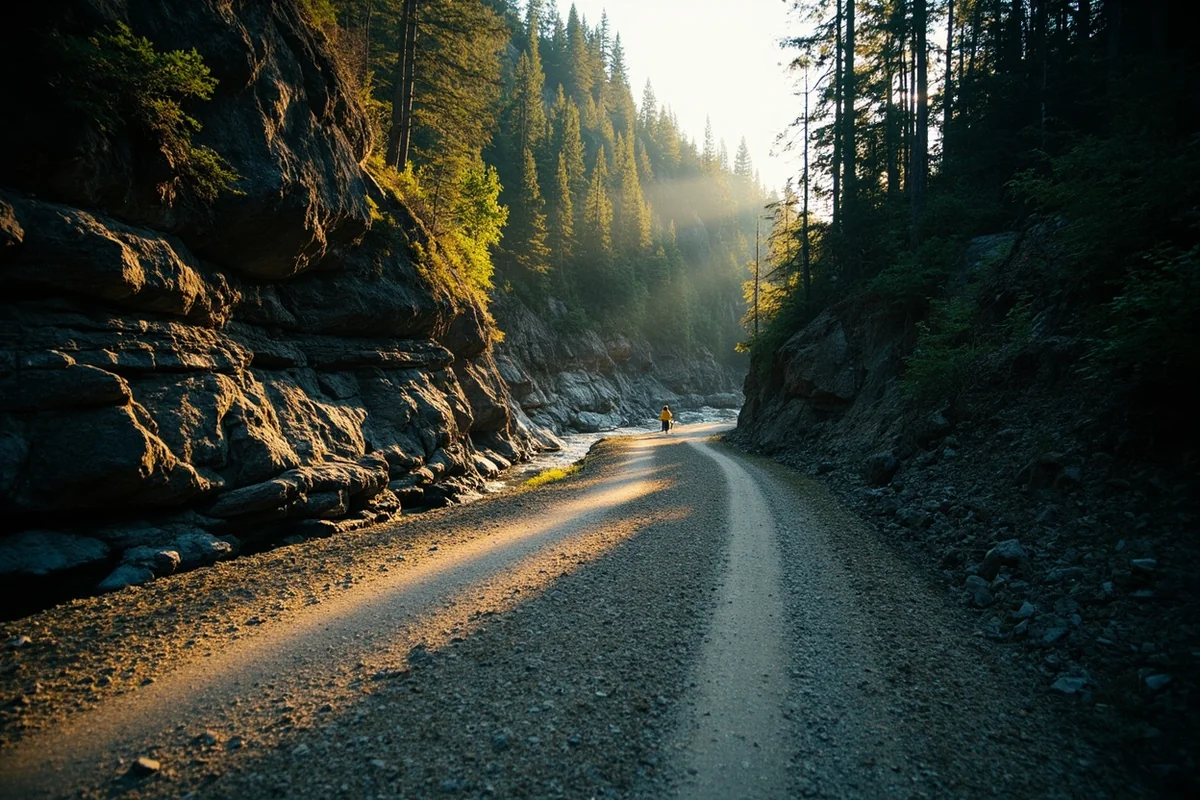
I want to mention this because it’s not really a footnote — Rock Creek Road is genuinely part of what makes this place feel special. It’s narrow, unpaved in long stretches, and slow enough that rushing it defeats the purpose of being here at all.
Wildlife crossings are common enough that you should expect to slow down repeatedly and often, and the road becomes progressively rougher past around mile marker 15. I’d treat the drive itself as part of the trip rather than an obstacle between you and the fishing.
Mile markers along the road double as informal directions among locals — ask any Missoula angler about a good spot and you’re likely to get an answer measured in mile markers rather than street names, which took me a while to get used to when I first started fishing here.
Wildlife You’ll See Along the Way
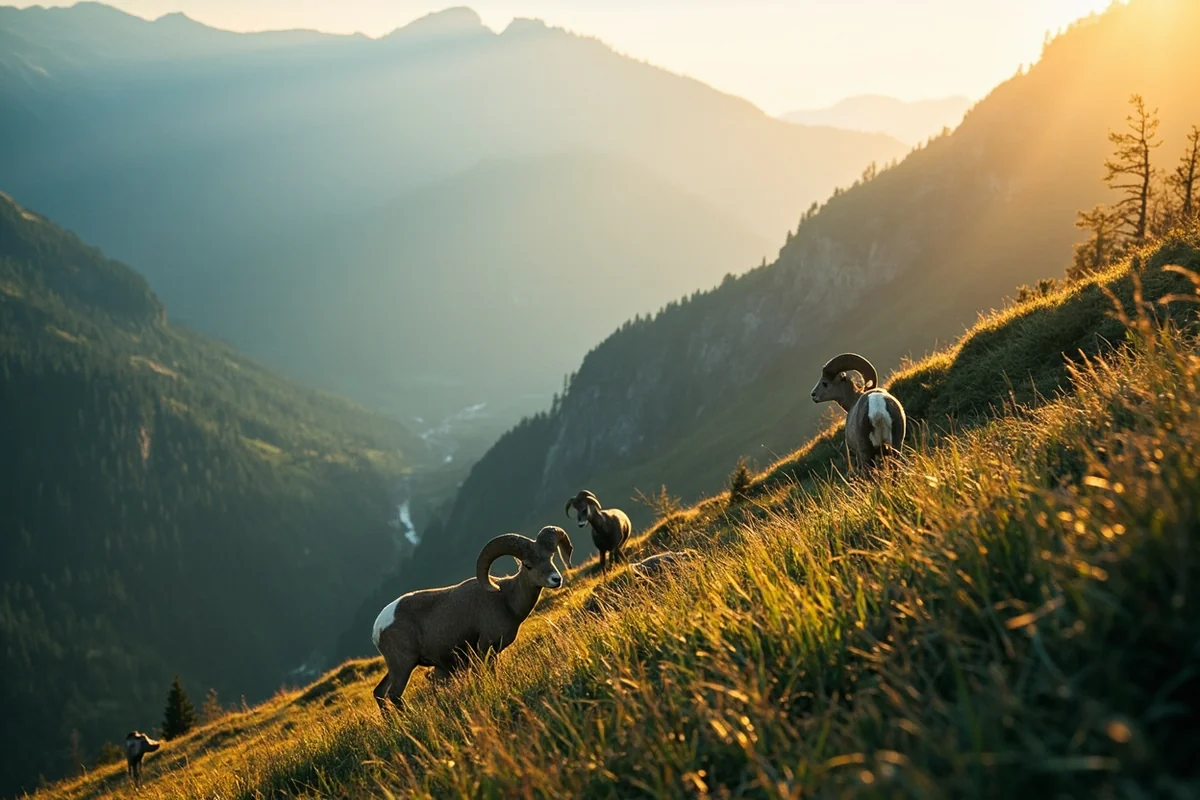
Rock Creek’s narrow canyon and surrounding national forest land make it one of the better wildlife corridors covered in this series.
Moose are a genuine possibility in the willow bottoms, bighorn sheep frequent the steep mountain meadows above the creek, and black bears move through the forested slopes regularly enough that food storage matters at any of the creek’s campgrounds — review our Montana bear guide before an overnight stay.
Eagles are a common sight working the water for fish, alongside the ospreys covered on our Montana osprey page.
Making Your Base Camp
Missoula is the obvious hub for a Rock Creek trip, close enough that many locals treat it as an after-work fishing spot rather than a dedicated getaway. A handful of Missoula breweries make a fitting stop after a day on the water.
If you’d rather stay closer to the creek itself, several campgrounds line Rock Creek Road, and the small community of Clinton sits right at the creek’s mouth.
Personal Tips / What I Wish I Knew
Plan your trip around the float-fishing cutoff if boat access matters to you. June is genuinely your only window for float fishing before the creek reverts to wade-only for the rest of the season.
Fish the lower stretch early in the day to beat the crowds. Its easy access from Missoula means it fills up fast once word gets out that conditions are good, and I’ve found the difference between a 7 a.m. arrival and a 10 a.m. arrival can mean the difference between having a run to yourself and waiting in line at the pull-out.
Respect private land above the Kyle Bohrnsen Bridge. Access narrows considerably in the upper stretch, so plan around bridges, campgrounds, and established public access points rather than assuming open banks.
Don’t rush the drive. Rock Creek Road rewards patience, both for wildlife safety and for your own vehicle’s suspension.
Try winter fishing if you want solitude. The creek’s faster water resists freezing, and a warm midday window between 11 a.m. and 4 p.m. can produce excellent fishing with almost nobody else around. I’ve had entire stretches to myself in January that would have been shoulder-to-shoulder in June.
Practical Info: Rock Creek at a Glance
| Section | Best For | Access | Notes |
|---|---|---|---|
| Lower (near Clinton) | Big fish, easy access | Excellent, can be crowded | Closest to Missoula |
| Middle (Hogback, Dalles, Valley of the Moon) | Classic pocket water fishing | Mostly national forest | Most scenic stretch |
| Upper (above Kyle Bohrnsen Bridge) | Solitude, smaller water | Limited, mostly private | The Ranch at Rock Creek sits here |
| Float-fishing window | Boat-based fishing | Legal only through June 30 | Reverts to wade-only July 1–Nov 30 |
[Verify current fishing regulations and seasonal float-fishing dates directly with Montana FWP before your trip, as exact dates and rules can be updated.]
Final Thoughts
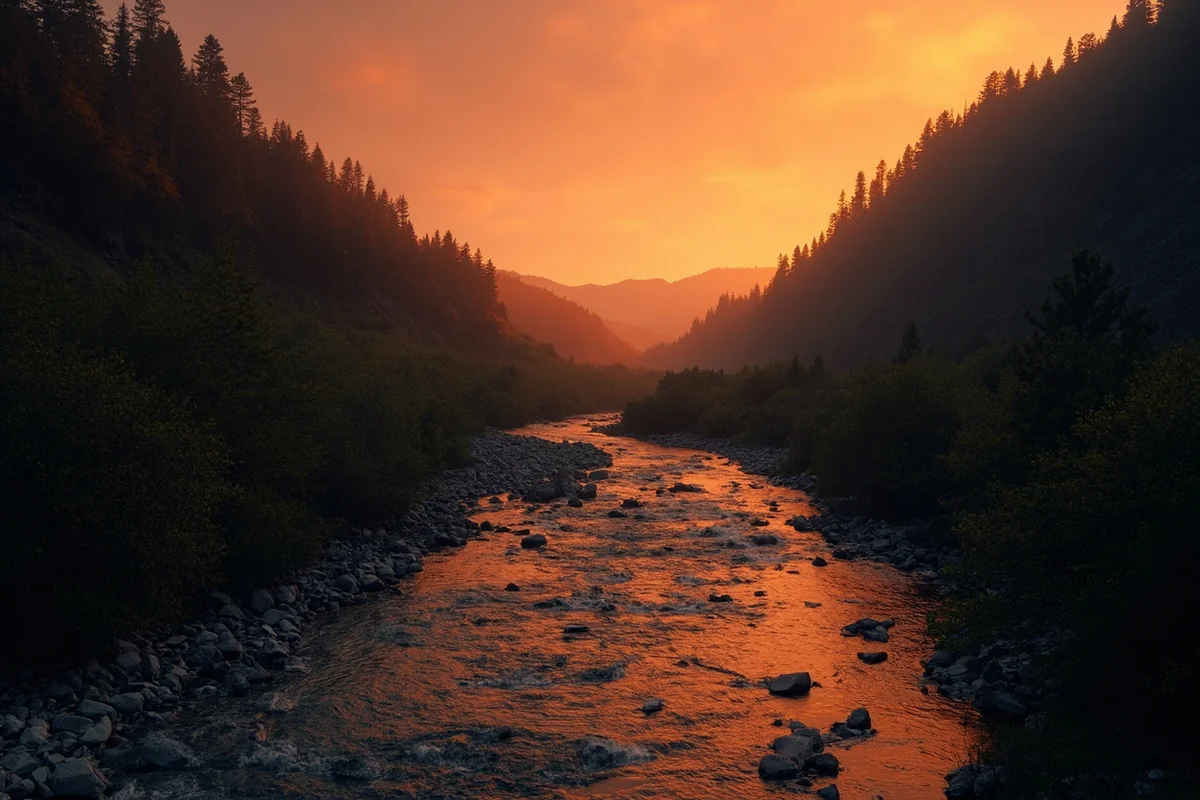
Rock Creek earns its reputation as Missoula’s home river through sheer consistency — a legendary salmonfly hatch, trout numbers that punch well above the creek’s modest size, and a narrow mountain road that makes the whole trip feel like an occasion rather than a quick errand.
Time your visit around the float-fishing cutoff if that matters to you, and don’t be surprised to find yourself sharing pools with plenty of other anglers who’ve discovered the same thing you have.
It’s a river that rewards familiarity more than most — the anglers who fish it every season tend to know exactly which pull-out and which pool to hit on a given day, and that kind of local knowledge takes time to build.
For how Rock Creek fits alongside the rest of the state’s best rivers, check out our full guide to the best rivers in Montana.
Pin this guide before your trip, and let me know in the comments which named pool is your favorite.