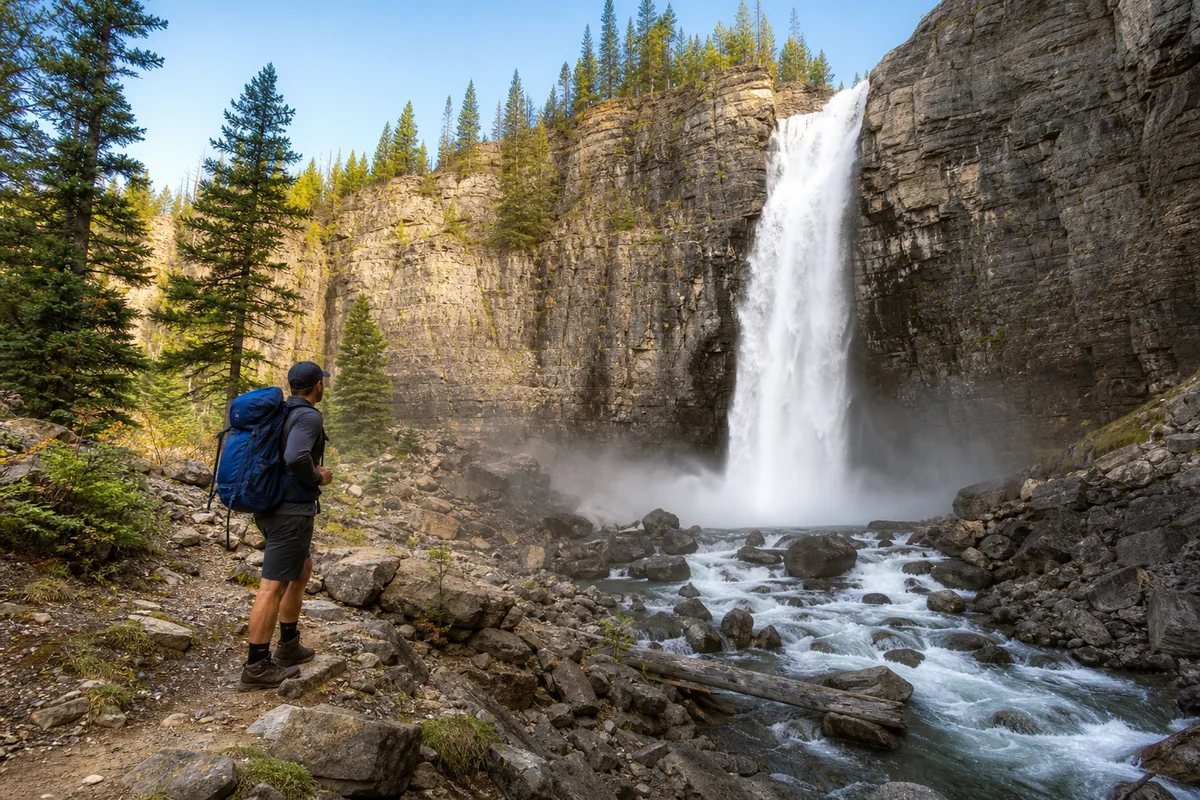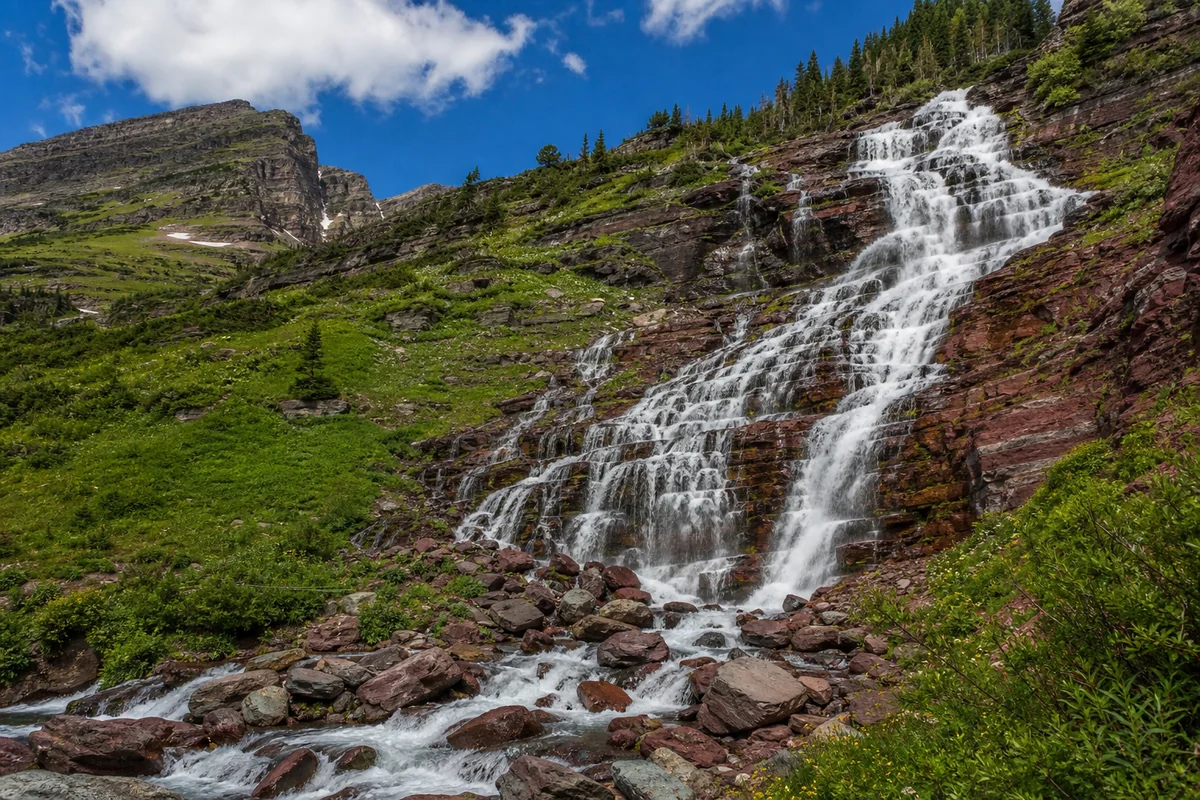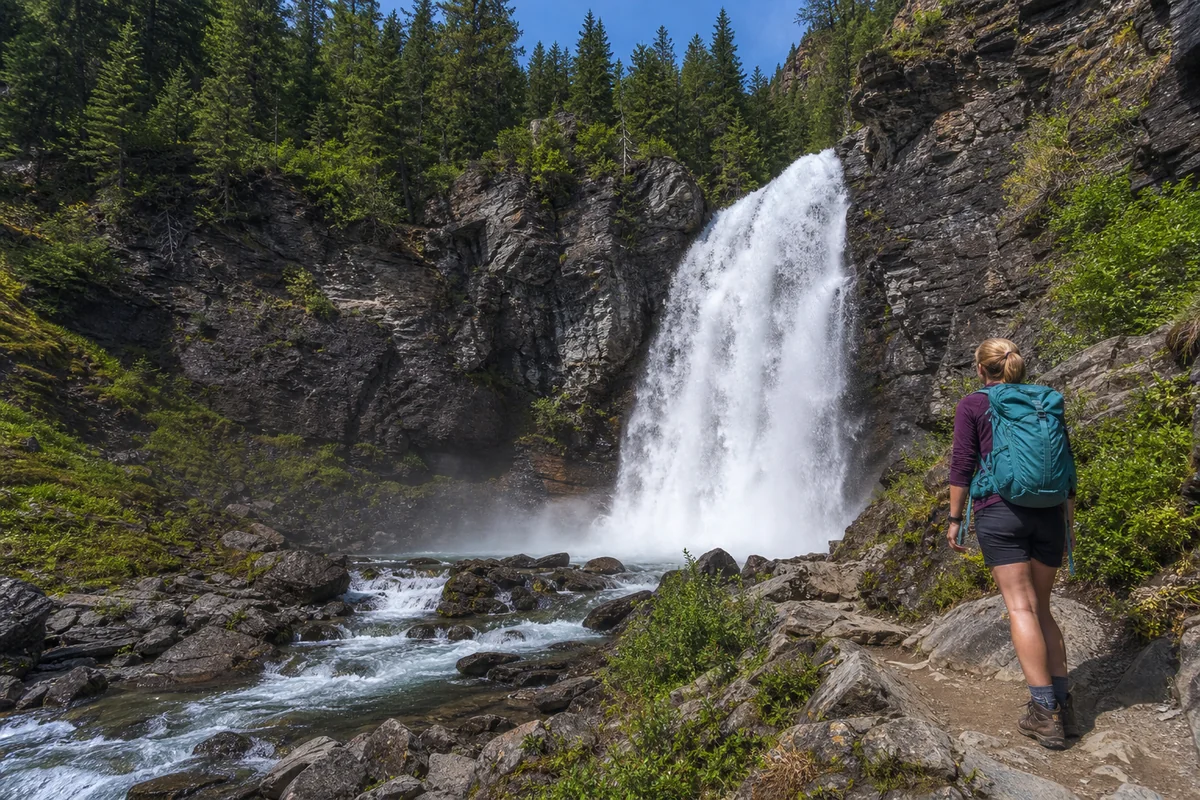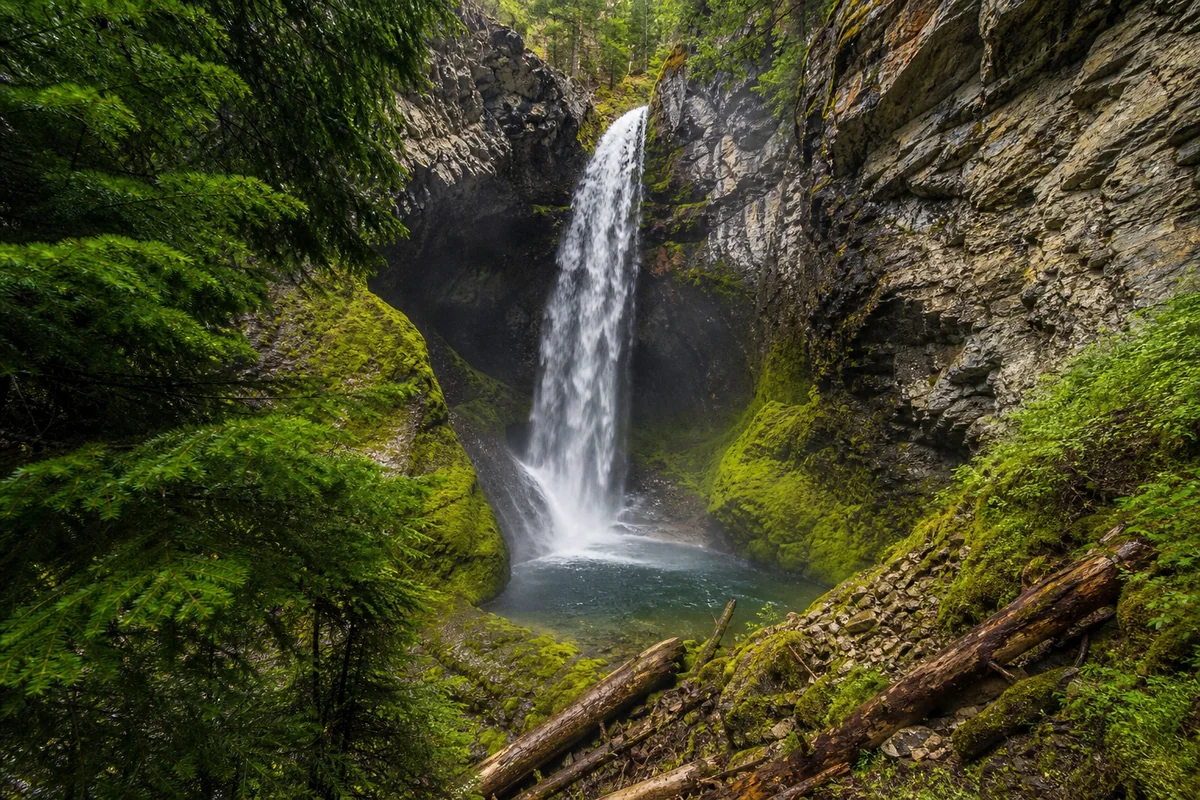
The mist hit my face before I even saw the waterfall. I’d been hiking through dense cedar forest along the Camas Creek drainage last summer when suddenly, through a gap in the trees, Hidden Falls revealed itself—a slender ribbon of white water dropping nearly 60 feet into a moss-covered grotto that felt like stepping into another world.
As someone who’s spent years documenting Montana waterfalls, this secluded cascade in Glacier National Park remains one of my absolute favorites for visitors seeking solitude away from the crowds.
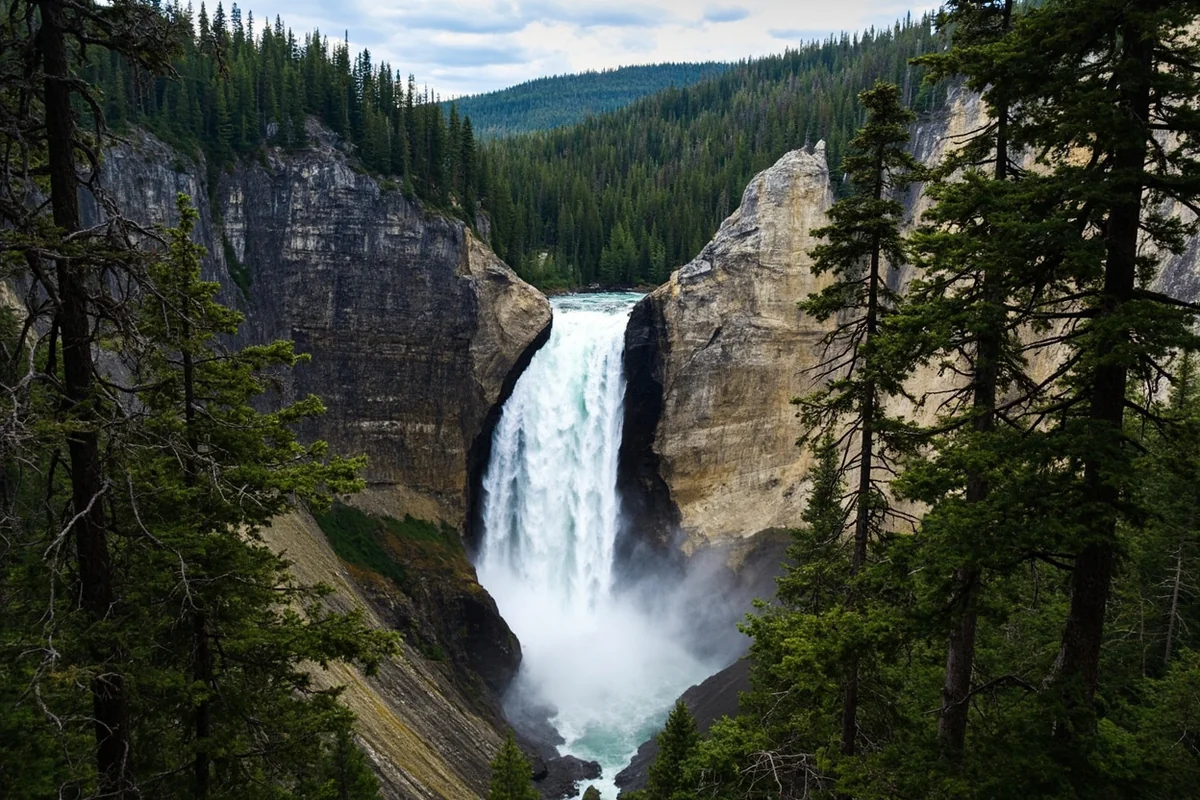
- Hidden Falls is located in Glacier National Park’s Camas Creek drainage, accessible via the Camas Creek Trail
- Round-trip hike is approximately 4.6 miles with 600 feet elevation gain—moderate difficulty
- Best visited June through September when snow has melted and creek levels are optimal
- No vehicle reservation required for this trailhead (unlike Going-to-the-Sun Road areas)
- Bring bear spray—this is prime grizzly habitat with fewer hikers around
- The falls run strongest in early summer during snowmelt season
Liked this article?
Add Roaming Montana as a preferred source so you see more of our articles and guides on Google.
Why Hidden Falls Deserves Its Name
There’s a reason this waterfall isn’t plastered across every Glacier National Park guidebook. Hidden Falls sits tucked away in the park’s less-traveled western reaches, far from the tour buses and smartphone-wielding crowds that flock to more accessible cascades.
During my visit on a July weekday, I encountered exactly three other hikers the entire day. Compare that to the hundreds you’ll see at Saint Mary Falls or along the Highline Trail, and you’ll understand why some of us guard these quieter corners of Glacier so carefully.
The falls themselves aren’t the tallest or most powerful in Montana. What makes Hidden Falls special is the complete experience—the journey through old-growth forest, the soundtrack of birdsong and rushing water, and that moment of discovery when the cascade finally appears through the trees.
Getting to Hidden Falls: Trailhead and Directions
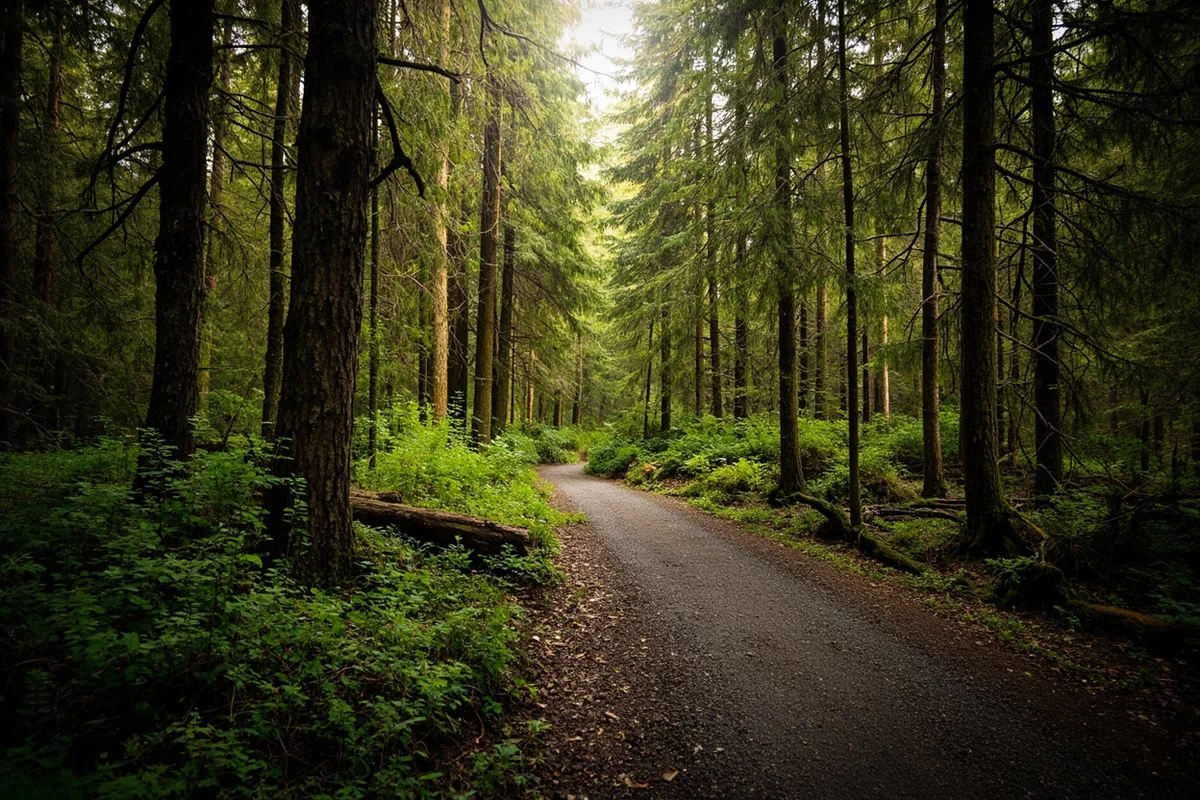
Hidden Falls sits within Glacier National Park, accessible from the park’s west side near the Camas Road entrance. This location offers a significant advantage during peak summer season: you don’t need the vehicle reservation required for Going-to-the-Sun Road.
Driving Directions
From the town of West Glacier, head north on Going-to-the-Sun Road for approximately 2 miles. Turn left onto Camas Road (also called Inside North Fork Road) and continue for about 6.5 miles until you reach the Camas Creek Trailhead on your right.
The road is paved but narrow in sections. I found it easily manageable in my standard sedan, though RVs and larger trailers might find some curves challenging.
Parking Situation
The Camas Creek Trailhead has a small dirt parking area that holds maybe 12-15 vehicles. On my recent trip last summer, arriving at 8 AM meant I had my pick of spots.
By the time I returned around 1 PM, the lot was about half full—still plenty of room. This stands in stark contrast to trailheads along Going-to-the-Sun Road, where parking fills by 6 AM during peak season.
| Practical Information | Details |
|---|---|
| Trailhead Location | Camas Creek Trailhead, Glacier National Park |
| GPS Coordinates | 48.6847° N, 113.9156° W (approximate) |
| Distance | 4.6 miles round-trip |
| Elevation Gain | Approximately 600 feet |
| Trail Difficulty | Moderate |
| Time Required | 2.5-4 hours depending on pace |
| Park Entrance Fee | $35 per vehicle (7-day pass) |
| Reservation Required | No |
The Trail to Hidden Falls: What to Expect
I want to be honest with you: this isn’t a walk-in-the-park kind of hike. The trail to Hidden Falls demands moderate fitness and solid footwear, but it rewards your effort with true wilderness immersion.
First Mile: Into the Forest
The trail begins gently, following an old roadbed through mixed conifer forest. During my July hike, I immediately noticed the temperature drop as the canopy closed overhead—easily 10-15 degrees cooler than the parking area.
Western red cedar and hemlock dominate this section, their massive trunks creating a cathedral-like atmosphere. Keep your eyes peeled for woodpeckers; I spotted a pileated woodpecker hammering away at a dead snag about half a mile in.
Middle Section: Creek Crossings and Terrain Changes
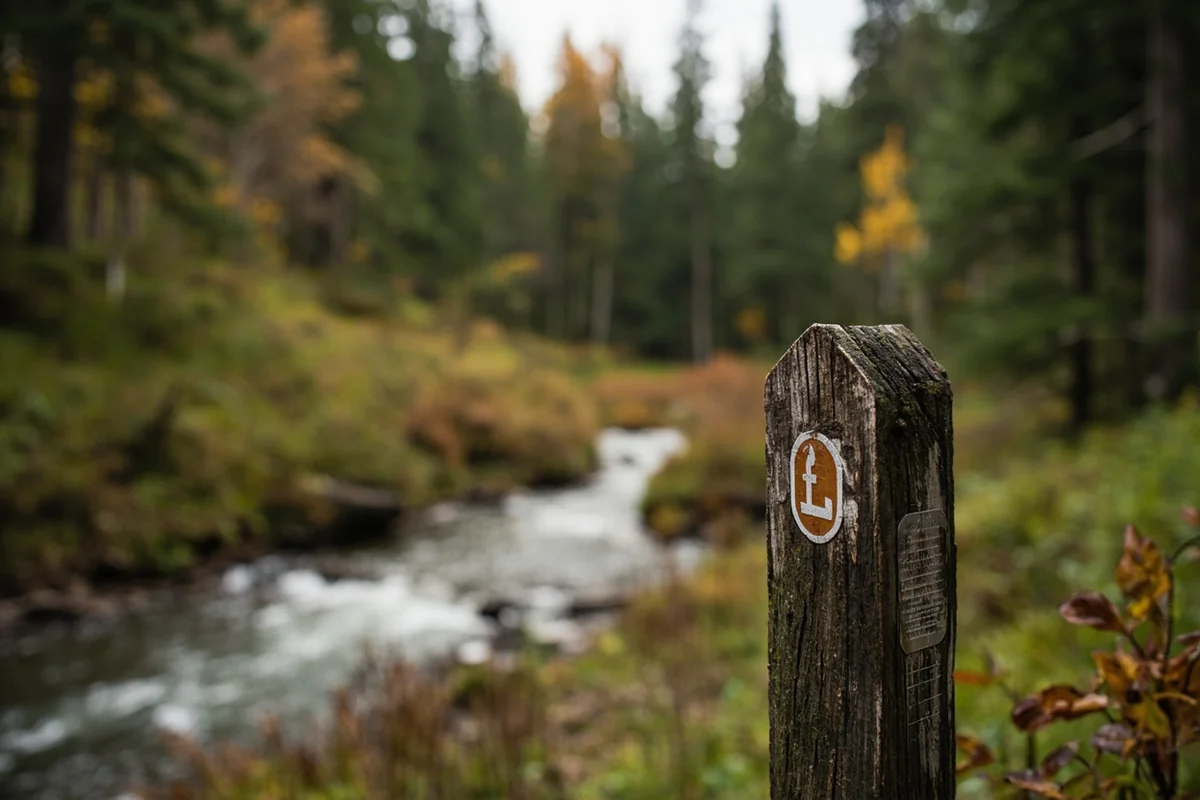
Around mile 1.5, the trail character shifts. You’ll encounter several small creek crossings—nothing treacherous, but they can be slippery on wet days. I used trekking poles and was grateful for them.
The path becomes narrower and more rugged here, with roots and rocks requiring attention to your footing. This is where I often see hikers turn back, which is a shame because the best part lies ahead.
Final Approach: The Hidden Treasure
The last half-mile involves the steepest climbing as you work your way into the drainage where Hidden Falls lives. The sound of falling water grows louder, building anticipation with every step.
When I finally rounded that last bend and saw the falls, I sat down on a fallen log and just watched for twenty minutes. The water catches sunlight in the late morning, creating rainbows in the mist that I haven’t experienced at more popular cascades like McDonald Falls.
Hidden Falls Up Close: What You’ll See
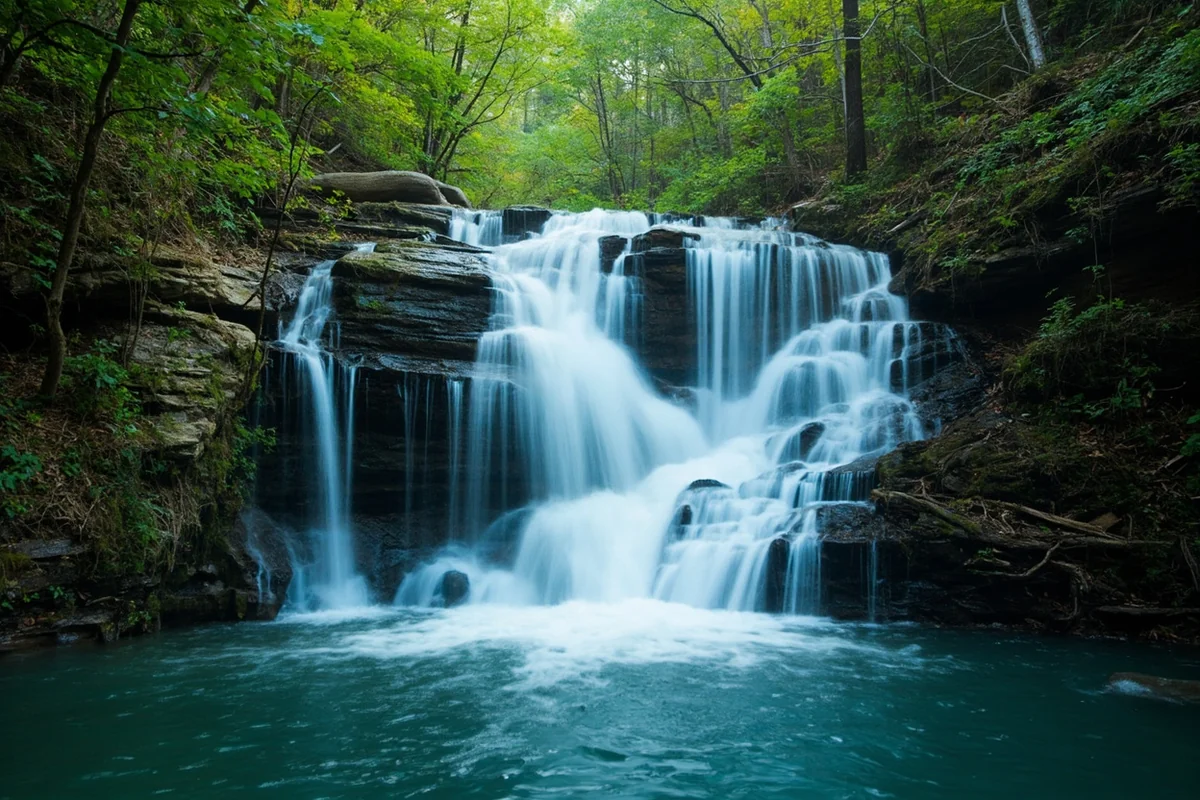
Hidden Falls drops approximately 60 feet over a series of rock ledges, creating a tiered effect rather than a single plunge. The falls aren’t thundering giants—they’re more intimate, almost delicate in their presentation.
The Waterfall’s Character
During my July visit, the water volume was significant but not overwhelming. The cascade splits into multiple channels as it descends, weaving between moss-covered rocks before collecting in a clear pool at the base.
What struck me most was the color of the rock face—a mix of grey granite and reddish-brown sedimentary rock that catches the light differently throughout the day. Afternoon sun creates a warm glow on the falls that I found more photogenic than the harsh midday light.
The Surrounding Grotto
The area around Hidden Falls feels enclosed and protected, almost like a secret room in the forest. Steep walls rise on three sides, draped in ferns, moss, and small wildflowers during summer months.
I found a flat rock about 30 feet from the base that made a perfect lunch spot. The mist was constant but gentle—refreshing on a warm day but potentially chilling if you’re underdressed.
Best Time to Visit Hidden Falls
Timing your visit makes a significant difference in what you’ll experience at Hidden Falls. I’ve gathered insights from multiple trips and conversations with park rangers to help you plan.
Seasonal Breakdown
Late June through mid-July: This is prime time for water volume. Snowmelt from higher elevations feeds the falls at their most powerful. However, creek crossings can be tricky, and some years snow lingers on upper trail sections. This is when I visited most recently, and the falls were spectacular.
Mid-July through August: Water volume decreases but remains respectable. Trail conditions improve, and wildflowers peak in the surrounding meadows. This might be the best balance between access and experience.
September: Lower water flow but gorgeous fall colors beginning to appear. Fewer visitors and crisp hiking weather. I’ve heard from rangers that early September can be magical here.
October through May: The trail is typically snow-covered and difficult to navigate. Not recommended for casual visitors.
Time of Day
Based on my experience, I recommend arriving at the trailhead by 8 AM during summer months. This timing lets you:
- Secure parking without stress
- Hike during the cooler morning hours
- Reach the falls by late morning when sunlight angles create the best photography conditions
- Return before afternoon thunderstorms (common in July and August)
Wildlife Awareness: This Is Bear Country
I cannot stress this enough: Hidden Falls sits in prime grizzly bear habitat. The relative solitude that makes this hike appealing also means fewer people to make noise and alert bears to human presence.
My Bear Encounter
On my July hike, I found fresh grizzly scat on the trail about a mile in. The experience was a reminder that we’re visitors in their home.
I made extra noise through dense vegetation sections and kept my bear spray accessible on my hip belt—not buried in my pack.
Bear Safety Essentials
- Carry bear spray and know how to use it
- Make noise while hiking—talk, clap, or use a bear bell
- Travel in groups when possible
- Never approach or feed wildlife
- Store food properly; don’t eat at the falls viewing area
This area doesn’t see the same trail traffic as routes near Running Eagle Falls or Morrell Falls, so bear encounters are statistically more likely. Stay alert.
What to Pack for the Hidden Falls Hike
Learning from my own mistakes (and successes), here’s what I recommend bringing:
Essential Gear
- Bear spray: Non-negotiable. Available for rent in West Glacier if you don’t own one
- Sturdy hiking boots: Trail runners aren’t ideal given the rocky, root-covered terrain and creek crossings
- Trekking poles: Especially helpful for creek crossings and the steeper final section
- Rain jacket: Afternoon storms appear quickly in Glacier’s mountains
- Extra layer: The falls area can be 10-15 degrees cooler than exposed trail sections
- Plenty of water: I brought 2 liters and used most of it on a moderately warm July day
- Snacks/lunch: No services anywhere near the trailhead
Photography Equipment
If you’re interested in capturing Hidden Falls:
- A circular polarizing filter helps reduce glare on wet rocks and water
- Tripod for long exposures (the silky water effect works beautifully here)
- Lens cloth—mist will coat your glass
- Waterproof camera bag or rain cover
Comparing Hidden Falls to Other Glacier Waterfalls
Having visited numerous cascades throughout Glacier National Park, I can offer some honest comparisons to help you prioritize.
Accessibility vs. Solitude
If you want an easy waterfall experience with paved paths and minimal effort, Hidden Falls isn’t your destination. You’d be better served visiting Sacred Dancing Cascade or Silken Skein Falls along Going-to-the-Sun Road.
But if you value solitude and don’t mind earning your views, Hidden Falls delivers an experience those roadside stops simply cannot match.
Water Volume and Drama
For sheer power, Kootenai Falls (outside the park) dwarfs Hidden Falls. Inside Glacier, Piegan Falls runs higher volume during peak season.
Hidden Falls wins on atmosphere and intimacy. It’s the kind of place where you want to linger, not just snap photos and leave.
Overall Experience
I rate Hidden Falls highly for intermediate hikers seeking a balance of challenge and reward. The trail itself holds interest throughout, the destination is genuinely impressive, and you’ll likely have it mostly to yourself.
For a similar level of effort with different scenery, consider pairing this trip with Holland Falls or Passage Creek Falls on different days.
Nearby Attractions and Combined Itineraries
Hidden Falls works well as part of a broader exploration of Glacier’s west side. Here are some combinations I’ve found worthwhile.
Same-Day Options
After returning from Hidden Falls, you’ll have most of your afternoon free. Consider:
Lake McDonald: Just a short drive back toward the park entrance, this stunning lake offers swimming, kayaking, or simply relaxing on the shore. The colored rocks along the southern shore make for great photography.
Trail of the Cedars: If you have energy remaining, this easy boardwalk loop near Avalanche Creek showcases old-growth forest similar to what you experienced on the Hidden Falls trail, plus Grotto Falls nearby.
West Glacier dining: After burning all those calories, treat yourself to a meal in West Glacier. The Belton Chalet serves excellent Montana-sourced cuisine in a historic setting.
Multi-Day Planning
If you’re spending several days in the Glacier area, I recommend spreading your waterfall visits across different park regions. A sample itinerary:
Day 1: Hidden Falls (west side focus)
Day 2: Going-to-the-Sun Road waterfalls including Oberlin Falls and Ptarmigan Falls
Day 3: Many Glacier area including Redrock Falls or Rockwell Falls
This approach lets you experience the park’s diversity while avoiding trail fatigue from hitting too many similar destinations back-to-back.
Practical Tips From Personal Experience
These details don’t fit neatly into other sections but might save you hassle or enhance your trip.
Cell Service
Don’t count on it. I had zero signal at the trailhead and throughout the hike. Download offline maps before arriving and let someone know your plans.
Restroom Facilities
There’s a vault toilet at the Camas Creek Trailhead. It was clean and stocked with toilet paper during my visit, but don’t assume this will always be the case—pack your own TP just in case.
Bugs and Insects
July can be buggy in Montana’s forests. I encountered moderate mosquito activity near the falls where the mist kept things damp. Bug spray helped, but a head net would have been welcome during the worst moments.
Trail Conditions and Maintenance
This trail receives less maintenance than marquee routes in Glacier. I encountered several downed trees requiring minor scrambling and some sections where the tread was vague. Basic route-finding skills are helpful.
Creek Crossing Strategy
The main creek crossing (around mile 1.5) can be done dry in late summer by rock-hopping carefully. In June and early July, expect wet feet or bring water shoes.
Permits and Fees
Accessing Hidden Falls requires a standard Glacier National Park entrance fee:
- $35 per vehicle (valid for 7 days)
- $30 per motorcycle
- $20 per person (foot, bicycle)
- Annual Pass: $70
- America the Beautiful Pass: $80 (covers all federal recreation lands)
No additional backcountry permits are required since Hidden Falls is a day hike. If you’re planning overnight trips elsewhere in the park, that’s a different story—backcountry camping requires permits obtained through the Backcountry Permit Office.
What I Wish I’d Known Before My First Visit
Looking back on my experiences at Hidden Falls, several things would have improved my initial trip:
The trail junction can be confusing. About two miles in, there’s a junction that isn’t clearly marked. Stay left to continue toward the falls. I went right the first time and added an unnecessary mile to my hike.
Afternoon light isn’t ideal. I first visited at 2 PM and found the falls area in deep shadow. My return trip with morning timing made a huge difference in photography and overall experience.
The “hidden” aspect is real. Unlike Memorial Falls or Palisade Falls where you can see the cascade from a distance, Hidden Falls truly appears suddenly. Don’t get discouraged if you haven’t seen it yet—keep going.
Water temperature is shockingly cold. If you’re thinking of wading in the pool at the base, prepare yourself. This is snowmelt-fed water, and it will take your breath away. I lasted about 30 seconds before retreating to dry ground.
Environmental Responsibility
Hidden Falls sits in a relatively pristine area, and keeping it that way requires visitor cooperation.
Leave No Trace Principles
- Pack out all trash, including food scraps
- Stay on established trails to prevent erosion
- Don’t build rock cairns or structures at the falls
- Avoid feeding wildlife—even squirrels and chipmunks
- Keep voices at reasonable levels to preserve the peaceful atmosphere
Responsible Photography
The area directly at the falls base is fragile. I’ve seen trampled vegetation and disturbed moss where visitors went off-trail for better camera angles.
Please stay on established access points. That Instagram shot isn’t worth damaging habitat that took decades to develop.
Accessibility Considerations
I want to be straightforward: Hidden Falls is not accessible for visitors with mobility limitations. The trail involves:
- Uneven, rocky terrain throughout
- Creek crossings without bridges
- Significant elevation gain
- Narrow sections with drop-offs
For visitors seeking accessible waterfall experiences in Montana, I recommend Ousel Falls near Big Sky, which has a well-maintained trail suitable for many ability levels.
Camping Options Near Hidden Falls
If you want to extend your time in the area, several campground options exist:
Fish Creek Campground: The closest developed campground to the Camas Creek Trailhead, located along Lake McDonald. Reservations required during peak season through Recreation.gov. Sites have picnic tables, fire rings, and access to flush toilets.
Apgar Campground: Larger facility near West Glacier with more amenities. First-come, first-served during shoulder season; reservations available for summer dates.
Sprague Creek Campground: Smaller and more intimate, no towed vehicles allowed. First-come, first-served only.
I stayed at Fish Creek during my last trip and found it convenient for early-morning starts to Hidden Falls. The short drive to the trailhead meant I could be hiking by 7:30 AM after a quick breakfast.
Combining Hidden Falls With Other Montana Waterfall Adventures
Montana offers incredible waterfall diversity beyond Glacier National Park. If your trip allows time for exploration, consider adding these experiences:
Western Montana: Skalkaho Falls provides a spectacular roadside cascade along a scenic byway. Mission Falls sits within the stunning Mission Mountains Wilderness.
Near Bozeman: Siksika Falls offers a rewarding Hyalite Canyon experience, while Rock Creek Falls provides easier access for those short on time.
Yellowstone Adjacent: Knowles Falls in Yellowstone and Impasse Falls extend your waterfall hunting to the southern reaches of Montana’s wild country.
Each destination offers something unique, but Hidden Falls remains special for its combination of wilderness immersion and intimate scale.
Final Thoughts: Is Hidden Falls Worth the Effort?
After multiple visits to Hidden Falls and countless conversations with fellow waterfall enthusiasts, I can confidently say yes—with some caveats.
This hike is worth it if you:
- Value solitude over convenience
- Have moderate hiking fitness
- Are comfortable in bear country
- Want an authentic Glacier experience away from crowds
- Appreciate natural beauty that requires earning
This hike might not be for you if you:
- Have limited time and want maximum waterfall views
- Prefer well-marked, heavily trafficked trails
- Are uncomfortable with wildlife encounters
- Need accessible trails
Hidden Falls captures something increasingly rare in our national parks: the feeling of discovery. When you round that final bend and see the cascade appear through the trees, you understand why some places deserve to remain a bit hidden.
I hope this guide helps you experience that moment for yourself. Happy trails.
Frequently Asked Questions
Where is Hidden Falls located in Montana and how do I get there?
Hidden Falls is tucked away in the Hyalite Canyon area, about 20 miles south of Bozeman, Montana. I recommend taking a high-clearance vehicle on the gravel forest road, especially during spring when conditions can be muddy. The trailhead parking area fills up quickly on weekends, so arriving before 9 AM gives you the best chance at a spot.
How long is the hike to Hidden Falls Montana?
The trail to Hidden Falls is approximately 1.2 miles round trip with moderate elevation gain, making it accessible for most fitness levels. I found it took about 45 minutes to an hour total, including time to explore and take photos at the falls. The path can be rocky and slippery near the waterfall, so watch your footing.
What is the best time of year to visit Hidden Falls in Montana?
Late May through early July offers the most impressive water flow at Hidden Falls when snowmelt feeds the cascade. I visited in mid-June and the falls were absolutely thundering. Fall brings smaller water volume but stunning golden larch trees, while winter transforms the area into an ice climbing destination.
Is there an entrance fee or permit required for Hidden Falls Montana?
Hidden Falls is located within the Custer Gallatin National Forest and requires no entrance fee or permit for day hiking. However, you’ll want to display a valid parking pass at the Hyalite Canyon trailhead, which costs $5 for a day pass or $30 annually. I recommend grabbing an America the Beautiful Pass ($80/year) if you’re visiting multiple federal lands during your Montana trip.
What should I bring on a hike to Hidden Falls Montana?
Pack sturdy hiking boots with good ankle support since the trail gets rocky and wet near the falls. I always bring layers even in summer because canyon temperatures can drop 15-20 degrees, plus bear spray is essential in this area of Montana. A waterproof phone case came in handy when I wanted photos right at the base where mist sprays heavily.
Can I swim at Hidden Falls Montana or is it safe to get in the water?
Swimming at Hidden Falls is strongly discouraged due to frigid snowmelt temperatures, unpredictable currents, and slippery submerged rocks. The water temperature rarely exceeds 50°F even in summer, and I’ve seen the powerful cascade create dangerous undertows. Enjoy the falls from the viewing areas and designated rocks along the shoreline instead.
Are dogs allowed on the Hidden Falls trail in Montana?
Yes, dogs are welcome on the Hidden Falls trail but must be kept on a leash no longer than 6 feet per Forest Service regulations. I brought my dog and found the trail manageable for him, though the rocky sections near the falls required some careful navigation. Bring plenty of water for your pup since creek access can be tricky along parts of the trail.
Sources