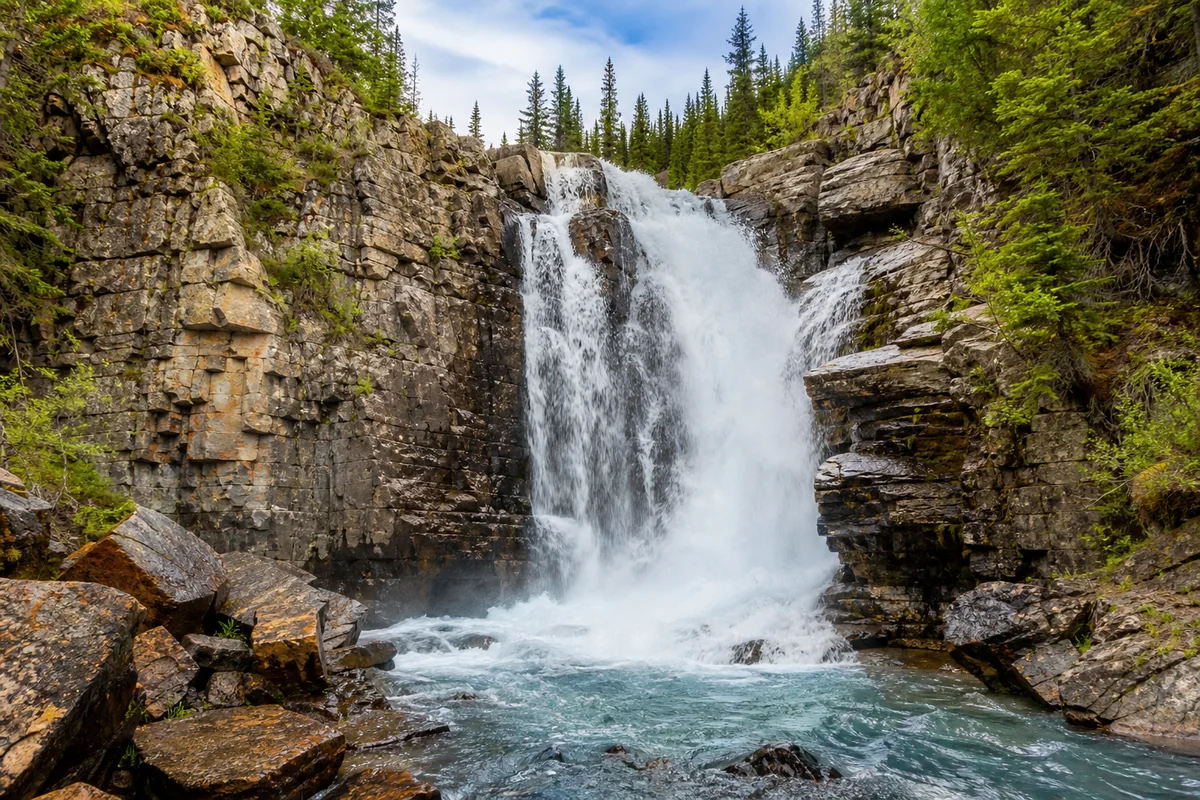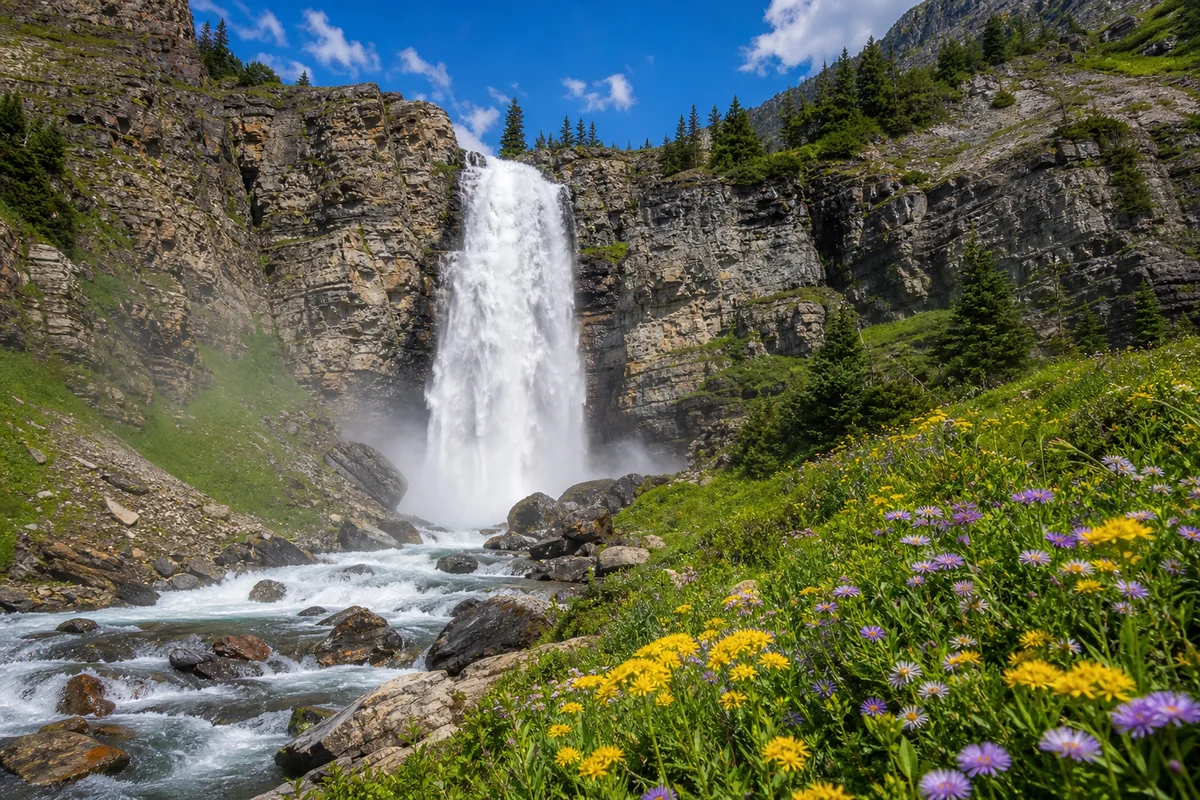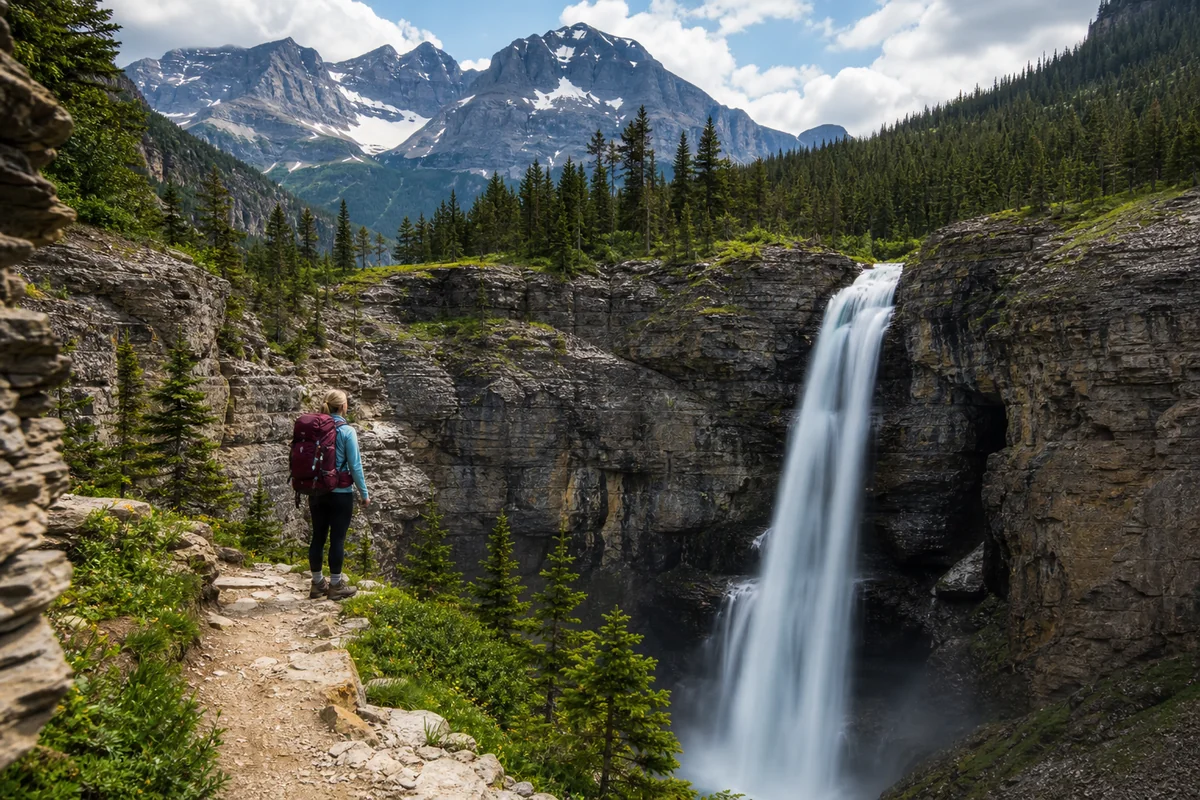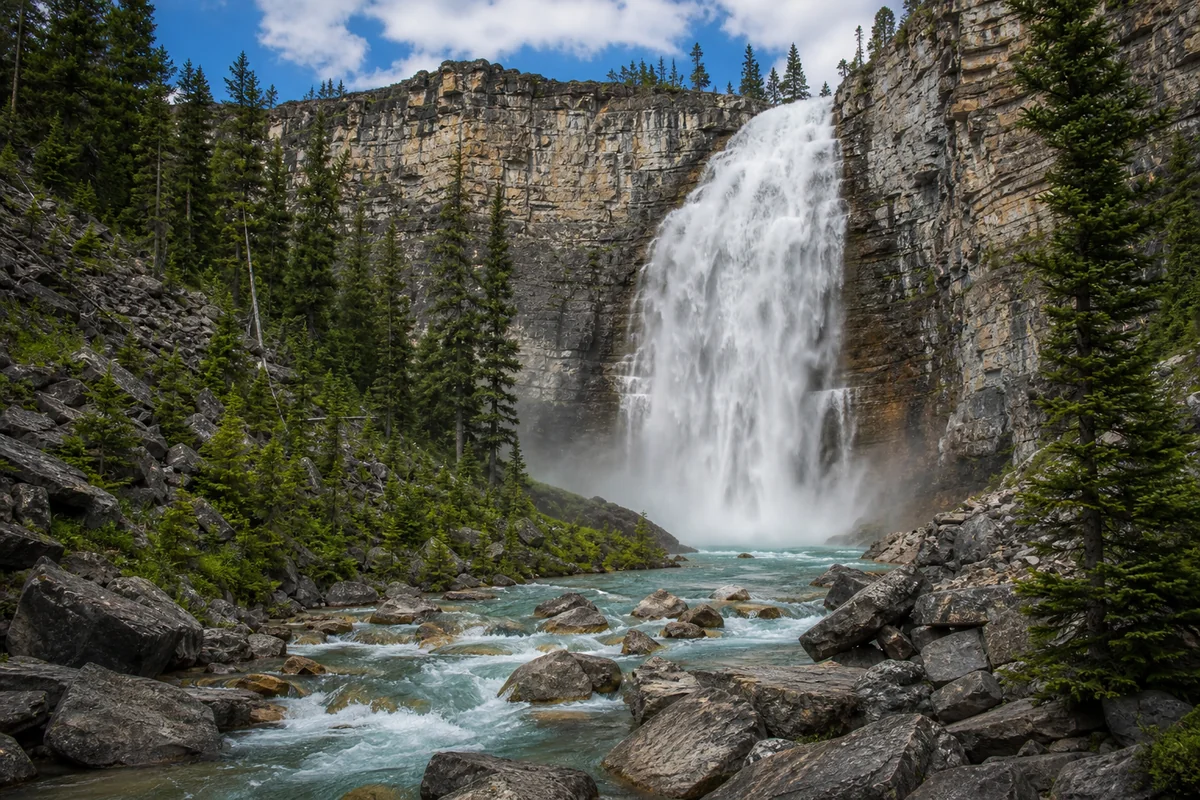
Standing at the base of Rock Creek Falls last August, with mist coating my face and the thunderous roar drowning out everything else, I understood why this hidden gem in the Beartooth Mountains remains one of Montana’s most underrated waterfall experiences.
Unlike the crowded trails in Glacier National Park, I had this 75-foot cascade almost entirely to myself—a rare gift in peak summer season that reminded me why exploring Montana waterfalls never gets old.
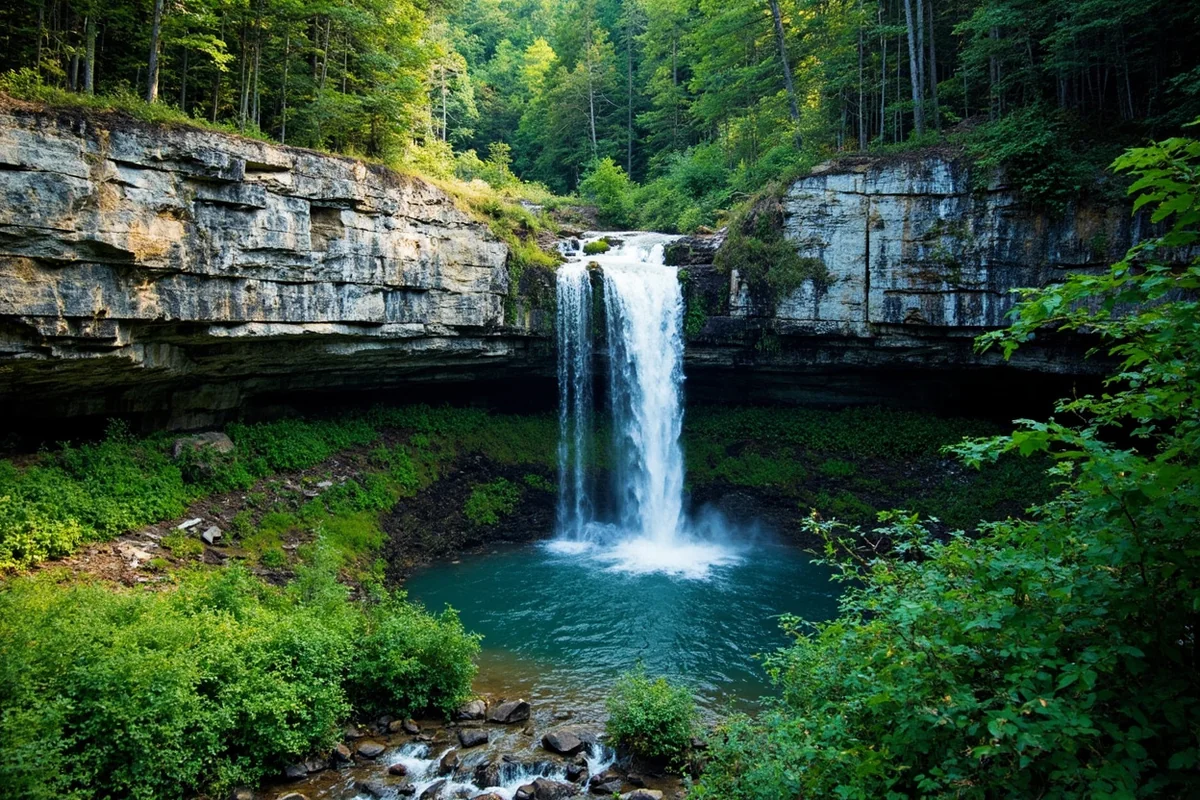
- Rock Creek Falls drops approximately 75 feet in Montana’s Beartooth-Absaroka Wilderness
- The hike is roughly 4.5 miles round-trip with 800 feet of elevation gain
- Best visited late June through early August for peak water flow
- Trailhead located off Highway 78 near Red Lodge, Montana
- No entrance fees, but a Recreation Pass is recommended
- Dog-friendly trail with proper leash requirements
- Allow 3-4 hours for a comfortable round-trip experience
Liked this article?
Add Roaming Montana as a preferred source so you see more of our articles and guides on Google.
Why Rock Creek Falls Deserves a Spot on Your Montana Itinerary
I’ve chased waterfalls across Montana for the better part of a decade, from the easily accessible Kootenai Falls in the northwest to the backcountry cascades of Glacier National Park. Rock Creek Falls occupies a sweet spot that I genuinely appreciate: challenging enough to feel like an accomplishment, yet accessible enough that you don’t need extensive mountaineering experience.
What sets this waterfall apart is its setting in the Beartooth-Absaroka Wilderness. The granite walls, alpine meadows, and pristine creek create a landscape that feels worlds away from civilization—even though Red Lodge is just a 30-minute drive away.
During my visit last summer, I encountered only four other hikers over a three-hour period. Compare that to my experience at more famous falls where I spent twenty minutes waiting for a clear photo opportunity.
Getting to Rock Creek Falls: Detailed Directions
Finding the trailhead was honestly the trickiest part of my Rock Creek Falls adventure. GPS can be unreliable in this area, so I’m giving you the exact route I used.
From Red Lodge
Start in Red Lodge on Highway 212 (the Beartooth Highway). Head south toward the Beartooth Pass, but don’t go all the way up—after about 6 miles, turn left onto West Fork Road (Forest Road 71).
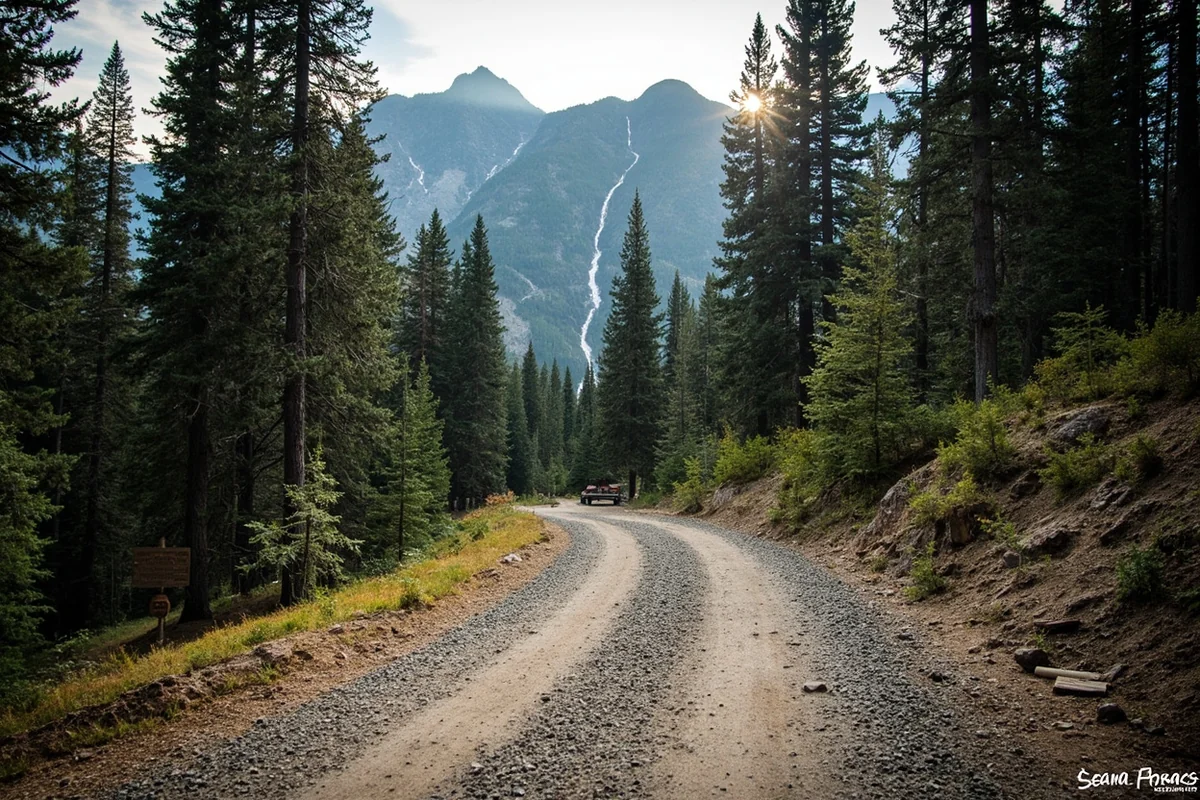
Follow West Fork Road for approximately 8.5 miles. The road is paved for the first portion but transitions to well-maintained gravel. During my August trip, my Honda CR-V handled it without any issues, though I drove cautiously through a few rocky sections.
Look for the Rock Creek Falls Trailhead sign on your right. The parking area accommodates roughly 15-20 vehicles, and I arrived at 8:30 AM on a Saturday to find only three other cars.
Important Road Conditions to Know
West Fork Road typically opens in late May or early June, depending on snowpack. When I called the Beartooth Ranger District in early June last year, they confirmed the road had just opened the week prior.
I wouldn’t recommend attempting this road in a low-clearance sedan, especially after heavy rain. The gravel sections have some pronounced washboard areas and occasional ruts that could scrape the undercarriage of lower vehicles.
Trail Overview and What to Expect
| Trail Detail | Information |
|---|---|
| Distance | 4.5 miles round-trip |
| Elevation Gain | ~800 feet |
| Difficulty | Moderate |
| Trail Type | Out and back |
| Time Required | 3-4 hours |
| Dogs Allowed | Yes, on leash |
| Fees | None (Recreation Pass recommended) |
Mile-by-Mile Trail Breakdown
Miles 0-1: The trail begins through a dense lodgepole pine forest. When I started hiking around 9 AM, the morning shade made this section pleasantly cool. The path is wide and well-defined here, following alongside Rock Creek. I could hear the water rushing below but couldn’t see it through the thick vegetation.
Miles 1-1.5: This is where things get interesting. The trail begins ascending more noticeably, with several switchbacks carved into the hillside. I stopped twice to catch my breath—the elevation here sits around 7,500 feet, and I definitely felt it coming from sea level.
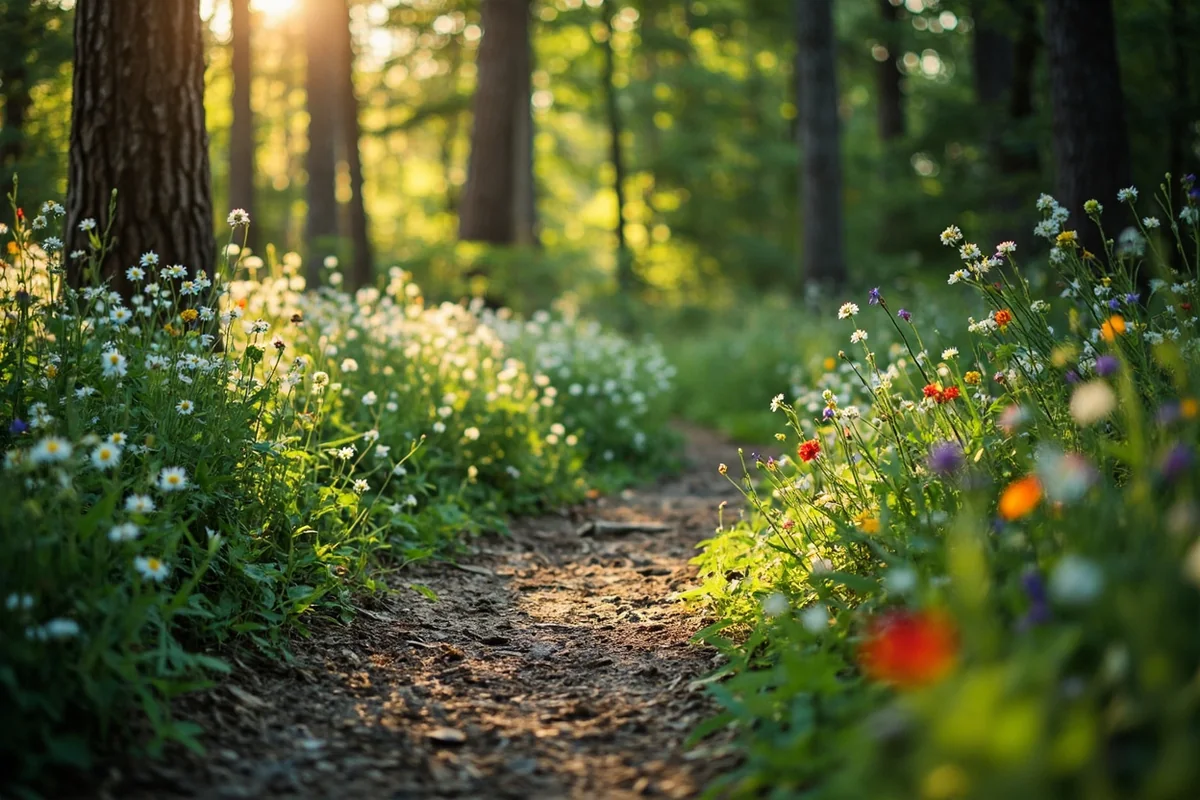
Miles 1.5-2: The forest opens up slightly, revealing glimpses of the surrounding peaks. During my hike, I spotted a family of mule deer grazing in a small meadow just off the trail. This section also features a few stream crossings—nothing major, but I was grateful for my waterproof boots.
Mile 2-2.25 (The Falls): You’ll hear the falls before you see them. The trail makes a final descent toward a rocky viewing area at the base of the cascade. I spent nearly an hour here, completely mesmerized by the power and beauty of the water crashing down.
Best Time to Visit Rock Creek Falls
Timing your visit correctly makes an enormous difference in your experience. I’ve now visited Rock Creek Falls twice—once in early August and once in mid-September—and the contrast was striking.
Peak Season: Late June through Early August
If you want to see Rock Creek Falls at its most impressive, aim for late June through early August. This is when snowmelt from the Beartooth Mountains feeds the creek at maximum capacity.
During my August visit, the waterfall was absolutely thundering. The mist cloud extended at least 40 feet from the base, and I couldn’t get anywhere near the pool without getting thoroughly soaked. My camera lens fogged up repeatedly—a beautiful problem to have.
Shoulder Season: Late August through September
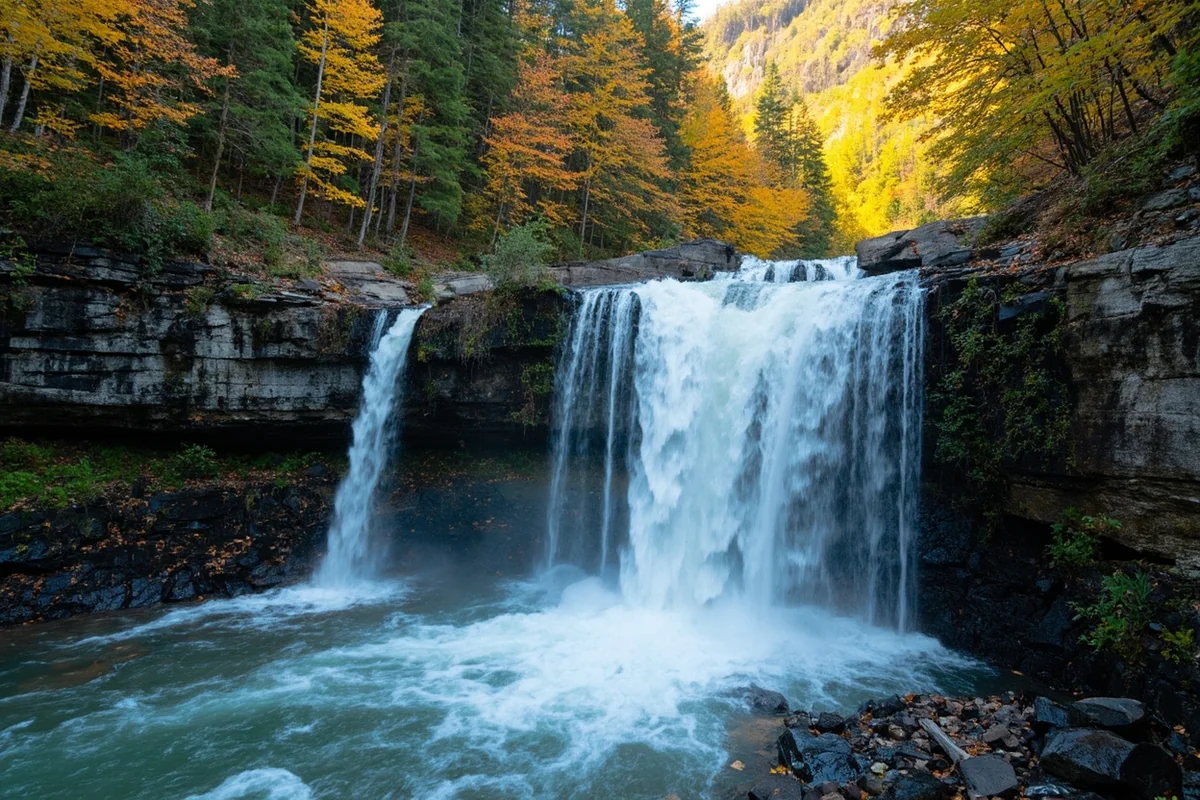
My September visit revealed a completely different waterfall. The flow had decreased significantly, allowing me to see rock formations that were invisible during peak flow. The spray was much lighter, making photography easier but definitely less dramatic.
The trade-off? Spectacular fall colors beginning to emerge in the surrounding aspens and the near-total absence of other hikers.
Seasons to Avoid
I wouldn’t recommend attempting this hike before late May or after early October. Snow lingers on the trail well into spring, and early fall storms can dump significant snow at this elevation with little warning.
A fellow hiker I met on the trail shared that she’d attempted the hike in late May two years prior and turned back due to snow covering the final mile of trail.
What I Packed (And What I Wish I’d Brought)
Packing appropriately significantly enhanced my experience. Here’s what I carried on my successful August hike:
Essentials That Proved Valuable
- 2 liters of water: I drank nearly all of it. The moderate exertion at altitude left me thirstier than expected.
- Waterproof hiking boots: Absolutely essential for the stream crossings and the misty area near the falls.
- Packed lunch and snacks: I ate lunch on a large boulder near the falls viewing area—one of the most scenic meal spots of my life.
- Rain jacket: Even on a cloudless day, the mist from the falls soaked through my shirt. I eventually put on my rain jacket just to stay warm.
- Bear spray: This is grizzly country. I didn’t encounter any bears, but I kept the spray accessible on my hip belt.
- Dry bag for electronics: The mist is no joke. I stored my phone and camera in a small dry bag when I wasn’t actively using them.
What I Wish I’d Packed
- Trekking poles: The descent back to the trailhead was harder on my knees than anticipated. Poles would have helped.
- Extra socks: My feet got wet near the falls, and hiking back in damp socks wasn’t ideal.
- A small towel: For drying off camera equipment and wiping mist from sunglasses.
Photography Tips from My Experience
Rock Creek Falls presents some challenging but rewarding photography opportunities. I came away with several lessons learned.
Morning Light Is Your Friend
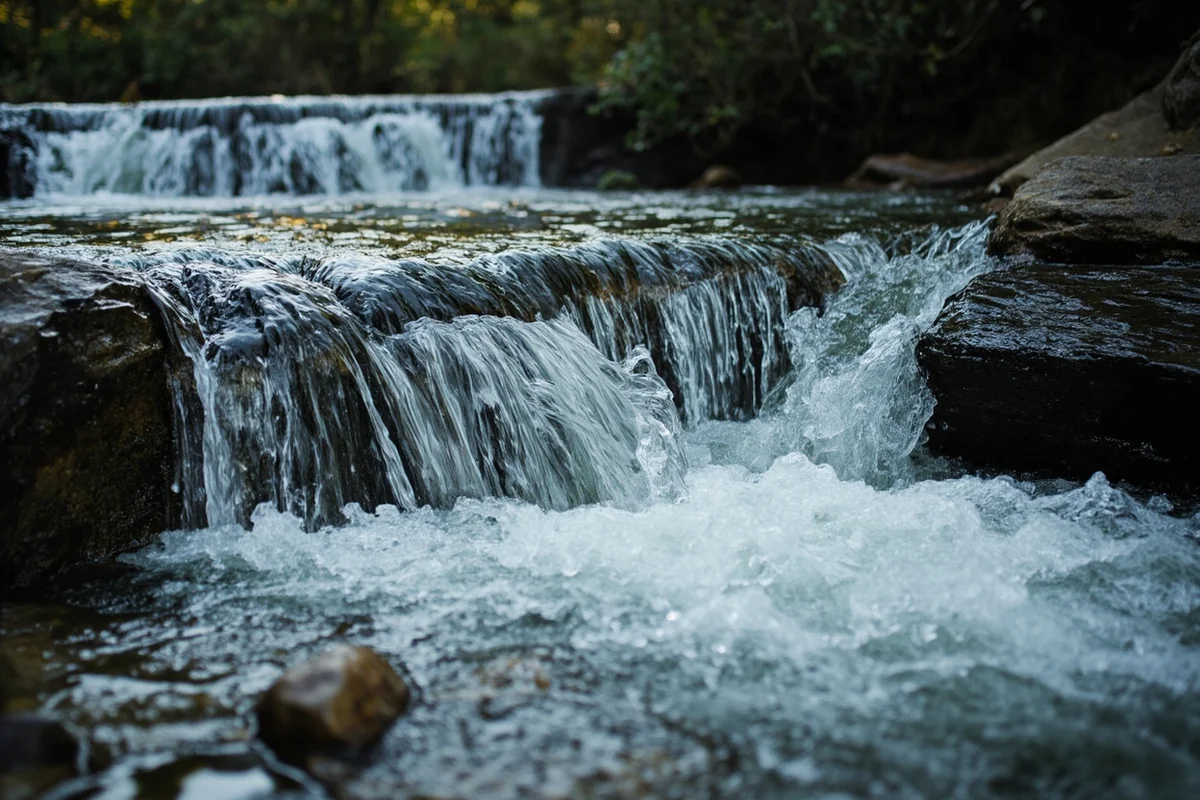
The falls face roughly northeast, meaning morning light illuminates them beautifully while afternoon sun creates harsh shadows on the surrounding cliff faces. I arrived around 11 AM and found the lighting good but not optimal. If I return, I’ll aim for 8-9 AM.
Bring Lens Protection
I cannot emphasize this enough: the mist will coat your lens constantly when you’re near the falls. I brought a microfiber cloth and found myself wiping my lens every 30-60 seconds. A lens hood helps somewhat, but moisture still found its way onto the glass.
Long Exposures Create Magic
If you have a tripod and neutral density filter, bring them. I didn’t on my first visit and regretted it. On my September return, I carried a small travel tripod and captured some silky smooth long-exposure shots that became my favorites.
Don’t Forget the Details
While the main falls view is spectacular, some of my best shots came from focusing on smaller details: water droplets on fern leaves, the texture of moss-covered rocks, wildflowers blooming at the base.
Wildlife Encounters to Prepare For
The Rock Creek area is genuinely wild, and wildlife sightings are common. Here’s what I’ve observed and what other hikers have reported.
What I Saw
On my August hike, I spotted mule deer, several chipmunks, and a variety of bird species including Clark’s nutcrackers and Steller’s jays. Near the trailhead, I noticed fresh moose tracks in the mud—though I never saw the moose itself.
Bear Safety Is Non-Negotiable
Both black bears and grizzly bears inhabit this region. I carried bear spray and made noise on the trail, especially around blind corners. The Beartooth Ranger District reported several grizzly sightings in the Rock Creek drainage during the summer I visited.
Travel in groups when possible. If you’re hiking solo like I often do, talk loudly, clap periodically, and stay alert. I also avoided wearing headphones, which allowed me to hear my surroundings.
Moose Deserve Respect
Moose are actually responsible for more injuries to humans than bears in Montana. The willow thickets along Rock Creek are prime moose habitat. If you encounter a moose, give it a wide berth—at least 50 yards.
Combining Rock Creek Falls with Other Area Attractions
One of the things I love about this region is how much you can pack into a single day or weekend trip. Here’s how I structured my visit.
The Beartooth Highway
If the timing works out (usually June through mid-October), drive the legendary Beartooth Highway before or after your hike. Charles Kuralt called it “the most beautiful drive in America,” and I wholeheartedly agree.
I drove the highway the afternoon before my hike, stopping at several overlooks and watching the sunset from the summit. The next morning, I tackled the waterfall with fresh legs.
Red Lodge
This charming mountain town makes an excellent base camp. I stayed at a cozy Airbnb just off Broadway (the main street) and enjoyed dinner at Red Lodge Pizza Company—surprisingly excellent pizza at 6,400 feet elevation.
Red Lodge also offers grocery stores, outdoor gear shops, and coffee shops for fueling up before your hike.
Other Nearby Waterfalls
If you’re on a waterfall-hunting mission, consider combining Rock Creek Falls with other cascades in the broader region. Ousel Falls near Big Sky is worth the drive, and Palisade Falls near Bozeman offers an easier hike with equally impressive scenery.
Trail Conditions Throughout the Year
Understanding seasonal variations helps you plan appropriately. Here’s what to expect based on my research and conversations with local rangers.
Winter (November through April)
The trail is essentially inaccessible. West Fork Road closes due to snow, and the trail itself lies under several feet of snowpack. Don’t attempt it.
Spring (May through Mid-June)
This is a transitional period. Lower sections of the trail may be hikeable, but expect snow, mud, and potentially dangerous creek crossings due to high runoff. I’d recommend waiting until local rangers confirm the full trail is clear.
Summer (Late June through August)
Prime hiking season. The trail is typically clear of snow, wildflowers bloom in the meadows, and the falls flow at their most impressive. This is when I made both of my visits.
Fall (September through October)
Increasingly unpredictable. Early September offers beautiful conditions with changing leaves and fewer crowds. By late September, early snowstorms become possible. I recommend checking weather forecasts daily if you’re planning a fall visit.
Accessibility and Difficulty Considerations
I want to be honest about the physical demands of this hike so you can assess whether it’s appropriate for your fitness level.
The Elevation Factor
The trailhead sits at approximately 6,800 feet, and you’ll gain another 800 feet. If you’re visiting from sea level, the thin air will affect you. I live at moderate elevation and still felt slightly winded on the steeper sections.
I recommend spending at least one night in Red Lodge before attempting the hike if you’re coming from low elevation. This gives your body time to begin acclimating.
Trail Surface
The trail surface varies. Some sections are smooth packed dirt, while others feature loose rocks, exposed roots, and uneven terrain. Proper footwear matters—I wouldn’t attempt this in sneakers or sandals.
Stream Crossings
Depending on the season and recent rainfall, you’ll encounter 2-3 small stream crossings. During my August visit, these were easily navigable via rocks and logs. In early summer with higher water levels, you might get your feet wet.
Not Wheelchair or Stroller Accessible
Due to the rocky terrain, elevation gain, and stream crossings, this trail is not accessible for wheelchairs or strollers. If you need accessible waterfall options, consider McDonald Falls in Glacier National Park, which has a paved overlook.
Overnight Camping Options
While Rock Creek Falls makes an excellent day hike, the surrounding area offers wonderful camping opportunities for those wanting a more immersive experience.
Basin Campground
This small Forest Service campground sits along West Fork Road, about 5 miles from the trailhead. During my first visit, I car camped here the night before my hike. The facilities are basic (vault toilets, no running water), but the location is beautiful and cost just $12 per night.
Backcountry Camping
Dispersed camping is permitted in the Beartooth-Absaroka Wilderness, but you’ll need to camp at least 200 feet from trails and water sources. If you’re experienced in backcountry camping and want to spend the night near the falls, this is an option—just ensure you’re practicing proper Leave No Trace principles.
Red Lodge Accommodations
For those preferring a bed over a sleeping bag, Red Lodge offers numerous hotels, motels, and vacation rentals. I found prices reasonable compared to gateway towns near national parks—typically $100-180 per night in peak season.
Essential Regulations and Leave No Trace Practices
Protecting this pristine area ensures future visitors can enjoy the same experience I did.
Pack It In, Pack It Out
There are no trash facilities on the trail. Everything you bring needs to leave with you. I brought a small plastic bag specifically for my trash and made a point to pick up a few pieces of litter left by less conscientious hikers.
Stay on Designated Trails
The vegetation around Rock Creek is fragile. Even short off-trail detours can damage alpine plants that take years to recover. I noticed some social trails near the falls where people had created shortcuts—please avoid these.
Human Waste Guidelines
If nature calls on the trail, move at least 200 feet from water sources and trails. Dig a cat hole 6-8 inches deep and pack out toilet paper. Several other Montana waterfalls I’ve visited, like Morrell Falls, have experienced pollution issues from improper waste disposal.
Campfire Restrictions
Fire restrictions often apply during summer months. Check with the Beartooth Ranger District before any camping trip, as conditions change throughout the season.
Comparing Rock Creek Falls to Similar Montana Waterfalls
How does Rock Creek Falls stack up against other waterfalls I’ve visited in Montana? Here’s my honest assessment.
Versus Glacier National Park Waterfalls
Glacier’s waterfalls, like Saint Mary Falls and Running Eagle Falls, are spectacular but often crowded. Rock Creek Falls offers a comparable natural beauty with a fraction of the visitors. However, Glacier’s falls are generally more accessible and well-marked.
Versus Holland Lake Falls
Holland Lake Falls is another moderate hike with a stunning payoff. I’d rate the two similarly in terms of difficulty and scenery. The main difference: Holland Lake Falls is closer to Missoula, while Rock Creek Falls is more accessible from Billings and Bozeman.
Versus Memorial Falls
Memorial Falls near Great Falls offers an easier hike but a smaller waterfall. If you’re looking for a quick waterfall fix, Memorial Falls works. If you want a more substantial wilderness experience, Rock Creek Falls delivers.
Planning Your Visit: Practical Logistics
Here’s everything else you need to know to plan a successful trip.
Cell Phone Service
Don’t count on it. I had zero service at the trailhead and throughout the hike. Download offline maps before you go, and let someone know your hiking plans in case of emergency.
Nearest Services
Red Lodge is the last stop for gas, food, and supplies. There are no services on West Fork Road.
Emergency Contacts
The nearest hospital is Beartooth Billings Clinic in Red Lodge—a small facility for minor issues. For serious emergencies, Billings is about an hour away. Search and rescue operations are coordinated through Carbon County.
Permits and Fees
No permits are required for day hiking to Rock Creek Falls. A Northwest Forest Pass is technically required for parking at some Forest Service trailheads in the region, though enforcement is inconsistent. I recommend purchasing one ($5 daily, $30 annually) to support trail maintenance.
My Honest Take: Is Rock Creek Falls Worth the Trip?
After two visits, countless miles hiked, and thousands of photos taken, here’s my verdict.
Rock Creek Falls is absolutely worth visiting for anyone who wants a genuine Montana wilderness experience without the crowds of the national parks. The moderate difficulty makes it accessible to most reasonably fit hikers, and the reward-to-effort ratio is excellent.
That said, it’s not the easiest waterfall to reach. If you’re short on time or hiking with young children or older adults with mobility limitations, consider more accessible options like Skalkaho Falls or Lost Creek Falls, both of which require minimal hiking.
For experienced hikers and waterfall enthusiasts willing to put in the work, Rock Creek Falls delivers an unforgettable experience. Standing at that misty base, surrounded by ancient granite and listening to the raw power of falling water, I felt genuinely connected to wild Montana.
That feeling alone made the journey worthwhile—and it’s why I’m already planning my next visit.
Quick Reference: Everything at a Glance
- Location: Beartooth-Absaroka Wilderness, approximately 30 minutes from Red Lodge
- Best season: Late June through early August for peak water flow
- Trail length: 4.5 miles round-trip
- Difficulty: Moderate
- Time needed: 3-4 hours
- Fees: None (Recreation Pass recommended)
- Dogs: Allowed on leash
- Crowds: Light to moderate, significantly less than national park waterfalls
- Cell service: None
- Facilities: Vault toilet at trailhead
For more waterfall adventures across the state, explore our guides to Grotto Falls, Hidden Falls, and Rockwell Falls in Glacier National Park.
Frequently Asked Questions
Where is Rock Creek Falls located in Montana and how do I get there?
Rock Creek Falls is located in the Beartooth Mountains near Red Lodge, Montana, about 60 miles southwest of Billings. To reach the trailhead, take US-212 south from Red Lodge toward the Beartooth Highway, then follow signs for the West Fork of Rock Creek Road. The gravel road is accessible for most vehicles in summer, but I’d recommend a high-clearance vehicle for the final stretch.
How long is the hike to Rock Creek Falls Montana?
The hike to Rock Creek Falls is approximately 1.5 miles round trip with minimal elevation gain, making it an easy family-friendly trail. Most hikers complete the out-and-back route in about 45 minutes to an hour, though I recommend budgeting extra time to enjoy the falls and take photos. The trail follows Rock Creek through beautiful forest scenery before reaching the cascading waterfall.
What is the best time of year to visit Rock Creek Falls in Montana?
The best time to visit Rock Creek Falls is late May through early July when snowmelt creates the most impressive water flow. I’ve found that visiting in June offers the perfect balance of peak water volume and accessible trail conditions. Note that the Beartooth Highway and surrounding roads typically don’t open until late May due to heavy snowpack in the mountains.
Is there an entrance fee or permit required for Rock Creek Falls?
There is no entrance fee or permit required to hike to Rock Creek Falls since it’s located within the Custer Gallatin National Forest. However, if you’re camping nearby at one of the Forest Service campgrounds along Rock Creek, expect to pay around $10-15 per night. I always recommend bringing cash for any self-pay stations at trailheads.
What should I bring for a hike to Rock Creek Falls Montana?
Pack sturdy hiking shoes with good traction since the trail can be muddy and rocky near the waterfall, especially during peak runoff season. I always bring bear spray since this is grizzly country, along with layers for unpredictable mountain weather, plenty of water, and insect repellent for the mosquitoes that thrive near the creek. A waterproof phone case is handy if you want close-up photos of the misty falls.
Can you swim at Rock Creek Falls in Montana?
Swimming at Rock Creek Falls is not recommended due to extremely cold snowmelt temperatures, slippery rocks, and unpredictable currents during high water periods. The water temperature rarely exceeds 50°F even in summer, which can quickly lead to hypothermia. I’ve seen visitors wade in the calmer pools downstream, but always exercise extreme caution around any waterfall.
Are dogs allowed on the Rock Creek Falls trail?
Yes, dogs are allowed on the Rock Creek Falls trail but must be kept under control, and I strongly recommend keeping them leashed due to wildlife in the area including bears and moose. The trail crosses some rocky terrain that can be tough on paws, so bring water for your dog and watch for signs of fatigue. Always pack out pet waste to help preserve this beautiful Montana wilderness.