Somewhere beneath the still water of a reservoir south of Dillon lies the site of one of the most emotional reunions in American exploration history. Almost nobody who fishes the river below it knows the story.
- The Beaverhead River begins at Clark Canyon Dam, about 20 miles south of Dillon, and flows roughly 70 miles north to its confluence with the Big Hole and Ruby Rivers at Twin Bridges, where it becomes the Jefferson.
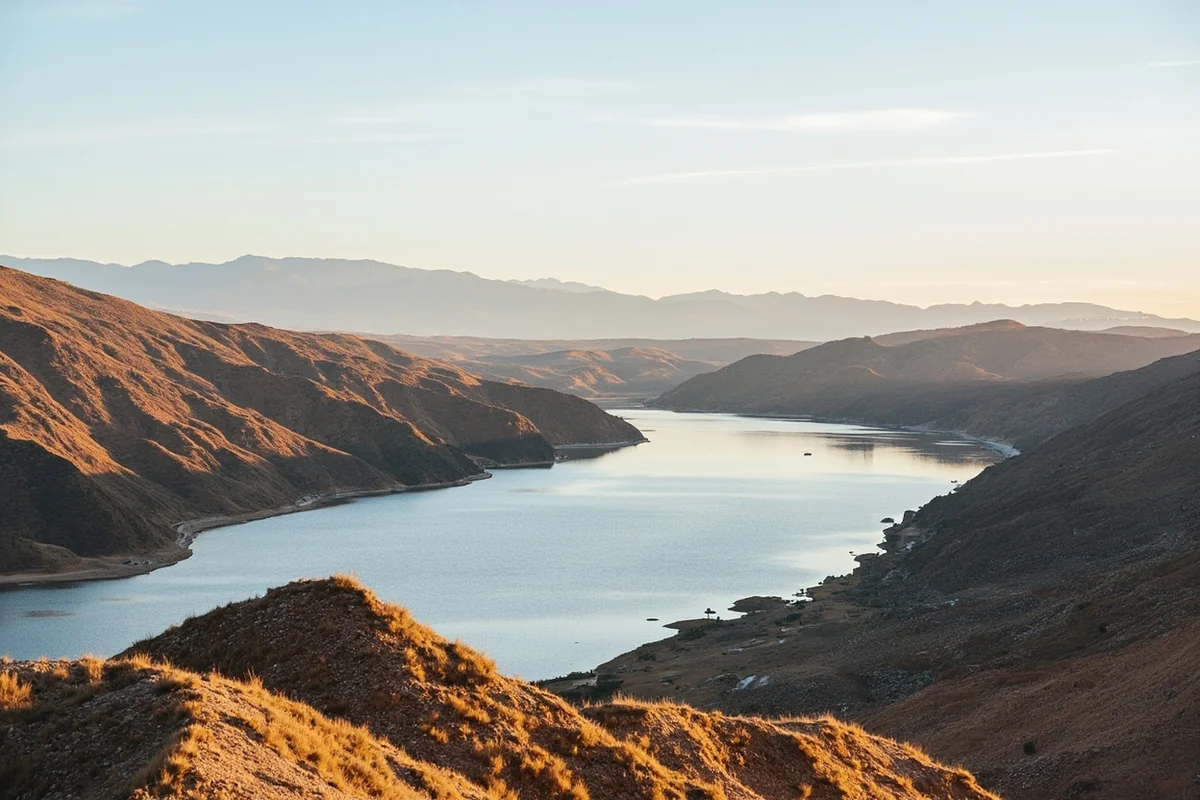
- Clark Canyon Reservoir, which creates this river as a tailwater, submerged the site of Camp Fortunate — where Sacagawea was reunited with her long-lost brother in August 1805.
- This is widely considered the single most technically demanding river to fish in Montana, thanks to narrow, willow-choked banks and famously educated trout.
- Trout densities here rank among the highest in the state, and the browns can genuinely exceed 24 inches.
- I’ll cover the fishing, the history, and the honest tradeoffs of a river that rewards patience more than almost any other water in this series.
Liked this article?
Add Roaming Montana as a preferred source so you see more of our articles and guides on Google.
The Camp That’s Now Underwater
I want to start with the story, because I think it matters more than any hatch chart I could give you.
On August 17, 1805, the Lewis and Clark Expedition camped at the forks where two streams — the Red Rock River and Horse Prairie Creek — joined to form what they would name the Beaverhead River. They called this camp Fortunate Camp, and for good reason.
Sacagawea, the expedition’s young Shoshone interpreter, had been captured by Hidatsa raiders as a girl and taken far from her homeland. At this exact camp, she was brought in to help translate negotiations with a band of Shoshone the expedition desperately needed for horses to cross the Rockies.
As she began interpreting, she recognized the band’s chief, Cameahwait, as her own brother. According to Meriwether Lewis’s journal, she jumped up, embraced him, and wept.
It’s one of the most genuinely moving moments recorded in the entire expedition, described by the men who witnessed it as deeply affecting even to those who couldn’t understand the language being spoken.
That reunion changed the expedition’s fortunes. Cameahwait and his people provided horses and a guide for the brutal crossing ahead, without which the Corps of Discovery may not have made it over the Continental Divide before winter.
Today, the actual site of that camp sits beneath Clark Canyon Reservoir, submerged when the dam was built in the early 1960s. The Bureau of Reclamation and local Lewis and Clark heritage groups still hold an annual reenactment near the reservoir, with descendants of the Lemhi Shoshone participating [verify current event dates before planning a visit].
I think it’s worth standing at the reservoir’s edge for a moment before you start fishing below it, just to sit with what happened on that ground.
It’s worth knowing the fuller context too. Sacagawea’s reunion wasn’t simply a happy coincidence — she and her adoptive family had been separated by violence years earlier, and this moment carried real grief alongside the joy.
She learned during those same negotiations that most of her immediate family had died in the years since her capture, leaving only a couple of brothers and a young nephew she immediately took in as her own. I think that context matters.
This wasn’t a simple storybook reunion; it was a complicated, bittersweet homecoming that happened to also serve the expedition’s practical needs. For more on this chapter of Montana’s story, our key historical events in Montana page covers the broader Lewis and Clark journey through the state.
Montana’s Most Technically Demanding River
I don’t say this lightly, having fished most of the rivers covered in this series: the Beaverhead is genuinely the hardest river in Montana to fish well.
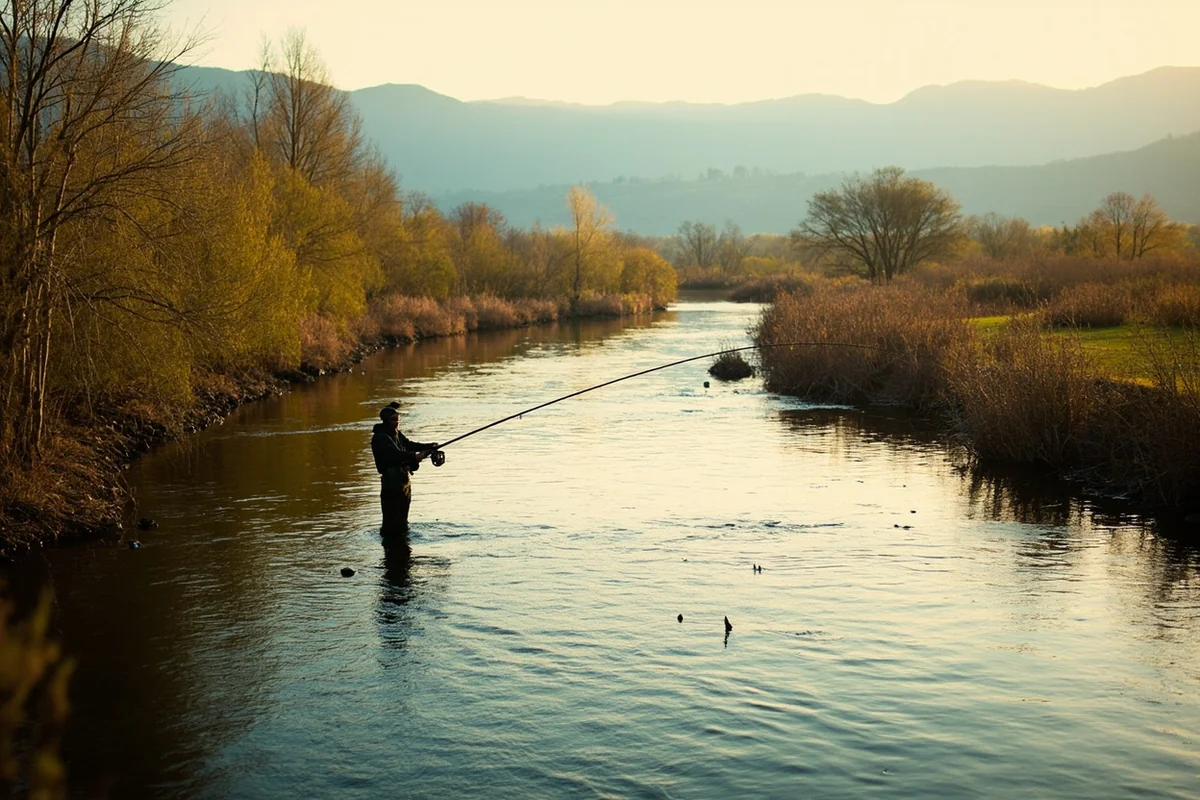
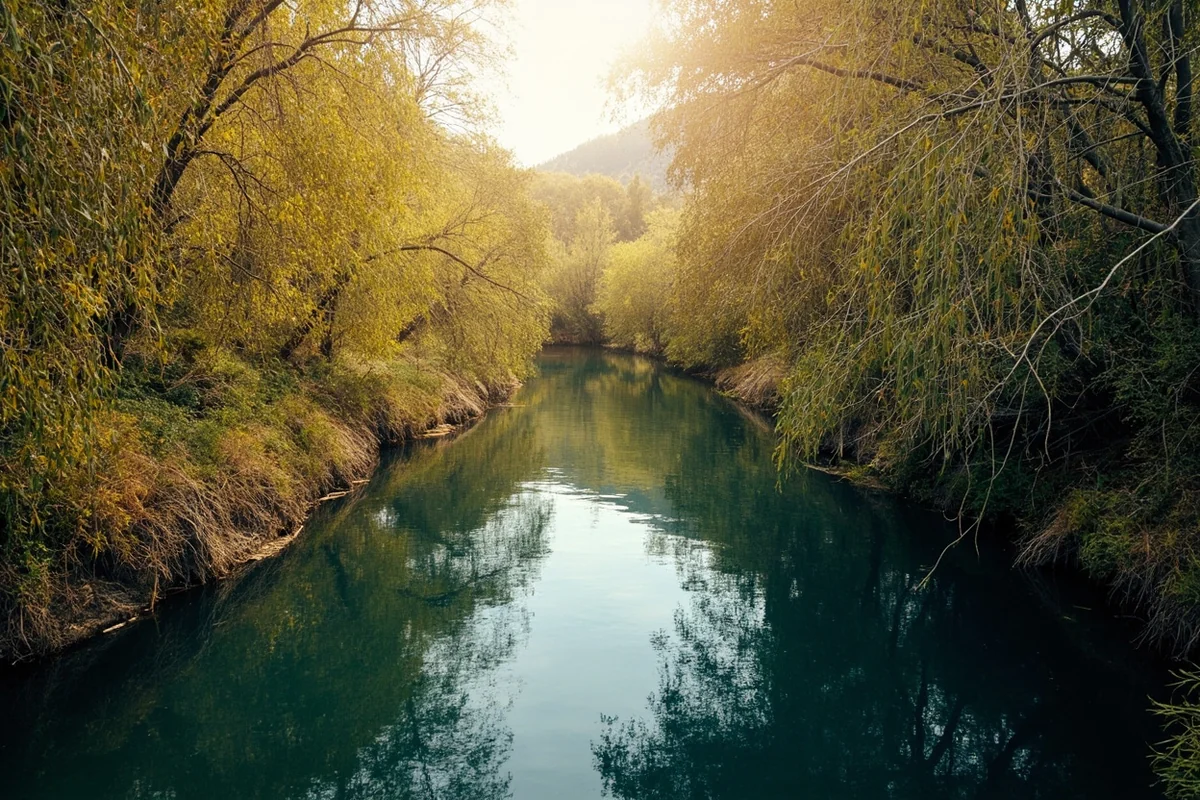
It’s narrow — often just 80 to 90 feet wide — and lined almost continuously with thick willows that grab backcasts and swallow flies. The water is technical, twisting sharply enough that a cast that’s perfect one moment needs to be completely different the next.
And the trout here are famously educated, particularly on the heavily fished upper stretch, where fish see enough flies each season to become genuinely selective.
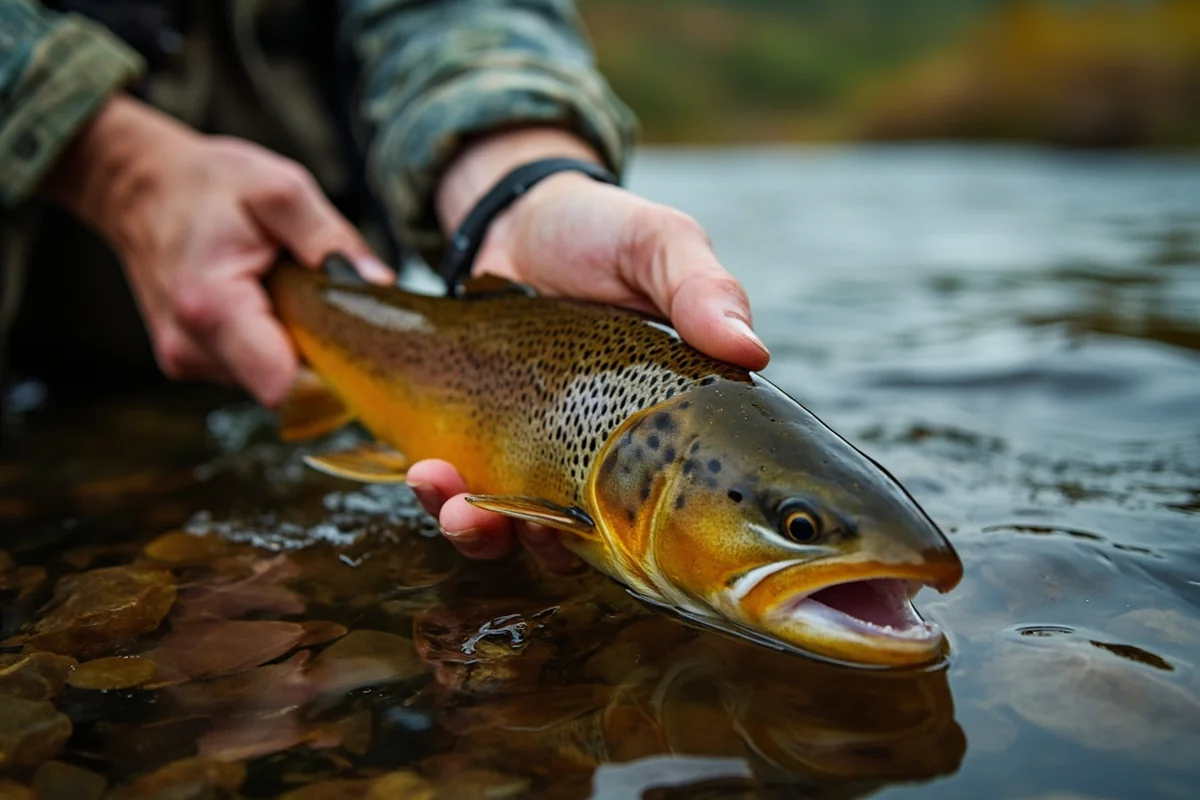
The reward matches the difficulty. This is a tailwater fed by cold, stable releases from Clark Canyon Dam, and it supports trout densities that rank among the highest in Montana — often 1,500 to 3,000 fish per mile in the upper river, with browns regularly exceeding 20 inches and some pushing well past 24.
I fished a stretch below the dam on an overcast June morning and spent most of the day getting outsmarted by fish I could clearly see, refusing every pattern I threw until I finally matched something close enough to fool a handful of them. It was humbling in a way very few rivers have managed.
Fishing the Beaverhead, Section by Section
Clark Canyon Dam to Barrett’s Diversion Dam. This 18-mile upper stretch is the river’s most famous and most heavily fished water, with excellent public access thanks to Bureau of Reclamation land bordering much of it. It’s also, predictably, the busiest — expect real float traffic during summer, especially around the third-Saturday-in-May opener, when anglers converge hoping for trophy trout before the fish grow wary from pressure. A portage is required at Barrett’s Dam itself.
Barrett’s Dam to Dillon. Roughly half the river’s water gets diverted into irrigation canals at Barrett’s, which noticeably thins the flow through this 14-mile stretch. Access is more limited here, running mostly through private land, but that same limitation means far less fishing pressure. Trout numbers run lower than the upper river, but the big browns are every bit as present, and I’ve found them noticeably less finicky simply because they see fewer flies.
Below Dillon. Public access becomes genuinely difficult past town, and low, slow water during peak irrigation season makes this stretch the least popular of the three. Anglers willing to do some legwork can still find good fishing, particularly in the fall when flows improve and pre-spawn browns turn aggressive on streamers.
Poindexter Slough, a spring creek near Dillon, is worth knowing about even though it’s technically a separate water — it fishes like a classic technical spring creek and holds excellent brown trout in a completely different setting than the main river.
Wildlife Along the Beaverhead
The cottonwood corridor lining much of this river supports genuinely good wildlife habitat, particularly for raptors. Bald eagles nest in the mature cottonwoods along the river and forage over both the Beaverhead and Clark Canyon Reservoir, especially during milder winters when other water sources freeze — see our Montana osprey page for more on the raptors you’re likely to spot working the water alongside them.
I’ve also spotted mule deer and pronghorn antelope regularly on the open benches above the river, particularly at dawn and dusk.
Rattlesnakes are a genuine presence in the dry hills surrounding the valley, so I’d recommend watching your footing carefully if you’re scrambling down a bank to reach the water.
If you’re floating, Montana’s general boating regulations apply here just like on every other river in this series.
An Honest Look at the River’s Health
I think it’s worth being direct about something most fishing content glosses over: parts of the Beaverhead face real water quality challenges.
The stretch between Clark Canyon Dam and Grasshopper Creek is officially listed by Montana’s Department of Environmental Quality as not fully supporting healthy aquatic life, due to a combination of bank erosion, dewatering, and lingering effects from historic agriculture and abandoned mining in the watershed.
Reservoir managers work with irrigators to release periodic flushing flows specifically to help move sediment and protect fish habitat, but it’s an ongoing balancing act rather than a solved problem.
I don’t think this should scare you away from fishing here — the trout populations remain genuinely excellent by any state’s standards. But I’d rather you know the fuller picture than assume a river producing 24-inch browns must be pristine from bank to bank.
Sometimes exceptional fishing and real ecological stress coexist in the same water, and the Beaverhead is a good example of that tension.
Making Your Base Camp: Dillon
Dillon is the obvious hub for a Beaverhead trip, sitting right on the river with easy access to both the upper tailwater and the lower stretches. It’s also a genuinely pleasant small college town in its own right, home to the University of Montana Western, if you need a break from the water.
If you’re continuing downstream, Twin Bridges sits at the Beaverhead’s confluence with the Big Hole and Ruby Rivers, right where the water officially becomes the Jefferson River — a transition I’ve covered in more depth in our Jefferson River guide.
Personal Tips / What I Wish I Knew
Bring more fly patterns than you think you’ll need. The willows here claim flies at an alarming rate, and the educated fish demand pattern changes more often than most other Montana rivers. I’ve gone through more flies in a single day on the Beaverhead than an entire week on some of the state’s gentler water.
Fish the lower stretch if the upper river’s crowds wear you down. Barrett’s to Dillon offers a real chance at solitude with fish nearly as large as the famous upper water.
Check Clark Canyon Reservoir levels before a summer trip. Heavy irrigation demand can drop the reservoir significantly by late summer, which directly affects downstream flows and fishing conditions. I check gauge data the week before any late-season trip rather than assuming conditions will match what I remember from previous years.
Take a few minutes at Clark Canyon Reservoir before you fish. Knowing what happened on that ground changes how the whole trip feels, at least it did for me.
Respect the technical nature of this water. If you’re newer to fly fishing, I’d genuinely recommend a guided day here before attempting it solo — the combination of tight casting lanes and selective fish can be discouraging without some local knowledge. For more on the trout species you’ll encounter here, our Montana state fish page covers the westslope cutthroat’s broader status across the state, though the Beaverhead itself is primarily a brown and rainbow fishery today.
Practical Info: Beaverhead River at a Glance
| Section | Best For | Difficulty | Notes |
|---|---|---|---|
| Clark Canyon Dam to Barrett’s Dam | Trophy trout, floating | Difficult, heavy pressure | Most famous stretch, portage at Barrett’s |
| Barrett’s Dam to Dillon | Trophy trout, solitude | Difficult, limited access | Lower pressure, still large fish |
| Below Dillon | Fall streamer fishing | Moderate, low water in summer | Least visited stretch |
| Clark Canyon Reservoir | History, reservoir fishing | Easy | Site of historic Camp Fortunate |
[Verify current Clark Canyon Reservoir levels, fishing regulations, and Camp Fortunate reenactment dates directly with Montana FWP and the Bureau of Reclamation before your trip.]
Final Thoughts
The Beaverhead asks more of you than almost any other river in this series, and it gives back accordingly — genuinely enormous trout, technical fishing that will humble even experienced anglers, and a piece of ground upstream that carries more American history than most national monuments.
I’d encourage you to fish it patiently, respect its difficulty, and take a moment at Clark Canyon Reservoir to think about what happened there before you ever cast a line. It’s the kind of place that stays with you longer than the fish count from the day ever will.
That closes out this full guide to Montana’s best rivers — for the complete picture of everything covered in this series, head back to our full guide to the best rivers in Montana.
Pin this guide before your trip, and let me know in the comments which of these rivers you’re planning to fish first.