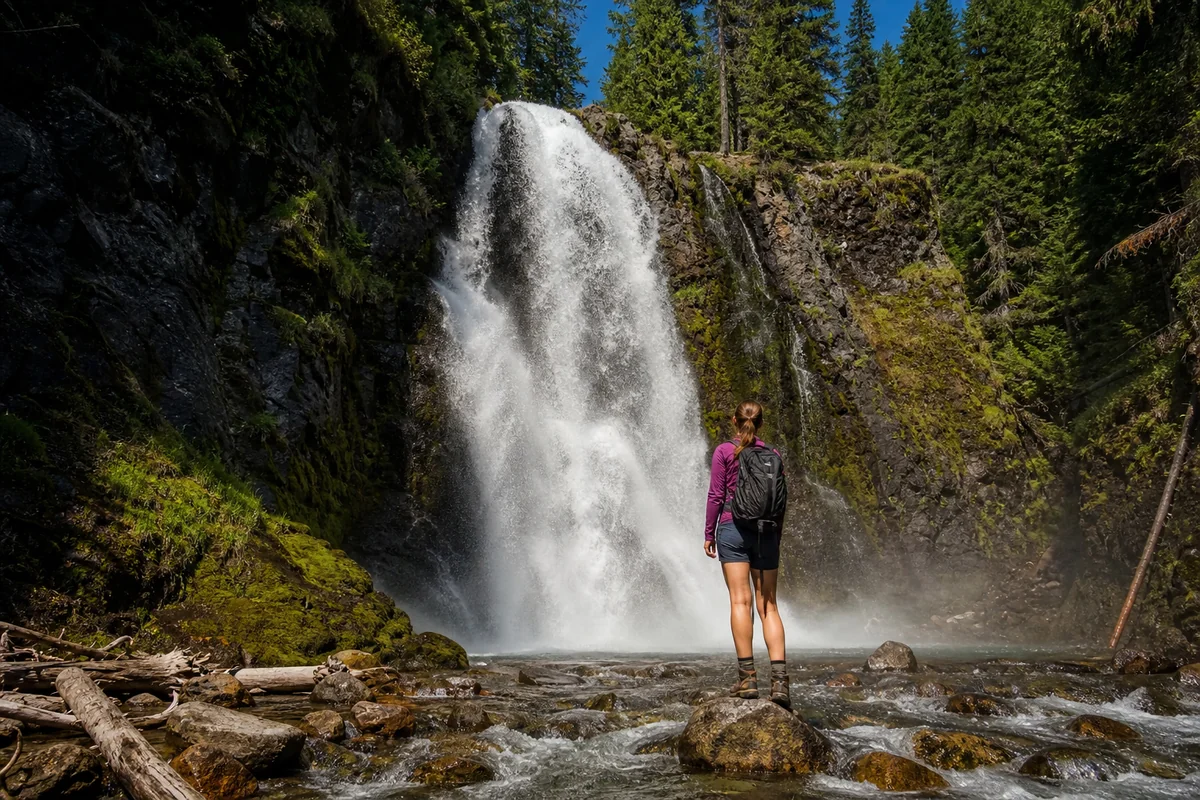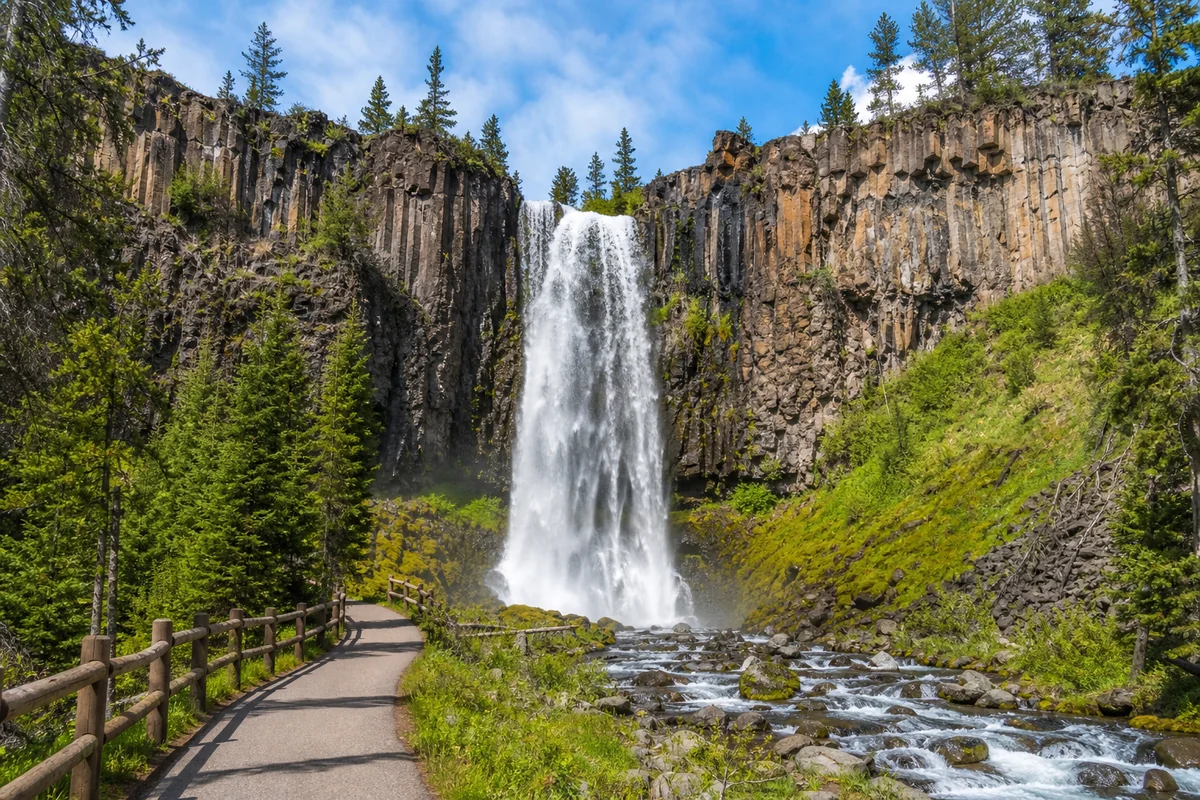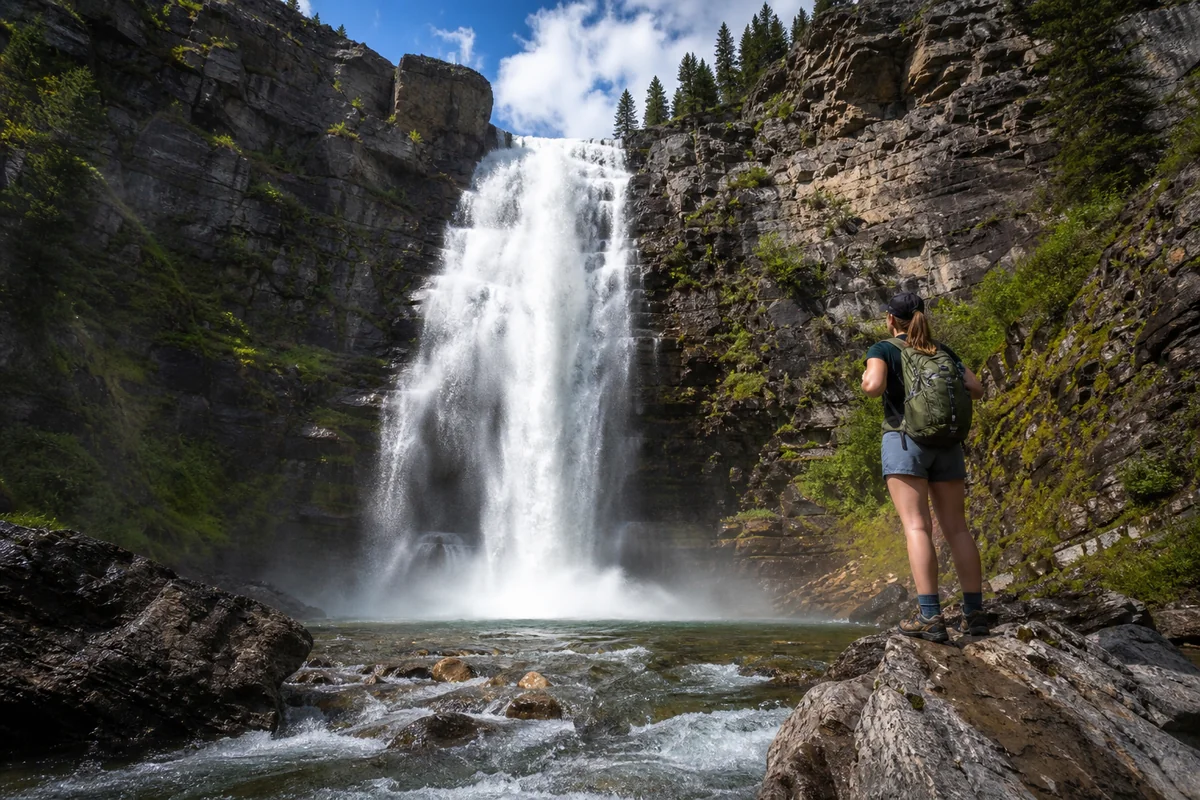
The moment I rounded that final bend on the trail and heard the thunderous roar of Mission Falls echoing through the canyon, I understood why the Salish-Kootenai people have considered this place sacred for generations.
Standing at the base of this 160-foot cascade last summer, mist cooling my face after a challenging climb, I felt genuinely humbled by one of Montana’s most powerful yet underrated waterfalls.
If you’re exploring Montana waterfalls, Mission Falls deserves a prime spot on your list—it’s raw, wild, and demands a bit of effort that makes the reward infinitely sweeter.
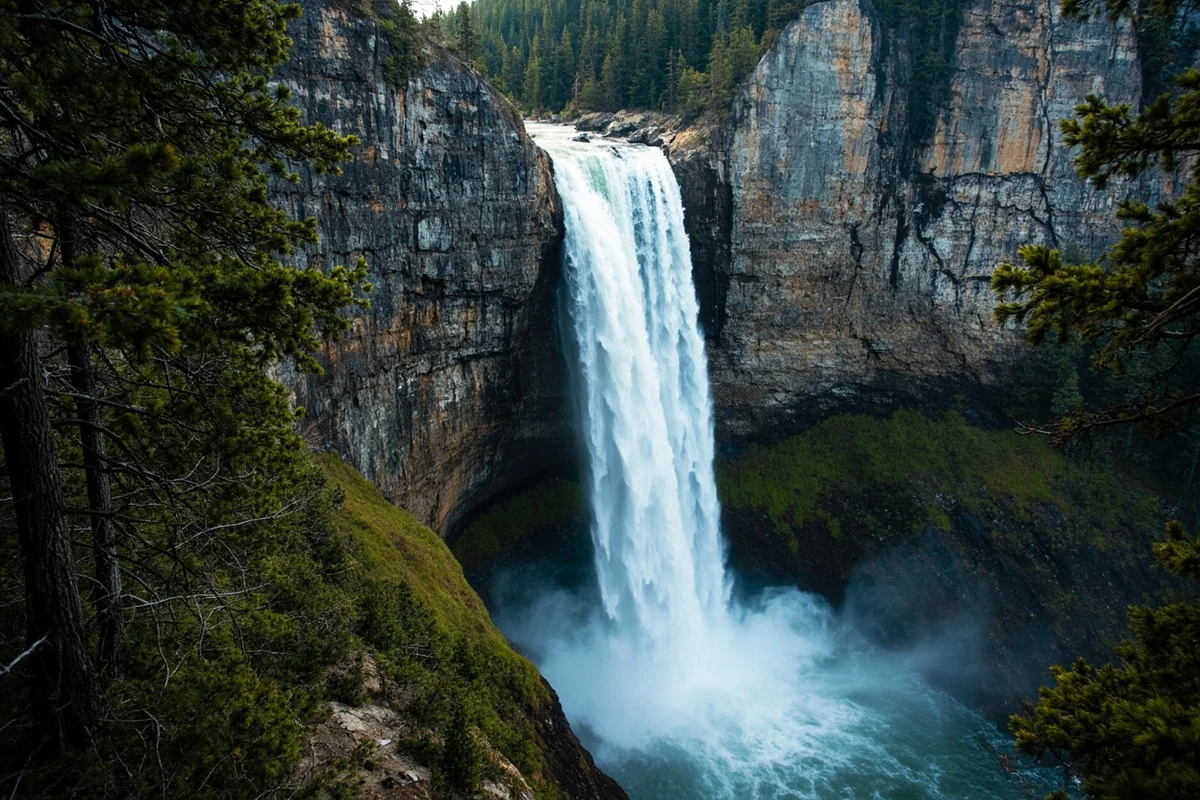
- Mission Falls drops approximately 160 feet in the Mission Mountains Tribal Wilderness
- The hike is roughly 4 miles round trip with 1,200+ feet elevation gain—moderately difficult
- You MUST purchase a tribal recreation permit ($20/3-day or $40/season) before visiting
- Best time to visit: Late May through July for peak water flow
- Allow 3-4 hours for the complete experience including photo time
- The falls are located near St. Ignatius on the Flathead Indian Reservation
- No dogs allowed—this is tribal wilderness with strict regulations
Liked this article?
Add Roaming Montana as a preferred source so you see more of our articles and guides on Google.
Why Mission Falls Should Be On Your Montana Bucket List
I’ve hiked to dozens of waterfalls across Montana, from the easily accessible McDonald Falls in Glacier to the remote Morrell Falls near Seeley Lake.
Mission Falls occupies a unique space among them all—it’s powerful enough to leave you speechless, remote enough to feel like a genuine adventure, yet accessible enough for reasonably fit hikers to reach in a half-day trip.
What makes Mission Falls special isn’t just its impressive height. It’s the setting.
The falls plunge through a dramatic granite amphitheater in the heart of the Mission Mountains Tribal Wilderness, surrounded by jagged peaks that seem almost impossibly dramatic for their relatively modest elevation.
During my visit, I counted maybe six other hikers the entire day—compare that to the crowds at popular Glacier National Park falls.
The Confederated Salish and Kootenai Tribes manage this wilderness area with remarkable care. Their stewardship has kept these lands pristine in ways that even some national parks struggle to match.
Getting to Mission Falls: Location and Directions
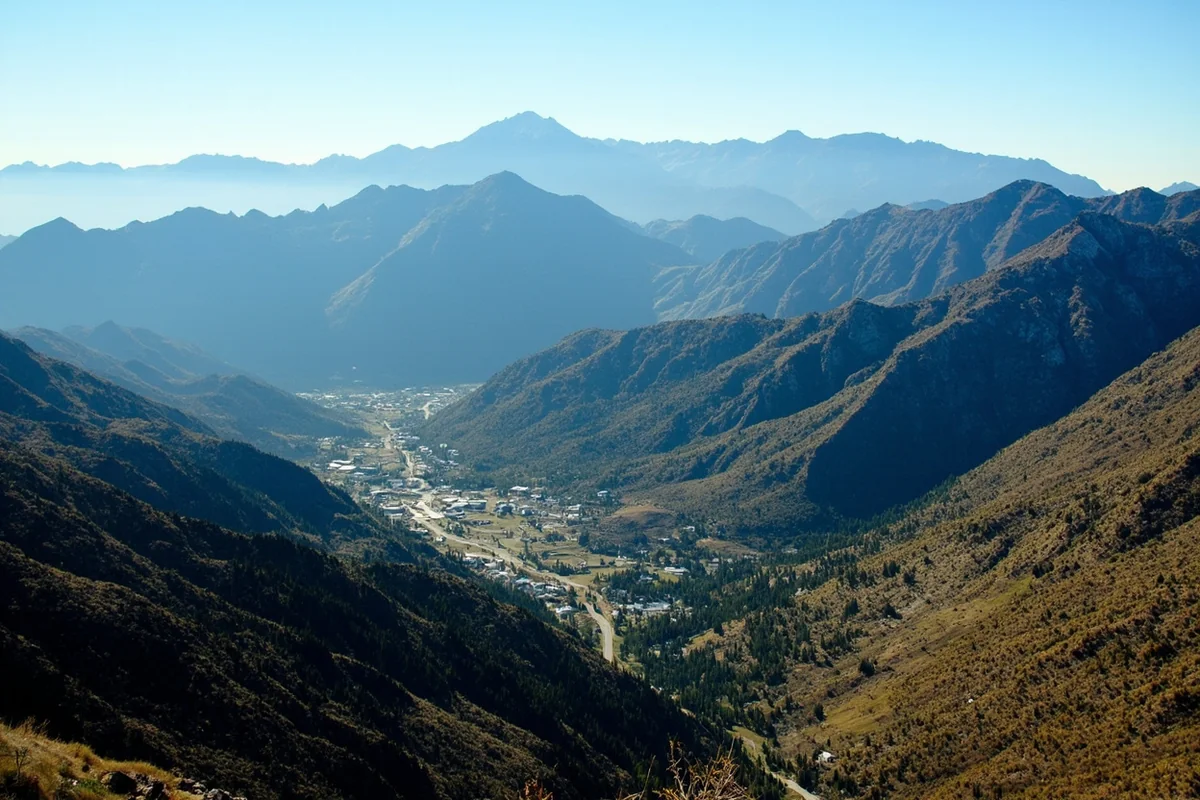
Mission Falls sits in the Mission Mountains Tribal Wilderness, a 92,000-acre protected area on the Flathead Indian Reservation. The trailhead is located approximately 8 miles east of St. Ignatius, Montana.
Driving Directions from Major Starting Points
From Missoula (approximately 45 miles):
Take US-93 North through Arlee and continue to St. Ignatius. In town, turn right (east) onto Mission Dam Road. Follow this road as it winds into the mountains toward the Mission Dam and trailhead area.
From Kalispell (approximately 70 miles):
Head south on US-93 through Polson and along the west shore of Flathead Lake. Continue through Ronan to St. Ignatius, then follow Mission Dam Road east.
From Glacier National Park’s West Glacier entrance (approximately 85 miles):
Take US-2 West to Kalispell, then US-93 South to St. Ignatius.
The final stretch of Mission Dam Road can be rough, especially in early spring. During my visit, I drove a standard sedan without major issues, but a vehicle with higher clearance definitely provides peace of mind. After heavy rain, some sections can develop significant ruts.
Finding the Trailhead
The Mission Falls trailhead isn’t as well-marked as you might expect. When I first arrived, I actually drove past it and had to turn around.
Look for a small parking area on the right side of the road after you pass Mission Dam. There’s typically a wooden post or small sign indicating the trail.
Parking can accommodate maybe 10-12 vehicles—I’ve never seen it completely full, but weekend mornings in peak season can get busy.
Cell service is spotty to nonexistent once you leave St. Ignatius, so download offline maps before your visit. I use the onX Hunt app, which shows tribal boundaries and trails clearly.
The Tribal Recreation Permit: What You Need to Know
This is absolutely non-negotiable: you must purchase a Confederated Salish and Kootenai Tribes (CSKT) recreation permit before entering the Mission Mountains Tribal Wilderness.
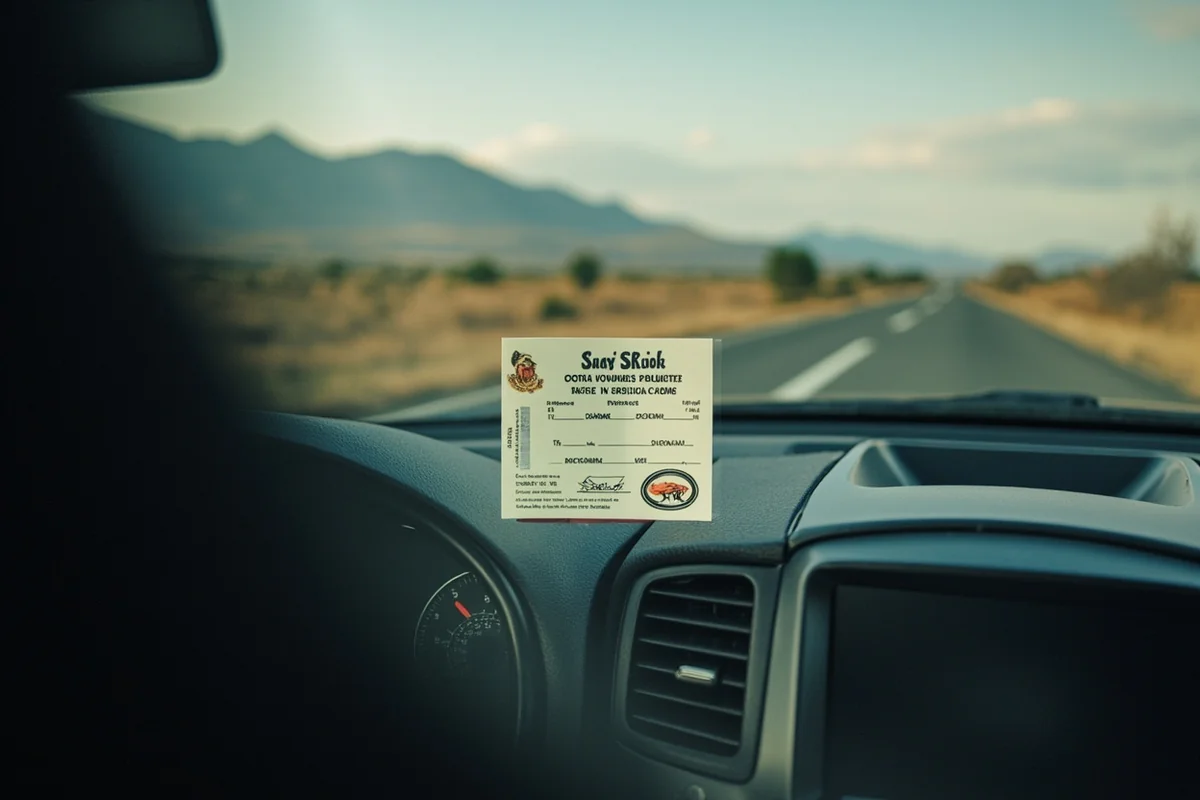
I cannot stress this enough. The tribal wilderness is not public land in the traditional sense—it’s tribal land that the CSKT graciously opens to visitors. Respecting their permit system is both legally required and the right thing to do.
Permit Options and Prices (2024)
| Permit Type | Price | Best For |
|---|---|---|
| 3-Day Recreation Permit | $20 | Single trip visitors |
| Season Recreation Permit | $40 | Multiple trips or longer stays |
| Fishing/Conservation License | $25+ | If you plan to fish tribal waters |
Where to Buy Your Permit
You can purchase permits at several locations in the Flathead Reservation area:
- CSKT Fish, Wildlife, Recreation and Conservation Division office in Pablo
- Various sporting goods stores and gas stations in Polson, Ronan, and St. Ignatius
- Online through the CSKT website (recommended to avoid delays)
I always buy my permit online a few days before my planned visit. It prints on standard paper, and I keep it visible in my vehicle.
Tribal game wardens do patrol the area, and they’re professional but firm about permit requirements.
Pro tip: If you’re planning to explore other tribal wilderness areas or visit multiple times during summer, the season pass pays for itself quickly.
I bought a season permit last year and used it for Mission Falls, plus hiking in other areas of the tribal wilderness.
The Mission Falls Trail: A Detailed Breakdown
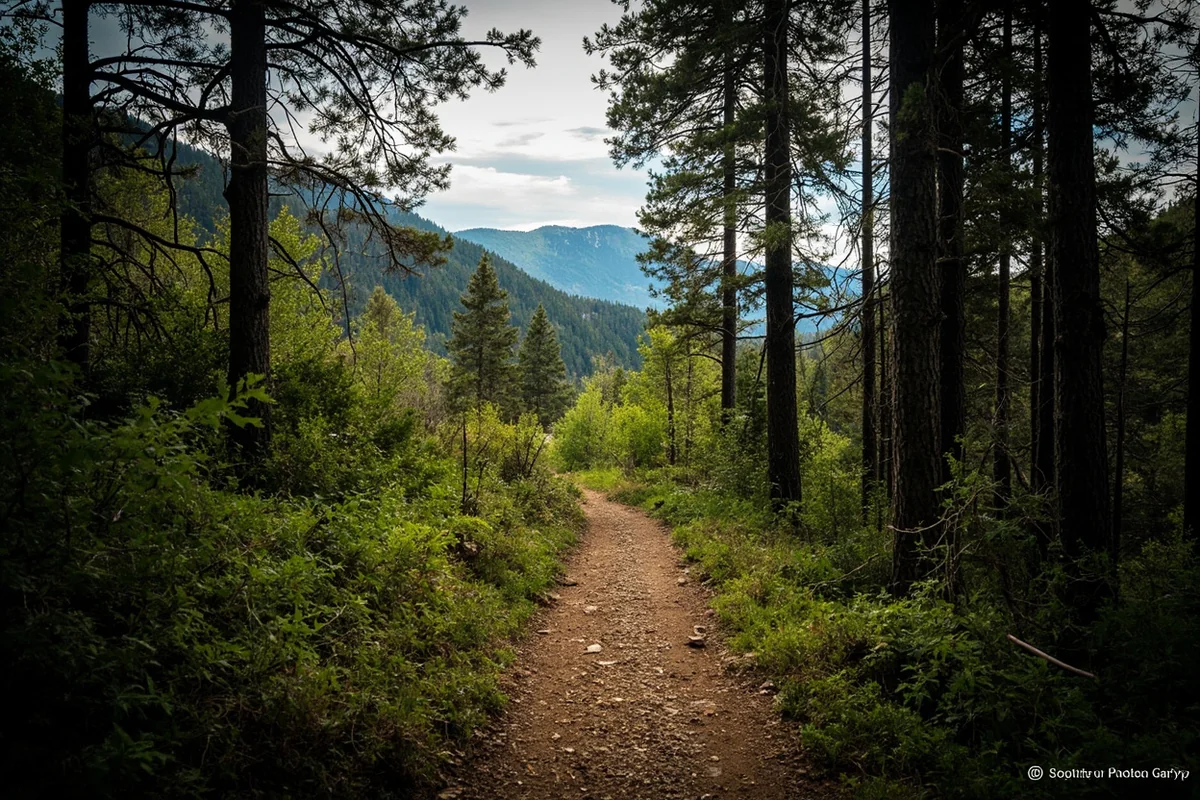
The hike to Mission Falls is one of those trails that earns every ounce of its “moderate-to-difficult” rating. It’s not technical, but the consistent elevation gain will test your cardiovascular system.
Trail Statistics
- Distance: Approximately 4 miles round trip
- Elevation Gain: 1,200-1,400 feet
- Difficulty: Moderate to Difficult
- Trail Type: Out and back
- Estimated Time: 3-4 hours
What the Trail Is Actually Like
The trail begins in a mixed conifer forest, climbing steadily from the start. Don’t expect any flat warm-up sections—you’re gaining elevation immediately.
During my hike last summer, I noticed the trail condition varies significantly by section. The lower portion is well-maintained with clear tread.
As you climb higher, the path becomes rockier and occasionally requires scrambling over downed trees, especially early in the season before trail crews have done their work.
About a mile in, you’ll enter a beautiful old-growth forest section. Massive western red cedars and Douglas firs create a cathedral-like atmosphere. The temperature drops noticeably here, which felt amazing on the warm July day when I made the climb.
The final half-mile is the most challenging. The trail steepens considerably and requires some careful footing on loose rock. I was grateful for my trekking poles during this section—they’re not strictly necessary, but they definitely helped.
Reaching the Falls Viewpoint
The trail doesn’t deposit you at a manicured viewing platform like you might find at Running Eagle Falls in Glacier. Instead, it brings you to a natural viewpoint across from the falls.
The perspective here is absolutely stunning. You’re looking directly at the falls from maybe 100 yards away, with the full cascade visible from top to bottom. The mist can be heavy depending on water flow, so bring a waterproof case for your camera or phone.
There is a rough trail that some hikers use to scramble closer to the base of the falls. I attempted this during my visit and quickly decided it wasn’t worth the risk.
The rocks are perpetually wet, incredibly slippery, and a fall could be serious. The view from the main viewpoint is spectacular—there’s no need to risk injury for a marginally closer look.
Best Time to Visit Mission Falls
Timing your visit correctly can mean the difference between seeing a thundering spectacle and a disappointing trickle.
Peak Season (Late May – July)
This is when Mission Falls is at its most impressive. Snowmelt from the high peaks feeds the falls with tremendous volume. During my late June visit, the cascade was so powerful that I could feel the ground vibrating beneath my feet at the viewpoint.
The downside? Snow can linger on the upper portions of the trail into early June. I’d recommend checking recent trail reports or calling the CSKT office before heading out if you’re visiting before mid-June.
Late Summer (August – September)
Water flow decreases significantly by August, but the falls remain worth visiting. The reduced mist actually makes photography easier, and the autumn colors in late September add a beautiful dimension to the scenery.
I’ve spoken with local photographers who specifically prefer this season for the better lighting conditions and clearer views of the rock formations behind the falls.
Shoulder Seasons
Early spring (April-early May) can be dicey. The road may not be fully accessible, and the trail often has significant snow coverage. Late fall (October-November) brings the risk of early snowstorms. Neither season is impossible, but both require careful planning and flexibility.
Time of Day Considerations
For photography, morning light is ideal. The falls face generally northeast, so direct sunlight hits them in the morning hours. By mid-afternoon, the amphitheater falls into shadow, which can make the falls look flat in photos.
I started my hike at 7 AM and reached the falls around 9 AM. The lighting was perfect, and I had the viewpoint entirely to myself for nearly an hour.
What to Pack for the Mission Falls Hike
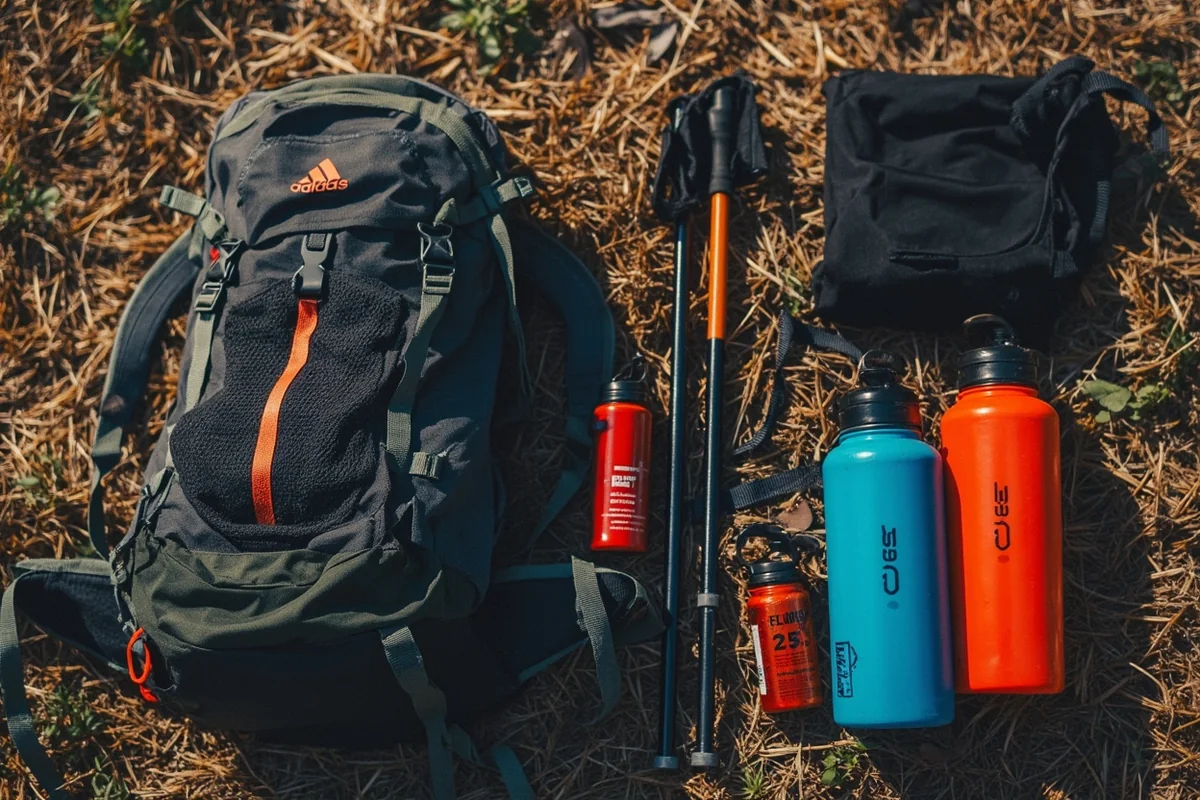
This isn’t a casual stroll. Come prepared with appropriate gear for a moderately challenging mountain hike.
Essential Gear
- Water: At least 2 liters per person. There’s no reliable water source along the trail that I’d recommend drinking from without filtration.
- Bear Spray: This is grizzly country. I’ve never encountered a bear on this specific trail, but I’ve seen fresh sign. Carry bear spray and know how to use it.
- Sturdy Footwear: Trail runners might work for experienced hikers, but I recommend proper hiking boots. The rocky upper sections and potentially wet conditions near the falls make ankle support valuable.
- Trekking Poles: Highly recommended for the steep descent, which can be tough on knees.
- Rain Layer: Mountain weather changes quickly. I’ve been caught in afternoon thunderstorms in the Missions more than once.
- Snacks: The calorie burn is real. Pack more than you think you’ll need.
- First Aid Kit: Basic supplies for blisters, minor cuts, etc.
- Sun Protection: Hat, sunglasses, and sunscreen. The exposed sections can be intense on clear days.
Camera Equipment Considerations
If you’re serious about waterfall photography, bring:
- A lens capable of wide-angle shots (the amphitheater setting benefits from a wider perspective)
- A lens cloth or multiple microfiber towels (mist accumulates quickly)
- A tripod for long-exposure shots
- Protective rain covers for your gear
I use a simple waterproof bag to protect my camera during the approach, then set up once I reach the viewpoint.
Wildlife and Safety Considerations
The Mission Mountains Tribal Wilderness is genuine wilderness, and it demands respect.
Bear Awareness
Both black bears and grizzly bears inhabit this area. The tribal wilderness sees relatively low human traffic compared to popular national parks, which means wildlife is generally more wary of humans—but encounters can and do happen.
Make noise while hiking. Carry bear spray. Don’t hike alone if possible. Store food properly if you’re backpacking.
During my visits, I’ve seen bear scat on the trail but have never had a close encounter. Maintain vigilance and you’ll likely be fine.
Mountain Lions
Mountain lions are present but rarely seen. Standard precautions apply: don’t hike alone at dawn or dusk, don’t approach any wildlife, and appear large if you do encounter one.
Stream Crossings and Water Hazards
Depending on the season and recent precipitation, you may encounter seasonal stream crossings on the trail. During high water, these can be slippery and challenging.
Near the falls, the rocks are perpetually wet and extremely slick. Several accidents have occurred when visitors tried to get too close to the cascade. Please stay on established viewpoints and resist the temptation to scramble closer.
Weather Hazards
Afternoon thunderstorms are common in the Mission Mountains during summer. I’ve learned to start early and plan to be back at the trailhead by early afternoon when possible.
Lightning is a serious threat at elevation. If you hear thunder, descend immediately. Don’t wait to see if the storm passes.
Nearby Attractions and Multi-Day Trip Planning
Mission Falls pairs beautifully with other attractions in the region for a longer Montana adventure.
St. Ignatius Mission
The historic St. Ignatius Mission, built in 1854, sits in the town below. The interior features remarkable murals painted by Brother Joseph Carignano, a cook with no formal art training who created 58 frescoes and murals over a 14-year period. I spent an hour here after my hike, and it provided a completely different but equally moving experience.
National Bison Range
Located about 20 minutes from St. Ignatius, the National Bison Range offers an entirely different Montana experience. The drive-through wildlife viewing area is home to bison, elk, deer, and countless birds. Note that as of 2022, management has transferred to the CSKT, and some operations have changed—check current accessibility before visiting.
Flathead Lake
North of St. Ignatius, Flathead Lake is the largest natural freshwater lake west of the Mississippi. Cherry orchards line the eastern shore, and the lake offers everything from swimming to kayaking to just sitting with a good book and watching the sunset.
Other Waterfall Options in the Region
If Mission Falls gets your waterfall appetite going, the region offers numerous other options. Holland Lake Falls is a reasonable drive south and offers a more moderate hike with a picturesque lake setting. For something closer to Glacier, consider Saint Mary Falls or the dramatic Ptarmigan Falls.
Comparing Mission Falls to Other Montana Waterfalls
How does Mission Falls stack up against other waterfall destinations in Montana? Having visited most of them personally, here’s my honest assessment.
Similar Difficulty Level
The Mission Falls hike compares roughly to trails like Monture Falls or Passage Creek Falls in terms of effort required. All three demand real exertion but remain accessible to reasonably fit hikers.
Easier Alternatives
If the Mission Falls climb sounds too demanding, Montana offers many easier options. Skalkaho Falls requires almost no hiking at all, and Ousel Falls near Big Sky offers spectacular scenery on a gentler trail. Kootenai Falls near Libby is another stunning option with minimal elevation gain.
More Challenging Options
For experienced hikers seeking more adventure, consider Needle Falls or Pintler Falls, which require more significant commitments but deliver extraordinary rewards.
Photography Tips for Mission Falls
I’ve photographed Mission Falls in various conditions, and I’ve learned a few things worth sharing.
Technical Settings
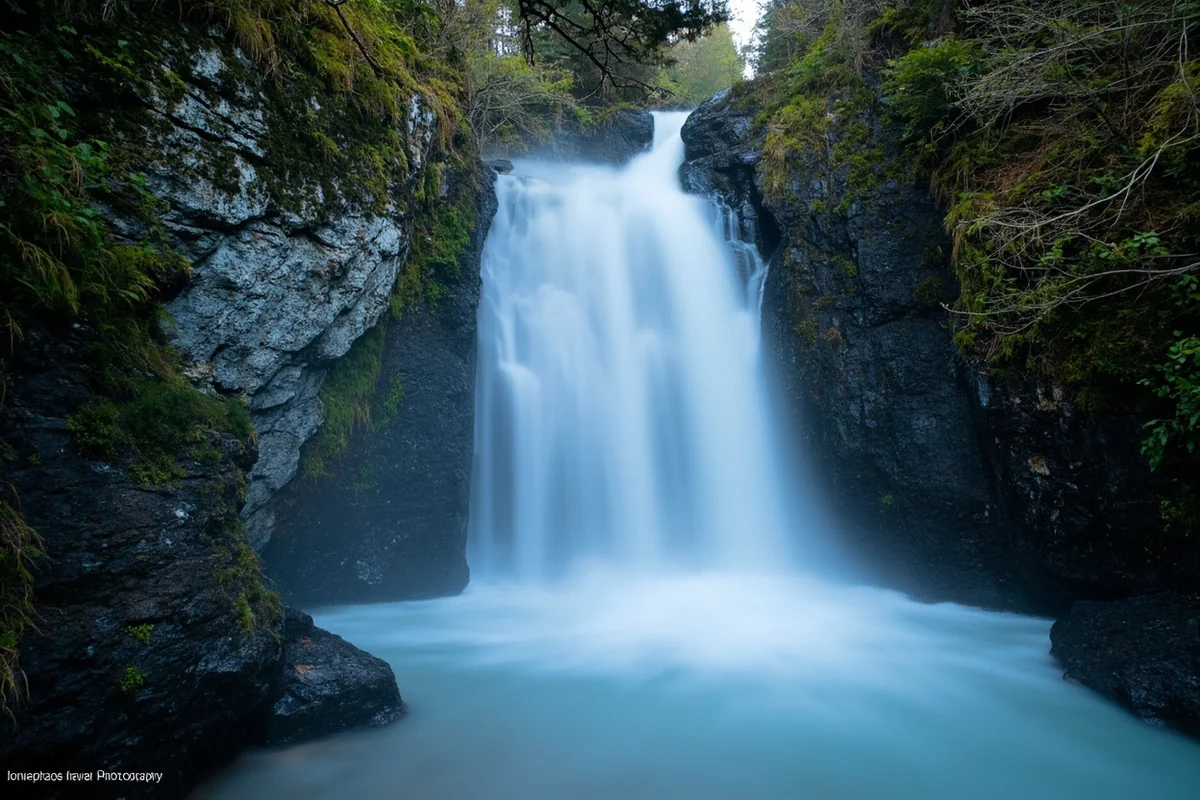
For that classic silky waterfall effect, use a slow shutter speed (1/4 second to several seconds) with a neutral density filter. A tripod is essential for these shots.
For freezing the water droplets in action, faster shutter speeds (1/500 or higher) capture the power and violence of the cascade beautifully. Both approaches work—it depends on the mood you want to convey.
Dealing with Mist
During high water, mist will coat your lens within minutes. Bring multiple lens cloths and a clear protective filter you don’t mind getting wet. I’ve lost shots to water droplets on my lens that I didn’t notice until reviewing images later.
Best Compositions
Include the surrounding cliffs and forest in your shots to convey scale. The amphitheater setting is a big part of what makes Mission Falls special—photos that show only the waterfall miss the context that makes this place extraordinary.
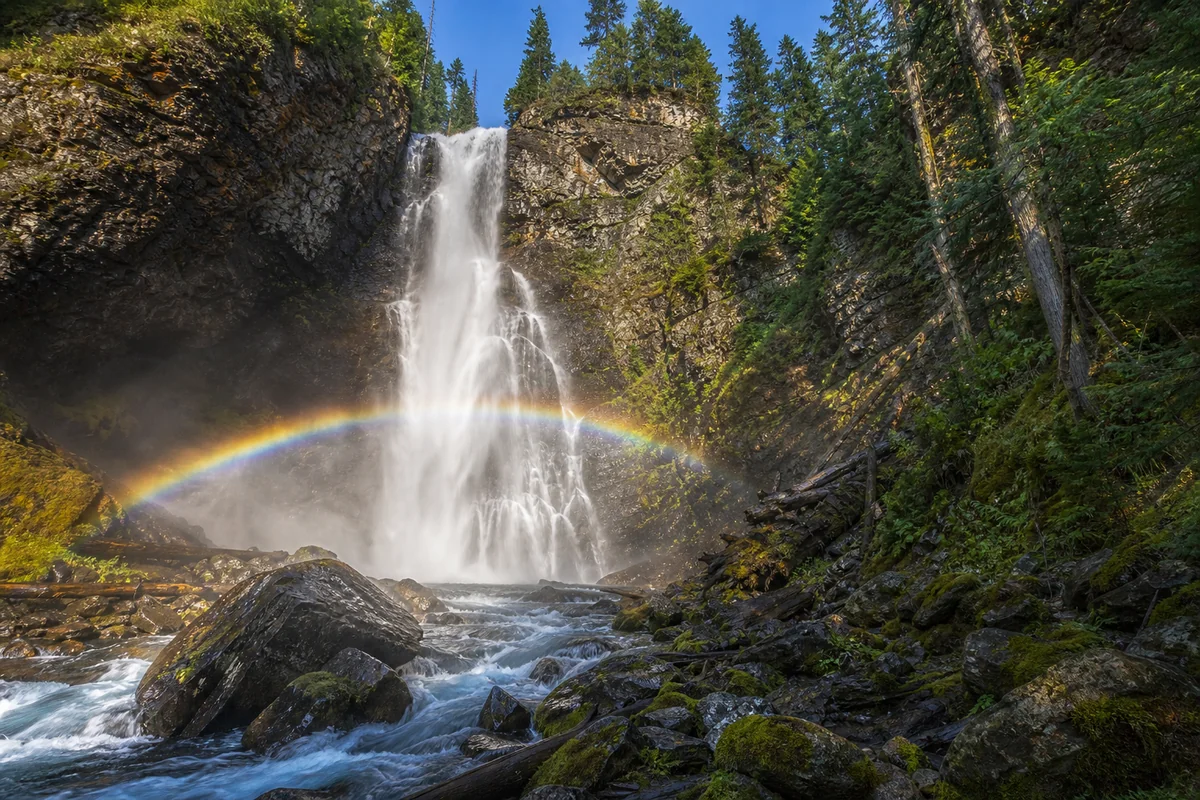
Look for rainbow opportunities in the mist when morning sun hits the falls. I’ve captured some stunning rainbow shots here, though it requires patience and the right timing.
Practical Information Table
| Category | Details |
|---|---|
| Location | Mission Mountains Tribal Wilderness, Flathead Indian Reservation |
| Nearest Town | St. Ignatius, Montana (8 miles) |
| Waterfall Height | Approximately 160 feet |
| Trail Distance | 4 miles round trip |
| Elevation Gain | 1,200-1,400 feet |
| Difficulty | Moderate to Difficult |
| Permit Required | Yes – CSKT Recreation Permit ($20/3-day or $40/season) |
| Dogs Allowed | No |
| Best Season | Late May through July |
| Restrooms | None at trailhead |
| Cell Service | Limited to none |
Where to Stay Near Mission Falls
The St. Ignatius area offers limited lodging options, but several choices exist depending on your preferences and budget.
In St. Ignatius
The town has a few small motels and vacation rentals. Accommodations are basic but clean, and prices are reasonable compared to tourist-heavy areas. I’ve stayed at a simple motel here and found it perfectly adequate for an early morning hike start.
In Polson
About 30 minutes north, Polson offers more variety including chain hotels, lakeside lodges, and numerous vacation rentals. If you want more dining options and amenities, base yourself here.
In Missoula
Missoula is about 45 minutes south and offers the full range of urban amenities—hotels at all price points, excellent restaurants, craft breweries, and outdoor gear shops if you’ve forgotten anything.
Camping
Camping options exist in the region, including tribal campgrounds that require permits. If you’re interested in camping on tribal lands, contact the CSKT Fish, Wildlife, Recreation and Conservation Division for current information on available sites and regulations.
Respecting Tribal Lands and Culture
I want to close with something that matters deeply to me about visiting Mission Falls: respect.
The Mission Mountains Tribal Wilderness is tribal land. The Confederated Salish and Kootenai Tribes have generously opened it to visitors, but it remains their home—land their ancestors have stewarded for thousands of years.
Purchase your permit. Stay on designated trails. Pack out everything you bring in. Don’t collect plants, rocks, or artifacts. If you encounter sacred sites or ceremonial areas, treat them with the same reverence you’d show any church or temple.
The tribal wilderness designation itself is significant. This was the first area in the United States set aside as tribal wilderness—a model that has since been followed elsewhere. The CSKT’s commitment to protecting these lands benefits not just tribal members but everyone who values wild places.
When I hike in the Mission Mountains, I try to carry this awareness with me. I’m a guest here, granted the privilege of experiencing something extraordinary through the generosity of the tribes who’ve protected this land.
Mission Falls rewards those who make the effort to reach it. The climb is demanding, the permit system requires planning, and the remote location means you can’t just stumble upon it accidentally. But that’s part of what makes it special.
Stand at that viewpoint, feel the mist on your face, hear the thunder of water that’s been falling since long before any human watched it—and you’ll understand why this place matters. It’s not just another Montana waterfall. It’s a window into wildness that gets rarer every year.
If you’re planning to expand your waterfall exploration, consider pairing Mission Falls with Memorial Falls near Great Falls or the scenic Lost Creek Falls for a comprehensive Montana waterfall road trip. Each offers something unique, but Mission Falls holds a special place in my memory for its raw power and sacred setting.
Go see it. Just go prepared, go respectfully, and go with appreciation for both the natural wonder and the people who’ve protected it.
Frequently Asked Questions
Where is Mission Falls located in Montana and how do I get there?
Mission Falls is located in the Mission Mountains on the Flathead Indian Reservation, about 6 miles east of St. Ignatius, Montana. From Missoula, it’s roughly a 45-minute drive north on US-93. You’ll need to purchase a tribal recreation permit from the Confederated Salish and Kootenai Tribes before visiting, which you can get at local stores in St. Ignatius or online.
How much does it cost to visit Mission Falls Montana?
You’ll need a Confederated Salish and Kootenai Tribes recreation permit, which costs around $20 for a three-day pass or $40 for an annual permit for non-tribal members. I recommend picking one up at a local gas station or convenience store in St. Ignatius before heading to the falls. This permit also covers access to other tribal lands and fishing spots in the area.
What is the best time of year to visit Mission Falls?
The best time to visit Mission Falls is late spring through early summer (May through June) when snowmelt creates the most dramatic water flow. I’ve found that visiting in the morning offers the best lighting for photos and fewer crowds. The falls are accessible into fall, but water volume decreases significantly by late August.
How tall is Mission Falls and is there a hiking trail?
Mission Falls drops approximately 80-100 feet down a dramatic cliff face in the Mission Mountains. The trail to the falls viewpoint is relatively short at about 1.5 miles round trip, though it does involve some elevation gain and can be rocky in sections. It’s a moderate hike that most reasonably fit visitors can complete in under an hour each way.
What should I bring when hiking to Mission Falls Montana?
I always recommend bringing sturdy hiking shoes with good traction since the trail can be slippery near the falls, plus plenty of water, sunscreen, and bear spray since you’re in grizzly country. Don’t forget your tribal recreation permit and a valid ID, as tribal rangers do check. A camera with a wide-angle lens will help capture the full height of the falls.
Can you swim at Mission Falls or is it too dangerous?
Swimming directly at the base of Mission Falls is extremely dangerous due to strong currents, cold water temperatures, and submerged rocks, so I strongly advise against it. The area around the falls is best enjoyed from designated viewpoints. If you’re looking to cool off, there are safer swimming spots at nearby lakes on tribal land that your recreation permit will cover.
What other attractions are near Mission Falls worth visiting?
While you’re in the area, the St. Ignatius Mission with its stunning painted murals is just minutes away and completely free to visit. The National Bison Range is about 15 miles south and offers incredible wildlife viewing for around $20 per vehicle. I also recommend driving the scenic Mission Valley for views of the entire Mission Mountain range that makes for an unforgettable Montana day trip.