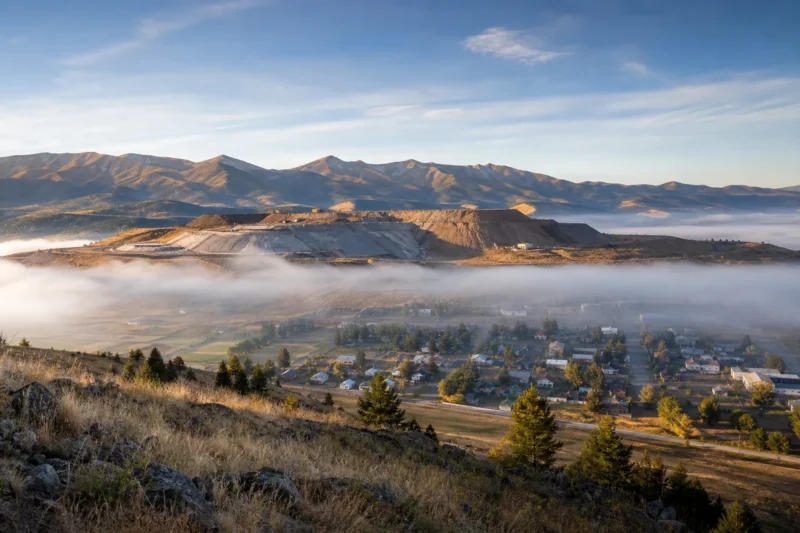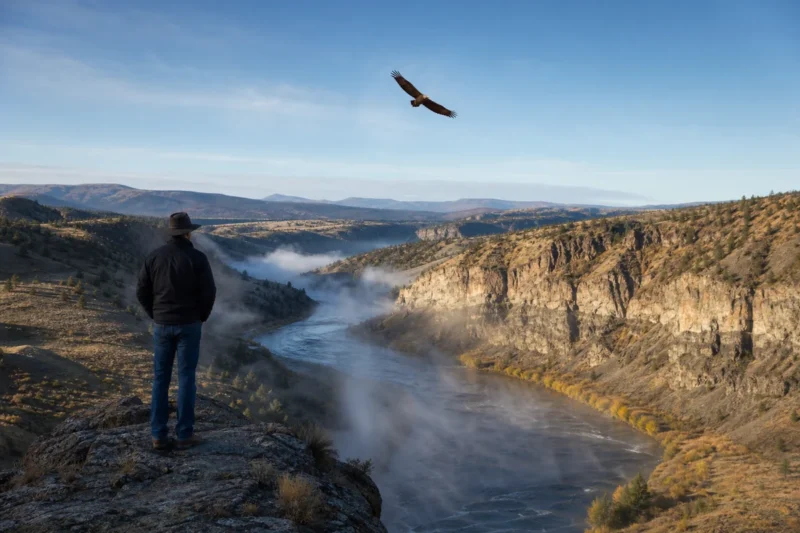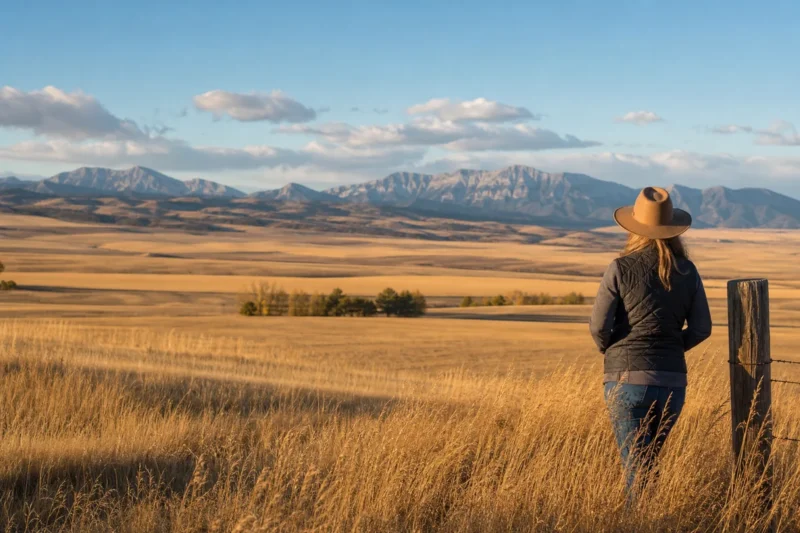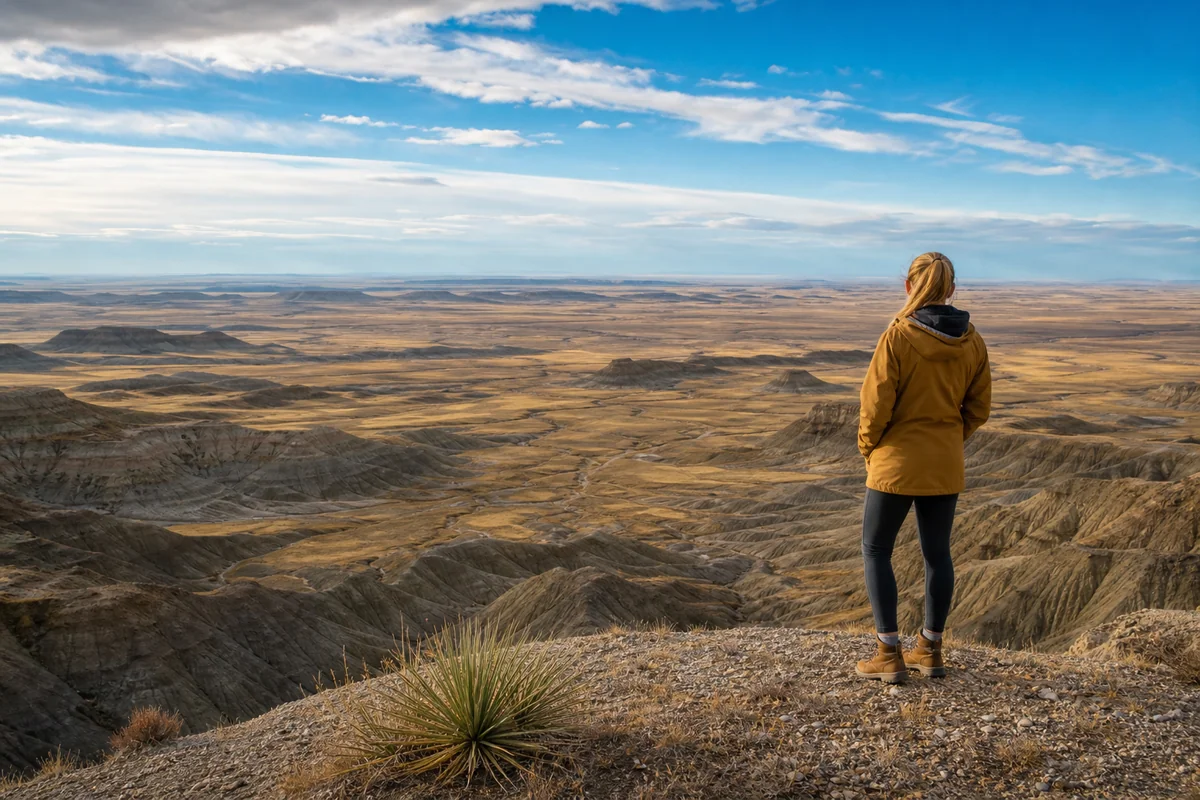
Driving through Petroleum County for the first time, what hit me hardest wasn’t the emptiness — it was the silence. Out here in central Montana, you can stand on a gravel ridge, look in every direction across the Missouri Breaks badlands, and see absolutely nothing man-made for as far as the eye can reach.
This is one of the 56 Montana Counties, and it happens to be the least populated county in the entire United States.
- Petroleum County is the least populated county in the US — fewer than 500 residents call it home.
- The county seat is Winnett, a small ranching town with basic services but genuine western character.
- The main draw is the Charles M. Russell National Wildlife Refuge — one of the largest in the lower 48 states.
- Expect rough roads, limited cell service, no tourist infrastructure, and some of the best wildlife viewing in Montana.
- Best visited May–June or September–October; summer heat and winter roads can make travel difficult.
- Fuel up before you arrive — services are extremely limited once inside the county.
Liked this article?
Add Roaming Montana as a preferred source so you see more of our articles and guides on Google.
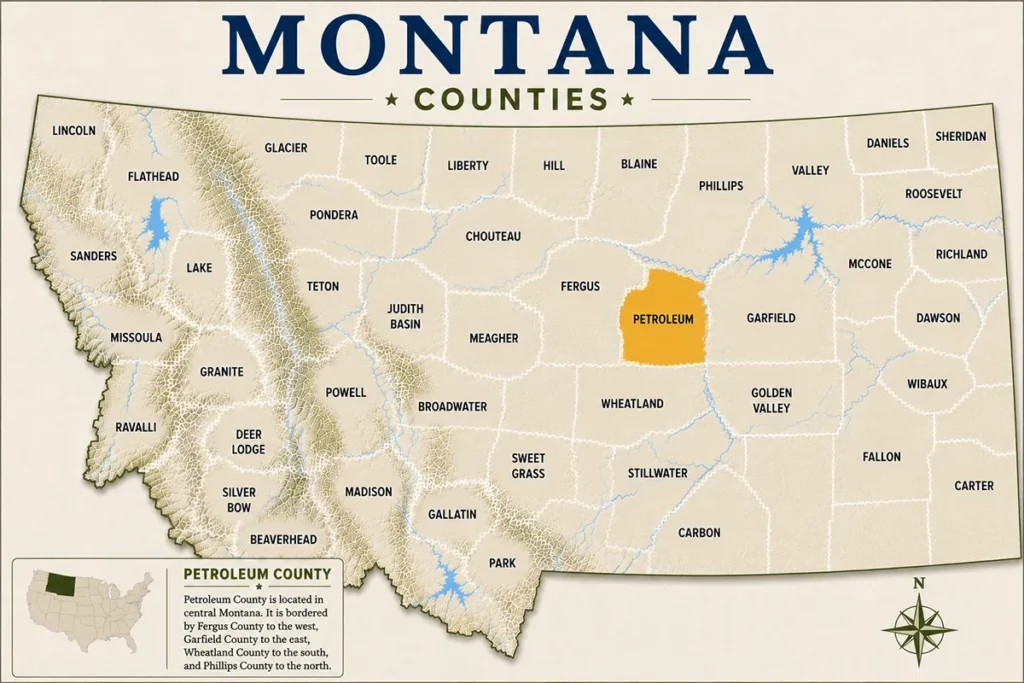
Where Exactly Is Petroleum County?
Petroleum County sits in central Montana, roughly 100 miles northeast of Lewistown and about 220 miles from Billings. It’s bounded by Fergus County to the west, Garfield County to the east, and the Musselshell River valley to the south.
The county covers approximately 1,654 square miles, yet the population consistently sits below 500 people — making it statistically the least densely populated county in the contiguous United States. To put that in perspective, there’s roughly one person for every three square miles of land.
Winnett is the county seat and the only incorporated town. It’s a quiet, proud ranching community where the hardware store doubles as a gathering place and everyone genuinely knows everyone else.
A Brief History: Why “Petroleum”?
The name isn’t a coincidence. Early settlers discovered oil seeps in the region during the late 1800s, and hopes of a major oil boom shaped the county’s founding in 1925. Those dreams never fully materialized the way boosters hoped, but small-scale oil and gas production has remained part of the local economy ever since.
Before European settlement, the land was home to the Crow and Blackfeet nations, and before them, nomadic peoples who hunted the vast bison herds that once blanketed this region.
The Missouri River corridor running along the county’s northern edge was explored by the Lewis and Clark Expedition in 1805, and the landscape they described in their journals is remarkably similar to what you’ll see today.
Ranching took hold in the late 19th century and remains the economic backbone of the county. Cattle graze on the same grasslands that once supported millions of bison, and many ranching families here trace their roots back four or five generations.
Getting to Petroleum County
This is where most travelers underestimate the trip. There is no interstate, no commercial airport, and no reliable GPS signal through much of the county. What there is, is distance — and plenty of it.
By car from major Montana cities:
| Departure City | Approximate Distance | Approximate Drive Time | Primary Route |
|---|---|---|---|
| Billings | ~220 miles | 3.5–4 hours | US-87 N to MT-200 E |
| Great Falls | ~175 miles | 2.5–3 hours | US-87 S to MT-200 E |
| Lewistown | ~100 miles | 1.5–2 hours | MT-200 E via Grass Range |
| Missoula | ~310 miles | 5+ hours | US-12 E to MT-200 E |
Download offline maps before you leave. Google Maps will lose signal repeatedly once you pass Jordan to the east or drop into the Breaks from any direction. On my last visit, the GPS decided I was somewhere in a reservoir for a solid 20 minutes.
Fill your tank in Lewistown or Roundup before heading in. Winnett has a fuel station, but hours can be irregular, and there is nothing else once you’re in the county’s interior.
Winnett: The Heart of Petroleum County
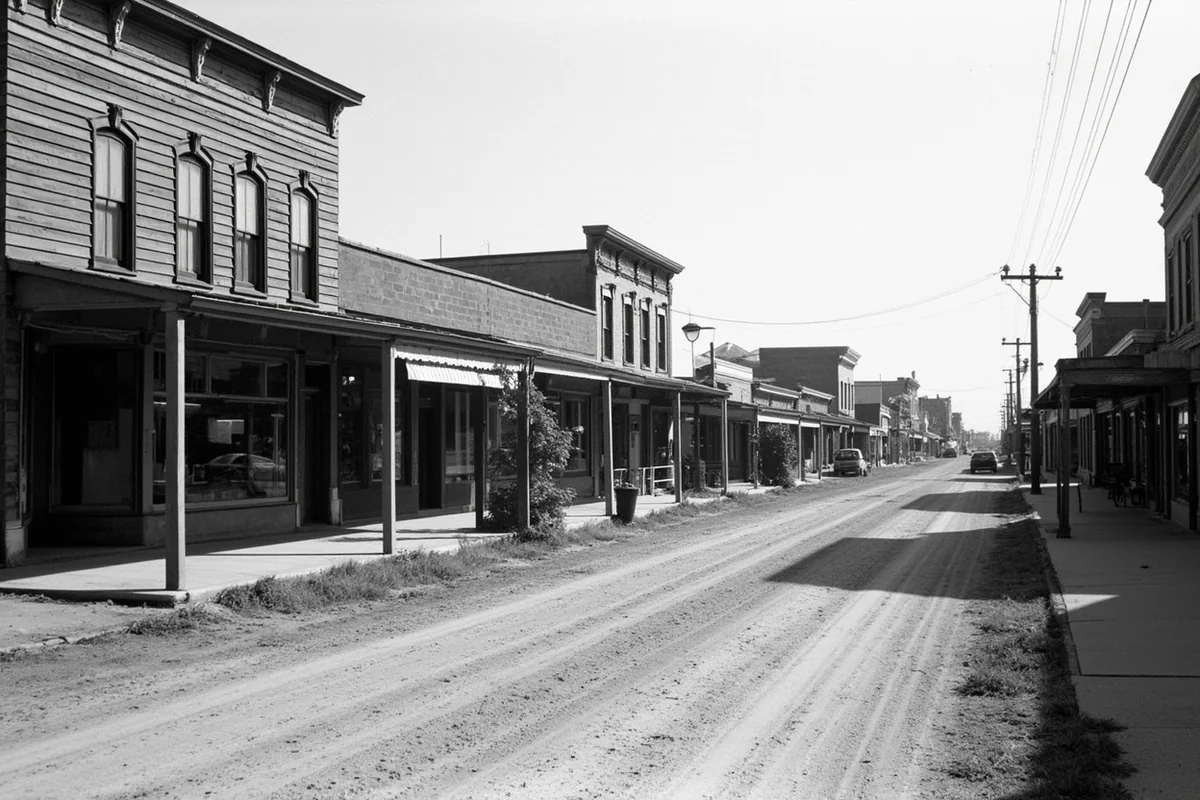
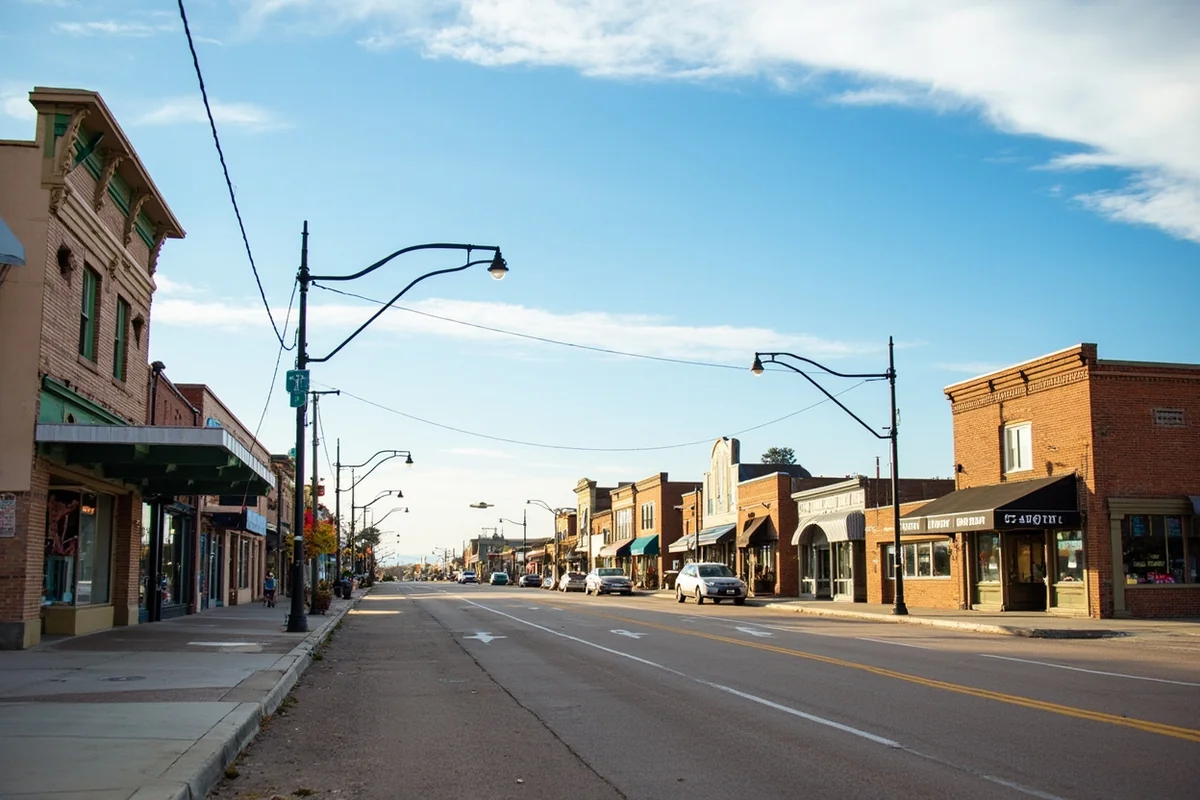
Winnett is small — population typically under 200 — but it punches above its weight in terms of character. The main street has a classic western quietness to it, the kind you used to see in old photographs before tourism reshaped so many Montana towns.
The Winnett Café is the local institution. Breakfast here is unpretentious and filling — eggs, hash browns, strong coffee — and the conversation at the counter is worth sitting in on if you want to understand what daily life looks like in this part of Montana. Prices are modest, typically well under $15 for a full breakfast, though it’s worth calling ahead as hours aren’t always consistent.
The Petroleum County Courthouse is a small but photogenic building and one of the few landmarks in town. The county library and the local school are also notable simply because they represent the infrastructure of a community that stubbornly refuses to hollow out.
One thing that caught me off guard on my first visit was how welcoming locals are to travelers who show genuine curiosity.
If you walk into a business and ask questions about the land or the ranching life, people will talk. But if you roll in acting like you’re visiting a theme park, that energy is noticed and returned accordingly.
Charles M. Russell National Wildlife Refuge
This is the reason most serious visitors come to Petroleum County, and it deserves more than a paragraph.
The Charles M. Russell National Wildlife Refuge — commonly called the CMR — covers more than 1.1 million acres along the Missouri River and into the surrounding badlands.
According to the U.S. Fish & Wildlife Service, it is one of the largest national wildlife refuges in the lower 48 states. The portion that overlaps with Petroleum County encompasses some of the most rugged and least-visited terrain in the entire refuge system.
Wildlife here is genuinely abundant. Elk, mule deer, pronghorn antelope, bighorn sheep, prairie dogs, sharp-tailed grouse, and golden eagles are all regular sightings.
During my September visit, pronghorn antelope were so thick along the refuge roads that I stopped counting after about 200. Elk were bugling in the draws by late afternoon, and the golden light across the badlands formations made the whole scene feel almost cinematic.
Birders should pay attention to the CMR’s reputation for raptors. Ferruginous hawks, prairie falcons, and multiple species of owls are present depending on season, and the Missouri River corridor draws waterfowl in impressive numbers during spring and fall migration.
Accessing the CMR in Petroleum County
The refuge has no formal visitor center within Petroleum County itself. The primary access points are via gravel roads off Montana Highway 200 or from the northern side via Hwy 191. Many interior roads are marked with blue numbered posts, and a refuge map from the U.S. Fish & Wildlife Service is essential — download it before you lose cell signal.
Road conditions in the CMR change dramatically with weather. What’s a passable two-track in dry conditions becomes completely impassable after rain.
On one visit, a road I’d driven the day before had turned into axle-deep mud after overnight showers. A high-clearance 4WD vehicle is not optional — it’s a genuine requirement for exploring the backcountry sections.
Fort Peck Lake and the Missouri River
Fort Peck Lake, one of the largest reservoirs in the US, borders the northern edge of the CMR and touches the northern reaches of Petroleum County. Fishing here is exceptional — walleye, northern pike, lake trout, and smallmouth bass are all present.
According to Montana Fish, Wildlife & Parks, Fort Peck produces some of the best walleye fishing in the state.
Boat launches are available from the Fort Peck side (Phillips and Valley counties), but anglers who access the lake from the south via Petroleum County roads should be prepared for rough drives.
Wildlife Viewing Beyond the CMR
Outside the formal refuge boundaries, Petroleum County itself offers wildlife watching that few places in the US can match simply because the land is so undisturbed.
Prairie dog towns are common along roadsides and in open grasslands. These aren’t small patches — some colonies extend for miles, and the activity around them (burrowing owls using the burrows, hawks hunting the perimeter, coyotes working the edges) creates a miniature ecosystem you can observe from your vehicle.
Mule deer are extraordinarily numerous throughout the county. In autumn during hunting season, the side roads and ranch access points fill with pickups and out-of-state trailers — the deer hunting here has a well-earned reputation.
Pronghorn are visible in open areas year-round, and if you spend enough time in the coulees, you’ll eventually find bighorn sheep working the rocky escarpments.
Hunting and Fishing in Petroleum County
Hunting is one of the primary reasons visitors make the effort to reach Petroleum County, and the local economy genuinely depends on it each fall.
Elk, mule deer, whitetail deer, pronghorn, upland birds, and waterfowl are all huntable species depending on the season and licensing requirements. Non-resident hunting licenses in Montana are applied for through a drawing system for many species, so planning needs to happen many months before your trip.
The Montana Fish, Wildlife & Parks website is the authoritative source for current regulations, seasons, and drawing deadlines.
Walk-in areas and Block Management Program lands (properties where private landowners have enrolled their land for public hunting access) exist throughout the county.
The FWP Block Management maps, updated annually, show which properties are open and under what conditions. This is something most out-of-state hunters overlook — the program significantly expands accessible hunting ground beyond public lands.
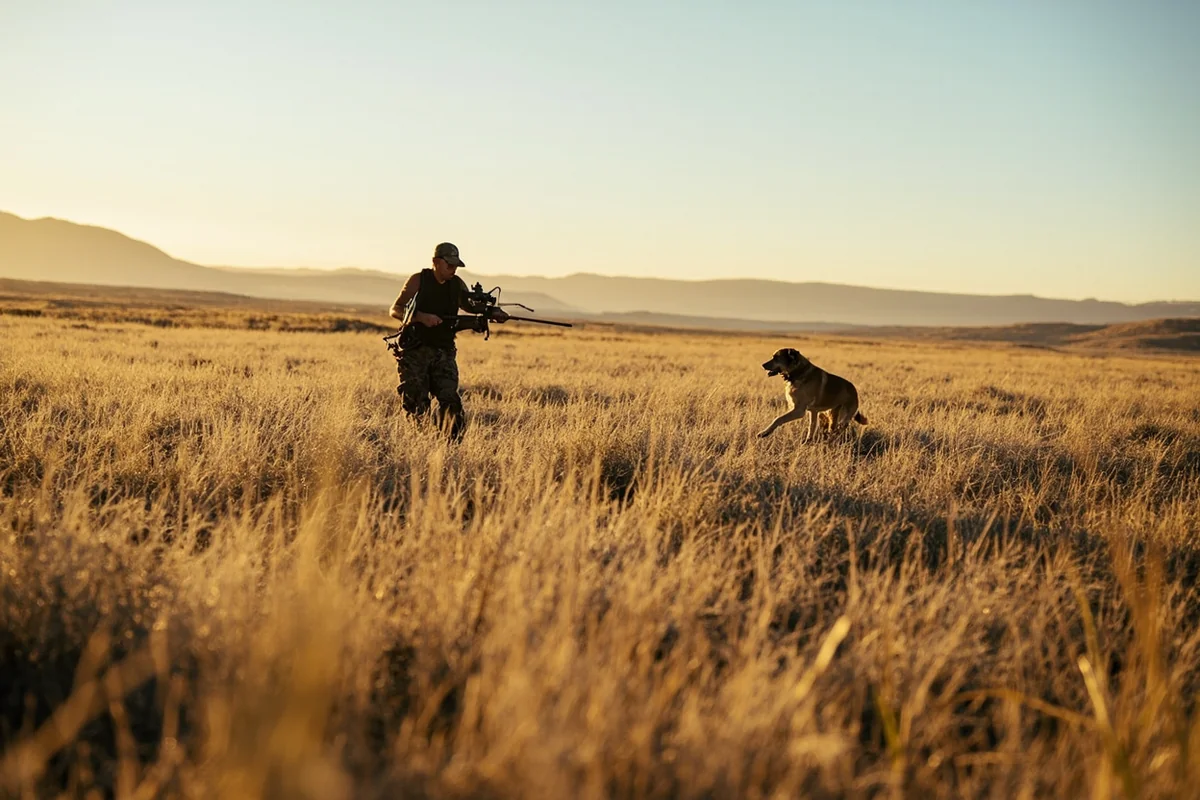
Upland bird hunting — particularly for Hungarian partridge, sage grouse (when seasons are open), and sharp-tailed grouse — draws a dedicated following. The terrain is demanding, dogs are practically essential, and the birds are wild in the truest sense of the word.
If you’re interested in exploring other remote Montana counties with strong hunting traditions, Garfield County to the east and Fergus County to the west are worth investigating as part of a broader trip.
Stargazing and Dark Skies
Petroleum County has no significant light pollution — none. On a clear night, the Milky Way is so bright it casts a faint shadow, and the number of visible stars makes the sky feel almost three-dimensional.
This is one of those facts that sounds like marketing language until you actually experience it. During a summer visit, sleeping outside the tent rather than in it became the obvious choice because watching the sky was better than any entertainment that could be brought along. Satellites are visible every few minutes, and shooting stars are common enough that you stop noting them individually.
The lack of infrastructure that makes Petroleum County difficult to visit during daylight becomes an extraordinary asset after dark. There are no streetlights, no commercial signs, no ambient glow from nearby cities. If dark-sky experiences matter to you, very few places in the contiguous US can match this.
Suggested Itinerary
Day 1: Arrival and Exploring Winnett
Arrive in Winnett via Montana Highway 200 — fuel up before reaching town if coming from the east or west. Check into your accommodation (options are very limited; the local area has basic motel-style lodging and some ranch-stay options — expect rates typically in the $70–$120 per night range, though availability varies enormously by season).
Spend the afternoon walking Winnett’s main street, visiting the courthouse area, and getting oriented. The Winnett Café is worth a stop for a late lunch or early dinner. If the light is good in the evening, drive south toward the Musselshell River country for prairie dog viewing and sunset photography.
Day 2: Charles M. Russell National Wildlife Refuge
Start early — by 7 a.m. if possible, as wildlife is most active in the first two hours after dawn. Pack water, snacks, a paper refuge map, and a downloaded offline map on your phone. Plan a full day driving refuge roads, stopping frequently at viewpoints and scanning drainages for elk and mule deer.
The Sun Prairie area of the CMR is particularly productive for wildlife. Allow time in the afternoon to sit quietly at a viewpoint rather than driving constantly — patience consistently outperforms speed when it comes to wildlife observation in the Breaks.
Return to Winnett before dark; navigating CMR roads in the dark without good local knowledge is not recommended.
Day 3: Missouri River Breaks and Departure
Use the morning for a final drive along the northern reaches of the county toward the Fort Peck Lake area if a high-clearance vehicle allows it.
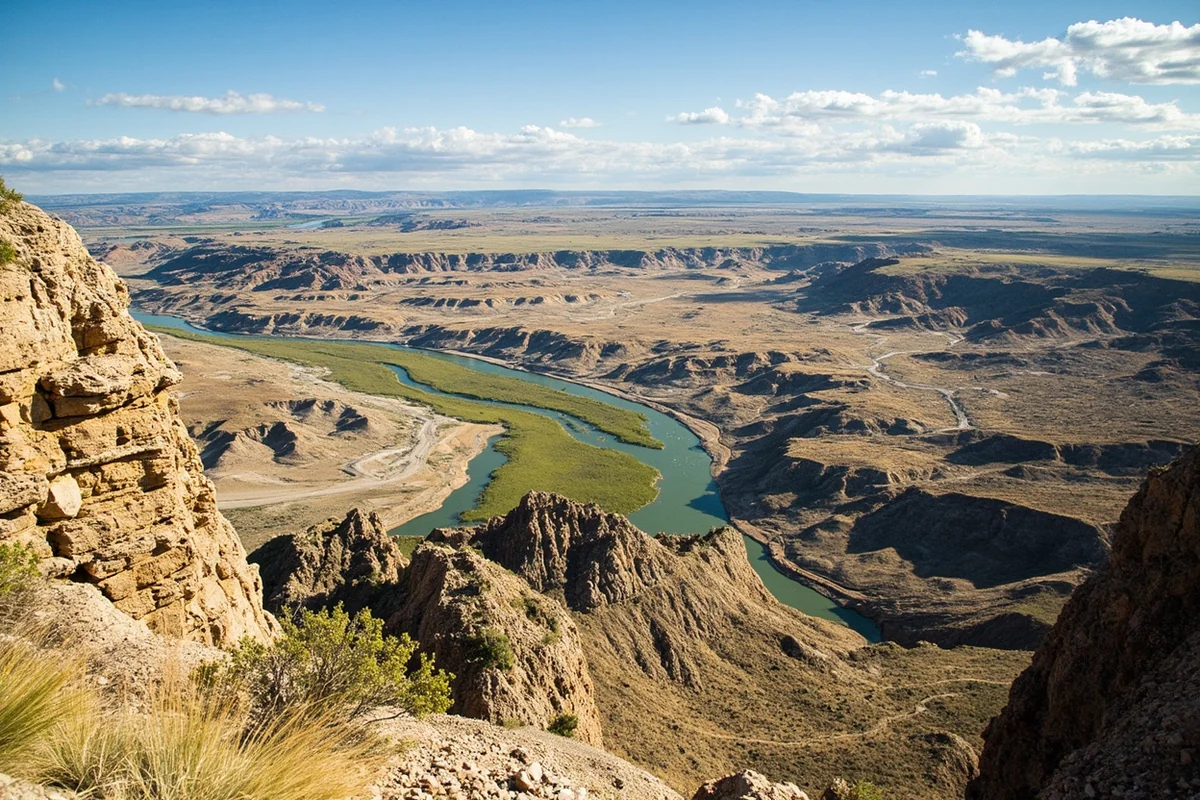
The views of the Missouri River valley from the elevated ridgelines are among the most dramatic in Montana — layers of eroded clay and sandstone dropping to a ribbon of green river corridor far below.
Depart by late morning to allow time for the drive to your next destination. If heading west, Fergus County and the Lewistown area are worth an overnight stop. Heading east, Garfield County connects through Jordan toward the Miles City area.
What Most Visitors Get Wrong
Underestimating road conditions. The CMR and surrounding county roads are genuinely challenging. A sedan will get stuck. A 2WD truck will get stuck in wet conditions. Stories of travelers waiting hours for help are common, and cell service to call for that help is inconsistent at best. Rent or bring a proper 4WD vehicle, carry a tow strap, and let someone know your route before you leave.
Arriving without enough food and water. Winnett has a small grocery situation, but it’s basic. Stock provisions in Lewistown or Roundup before entering the county if you’re planning multiple days of exploration. On one visit, relying on finding a “proper grocery store” led to two days of gas station snacks — not the end of the world, but entirely avoidable.
Expecting tourist amenities. There are no visitor centers, no interpretive signs on most roads, no gift shops, no chain restaurants, and no reliable WiFi. This is not a complaint — it’s exactly what makes Petroleum County special — but it catches people off guard who didn’t research thoroughly before arriving.
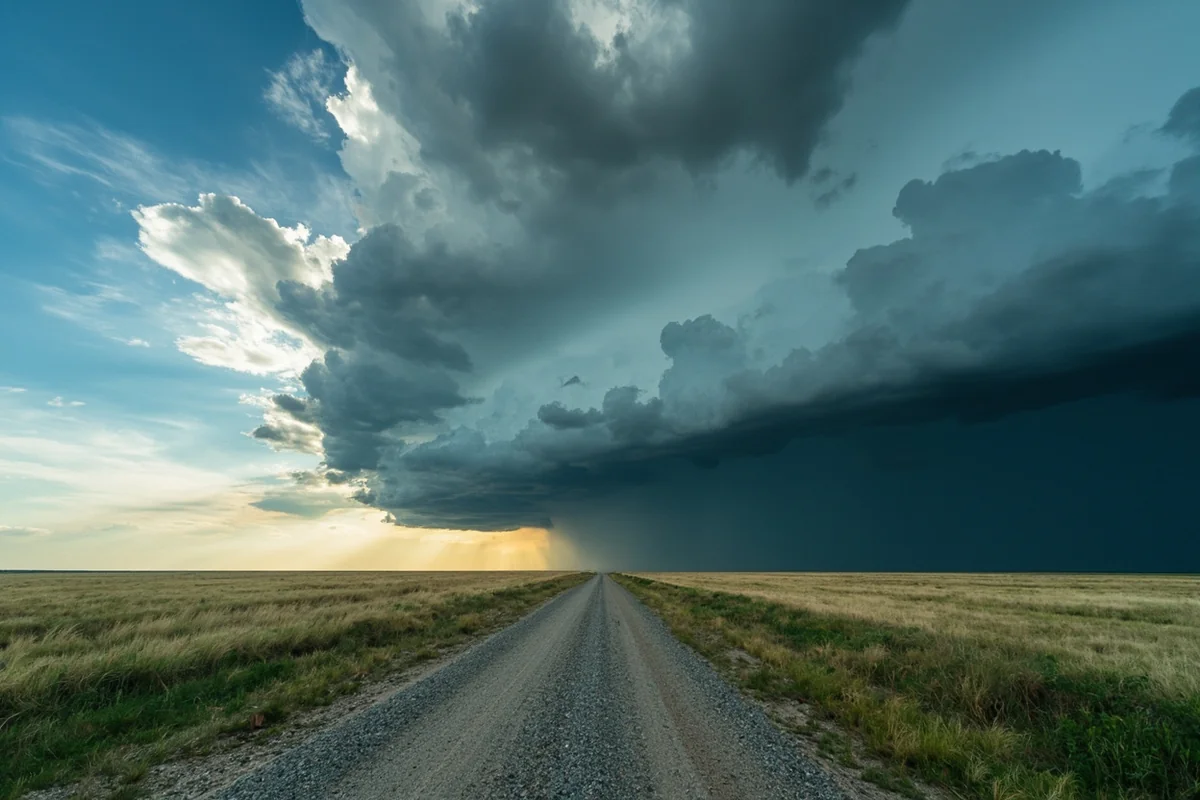
Ignoring weather forecasts. Summer thunderstorms roll across the plains quickly and turn clay roads into skating rinks within minutes. Check forecasts daily, and if a storm is building, get onto paved road before it hits. What looks like a 20-minute drive can turn into a 3-hour extraction operation after rain.
Missing the shoulder seasons. Many travelers who attempt a summer visit in July deal with 95°F heat, rattlesnakes more active on the roads, and access roads baked to corrugated concrete. May–June and September–October offer milder temperatures, better wildlife activity, and more photogenic light. What surprised me most was how dramatically the experience improved just by shifting my visit two weeks earlier into September.
Accommodation Options
Options are genuinely limited, and that’s worth planning around rather than discovering on arrival.
Winnett has basic motel accommodation — clean, functional, and priced accordingly. Rates typically range from roughly $70 to $120 per night depending on season, though availability can be tight during hunting season (October–November), when rooms book weeks in advance.
Ranch stays are an option worth pursuing through local outfitters, though availability varies and most require advance booking.
This type of accommodation offers a completely different level of experience — waking to actual working ranch operations, eating with the family, getting local knowledge that no guidebook contains.
Camping is possible on BLM and CMR lands following Leave No Trace principles and applicable regulations.
Check current rules with the U.S. Fish & Wildlife Service and the BLM Malta Field Office before dispersed camping. This is the most popular option for serious wildlife watchers who want to be in position at dawn.
For a broader look at Montana’s accommodation scene, other remote counties offer useful comparisons — Carter County in the southeast and Blaine County to the north both face similar infrastructure limitations and have developed creative solutions worth researching.
Best Times to Visit Petroleum County
May and early June bring wildflowers to the prairie, green grass across the coulees, and ideal temperatures (typically 55–75°F). Wildlife with young is highly visible — fawns, pronghorn kids, and nesting birds. Roads are generally dry after the spring mud season clears, usually by mid-May.
September and October are arguably the best months of all. The heat breaks, the grasses turn gold and amber, elk are in rut and bugling, and the deer population is at its most visible before hunting pressure pushes animals into cover. Mule deer bucks are in velvet through early September, and the light in that season has a quality that summer’s harsh overhead sun simply can’t match.
Avoid July and August unless heat is genuinely not a concern for you. Temperatures regularly reach 95–100°F, rattlesnakes are on roads at dusk, and the baked clay roads create a brutal driving surface. Wildlife retreats to shade during the hottest parts of the day, limiting viewing windows.
Winter is not recommended for casual visitors. Roads become impassable after snowfall, temperatures drop well below zero, and services in Winnett are at minimum operation. That said, the few travelers who’ve experienced a Petroleum County winter on snowmobile describe it as otherworldly — the silence and the landscape covered in snow, with only wildlife tracks to read.
Connections to Other Montana Counties
Petroleum County makes logical sense as part of a larger Montana loop rather than a standalone destination for most travelers.
The distances between eastern Montana’s remote counties are significant, but stringing them together creates a journey through some of the most authentic and least-photographed landscapes in the American West.
To the west, Fergus County connects through Lewistown, which offers a proper base with restaurants, grocery stores, and accommodations. Lewistown itself is a genuinely appealing small city worth a day of exploration.
To the east, Garfield County continues the remote badlands experience through Jordan. Further east still, Dawson County offers the Missouri River corridor near Glendive with dinosaur fossil country at Makoshika State Park.
Travelers interested in Montana’s broader pattern of growth and change across its many counties may find the piece on Montana’s fastest growing cities and counties useful context — Petroleum County sits at the absolute opposite end of that spectrum.
Final Thoughts
Petroleum County is not a destination that rewards passive tourism. It asks something of you — preparation, patience, a willingness to sit with silence and space in a way that modern travel rarely requires.
What it gives back is proportional to that effort: wildlife encounters that feel genuinely wild, landscapes untouched by development, and a quality of sky and stillness that most Americans have never experienced.
What stayed with me longest from my visits wasn’t any single dramatic sighting or perfect photograph. It was the cumulative effect of three days without crowds, without noise, without the low-grade background hum of human density. By the time I reached paved road again, something had settled in my chest that takes days to fade.
If you’re the kind of traveler who finds value in going somewhere that hasn’t been optimized for your visit, Petroleum County may be exactly what you’ve been looking for. Just do your homework, prep your vehicle, and respect the land and the people who’ve built their lives on it.
How We Researched This Guide
This guide is based on multiple visits to Petroleum County and the Charles M. Russell National Wildlife Refuge across different seasons, including spring and fall trips covering the primary roads, wildlife areas, and the town of Winnett firsthand.
Information was verified with the U.S. Fish & Wildlife Service (CMR Refuge office), Montana Fish, Wildlife & Parks, the BLM Malta Field Office, and through direct conversations with local ranchers, the Winnett Café staff, and hunting outfitters operating in the county.
Official population and geographic data referenced the U.S. Census Bureau and Montana Department of Commerce county profiles.
Frequently Asked Questions
What is there to do in Petroleum County, Montana for first-time visitors?
Petroleum County is one of the least-visited and most remote counties in the entire US, making it a bucket-list destination for travelers who crave true solitude and wide-open Montana badlands scenery. The area is best explored by driving the back roads around Winnett, the county seat, where you can enjoy wildlife spotting, hunting, fishing along the Musselshell River, and soaking in the raw, undeveloped prairie landscape. If you appreciate off-the-beaten-path American destinations, this county delivers an experience you simply won’t find anywhere else.
When is the best time to visit Petroleum County, Montana?
The best time to visit Petroleum County is late spring through early fall, roughly May through September, when roads are accessible and temperatures are manageable for outdoor exploration. Summer highs can reach the upper 80s to low 90s°F, so bring plenty of water if you’re hiking or driving rural gravel roads. Winters here are harsh and isolating, with heavy snow making many back roads impassable, so unless you’re experienced with extreme rural winter travel, plan your trip for the warmer months.
How far is Petroleum County from Billings, Montana?
Petroleum County’s main town, Winnett, is approximately 100 miles north of Billings, making it a roughly 2-hour drive via US-87 North. The roads transition from highway to two-lane rural routes, so fuel up before leaving Billings or Roundup since gas stations are scarce in this part of central Montana. I’d recommend downloading offline maps before you go, as cell service is extremely limited throughout the county.
What should I pack for a trip to Petroleum County, Montana?
Because Petroleum County is one of the most sparsely populated counties in the US with very limited services, packing smart is essential — bring extra fuel in a gas can, a paper map, plenty of drinking water (at least a gallon per person per day), and non-perishable snacks. A basic vehicle emergency kit, a first-aid kit, and a satellite communicator like a Garmin inReach are strongly recommended since cell service is nearly nonexistent. Layers are a must regardless of season, as Montana weather can shift dramatically within a single day.
Are there any hotels or places to stay in Petroleum County, Montana?
Lodging options in Petroleum County are extremely limited — Winnett has very basic accommodations, and availability can be tight, so calling ahead is a must before arriving. Many travelers choose to camp, and dispersed camping on Bureau of Land Management (BLM) land surrounding the area is generally free and legal with minimal restrictions. If you prefer more amenities, consider staying in Lewistown, about 65 miles west, which has a broader selection of motels and restaurants while still allowing easy day trips into Petroleum County.
What does it cost to visit Petroleum County, Montana on a road trip?
Visiting Petroleum County is actually a very budget-friendly Montana road trip option since there are no major paid attractions, park entry fees, or tourist infrastructure to drive up costs. Your biggest expenses will be fuel — plan for a full tank out of Billings or Lewistown plus extra — and basic meals or groceries stocked before you arrive, since dining options in Winnett are minimal. A self-supported two-day trip here can realistically cost as little as $100–$200 per person, making it one of Montana’s most affordable off-grid adventures.
Is Petroleum County, Montana worth visiting if I’ve already been to Yellowstone and Glacier?
Absolutely — Petroleum County offers a completely different side of Montana that most tourists never see, a stark, quiet, and humbling landscape of rolling badlands, river breaks, and endless sky that stands in sharp contrast to the crowded parks. If you’ve done Yellowstone and Glacier and want to experience authentic, untouched rural Montana, driving through Petroleum County feels like stepping back in time to a forgotten America. It’s particularly rewarding for photography enthusiasts, hunters, anglers, and anyone who values the feeling of having a vast stretch of American land almost entirely to themselves.