Standing at the Bozeman airport baggage claim last August, what struck me wasn’t the mountains visible through the terminal windows—it was the number of U-Haul trailers parked outside.
Gallatin County has become Montana’s fastest-growing destination, and after spending considerable time exploring its blend of wilderness access, college-town culture, and outdoor recreation, the appeal becomes instantly clear.
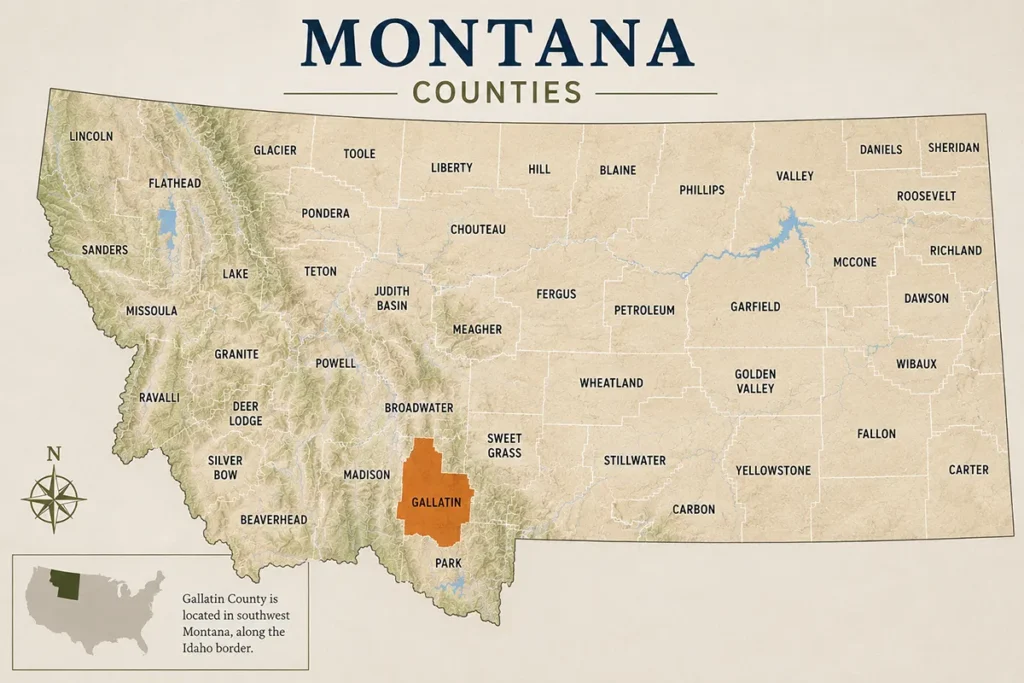
Among Montana’s 56 Montana Counties, Gallatin stands out as the state’s adventure capital.
- Gallatin County sits in southwest Montana, anchored by Bozeman (approximately 59,000-60,000 people in 2026) and serving as the primary gateway to Yellowstone National Park’s north entrance
- Home to world-renowned ski resorts including Big Sky and Bridger Bowl, plus year-round recreation in the Gallatin, Madison, and Bridger mountain ranges
- Expect higher costs than other Montana counties—lodging averages $150-300/night, dining $15-40 per person
- Summer (June-August) and ski season (December-March) are peak tourism times; visit shoulder seasons for better deals and fewer crowds
- Reserve accommodations 2-3 months ahead for summer, 3-6 months for ski season
Liked this article?
Add Roaming Montana as a preferred source so you see more of our articles and guides on Google.
Why Gallatin County Captures Montana’s Spirit
Gallatin County covers 2,632 square miles of southwest Montana, but its influence on the state’s tourism landscape far exceeds its geographic footprint.
The county sits at the confluence of three mountain ranges—the Gallatins, Madisons, and Bridgers—creating a natural amphitheater of recreational opportunities.
What sets this county apart from neighbors like Broadwater County or Carbon County is its unique combination of wilderness access and urban amenities.
Bozeman serves as the cultural and economic hub, hosting Montana State University and a thriving tech sector that’s earned it the nickname “Silicon Mountain.”
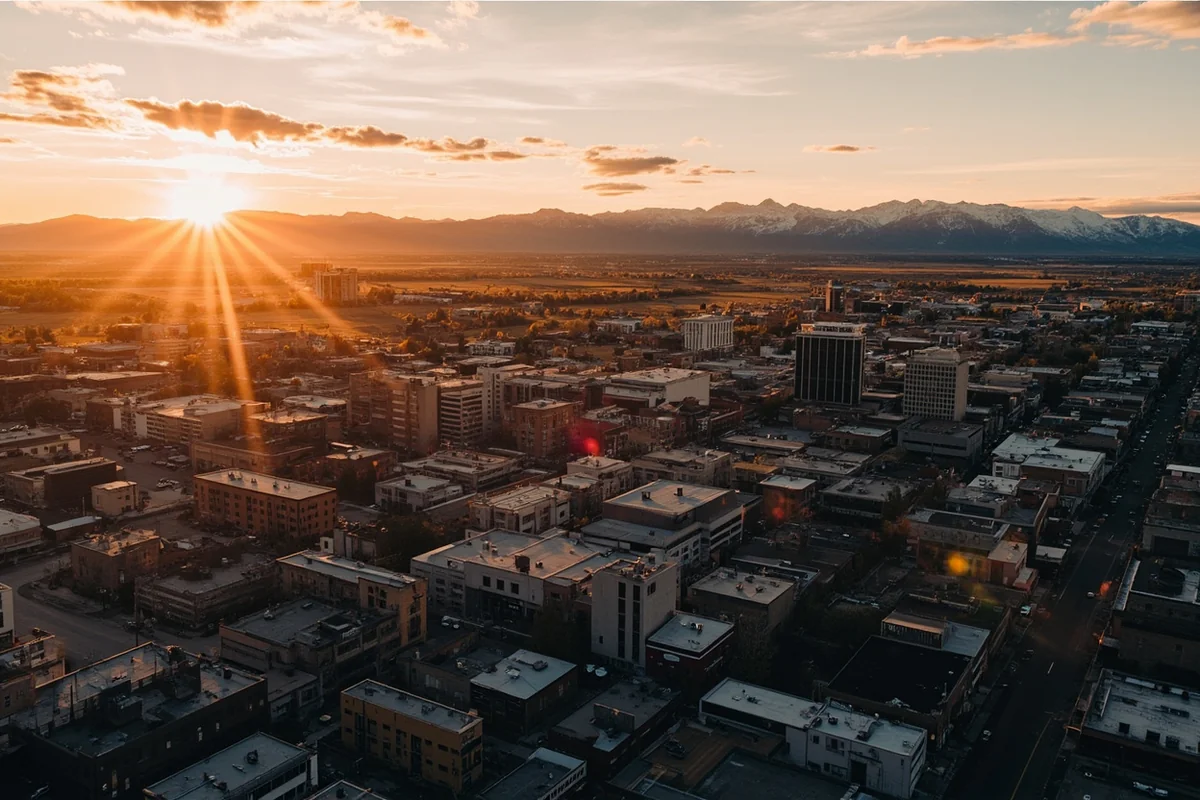
The county population has exploded from approximately 67,000 in 2000 to over 129,000 in 2026, according to U.S. Census Bureau estimates. During my most recent visit in July, the growth was visible everywhere—new breweries, packed trailhead parking lots, and construction projects dotting downtown Bozeman.
Getting to and Around Gallatin County
Bozeman Yellowstone International Airport (BZN) serves as the primary entry point, located just 8 miles northwest of downtown Bozeman. The airport has expanded dramatically, adding new routes and doubling capacity over the past five years.
Direct flights connect Bozeman to major hubs including Denver, Salt Lake City, Seattle, Dallas, Minneapolis, and Phoenix. Summer sees additional seasonal routes from cities like New York, Los Angeles, and Atlanta. One thing that caught me off guard during peak season: rental car availability becomes extremely limited, with prices spiking above $100 daily for basic vehicles.
Book rental cars at least 6-8 weeks before summer or ski season visits. During my February trip, every major rental company was sold out three days before arrival, forcing a scramble to arrange transportation.
Driving Distances and Road Conditions
Interstate 90 runs east-west through the county, providing straightforward access. Highway 191 runs north-south, connecting Bozeman to Big Sky (45 miles) and West Yellowstone (90 miles).
Winter driving requires preparation. Carry tire chains, extra water, blankets, and snacks from November through April. Highway 191 south of Big Sky experiences frequent closures during heavy snowfall, sometimes stranding travelers for hours.
| Destination | Distance from Bozeman | Drive Time | Winter Considerations |
|---|---|---|---|
| Big Sky Resort | 45 miles | 55 minutes | Four-wheel drive recommended |
| West Yellowstone | 90 miles | 1 hour 45 minutes | Chains may be required |
| Livingston | 26 miles | 25 minutes | I-90 well-maintained |
| Bridger Bowl | 16 miles | 25 minutes | Steep access road, 4WD essential |
Where to Stay in Gallatin County
Accommodation options range from budget motels to luxury mountain resorts, but availability and pricing fluctuate dramatically by season. The county’s lodging scene differs notably from quieter counties like Carter County or Fallon County, where options remain limited but more affordable.
Bozeman Lodging Options
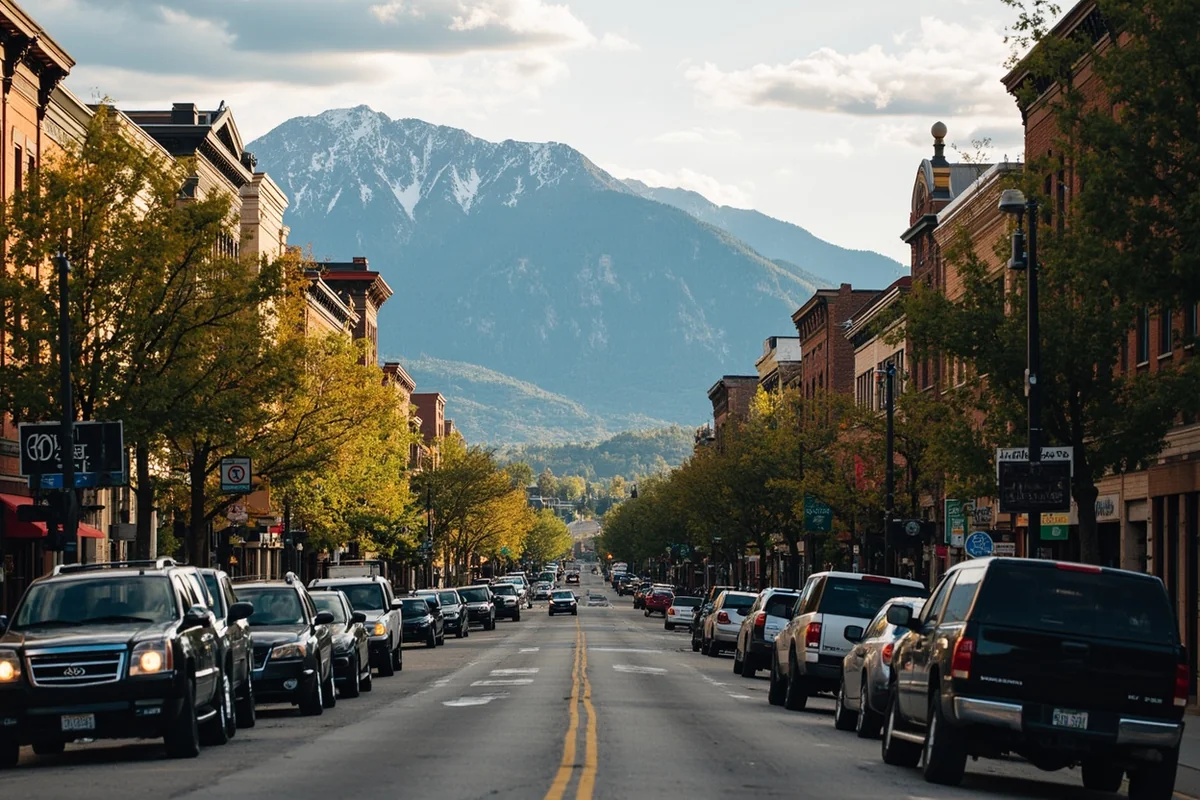
Downtown Bozeman offers the densest concentration of hotels, placing visitors within walking distance of restaurants, breweries, and shops. During my stays, the Element Bozeman provided reliable quality at $180-220 per night in summer, while the LARK Hotel captured downtown’s boutique vibe at $250-350.
Budget travelers find better value on Bozeman’s north side along I-90, where chains like La Quinta and Days Inn average $110-150 in summer. These properties sit 3-4 miles from downtown, requiring a vehicle or rideshare for dining and entertainment.
Vacation rentals through VRBO and Airbnb dominate the residential market, though recent city regulations have reduced inventory. Two-bedroom properties average $200-300 nightly in summer, with minimum stays often required during peak periods.
Big Sky and Mountain Lodging
Big Sky Resort area accommodations cater primarily to ski season visitors, with summer rates dropping 30-40% below winter pricing. The resort itself operates several properties, from budget-friendly Huntley Lodge rooms ($180-250 in summer) to luxury Summit Hotel suites ($500-800).
What most visitors get wrong is assuming they need to stay slopeside. The Meadow Village area, located 5 miles from the mountain base, offers better value with full condos averaging $250-400 nightly. A free shuttle system connects lodging areas to the resort during ski season, though service is limited in summer.
Belgrade, located between Bozeman and the airport, has emerged as a budget-friendly base camp. Chain hotels average $120-160 nightly, and the town’s location provides quick access to both Bozeman attractions and south valley recreation.
The Outdoor Recreation Crown Jewel
Gallatin County earned its reputation through exceptional outdoor access across all four seasons. The county contains portions of two national forests (Gallatin and Custer), the Lee Metcalf Wilderness, and serves as the north gateway to Yellowstone National Park.
Summer Hiking and Backpacking
The Gallatin Range rises immediately south of Bozeman, offering everything from roadside waterfall hikes to multi-day wilderness treks. Hyalite Canyon, located 12 miles south of Bozeman, concentrates dozens of trails into a single accessible drainage.
Palisade Falls Trail provides the canyon’s easiest option—a 1.2-mile round trip to a 80-foot waterfall. The trailhead parking lot fills by 9 a.m. on summer weekends, and overflow parking extends a quarter-mile down the access road. During my last visit in late June, we arrived at 7:45 a.m. and still found the lot nearly full.
For more challenging terrain, the Hyalite Peak Trail climbs 8.4 miles round trip with 3,400 feet of elevation gain. The trail rewards effort with 360-degree views spanning three mountain ranges.
What surprised me most was the trail condition—remarkably well-maintained switchbacks despite heavy use, with only the final push to the summit requiring scrambling.
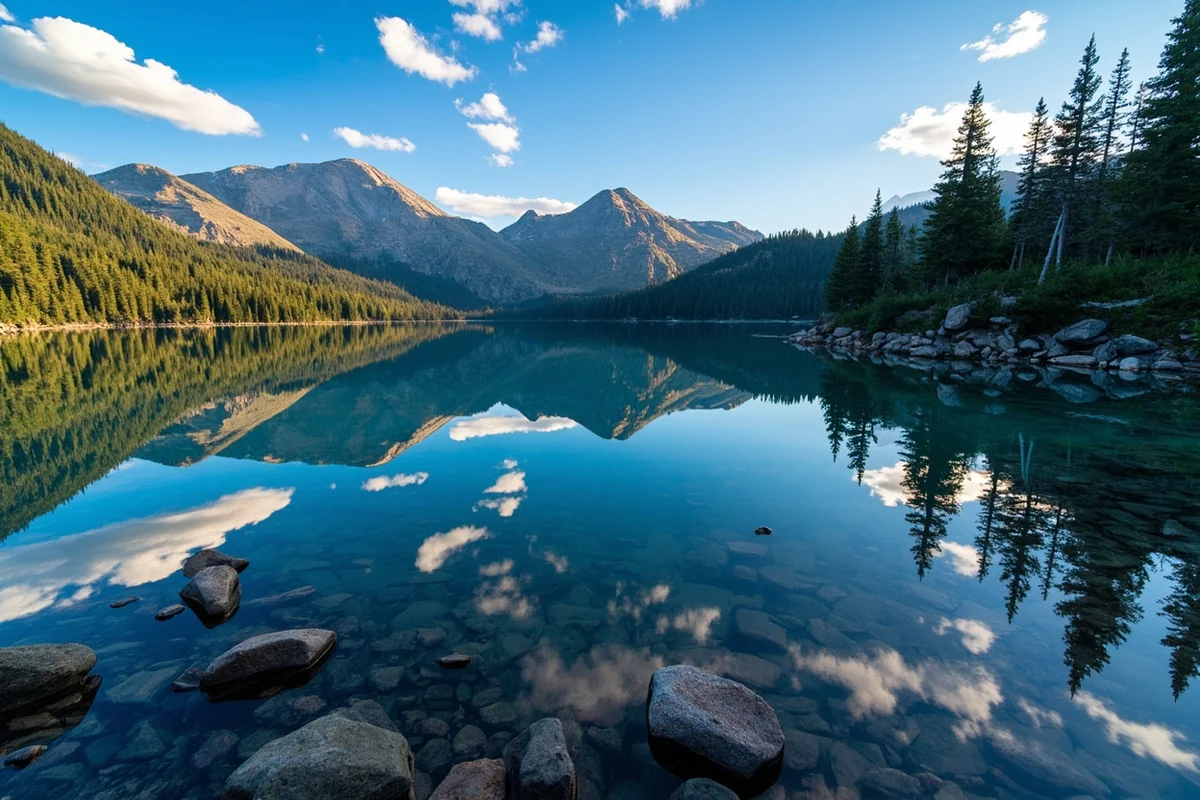
The Bridger Range, visible as Bozeman’s northern backdrop, offers a unique ridge traverse called the Bridger Ridge Run.
This 20-mile point-to-point trail challenges experienced hikers with 5,600 feet of cumulative elevation gain and exposed ridge walking. Most complete it in two days, camping at designated sites along the ridge.
Trailhead logistics for the Ridge Run require shuttle arrangements. Local guide services offer shuttle service for $100-150, or coordinate vehicle drops with friends. During my attempt, afternoon thunderstorms forced a retreat at mile 15—a reminder that the exposed ridge offers zero shelter from weather.
Winter Skiing and Snowboarding
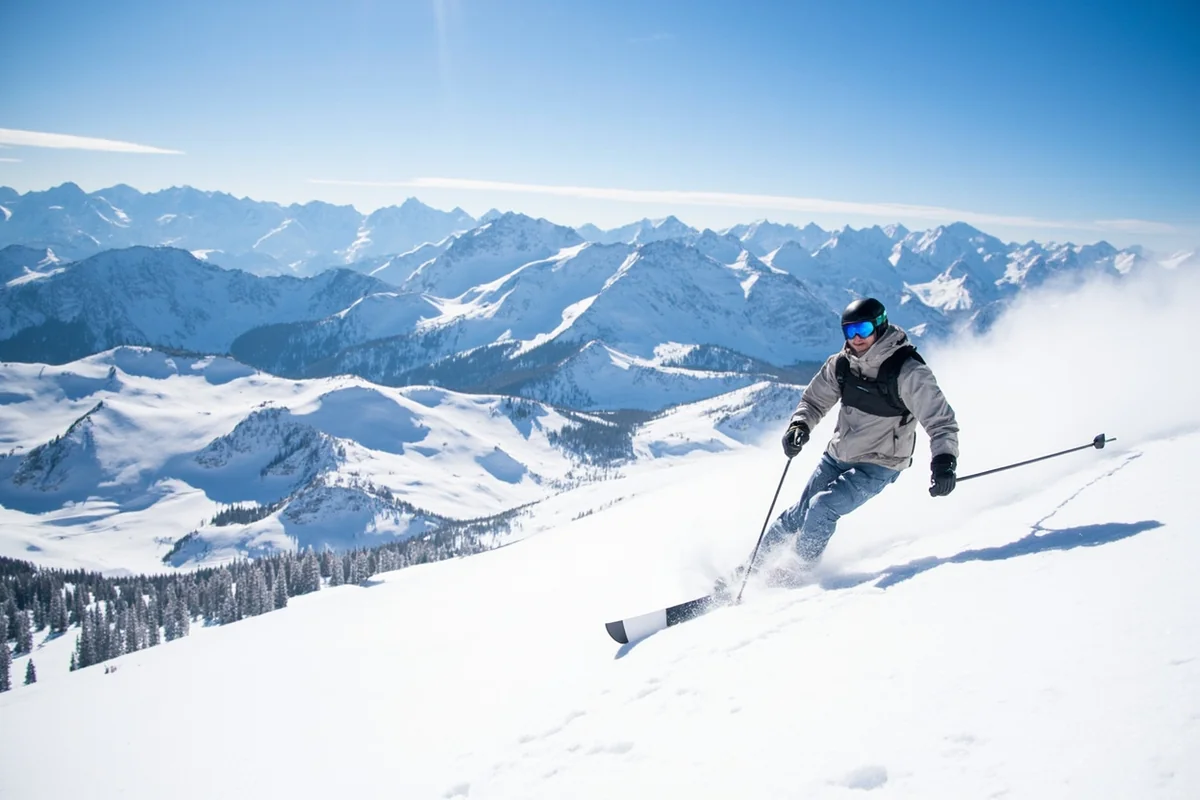
Big Sky Resort claims the title as America’s largest ski resort with over 5,800 acres of skiable terrain. The resort connects four mountains—Lone Peak, Andesite Mountain, Moonlight Basin, and the Headwaters—into a single lift ticket.
Full-day lift tickets run $189-209 for adults during peak season (December 26-March 15), dropping to $149-169 during value season. Purchasing tickets online 7+ days in advance saves $20-30. The resort also offers substantial discounts for early and late season skiing (November and April).
What strikes most visitors immediately is the lack of lift lines. During a Presidents’ Day Saturday—typically one of skiing’s busiest days—the longest wait was 8 minutes at the Lone Peak Tram. Weekdays see virtually no lines anywhere on the mountain.
Bridger Bowl operates as a nonprofit “skiers mountain” 16 miles northeast of Bozeman. The resort focuses on expert terrain, with 60% of trails rated advanced or expert. Lift tickets cost $89 for adults midweek, $99 weekends—roughly half of Big Sky’s pricing.
The Ridge terrain at Bridger requires a brief hike from the Schlasman’s lift, accessing some of Montana’s most technical inbounds skiing.
A mandatory avalanche transceiver check occurs at the Ridge gate. First-timers should hire a guide through Bridger’s ski school ($200 for two hours) to learn navigation and snow assessment.
Yellowstone National Park Access
Gallatin County provides the shortest route to Yellowstone’s North Entrance through the Gardiner gateway, though the drive actually passes through Park County. The West Entrance via West Yellowstone offers the county’s true connection to the park.
West Yellowstone sits directly on the county’s southern border, 90 miles from Bozeman. The town serves primarily as a summer base camp for Yellowstone visitors and a winter snowmobiling hub.
Most of the park’s famous features—Old Faithful, Norris Geyser Basin, and the Grand Canyon of the Yellowstone—sit 30-60 miles beyond the West Entrance.
Summer traffic through West Yellowstone creates significant delays. Plan to enter the park before 8 a.m. or after 4 p.m. to avoid peak congestion. During my July visit, we sat in a line of 150+ vehicles waiting to enter at 9:30 a.m., taking 45 minutes to reach the entrance station.
Gallatin River Canyon Alternative
Highway 191 through Gallatin River Canyon offers a spectacular drive even if Yellowstone isn’t the destination. The 50-mile stretch from Bozeman to Big Sky follows the Gallatin River through a narrow canyon flanked by towering mountains.
Multiple pullouts provide river access for fishing, though parking fills quickly during summer afternoons. Moose Creek, located 38 miles south of Bozeman, offers the best combination of parking and river access.
Watch for rafts and kayaks navigating the whitewater sections—commercial outfitters run daily trips through the canyon from June through August.
Wildlife viewing peaks during early morning and evening hours. During one dawn drive in September, we spotted three moose, two elk, and a black bear within a 10-mile stretch. The bear emerged from the forest just after sunrise, crossing the highway before disappearing into willows along the river.
Bozeman: The Cultural Hub
Bozeman’s transformation from ranching town to recreation destination accelerated in the 1990s and hasn’t slowed. The city now balances Montana State University’s 17,000 students with a thriving outdoor industry and growing tech sector.
Downtown Bozeman Exploration
Main Street runs east-west through downtown’s historic core, lined with preserved brick buildings housing restaurants, gear shops, galleries, and bars. The six-block stretch between Rouse and Black Avenues contains the highest concentration of activity.
Parking downtown requires patience during summer and football Saturdays. The city operates several surface lots charging $1 per hour via mobile payment. Street parking allows 2-hour limits, strictly enforced during business hours. During my visits, finding parking after 10 a.m. typically required circling several blocks or parking 3-4 blocks from the target destination.
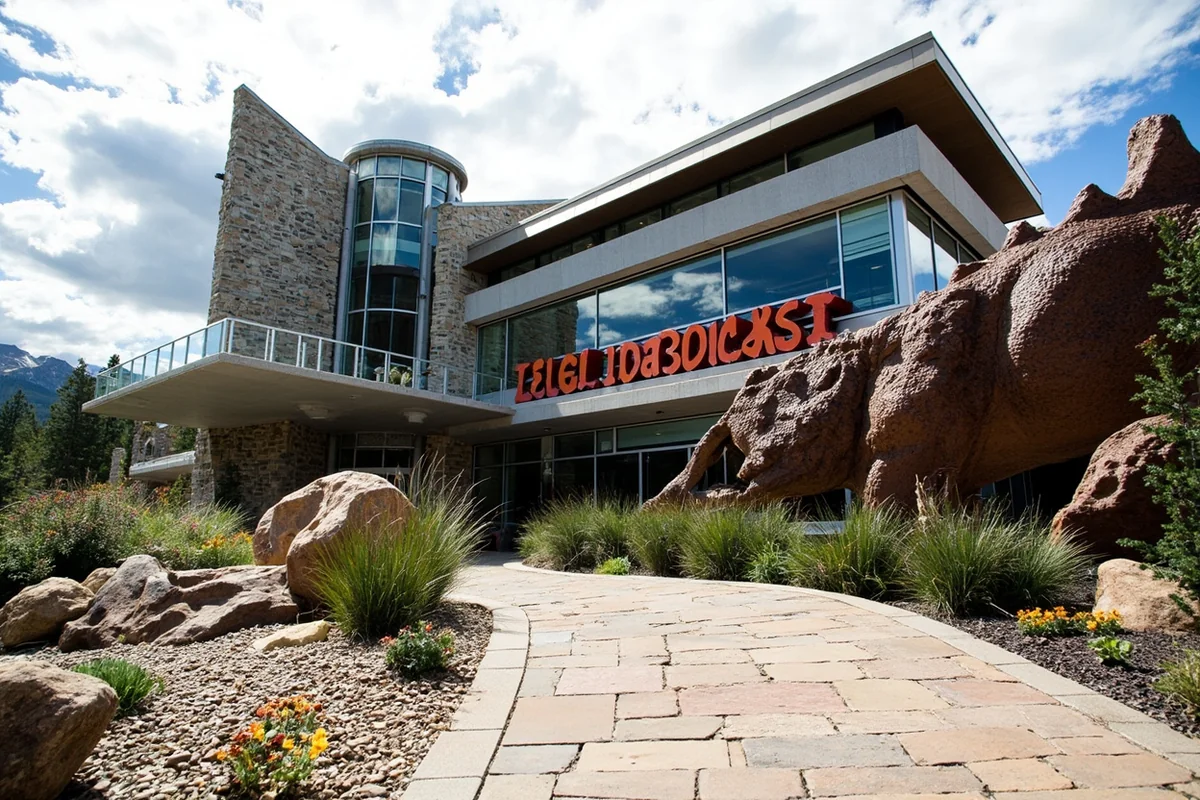
Montana State University anchors the south end of downtown, with the campus spreading across 1,170 acres. The Museum of the Rockies, located on the university’s south campus, houses one of America’s premier dinosaur fossil collections. Adult admission costs $16.50, with exhibits covering 500 million years of Rocky Mountain history.
The museum’s real draw comes from its relationship with paleontologist Jack Horner, whose research revolutionized understanding of dinosaur behavior. The Siebel Dinosaur Complex displays dozens of complete skeletons, including several T-rex specimens found in Montana.
Budget at least 2-3 hours for a thorough visit—the collection extends across multiple floors with temporary exhibits rotating quarterly.
Food and Drink Scene
Bozeman’s restaurant scene punches above its weight for a city its size. Over 200 restaurants serve everything from Thai to farm-to-table contemporary American, with new openings accelerating in recent years.
Montana Ale Works occupies a converted railroad building on the east edge of downtown, serving hearty portions of regional fare. The whiskey bacon burger ($16.95) consistently delivers, pairing Montana beef with house-made bacon and aged cheddar. Expect 30-45 minute waits for tables during peak dinner hours (6-8 p.m.).
The brewery scene has exploded from a handful of operations to over a dozen within city limits. Map Brewing on the north side focuses on lagers—unusual in a craft beer landscape dominated by hoppy IPAs. Their Czech-style pilsner ($6 per pint) offers crisp refreshment after summer hiking.
For upscale dining, Plonk occupies a prime Main Street corner with a rooftop patio. The menu emphasizes seasonal ingredients and Montana-raised proteins, with entrees ranging $28-48.
Wine selection runs deep, with over 400 bottles spanning major regions. Reservations open 30 days in advance and fill quickly for weekend prime times.
Coffee culture thrives throughout Bozeman, with local roasters competing for supremacy. Wild Joe’s Coffee Spot operates multiple locations, roasting beans in-house and serving what many locals consider the city’s best espresso. The original location on Main Street opens at 6 a.m., attracting early risers and ski-bound travelers.
Hot Springs and Natural Soaking
While Gallatin County doesn’t rival some western Montana counties for Montana hot springs density, two notable facilities operate within or near county boundaries.
Chico Hot Springs Resort Montana sits in Paradise Valley, technically in Park County but just 30 miles from Bozeman. The historic resort features two pools fed by natural hot springs emerging at 110°F.
Day-use passes cost $8.50 for adults, providing access to both the main pool and smaller soaking pool.
What makes Chico worth the drive is the combination of hot springs access and excellent dining. The resort’s main dining room serves upscale Montana cuisine in a century-old lodge.
During my winter visit, soaking outdoors while snow fell created a memorable experience, though the pools get crowded on weekends with locals making the same calculation.
Bozeman Hot Springs operates year-round within city limits, offering nine pools ranging from 59°F to 106°F. The facility emphasizes fitness and recreation alongside relaxation, with lap swimming lanes and a fitness center included in the $17.50 day pass.
The setting lacks Chico’s historic charm, but convenience and extended hours (5 a.m. to midnight) make it practical for visitors based in Bozeman.
Fishing the Gallatin Valley
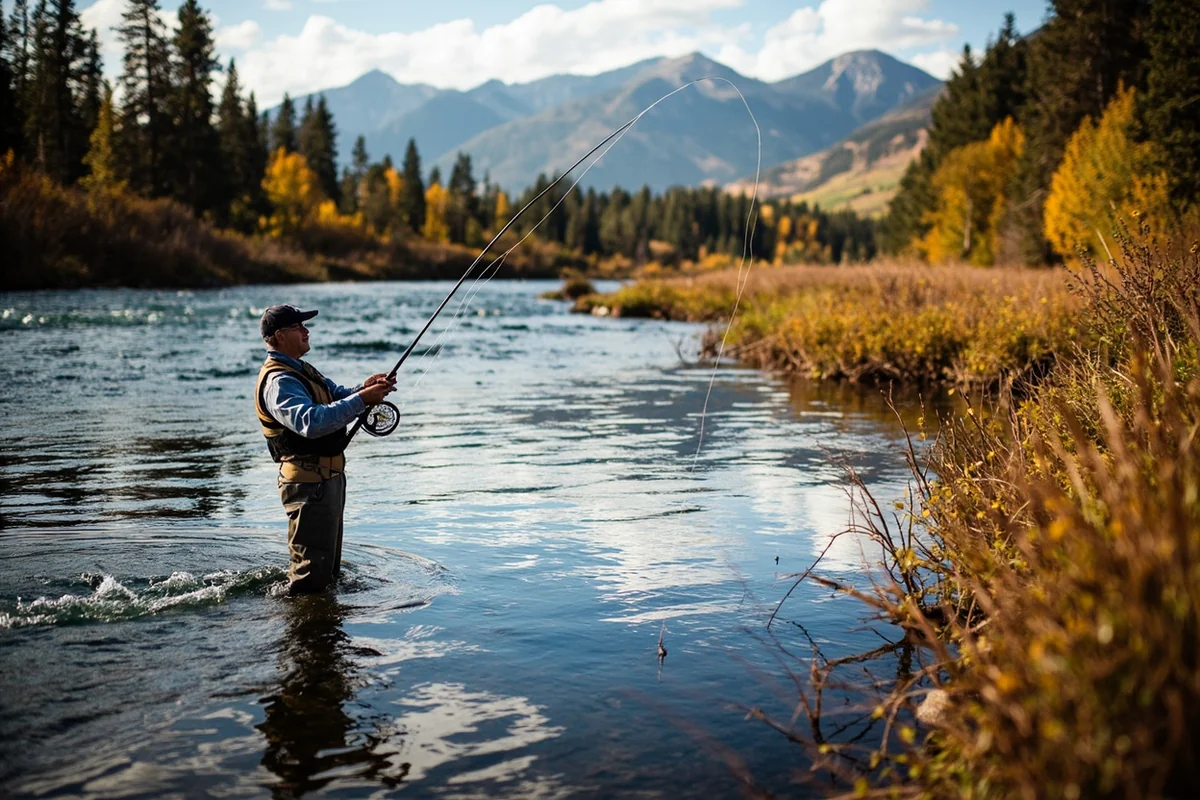
Three blue-ribbon trout streams flow through Gallatin County—the Gallatin, Madison, and Yellowstone Rivers. Public access points dot all three, though navigating access laws requires understanding Montana’s stream access rules.
The Gallatin River flows north from Yellowstone National Park through the canyon before entering the valley near Gallatin Gateway. Rainbow and brown trout populate the river, with fish averaging 12-16 inches and occasional specimens exceeding 20 inches.
Madison River access from Gallatin County requires driving to the western county boundary near Cameron. The Madison ranks among Montana’s most famous trout streams, attracting fly fishers from worldwide. The stretch from Quake Lake to Ennis offers the best combination of fish density and public access.
Fishing pressure peaks from June through September, with the Madison seeing particularly heavy use. Arrive at popular access points before 7 a.m. to secure parking during peak season.
During a July afternoon visit to Varney Bridge, every parking spot was full with several vehicles waiting for departing anglers.
Montana requires fishing licenses for all anglers age 12 and older. Nonresident licenses cost $25 for two consecutive days or $111 for a full season. Purchase licenses online through Montana Fish, Wildlife & Parks or at sporting goods stores statewide.
Hiring a guide makes sense for first-time Montana anglers. Local guide services charge $500-650 for a full day on the water for two anglers, including equipment, instruction, and lunch. The investment pays off through local knowledge and access to private stretches unavailable to unguided anglers.
Madison Range Wilderness Adventures
The Madison Range forms Gallatin County’s western boundary, offering some of Montana’s most dramatic alpine terrain. The range lacks the name recognition of the Montana mountain ranges further west, but provides equally spectacular backcountry opportunities.
The Spanish Peaks unit of the Lee Metcalf Wilderness protects 76,000 acres of the northern Madison Range. Hiking trails access alpine lakes, high meadows, and granite peaks exceeding 11,000 feet elevation. The region sees substantially less traffic than popular areas near Bozeman, offering greater solitude for those willing to drive an extra 30 minutes.
Access the Spanish Peaks from the Mirror Lake trailhead, located 45 miles southwest of Bozeman via Highway 191 and a 10-mile gravel road. The trailhead sits at 7,800 feet, providing a head start on elevation gain. From the parking area, trails branch to multiple destinations—Mirror Lake at 2 miles, Expedition Pass at 6 miles, and connections into the deeper wilderness.
One mistake that caught me off-guard was underestimating afternoon weather patterns. Clear morning skies can deteriorate into thunderstorms by 2 p.m. during summer months. Plan alpine adventures to summit or reach exposed ridges by early afternoon, then descend before storms develop.
During a Spanish Peaks day hike, we retreated from Expedition Pass at noon as clouds built, reaching the trailhead just as lightning began striking nearby peaks.
Seasons and Weather Patterns
Gallatin County experiences four distinct seasons with dramatic temperature swings between winter and summer. Understanding seasonal patterns helps visitors time activities and pack appropriately.
Summer (June-August) brings warm days and cool nights. Daytime temperatures in Bozeman typically reach 75-85°F, occasionally spiking into the 90s during heat waves.
Nights cool to 45-55°F, requiring layers for evening activities. Afternoon thunderstorms develop regularly, particularly over mountains, bringing brief but intense rainfall and lightning.
The growing season’s short length means gardens and wildflowers peak late compared to lower elevations. Mountain wildflowers bloom from late June through early August, with timing varying by elevation. Subalpine meadows reach peak bloom in mid-to-late July, creating stunning displays across high-elevation trails.
Montana bug season affects Gallatin County from late May through July, with mosquitoes peaking in June. Higher-elevation hikes experience worse bug pressure as snowmelt creates ideal breeding conditions. Bring insect repellent and consider head nets for extended time in buggy areas.
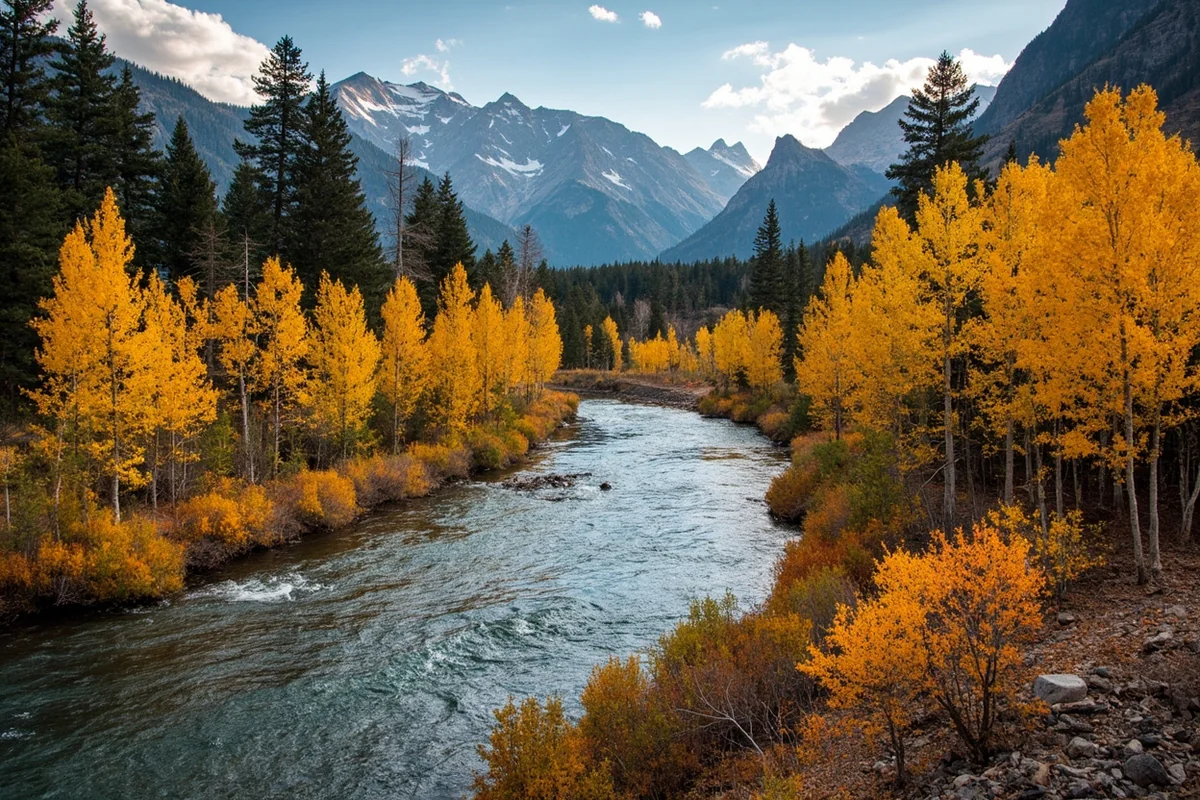
Fall (September-October) provides arguably the best weather for visiting. Days remain pleasant (60-70°F) while nights turn cold (30-40°F). Aspen trees transform valley slopes into gold ribbons from mid-September through early October. The first substantial snowfall typically arrives in Bozeman by early October, though accumulation remains minimal until November.
Winter (November-March) defines the region for many visitors, with consistent snow cover from December through March. Bozeman averages 88 inches of annual snowfall according to the National Weather Service, while Big Sky receives 400+ inches at upper elevations. Daytime highs hover in the 20s and 30s (°F), with overnight lows dropping to 0-15°F.
Unlike some Montana communities that experience prolonged cold snaps, Bozeman benefits from occasional chinook winds that warm temperatures and melt snow. These warm spells rarely last more than a few days before arctic air returns, but they break winter’s monotony.
Spring (April-May) brings unpredictable conditions. Snowstorms can dump significant accumulation through May, while 70°F days occasionally occur in April. Locals joke that Montana has nine months of winter and three months of poor sledding. The shoulder season offers the year’s best lodging deals and empty trails, but requires flexibility as weather swings between winter and summer.
What Most Visitors Get Wrong
After numerous trips to Gallatin County and countless conversations with frustrated travelers, several common mistakes emerge repeatedly.
Underestimating Distances and Drive Times
Maps make everything look closer than reality. The 45-mile drive from Bozeman to Big Sky takes 55 minutes minimum on winding Highway 191, longer with traffic or weather. Adding “just one more stop” to itineraries cascades into rushed experiences and missed reservations.
Build buffer time into daily schedules, especially when coordinating dinner reservations or guided activities. During one visit, we attempted to fit a morning hike at Hyalite, lunch in Bozeman, and a 2 p.m. rafting trip in the Gallatin Canyon. The tight schedule left us scrambling and stressed, with barely 10 minutes to spare at the rafting outfitter.
Inadequate Altitude Preparation
Bozeman sits at 4,820 feet elevation, with trailheads starting even higher. Visitors from sea level often struggle with shortness of breath and fatigue during first-day activities. The 11,167 feet summit of Lone Peak at Big Sky pushes into true alpine conditions where altitude sickness becomes a real concern.
Spend 24-48 hours adjusting to elevation before attempting strenuous activities. Drink substantially more water than typical—the dry climate and elevation accelerate dehydration. Symptoms like headaches, nausea, and unusual fatigue signal altitude issues requiring rest and descent.
Wildlife Viewing Expectations
Yellowstone reliably produces wildlife encounters, but Gallatin County itself doesn’t guarantee animal sightings despite abundant habitat. The timing and location make the difference between seeing nothing and spectacular encounters.
Focus wildlife viewing efforts during dawn and dusk hours when animals feed and move. The Gallatin River corridor south of Bozeman offers the county’s best roadside viewing, particularly for moose and elk. Early September through October brings elk rut, when bulls bugle and fight for breeding rights—one of North America’s most dramatic wildlife spectacles.
Practical Information for Planning
When to Visit
Peak summer season (late June through August) brings the warmest weather, longest days, and largest crowds. This period works best for hiking, camping, and Yellowstone visits. Expect premium pricing and limited availability for accommodations and guided activities.
Ski season (December through early April) attracts winter sports enthusiasts, with holiday weeks (Christmas-New Year’s and President’s Day) representing absolute peak demand. Book ski season lodging 4-6 months ahead, particularly for Big Sky accommodations.
Shoulder seasons (May-early June and September-October) provide the best value and smallest crowds. September particularly shines with stable weather, fall colors, and animals actively feeding before winter. Some businesses reduce hours or close entirely during shoulder periods—call ahead to confirm operations.
Budget Considerations
Gallatin County ranks among Montana’s most expensive destinations, more comparable to Jackson Hole or Park City than neighboring Montana counties like Fergus County or Cascade County.
A moderate daily budget per person breaks down roughly as:
- Lodging: $75-150 (split between two people)
- Meals: $40-60 (breakfast, lunch, dinner)
- Activities: $30-100 (ski tickets, fishing licenses, park entry, etc.)
- Transportation: $20-40 (rental car, fuel)
Total: $165-350 per person daily, excluding airfare. Budget travelers can reduce costs by camping ($20-30 nightly), cooking meals, and focusing on free activities like hiking. Luxury travelers easily exceed $500-1,000 daily with upscale lodging, fine dining, and guided experiences.
Cell Service and Internet
Bozeman and Belgrade maintain excellent cell coverage across major carriers. Coverage drops significantly in mountain areas, particularly in canyon areas and wilderness terrain. Download offline maps before leaving town for backcountry trips.
Highway 191 through Gallatin Canyon has spotty coverage with dead zones lasting several miles. Big Sky maintains decent coverage near the resort village but weakens away from developed areas. West Yellowstone offers solid service within town boundaries.
Emergency satellite communication devices (Garmin inReach, SPOT) provide valuable insurance for backcountry travel. These devices cost $300-450 for hardware plus $12-65 monthly subscriptions, allowing text communication and SOS activation anywhere.
Beyond the Obvious: Hidden Gems
Popular destinations capture most visitor attention, but Gallatin County rewards exploration beyond standard itineraries.
Drinking Horse Mountain
Located on Bozeman’s northeast edge, Drinking Horse Mountain sees far less traffic than Hyalite Canyon despite sitting just 15 minutes from downtown. The trail climbs 3.6 miles to the 7,910-foot summit, gaining 1,600 feet through a mix of forest and grassland.
The exposed south slope gets hot during summer afternoons—start early and carry extra water. Views from the summit stretch across the entire Gallatin Valley, with the Madison and Gallatin ranges framing the western and southern horizons. During my late-September visit, we encountered only five other hikers despite perfect conditions and peak fall colors.
Fairy Lake
The Bridger Mountains hide Fairy Lake in a high cirque accessible via a rough dirt road and short hike. The lake sits at 7,600 feet below the distinctive prow of Sacagawea Peak. The 11-mile access road climbs steeply from Bridger Canyon, requiring high-clearance vehicles and taking 45 minutes from the canyon floor.
From the parking area, a 1-mile trail reaches the alpine lake surrounded by cliff walls and talus slopes. The setting feels remote despite the relatively short hike. Wildflowers carpet the basin in July, while September brings golden larches and typically fewer visitors.
Gallatin County Regional Park
Bozeman residents flock to this 80-acre park along the East Gallatin River for recreation close to town. Multiple trail loops wind through cottonwood forests and meadows, suitable for walking, running, and biking. The park sees particularly heavy use during Montana’s warmest months when families seek riverside picnic spots.
Winter transforms the park into a cross-country skiing and fat biking destination, with groomed trails maintained through the season. The mellow terrain suits beginners learning winter sports without the intimidation of mountain trails.
Neighboring County Comparisons
Understanding Gallatin County’s character benefits from comparing it to adjacent counties. Each offers distinct experiences suiting different travel styles.
Deer Lodge County to the northwest provides a more rugged, less developed alternative with lower costs and fewer tourists. Park County to the east contains portions of Yellowstone National Park and the Paradise Valley, emphasizing scenery and wildlife over amenities.
Beaverhead County to the south encompasses vast public lands and historic mining towns, attracting visitors seeking solitude and backcountry adventure. Madison County to the west offers excellent fishing and mountain biking around Ennis and Virginia City’s preserved ghost town.
Travelers seeking the full spectrum of Montana experiences might base in Gallatin County while taking day trips to neighboring regions. The county’s central location and infrastructure make it an ideal hub for exploring southwest Montana.
Staying Safe in Gallatin Country
Outdoor recreation carries inherent risks that increase in mountainous terrain and wildlife habitat. Preparation and awareness reduce these risks substantially.
Bear Safety
Both black bears and grizzly bears inhabit Gallatin County, with grizzly populations expanding north from Yellowstone. All backcountry travelers should carry bear spray ($40-50 per canister), keep it accessible on hip holsters rather than buried in packs, and know how to use it.
Practice drawing and mock-firing bear spray before needing it in an actual encounter. During tense moments, fumbling with safety clips and aiming nozzles becomes surprisingly difficult. Several manufacturers offer inert practice canisters duplicating real spray weight and feel.
Make noise while hiking, particularly in dense vegetation or near streams where bears feed. Calling out “hey bear” every few minutes alerts animals to human presence, usually prompting them to move away. Solo hikers face higher risk than groups—whenever possible, hike with others.
Store all food, toiletries, and scented items in bear-proof containers or hung food bags when camping. Gallatin National Forest provides bear-proof boxes at many developed campgrounds.
The $5 investment in a bear-proof container or proper hanging system prevents dangerous bear encounters and protects the bear population from human food conditioning.
Avalanche Awareness
Backcountry skiing, snowboarding, and snowmobiling in Gallatin County’s mountains require avalanche education and proper equipment. The Gallatin National Forest Avalanche Center issues daily forecasts from December through April, rating avalanche danger on a five-level scale.
Anyone venturing into avalanche terrain must carry a transceiver, probe, and shovel—and know how to use them effectively.
Several local organizations offer avalanche awareness courses (Level 1) teaching basic rescue and terrain assessment skills. These typically cost $300-400 for weekend courses but provide essential knowledge for winter backcountry travel.
Never assume an area is safe because other tracks exist. Avalanche conditions change throughout the day with temperature, wind, and sun exposure. When avalanche danger rates “Considerable” or higher, stick to low-angle terrain or stick to groomed resort runs entirely — no backcountry objective is worth the risk.
During my first February visit to the Spanish Peaks area, I watched a group of snowmobilers head uphill into a steep north-facing bowl rated “High” danger that morning. I don’t know how their day ended, but I’ve never forgotten how casually they dismissed the forecast.
Check the Gallatin National Forest Avalanche Center website (mtavalanchecenter.org) every morning before venturing out — it takes 90 seconds and could save your life.
Water Hazards and River Safety
The Gallatin River’s whitewater sections between Bozeman and Big Sky carry significant risk for unprepared swimmers. The canyon’s Class III-IV rapids can pin and trap swimmers in hydraulics and strainers — submerged logs and rocks that trap anything flowing into them.
Cold water temperatures compound the risk even in summer. The river runs at 45-52°F during peak flows in June and July, inducing cold shock and incapacitating swimmers faster than most people expect.
If you’re planning to raft or kayak, use a licensed commercial outfitter rather than attempting unguided float trips without experience. I’ve watched rental kayakers flip in sections that looked calm from the road but turned violent within 50 yards.
Final Thoughts: What Gallatin County Delivers
I’ve spent time in all four corners of Montana, from the prairie emptiness of Fallon County to the alpine isolation of Beaverhead County, and Gallatin stands apart in one specific way: it’s the county that can genuinely serve every type of visitor without compromise.
Families with young children, hardcore backcountry skiers, fly fishing obsessives, food and wine travelers, history buffs at the Museum of the Rockies, first-time Montana visitors who need infrastructure and confidence — all of them find what they came for here. That range of appeal is genuinely rare and worth acknowledging.
But Gallatin County has a cost beyond the financial one. The growth that has brought world-class restaurants, expanded flight routes, and a polished downtown Bozeman has also brought crowded trailheads, strained housing, and a price tag that increasingly excludes the working-class Montana that shaped this place. Whether that trajectory is manageable or irreversible is a conversation I hear locals having with growing urgency.
What I’d tell any first-time visitor is this: go now, while it still has the balance. Stay somewhere other than Whitefish Village or slopeside Big Sky — Belgrade and Bozeman’s north side give you proximity without the premium.
Hike Drinking Horse or Fairy Lake before 8 a.m. and you’ll have the mountain largely to yourself. Eat at Map Brewing instead of the reservation-required spots and you’ll save money and sit next to actual Bozeman residents.
And if you can manage it, come back in September. The elk are bugling in the canyon, the aspens are turning gold above the treeline, the restaurant wait times evaporate, and the Gallatin Valley looks exactly like what drew people here in the first place — before the U-Hauls started lining up outside the airport.
Frequently Asked Questions
What is Gallatin County, Montana best known for?
Gallatin County is best known for being home to Bozeman, Big Sky Resort, and the northern entrance to Yellowstone National Park. The county offers world-class skiing, blue-ribbon trout fishing in the Gallatin River, and serves as a gateway to some of Montana’s most spectacular mountain scenery. It’s also recognized for its vibrant college town atmosphere thanks to Montana State University and a thriving outdoor recreation economy.
What is the best time of year to visit Gallatin County, Montana?
The best time to visit Gallatin County depends on your interests: June through September offers ideal weather for hiking, fishing, and exploring Yellowstone with temperatures in the 70s-80s°F. December through March is perfect for skiing at Big Sky Resort and Bridger Bowl, though you’ll need to prepare for cold temperatures often below 20°F. I recommend late September for fewer crowds, beautiful fall colors, and still-accessible mountain trails.
How far is Gallatin County from Yellowstone National Park?
Gallatin County’s southern border actually touches Yellowstone National Park, making it one of the closest places to stay when visiting the park. Bozeman is about 90 miles (1.5 hours) from the North Entrance at Gardiner, while Big Sky is just 50 miles (1 hour) from the West Entrance. This prime location makes Gallatin County an excellent base for multi-day Yellowstone trips with better lodging and dining options than inside the park.
How much does a trip to Gallatin County, Montana typically cost?
A mid-range trip to Gallatin County typically costs $150-250 per day per person, including accommodation ($100-180 for hotels in Bozeman), meals ($40-60), and activities. Budget travelers can get by on $80-120 daily by staying in hostels or camping ($20-40) and cooking their own meals. Expect higher costs during peak ski season (December-February) and summer (July-August) when hotel rates can double, especially near Big Sky Resort.
What should I pack for a trip to Gallatin County, Montana?
Pack layers for Gallatin County as temperatures can swing 30-40°F between morning and afternoon, even in summer. Essential items include sturdy hiking boots, a waterproof jacket, sunscreen (the high elevation intensifies UV rays), and bear spray if you’re hitting the trails. In winter, bring insulated clothing rated for sub-zero temperatures, while summer visitors should pack both shorts and warm fleeces for cool mountain evenings.
Do I need a car to get around Gallatin County, Montana?
Yes, you’ll definitely need a car to explore Gallatin County as public transportation is extremely limited outside of downtown Bozeman. Most attractions like Big Sky Resort (45 miles from Bozeman), hiking trailheads, and Yellowstone’s entrances require personal transportation. I recommend renting an SUV or 4WD vehicle, especially in winter when mountain roads can be snowy and icy, and gas up in Bozeman as stations become sparse in rural areas.
What are the must-do activities in Gallatin County for first-time visitors?
First-time visitors shouldn’t miss skiing or mountain biking at Big Sky Resort, floating or fly-fishing the Gallatin River, and exploring downtown Bozeman’s breweries and local restaurants. Take a day trip to Yellowstone National Park (just 90 miles away), hike to Palisade Falls or in Hyalite Canyon, and soak in Bozeman Hot Springs after a long day outdoors. During summer, the weekly farmers market and outdoor concerts at Museum of the Rockies showcase the area’s vibrant community culture.