The sound hit me before the view did—a thunderous roar echoing through the narrow canyon that made me stop mid-stride on a crisp September morning.
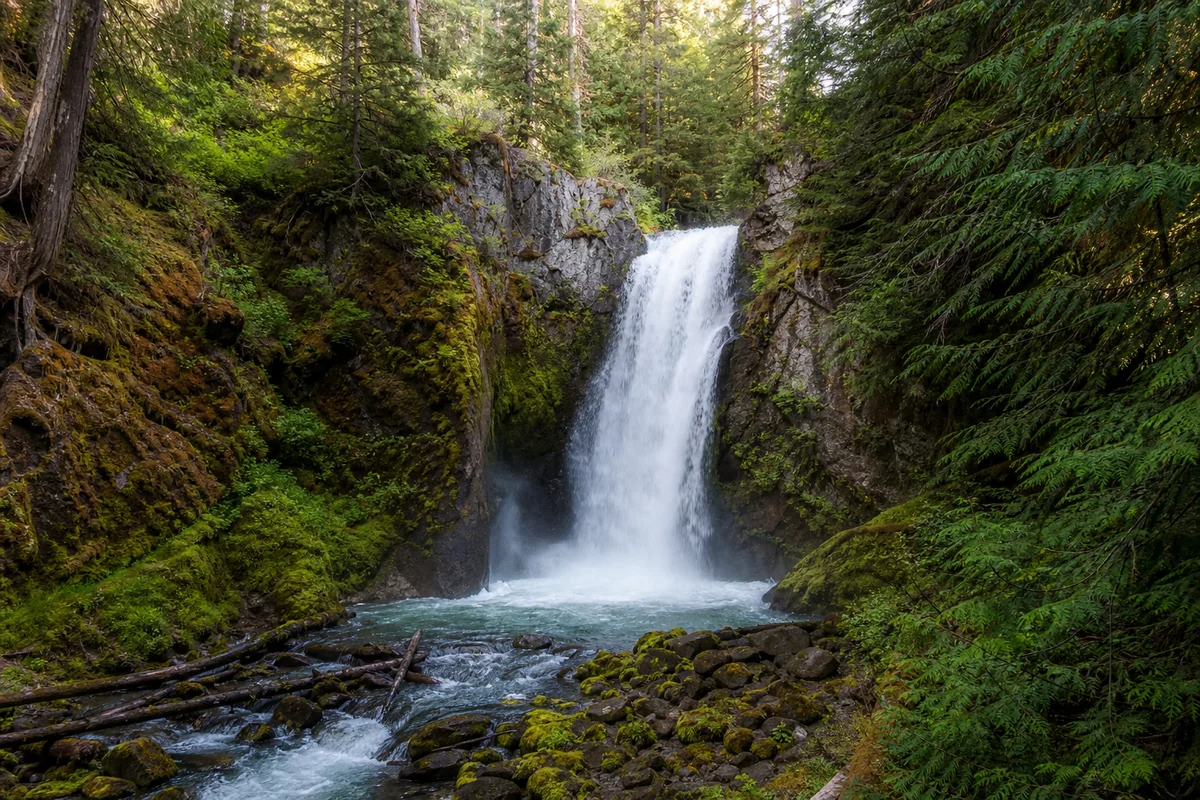
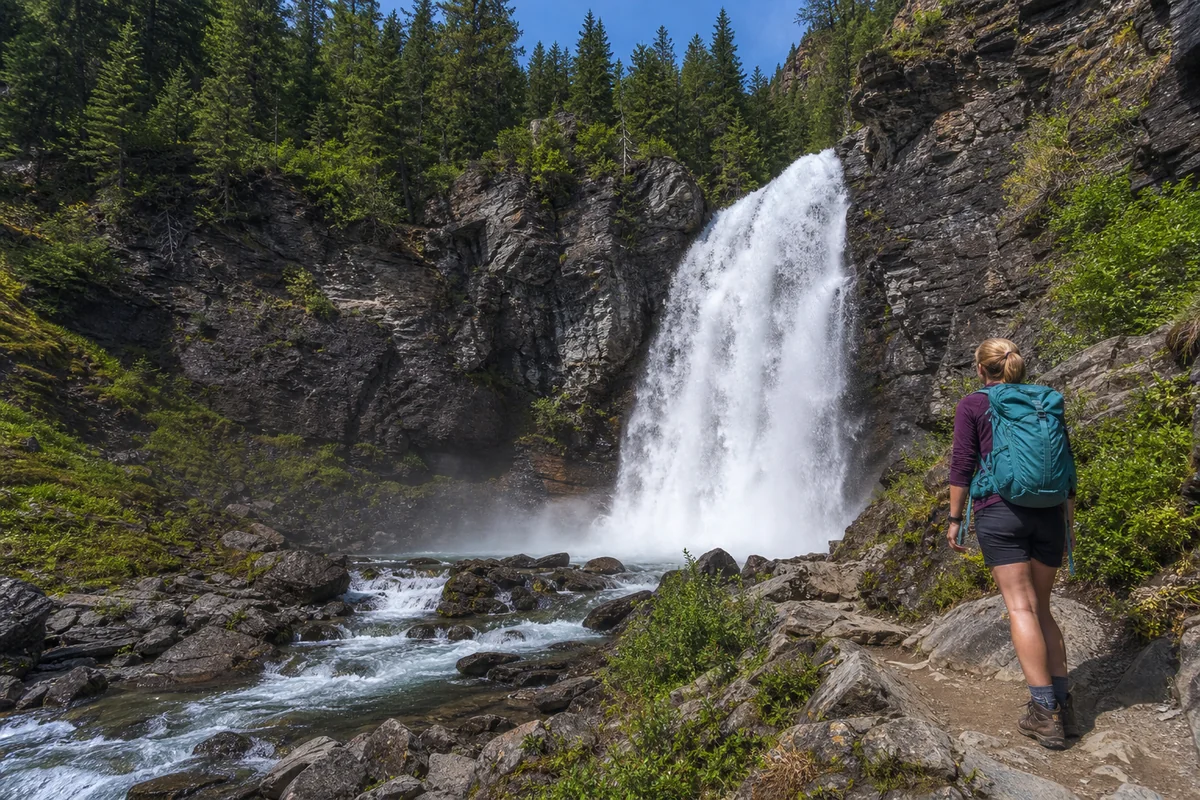
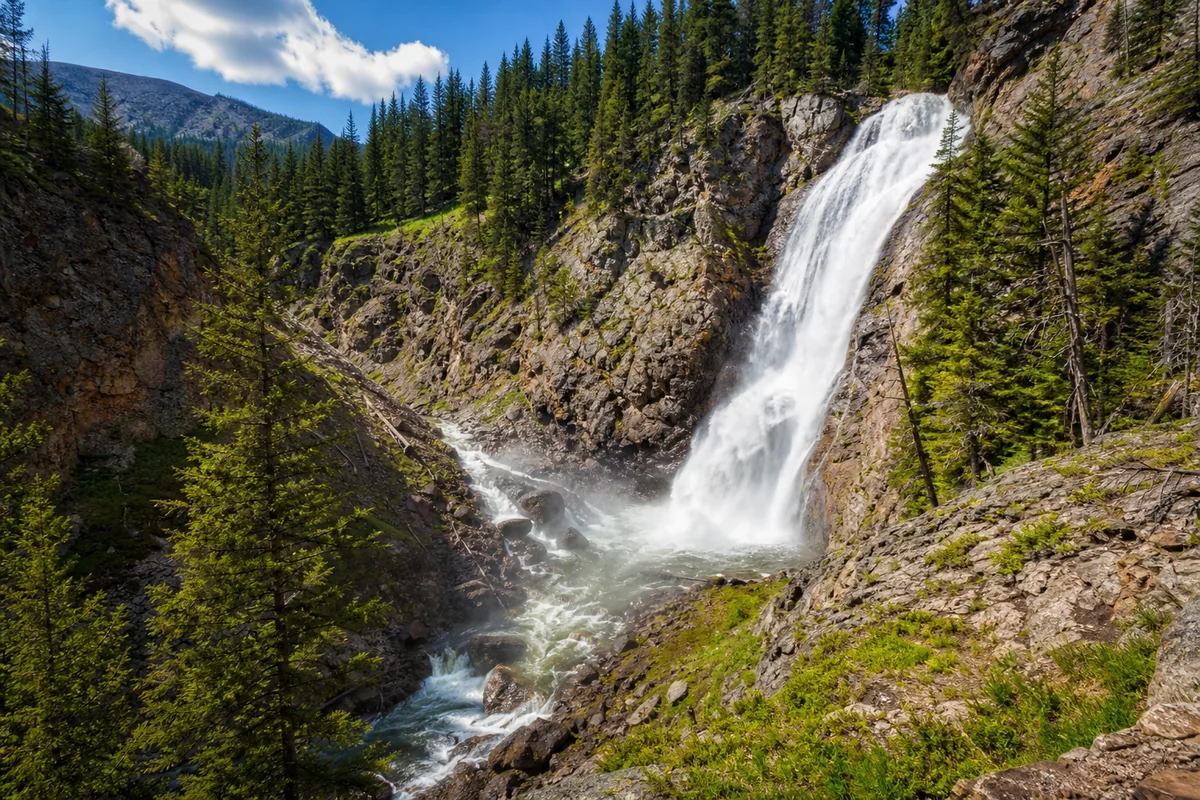
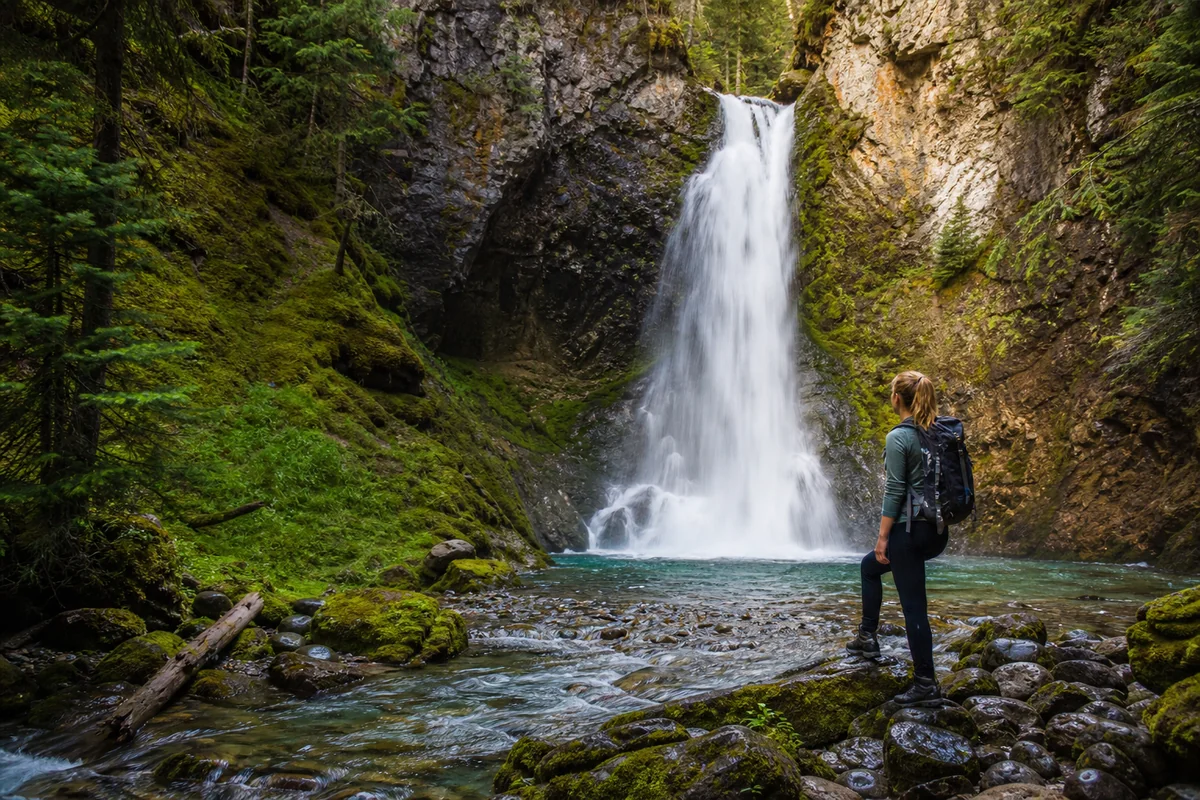
When I finally rounded the last switchback and caught my first glimpse of Lange Falls cascading nearly 80 feet down a moss-covered rock face, I understood why some of Montana’s best Montana waterfalls remain fiercely protected secrets among local hikers.
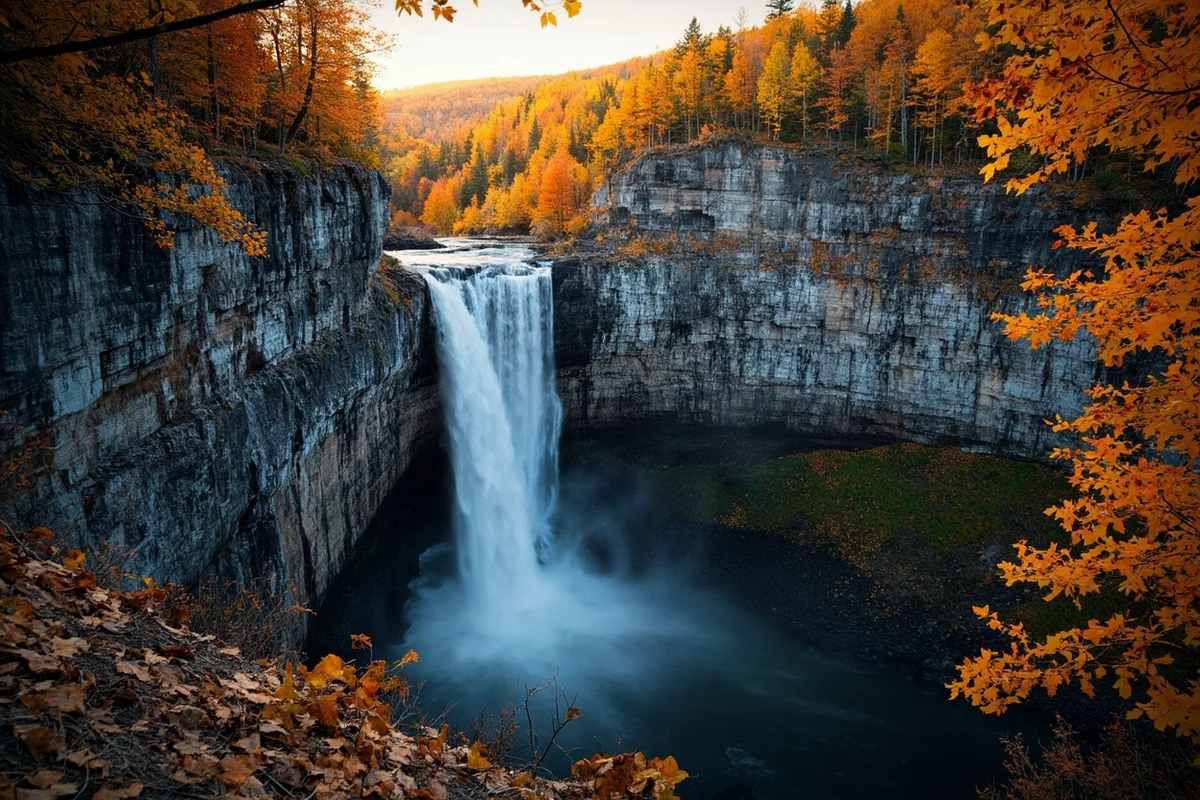
- Lange Falls drops approximately 80 feet in a remote section of Montana wilderness
- The hike is 6.4 miles round-trip with 1,400 feet of elevation gain
- Best visiting window: late May through early October
- No facilities at the trailhead—pack everything you need
- Early morning arrivals guarantee solitude and best photography light
- Bring bear spray and check current trail conditions before heading out
Liked this article?
Add Roaming Montana as a preferred source so you see more of our articles and guides on Google.
What Makes Lange Falls Special
I’ve chased waterfalls across Montana for the better part of a decade, from the easily accessible Kootenai Falls near Libby to backcountry gems like Morrell Falls in the Seeley-Swan Valley. Lange Falls occupies a unique space in my mental catalog of Montana’s liquid wonders.
Unlike roadside attractions that draw weekend crowds, Lange Falls demands something from its visitors. The moderate-to-difficult trail weeds out casual observers, leaving behind only those willing to earn their view.
What struck me most during my visit last summer was the falls’ personality. Water doesn’t simply drop here—it dances, leaps, and spreads across the rock face before gathering into a powerful plunge at the base.
Getting to Lange Falls: The Complete Trail Guide
Trailhead Access and Directions
Finding the Lange Falls trailhead requires some navigation skills and a reliable vehicle. I drove a Subaru Outback with decent clearance, which handled the final unpaved stretch without issues, though I watched a sedan turn around about a mile before the parking area.
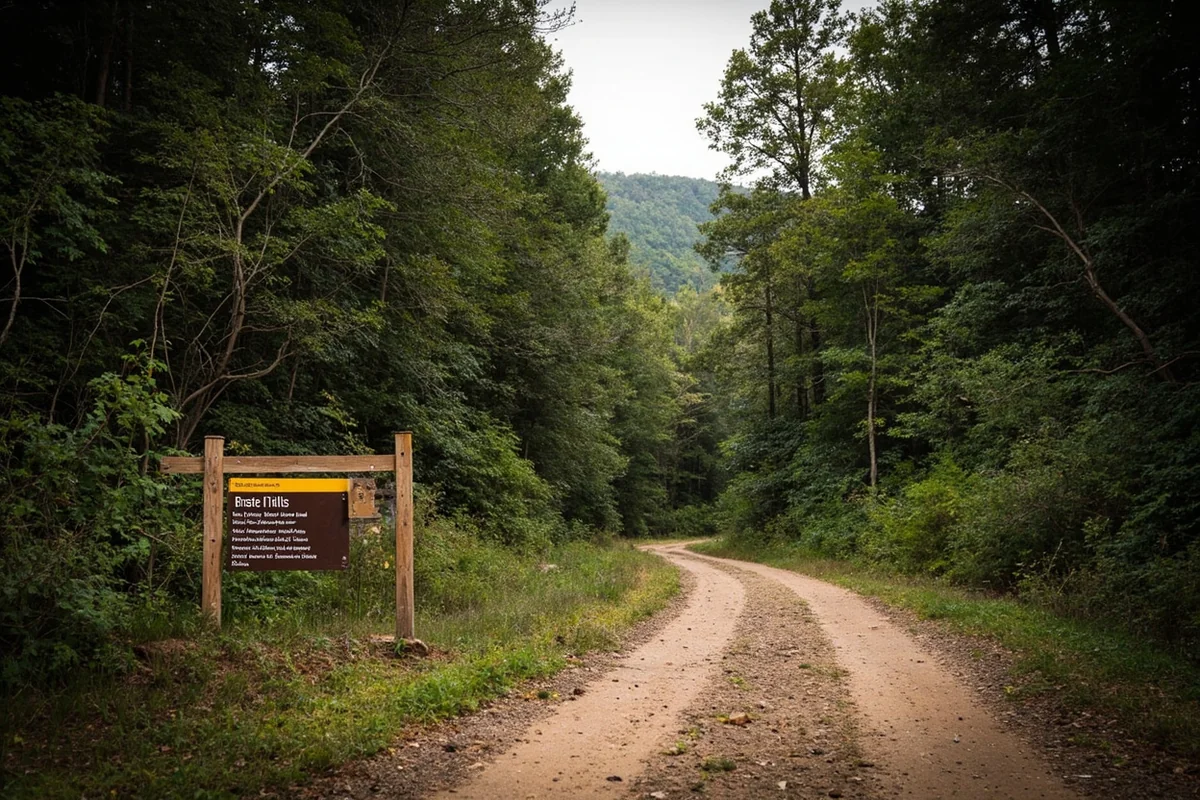
From the nearest town, you’ll head north on a well-maintained forest service road for approximately 12 miles. Look for the small brown sign indicating the trailhead—it’s easy to miss if you’re not paying attention.
The parking area accommodates roughly 8-10 vehicles, though I’ve never seen more than three cars there simultaneously. During my September visit, I was completely alone until early afternoon.
Trail Description Mile by Mile
Miles 0-1: The trail begins deceptively mellow, following an old logging road through second-growth forest. I appreciated this gentle warmup, though I knew the terrain would change dramatically.
Miles 1-2: Here’s where things get interesting. The trail narrows and begins climbing in earnest through dense conifer forest. I counted at least eight switchbacks during this section, each one revealing expanding views of the surrounding peaks.
Miles 2-3: The gradient intensifies, and the trail becomes rockier. During wet conditions, several sections turn slippery—I recommend trekking poles for stability. This is where I started hearing the distant rumble of water.
Mile 3-3.2: The final push brings you to a rocky viewpoint overlooking Lange Falls. A faint user trail continues down to the base, but exercise caution—the terrain is steep and unstable.
Elevation and Difficulty Assessment
Let me be honest about the challenge level here. At 1,400 feet of elevation gain over 3.2 miles (one way), Lange Falls sits firmly in the moderate-to-difficult category.
I consider myself reasonably fit, hiking regularly throughout the year, and this trail still had me breathing hard during the steeper sections. If you’re visiting from lower elevations, account for altitude adjustment time.
The difficulty isn’t technical—no scrambling or route-finding required—but rather cardiovascular. Steady climbers in good shape should budget 2-2.5 hours for the ascent and 1.5-2 hours for the descent.
| Trail Detail | Information |
|---|---|
| Round-trip Distance | 6.4 miles |
| Elevation Gain | 1,400 feet |
| Trail Type | Out and back |
| Difficulty Rating | Moderate to Difficult |
| Average Time | 4-5 hours total |
| Dog Friendly | Yes, on leash |
| Permit Required | No |
Best Time to Visit Lange Falls
Seasonal Breakdown
Late May – Mid June: Peak water flow transforms Lange Falls into a roaring monster. During a late May visit two years ago, the spray reached the viewpoint, soaking my camera gear within minutes. The downside? Snow often lingers on the upper trail sections, and creek crossings can be treacherous.
July – August: Prime hiking season brings stable weather and fully accessible trails. Water volume decreases but remains impressive. This window offers the best combination of safe trail conditions and rewarding falls viewing.
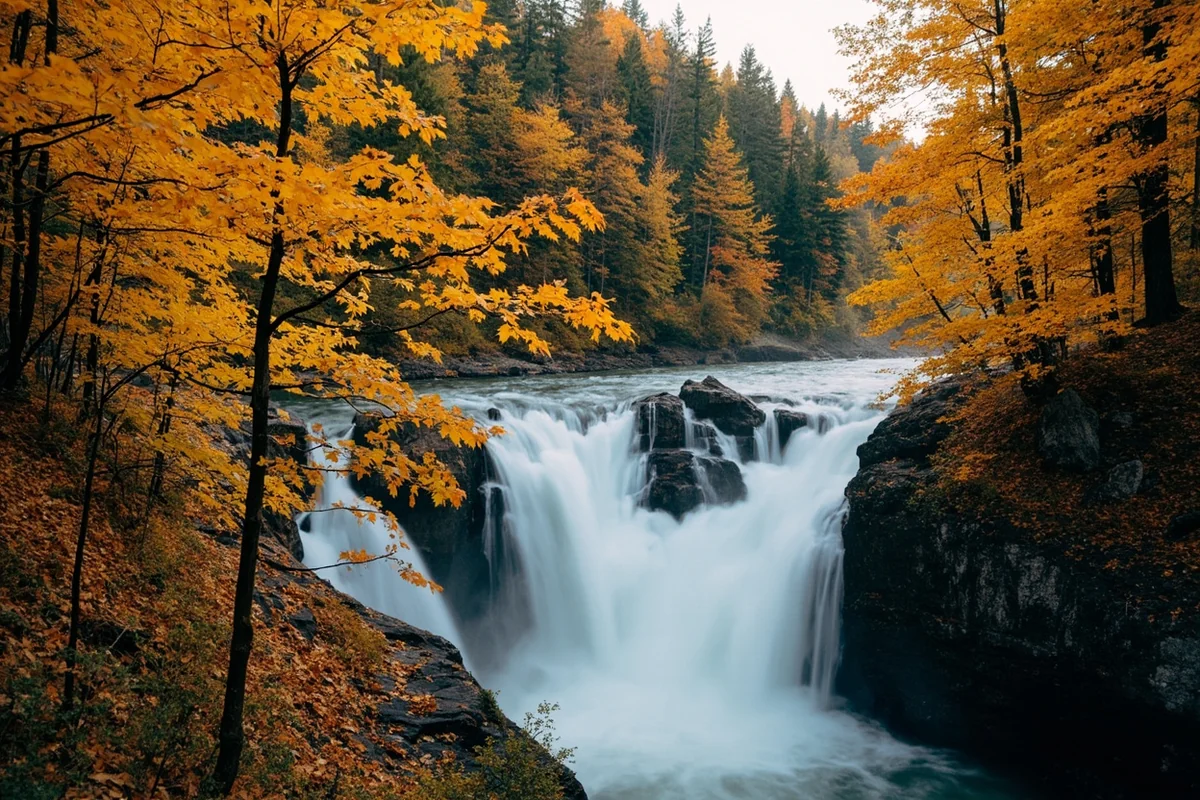
September – Early October: My personal favorite time. The crowds thin to near zero, autumn colors paint the surrounding hills gold and orange, and cooler temperatures make the climb more comfortable. Water flow drops noticeably but the falls remain photogenic.
Time of Day Considerations
When I arrived at 6:30 AM during my September trip, morning light was just beginning to illuminate the upper portion of the falls. By 9 AM, the entire cascade was bathed in golden light—absolutely magical for photography.
Afternoon visits work fine for simply experiencing the falls, but photographers should prioritize morning hours. The canyon orientation means direct sunlight hits the water face during early-to-mid morning, creating that dreamy, backlighting effect that makes waterfall images sing.
I’d avoid midday arrivals during summer months. The combination of heat, direct overhead sun, and the physical demands of the climb makes for an uncomfortable experience.
Photography Tips for Lange Falls
I’ve photographed this waterfall during three different visits, experimenting with various techniques and conditions. Here’s what I’ve learned.
Essential Gear
- Wide-angle lens (16-35mm equivalent) for capturing the full height plus surrounding landscape
- Telephoto lens (70-200mm) for isolating sections of the cascade
- Sturdy tripod—the viewpoint is exposed and often windy
- ND filters (6-10 stop) for silky water effects
- Lens cloths and rain cover—mist is constant near the base
Composition Ideas
The obvious shot—full falls from the main viewpoint—is certainly worth capturing, but don’t stop there. Some of my favorite images came from unexpected angles.
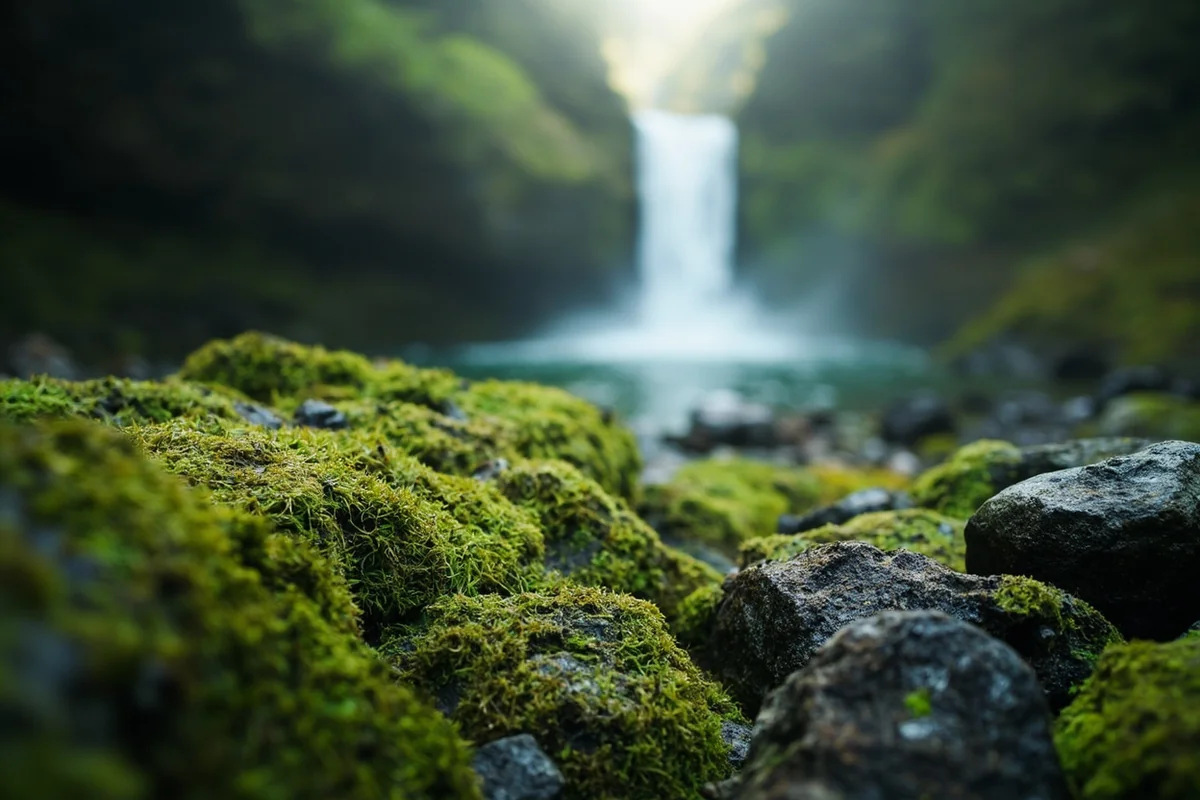
I spent 20 minutes photographing moss-covered rocks in the foreground with the falls blurred in the background. Another composition I love used fallen logs as leading lines toward the cascade.
If you make it down to the base (carefully), shooting upward at the water creates dramatic perspectives. Just protect your gear—everything gets wet down there.
Camera Settings That Work
For silky water effects, I typically shoot at f/11, ISO 100, with shutter speeds between 1-4 seconds depending on water flow. A polarizing filter helps cut glare on wet rocks and deepens sky colors.
For frozen water droplets showing raw power, bump that shutter speed to 1/500 or faster. This approach works particularly well during peak spring runoff when the falls are at maximum fury.
Wildlife and Nature Around Lange Falls
The trail to Lange Falls passes through prime wildlife habitat. During my visits, I’ve encountered mule deer, pine squirrels, numerous bird species, and once, fresh bear scat that had me clutching my bear spray for the remainder of the hike.
What I’ve Spotted
- Mule deer (common in meadow sections)
- American dippers (near the falls and stream crossings)
- Clark’s nutcrackers
- Mountain chickadees
- Evidence of black bear (scat, torn logs)
- Pikas (in rocky areas near the falls)
The American dipper sightings particularly delighted me. These small gray birds dive directly into rushing water to feed, and watching them work the creek below Lange Falls provided entertainment during my rest breaks.
Wildflower Season
Late June through July brings impressive wildflower displays along the lower trail sections. I photographed Indian paintbrush, lupine, and beargrass during a July hike, with colors reaching peak intensity around mid-month.
The contrast of purple lupine against the green forest backdrop, with the white cascade visible through the trees, creates postcard-perfect scenes.
What to Pack for the Lange Falls Hike
Learning from experience (and one miserable descent without adequate food), here’s my recommended packing list.
The Essentials
- 3+ liters of water (no reliable water sources until the falls)
- High-energy snacks and a proper lunch
- Bear spray (and know how to use it)
- First aid kit with blister supplies
- Rain jacket (weather changes fast in the mountains)
- Extra warm layer
- Headlamp (in case you misjudge time)
- Map and compass or GPS device
- Sunscreen and sunglasses
- Bug spray (mosquitoes are fierce in June-July)
Footwear Recommendations
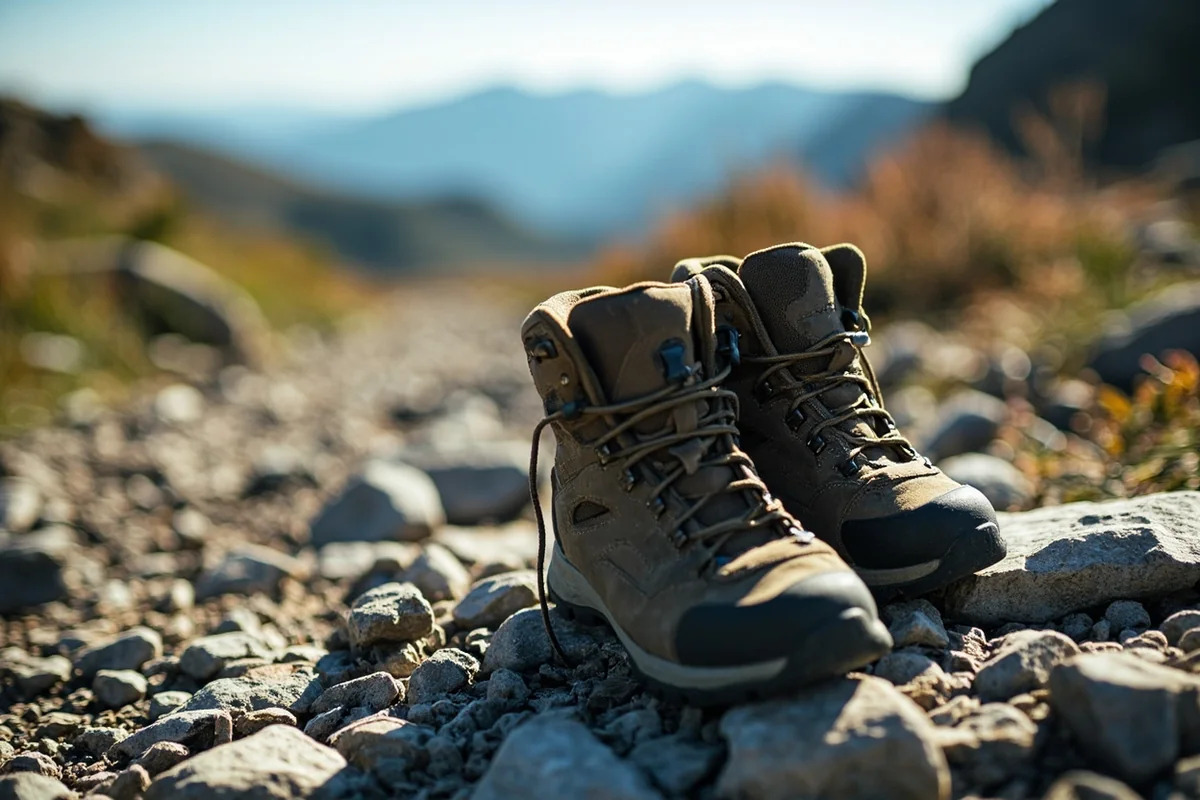
I’ve done this trail in both trail runners and hiking boots. Boots win, especially for the rocky upper sections and if you plan to descend to the falls base.
Ankle support matters here. The terrain is uneven, and a twisted ankle miles from the trailhead makes for a bad day.
Waterproof footwear proves valuable if you’re visiting during early season when small stream crossings may require splashing through.
Nearby Attractions and Extended Trip Planning
Lange Falls makes an excellent centerpiece for a longer Montana adventure. During my last visit, I spent three days in the area, combining the falls hike with other worthwhile stops.
Waterfall Combinations
Montana’s incredible density of waterfalls means you can easily create a multi-falls itinerary. Within reasonable driving distance of Lange Falls, consider adding Holland Lake Falls for an easier family-friendly option, or challenge yourself with the longer trek to Pintler Falls.
The Memorial Falls area offers another excellent day trip, while Skalkaho Falls provides roadside beauty for those wanting to save their legs.
For Glacier National Park visitors, don’t miss Running Eagle Falls or the stunning Saint Mary Falls on the park’s east side. The McDonald Falls area near Lake McDonald offers another easy-access option.
Accommodation Options
The nearest town offers several lodging choices ranging from budget motels to charming bed-and-breakfasts. I typically prefer camping to maximize my wilderness immersion, and several forest service campgrounds provide convenient bases.
For those wanting more comfort after a demanding hike, booking accommodation with a hot tub or sauna feels luxurious after 6+ miles on the trail.
Safety Considerations and Trail Etiquette
Bear Awareness
I cannot emphasize this enough: carry bear spray and know how to deploy it. The area around Lange Falls is prime black bear habitat, with occasional grizzly activity depending on the season.
Make noise on the trail, especially around blind corners and when moving through dense vegetation. I carry a small bell and talk to myself on solo hikes (the wildlife probably thinks I’m crazy, but I’ve never surprised a bear).
Travel in groups when possible. Bears typically avoid human encounters, but surprising one at close range creates dangerous situations.
Water Safety
The pool below Lange Falls looks inviting, particularly on hot summer days. However, I strongly advise against swimming here.
The current is deceptively powerful, rocks beneath the surface are slippery, and cold water temperatures can induce shock. Several beautiful waterfalls in Montana have claimed lives from people underestimating these dangers.
Admire the water from a safe distance. The view is just as spectacular without putting yourself at risk.
Leave No Trace Principles
Pack out everything you pack in. I’ve unfortunately found candy wrappers and tissue paper along the trail—please don’t be that person.
Stay on established trails to protect fragile vegetation and prevent erosion. Those “shortcut” paths visible on switchbacks cause long-term damage to the hillside.
If you’re lucky enough to encounter wildlife, observe from distance. Never approach animals for photographs or any other reason.
Comparing Lange Falls to Other Montana Waterfalls
How does Lange Falls stack up against Montana’s other waterfall destinations? Based on my extensive exploration across the state, here’s my honest assessment.
Difficulty Comparison
Lange Falls sits in the middle-upper range for difficulty. It’s considerably more challenging than roadside waterfalls like Ousel Falls near Big Sky or the easily accessible Palisade Falls outside Bozeman.
However, it’s less demanding than true backcountry destinations like Passage Creek Falls or the remote Impasse Falls. Those require multi-day trips or exceptionally long day hikes.
Visual Impact
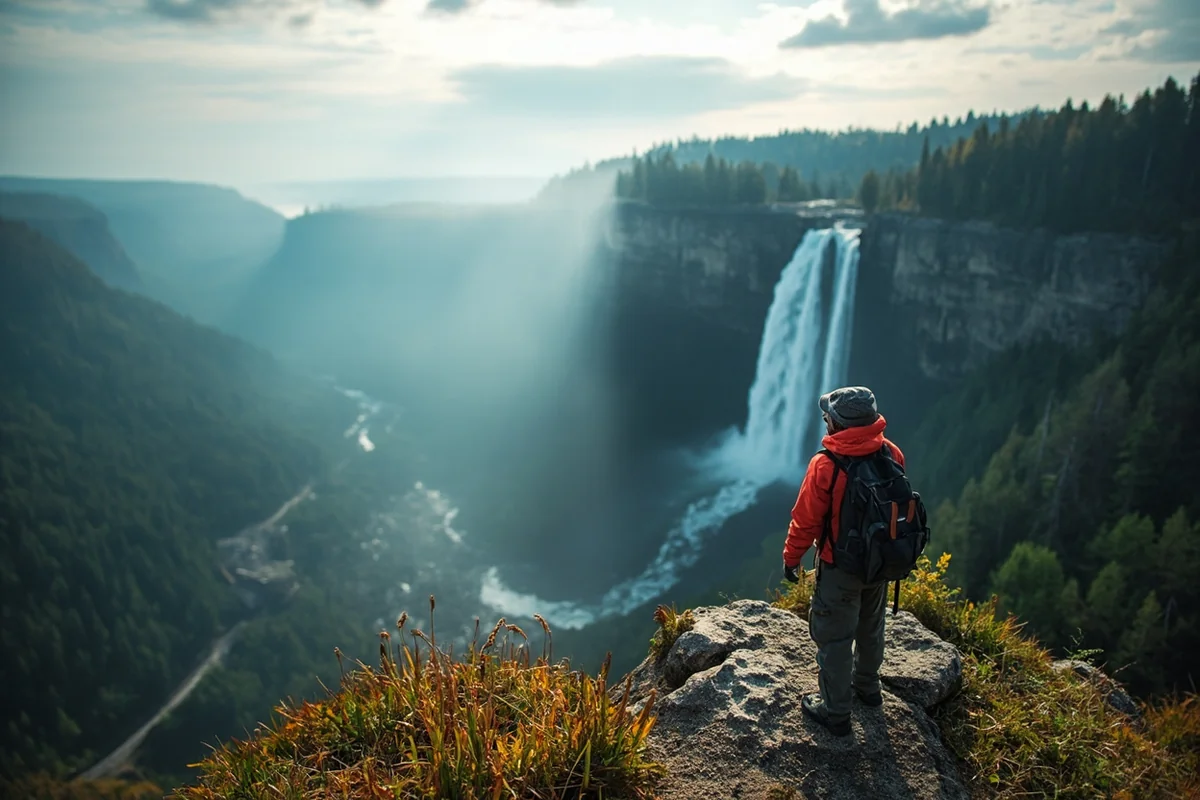
For sheer dramatic presence, Lange Falls delivers. The 80-foot drop, the moss-covered walls, the intimate canyon setting—it all combines into something memorable.
That said, Montana has some truly spectacular waterfalls that rival anything in the American West. Hidden Falls offers similar remote beauty, while Grotto Falls provides unique walk-behind experiences.
For raw power, Rainbow Falls and Gros Ventre Falls remain personal favorites of mine.
Crowd Factor
This is where Lange Falls truly shines. Over multiple visits, I’ve never shared the falls viewpoint with more than two other parties.
Compare this to popular destinations like Ptarmigan Falls in Glacier National Park, where dozens of hikers might be present simultaneously during peak season.
If solitude matters to you, Lange Falls delivers an increasingly rare experience in Montana’s growing tourism environment.
Planning Your Visit: Practical Information
Permits and Fees
Currently, no permits or fees are required to access Lange Falls. The trailhead sits on national forest land with free public access.
However, regulations can change. I recommend checking with the local ranger district before your trip to confirm current requirements.
Cell Service and Emergency Access
Don’t expect cell service on this trail. I had zero signal from the trailhead to the falls and back.
Tell someone your plans before heading out. Provide details including your expected return time and the exact trailhead you’re using. This information proves critical if search and rescue becomes necessary.
I carry a Garmin inReach device for backcountry trips. The peace of mind from satellite communication capability is worth the investment for serious hikers.
Best Entrance Routes
Two primary approach routes exist for reaching the Lange Falls trailhead. The northern approach adds approximately 20 minutes of driving but follows better-maintained roads suitable for any vehicle.
The southern approach is shorter but includes rougher road conditions. During my most recent visit, several water bars and potholes on this route made me grateful for my vehicle’s clearance.
After rain, I strongly recommend the northern route regardless of vehicle type.
Making the Most of Your Lange Falls Experience
Budget at Least a Half Day
Rushing the Lange Falls hike robs you of the experience. I’ve learned to budget 5-6 hours minimum, allowing time for rest breaks, photography, wildlife observation, and simply soaking in the wilderness atmosphere.
My best visits included extended time at the falls viewpoint—at least 30-45 minutes just sitting, watching, and listening. The rhythm of falling water has a meditative quality that can’t be appreciated in a quick glance.
Consider an Early Start
Starting at or before dawn offers multiple advantages beyond photography. Cooler temperatures make the climb more comfortable, wildlife activity peaks during early morning, and you’ll likely have complete solitude.
On my September visit, starting at 6 AM meant reaching the falls around 8:30 AM. I spent two hours there before encountering the first other hikers descending from the road.
Extend with Exploration
The main viewpoint is just the beginning. With careful navigation, you can explore up-canyon from the falls for additional perspectives, or work downstream to discover smaller cascades and photogenic creek sections.
I once spent an additional hour exploring the area downstream from Lange Falls, finding several small waterfalls and beautiful forest settings that most visitors never see.
What Others Might Not Tell You
After multiple visits to Lange Falls, I’ve accumulated observations that rarely make it into standard trail descriptions.
The Mosquitoes Are Real
June through mid-July brings vicious mosquito populations to this drainage. During one July hike, I estimated I was being bitten every 30 seconds despite generous bug spray application.
If visiting during this window, consider a head net and treat clothing with permethrin. The falls are worth it, but adequately prepared visitors enjoy the experience far more.
The Final Mile Feels Long
Something about the last mile to Lange Falls seems to stretch forever. Whether it’s accumulated fatigue or the terrain, I always underestimate this section.
Don’t be discouraged if you feel like you should have arrived already. The falls are coming—just keep climbing.
The Descent is Technical
While the uphill climb challenges your lungs, the descent challenges your knees and concentration. Loose rocks and uneven terrain demand attention with every step.
I use trekking poles religiously on the descent. The stability they provide prevents rolled ankles and reduces knee strain considerably.
Final Thoughts on Lange Falls
Standing at the viewpoint during my most recent visit, watching morning light play across the cascade while complete silence surrounded me (save for the thundering water), I felt the distinctive joy that comes from earning a view.
Lange Falls won’t appeal to everyone. The access road discourages casual visitors, the trail demands physical effort, and amenities don’t exist anywhere nearby. For some, these represent barriers.
For others—and I count myself firmly in this category—these qualities make Lange Falls exactly the kind of place worth seeking. In an era of crowded trailheads and Instagram-famous viewpoints, discovering genuine wilderness solitude feels increasingly precious.
Whether you’re photographing the falls at golden hour, picnicking at the viewpoint, or simply challenging yourself on a rewarding day hike, Lange Falls delivers an authentic Montana wilderness experience that I find myself craving whenever I’m stuck behind a desk for too long.
The trail will be waiting whenever you’re ready to earn it.
For those building a Montana waterfall bucket list, don’t overlook lesser-known gems like Mud Creek Waterfall, the dramatic Rockwell Falls, or the beautiful Redrock Falls. Each offers its own rewards for those willing to explore beyond the obvious destinations.
And for the truly adventurous, cascades like Silken Skein Falls, Sentinel Falls, and Sacred Dancing Cascade await discovery. Montana’s waterfall riches run deep—Lange Falls is simply one beautiful starting point for a lifetime of exploration.
Frequently Asked Questions
Where is Lange Falls located in Montana and how do I get there?
Lange Falls is located in the Kootenai National Forest in northwestern Montana, near the town of Libby. To reach the trailhead, take Highway 2 west from Libby for approximately 12 miles, then turn south on Pipe Creek Road and follow the signs for about 3 miles to the parking area.
How long is the hike to Lange Falls Montana?
The hike to Lange Falls is relatively short at approximately 1.5 miles round trip, making it a great option for families and casual hikers. I found the trail to be moderately easy with some gentle elevation gain, and most visitors can complete the out-and-back hike in under an hour.
What is the best time of year to visit Lange Falls in Montana?
The best time to visit Lange Falls is late spring through early summer (May through June) when snowmelt creates the most impressive water flow. I recommend avoiding late summer and fall when water levels drop significantly, though the fall foliage can still make for a scenic hike even with reduced waterfall volume.
Is there an entrance fee or parking cost to visit Lange Falls Montana?
There is no entrance fee to visit Lange Falls as it’s located within the Kootenai National Forest. Parking at the trailhead is free, though you may want to carry a Northwest Forest Pass ($5 daily or $30 annually) as some nearby trailheads in the region do require one.
What should I bring on the Lange Falls hike?
I recommend bringing sturdy hiking shoes with good traction as the trail can be slippery near the falls, especially during spring runoff. Pack plenty of water, bear spray (essential for hiking anywhere in Montana), insect repellent for summer visits, and a camera to capture this hidden gem.
Is the Lange Falls trail dog-friendly and suitable for kids?
Yes, the Lange Falls trail is dog-friendly as long as you keep your pet on a leash, which is required in the national forest. The short distance and moderate terrain make it an excellent family-friendly hike, though I’d advise keeping a close eye on children near the falls where rocks can be slippery.
Can you swim at Lange Falls Montana?
While there’s a small pool at the base of Lange Falls, swimming isn’t recommended due to the cold water temperatures, which remain frigid even in summer months. The shallow depth and rocky bottom also make it unsuitable for swimming, though wading to cool off on a hot day is possible if you’re careful on the slippery rocks.