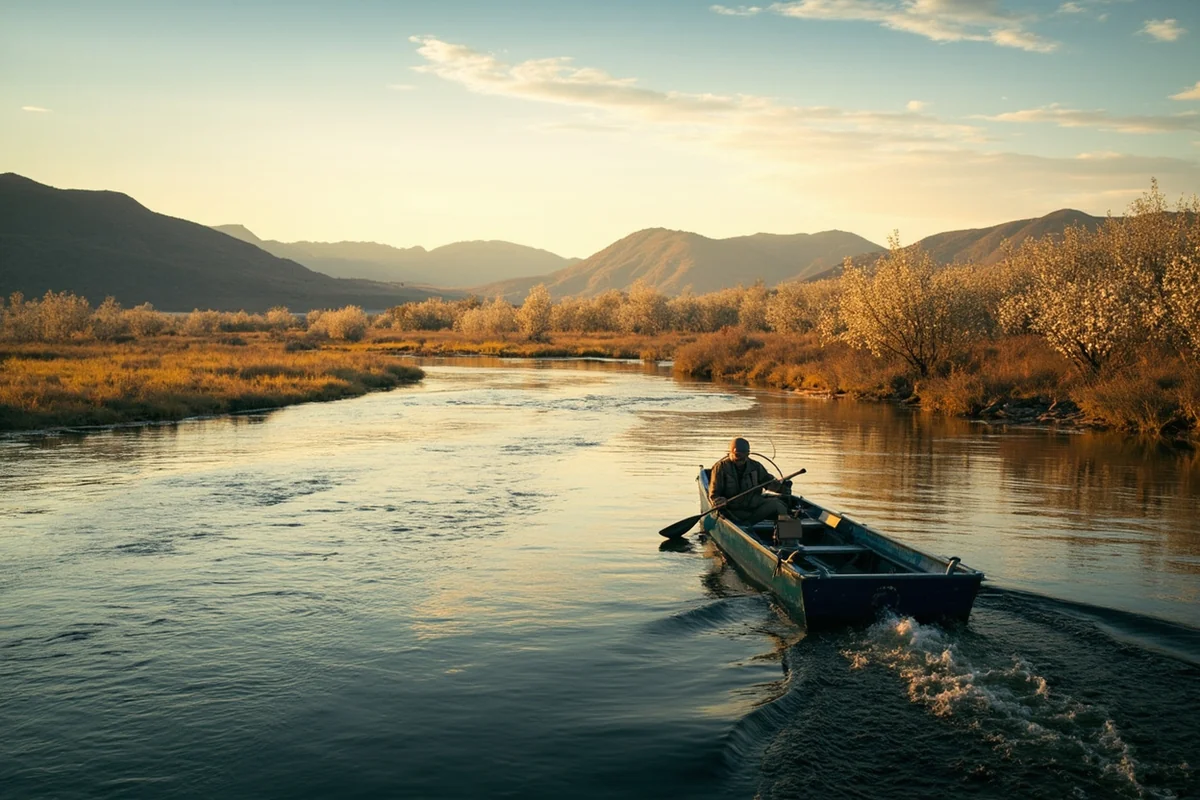
I once spent an entire afternoon on the Jefferson River without seeing another boat. On the Madison, that’s basically impossible. On the Jefferson, it’s just a normal Tuesday.
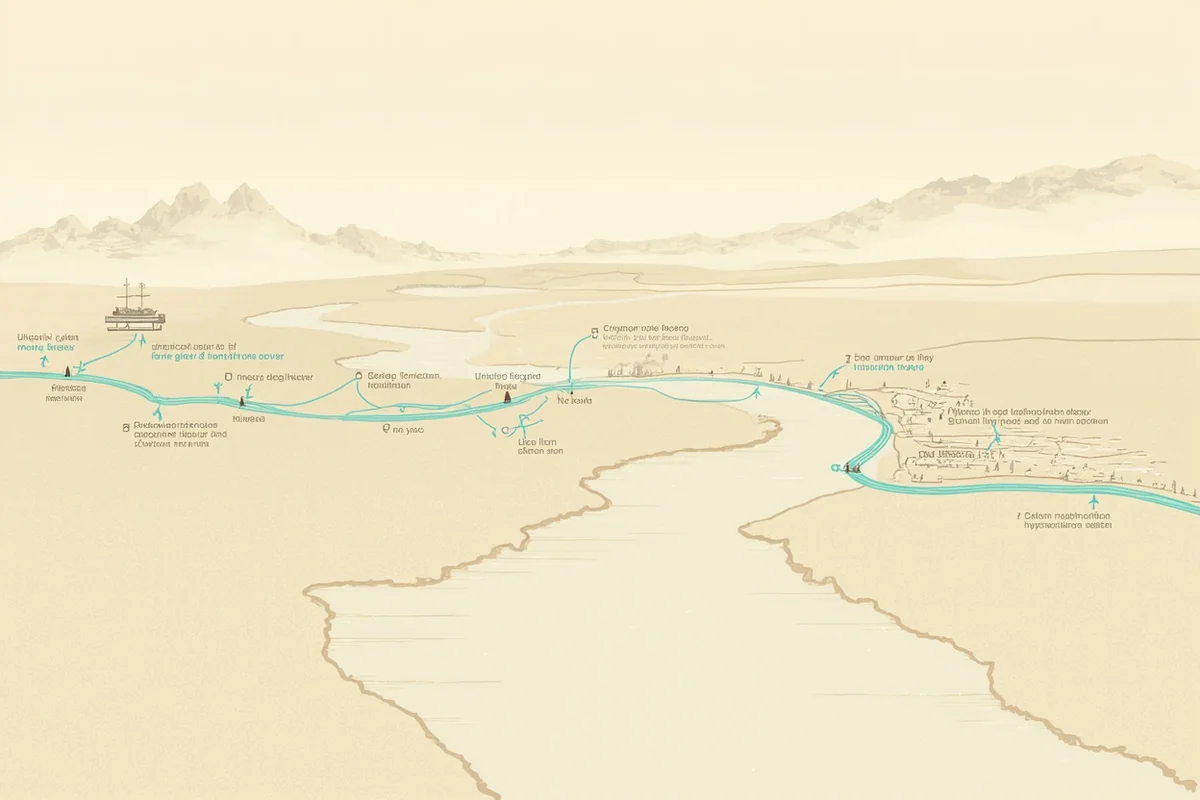
- The Jefferson River forms at Twin Bridges from the confluence of the Big Hole, Beaverhead, and Ruby Rivers, and flows roughly 80 miles to Three Forks, where it joins the Madison and Gallatin to form the Missouri.
- It’s the least visited of the three rivers that create the Missouri, despite genuinely good fishing for trophy-sized brown trout.
- Lower fish density than its famous neighbors means fewer average catches, but the fish that are here tend to run bigger.
- A genuine conservation success story between ranchers and Trout Unlimited has meaningfully improved flows and rainbow trout numbers over the past two decades.
- I’ll cover the fishing, the hidden canyon stretch, and why this might be the most underrated river in this entire series.
Liked this article?
Add Roaming Montana as a preferred source so you see more of our articles and guides on Google.
The Forgotten Third of a Famous Trio
If you’ve read the other posts in this series, you already know the Madison and Gallatin Rivers by reputation. The Jefferson is their quieter sibling, and most visitors drive right past it without a second thought.
All three were named in 1805 by Meriwether Lewis, honoring members of Thomas Jefferson’s administration — the Madison for James Madison, the Gallatin for Albert Gallatin, and the Jefferson for the president himself.
It’s a small piece of trivia, but I find it genuinely striking that the river named after the president gets the least attention of the three today. If anything, I’d argue it deserves more, not less.
I’ve now spent enough time on all three of these rivers to notice a pattern: the Jefferson gets treated almost like an afterthought in most Montana fishing content, mentioned briefly as “one of the three forks” before the writer moves on to talk about the Madison in real depth.
That’s a shame, because the Jefferson has its own distinct character worth knowing on its own terms, not just as a footnote to its more famous neighbors.
The Jefferson forms at Twin Bridges, where the Big Hole, Beaverhead, and Ruby Rivers converge, and flows roughly 80 miles northeast to Three Forks, where it joins the Madison and Gallatin to officially create the Missouri.
I’ve covered both of those neighboring rivers separately in our Madison River guide and Gallatin River guide, and I’d genuinely recommend reading all three together if you’re planning a trip through this part of southwest Montana — together they tell a more complete story than any single river can.
Why Locals Call It “The Jeff” — and Why That’s a Compliment
I want to be upfront about something most fishing content softens: the Jefferson holds noticeably fewer trout per mile than the Madison or Missouri. Where those rivers can carry thousands of fish per mile, the Jefferson typically runs somewhere between 700 and 1,000. That’s a real difference, and it means slower days with the rod.
Here’s the tradeoff that makes this river worth your time anyway. The fish that live here tend to run larger on average, particularly the browns, and the near-total lack of crowds gives this river a wilderness feeling that’s genuinely hard to find on its more famous neighbors during peak season.
I’ve fished here on a summer weekend and counted fewer than five boats across an entire afternoon — the kind of solitude that would be unthinkable on the Madison at the same time of year.
This is a river for anglers who value the experience of fishing over the volume of fish caught. If you’re chasing numbers, I’d point you toward the Missouri or Bighorn instead.
If you’re chasing a genuinely quiet Montana afternoon with a real shot at a trophy brown, the Jefferson delivers something its neighbors can’t.
I’ve come to think of it as the river I recommend to visitors who tell me they’re tired of fighting for water with a dozen other drift boats — the kind of traveler who’d rather have four hours of true solitude than four dozen fish.
Fishing the Jefferson, Section by Section
Twin Bridges to Cardwell. This upper 50-mile stretch winds through a broad, open valley flanked by the Tobacco Root Mountains to the east. The current runs relatively slow here, and the banks are brushy with plenty of undercuts — classic holding water for large, territorial brown trout. Wading can be genuinely difficult due to deep holes and steep banks, so I’d recommend fishing this stretch from a boat if you have access to one.
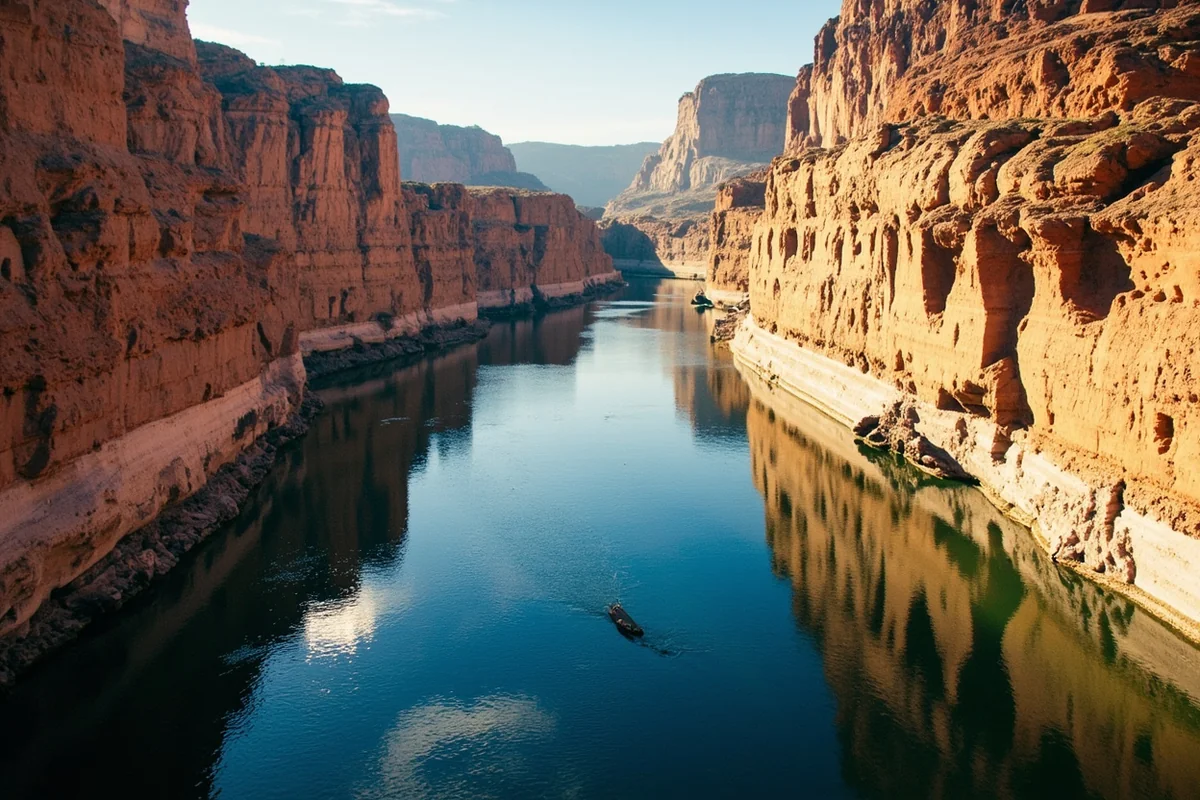
The Jefferson River Canyon. Below Cardwell, the river cuts directly through the northern end of the Tobacco Root Mountains, carving a roughly seven-mile canyon through exposed limestone and sandstone walls. This is genuinely one of the most scenic stretches covered anywhere in this series, and it’s a float most visitors to southwest Montana never even know exists. Plan on a long day if you run the full canyon — it’s about 15 miles from the Cardwell access to Sappington Bridge.
Cardwell to Three Forks. Beyond the canyon, the river resumes its slower pace through wide agricultural land on its way to Three Forks and its confluence with the Madison and Gallatin. Grasshoppers in the hayfields along this stretch fuel genuinely good topwater fishing in late summer, even if catch rates elsewhere on the river feel slower.
Two diversion dams sit along the upper river — one at Parsons Bridge Access, about 20 miles below Twin Bridges, and a second roughly eight miles farther downstream. Know their locations before you float, since they require portaging.
A Conservation Comeback Story
I think this deserves real attention, because it’s a genuinely different kind of river story than some of the others I’ve told in this series.
For decades, heavy agricultural irrigation left long stretches of the Jefferson chronically dewatered, sometimes reduced to a trickle during the driest summers.
Unlike the adversarial mining and contamination stories I’ve covered elsewhere — the Clark Fork’s Superfund complex, the Blackfoot’s Mike Horse Mine disaster — the Jefferson’s decline came from something more mundane and harder to villainize: the ordinary demands of ranching in an arid valley.
What’s changed this story is genuine collaboration. Trout Unlimited and local landowners have worked together over the past two decades, purchasing water rights and adjusting irrigation practices specifically to return more sustainable flows to the river.
The results are real: rainbow trout, once nearly absent from the upper river, have been steadily returning in growing numbers alongside the Jefferson’s traditional brown trout population.
I find this version of the conservation story genuinely hopeful in a way the others aren’t quite able to be. Nobody was legally liable here, no company was forced into a settlement — ranchers and conservationists simply decided working together made more sense than fighting, and the river is measurably better for it.
I think it’s worth naming what made this collaboration possible: ranching families who depend on this water for their livelihood chose to partner with conservation groups rather than treat them as adversaries, and that willingness matters as much as any single water rights purchase.
It’s a genuinely different model than the regulatory battles and Superfund cleanups that define some of Montana’s other river restoration stories, and I’d argue it’s worth more attention than it typically gets.
Progress here has been gradual rather than dramatic — there’s no single dam removal or landmark court case to point to — but the cumulative effect over twenty years has been real.
Wildlife You’ll Actually See
The Jefferson Valley, settled against the foothills of the Tobacco Root Mountains, is genuinely one of the better wildlife corridors covered in this series, and I don’t say that lightly after covering more than a dozen rivers.
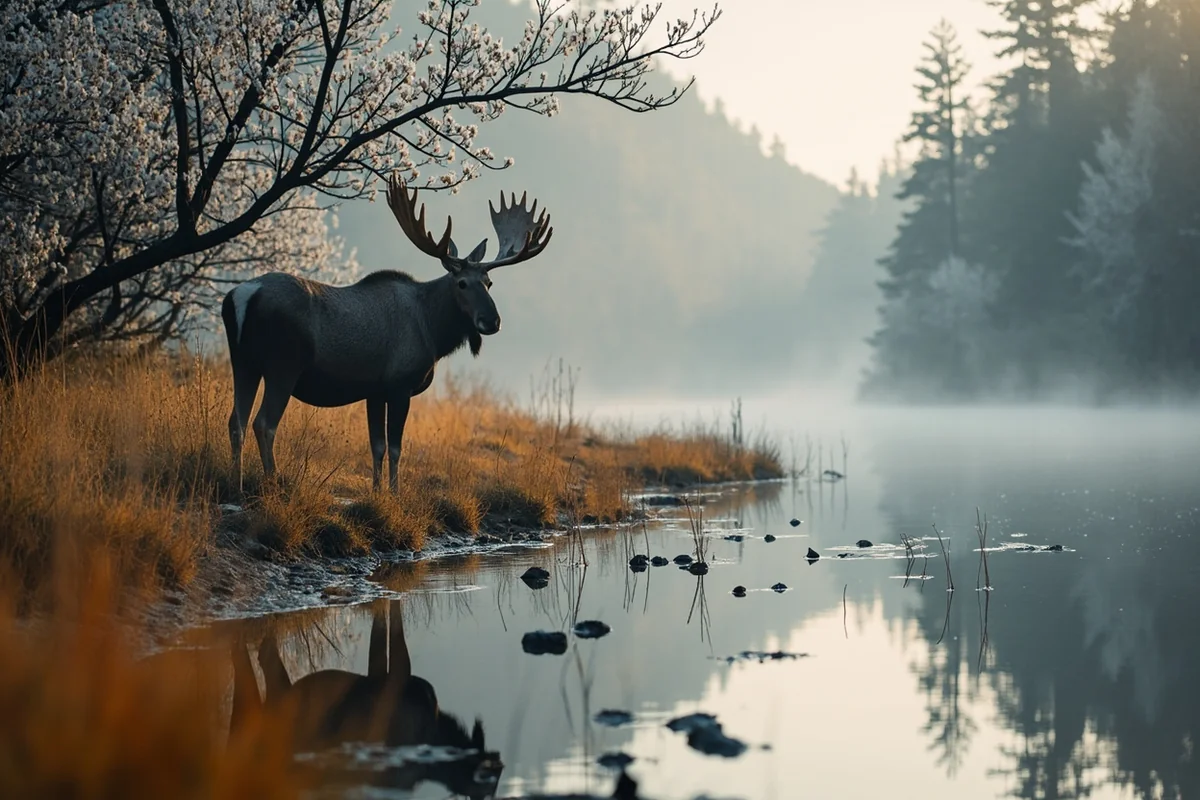
I’ve had single days here that included moose, whitetail and mule deer, pronghorn antelope, pheasants, Hungarian partridge, eagles, otters, and more ducks and geese than I could reasonably count — all without leaving the river corridor.
Ospreys are a near-constant presence over the water — see our Montana osprey page for more on their habits — and river otters turn up regularly in the Jefferson’s slower pools and back channels, covered on our Montana otters page.
If wildlife watching matters as much to you as the fishing, I’d genuinely rank the Jefferson among the best rivers in this entire series for it, precisely because so few other people are out here competing for the same sightlines.
Bring a camera with a decent zoom lens, and don’t be surprised if your best photo of the day has nothing to do with a fish.
Making Your Base Camp: Twin Bridges and Whitehall
Twin Bridges sits right at the Jefferson’s formation point and makes the most sense as a base if you’re focusing on the upper river and the canyon stretch. Whitehall offers another convenient access point if you’re approaching from the north via I-90.
If you’re combining a Jefferson trip with other sightseeing, Lewis and Clark Caverns sits close to the river’s midsection and makes a great non-fishing day if you need a break from the water — a nice complement to the historical Lewis and Clark naming connection that runs through this whole river.
Personal Tips / What I Wish I Knew
Adjust your expectations before you go. If you’re used to the Madison’s fish density, the Jefferson will feel slow at first. Reframe the day around solitude and the shot at a genuinely large brown, not volume.
Fish it from a boat if you can. Deep holes and steep, undercut banks make much of the upper river genuinely difficult to wade safely.
Time your trip around the three good windows. Pre-runoff spring, just after runoff clears, and fall all fish noticeably better than the heart of summer, when irrigation demand can leave the river low and warm.
Know where the diversion dams are before you launch. I’ve seen floaters caught off guard by the dam near Parsons Bridge simply because they didn’t check a map beforehand.
Bring bug spray and expect rattlesnakes in the dry hills above the river. This valley’s reputation among old-timers has as much to do with rattlesnakes and mosquitoes as it does with trout, and I’ve encountered both more here than on most other rivers in this series. Stick to established trails and access points if you’re hiking above the riverbank rather than bushwhacking through tall grass.
Practical Info: Jefferson River at a Glance
| Section | Best For | Difficulty | Notes |
|---|---|---|---|
| Twin Bridges to Cardwell | Trophy brown trout | Moderate, difficult wading | Best fished from a boat |
| Jefferson River Canyon | Scenic floating, fishing | Moderate, long day | ~15 miles, Cardwell to Sappington Bridge |
| Cardwell to Three Forks | Hopper fishing, wildlife | Easy | Grasshopper country in late summer |
[Verify current fishing regulations, seasonal closures, and diversion dam locations directly with Montana FWP before your trip.]
Final Thoughts
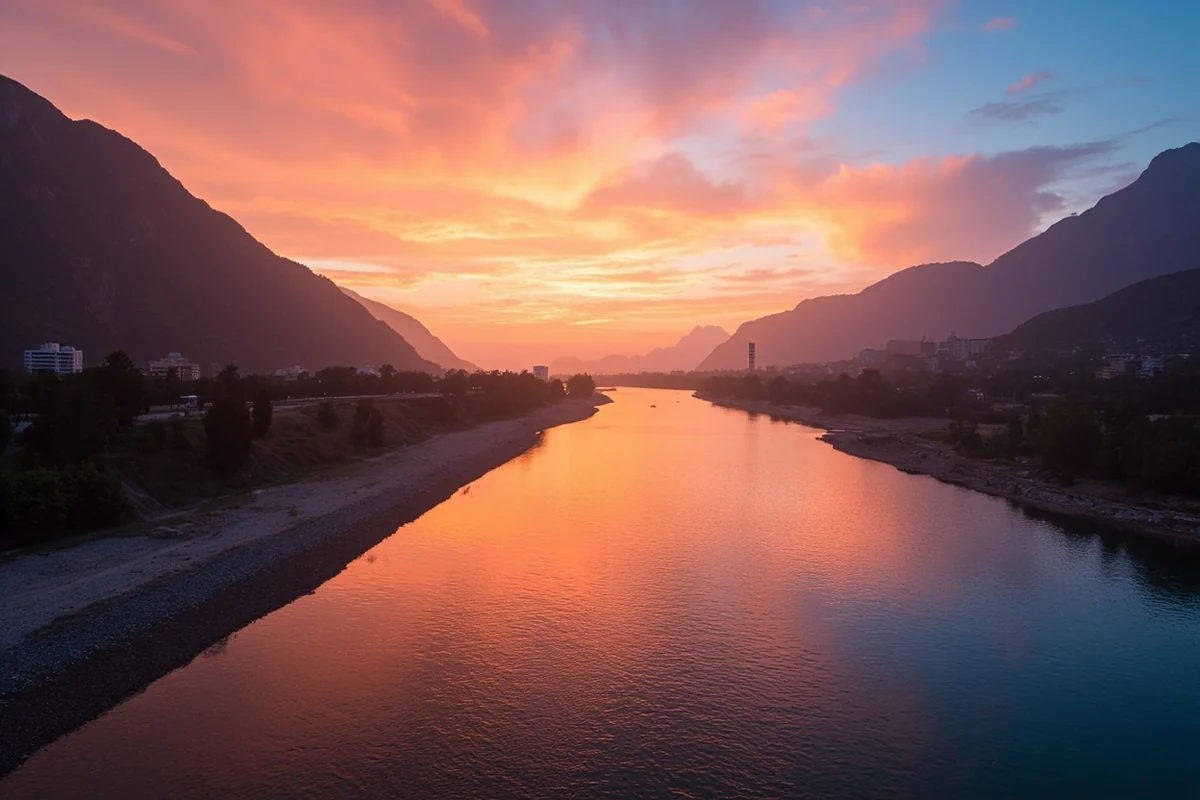
The Jefferson isn’t going to compete with the Madison or Missouri on sheer numbers, and I don’t think it’s trying to. What it offers instead is something increasingly rare on Montana’s more famous water: genuine solitude, a real shot at a trophy fish, and a hopeful conservation story built on cooperation rather than conflict.
If the crowds on this state’s bigger-name rivers wear you down, this is where I’d send you instead, and I suspect once you’ve spent an afternoon here you’ll understand exactly why locals have kept this river quietly to themselves for so long.
For how the Jefferson fits alongside the rest of the state’s best rivers, check out our full guide to the best rivers in Montana.
Pin this guide before your trip, and let me know in the comments if you’ve found the same quiet I have out here.