I’ve waded the Madison in a wool hat in early April with ice still rimming the banks, and I’ve floated the same stretch in July wearing nothing but a sun shirt and a serious amount of sunscreen. Very few rivers in the world change personality this much across a single season, and fewer still let you fish every mile of it.
The Madison River runs about 183 miles from its source inside Yellowstone National Park to its confluence with the Jefferson and Gallatin Rivers at Three Forks, and it’s genuinely one of the best year-round trout fisheries in the country. This guide breaks the river into its distinct sections — the wade-only water between Hebgen and Quake Lakes, the famous “50-Mile Riffle” from Quake Lake to Ennis Lake, whitewater-only Bear Trap Canyon, and the Lower Madison toward Three Forks — plus honest seasonal advice, the hoot-owl restrictions that catch summer visitors off guard, and the sobering history behind Quake Lake that most fishing guides skip entirely.
Liked this article?
Add Roaming Montana as a preferred source so you see more of our articles and guides on Google.
Why the Madison Isn’t Really One River
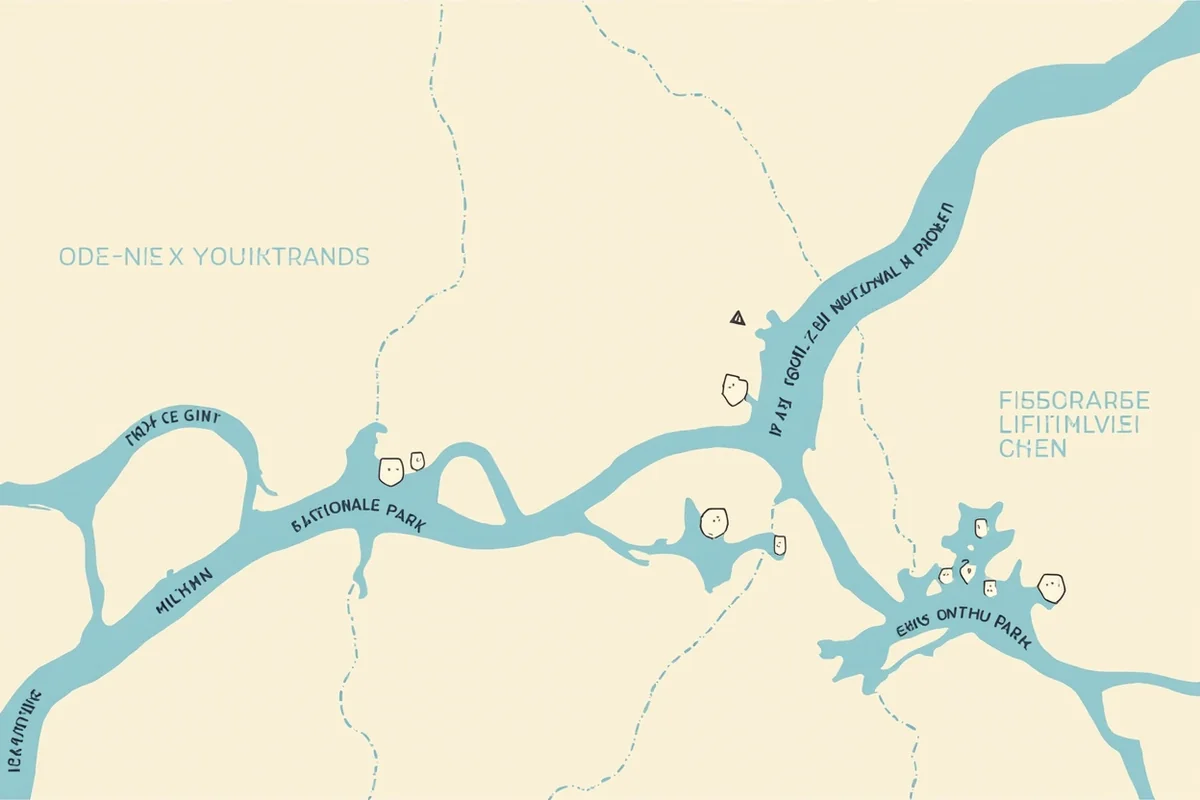
Most people talk about the Madison like it’s a single, consistent piece of water, and that’s the first thing I want to correct. The Madison begins inside Yellowstone National Park, at Madison Junction, where the Firehole and Gibbon Rivers merge.
From there it winds north past West Yellowstone into Hebgen Lake, squeezes through a short, cold, wade-only stretch into Quake Lake, opens up into the famous 50-mile run down to Ennis Lake, drops through an eight-mile whitewater canyon most boats never touch, and finally slows into a wide, braided lower river before joining the Jefferson and Gallatin at Three Forks to form the Missouri.
Fishing “the Madison” without knowing which section you’re talking about is like giving directions in Montana without mentioning which mountain range you mean.
I’ve spent enough seasons on this river to have a genuine favorite stretch depending on the month, and that’s really the point of this guide — to help you pick the right piece of water for when you’re actually visiting, rather than showing up in August expecting the same river I fished in April.
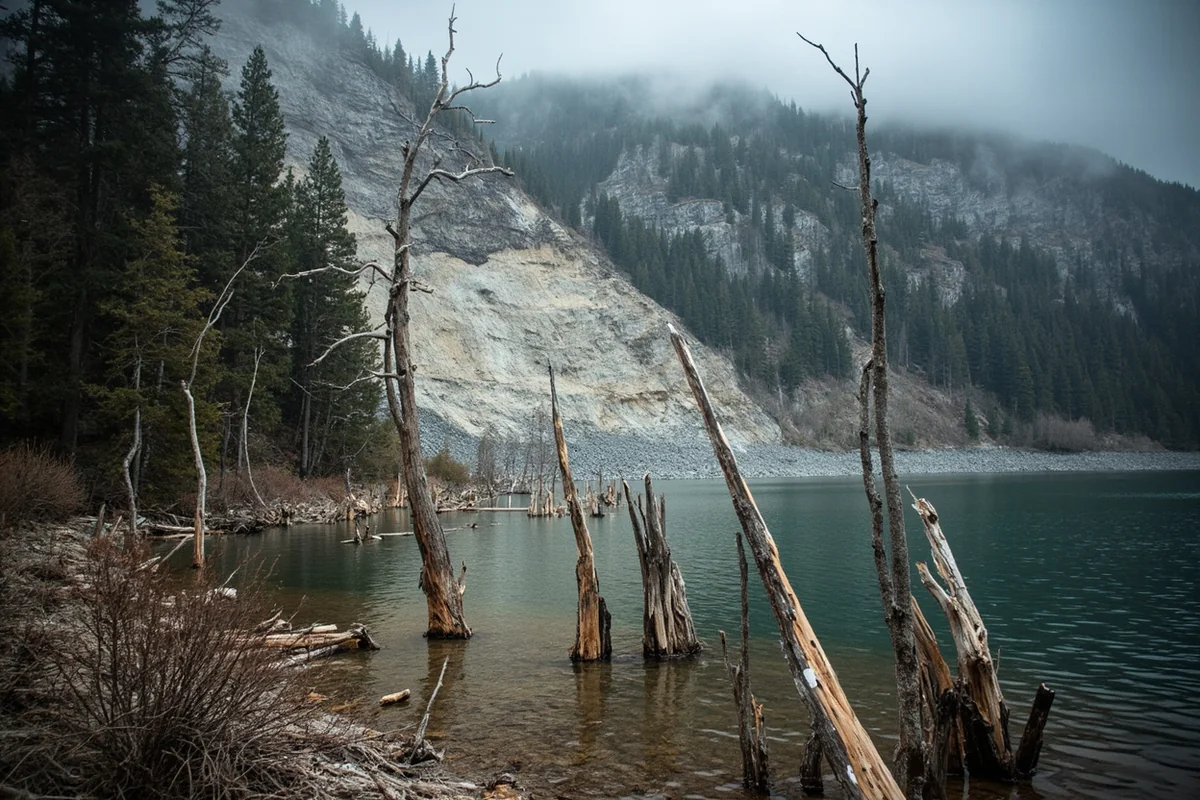
Quake Lake and the Night the Mountain Fell
Before I get into fishing advice, I want to talk about a stretch of this river that most guide services mention only in passing, usually just as “The Slide” — a rapid to avoid. The full story deserves more than that.
On the night of August 17, 1959, a magnitude 7.3 earthquake struck just outside Yellowstone’s western boundary, near Hebgen Lake. It remains the strongest earthquake ever recorded in Montana.
The shaking triggered a massive landslide — an estimated 50 million cubic yards of rock and debris — that broke free from the side of Sheep Mountain and roared down into the Madison River Canyon at speeds approaching 100 miles an hour, burying the Rock Creek Campground, where hundreds of tourists were camped for the night.
Twenty-eight people died. Nineteen of them were never recovered and are still believed to be entombed beneath the slide debris to this day.
The landslide completely dammed the Madison River, and within weeks the water backed up behind it to form what’s now called Quake Lake.
The U.S. Forest Service built a visitor center directly on top of the slide in 1967, and it still draws tens of thousands of visitors a year who come to see the scarred mountainside and learn what happened.
If you’re driving Highway 287 along the lake, it’s worth the twenty-minute stop, even if fishing is the only thing on your itinerary that day.
I’ve stood at the overlook more than once before a day on the water, and it’s sobering in a way that changes how you see the rest of the float.
For more on the seismic history of this part of the state, our page on Montana’s major earthquakes covers this event alongside the state’s other significant quakes.
The short stretch of river between Hebgen Dam and Quake Lake — locally just called “Between the Lakes” — is wade-only water, cold and nutrient-rich, and it’s one of my favorite pieces of pocket water in the entire system for dry fly fishing.
Just downstream of Quake Lake’s outflow sits a genuinely dangerous stretch of Class V boulder-strewn rapids, appropriately still called The Slide by boaters today. I wouldn’t wade it, and I wouldn’t recommend anyone without serious whitewater experience float it either.
The 50-Mile Riffle: Quake Lake to Ennis Lake
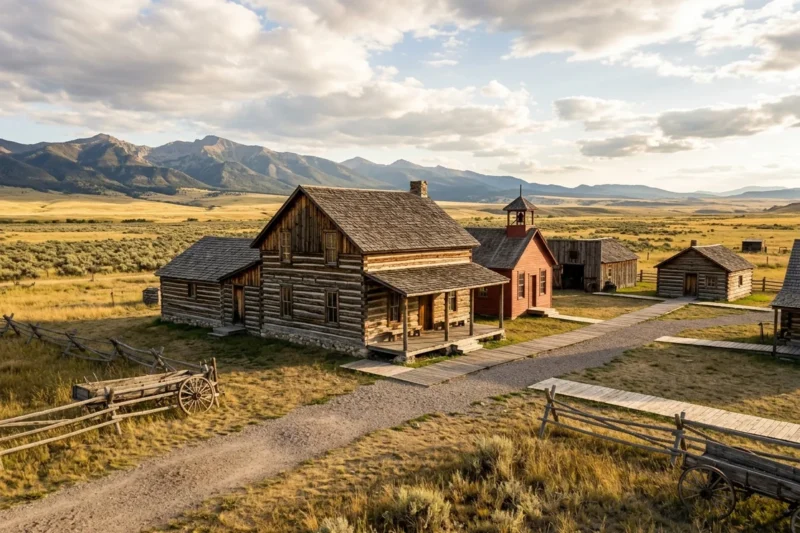
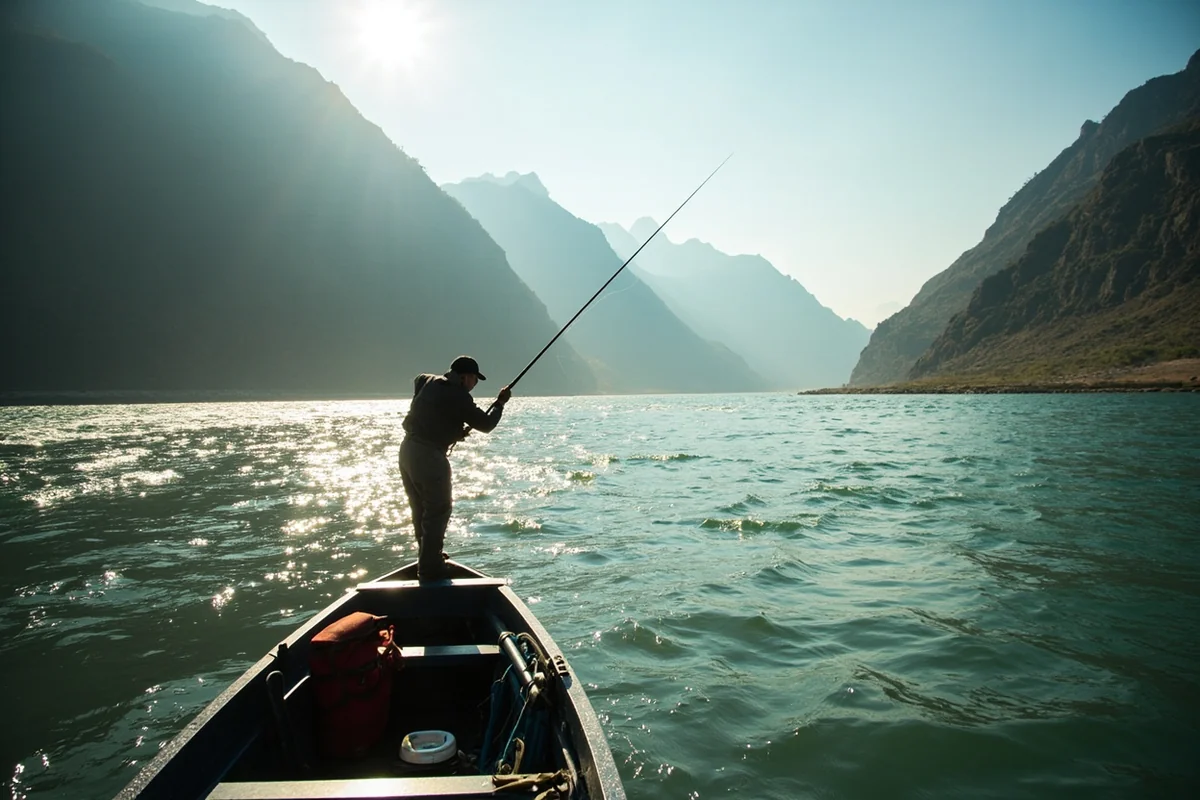
This is the stretch most people picture when they hear “Madison River,” and for good reason. It’s often called the 50-Mile Riffle, and while that’s not perfectly literal, it captures the character of the water well — nearly continuous riffles, runs, and pocket water with the Madison Range rising to the east and the Tobacco Root Mountains to the west.
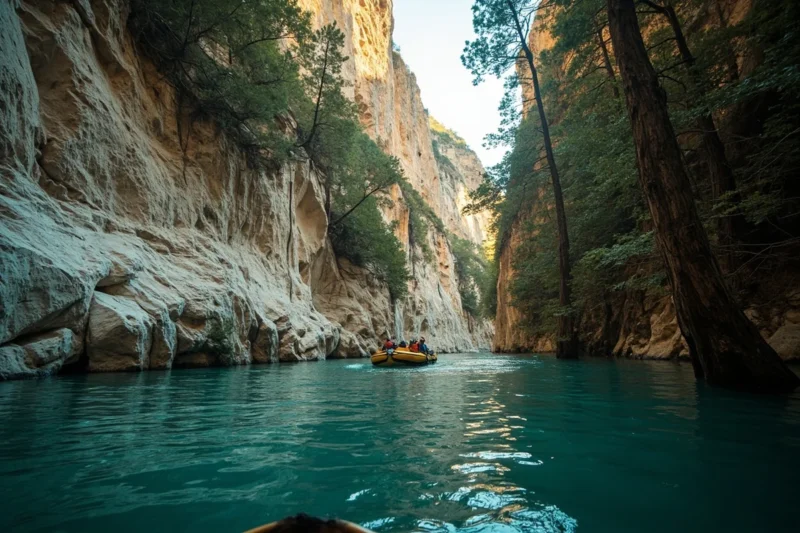
This section is floatable by drift boat from Lyons Bridge down to Ennis, and it’s some of the most forgiving floating water in the state for beginners, with enough current to stay interesting without any real technical hazards.
The fishing here is genuinely excellent nearly year-round, and it’s home to what might be the best PMD hatch I’ve experienced anywhere in Montana — size 14 and 16 pale morning duns bringing up trout in the riffles through summer mornings.
Wild rainbows and browns dominate, with native mountain whitefish mixed throughout, and it’s not unusual to land fish in the high teens of inches, with genuinely large browns showing up during the fall spawning run out of Hebgen Lake.
Fishing the Madison Season by Season
Early spring (March–April): This is an underrated window. Trout are still holding in deeper, slower water, and nymphing egg patterns, worms, and crayfish imitations trailed by baetis nymphs can produce a surprisingly good day. Afternoons fish better than mornings because of cold overnight temperatures — I’ve learned not to bother showing up before 10 a.m. this time of year.
Late spring (May): The Mother’s Day caddis hatch typically kicks off in mid-May and can produce some of the best dry fly fishing of the entire season, especially above Ennis Lake. Runoff can muddy the upper river in big snow years, but the Lower Madison often stays clear into early June, and the stretch above Lyons Bridge tends to fish well even during runoff.
Early summer (late June): The salmonfly hatch arrives, usually right around the end of June, and it’s genuinely one of the best big-dry-fly windows in the state — these are three-inch stoneflies, and trout eat them accordingly. It runs for roughly two weeks.
Midsummer (July–August): This is when I most need to remind people about hoot-owl restrictions. When water temperatures on a given stretch exceed 73°F for three consecutive days, Montana Fish, Wildlife and Parks closes fishing on that section from 2 p.m. to midnight daily, because water at 77°F or warmer can be lethal to already-stressed trout.
These restrictions are common most summers on both the upper Madison above Hebgen Lake and the lower river between Warm Springs and the Jefferson confluence, and they can appear with only a few days’ notice.
If you’re planning a summer trip, check FWP’s current closures page before you go, and consider fishing early mornings regardless of whether restrictions are officially in place — it’s simply better for the fish.
Midsummer also brings spruce moth hatches above Ruby Creek, typically mid-July into mid-August, along with strong grasshopper and terrestrial fishing as the season wears on.
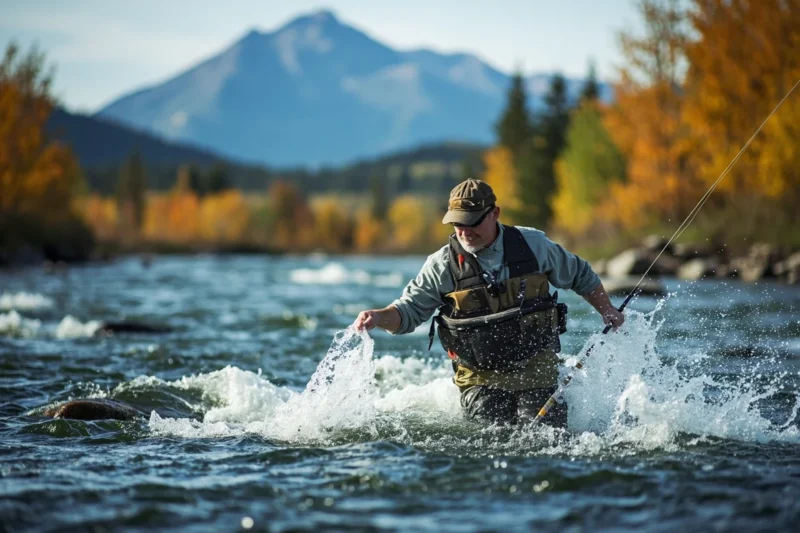
Fall (September–November): One of my favorite times to fish this river. Water temperatures drop, crowds thin dramatically, and big browns begin their spawning migration out of Hebgen and Ennis Lakes into the river itself — this is genuinely your best shot at a truly large fish, sometimes pushing into the upper 20-inch range.
Floating vs. Wading: How to Choose Your Stretch
If you’re floating, the Quake Lake–to–Ennis stretch is the most popular and forgiving water in the system, with public access at Lyons Bridge and the Ennis town bridge.
If you’re wading, “Between the Lakes” and the stretch immediately below Ennis are both excellent, walkable water without a boat. Below Ennis, the river spreads into Ennis Lake and then Bear Trap Canyon, which is a different animal entirely.
Bear Trap Canyon: The Wild Card Stretch
After the Madison exits Ennis Lake, it drops into Bear Trap Canyon, an eight-mile stretch of rugged canyon water containing a genuine Class V rapid that keeps almost all boat traffic out entirely.
Anglers access the lower section by hiking in from a trailhead near the bottom rather than floating through.
It’s crawfish-rich water, so nymphing and streamer fishing tend to outproduce dry flies here, though the canyon does get a solid salmonfly hatch when water levels cooperate.
I’d only recommend this stretch to confident, experienced waders — the canyon water is powerful, and help is a long way off if something goes wrong.
The Lower Madison and the “Bikini Hatch”
Below Bear Trap Canyon, the river slows into the Lower Madison, running from around the Warm Springs access toward its confluence near Three Forks, with the best floating and fishing typically found between Warm Springs and the Black’s Ford and Greycliff fishing access sites.
This stretch is shallower, wider, and slower than the upper river, and it fishes especially well from a drift boat targeting big browns and rainbows tucked under weed beds in spring and fall.
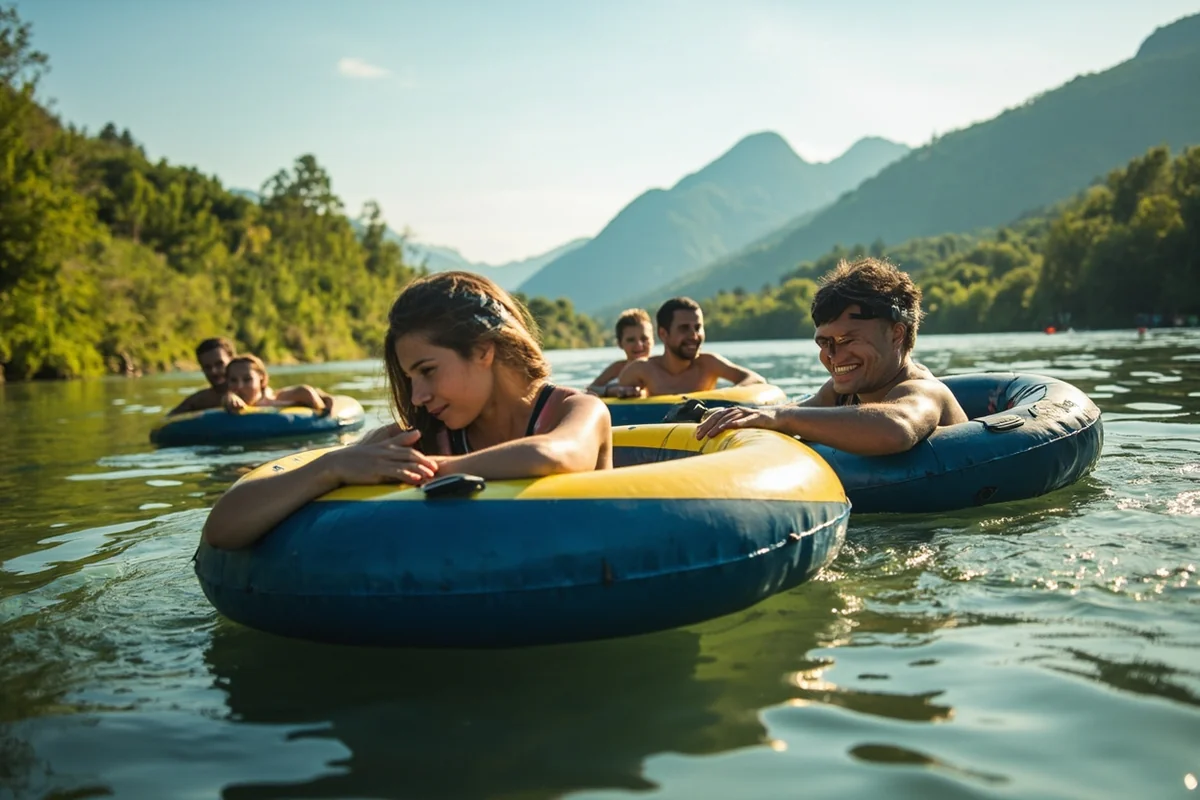
It’s also, unofficially, home to what local guides jokingly call the “bikini hatch” — the annual arrival of hundreds of college students and summer visitors from Bozeman floating the warm, shallow water near town in inner tubes, usually with more enthusiasm than fishing gear.
It’s harmless fun and a genuinely different side of Madison River culture than the quiet, technical fishing upstream — just don’t expect much serious angling on that particular stretch on a hot July afternoon.
Ennis: Making Your Base Camp
If you’re building a Madison River trip around fishing, Ennis is the obvious base. It’s a small, unpretentious trout town sitting directly on the river, close enough to eight of the region’s best trout streams that you could fish a different river every day for over a week without repeating water.
It’s also well positioned for non-fishing days — Yellowstone National Park’s west entrance sits about 72 miles south, historic Virginia City and Nevada City are a short drive away, and Lewis and Clark Caverns makes a great family day trip if you need a break from the river.
If your trip extends toward West Yellowstone, the Grizzly and Wolf Discovery Center is worth the stop too.
Wildlife You’ll See Along the Way
Fishing this river means spending long hours watching the banks as much as the water, and the Madison Valley delivers on that front.
Ospreys are a near-constant presence above the 50-Mile Riffle, diving for whitefish and trout in a way that’s genuinely fun to watch between casts — our Montana osprey page covers their nesting habits in more depth.
I’ve also had river otters surface a few feet from my boat more than once on the quieter stretches near Ennis Lake, an experience covered in our Montana otters guide.
The Madison Valley is also solid grizzly and black bear country, especially in the willow-choked stretches near Yellowstone’s boundary and around Quake Lake — review our Montana bear guide before any trip that involves streamside camping.
Elk and pronghorn are common sights in the open valley floor between Ennis and Three Forks, particularly at dawn and dusk in fall.
Personal Tips / What I Wish I Knew
Check hoot-owl status before you plan a July or August trip. I’ve shown up to a stretch I’d fished for years only to find it closed for the afternoon due to water temperature. It’s not a huge inconvenience if you know ahead of time and plan morning fishing, but it can wreck an afternoon if you didn’t check first.
Bring a stream thermometer if you’re fishing in summer. Even outside of officially declared hoot-owl restrictions, water in the high 60s and low 70s is stressful for trout. I check temperature regularly on hot days and move to a different stretch or call it early if things look marginal — the fishing usually isn’t good in that water anyway.
Don’t underestimate “Between the Lakes.” It’s short and easy to overlook in favor of the longer, more famous stretches downstream, but some of the largest fish in the entire system live in that cold, wade-only water.
Pack layers no matter the season. I’ve been caught in a genuine hailstorm in July on this river, and I’ve also nearly overheated wading in April sunshine reflecting off the water. The Madison Valley’s weather changes fast.
Respect the Stream Access Law, but respect landowners too. Montana’s Stream Access Law lets you wade and fish up to the high-water mark even where the banks are private, but a lot of the Madison Valley is working ranchland. Stay below the high-water line, and don’t linger in front of someone’s house.
A local fly shop beats a generic pattern list every time. Hatches on this river shift week to week, sometimes day to day. I always stop in Ennis before a serious day of fishing to ask what’s actually working rather than relying on what worked for me the last time I was here — conditions change faster than any guide, including this one, can keep updated.
Practical Info: Madison River at a Glance
| Section | Best For | Access Type | Notes |
|---|---|---|---|
| Yellowstone NP to Hebgen Lake | Scenic fishing | Wade | Slower meadow water inside the park |
| Between Hebgen and Quake Lakes | Dry fly fishing | Wade only | Cold, nutrient-rich, holds large fish |
| Below Quake Lake outflow (“The Slide”) | N/A — hazard | Avoid | Class V, dangerous even for experienced boaters |
| Quake Lake to Ennis Lake (50-Mile Riffle) | Floating and wading | Both | Most popular and forgiving stretch |
| Bear Trap Canyon | Advanced wading only | Hike-in | Class V rapid, no boat traffic |
| Lower Madison (Warm Springs to Three Forks) | Floating, big fish | Both | Shallow, wide, best spring/fall |
[Verify current hoot-owl restrictions and specific fishing access site rules directly with Montana FWP before your trip, as these change seasonally.]
Final Thoughts
The Madison rewards people who stop treating it like a single river and start choosing their stretch and season deliberately.
Whether you’re after the technical dry fly water between the lakes, the easy floating of the 50-Mile Riffle, or the big fall browns on the Lower Madison, this river has a version of itself that fits almost any kind of trip — and a piece of hard history at Quake Lake that’s worth understanding before you fish past it.
For more on how the Madison fits into Montana’s broader river scene, check out our full guide to the best rivers in Montana. Pin this guide before your trip, and let me know in the comments which stretch you’re planning to fish first.