A famous waterfall stunt, a secret whitewater filming location, and Montana’s only native rainbow trout all live on the same river tucked into the state’s far northwest corner. Almost nobody outside the region seems to know it exists.
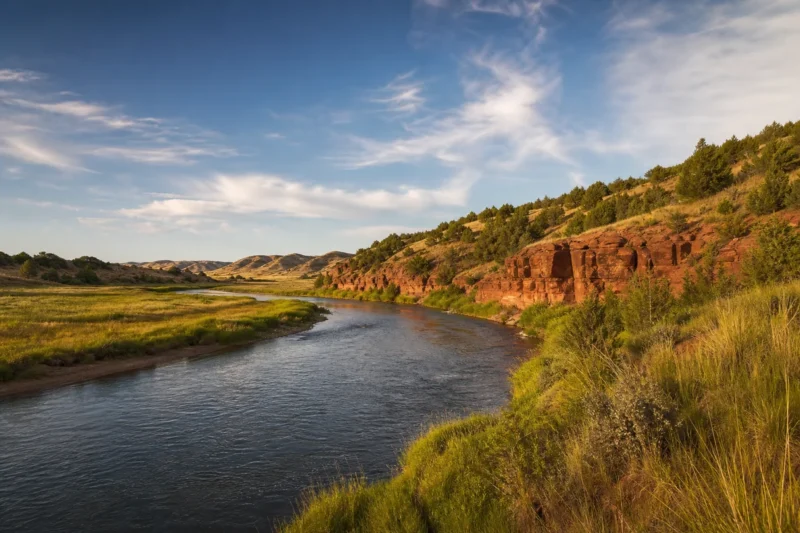
- The Kootenai River begins in British Columbia, cuts through northwest Montana past Libby, and returns to Canada, but the roughly 50-mile Montana stretch below Libby Dam is genuinely world-class trout water.
- It holds Montana’s only native population of redband trout, a distinct rainbow trout subspecies, and the state record rainbow — 33 pounds — came out of this exact tailwater.
- Kootenai Falls appeared in “The Revenant,” and I’ll clear up a filming location myth from another river in this series while I’m at it.
- Libby Dam’s cold, consistent releases keep this river fishable and cool all summer, but that same dam caused real, documented ecological harm that’s still being addressed today.
- I’ll walk through the fishing, the falls, the history, and what to expect if you make the drive out here.
Liked this article?
Add Roaming Montana as a preferred source so you see more of our articles and guides on Google.
The River Hollywood Keeps Secretly Using
I want to start with something most visitors never learn, because it changes how you look at this river before you even wet a line.
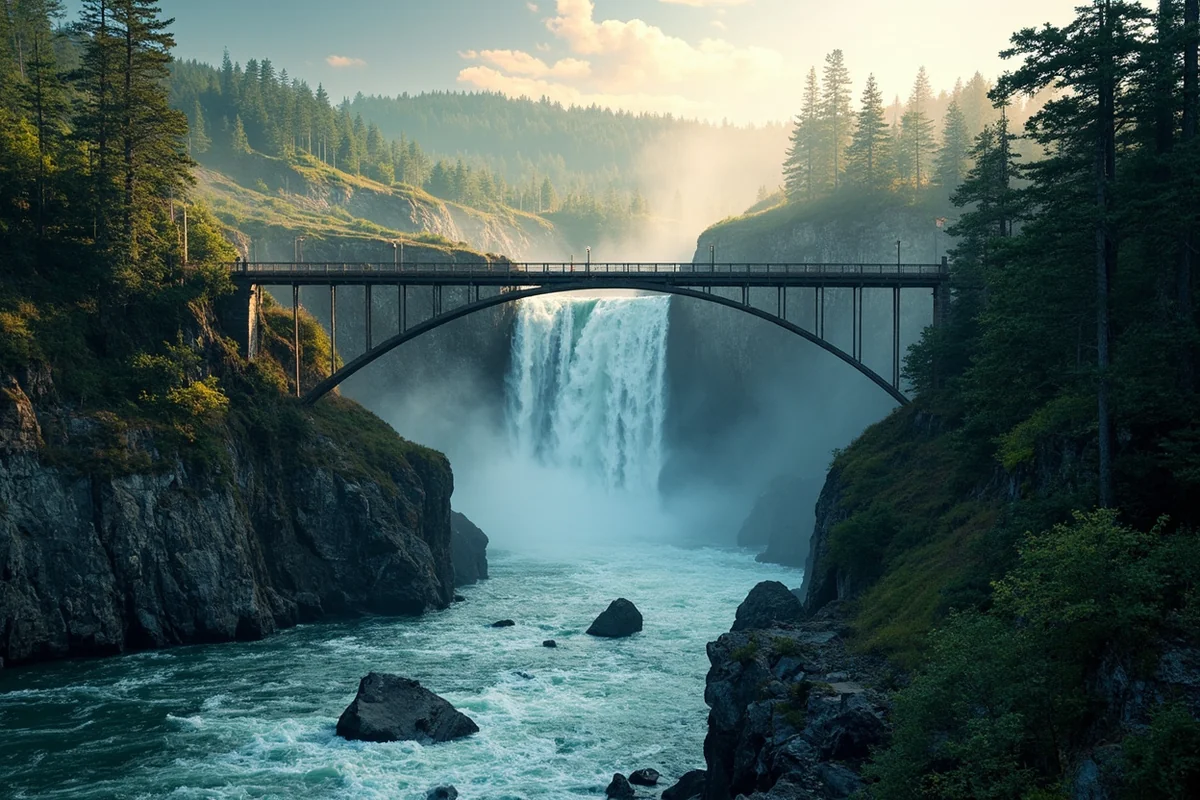
Kootenai Falls, about 28 miles below Libby Dam, appeared in the 2015 film “The Revenant.” The scene where Leonardo DiCaprio’s character escapes his pursuers by going over a waterfall was filmed right here, and the stunt performer who doubled for that fall reportedly broke both legs during filming. It’s a genuinely dramatic bit of film trivia for a waterfall most Montana visitors have never heard of.
There’s a second connection I’ve mentioned elsewhere in this series that belongs here too. In our Middle Fork of the Flathead guide, I corrected a persistent myth that “The River Wild” was filmed on that river.
The truth is that the movie’s big whitewater action sequences were actually shot on the Kootenai, under a special agreement with the Kootenai people that reportedly required the exact filming location to stay undisclosed for years.
Two major Hollywood productions, two very different rivers than the ones most people assume, and both point back to this same stretch of northwest Montana.
Fishing the Kootenai: A Cold-Water Anomaly
This river does something almost no other trout water in Montana can claim: it stays cold and fishable through the height of summer, when rivers like the Madison and Bighorn are dealing with hoot-owl restrictions or genuinely stressed fish.
That’s entirely thanks to Libby Dam’s bottom-release flows, which keep water temperatures consistently cool even in late July and August. It’s a real advantage if you’re planning a summer Montana trip and want a reliable backup option when other rivers are struggling with heat.
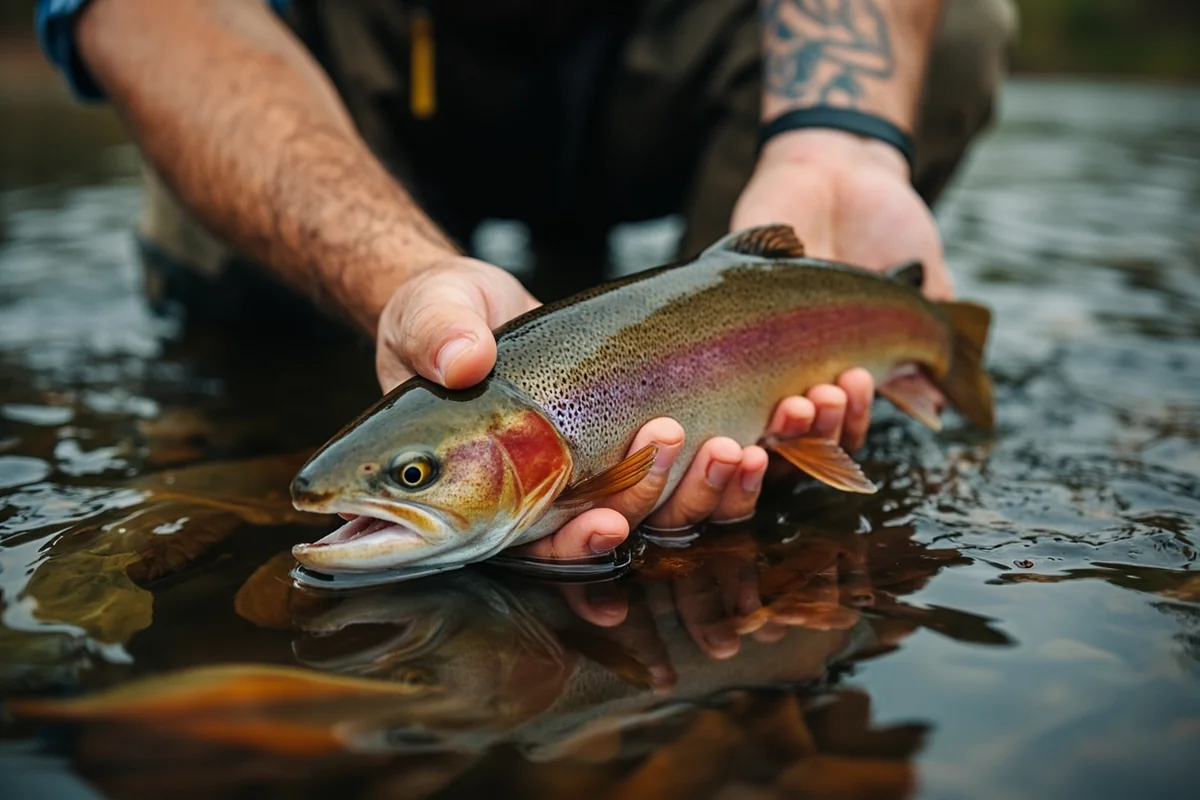
The fishing itself is genuinely exceptional. The Kootenai holds Montana’s only native population of redband trout, a distinct rainbow trout subspecies found nowhere else in the state’s river systems.
this isn’t just a naming quirk — redbands are genetically and behaviorally distinct from the hatchery-origin rainbows stocked in most other Montana rivers, having evolved in this specific watershed over thousands of years.
The current Montana state record rainbow trout, a 33-pound, 38-inch giant, was caught just below Libby Dam — a size that pushes the upper limits of what’s possible almost anywhere else in the Rockies.
Bull trout here also grow to serious size, with 24-inch fish showing up regularly each August and September, though they’re a protected species and must be released immediately if caught.
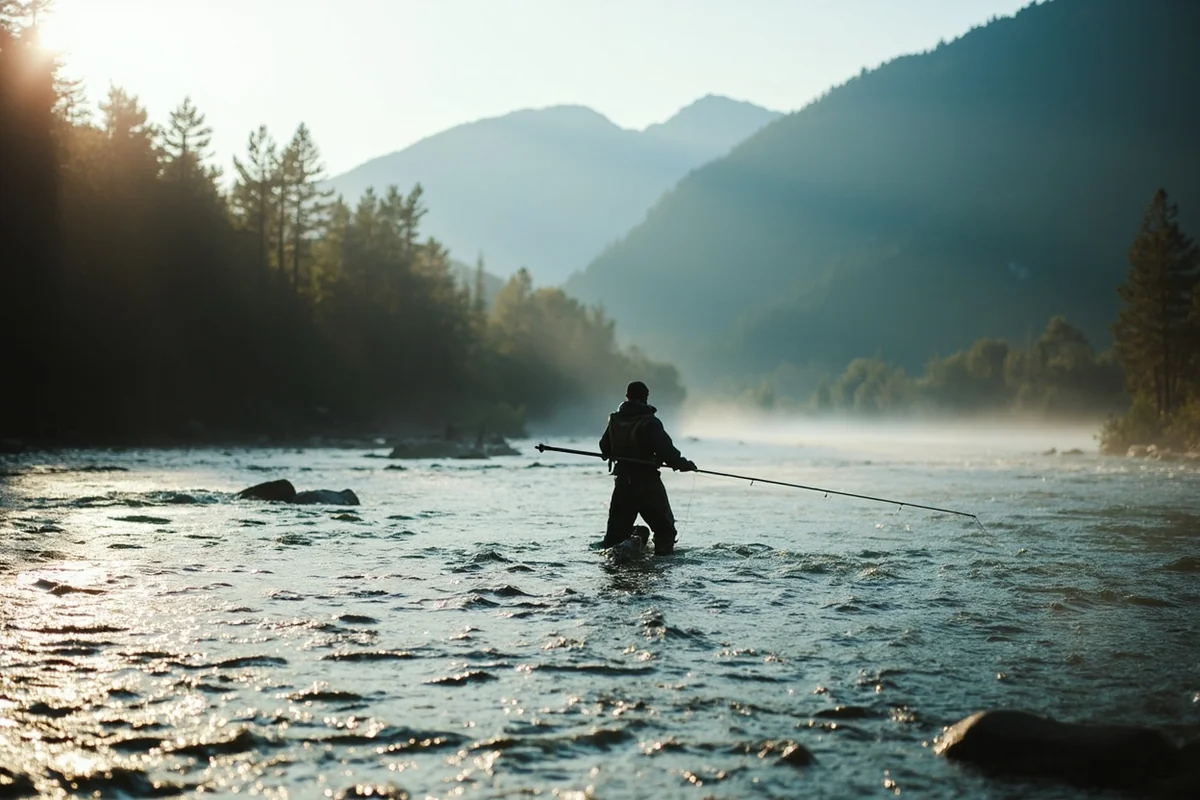
I fished a stretch below the dam on a September morning a few years back, and even the “average” fish here felt different from what I typically land elsewhere in the state — thick-shouldered, explosive on the take, and willing to peel line in a way that surprised me more than once, even after years of fishing rivers across the rest of Montana.
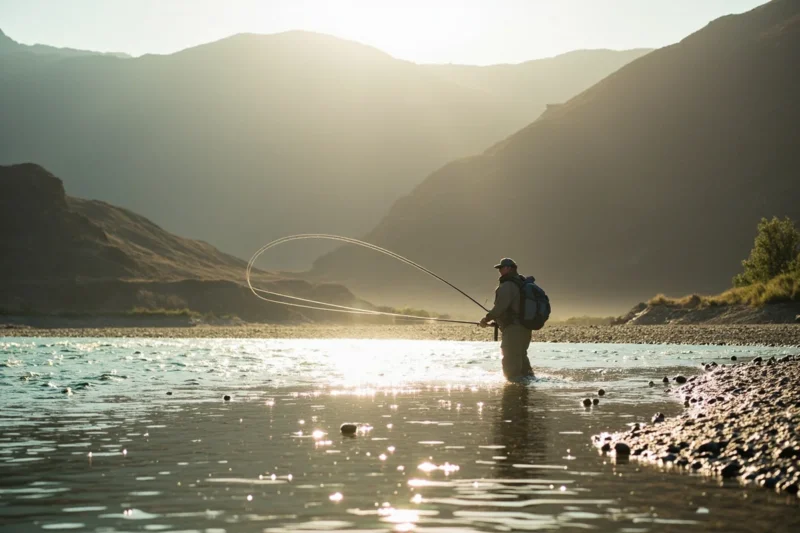
Hatches run reliably thanks to the dam’s temperature stability: blue-winged olives dominate early spring during the rainbow spawn, PMDs and caddis carry through summer, and hoppers take over by late summer into fall.
Guides who fish this river regularly consider it essentially a dry fly river, with long, flat pools that reward a patient, well-presented drift over aggressive nymphing.
Libby Dam, Lake Koocanusa, and the Cost of Consistency
I think it’s worth understanding the tradeoff behind this river’s famous cold, stable flows, because it’s not a story without real consequences.
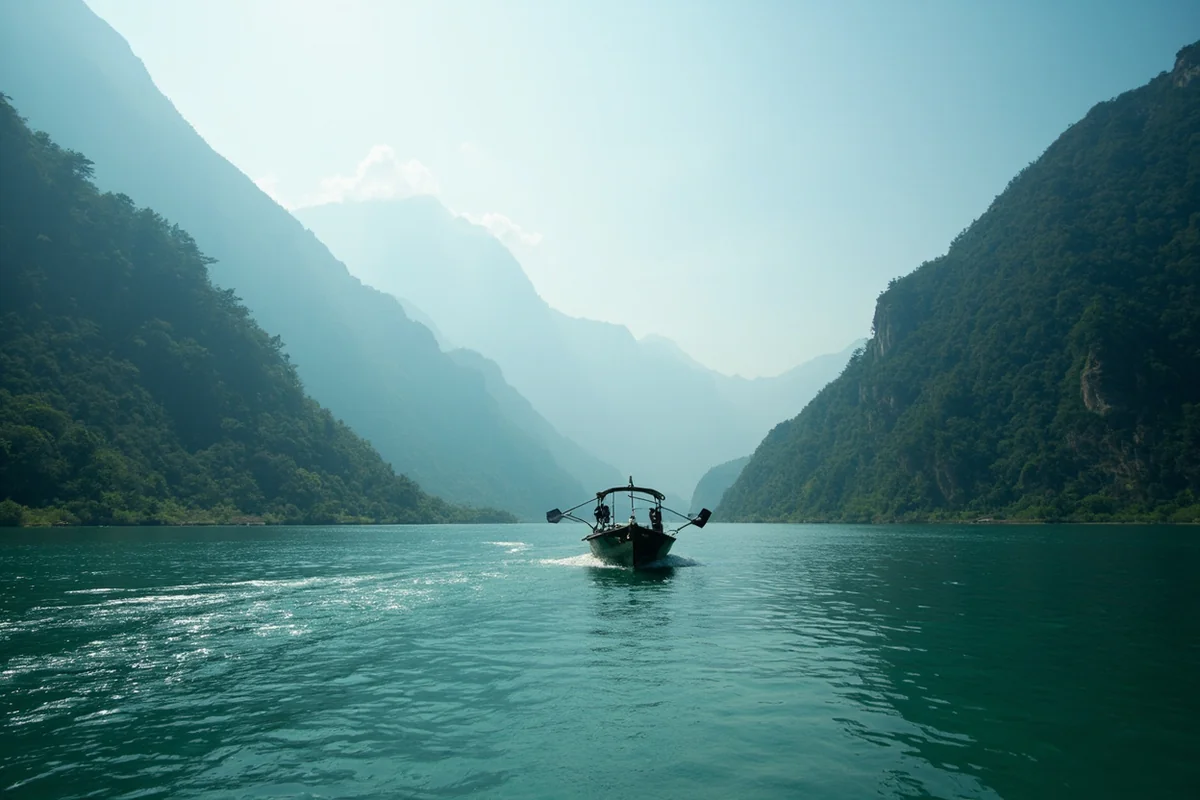
Libby Dam, completed in the early 1970s, created Lake Koocanusa, a reservoir stretching roughly 90 miles behind it, reaching well into British Columbia. The name itself is a fun bit of trivia: it’s a portmanteau combining “Kootenai,” “Canada,” and “USA,” chosen through a public naming contest at the time.
For years after the dam’s construction, water releases fluctuated wildly, which posed real danger to anglers and floaters and stranded aquatic insect larvae when water levels dropped suddenly, harming the food base trout depend on.
After sustained pressure from anglers, biologists, and local residents, operational standards changed to allow more gradual drawdowns, which measurably improved conditions.
That said, I want to be honest about the fuller picture. Wildlife agency assessments describe the dam’s broader ecological impact in blunt terms: altered flow and temperature patterns, impeded fish passage, and conditions that favor non-native species over the river’s native fish communities.
The Libby Dam Mitigation Project, funded through the Bonneville Power Administration, exists specifically to address these ongoing impacts.
It’s a genuinely useful case study in how a single piece of infrastructure can create a world-class fishery in one sense while causing lasting ecological harm in another — both things are true here at once.
I think that duality is worth sitting with rather than glossing over. The same cold, stable water that makes this river so exceptional for anglers also permanently altered a natural system that had functioned differently for thousands of years before the dam existed.
Neither fact cancels the other out, and I’d rather you understand both before you fish here than walk away thinking this river’s excellence came from nowhere.
China Rapids and Kootenai Falls
About 25 miles below the dam, the river drops through China Rapids, a stretch that carries a somber piece of history. The rapid is named for a group of Chinese gold miners who, rather than portage around the whitewater, attempted to float their raft directly through it.
The raft capsized, and all but one man drowned, along with all of their gold, lost to the riverbed. It’s a sobering reminder of the risks Chinese immigrant miners faced during Montana’s gold rush era, a history I’ve touched on more broadly in our Montana Gold Rush piece.
Just downstream, the river cascades 30 feet over the main drop of Kootenai Falls, then continues through smaller drops totaling another 60 feet within less than a mile.
A swinging suspension bridge crosses high above the gorge, offering genuinely striking views of the churning green water below — I’ve covered the falls themselves in more depth in our dedicated Kootenai Falls guide.
Nearly every boater portages around the falls; only advanced whitewater kayakers occasionally attempt to run them, and I’d strongly discourage anyone without serious technical experience from considering it.
The Lowest Point in Montana
Here’s a geographic fact I find genuinely fascinating: the stretch of the Kootenai River near the Idaho border marks the lowest elevation point in the entire state of Montana.
For a state so strongly associated with mountains, it’s a fitting bit of trivia that its lowest point sits along a river gorge in this remote northwestern corner rather than anywhere near the plains most people would guess.
If you’re curious about how this fits into the state’s broader topography, our Montana elevation guide covers the full range from this low point to the state’s highest peaks.
Floating the Kootenai
A popular float trip begins about a mile below Libby Dam. Four miles in, a short Class III rapid called Jennings Rapid can be run or easily portaged, and from there the river flows fast but smoothly for roughly 22 miles until reaching China Rapids and eventually Kootenai Falls, which requires a mandatory portage for all but the most skilled kayakers.
Ideal floating conditions fall between 8,000 and 12,000 cubic feet per second; above 15,000 cfs, the river becomes genuinely difficult to manage even for experienced boaters.
Boat ramps are well distributed from the dam down through Libby and on to Troy, and Montana’s general boating regulations apply throughout.
Side trips are worth planning too — Route 567 out of Libby follows Pipe Creek toward the tiny community of Yaak, and the Fisher River access a few miles below the dam offers a quieter, if less productive, alternative for anglers wanting to escape the main river’s boat traffic on a busy weekend.
Personal Tips / What I Wish I Knew
Check current release flows before you plan a float. Libby Dam’s releases directly control conditions downstream, and what’s a pleasant float at 10,000 cfs becomes a serious undertaking above 15,000.
Bring layers even in August. This river’s cold-water consistency is its biggest asset for fishing, but it also means the air near the water stays noticeably cooler than inland Montana valleys on the same summer day. I’ve been caught underdressed on what looked like a scorching Montana afternoon everywhere except the riverbank itself.
Don’t attempt to run Kootenai Falls. I mean this literally — it’s not a spot to push your limits. Portage trails are well marked, and the swinging bridge area makes a fine place to view the falls without the risk.
Visit Eureka if you want to see Lake Koocanusa itself. The reservoir above the dam is a completely different experience than the river below it, with its own boating and camping culture worth a separate day.
Watch for wildlife along quieter stretches. Ospreys are common over the water — see our Montana osprey page for more — and this corner of the state is legitimate grizzly country near the Cabinet Mountains Wilderness. Review our Montana bear guide before any camping trip in the area. Mountain goats and bighorn sheep are also occasionally visible on the steep terrain above the falls, if you’re patient enough to scan the cliffs with binoculars.
Practical Info: Kootenai River at a Glance
| Section | Best For | Difficulty | Notes |
|---|---|---|---|
| Below Libby Dam to Jennings Rapid | Fishing, easy floating | Easy, one Class III rapid | Boat ramp near the dam |
| Jennings Rapid to China Rapids | Fishing, floating | Easy | 22-mile stretch of fast, smooth water |
| China Rapids to Kootenai Falls | Fishing, scenic viewing | Class III, mandatory falls portage | Named for a tragic 19th-century mining accident |
| Below Kootenai Falls to Idaho border | Fishing, scenic driving | Easy | Montana’s lowest elevation point |
[Verify current Libby Dam release schedules and fishing regulations directly with Montana FWP before your trip, as conditions change seasonally.]
Final Thoughts
The Kootenai is the rare Montana river that quietly does everything at once — it stays cold when other rivers overheat, it holds a native trout subspecies found nowhere else in the state, it secretly starred in two major films, and it carries both an engineering triumph and a real ecological cost in the same dam.
I’d put this river on your list even if northwest Montana wasn’t already on your itinerary; it’s worth the detour on its own, and it consistently surprises visitors who expect a quiet backwater rather than a genuinely world-class fishery.
For how the Kootenai fits alongside the rest of the state’s best rivers, check out our full guide to the best rivers in Montana.
Pin this guide before your trip, and let me know in the comments if you’ve spotted this river in a movie you didn’t expect.