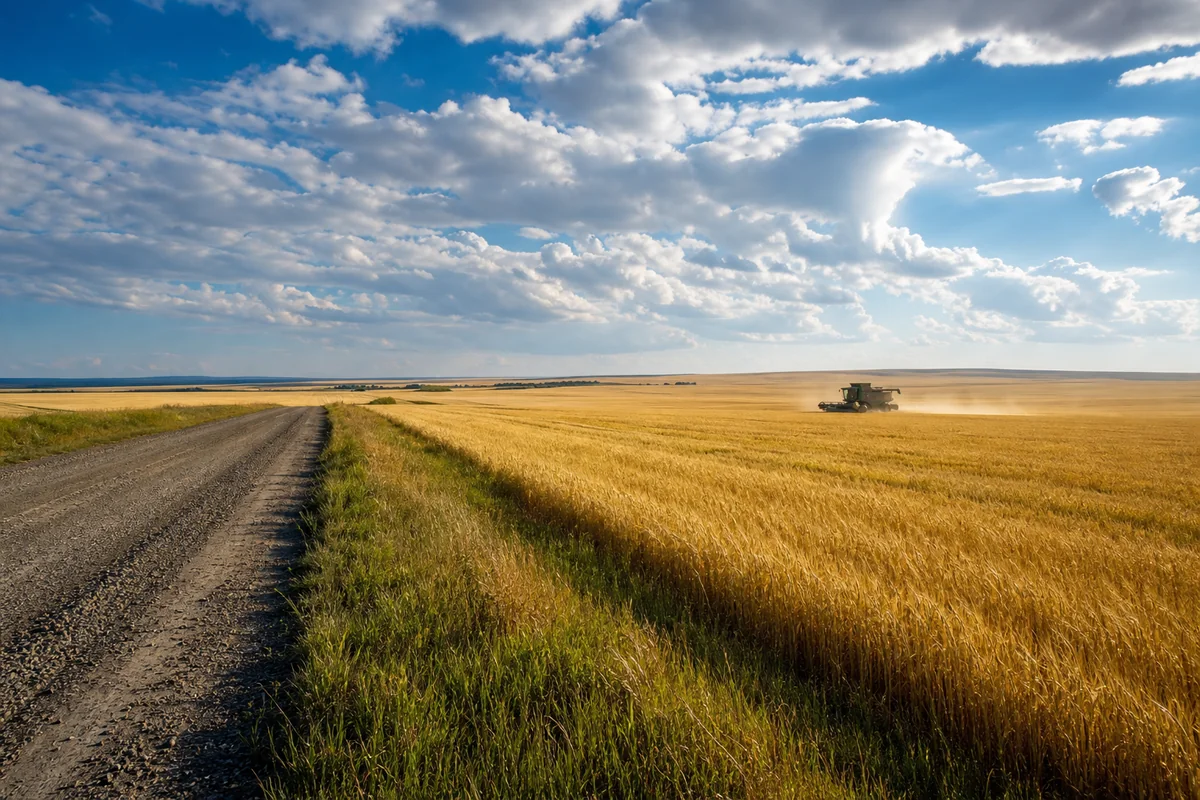
Standing on the edge of a gravel road outside Chester, watching a golden wheat field stretch unbroken to the Canadian border, it’s hard to believe places this vast and this quiet still exist in America.
Liberty County, Montana sits on the northern Hi-Line — a ribbon of land where the sky genuinely feels bigger than anywhere else, and where you’re more likely to share the road with a grain truck than another tourist.
It’s one of the 56 Montana Counties that most travellers drive straight past on US-2, and that, honestly, is exactly what makes it worth stopping for.
- Liberty County is a remote, rural Hi-Line county in northern Montana, bordering Canada
- Chester is the county seat and the main hub for services, fuel, and food
- The county is defined by wheat farming, wide-open prairie, and exceptional bird watching and hunting
- Tiber Reservoir (Lake Elwell) is the standout outdoor attraction — great for fishing, camping, and water recreation
- Best visited May through October; winter access can be challenging
- Services are limited — plan your fuel stops, food, and accommodation well in advance
- A genuinely off-the-beaten-path Montana experience for travellers who want real solitude
Liked this article?
Add Roaming Montana as a preferred source so you see more of our articles and guides on Google.
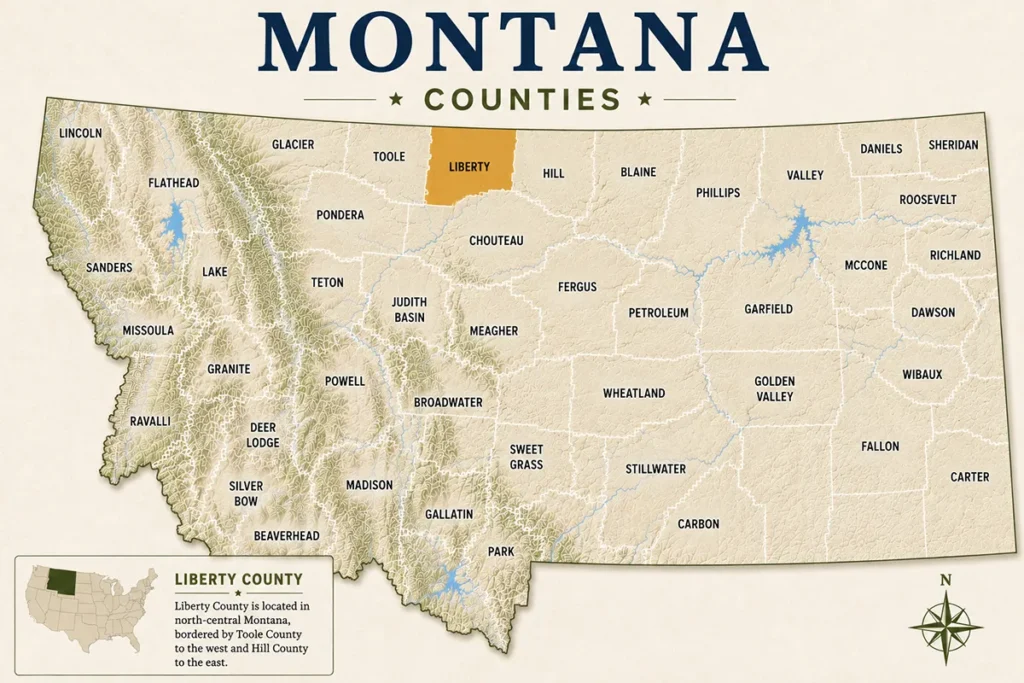
Where Is Liberty County, Montana?
Liberty County sits in north-central Montana, tucked between the Canadian border to the north and the Bear Paw Mountains to the south. It’s bordered by Blaine County to the east, Chouteau County to the south, and Hill County to the west.
The county covers roughly 1,430 square miles, which is significant land for a population of around 2,300 people — making it one of the least densely populated counties in Montana. Chester, the county seat, sits right on US Highway 2, the famous Hi-Line route that connects the northern edge of Montana from east to west.
Getting here is straightforward if you’re already traveling US-2 between Havre and Shelby. From Great Falls, expect about a two-hour drive north. From the Canadian border crossing at Sweetgrass/Coutts, Chester is roughly an hour east on US-2.
A Brief History of Liberty County
Liberty County was created in 1920, carved out of Chouteau County during the homesteading boom that transformed Montana’s Hi-Line. The name itself is thought to reflect the patriotic sentiment of the post-World War I era, when the county was formally established.
The homesteaders who flooded this region in the early 1900s came with high hopes and government promises of productive farmland. What followed was one of the most brutal chapters in Montana history — the drought and agricultural collapse of the 1920s drove thousands of families off their land. Many of Liberty County’s ghost towns are silent monuments to that era.
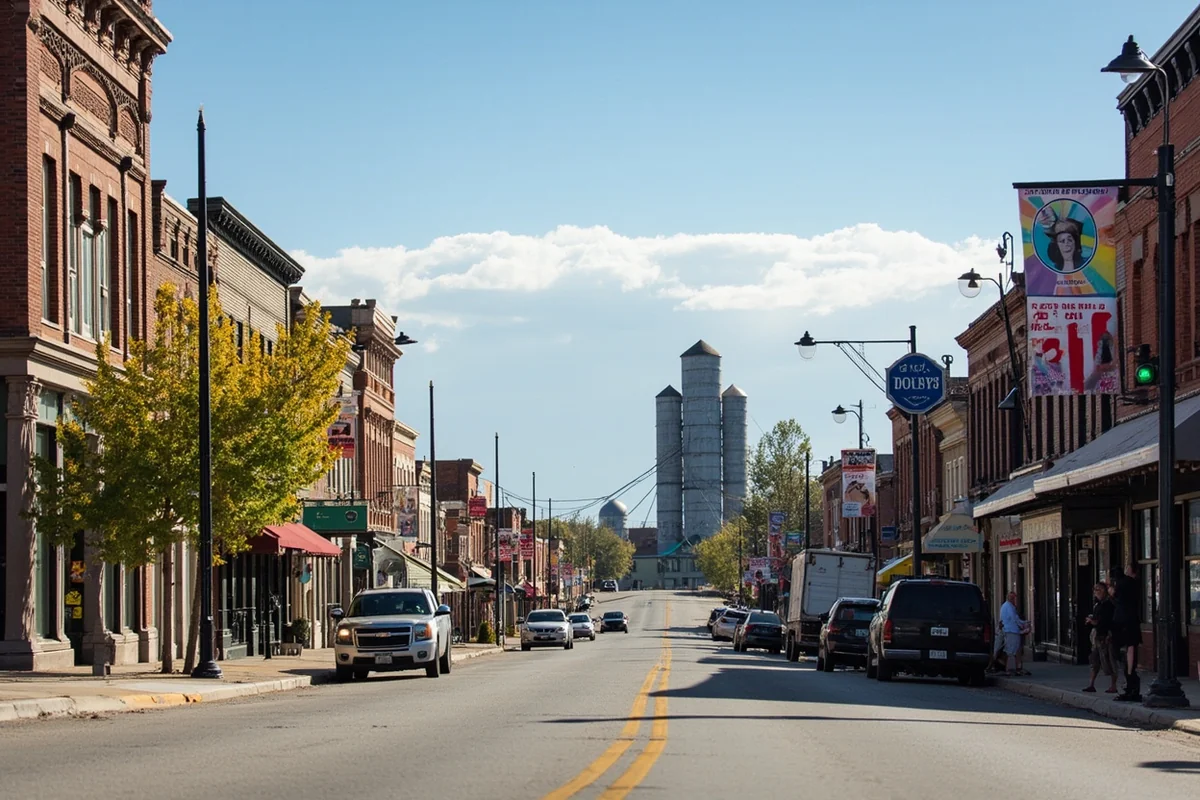
Chester was platted in 1910 and grew around the Great Northern Railway, which James J. Hill pushed across the Hi-Line to connect the northern tier of Montana. The railway shaped every town on this corridor, and Chester was no exception — the grain elevators that still dominate the skyline are a direct legacy of that agricultural infrastructure.
What to Do in Liberty County
Tiber Reservoir (Lake Elwell)
This is the headline attraction, and it genuinely delivers. Lake Elwell, formed by Tiber Dam on the Marias River, covers roughly 30,000 surface acres when full — making it one of the larger reservoirs in Montana. What surprises most first-time visitors is how different it feels from the surrounding prairie: suddenly there’s water, wind, and a remarkable sense of scale.
Fishing here is the main draw. Walleye are the target species, and on my last visit, locals at the marina told me the evening bite near the dam structure had been consistently strong through late summer.
According to Montana Fish, Wildlife & Parks, Lake Elwell also holds yellow perch, northern pike, and smallmouth bass — a genuinely diverse fishery for this part of the state.
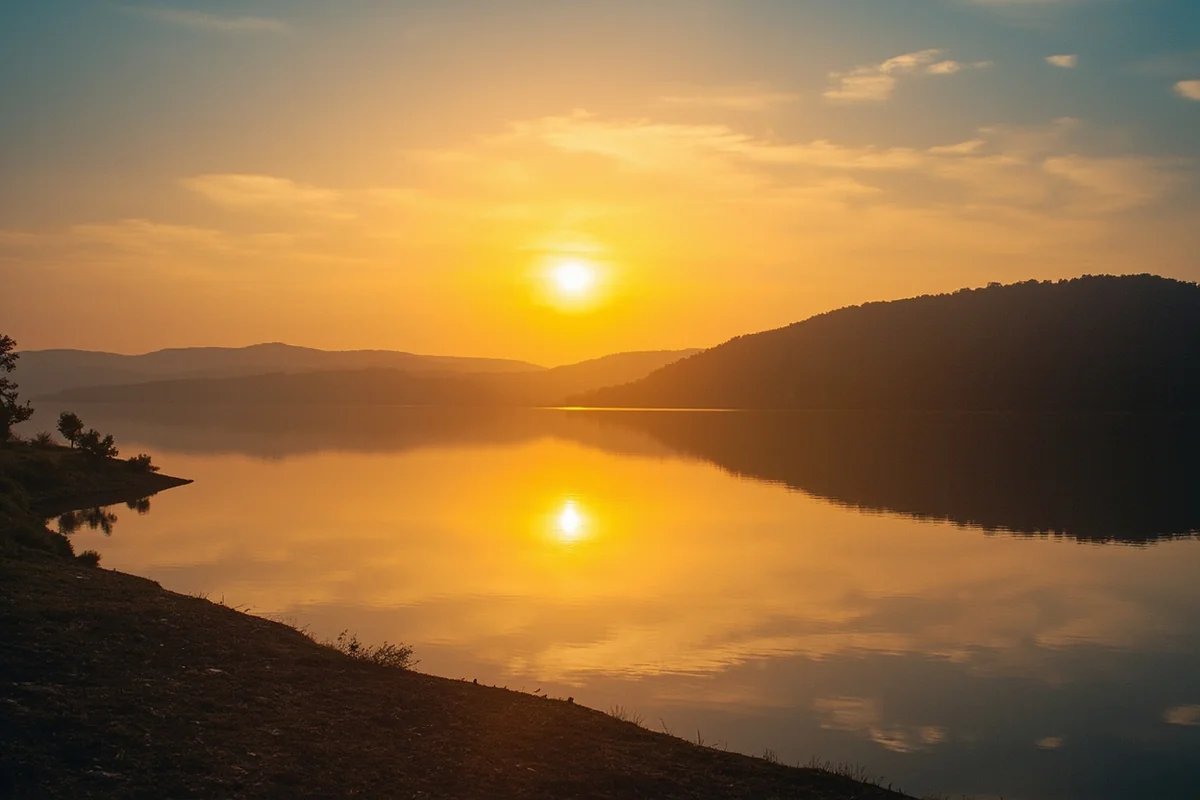
Boat ramps are available at several access points, and the lake is popular enough on summer weekends that arriving early matters. Camping is available near the reservoir at basic sites managed by the Bureau of Reclamation — expect primitive facilities, but the sunsets over the water make up for it.
Birding and Wildlife Watching
One thing that caught me off guard during a spring visit was the sheer density of bird life across Liberty County’s grasslands and wetlands. This is genuinely excellent birding country, particularly during migration season in May and September.
Raptors are a constant presence — ferruginous hawks and Swainson’s hawks hunt the open fields, and short-eared owls can be spotted at dusk in the right conditions. Waterfowl around Lake Elwell and smaller seasonal ponds draw serious birders from across the region.
The county sits within the broader Central Flyway, and the mix of prairie, wetland, and riparian habitat creates diversity that surprises visitors expecting only wheat fields. Bring binoculars — this isn’t the kind of place where you’ll see birds at a feeder; you need to scan the fence posts and sky.
Hunting
Liberty County has a strong hunting culture, and for good reason. Upland bird hunting — particularly Hungarian partridge and sharp-tailed grouse — draws hunters from outside the county every fall. Deer and antelope hunting are also popular on the surrounding prairie.
Access to private land for hunting requires permission from landowners, which is the norm across rural Montana. What most guides skip is that in small communities like Chester, building that relationship isn’t as hard as it sounds. Walking into a local diner or feed store and having an honest conversation goes a long way. Locals here are generally approachable, especially if you’re respectful and not expecting something for nothing.
Exploring the Prairie and Backroads
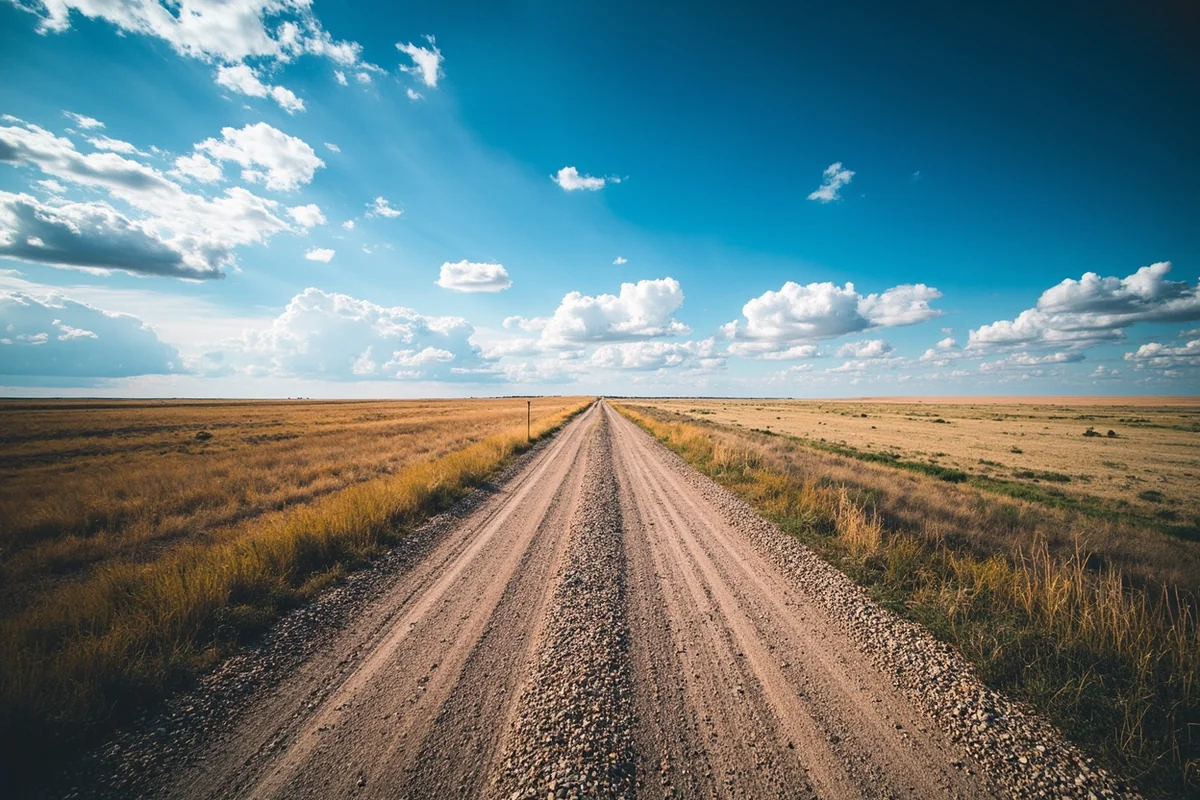
The county’s gravel road network is an attraction in itself, particularly for travellers who enjoy slow, purposeful exploration. The landscape shifts subtly but noticeably — coulees cut through the wheat fields, exposing layers of sedimentary rock, and the occasional abandoned homestead cabin appears as a weathered relic against the open sky.
One of my genuine mistakes on a first pass through this area was underestimating how quickly the weather can change and how isolated some of these backroads feel.
A flat tire out here without cell coverage and without a proper spare would be a serious problem. Always carry a full-size spare, water, and a basic tool kit when leaving pavement.
Chester Town Exploration
Chester itself is a functional, unpretentious small town with around 900 residents. The main street has the essentials — a grocery store, a few local businesses, and a classic small-town vibe that feels authentic rather than curated for visitors.
The Liberty County Museum is worth an hour of your time. It holds local artifacts, homesteader photographs, and agricultural history exhibits that give genuine context to the landscape you’ve been driving through. Hours are limited, so call ahead or check with the county to confirm they’re open before making it a primary stop.
The town’s grain elevators — functional, working elevators — are photogenic in a utilitarian way, especially in the low light of early morning or late afternoon. If you’re drawn to agricultural landscapes and working rural America, Chester delivers.
Neighbouring Counties Worth Combining Into a Trip
Liberty County works well as part of a longer Hi-Line itinerary. Hill County to the west includes Havre, which offers more services, a museum, and the Fort Assiniboine historic site. To the east, Blaine County gives you access to Chinook and the Bear Paw Battlefield — one of the most moving historic sites in Montana.
South of Liberty County, Chouteau County has Fort Benton, arguably one of the most historically significant towns in the entire state. Stringing these together into a four or five-day Hi-Line road trip is a genuinely satisfying way to experience this undervisited part of Montana.
If you’re planning a broader Montana counties road trip, it’s worth checking out how the region fits into Montana’s fastest growing cities and counties — the contrast between the Hi-Line’s quiet stability and the boom counties in the southwest is striking.
Practical Information Table
| Category | Details |
|---|---|
| County Seat | Chester, Montana |
| Population (approx.) | ~2,300 residents |
| Area | ~1,430 square miles |
| Main Highway | US Highway 2 (Hi-Line) |
| Nearest Large City | Great Falls (~120 miles south); Havre (~45 miles west) |
| Best Travel Season | May through October |
| Key Attraction | Lake Elwell (Tiber Reservoir) |
| Fuel Availability | Chester (limited hours — verify before departing) |
| Cell Coverage | Patchy outside Chester — download offline maps before arriving |
| Camping | Primitive sites near Lake Elwell; no full hookup RV parks in county |
| Lodging | Limited motel options in Chester; additional choices in Havre |
| Fishing License | Montana fishing license required — purchase in advance online via Montana FWP |
Where to Stay in Liberty County
Accommodation options inside Liberty County are genuinely limited, and that’s not a criticism — it’s just the reality of a rural county of this size. Chester has a small number of motel rooms available, and they tend to fill up during hunting season (October through November) and summer weekends when the reservoir is busy.
Expect to pay roughly in the range you’d associate with basic, clean, functional roadside motel accommodation — nothing fancy, nothing uncomfortable. What you get is a quiet room, a friendly desk clerk who probably knows half the county personally, and a genuinely authentic small-town stay.
If Chester’s options are booked, Havre is the logical alternative — about 45 miles west on US-2, with a broader selection of chain motels and independent options. For those travelling with a self-contained RV or camper van, the primitive camping near Lake Elwell is a real highlight and lets you wake up to one of the best sunrise views in northern Montana.
Where to Eat in Chester
Dining in Chester is limited to a handful of local establishments, and their hours can change seasonally. What most guides skip is that the best approach is simply to ask locally — the staff at your motel or a local at the gas station will tell you what’s open on a given day far more reliably than any website.
Chester has a couple of diners and a bar-restaurant that serves solid, unpretentious food. Think burgers, steak, soup, and pie — real working-country food at honest prices. During my visits, the portions have always been generous and the coffee strong. Don’t arrive expecting a craft cocktail menu or gluten-free alternatives.
Stock up on supplies in Havre or Great Falls if you’re planning extended camping at Lake Elwell. The grocery store in Chester covers basics, but selection is naturally limited for a town this size.
Suggested Itinerary
Day 1: Arriving on the Hi-Line
Arrive in Chester via US-2, checking into your motel by early afternoon. Take a walk around the main street to get a feel for the town — stop in at the Liberty County Museum if it’s open. In the late afternoon, drive south toward Tiber Dam and Lake Elwell to scout the water and watch the sunset over the reservoir. Dinner back in Chester at whichever local spot is open.
Day 2: Lake Elwell and Prairie Exploration
Head out early for a full day at Lake Elwell. If you’ve brought fishing gear, launch by 7 a.m. — the walleye bite is typically best in early morning and evening. Spend the middle of the day exploring the shoreline, watching for birds, and simply absorbing the scale of the landscape. Pack a lunch, because there are no services near the reservoir. Return to Chester for dinner and, if conditions are right, step outside after dark — the Milky Way over Liberty County’s prairie is genuinely spectacular due to near-zero light pollution.
Day 3: Backroads and Onward
Use the morning to explore a gravel backroad loop southeast of Chester — the country between Chester and the Marias River valley is particularly photogenic in morning light. Stop to photograph the grain elevators before leaving town. By midday, continue east toward Blaine County and the Bear Paw Battlefield, or west toward Havre in Hill County depending on your onward itinerary.
Best Time to Visit Liberty County
Late May through September is the sweet spot. The weather is stable enough for camping and water recreation, wildflowers make a brief but spectacular appearance on the prairie in June, and the long summer days give you maximum light for photography and exploration.
July and August bring genuine heat to the Hi-Line — temperatures regularly push into the 90s Fahrenheit, and the reservoir becomes a relief. Wind is almost constant, which keeps the mosquito situation manageable compared to more sheltered Montana valleys.
Fall (September and October) is arguably the most beautiful time, with harvest activity on the wheat farms creating a working landscape that’s genuinely photogenic. Hunting season also begins in fall, so if you’re not a hunter, be aware that the county feels busier and more purposeful during this period.
Winter on the Hi-Line is serious. Arctic air from Canada pushes temperatures well below zero, blizzards can close US-2 for days, and services in Chester operate reduced hours. Unless you have a specific reason to visit in winter, it’s not the right season for most travellers.
What Most Visitors Get Wrong About Liberty County
The most common mistake is treating Liberty County as a pass-through rather than a destination. Travellers zip along US-2 between Havre and Shelby, glance at the wheat fields, and think they’ve seen it. They haven’t.
The second mistake is underestimating the distances and service gaps. People used to more populated states pull off US-2 on a near-empty tank, expecting a gas station around the next bend. In Liberty County, the next gas station might be 45 miles away. Fill up every time you’re in Chester, full stop.
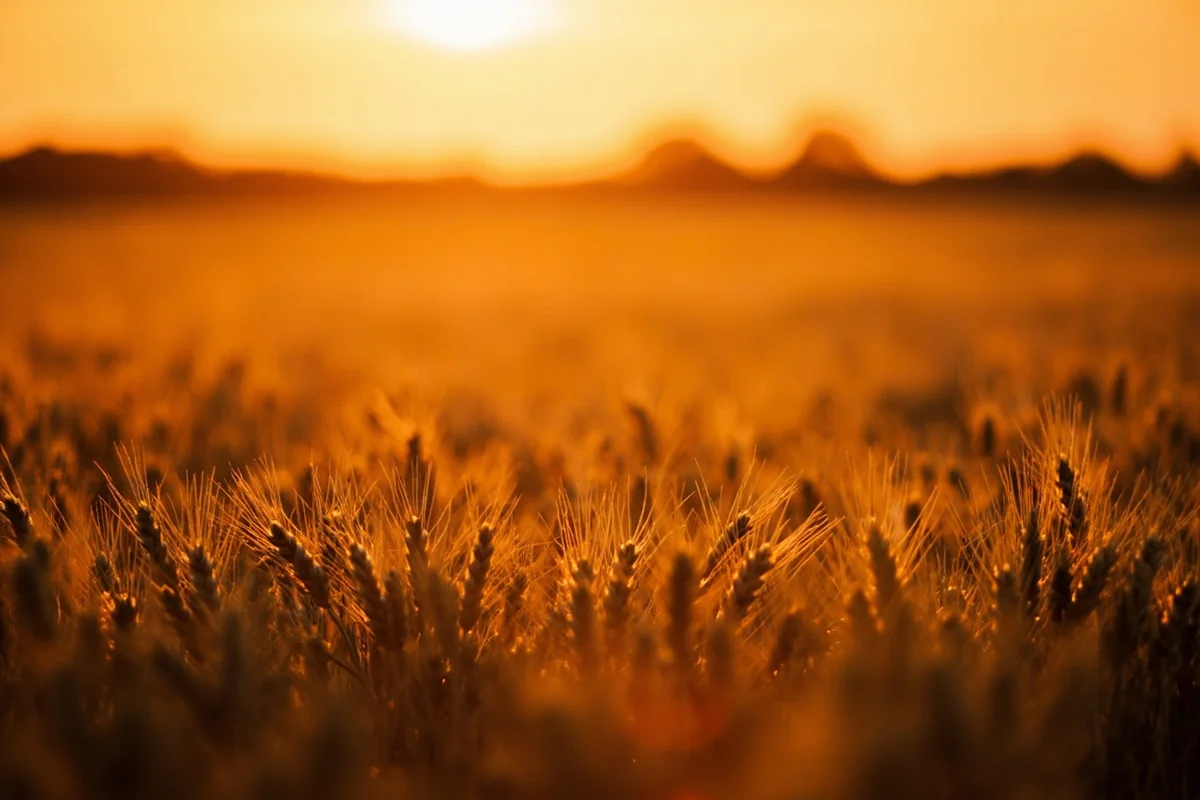
The third — and this one caught me personally — is assuming that because the landscape looks flat, it’s boring. The light changes everything out here. The same field of wheat that looks washed out at noon becomes something extraordinary at 7 p.m. in late summer, when the low golden light catches every grain head and the shadows stretch across the contours of the land. If you’re not staying until evening, you’re not seeing Liberty County properly.
What most guides also miss is the wind. The Hi-Line is genuinely one of the windier places in Montana, and at Lake Elwell it can build waves that make small-boat fishing uncomfortable or even dangerous within an hour. Check the forecast before launching, and don’t underestimate afternoon wind conditions on the reservoir.
Planning Tips for a Liberty County Visit
- Download offline maps: Cell coverage is unreliable once you leave US-2. Google Maps offline or a dedicated GPS unit is essential.
- Fuel every time: Chester is your only reliable fuel point in the county. Don’t leave on empty.
- Montana fishing license: Purchase online through Montana Fish, Wildlife & Parks before you arrive — don’t assume you can get one in Chester.
- Bring your own firewood: If you’re camping at Lake Elwell, firewood isn’t available on site. Bring it from Havre or Great Falls.
- Call ahead for hours: The museum, some restaurants, and local businesses may have irregular hours — a quick phone call saves frustration.
- Wind and sun protection: The Hi-Line prairie offers zero shade and constant wind. Sunscreen, sunglasses, and a wide-brimmed hat are non-negotiable.
- Respect private land: Most of the landscape you’ll want to explore is privately owned. Stick to public roads and access points, and ask permission if you want to venture further.
How Liberty County Fits Into a Montana Road Trip
Liberty County makes the most sense as part of a Hi-Line corridor trip rather than a standalone destination. The US-2 route from Browning (on the edge of Glacier County) east to Havre, through Chester, and continuing toward Malta and Glasgow is one of the most underrated road trip routes in the American West.
Pairing Liberty County with Chouteau County and its Fort Benton history to the south, or heading into Blaine County for the Bear Paw Battlefield gives the trip historical and geographic depth that a single-county visit can’t fully provide.
For travellers who’ve already done Glacier National Park and Yellowstone and want something genuinely different — something that feels like discovering rather than visiting — the Hi-Line counties including Liberty deliver that experience in a way that’s increasingly rare in American travel.
Final Thoughts
Liberty County isn’t going to compete with Glacier or the Beartooths for dramatic scenery, and it doesn’t need to. What it offers is something different and increasingly valuable: genuine remoteness, working rural culture, and a landscape that rewards patience and presence over spectacle and photo opportunities.
What stays with me from my visits here isn’t any single attraction — it’s the cumulative effect of big sky, empty roads, windswept wheat, and the quiet knowledge that almost nobody else is out here doing what you’re doing. That feeling is harder to find in Montana than it used to be, as the state’s fastest-growing areas continue to draw more visitors and new residents every year.
If you go in with the right expectations — open road, limited services, extraordinary light, and real solitude — Liberty County will exceed them. Go slow, stay an extra day, and don’t leave before you’ve watched at least one sunset over Lake Elwell. You’ll understand why people here have stayed for generations.
How We Researched This Guide
This guide is based on multiple visits to Liberty County and the broader Hi-Line corridor across different seasons, including spring birding trips, summer visits to Lake Elwell, and fall harvest-season drives.
Firsthand exploration of Chester, the reservoir, and the surrounding backroads formed the foundation of what’s written here, supplemented by conversations with local business owners, a motel operator in Chester, and a fishing guide familiar with the Marias River system.
Fishing regulations and license information were verified directly with Montana Fish, Wildlife & Parks (fwp.mt.gov). Highway and access information was cross-referenced with the Montana Department of Transportation. Historical context draws on county records and exhibits at the Liberty County Museum.
Frequently Asked Questions
What is there to do in Liberty County, Montana for first-time visitors?
Liberty County is a remote Hi-Line destination best known for its vast open prairies, the Bear Paw Mountains, and small-town charm centered around the county seat of Chester. Outdoor activities like hunting, fishing, and wildlife watching are big draws, and the nearby Havre area offers access to Wahkpa Chu’gn Buffalo Jump, one of the most accessible archaeological sites in the northern Great Plains. If you enjoy off-the-beaten-path travel with minimal crowds, Liberty County delivers an authentic Big Sky experience that most tourists completely miss.
What is the best time of year to visit Liberty County, Montana?
Late June through early September is the most comfortable time to visit Liberty County, with daytime temperatures typically ranging from the mid-60s to low 80s°F and long daylight hours ideal for exploring the prairie landscape. Fall, especially September and October, is popular with hunters pursuing deer and upland game birds like pheasant and sharp-tailed grouse. Winters are harsh and can see temperatures drop well below 0°F with significant wind chill, so unless you’re an experienced cold-weather traveler, I’d recommend avoiding December through February.
How far is Liberty County, Montana from major US cities and airports?
Liberty County sits in north-central Montana along US Highway 2, roughly 110 miles east of Glacier National Park and about 85 miles northwest of Havre, the closest city with more services. The nearest commercial airports are in Great Falls, approximately 135 miles south, and Havre’s City-County Airport, which offers limited regional flights. If you’re flying in from cities like Denver, Minneapolis, or Seattle, plan on renting a car since public transportation options in this rural county are essentially nonexistent.
What should I pack for a road trip through Liberty County, Montana?
Because Liberty County is extremely rural with limited stores, I strongly recommend packing extra water, snacks, and a full gas tank before heading out, as gas stations can be 30 to 50 miles apart. Layers are essential since northern Montana weather can swing dramatically even in summer, and a rain jacket, sun protection, and sturdy hiking boots will cover most conditions. A paper road map or downloaded offline GPS maps are smart backups since cell service is spotty to nonexistent across much of the county.
Is Liberty County, Montana a good destination for hunting and fishing trips?
Yes, Liberty County is a hidden gem for hunters targeting white-tailed deer, mule deer, pronghorn antelope, and upland birds like Hungarian partridge and pheasant, with access to both public and private land through Montana’s Block Management Program. Fishing opportunities exist on the Marias River and several reservoirs within driving distance, offering walleye, northern pike, and various trout species. Non-resident hunting licenses in Montana range roughly from $50 for upland birds to over $900 for deer or elk, so budget accordingly and apply for limited tags well in advance through Montana Fish, Wildlife & Parks.
Are there hotels or places to stay in Liberty County, Montana?
Lodging options in Liberty County are limited but functional, with a handful of small motels and a basic RV park available in Chester, the county seat. For more accommodation choices, Havre about 85 miles east offers national chain motels, hotels, and short-term rentals starting around $80–$130 per night. I’d recommend booking ahead even for small-town motels during hunting season in October and November, as rooms fill up faster than you’d expect in this rural area.
What makes Liberty County, Montana different from other Montana counties for travelers?
Unlike western Montana counties that draw crowds to Glacier or Yellowstone, Liberty County offers a genuine northern plains experience with wide-open skies, working grain farms, and a close-knit ranching culture that feels unchanged from decades past. The Bear Paw Mountains provide a surprising patch of forested hills rising from the prairie, offering hiking and scenic drives with almost zero tourist traffic. If you’re a traveler who values solitude, authenticity, and landscapes that feel truly undiscovered, Liberty County is one of Montana’s best-kept secrets along the Hi-Line corridor.