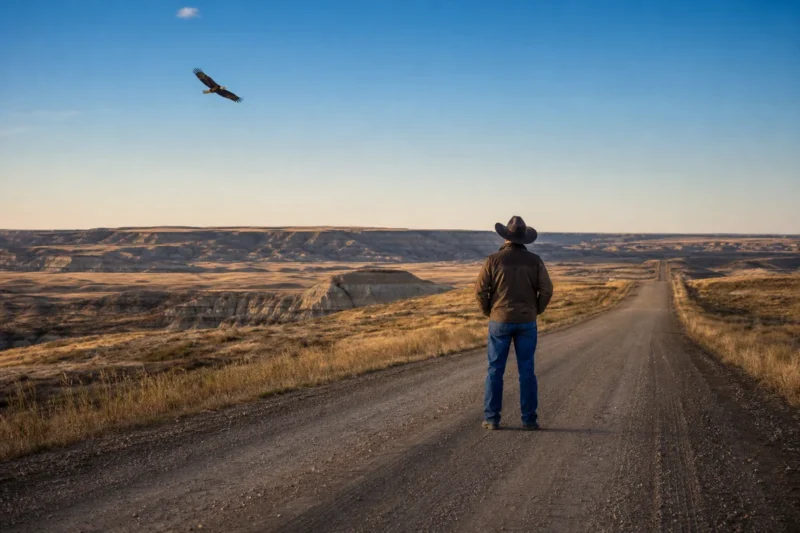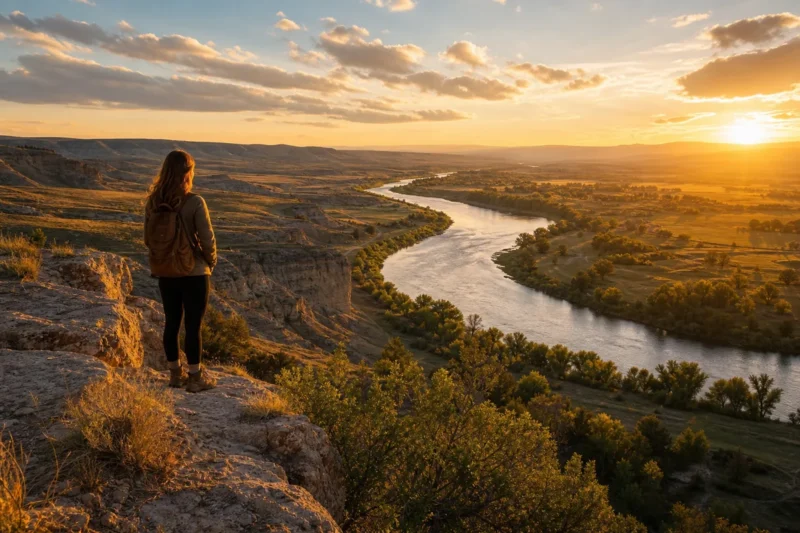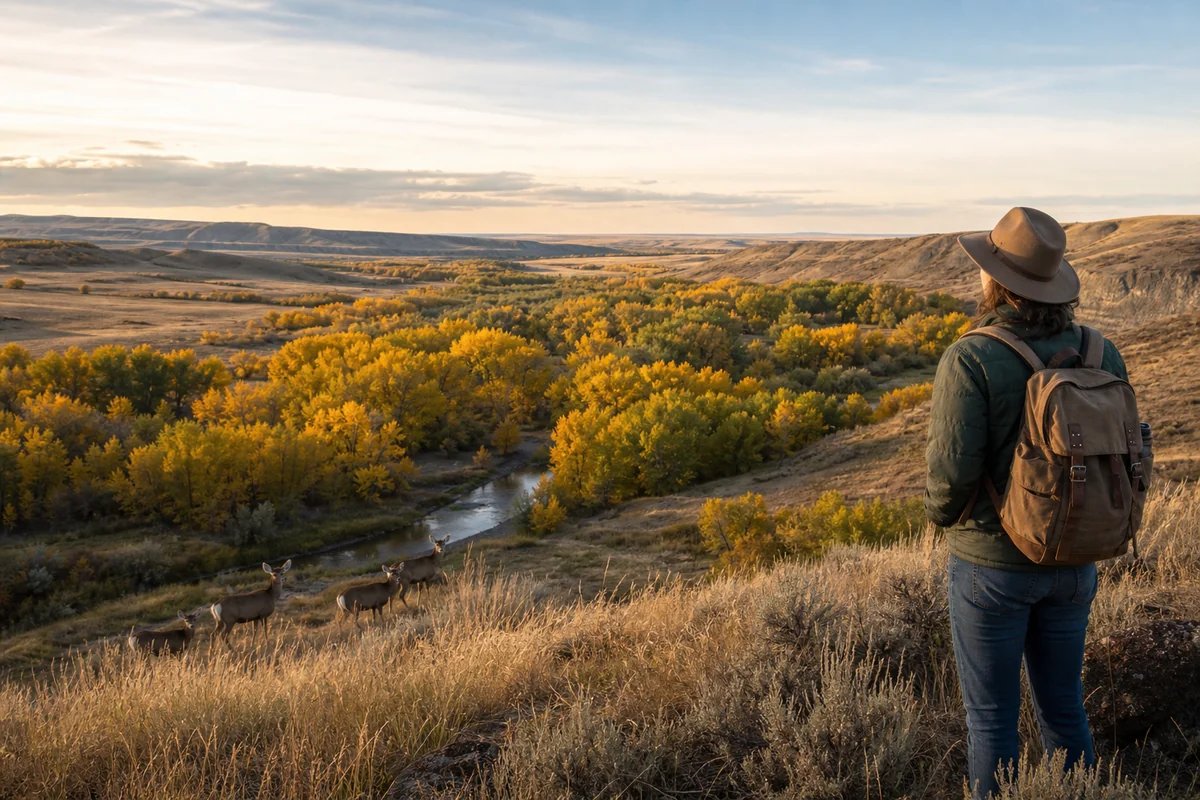
Standing at the edge of Beaver Creek Park on a cool September morning, watching mule deer pick their way through the cottonwoods below, it hit me that most Montana travelers drive straight through Hill County without stopping — and that’s one of the biggest mistakes you can make on a Hi-Line road trip. Hill County is one of the 56 Montana Counties that quietly rewards the curious traveler who’s willing to slow down.
- Hill County sits in north-central Montana along the Hi-Line, with Havre as its county seat and largest town.
- Top attractions include Havre Beneath the Streets, Bear Paw Battlefield, and Beaver Creek County Park — one of the largest county parks in the US.
- Best visited late spring through early fall; summers are warm but wind and sudden storms are common.
- A genuine off-the-beaten-path destination that rewards travelers looking for authentic Montana history and wide-open landscapes.
- Budget roughly $100–$180 per night for accommodation in Havre, with plenty of affordable dining options on the main strip.
Liked this article?
Add Roaming Montana as a preferred source so you see more of our articles and guides on Google.
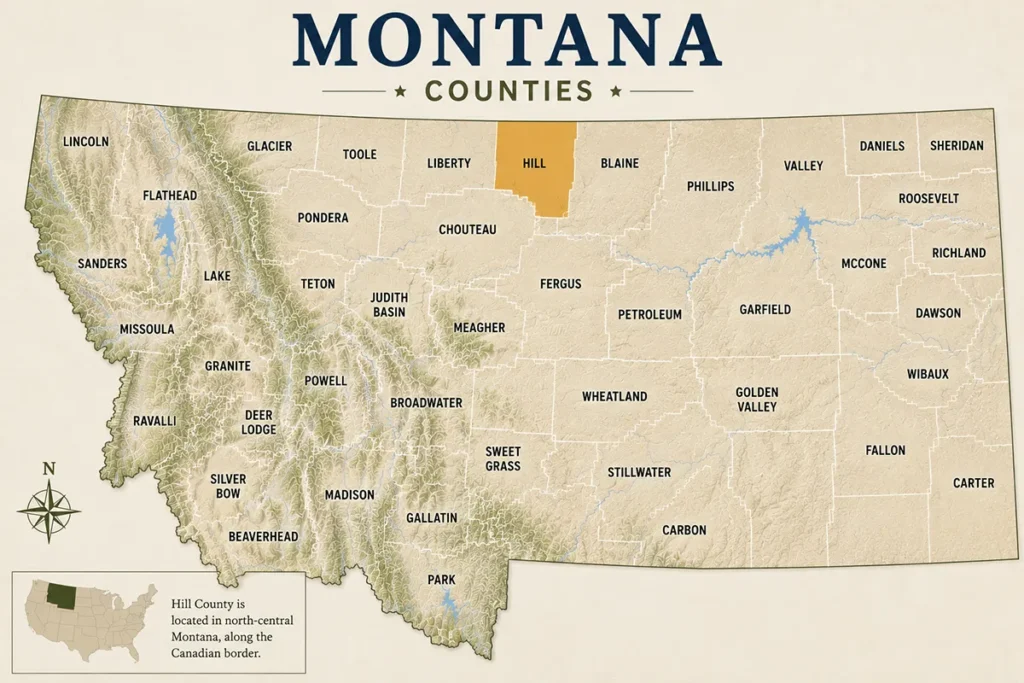
Where Exactly Is Hill County?
Hill County occupies a broad stretch of north-central Montana, bordering Canada to the north and sitting roughly midway between Glacier Country and the Montana Badlands. The county covers just over 2,900 square miles, making it a substantial chunk of the Montana Hi-Line landscape.
Havre (pronounced “HAV-er” by locals — not “Hah-vray,” a mistake visitors make constantly) serves as the county seat and the main hub for everything you’ll want to do here. It sits right along US Highway 2, which cuts east to west across the top of Montana like a stitching line on a quilt.
Getting here is straightforward. Most travelers arrive by car from either Great Falls to the southwest or from the eastern Hi-Line towns. Amtrak’s Empire Builder also stops in Havre, making it one of the few Montana towns genuinely accessible by train — a fact that not enough people take advantage of.
A Brief History That Shapes Everything You’ll See
Hill County was created in 1912 and named after James J. Hill, the railroad magnate whose Great Northern Railway essentially built the Hi-Line towns from the ground up. Without Hill’s railroad, Havre likely wouldn’t exist at all — and that history lives in almost every corner of the county.
The area has far deeper roots, of course. The Chippewa Cree people have called this land home for generations, and the Rocky Boy’s Indian Reservation sits just southeast of Havre within Hill County’s boundaries. Understanding that context transforms how you experience the landscape here.
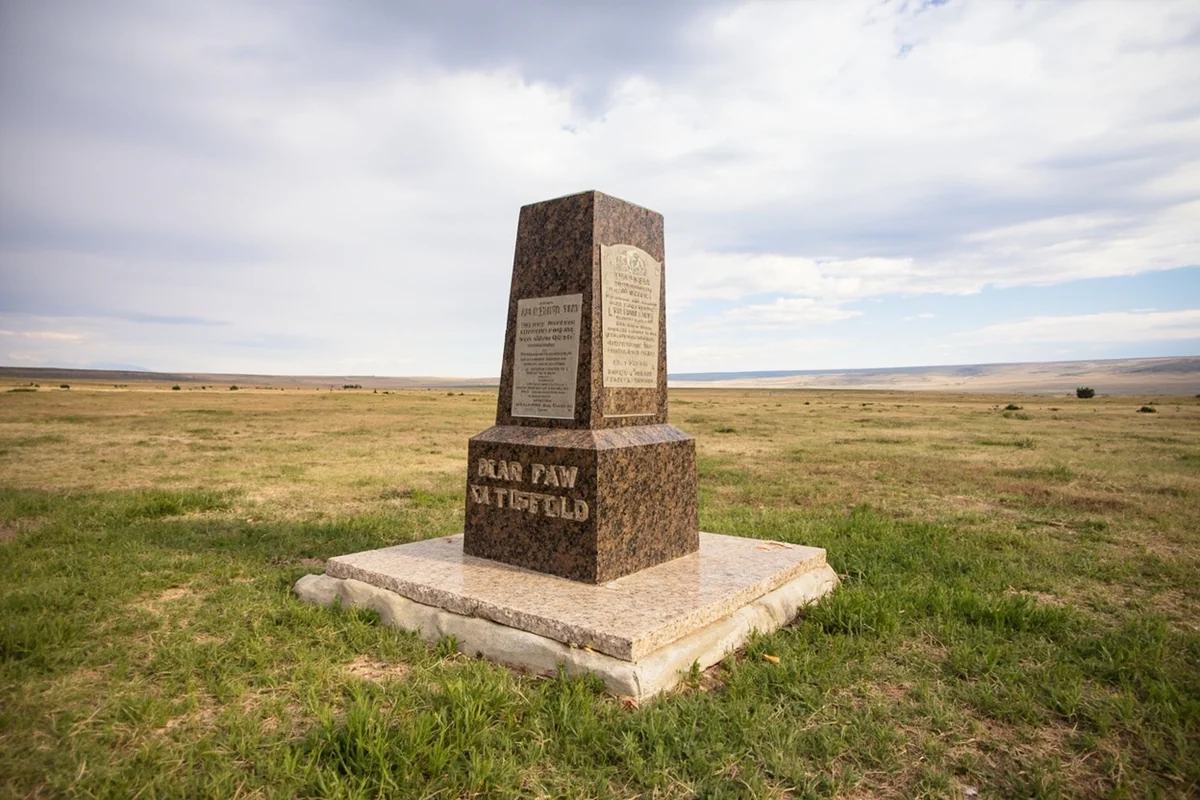
One moment that reframed the whole trip for me was visiting Bear Paw Battlefield, where the Nez Perce made their last stand in 1877. The silence there is enormous — it genuinely stops you mid-thought.
Havre Beneath the Streets: Hill County’s Must-Do Attraction
If you only do one thing in Hill County, make it this. After a fire swept through Havre in 1904, merchants rebuilt above ground — but many continued using the underground spaces that had been constructed beneath the original businesses. For decades, an entire subterranean economy thrived under the streets of Havre: a bakery, a bordello, a laundry, an opium den, and more.
Today, guided tours take you through those underground passages on an experience that genuinely has no equivalent anywhere else in Montana. The tours typically run about 75–90 minutes and are offered daily through much of the year, though hours shift seasonally, so checking ahead is worthwhile.
What surprised me most was how intact everything feels. You’re not walking through a sterile museum diorama — the original brick walls, the repurposed spaces, the faded signage — it all carries a weight that puts you directly inside Havre’s rougher, more complicated past. Expect to pay roughly $12–$15 per adult at time of writing, making it exceptional value for how immersive the experience is.
Practical Tips for the Underground Tour
- Book ahead during summer — tour groups fill up faster than you’d expect for a town this size.
- Wear closed-toe shoes. Some sections have uneven flooring and low clearance.
- The temperature underground stays cool year-round, so bring a light layer even in July.
- Photography is allowed in most areas — the lighting is atmospheric rather than bright, so a phone with a good low-light camera makes a real difference.
Bear Paw Battlefield: A Moment That Stays With You
Located about 16 miles south of Chinook on US Highway 2, Bear Paw Battlefield is technically within Blaine County — but it’s so closely tied to the Havre visitor experience that it deserves its full discussion here. If you’re exploring Blaine County as part of your Hi-Line road trip, combining it with Hill County is the obvious move.
This is the site where Chief Joseph and the Nez Perce surrendered to US Army forces on October 5, 1877, just 40 miles short of the Canadian border. The battlefield is part of the Nez Perce National Historical Park, managed by the National Park Service.
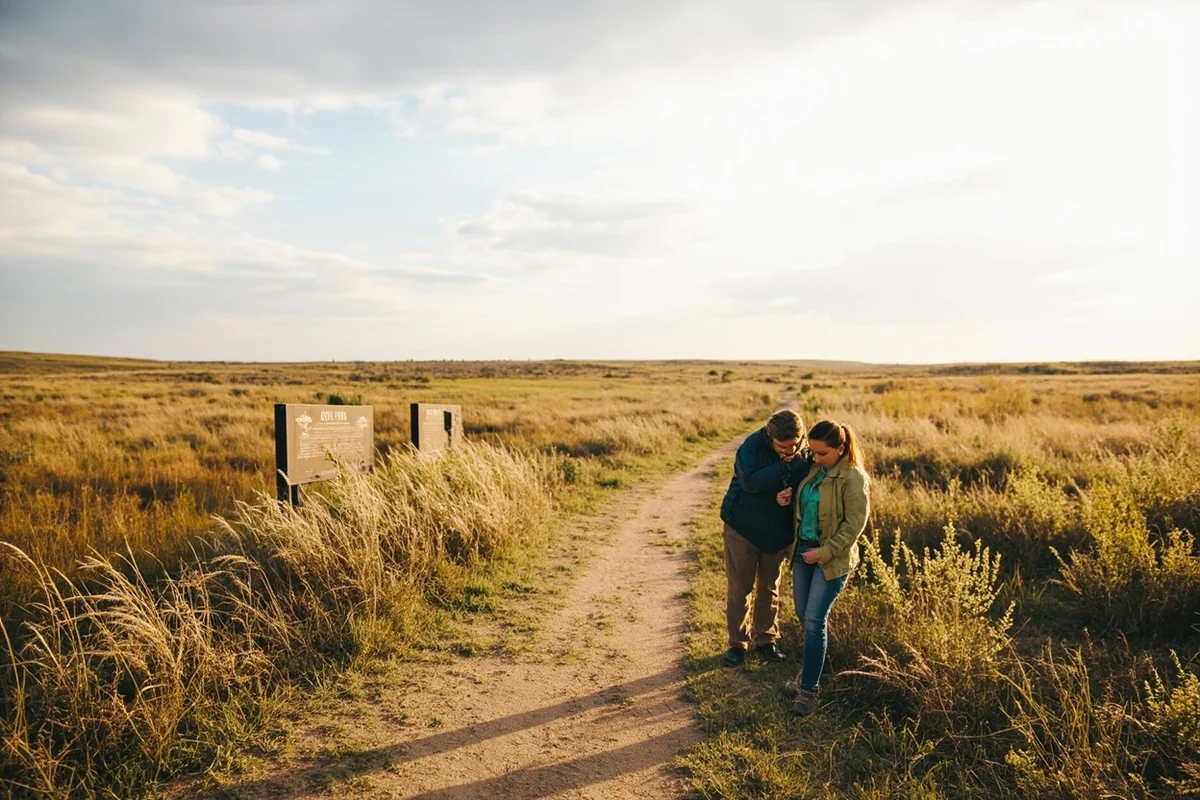
The interpretive trail is about 1.5 miles round trip and largely flat — accessible for most visitors. There are no facilities at the battlefield itself, so fuel up and use restrooms before you leave Havre or Chinook.
Beaver Creek County Park: Bigger Than You Think
Most travelers don’t know that Beaver Creek County Park, located about 10 miles south of Havre in the Bear Paw Mountains, is one of the largest county parks in the United States at roughly 10,000 acres. That statistic still catches people off guard when they first hear it.
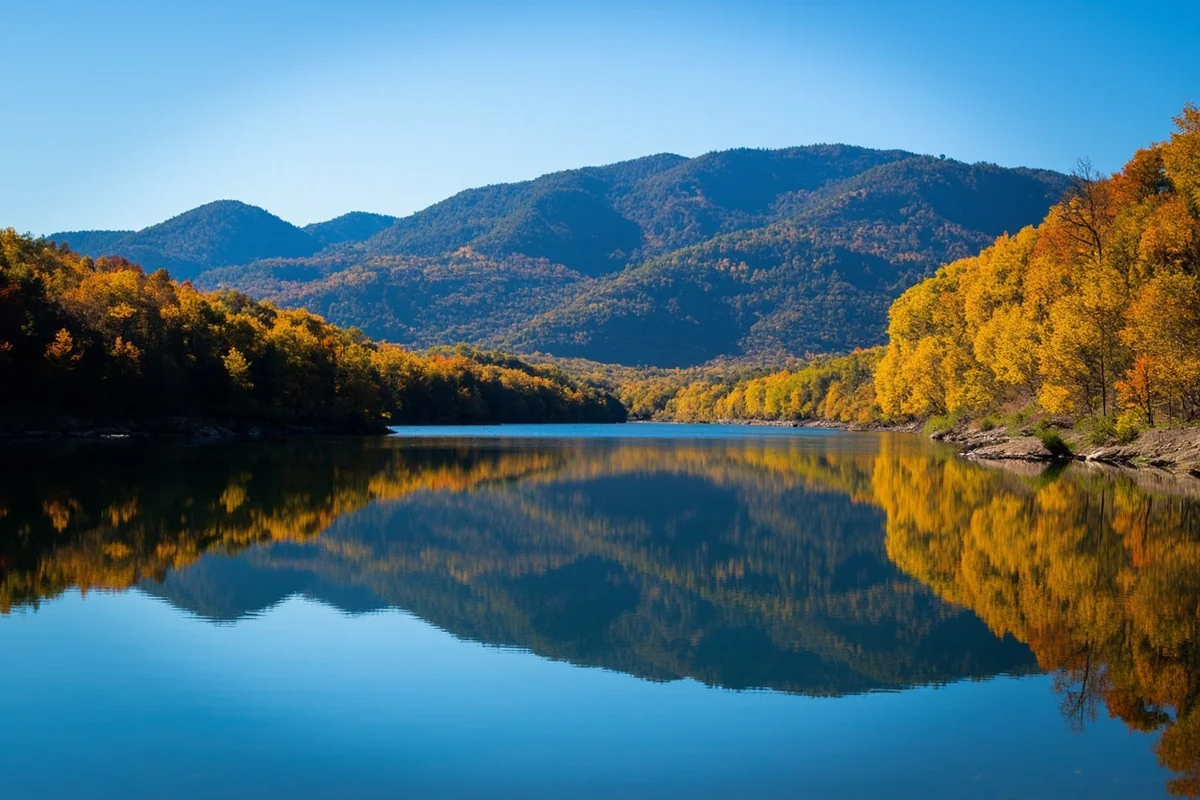
The park offers two reservoirs (Beaver Creek Lake and Lake Elwell), hiking trails, fishing, and some genuinely beautiful forested terrain that feels worlds away from the open prairie just north of town. In fall, the cottonwoods and aspens turn in a way that rivals anything in more famous parts of the state.
Camping here is popular with locals, and sites book up on summer weekends. Arriving on a Thursday rather than a Friday gave me a much better pick of spots on my last visit — a small logistical win that made a real difference.
What to Do at Beaver Creek Park
- Fishing: Both lakes are stocked, and walleye, rainbow trout, and northern pike are all realistic catches. According to Montana Fish, Wildlife & Parks, a valid Montana fishing license is required for anyone 12 and older.
- Hiking: Trails range from easy lakeside walks to longer routes into the Bear Paw foothills. The terrain shifts noticeably as you gain elevation — the transition from prairie to pine is quick and satisfying.
- Birdwatching: The creek corridor is excellent habitat. On a single morning walk last September, a mix of warblers, raptors, and shorebirds turned up without much effort.
- Swimming: Designated areas at the reservoirs see heavy local use in July and August. Water temperatures are cool but manageable by mid-summer.
Rocky Boy’s Indian Reservation
The Rocky Boy’s Indian Reservation is home to the Chippewa Cree people and is located in the Bear Paw Mountains within Hill County. It’s the smallest reservation in Montana by land area, but it carries a rich cultural identity and a deeply resilient community history.
Visitors should approach with genuine respect and an understanding that this is sovereign land with its own governance, culture, and protocols. The reservation is not a tourist destination in the packaged sense — but the annual Chippewa Cree Powwow, typically held in August, is open to the public and offers an authentic cultural experience that few visitors to Montana ever seek out.
If the powwow is on your radar, confirm dates directly with the Rocky Boy Agency before planning your trip, as scheduling can shift year to year.
Havre as a Base: Eating, Sleeping, and Getting Around
Havre is a functional, unpretentious town of around 9,000 people, and it punches above its weight when it comes to visitor amenities for a Hi-Line community.
Where to Stay in Havre
Accommodation options are mostly national chains and independent motels, with rates generally ranging from roughly $90–$180 per night depending on season and property. Summer weekends and local events can push rates toward the higher end, so booking a few days ahead is smart.
The Havre Super 8, AmericInn, and a handful of independent properties cover the range from budget to mid-tier comfortable. Don’t expect boutique hotel experiences here — but the rooms are clean, the staff are genuinely friendly, and the location keeps you central to everything.
Where to Eat in Havre
- Havre Depot Restaurant & Bar: Housed in a converted railroad depot, this is the most atmospheric dining option in town. Steaks and comfort food dominate the menu, and portions lean generously toward the Montana standard.
- Andy’s Supper Club: A local institution that’s been feeding Havre residents for decades. The kind of place where the regulars know the waitstaff by name — and they’ll treat you just as well.
- Several breakfast diners along 1st Street: Early mornings in Havre reward the visitor who gets up and finds a local diner. Coffee arrives fast, the portions are large, and you’ll overhear more authentic Montana conversation than anywhere else in town.
Seasonal Guide: When to Visit Hill County
| Season | Weather | Best For | Watch Out For |
|---|---|---|---|
| Spring (April–May) | Variable, 40–65°F, muddy at times | Wildlife activity, fewer crowds | Road closures, unpredictable snow |
| Summer (June–August) | Warm to hot, 70–90°F, dry | Beaver Creek Park, powwow, outdoor activities | Afternoon thunderstorms, busy campgrounds |
| Fall (September–October) | Cool and crisp, 45–65°F | Foliage, fishing, birdwatching, quieter trails | Early frost possible by mid-October |
| Winter (November–March) | Cold and harsh, -10 to 30°F | True Montana solitude, snowshoeing in the Bear Paws | Blizzard conditions, limited services |
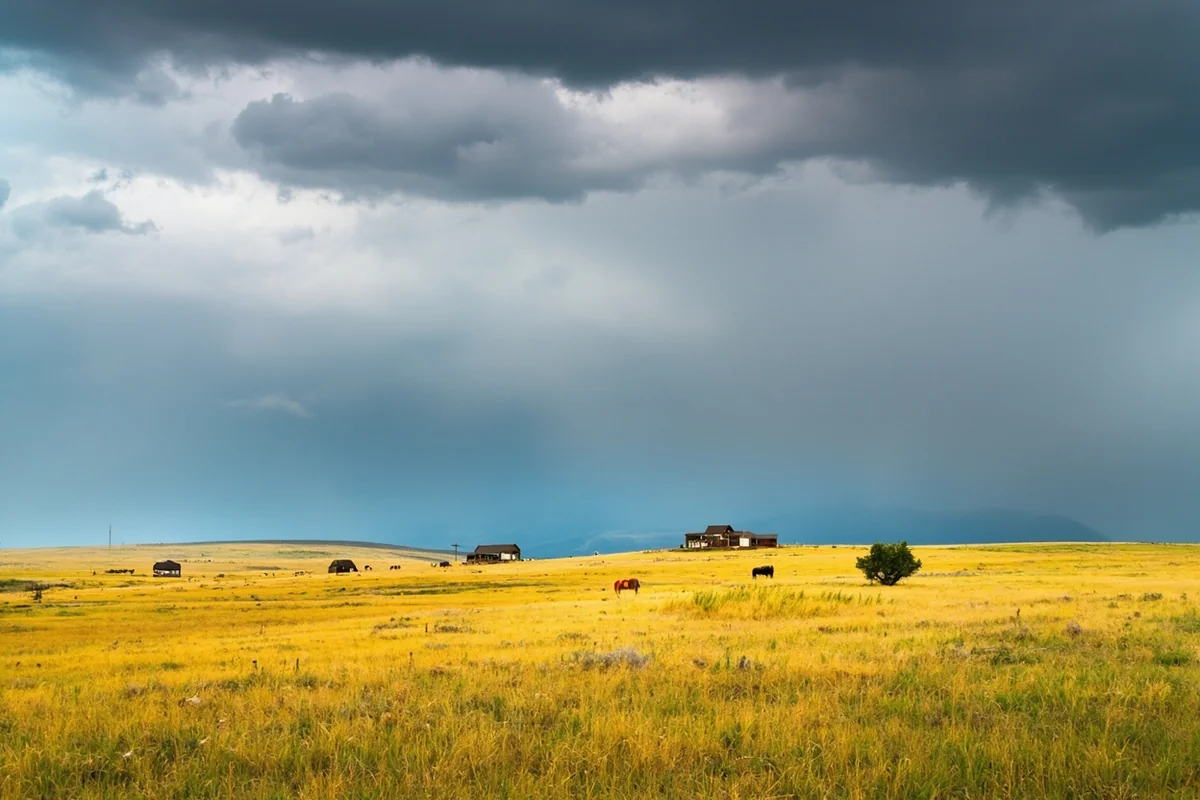
Montana’s Hi-Line is not a forgiving climate, and Hill County gets full exposure to whatever the north winds bring down from Canada. For most travelers, late May through September hits the sweet spot. That said, there’s something genuinely compelling about an early October visit when the crowds have gone and the light turns golden — it’s one of those experiences that feels earned.
For more on how Montana temperatures vary by region, the warmest places in Montana guide gives useful seasonal context before you pack.
What Most Visitors Get Wrong About Hill County
Underestimating distances. The county looks manageable on a map, but roads between key sites cover real ground. Driving from Havre down to Bear Paw Battlefield and then looping through the Bear Paw Mountains to Beaver Creek Park is a half-day commitment minimum, not a quick loop.
Skipping the local history context. Visitors who rush through Havre Beneath the Streets without doing any background reading often miss the layers of what they’re seeing. Even 20 minutes reading about Hi-Line history before the tour changes the entire experience.
Ignoring the weather. A crystal-clear morning on the Hi-Line can become a severe thunderstorm warning by 2 p.m. in July. The Montana bug season guide also has useful notes on what to expect across the warmer months — mosquitoes around Beaver Creek Lake can be brutal from late June through July, and most visitors aren’t prepared.
Assuming there’s nothing here. This is the big one. Hill County doesn’t have the marketing budget of Glacier or Yellowstone, and it doesn’t need it. The payoff for travelers willing to engage authentically with the place is substantial.
Day Trips and Nearby Counties Worth Combining
Hill County sits at the heart of a genuinely rich corridor of Hi-Line exploration. Neighboring counties each add a different dimension to a longer trip.
Blaine County to the east includes both Bear Paw Battlefield and the Fort Belknap Indian Reservation — a natural extension of a history-focused road trip. To the west, Glacier County eventually brings you into one of Montana’s most dramatic landscapes. Serious explorers of the Hi-Line should also look at Chouteau County, which anchors the south side of the Hi-Line corridor with its own compelling frontier history.
For a broader sweep of the state, Cascade County (home to Great Falls) sits a few hours to the southwest and makes a logical bookend to a Hi-Line route that starts or ends in Hill County.
Wildlife and Nature: What You Can Realistically Expect to See
The Bear Paw Mountains — a small, isolated range rising from the surrounding prairie — create a pocket of forested habitat that supports a surprisingly diverse range of wildlife for a county most people associate purely with flat open plains.
Mule deer are extremely common throughout the county, particularly in the Beaver Creek drainage. White-tailed deer share the creek bottoms. Pronghorn antelope dot the open prairie, especially south and east of Havre along Highway 2. Raptors — including ferruginous hawks, Swainson’s hawks, and golden eagles — are present in numbers that would impress even experienced birders from other regions.
Elk move through the Bear Paws seasonally, though sightings require some effort and the right timing. On my September visit, fresh elk sign was abundant along the upper creek trails, but actually seeing them required an early start — the trailhead at first light, not mid-morning.
Understanding the Hi-Line Landscape
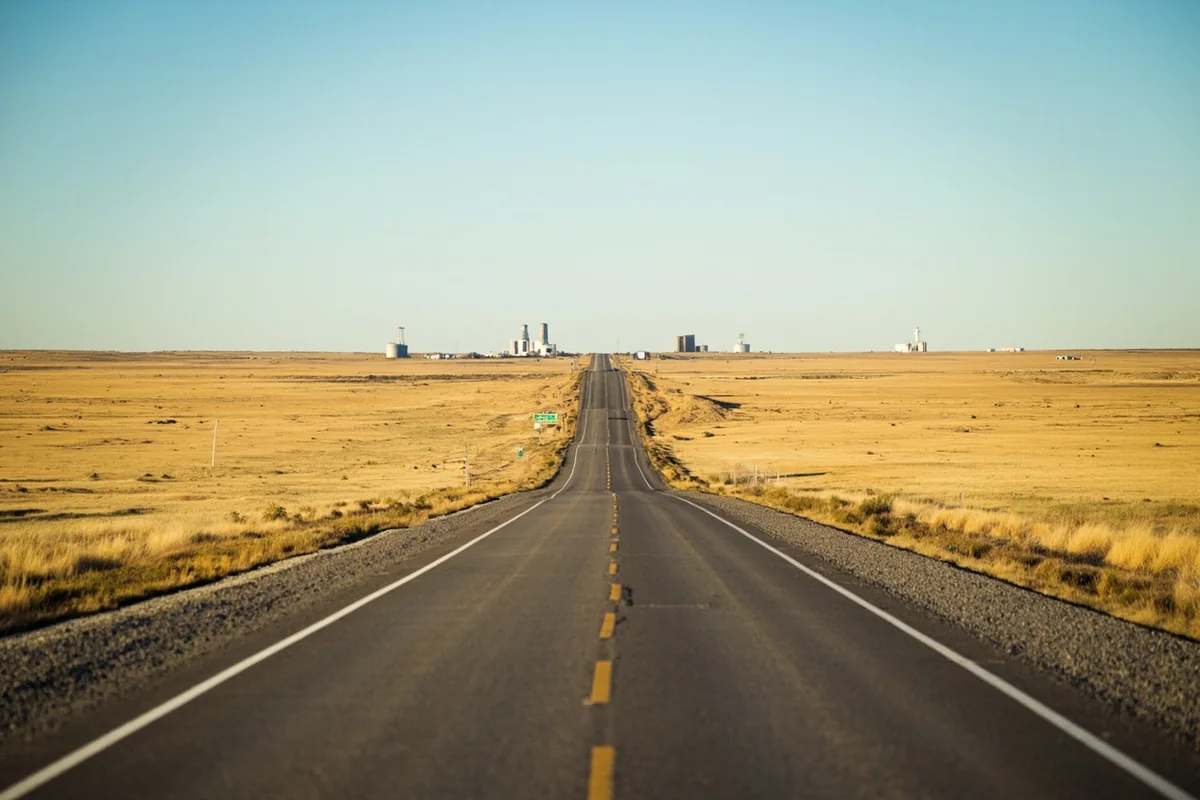
There’s a common misconception that the Montana Hi-Line is just flat, featureless prairie — boring scenery you have to endure to get somewhere more interesting. That misses what makes this landscape remarkable.
The scale here is genuinely hard to comprehend until you’re in it. The sky dominates everything. On a clear day, the Rocky Mountain Front is visible to the southwest, the Canadian prairie rolls north into infinity, and the Bear Paw Mountains rise abruptly from the plains like an island of trees. It’s the kind of landscape that makes you recalibrate your sense of space.
This connects to the broader question of what defines Montana’s varied terrain — a topic explored well in the Is Montana High Desert guide, which covers the regional geography distinctions that help visitors understand why different parts of the state feel so radically different.
Exploring Beyond Hill County: Building Your Route
A Hill County trip pairs naturally with several other Montana destinations worth knowing about. If you’re traveling the full Hi-Line, counties like Daniels County and Dawson County further east round out the experience of Montana’s northern tier.
Travelers who prefer to anchor their trip around a major natural landmark might route through Flathead County — though be prepared for a significant shift in both scenery and visitor numbers heading west from Havre. It’s worth checking the Montana mountain ranges overview to understand how the Bear Paws fit into the state’s broader geography before you plan.
Essential Practical Information
| Detail | Information |
|---|---|
| County Seat | Havre |
| Population (approx.) | ~16,000 (county-wide) |
| Main Highway | US Highway 2 (east-west) |
| Nearest Major Airport | Great Falls International (~115 miles southwest) |
| Havre City Airport | Small regional flights available — check availability seasonally |
| Amtrak Access | Yes — Empire Builder stops in Havre |
| Cell Coverage | Reliable in Havre; spotty in rural and Bear Paw areas — download offline maps |
| Gas Stations | Multiple in Havre; limited elsewhere — fill up before heading south |
| Best Time to Visit | Late May through September |
What to Pack for a Hill County Trip
- Layers: Even in summer, mornings and evenings on the Hi-Line can be genuinely cold. A light insulating layer and a wind-resistant shell are non-negotiable.
- Sun protection: The prairie sun is intense. Sunscreen, sunglasses, and a wide-brim hat matter more here than many visitors expect.
- Insect repellent: Essential from late June through July around Beaver Creek and the lakes.
- Offline maps: Cell signal drops in the Bear Paw Mountains and along rural routes. Download your maps before leaving Havre.
- Sturdy footwear: The underground tour, hiking trails, and battlefield walks all call for closed-toe, supportive shoes.
- Cash: Several local businesses and campground self-pay stations don’t take cards reliably.
Final Thoughts
Hill County is one of those Montana destinations that doesn’t try to impress you — it just does. There’s no elaborate tourism infrastructure, no polished visitor center lobby, no line of tour buses outside the main attraction. What you get instead is a genuinely lived-in landscape with layers of history, accessible nature, and the kind of unhurried pace that’s increasingly hard to find in the more well-known corners of Big Sky Country.
The underground tour alone is worth the detour from wherever you’re heading. Add Beaver Creek Park for a couple of nights of camping, work in an early morning walk to Bear Paw Battlefield, and you have the bones of a trip that most travelers will still be talking about years later. What surprised me most, across multiple visits, was how consistently the county delivered — not through spectacle, but through authenticity.
If you’re mapping out a broader Montana adventure, treat Hill County not as a pass-through but as a destination in its own right. The Hi-Line has its own rhythm, and Hill County is one of the best places in Montana to find it.
How We Researched This Guide
This guide is based on multiple visits to Hill County across different seasons, including late summer and early fall trips that allowed firsthand exploration of Havre Beneath the Streets, Beaver Creek County Park, and the roads connecting the county’s key sites.
Information was verified with the Havre Area Chamber of Commerce, Montana Fish, Wildlife & Parks (for licensing and wildlife data), the National Park Service (for Bear Paw Battlefield details), and Hill County’s own public land records.
Conversations with local business owners, campground hosts, and longtime Havre residents helped add the kind of practical, on-the-ground detail that no official source provides on its own.
Frequently Asked Questions
What is Hill County, Montana best known for as a travel destination?
Hill County is best known as home to Havre, a small city with a surprisingly rich history rooted in railroad culture, Native American heritage, and frontier life. The underground city of Havre Beneath the Streets is one of the most unique attractions in all of Montana, offering guided tours through tunnels that once served as a hidden commercial district. The region also sits near the Bear Paw Battlefield, a National Park Service site marking the final surrender of Chief Joseph and the Nez Perce.
When is the best time to visit Hill County, Montana?
The best time to visit Hill County is late spring through early fall, roughly May through September, when temperatures are mild and roads are accessible. July and August bring the warmest weather, with highs typically in the 80s°F, making it ideal for outdoor exploration along the Milk River and nearby Beaver Creek Park. Winter visits are possible but expect cold temperatures well below freezing and potential road closures, so pack accordingly.
How far is Hill County, Montana from major US cities and how do I get there?
Hill County sits in north-central Montana along US Highway 2, roughly 110 miles east of Glacier National Park and about 260 miles northeast of Great Falls. The nearest commercial airport is in Great Falls, though many travelers fly into Billings or even Calgary and drive north. Renting a car is strongly recommended since public transportation options in this part of rural Montana are extremely limited.
What are the top things to do in Hill County, Montana for first-time visitors?
First-time visitors should not miss the Havre Beneath the Streets tour, which costs around $12–$15 per adult and offers a fascinating look at the underground town built after a devastating fire in 1904. The H. Earl Clack Memorial Museum covers regional history and features a genuine homesteader cabin on its grounds. Just south of Havre, Beaver Creek County Park spans nearly 10,000 acres and is perfect for hiking, fishing, and camping in a beautifully rugged landscape.
Is Hill County, Montana worth visiting if I’m already planning a trip to Glacier National Park?
Absolutely, especially if you have an extra day or two and want to experience authentic small-town Montana beyond the tourist crowds at Glacier. Havre is about a 2-hour drive east of the park along the Hi-Line corridor, and the Bear Paw Battlefield adds a profound historical and cultural stop to any Montana road trip itinerary. The region gives you a completely different side of Montana — wide open prairie, railroad history, and Indigenous heritage — that most Glacier visitors completely miss.
What should I budget for a trip to Hill County, Montana?
Hill County is one of the more affordable destinations in Montana, with motel rooms in Havre averaging $80–$130 per night and meals at local diners running $10–$18 per person. Beaver Creek Park campsite fees are very reasonable, typically under $20 per night for a basic site. The main paid attraction, Havre Beneath the Streets, is under $20 per adult, so a two-day trip for two people can realistically be done for $300–$500 including gas, lodging, food, and activities.
What should I pack for a trip to Hill County, Montana in summer?
Pack layers even in summer, as morning and evening temperatures in Hill County can drop into the 50s°F even when afternoons hit the 80s. Sunscreen and a wide-brim hat are essential since the high plains offer very little shade and UV exposure is intense at this latitude. If you plan to visit Beaver Creek Park or hike near the Milk River, bring insect repellent, sturdy hiking shoes, and plenty of water, as services are sparse once you leave Havre.