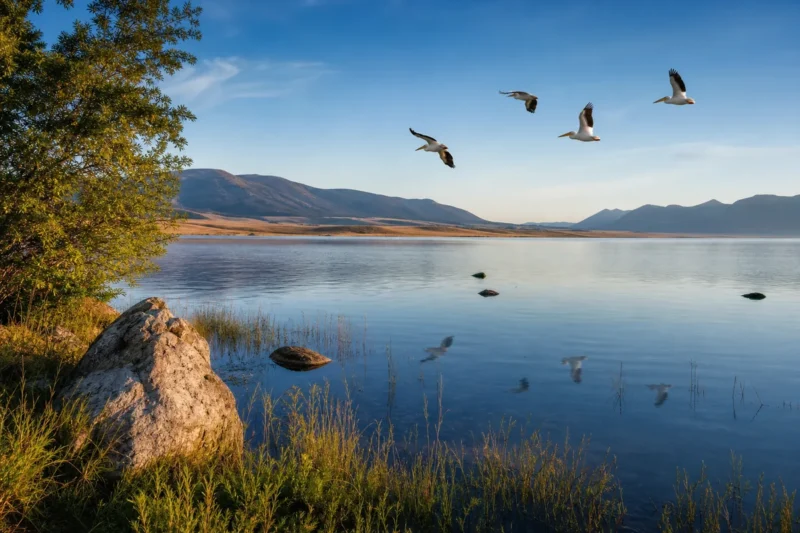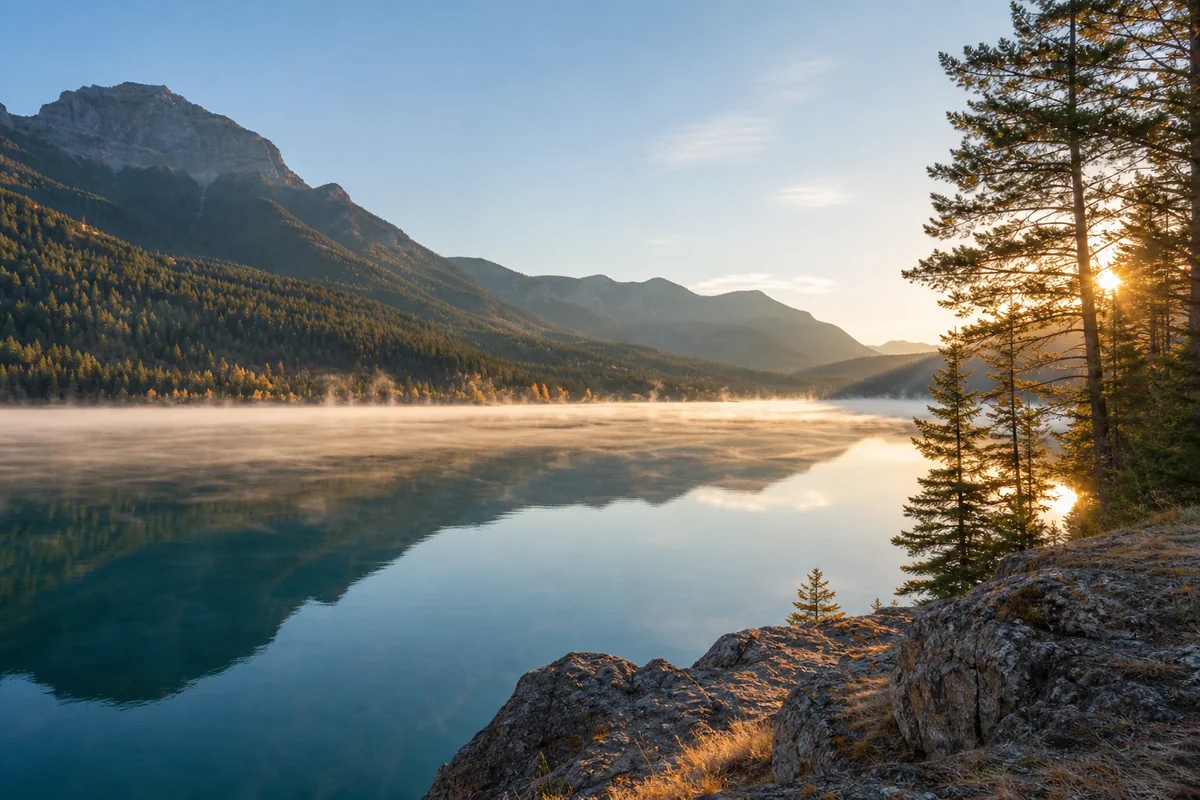
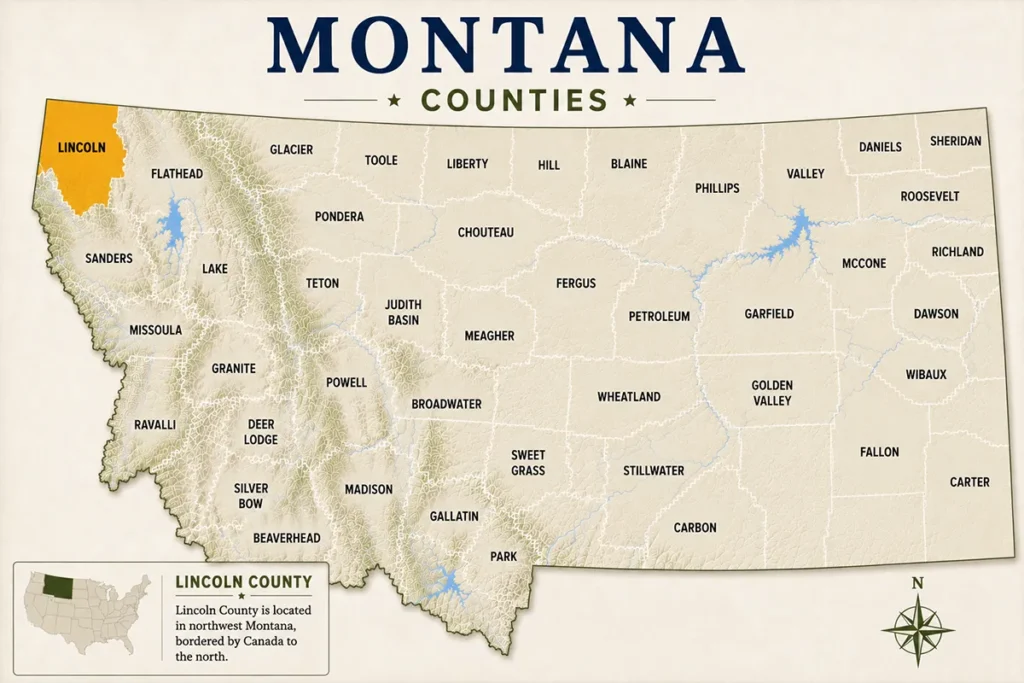
Standing at the edge of Lake Koocanusa on a still September morning, with mist curling off 90 miles of reservoir and not another soul in sight, it hit me — Lincoln County might be Montana’s most underrated destination. Part of the broader tapestry of 56 Montana Counties, this northwest corner of the state packs more raw wilderness into one stretch of land than most visitors ever expect to find.
- Lincoln County occupies Montana’s far northwest corner, bordering Canada and Idaho
- Major towns include Libby (the county seat), Troy, and Eureka
- Top draws: Cabinet Mountains Wilderness, Lake Koocanusa, Kootenai Falls, and world-class fishing
- Best visited June through September, but winter offers snowmobiling and cross-country skiing
- A genuine off-the-beaten-path alternative to crowded Glacier and Yellowstone
- Wildlife encounters — including bears, wolves, and moose — are genuinely common here
Liked this article?
Add Roaming Montana as a preferred source so you see more of our articles and guides on Google.
Where Is Lincoln County?
Lincoln County sits at the very top-left corner of Montana’s map, wedged between the Canadian border to the north, Idaho to the west, and Flathead County to the east. It’s geographically remote by any standard — the nearest major city, Missoula, is roughly 150 miles away on winding mountain roads.
The county covers about 3,675 square miles, almost entirely blanketed by the Kootenai National Forest. Unlike some of Montana’s eastern counties that spread across open prairie, Lincoln County is defined by peaks, river valleys, and dense coniferous forest that feels almost primordial.
What surprises many first-time visitors is the scale of what’s here. The county is larger than Delaware and Rhode Island combined, yet home to fewer than 20,000 people — meaning you genuinely have this wilderness largely to yourself.
The Towns of Lincoln County
Libby
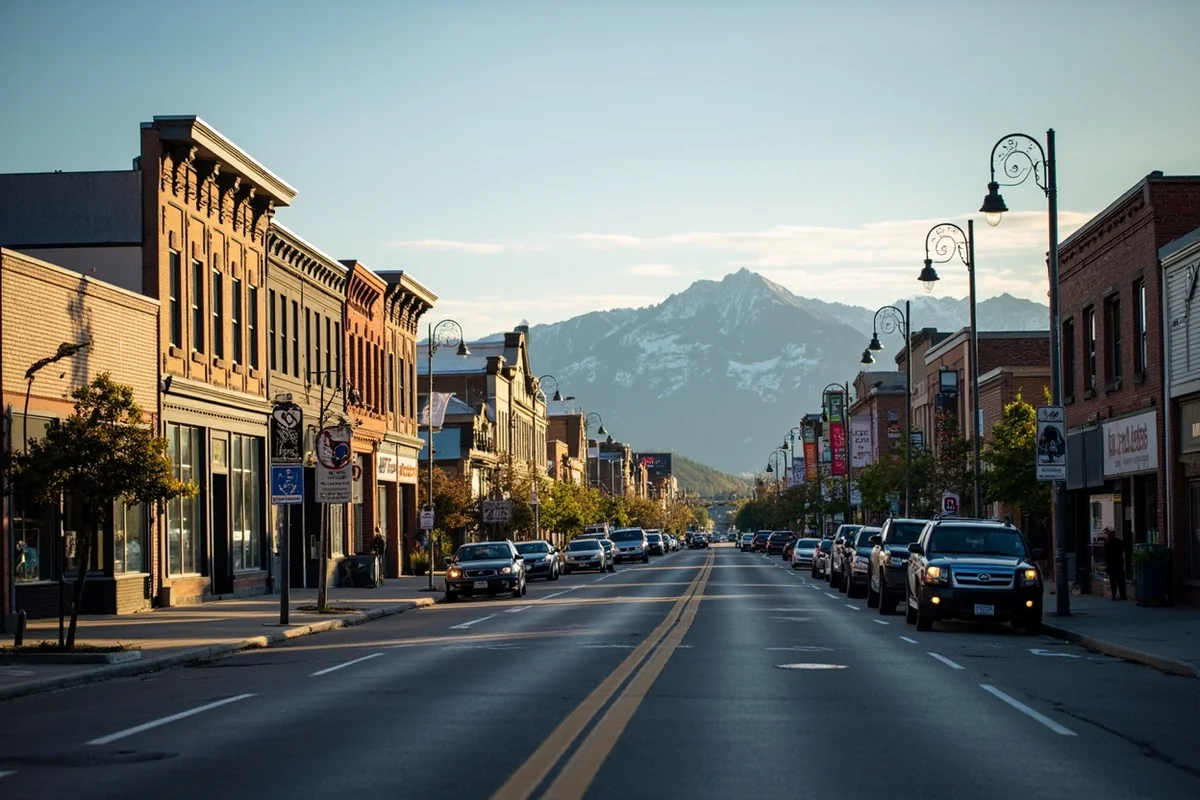
Libby is the county seat and the largest town, with a population hovering around 2,800. It sits along the Kootenai River and serves as the practical base camp for most visitors exploring the region.
The town has a working-class, frontier character that feels authentic rather than curated for tourists.
You’ll find solid diners, a handful of motels, a well-stocked hardware store, and locals who will happily point you toward fishing holes that don’t appear on any map. Read more about the town of Lincoln in our dedicated guide.
One thing worth knowing: Libby carries a complicated recent history tied to the W.R. Grace vermiculite mine and the asbestos contamination it left behind. The EPA has been involved in cleanup efforts for decades, and the story is part of what shaped modern Libby.
It doesn’t affect visitors today, but understanding it gives you a deeper respect for what this community has endured.
Troy
Troy is the second-largest town in the county, located about 18 miles west of Libby near the Idaho border. It’s smaller and quieter, with fewer than a thousand permanent residents, but it sits in a stunning position along the Kootenai River just downstream from Kootenai Falls.
Troy is a good base if you want immediate access to the falls and the river without paying Libby motel prices. It’s also where you’ll find the Cabinet Mountains rising steeply to the east — the views from town on a clear morning are genuinely arresting.
Eureka
Eureka anchors the northern end of the county, about 60 miles from Libby and just 8 miles from the Canadian border at Roosville. It’s a quieter, more agricultural community than Libby, with a grain elevator and a Main Street that moves at its own pace.
The Tobacco Valley around Eureka is one of the region’s quieter gems — wide farmland ringed by mountains with the Tobacco River threading through. In October, the fall colors here rival anything you’d find in New England, and almost no one shows up to see them.
Top Things to Do in Lincoln County
Cabinet Mountains Wilderness
The Cabinet Mountains Wilderness covers roughly 94,272 acres of rugged, roadless terrain southeast of Libby. According to the U.S. Forest Service, this is one of the oldest designated wilderness areas in the Northern Rockies, and it shows — the trails here feel genuinely untouched.
The signature hike is the climb to St. Paul Lake, a high alpine tarn below the sheer north face of St. Paul Peak. The trail gains significant elevation over about 4 miles, and what surprised me most was how the forest transitions so dramatically — you start in shadowy cedar-hemlock bottomland and emerge above treeline into open rock. The wildflower display in late July is extraordinary.
Snowshoe Lake and Genevieve Lake are also excellent destinations for overnight backpacking. Bear canisters are strongly recommended here; grizzly bears are present and active in the wilderness.
The Cabinet-Yaak ecosystem is one of the last remaining habitats for grizzlies in the Lower 48, and encounters, while still rare, do happen.
Kootenai Falls and Swinging Bridge
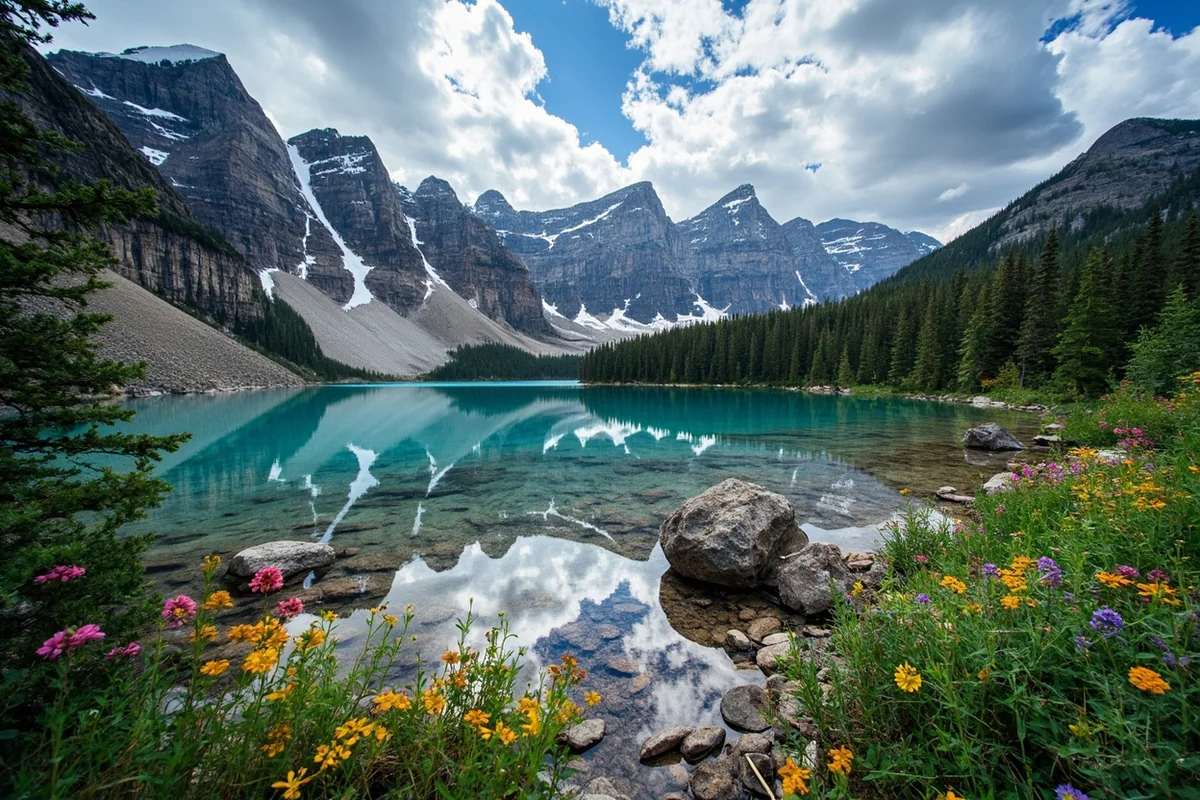
Kootenai Falls is arguably the most visually dramatic natural feature in the county, and it’s remarkably accessible — a short, flat trail from a Highway 2 pullout leads you to one of the largest undammed waterfalls in the Pacific Northwest.
The Kootenai people consider these falls sacred, and the power of the place is palpable even to first-time visitors. The water volume during spring runoff (typically May through June) is staggering. During my visit in late May, the roar was audible from the parking area.
The swinging bridge that crosses the Kootenai River nearby is a bonus — it sways convincingly underfoot, and the views upstream toward the falls and downstream into the canyon are superb. This is a genuine don’t-miss stop, and it costs nothing to visit.
Lake Koocanusa
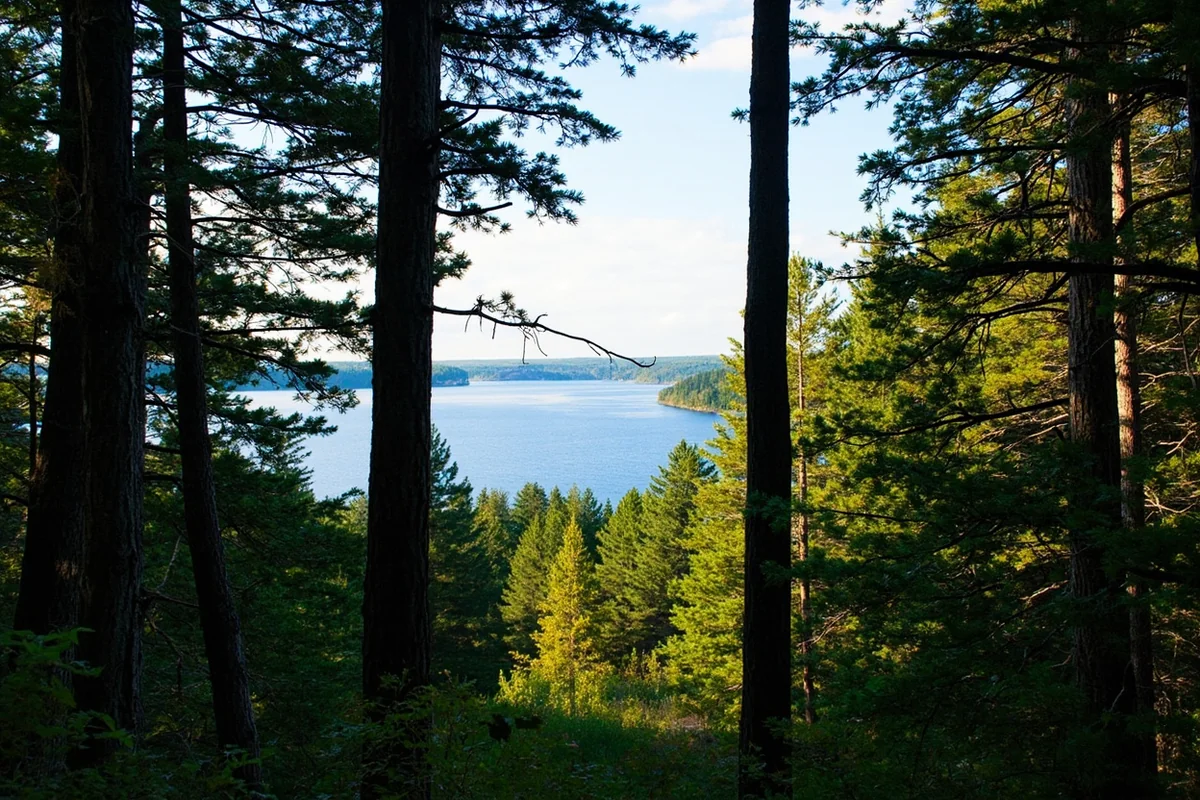
Lake Koocanusa is a 90-mile-long reservoir created by Libby Dam on the Kootenai River, stretching from just north of Libby all the way into Canada. The name is a portmanteau of “Kootenai,” “Canada,” and “USA” — a detail that amused me more than it probably should have.
The lake is a major recreational hub, with boat launches, campgrounds, and sandy beaches that feel genuinely surprising this far into the mountains. Waterskiing, kayaking, and paddleboarding are popular in summer. Fishing is excellent, with kokanee salmon, lake trout, and bull trout all present.
The Rexford Bench area on the eastern shore has the most developed camping and day-use facilities. The lake also has a long, high bridge — the Lake Koocanusa Bridge — that offers extraordinary views both north and south along the reservoir. It’s worth a deliberate stop.
Fishing the Kootenai River
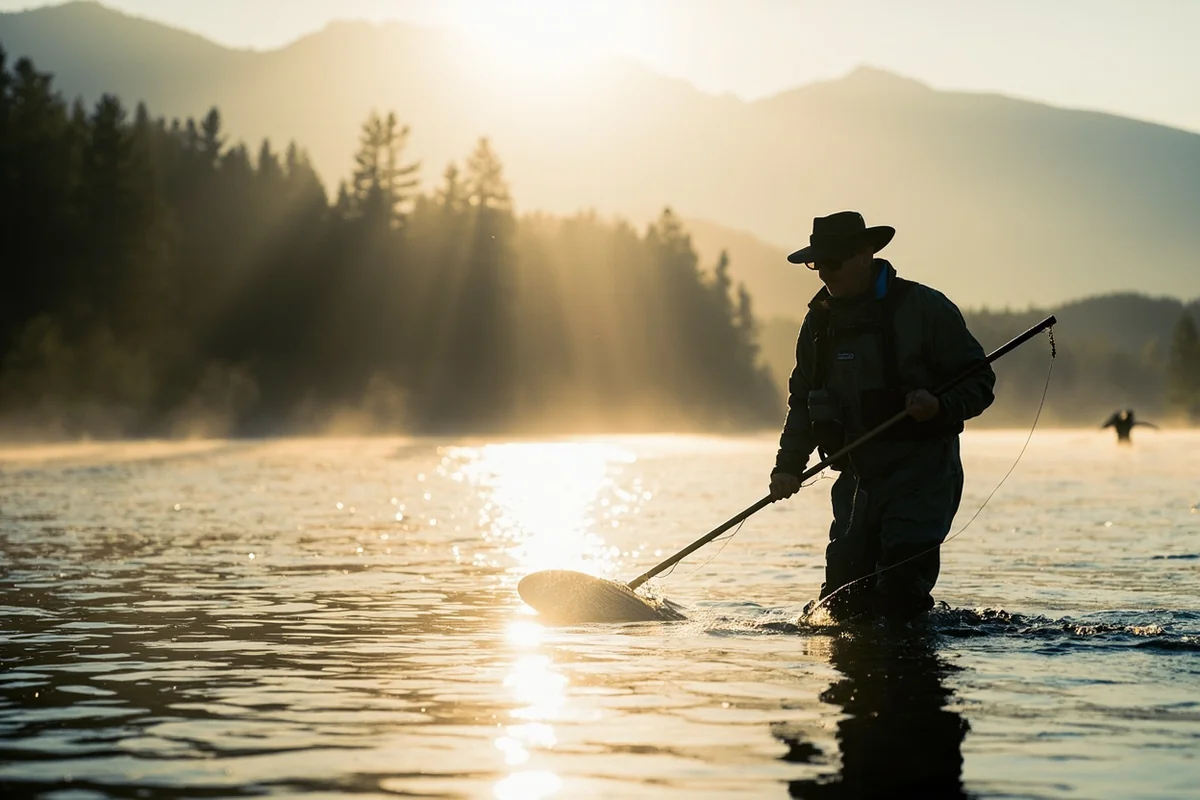
The Kootenai River below Libby Dam is nationally recognized among fly anglers for its exceptional rainbow trout fishery. According to Montana Fish, Wildlife & Parks, the tailwater section below the dam produces trophy-class fish, with rainbows exceeding 20 inches relatively common.
The catch: the river is cold year-round (tailwater temperatures stay low even in August), and wading gear is essential. The hatches can be technical, and the fish are selective. Local guide services operate out of Libby, and booking one for at least a day is genuinely worthwhile if you’re serious about the fishery — they’ll put you on fish and explain the quirks of the particular section you’re fishing.
An unexpected discovery during my visit: the early morning midge hatches in March, before most tourists arrive, produce some of the most intense feeding activity on the river. The fishing is uncrowded and the catch rates can be extraordinary if you time it right.
Hiking and Trails
Beyond the Cabinet Mountains Wilderness, Lincoln County has an extensive network of trails managed by the Kootenai National Forest. The Ross Creek Cedars Scenic Area near Troy contains old-growth western red cedars up to 175 feet tall and 12 feet in diameter — walking among them feels like entering a cathedral.
The Kootenai Falls trail system also connects to longer riverside routes that most day visitors never explore. Following the trail downstream past the falls for another mile or two brings you into a quieter canyon section that rewards the extra effort.
For easier terrain, the Ten Lakes Scenic Area near Eureka offers a cluster of subalpine lakes accessible via reasonable trails — perfect for families or hikers who want alpine scenery without a brutal elevation gain. The scenery rivals Glacier National Park at a fraction of the crowds.
Wildlife Watching
Lincoln County is one of Montana’s premier wildlife watching destinations, though it rewards patience rather than expectation. The Cabinet-Yaak Ecosystem supports grizzly bears, gray wolves, mountain lions, wolverines, Canada lynx, moose, white-tailed deer, and elk — a roster that reads like a wildlife fantasy list.
Moose sightings are relatively common in marshy areas near the Tobacco River north of Eureka, particularly in early morning and evening. White-tailed deer are practically ubiquitous — you’ll likely see them within the first hour of driving local roads.
Grizzly and wolf encounters require more luck, but the Cabinet Mountains corridor is one of the best places in the Lower 48 to increase your odds. Drive slowly on forest roads at dawn and dusk, keep binoculars handy, and don’t expect guarantees.
Suggested Itinerary
Day 1: Arriving, Kootenai Falls, and the Kootenai River
Arrive in Libby and check in to your accommodation — motels along Highway 2 are the most practical option. Head west on Highway 2 toward Troy and stop at Kootenai Falls, budget 2 hours for the falls and the swinging bridge walk. The light in the late afternoon is particularly beautiful here.
Drive into Troy for dinner, then return to Libby. If you arrive during the warmer months, an evening walk along the Kootenai River corridor near town is a worthwhile wind-down. Keep your eyes open for white-tailed deer along the road as dusk approaches.
Day 2: Cabinet Mountains and Ross Creek Cedars
Start early — the trailhead parking for Cabinet Mountains routes can fill by mid-morning in summer. Head south toward the Cabinet Mountains Wilderness for a morning hike to either St. Paul Lake or Snowshoe Lake (both require a full day, so pick one). Pack lunch and carry plenty of water.
On the way back, detour to Ross Creek Cedars near Troy — it’s about a 20-minute drive from the Cabinet Mountains approach roads. The short interpretive loop through the old-growth cedar grove takes about 45 minutes and is genuinely unmissable. Return to Libby for the evening.
Day 3: Lake Koocanusa and the Drive North to Eureka
Head north along the Koocanusa Scenic Byway (Highway 37), stopping at the Lake Koocanusa Bridge for photos and the Rexford Bench area for a picnic or kayak on the reservoir. The drive itself is one of the best in northwest Montana.
Continue north to Eureka and explore the Tobacco Valley. In summer, check whether any local events are running — Eureka hosts an annual celebration that draws the whole valley together. Drive back south through the valley as the evening light turns golden on the fields. That drive back to Libby through changing landscape is one of those Montana moments that stays with you.
Practical Information for Visitors
| Topic | Details |
|---|---|
| County Seat | Libby |
| Getting There | US Highway 2 runs east-west through the county. Closest airport is Glacier Park International (Kalispell), about 90 miles east of Libby |
| Best Time to Visit | June–September for hiking and water activities; March–April for fishing; January–February for snowmobiling |
| Cell Service | Limited to Libby, Troy, and Eureka town centers. Expect no signal on forest roads and trails |
| Gas and Supplies | Fill up in Libby before heading into the backcountry. Troy and Eureka have limited fuel options |
| Camping | Kootenai National Forest has numerous campgrounds; Lake Koocanusa sites bookable via recreation.gov |
| Wildlife Safety | Grizzly bears are present — carry bear spray and follow Leave No Trace principles |
| Visitor Information | Libby Chamber of Commerce and the Kootenai National Forest Supervisor’s Office on Highway 2 |
Where to Stay in Lincoln County
Accommodation options are honest and practical rather than luxurious. Libby has the most choices — expect to find standard highway motels and a handful of independently owned lodges. Rates generally run in the moderate range for Montana, typically lower than you’d pay in Whitefish or Kalispell, and that gap is part of the appeal.
Several vacation rental properties exist around Lake Koocanusa, and these are worth considering if you’re visiting for more than a couple of nights — having a kitchen and direct lake access changes the trip significantly. Rates vary considerably by season and lakefront proximity.
Campgrounds operated by the Kootenai National Forest represent the best-value option for outdoor-focused visitors. Sites at popular locations like McGillivray Campground on Lake Koocanusa book up quickly in July and August — reservation through recreation.gov is strongly recommended, and I’d suggest booking at least three weeks out during peak season.
What to Eat and Where
Dining in Lincoln County is unpretentious and filling. Libby has the most options — local diners serve generous portions of diner staples at prices that feel like time travel compared to what you’d pay in Bozeman or Missoula. Several solid spots line Highway 2 through town.
The best local advice I received: ask at your motel or the local hardware store where the loggers and construction crews eat breakfast. Those spots are invariably the ones with the best food and the most authentic atmosphere. That tip alone saved my trip’s morning meals.
Troy has a handful of options that cater to anglers and highway travelers. Eureka has limited choices but a small-town atmosphere that makes even a basic meal feel like a community experience.
What Most Visitors Get Wrong About Lincoln County
The most common mistake is underestimating drive times on forest roads. What looks like 20 miles on a map can take 45 minutes to an hour on unpaved logging roads with washboard surfaces and unexpected stream crossings. Always add at least 50% to your estimated road travel time once you leave the highway.
Many visitors also skip the northern part of the county entirely, treating Libby as the destination and ignoring Eureka and the Tobacco Valley. That’s a significant miss — the Ten Lakes area near Eureka and the drive along the Canadian border offer scenery that easily matches the Libby area.
Another common error: arriving without bear spray. Grizzly bears are not theoretical in Lincoln County — they are present and active. Carrying bear spray on every trail is not paranoia; it’s basic sense. The Kootenai National Forest rangers will tell you the same thing.
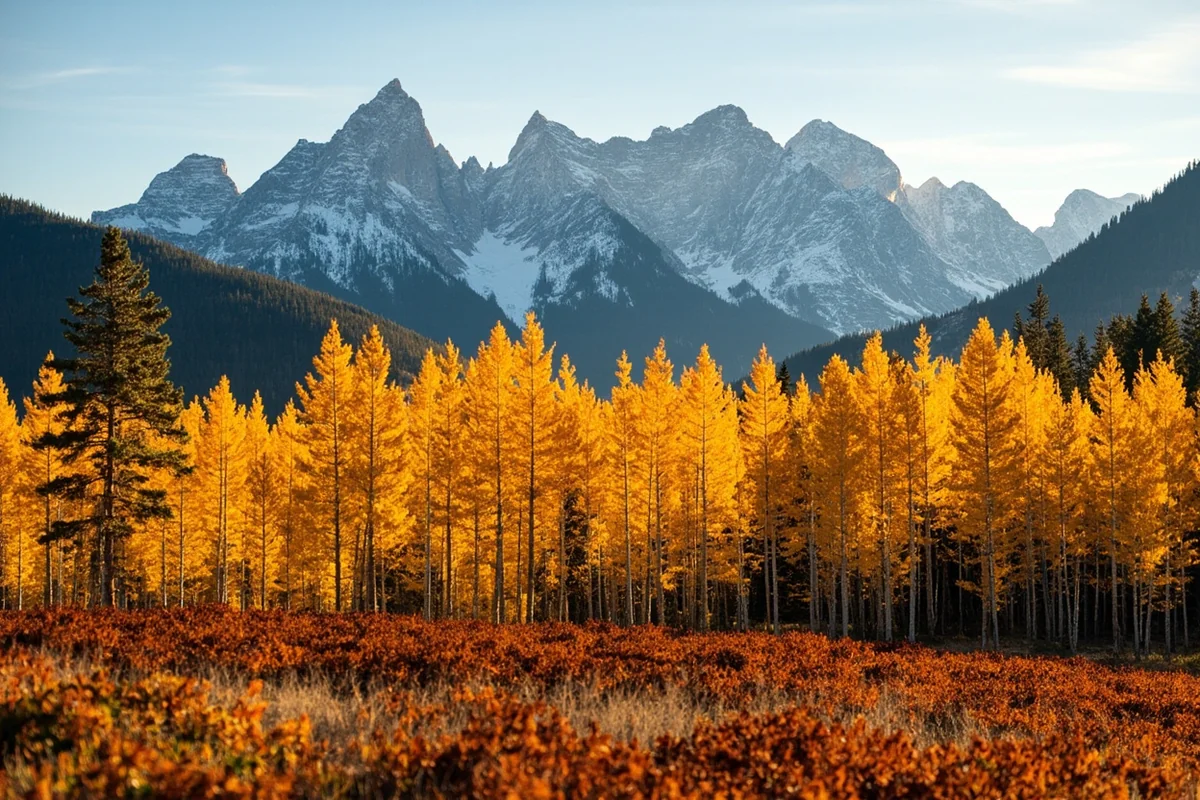
Finally, visitors often overlook the shoulder seasons. Lincoln County in October, with golden larch trees burning against dark green conifers and snowcapped peaks above, is one of the most spectacular autumn landscapes in the American West. Yet the crowds drop off sharply after Labor Day, making the experience dramatically better. The same applies to early June, when wildflowers peak and the rivers run high.
Lincoln County and Montana’s Broader Travel Context
Visitors who love Montana’s uncrowded side will find Lincoln County fits naturally alongside other lesser-known destinations. If you’re exploring northwest Montana more broadly, Flathead County to the east offers Glacier National Park access and Whitefish, though it’s considerably more developed.
For travelers building a longer Montana road trip, it’s worth comparing experiences across the state. Counties like Beaverhead County in the southwest offer a completely different landscape — wide river valleys and the Pioneer Mountains — while Carbon County near the Wyoming border brings its own dramatic mountain character.
The contrast is part of what makes Montana road-tripping so rewarding. Gallatin County and the Bozeman corridor represent Montana’s fastest-growing and most visitor-developed areas — Lincoln County is essentially the opposite of that. If you’ve been to Bozeman and wanted something rawer and less polished, this is where you come.
If you’re curious how Lincoln County fits into broader Montana growth patterns, our look at Montana’s fastest-growing cities and counties gives useful context — Lincoln County notably bucks the growth trend, remaining one of the state’s quieter corners.
For those planning a deeper exploration of Montana’s counties, guides like Glacier County and Cascade County round out the northwestern Montana picture nicely.
Winter in Lincoln County
Winter transforms Lincoln County into a different kind of destination. Snowfall is reliable and substantial — Libby typically receives 50–70 inches of snow annually, and the mountains receive considerably more.
Snowmobiling is popular throughout the county, with extensive groomed and ungroomed routes through the Kootenai National Forest. The Turner Mountain ski area near Libby offers a refreshingly uncrowded alpine skiing experience — a small, family-run hill with genuine terrain and lift tickets that cost a fraction of what you’d pay at major Montana resorts.
Cross-country skiing and snowshoeing routes thread through the forest near all three major towns. The Ten Lakes Scenic Area near Eureka offers particularly good snowshoe terrain on clear winter days.
One genuine winter-specific discovery: the Kootenai Falls in winter, partially frozen but still roaring beneath ice shelves, is one of the most dramatic natural sights in the state. The trail remains accessible most winters with basic traction devices — microspikes are sufficient.
Final Thoughts
Lincoln County rewards the visitors who choose it deliberately, not the ones who stumble through on the way to somewhere else. If you come expecting the amenities of Glacier or Yellowstone, you’ll be disappointed. But if you come for raw wilderness, exceptional fishing, genuine solitude, and landscapes that feel like they belong to another era, you’ll leave wondering why you didn’t come sooner.
What stays with me most from time spent in this county isn’t any single attraction — it’s the cumulative weight of the quiet. Standing in the Ross Creek cedars, wading the Kootenai in early spring, watching morning mist burn off Lake Koocanusa with no one around — these are experiences that feel increasingly rare in American travel.
Plan at least three days, bring bear spray, leave your expectations for luxury behind, and give yourself enough time to get genuinely lost in the Kootenai National Forest. Lincoln County will do the rest.
How We Researched This Guide
This guide is based on multiple visits to Lincoln County across different seasons, including late spring, late summer, and early autumn trips that allowed firsthand comparison of conditions, crowds, and access.
Key attractions including Kootenai Falls, the Cabinet Mountains Wilderness, Lake Koocanusa, and the Ross Creek Cedars were explored in person, and fishing conditions on the Kootenai River were assessed with input from local guide services operating out of Libby.
Information on wildlife, trail conditions, and camping was cross-referenced with the Kootenai National Forest Supervisor’s Office, Montana Fish, Wildlife & Parks, and the Libby Area Chamber of Commerce. Campground booking details were verified via recreation.gov at the time of writing.
Frequently Asked Questions
What is the best time of year to visit Lincoln County, Montana?
The best time to visit Lincoln County is from late June through early September, when mountain roads are clear, hiking trails are accessible, and Kootenai Falls and other natural attractions are at their most stunning. If you enjoy winter sports, December through February offers excellent snowmobiling and skiing near Whitefish and Libby. Fall, particularly September and October, is a hidden gem for leaf-peeping and avoiding summer crowds.
What are the top things to do in Lincoln County, Montana?
Lincoln County is an outdoor lover’s paradise, with highlights including the dramatic Kootenai Falls and its swinging suspension bridge near Libby, fishing and kayaking on Lake Koocanusa, and hiking in the Cabinet Mountains Wilderness. The town of Libby also offers unique stops like the Heritage Museum and access to the Kootenai National Forest, which covers a huge chunk of the county. Wildlife watching for grizzly bears, moose, and bald eagles is genuinely world-class here.
How far is Lincoln County, Montana from major US cities?
Lincoln County is located in the far northwest corner of Montana, making it a longer drive from most major cities. It’s roughly 380 miles from Spokane, Washington, about 520 miles from Seattle, and around 2,300 miles from Chicago. The nearest commercial airport is Glacier Park International Airport in Kalispell, approximately 80 miles east of Libby, the county seat.
What should I budget for a trip to Lincoln County, Montana?
A mid-range traveler can expect to spend around $150–$250 per day in Lincoln County, covering a motel or cabin rental ($80–$150/night), meals ($30–$50/day), and activity fees. Many outdoor activities like hiking, wildlife viewing, and visiting Kootenai Falls are completely free, which helps stretch your budget. Campsite fees in Kootenai National Forest run as low as $10–$20 per night, making it an excellent destination for budget-conscious travelers.
What should I pack for a trip to Lincoln County, Montana?
Pack layers regardless of the season, since mountain weather in Lincoln County can swing dramatically within a single day, with cool mornings even in July. Essentials include sturdy waterproof hiking boots, bear spray (available locally for around $40–$50 if you don’t own one), insect repellent for summer months, and a good rain jacket. If you’re visiting in winter, chains or four-wheel drive for your vehicle is highly recommended on mountain roads.
Is Lincoln County, Montana good for fishing and hunting trips?
Absolutely — Lincoln County is one of Montana’s premier destinations for fishing and hunting, with the Kootenai River offering world-class fly fishing for rainbow and brown trout, and Lake Koocanusa providing excellent kokanee salmon and lake trout fishing. Hunters flock to the area each fall for elk, white-tailed deer, and black bear seasons in the vast Kootenai National Forest. You’ll need a valid Montana fishing or hunting license, which non-residents can purchase online through Montana Fish, Wildlife & Parks starting at around $50 for a fishing license.
Are there family-friendly activities in Lincoln County, Montana?
Lincoln County is a fantastic destination for families, with easy-access nature spots like the Kootenai Falls trail (about 1.8 miles round trip) and swimming beaches along Lake Koocanusa that kids absolutely love. The Cabinet Mountains Wilderness has trails suitable for older children, and the Libby Dam offers free guided tours in summer that are both educational and impressive. Small-town Libby has a welcoming, safe feel with local diners and parks, making it easy to base yourself there for several days of family adventures.