You are currently viewing Ultimate Guide to Hiking Montana’s Lower Falls: Tips, Trails, and Hidden Gems

Ultimate Guide to Hiking Montana’s Lower Falls: Tips, Trails, and Hidden Gems

Have you ever dreamed of standing before a thundering waterfall, feeling the mist on your face as you gaze up at nature’s raw power? Montana’s Lower Falls offers exactly that awe-inspiring experience – and so much more.

This hidden gem in the northern Rockies isn’t just a scenic photo op; it’s a gateway to adventure, cultural history, and unforgettable memories. But to truly appreciate its majesty, you need an insider’s guide. Whether you’re an avid hiker, a family looking for outdoor fun, or a photographer chasing the perfect shot, this comprehensive guide will ensure your visit to Lower Falls is nothing short of spectacular.

From secret viewpoints to wildlife encounters, from seasonal considerations to cultural significance, we’ll cover everything you need to know to make the most of this natural wonder. So lace up your hiking boots and get ready to discover why Montana’s Lower Falls deserves a top spot on your bucket list.

Introduction to Montana’s Lower Falls

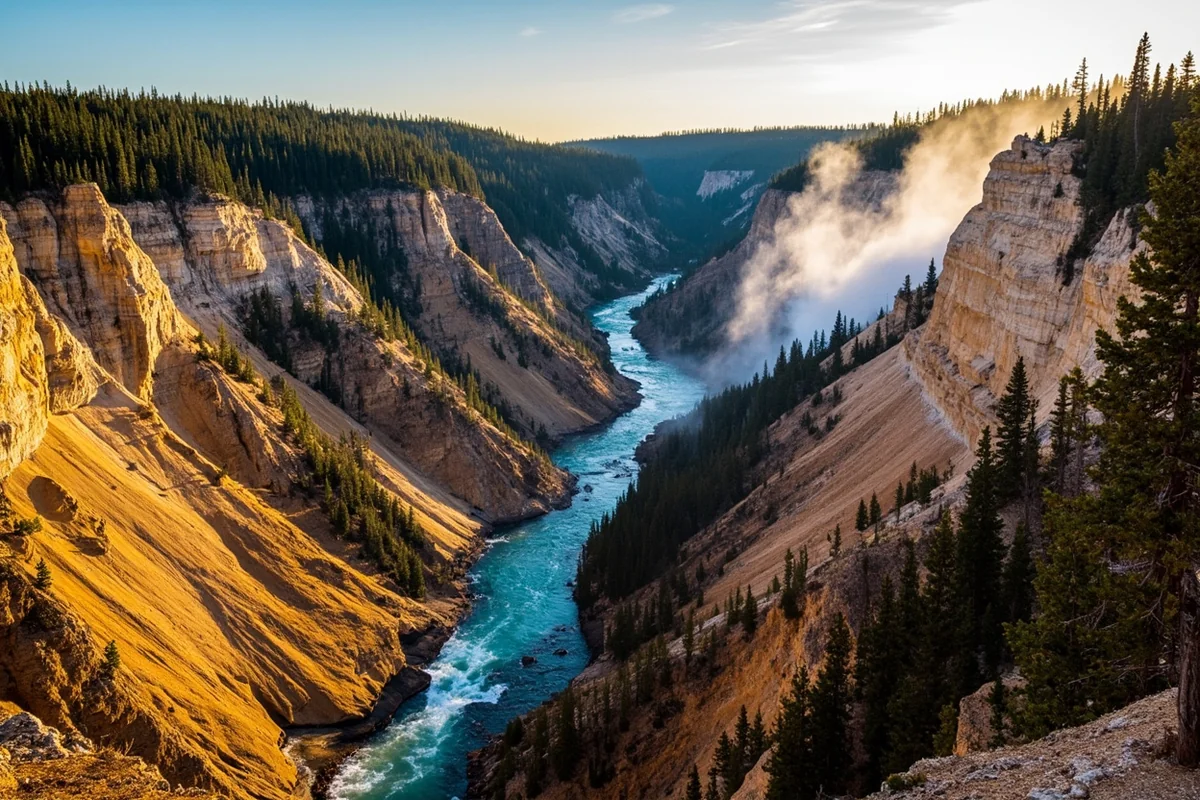
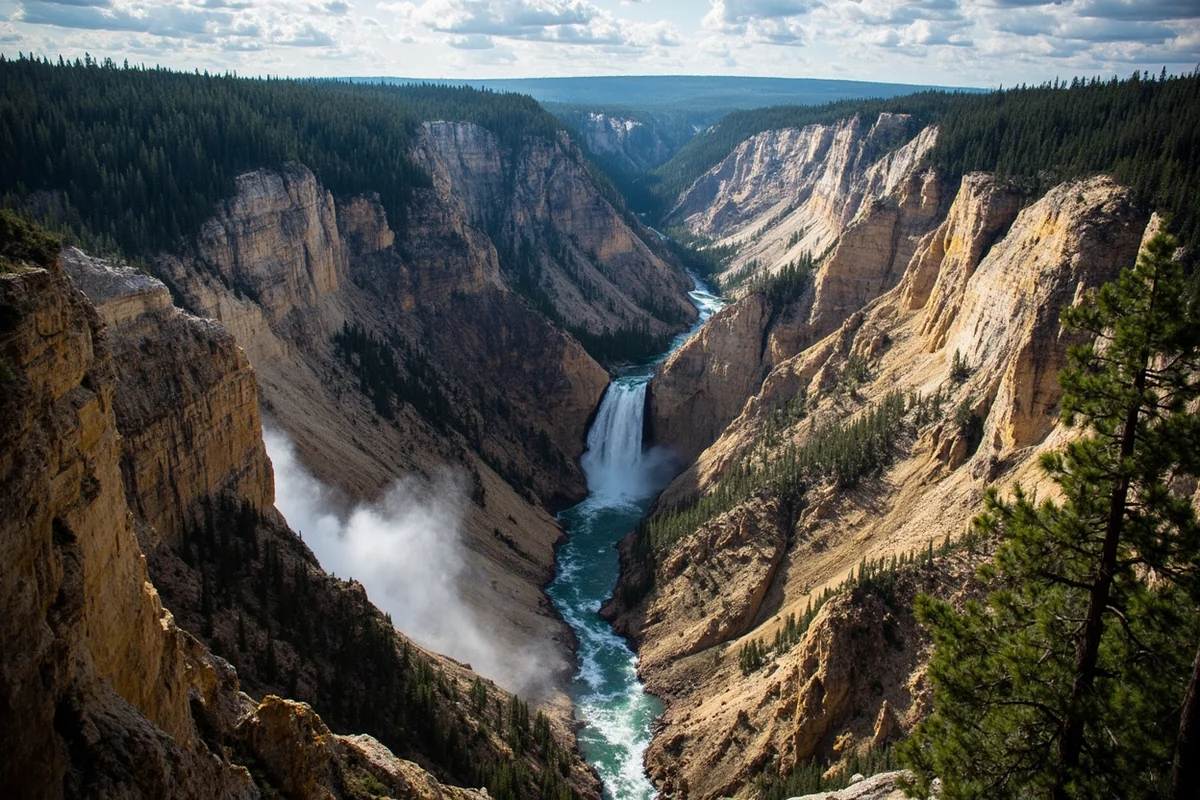
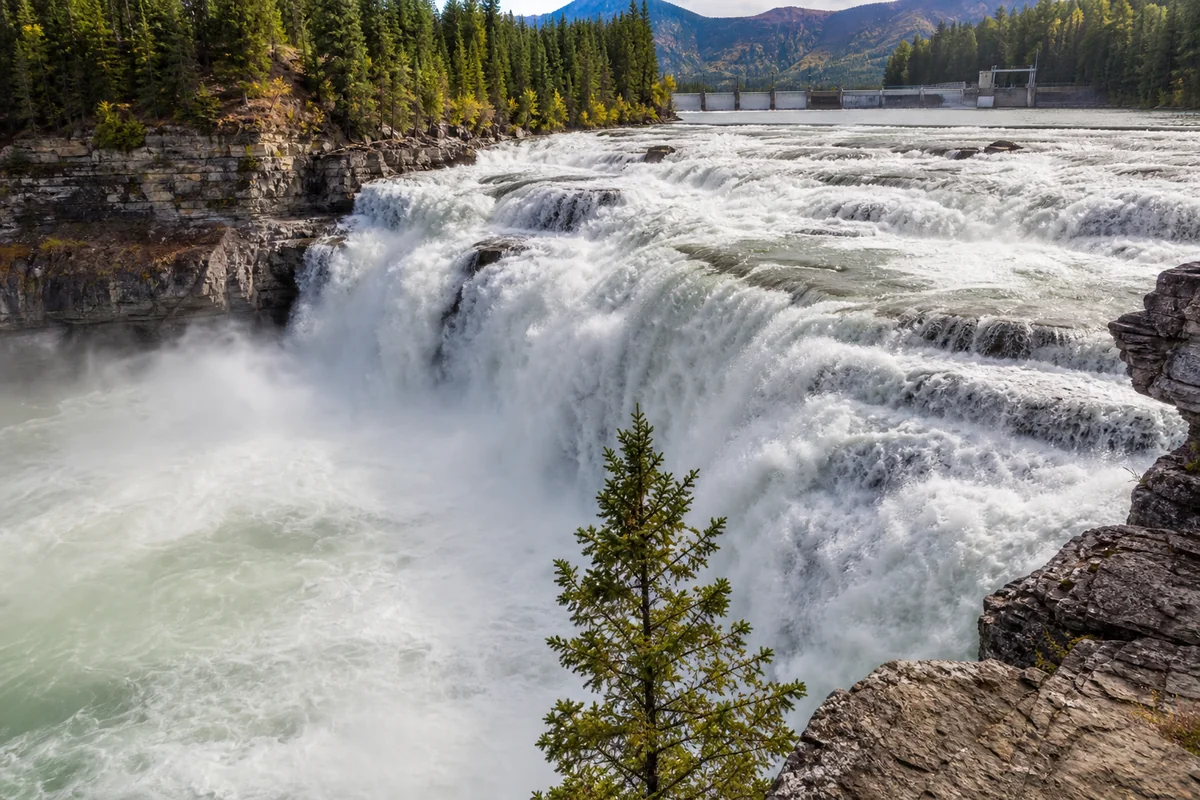
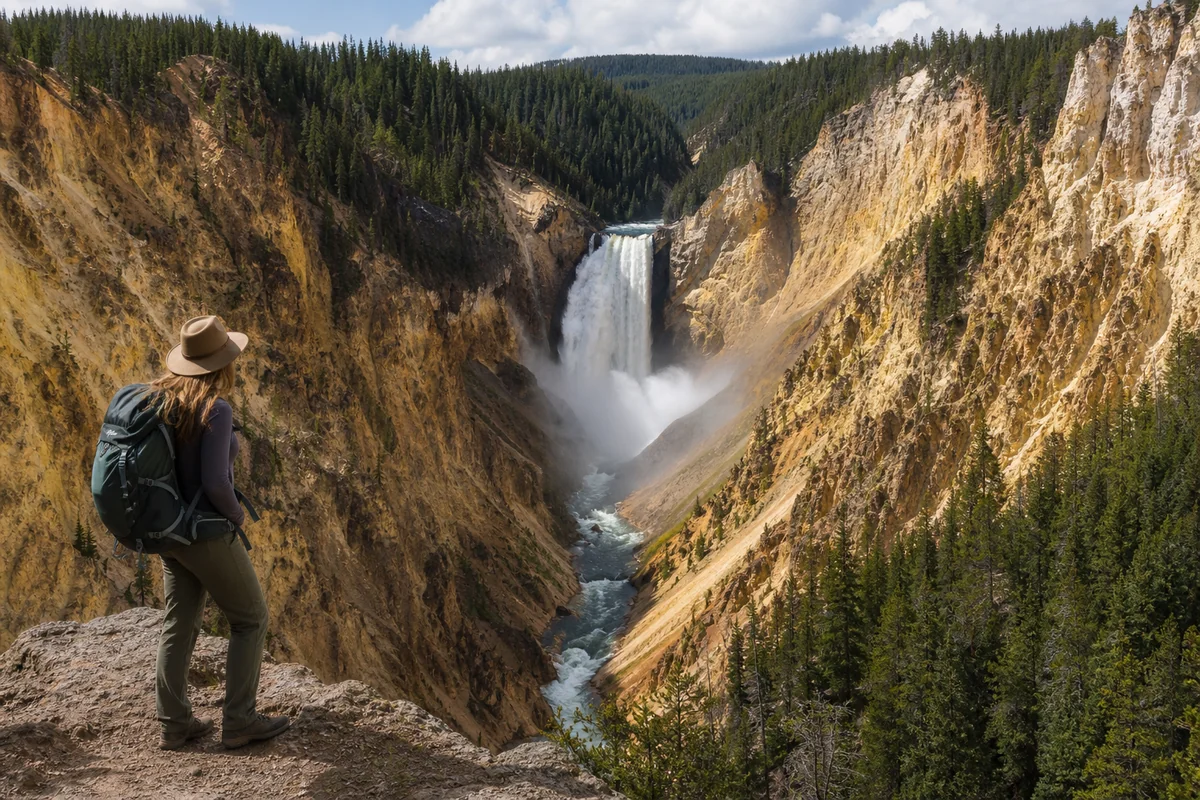
Nestled within Montana’s pristine wilderness, Lower Falls stands as one of the state’s most captivating natural wonders. This cascading masterpiece drops approximately 308 feet into the Grand Canyon of the Yellowstone, creating a thunderous display of nature’s raw power that has mesmerized visitors for generations. The falls formed thousands of years ago when volcanic rhyolite, more resistant to erosion than the surrounding rock, created the perfect conditions for this dramatic waterfall.

Unlike its upstream counterpart, Upper Falls, Lower Falls offers hikers a more immersive and challenging experience. The geological significance extends beyond mere aesthetics—the falls represent the ongoing relationship between water and stone, showcasing how the Yellowstone River has carved this magnificent canyon over millennia. The distinctive yellow and red hues visible on the canyon walls come from hydrothermal alterations of iron compounds, telling a story of the region’s volcanic past.

Native American tribes, particularly the Shoshone and Bannock peoples, considered this area sacred long before European explorers arrived. When the first formal expeditions documented the falls in the 1870s, their reports helped inspire the creation of Yellowstone National Park, America’s first national park. Today, Lower Falls remains one of the park’s crown jewels, drawing over four million visitors annually who come to witness its grandeur.

For hikers, Lower Falls represents the perfect blend of challenge and reward. Multiple trails of varying difficulty offer different perspectives of the falls, ensuring that everyone from beginners to seasoned trekkers can find their perfect adventure. Throughout this guide, we’ll explore the best routes, optimal timing, necessary preparation, and insider tips to make your journey to Montana’s Lower Falls an unforgettable experience. Whether you’re planning a day hike or incorporating the falls into a longer wilderness expedition, this comprehensive guide will help you maximize your time in one of Montana’s most spectacular natural settings.

Getting to Lower Falls: Location and Access Points

Montana’s Lower Falls sits nestled within the pristine wilderness of Glacier National Park, offering one of the most rewarding waterfall experiences in the northern Rockies. For hikers planning their adventure, knowing exactly how to reach this natural wonder is essential.

From Missoula, the journey takes approximately 3.5 hours by car. Head north on US-93 N for about 130 miles until you reach the west entrance of Glacier National Park. From Bozeman, expect a longer 5-hour drive northwest via I-90 W and US-93 N. Visitors coming from Helena will travel about 4 hours north, primarily following I-15 N and US-89 N.

The most convenient access point is through the West Glacier entrance of the park. After passing through the entrance station, follow the Going-to-the-Sun Road for approximately 12 miles until you reach the Avalanche Creek area. The trailhead for Lower Falls begins at the Avalanche Lake Trail, which is clearly marked with signage.

Parking can become challenging during peak season (June through September), particularly between 10 AM and 3 PM. The Avalanche Creek parking lot has space for about 90 vehicles, but often fills by mid-morning during summer months. For the best chance at securing a spot, arrive before 8 AM or after 4 PM. Alternatively, utilize the park’s shuttle system, which operates regularly during summer and stops at the Avalanche Creek area.

Entrance fees for Glacier National Park are $35 per vehicle for a seven-day pass or $70 for an annual pass. Individual passes (for hikers or cyclists) cost $20. These fees help maintain the trails and facilities that make your visit to Lower Falls possible.

Regarding seasonal accessibility, Lower Falls is typically accessible from late May through October, though this window can shift based on snowpack and weather conditions. July and August offer the most reliable access, with trails generally clear of snow and the falls flowing impressively from snowmelt. September brings fewer crowds and spectacular fall colors, while late May and early June might still have snow on portions of the trail but reward hikers with powerful water flow from spring runoff.

Winter access is extremely limited and recommended only for experienced backcountry travelers with proper equipment and avalanche training, as the Going-to-the-Sun Road closes beyond Lake McDonald Lodge during winter months.

Trail Options: Choosing Your Path to Lower Falls

Montana’s Lower Falls offers hikers multiple trail options, each with its own unique characteristics and challenges. Whether you’re a seasoned hiker looking for a challenge or a family seeking a gentler path, there’s a route that will suit your needs.

Main Trail (Moderate)

The most popular approach to Lower Falls is the Main Trail, a well-maintained 2.4-mile round trip path that begins at the primary parking area. This moderately difficult trail features a gradual descent through pine forests before opening up to spectacular views of the valley. Expect to spend about 45-60 minutes each way, depending on your pace and how often you stop for photos. The trail has some rocky sections and a 400-foot elevation change, making sturdy footwear essential.

North Ridge Trail (Challenging)

For experienced hikers seeking more adventure, the North Ridge Trail offers a 3.8-mile route with stunning panoramic vistas. This challenging path includes several steep sections and requires good stamina. The trail climbs along exposed ridgelines before descending sharply to the falls. Plan for 2-3 hours each way, and be prepared for limited shade during summer months. The extra effort rewards hikers with unique angles of the falls that most visitors never experience.

Family Loop (Easy)

Families with young children or those looking for a gentler experience should consider the Family Loop. This 1.5-mile round trip trail has minimal elevation change and wider paths to accommodate groups walking side-by-side. The trail surface is mostly packed dirt with occasional boardwalks over wetter areas. Most hikers complete this loop in about 30-40 minutes, though with children, you might want to budget an hour to allow for exploration and rest breaks.

Wilderness Extension (Difficult)

For those seeking solitude and a true backcountry experience, the Wilderness Extension continues 4 miles beyond Lower Falls to connect with the regional trail system. This difficult route requires navigation skills and proper preparation as it’s less frequently maintained. The full out-and-back journey takes 6-8 hours, making it suitable for very fit hikers or as part of a multi-day expedition. The trail offers access to additional smaller cascades and pristine forest environments rarely seen by day-hikers.

Accessibility Trail (Easy)

Montana’s commitment to inclusive outdoor experiences shows in the recently completed Accessibility Trail. This 0.8-mile paved path provides wheelchair and stroller access to a dedicated viewing platform. While this route doesn’t reach the base of the falls, it offers excellent views from a different perspective. The trail takes approximately 20 minutes each way and includes several rest areas with interpretive signage about the local ecosystem.

Choose your trail based on your experience level, available time, and the type of experience you’re seeking. Whichever path you select, the magnificent Lower Falls awaits as your reward.

Essential Gear for Hiking Montana’s Lower Falls

Montana’s Lower Falls offers breathtaking scenery, but proper preparation is crucial for a safe and enjoyable experience. The trail’s varying terrain and Montana’s unpredictable weather demand specific gear considerations.

Clothing Recommendations

The key to comfort while hiking Lower Falls is layering. Even in summer, temperatures can fluctuate dramatically throughout the day. Start with a moisture-wicking base layer to keep sweat away from your skin. Add an insulating mid-layer like a lightweight fleece or wool pullover. Top it off with a waterproof and windproof outer shell—essential for Montana’s sudden afternoon thunderstorms.

For lower body attire, quick-drying hiking pants with zip-off legs offer versatility. In warmer months, lightweight pants protect against brush and insects while allowing adequate ventilation. During spring and fall, consider packing lightweight thermal leggings as an additional layer.

Don’t forget sun protection: a wide-brimmed hat, UV-blocking sunglasses, and UPF-rated clothing will shield you from intense mountain sun.

Footwear Essentials

The trail to Lower Falls features everything from packed dirt to slick rocks near the waterfall. Waterproof hiking boots with ankle support are ideal, providing stability on uneven terrain and keeping your feet dry when crossing small streams or walking through morning dew.

Break in your boots before the hike to prevent blisters. Pair them with moisture-wicking wool or synthetic socks, and consider bringing an extra pair—wet feet can quickly lead to discomfort and blisters.

Backpack Essentials

A daypack with 20-30 liter capacity works well for most hikers visiting Lower Falls. Look for one with:

  • Padded shoulder straps and a hip belt for comfort
  • Multiple compartments for organization
  • External attachment points for trekking poles
  • A rain cover or waterproof construction

Inside your pack, always carry the “Ten Essentials”:

  1. Navigation tools (map, compass, GPS)
  2. Headlamp or flashlight with extra batteries
  3. Sun protection
  4. First aid kit
  5. Knife or multi-tool
  6. Fire starter
  7. Emergency shelter (space blanket at minimum)
  8. Extra food
  9. Extra water
  10. Extra clothes

Hydration Needs

The trail to Lower Falls can be strenuous, especially during summer months. Carry at least 2-3 liters of water per person for a day hike. A hydration bladder allows for convenient sipping while moving.

Consider bringing a water filter or purification tablets if you plan to refill from streams. While the water may look pristine, parasites like Giardia can be present in even the clearest mountain streams.

Cell service is spotty around Lower Falls, so don’t rely solely on phone GPS. Bring a physical map of the area and a compass—and know how to use them. The AllTrails app with downloaded maps can be helpful, but have backup options ready.

Trail markers vary in quality along different sections, so having navigation tools prevents wrong turns, especially at trail junctions.

Safety Equipment

Beyond the Ten Essentials, consider these items specific to the Lower Falls hike:

  • Trekking poles: These reduce strain on knees during steep descents to the falls and provide stability on slippery sections.
  • Bear spray: Montana is bear country. Carry bear spray in an accessible location and know how to use it.
  • Whistle: Three short blasts is the universal distress signal.
  • Insect repellent: Mosquitoes can be abundant near water, especially in early summer.
  • Microspikes: If hiking in early spring when patches of ice might remain on shaded sections of trail.

Remember that proper gear isn’t just about comfort—it’s about safety. Montana’s weather can change rapidly, and being prepared for conditions ranging from intense sun to sudden storms ensures your hike to Lower Falls remains a highlight of your Montana adventure rather than an emergency situation.

Seasonal Considerations: When to Visit Lower Falls

Montana’s Lower Falls transforms dramatically with the seasons, offering visitors a completely different experience depending on when they choose to visit. Understanding these seasonal variations is crucial for planning the perfect hiking adventure.

Spring (April-June): As winter’s grip loosens, Lower Falls roars to life with snowmelt. Water volume reaches its peak in late May to early June, creating a thunderous spectacle that’s both awe-inspiring and humbling. The surrounding landscape bursts with vibrant wildflowers and fresh greenery, making it a photographer’s paradise. However, trails can be muddy and slippery, and some access points may remain closed until late spring. Water temperatures are dangerously cold, so admire the falls from a safe distance.

Summer (July-August): Peak tourist season brings warmer temperatures (70-85°F) and more manageable water levels. All trails are typically open, allowing hikers to access every viewpoint. The summer sunshine creates perfect lighting conditions for photography between 9-11am and 4-6pm, when soft light illuminates the falls without harsh shadows. While crowds are at their highest, early morning starts (before 8am) can provide more solitary experiences. Summer also offers the possibility of carefully wading in some of the calmer pools below the falls.

Fall (September-October): Perhaps the most magical time to visit Lower Falls, autumn brings a spectacular color palette as surrounding aspens and cottonwoods turn golden and crimson. Water levels decrease, revealing more of the rock formations and creating interesting photographic compositions. Temperatures cool to a comfortable hiking range (50-65°F), and the dramatic morning mist rising from the falls creates ethereal scenes for photographers, especially during the golden hour. Wildlife becomes more active, and significantly smaller crowds mean a more intimate experience with nature.

Winter (November-March): For the adventurous hiker, winter transforms Lower Falls into a frozen wonderland. Ice formations create sculptural elements around partially frozen sections, while snow blankets the surrounding landscape. Access becomes challenging, often requiring snowshoes or cross-country skis, and some trails close entirely. Daylight hours are limited, so plan accordingly. Temperatures frequently drop below freezing, demanding proper winter gear and experience. The reward, however, is absolute solitude and a pristine winter landscape few visitors ever witness.

For photographers seeking the perfect shot, early June offers dramatic high water, late September provides fall colors, and January showcases ice formations. Whatever season you choose, Montana’s Lower Falls presents a dynamic natural canvas that changes with each visit, rewarding those who time their adventure thoughtfully.

Wildlife Encounters: What to Expect and How to Prepare

Montana’s Lower Falls region is teeming with diverse wildlife, making your hiking experience even more memorable. As you venture through the lush forests and open meadows surrounding the falls, you’ll have opportunities to observe animals in their natural habitat. However, these encounters require proper preparation and respect.

Common Wildlife in the Area

The ecosystem around Lower Falls supports an impressive variety of wildlife. During your hike, you might spot:

  • Black bears and grizzlies: Both species inhabit the forests around Lower Falls, though grizzlies are less common in some areas
  • Elk and deer: Often seen grazing in meadows during early morning or evening hours
  • Mountain goats: Frequently spotted on higher rocky outcroppings near the falls
  • Moose: Usually found near wetland areas and streams feeding into the falls
  • Smaller mammals: Including marmots, pikas, squirrels, and occasionally foxes
  • Birds of prey: Watch for bald eagles, ospreys, and hawks soaring above the falls
  • Songbirds: The forests are alive with various species, especially during spring migration

Safety Precautions

When hiking in wildlife territory, preparation is key:

  1. Carry bear spray and know how to use it. Keep it accessible, not buried in your backpack.
  2. Make noise while hiking by talking, singing, or occasionally clapping, especially in dense vegetation or near loud water where animals might not hear you approaching.
  3. Hike in groups whenever possible. Most wildlife avoids groups of three or more people.
  4. Be especially alert at dawn and dusk when animals are most active.
  5. Store food properly in bear-resistant containers or hang food bags at least 10 feet high and 4 feet from any tree trunk.
  6. Avoid wearing scented products that might attract curious wildlife.

Responsible Wildlife Viewing

Observing wildlife can be the highlight of your Lower Falls hike, but it’s important to do so ethically:

  • Maintain a safe distance – at least 100 yards from bears and wolves, and 25 yards from other wildlife.
  • Never feed wild animals, as this can alter their natural behaviors and create dangerous dependencies.
  • Use binoculars or zoom lenses to get a closer look without disturbing animals.
  • Observe quietly and limit your viewing time to avoid causing stress to animals.
  • Stay on designated trails to minimize habitat disruption.
  • If an animal changes its behavior because of your presence, you’re too close and should back away slowly.

What to Do During Wildlife Encounters

Despite precautions, close encounters may still occur:

If you encounter a bear:

  • Stay calm and identify yourself by talking in a low, calm voice
  • Make yourself look larger by raising arms or opening a jacket
  • Back away slowly, never run
  • If a bear charges, stand your ground and use bear spray when the bear is within range (typically 30-60 feet)
  • If a black bear attacks, fight back; if a grizzly attacks, play dead by lying flat on your stomach with hands clasped behind your neck

For moose, elk, or other large mammals:

  • Give them plenty of space, especially mothers with young
  • If they approach, back away and look for barriers between you and the animal
  • Watch for warning signs like laid-back ears, raised hackles, or pawing the ground

For smaller wildlife:

Encountering wildlife at Lower Falls adds depth to your hiking experience. By approaching these encounters with respect and preparation, you ensure both your safety and the wellbeing of Montana’s magnificent wild residents.

Photography Tips for Capturing Lower Falls’ Beauty

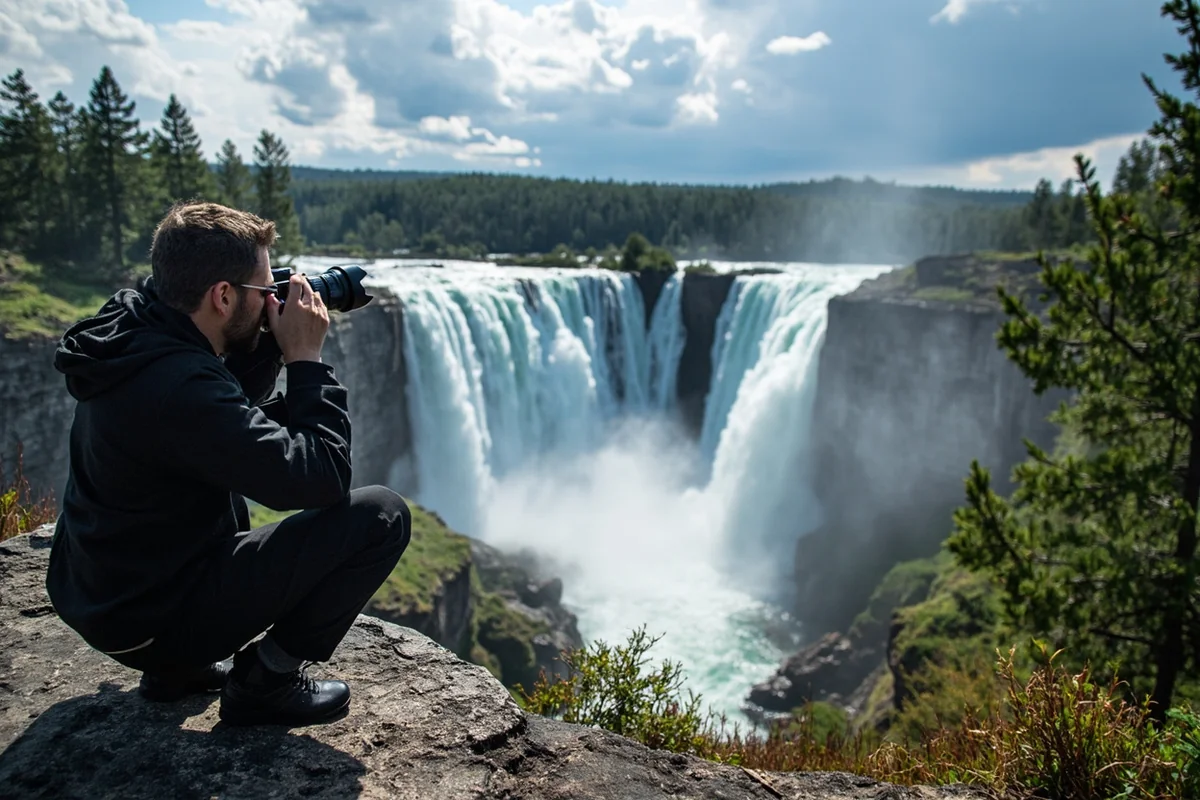
Montana’s Lower Falls offers photographers a paradise of opportunities to capture breathtaking natural beauty. Whether you’re wielding a professional DSLR or simply using your smartphone, these tips will help you immortalize the majesty of this cascading wonder.

Best Viewpoints for Stunning Shots

The North Rim Trail provides several exceptional vantage points that frame the falls perfectly. The Upper Observation Deck offers a comprehensive view of the entire waterfall system, ideal for wide-angle landscape shots. For more intimate compositions, the Lower Deck positions you closer to the rushing waters, allowing you to capture the powerful spray and mist effects.

For the adventurous photographer, the hidden viewpoint along the eastern trail spur presents a unique side angle that few visitors discover. This spot is particularly magical during early morning when the light filters through the mist.

When photographing Lower Falls, consider these technical settings:

  • Shutter Speed: Use 1/15 to 1/2 second for that silky water effect that conveys motion. Bring a tripod to avoid camera shake at these slower speeds.
  • Aperture: f/8 to f/11 works well for landscape shots, ensuring both foreground elements and the falls remain in focus.
  • ISO: Keep it low (100-400) to minimize noise, especially important when capturing the subtle color variations in the water.
  • Polarizing Filter: Essential for eliminating glare from wet surfaces and enhancing the natural colors of the surrounding foliage.

Smartphone photographers should use their device’s HDR mode to balance the bright sky with darker foreground elements, and consider using a mini tripod for stability.

Lighting Considerations

Lower Falls photographs dramatically differently throughout the day:

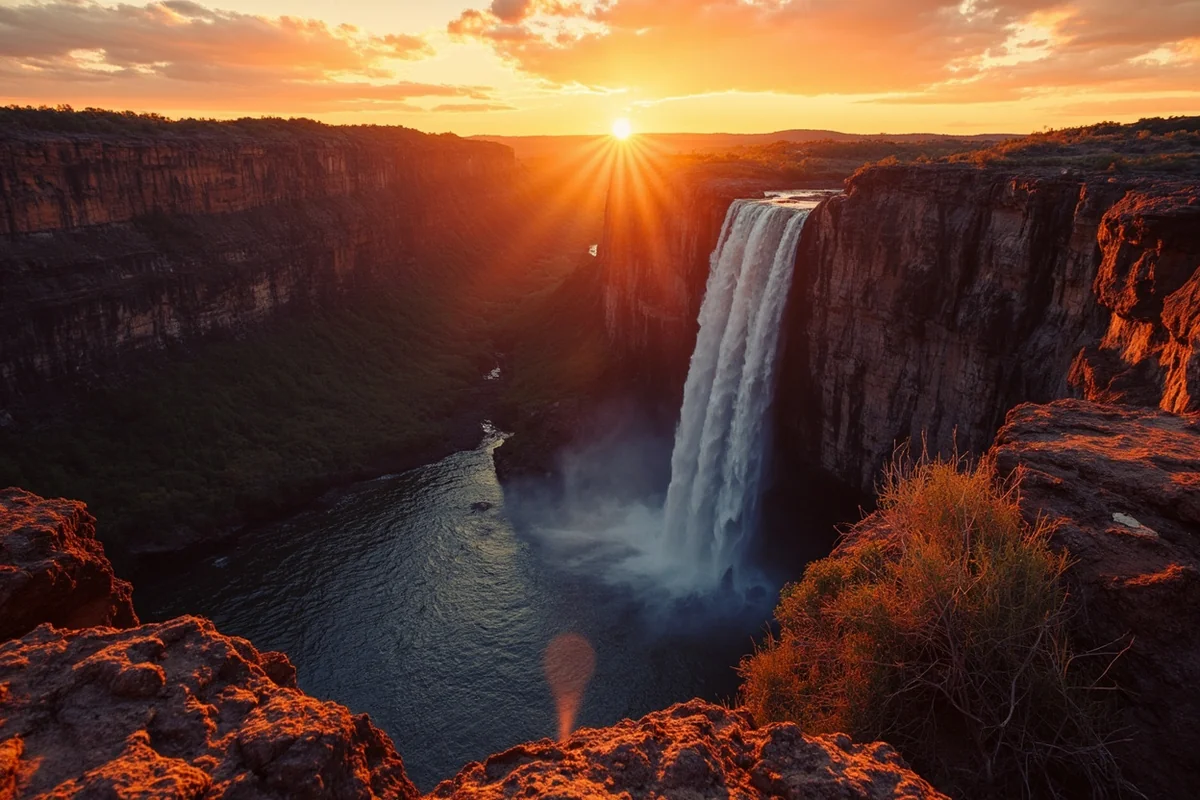
  • Golden Hour (shortly after sunrise or before sunset): Creates warm, golden tones that illuminate the mist and surrounding cliffs with magical light.
  • Midday: Harsh but excellent for capturing the rainbow effects in the mist when the sun is high.
  • Overcast Days: Perfect for even lighting that reveals details in both the water and surrounding landscape without harsh shadows.
  • After Rain: The increased water volume creates more dramatic cascades, while wet rocks offer richer colors and contrast.

Creative Composition Ideas

Move beyond standard postcard shots with these creative approaches:

  • Frame the falls using overhanging branches from the surrounding pine trees for a natural border.
  • Include hikers or wildlife for scale, highlighting the impressive height of the falls.
  • Focus on details like water droplets on moss-covered rocks or the patterns in the swirling pools below the falls.
  • Try long exposures at dusk when the fading light creates a dreamlike quality to the flowing water.
  • Capture seasonal variations – spring wildflowers, summer greenery, autumn foliage, or winter ice formations each offer unique photographic opportunities.

Remember that sometimes the most compelling images come from unexpected angles. Don’t be afraid to get low to the ground or seek elevated positions for fresh perspectives on this iconic Montana landmark.

Swimming and Water Activities at Lower Falls

Montana’s Lower Falls offers more than just scenic hiking trails—it presents opportunities for refreshing aquatic adventures during the warmer months. Before you take the plunge, however, it’s crucial to understand the conditions and safety considerations that come with these pristine mountain waters.

The crystalline pools beneath Lower Falls create an inviting setting for swimming, but the water remains surprisingly cold year-round, typically ranging between 45-55°F even in summer. This mountain-fed water requires some acclimation, and visitors should limit their time in the water to avoid hypothermia. The shock of cold water can also trigger involuntary gasping, so ease in gradually rather than jumping directly into deeper sections.

Designated swimming areas can be found in the wider, calmer pools approximately 100 yards downstream from the main falls. These natural basins offer relatively safer conditions with slower currents and fewer underwater hazards. The main pool directly beneath the falls, while tempting, should be avoided due to dangerous undertows and the risk of falling debris.

When swimming at Lower Falls, always:

  • Check current water conditions with rangers or at information boards
  • Never swim alone—use the buddy system
  • Avoid alcohol before or during water activities
  • Keep children within arm’s reach at all times
  • Watch for slippery rocks along entry points
  • Exit the water immediately if you begin shivering

Beyond swimming, Lower Falls supports other water activities when conditions permit. Fly fishing is popular in the slower sections downstream, with catch-and-release practices encouraged for native trout species. Small inflatable rafts or tubes can be enjoyed in designated areas during mid-summer when water levels decrease, though personal flotation devices are essential.

For those seeking a more passive water experience, wading in the shallower edges provides a refreshing break from hiking while minimizing risk. The smooth river rocks create natural seats where visitors can dangle their feet in the cool mountain water while enjoying the serene surroundings.

Remember that water conditions change rapidly in mountain environments. What appears calm in the morning might become dangerous by afternoon due to upstream rainfall or snowmelt. Always reassess conditions before entering the water, and when in doubt, enjoy the falls from the safety of the shore.

Camping Options Near Lower Falls

Montana’s Lower Falls region offers diverse camping experiences for outdoor enthusiasts looking to extend their adventure beyond a day hike. Whether you prefer established campgrounds with amenities or the solitude of backcountry camping, the area provides options for every preference.

The Lewis Lake Campground sits approximately 8 miles from Lower Falls and offers 85 sites nestled among lodgepole pines. This established campground provides vault toilets, potable water, and bear-proof food storage boxes. Sites are available on a first-come, first-served basis, typically opening in late May and closing in early September, depending on weather conditions.

Grant Village Campground, located about 12 miles from Lower Falls, offers more amenities including flush toilets, dump stations, and coin-operated showers. With 430 sites accommodating tents, trailers, and RVs up to 40 feet, this campground requires reservations, which open six months in advance and fill quickly for summer dates.

For those seeking a more primitive experience, backcountry camping near Lower Falls requires permits issued by the Backcountry Office. These permits allow camping in designated backcountry sites, which are limited to protect the fragile ecosystem. Regulations include:

  • Maximum group size of 12 people
  • 3-night maximum stay at any single site
  • Proper food storage using bear-resistant containers or hanging methods
  • No campfires in most backcountry sites
  • Camping at least 100 feet from water sources

Backcountry permits can be reserved online beginning March 1st for the upcoming summer season, with a portion of permits held for walk-up requests no more than 48 hours before your trip start date.

During peak season (July-August), securing camping spots requires planning and flexibility. Consider these tips for a successful camping experience:

  • Make reservations for established campgrounds the moment they become available
  • Have backup camping options identified in case your first choice is unavailable
  • Consider camping Sunday through Thursday when visitation is typically lower
  • Arrive at first-come, first-served campgrounds before 10 AM to improve your chances
  • Look into nearby national forest campgrounds which often have less competition

For those willing to venture slightly further, the Canyon Campground offers 273 sites within a 20-minute drive of Lower Falls and provides a central location for exploring other nearby attractions. Its facilities include modern restrooms, laundry facilities, and a general store for supplies.

Remember that weather in Montana’s mountain regions can change rapidly, so come prepared for varying conditions regardless of when you camp. The effort to secure a camping spot near Lower Falls is well rewarded with starry nights and the opportunity to experience the falls during the quiet early morning hours before day visitors arrive.

Family-Friendly Tips for Hiking Lower Falls

Montana’s Lower Falls offers a spectacular outdoor adventure that can be enjoyed by the entire family. With proper planning and preparation, this natural wonder becomes an unforgettable experience for hikers of all ages. Here’s how to make your family expedition to Lower Falls both safe and memorable.

Age-Appropriate Trail Sections

Not all parts of the Lower Falls trails are suitable for young explorers. For families with children under 8, the Upper Viewpoint Trail provides an excellent introduction with its relatively flat terrain and shorter distance (0.7 miles). The Middle Basin Trail (1.2 miles) offers slightly more challenge while remaining manageable for most elementary-aged children with regular breaks. Save the full Lower Falls Loop (2.8 miles) for families with older children or teens who have some hiking experience.

Consider breaking longer hikes into segments with defined “success points” where younger hikers can feel accomplished even if you don’t complete the entire trail. The first overlook or the interpretive signs make perfect milestone markers.

Child Safety Considerations

Safety becomes even more critical when hiking with little ones. Always maintain a strict buddy system, pairing each child with an adult when possible. Establish clear rules before setting out: stay on the trail, remain within sight of adults, and never approach wildlife or steep edges.

The areas near the falls themselves require extra vigilance. The viewing platforms have safety railings, but the natural areas surrounding the falls can have slippery rocks and unexpected drop-offs. Consider bringing child-safety harnesses for toddlers and establish a “three steps back” rule from any edge for older children.

Trail markers along Lower Falls paths use color-coding that even young children can recognize—make identifying these markers a game to keep kids engaged while ensuring they learn important navigation skills.

Engaging Activities for Kids

Transform your Lower Falls hike from a simple walk to an adventure with engaging activities:

  • Create a nature scavenger hunt with items specific to the Lower Falls area (pine cones, specific wildflowers, wildlife tracks)
  • Bring along identification guides for birds, plants, and insects that children can check off as they spot them
  • Pack a small magnifying glass for examining interesting rocks, bugs, or plants along the trail
  • Encourage photography with a kid-friendly camera or supervised smartphone use
  • Bring small notebooks for “field journals” where kids can draw what they see or write about their observations

The Junior Ranger activities available at the trailhead provide excellent educational materials specifically designed for the Lower Falls ecosystem.

Family-Specific Packing Advice

When hiking with children, your packing list needs thoughtful expansion:

  • Extra snacks that won’t melt or crumble (trail mix, jerky, fruit leather)
  • Additional water beyond what you’d normally carry (kids often don’t recognize thirst until they’re already dehydrated)
  • First aid supplies specifically for children (pediatric medications, smaller bandages)
  • Extra layers of clothing, especially for younger children who may not recognize temperature changes
  • Wet wipes and hand sanitizer for quick cleanups
  • A small, lightweight emergency whistle for each child
  • Glow sticks or small flashlights even for day hikes (in case your return takes longer than expected)

Consider weight distribution carefully—while older children can carry small backpacks with their own water and snack, adults should be prepared to carry most supplies plus potentially a tired child on the return journey.

With these family-focused considerations, Montana’s Lower Falls becomes not just a beautiful destination but an opportunity to cultivate a love of nature and outdoor adventure in the next generation of hikers.

Lesser-Known Viewpoints and Hidden Gems

While the main viewing platform at Montana’s Lower Falls draws crowds for good reason, savvy hikers know that some of the most breathtaking perspectives lie just beyond the well-trodden paths. For those willing to venture a bit further, these hidden gems offer solitude and unique vantage points that most visitors never experience.

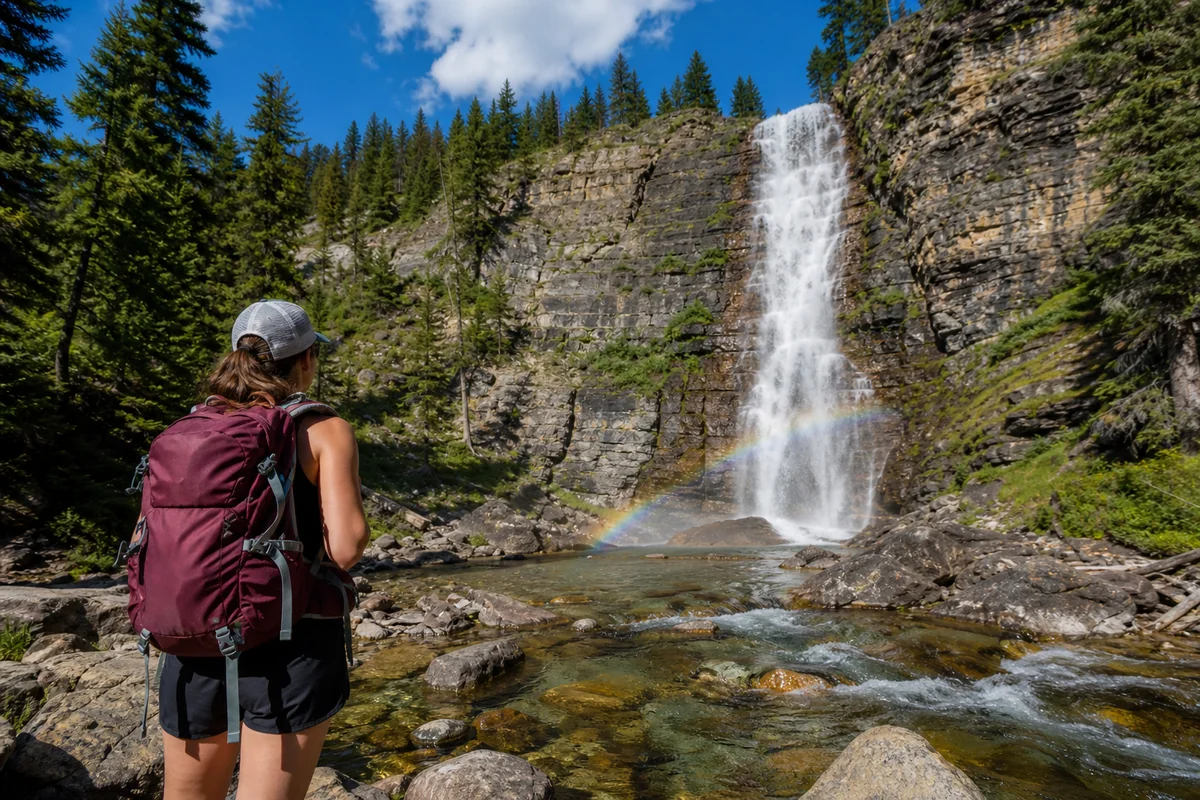
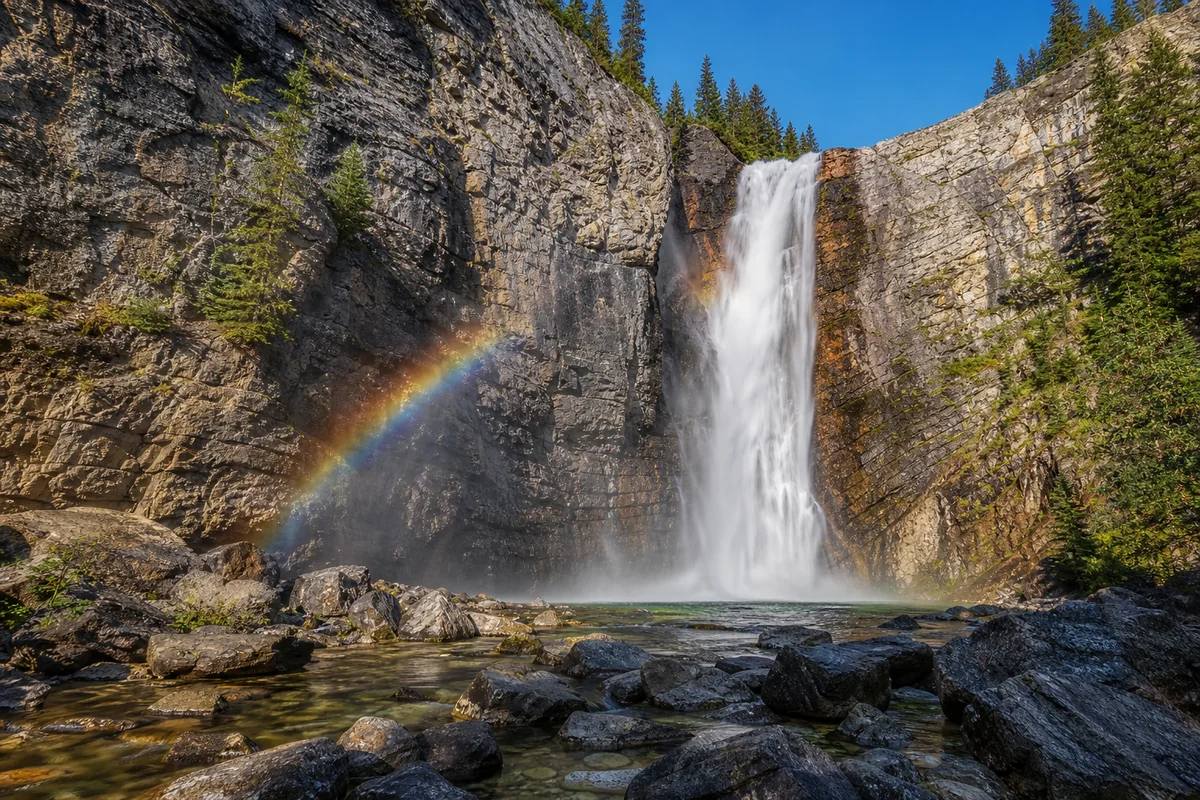
The Osprey Overlook, located about a quarter-mile upstream from the main falls, requires navigating a narrow game trail marked by a cluster of lodgepole pines. This secluded spot provides a side angle of the falls that captures the water’s true power as it crashes against ancient rock formations. Morning visits often reward hikers with rainbow mist effects as the sun hits the spray at just the right angle.

For photographers seeking dramatic shots, the Lower Basin View requires an early start. This rocky outcropping sits below the falls and offers an upward perspective that emphasizes the sheer vertical drop of the cascading water. Reach it by taking the unmarked path that branches east approximately 300 yards before the main viewing area. The descent is moderately challenging but manageable for experienced hikers with proper footwear.

Perhaps the most magical hidden spot is Whisper Grotto, a small cave-like formation behind a thin section of the falls. During late summer when water levels decrease, careful hikers can access this space where the thundering falls create an acoustic phenomenon as sound bounces off the curved rock walls. Always check water conditions before attempting this adventure, and never try accessing during high water periods.

Beyond the falls themselves, many visitors miss the nearby Granite Pools, a series of naturally formed swimming holes about a half-mile downstream. These crystal-clear pools vary in depth and temperature, with smooth rock surfaces perfect for sunbathing between refreshing dips. The trail leading there isn’t maintained officially, so watch for the cairns (stacked rocks) that previous hikers have left as markers.

History enthusiasts should seek out the remains of the old Prospector’s Cabin, tucked away in a grove of aspens approximately three-quarters of a mile northwest of the falls. This partially standing structure dates back to Montana’s mining era and features hand-hewn log construction techniques rarely seen today. Please observe without disturbing this historical site.

For those willing to rise before dawn, Moose Meadow offers wildlife viewing opportunities that day-trippers miss entirely. This marshy area just beyond the northern trail junction becomes a hub of activity as the sun rises, with various bird species, deer, and occasionally moose appearing to drink and forage. Bring binoculars and maintain a respectful distance from any animals you encounter.

These lesser-known spots around Lower Falls reward the curious and adventurous with experiences that transcend the typical tourist visit. However, remember that these areas remain “hidden” for good reason—they lack the safety infrastructure of main viewing areas. Always hike with a companion, share your plans with someone reliable, and come prepared with navigation tools and extra supplies when exploring beyond the established trails.

Leave No Trace: Responsible Hiking at Lower Falls

Montana’s Lower Falls isn’t just a destination—it’s a living ecosystem that deserves our protection. As visitors to this pristine wilderness, we bear the responsibility of preserving its natural splendor for future generations. Embracing Leave No Trace principles is essential for maintaining the ecological integrity of this treasured landscape.

The seven core Leave No Trace principles take on special significance at Lower Falls. Plan ahead by researching trail conditions and packing appropriate gear to minimize unexpected impacts. Travel on durable surfaces by staying strictly on established trails—the fragile vegetation surrounding Lower Falls can take decades to recover from trampling. The moist environment around the falls creates particularly vulnerable soil conditions that erode easily when hikers create “social trails” or shortcuts.

Waste management deserves particular attention in the Lower Falls area. Pack out all trash, including seemingly harmless items like fruit peels and nutshells that aren’t native to the ecosystem. The high visitor traffic means even small amounts of litter can accumulate quickly, degrading both the natural beauty and wildlife habitat. Human waste should be properly buried at least 200 feet from the falls, streams, and camping areas, or packed out when facilities aren’t available.

The temptation to leave your mark at such a magnificent place is understandable but damaging. Avoid carving into trees, stacking rocks (which disrupts microhabitats), or collecting natural souvenirs. Even moving rocks in the streambed near Lower Falls can alter water flow patterns and impact aquatic species that depend on specific conditions.

Campfires require special consideration in the Lower Falls area. Use established fire rings where permitted, keep fires small, and fully extinguish them. Better yet, consider using a camp stove instead. The forest floor around Lower Falls contains valuable decomposing material that maintains soil health and supports new growth.

Wildlife encounters are common around Lower Falls, making proper food storage essential. Use bear-resistant containers and never feed animals, even indirectly through poorly secured food. The local wildlife population has already experienced behavioral changes due to human interaction—let’s not contribute to this problem.

Local conservation efforts specific to Lower Falls include seasonal trail maintenance by volunteer groups, invasive species monitoring, and habitat restoration projects. Consider joining a scheduled cleanup day or contributing to these organizations that work tirelessly to preserve this natural wonder.

Remember that your actions set an example for others. Gently educating fellow hikers about Leave No Trace principles helps create a culture of conservation. By treading lightly at Lower Falls, we ensure this spectacular destination remains unspoiled for generations of hikers to come.

Local Culture and History Around Lower Falls

Montana’s Lower Falls doesn’t just offer natural beauty—it holds deep cultural significance and a rich historical tapestry that spans thousands of years. Long before becoming a popular hiking destination, these cascading waters were sacred to Indigenous peoples who inhabited the region.

The area surrounding Lower Falls was traditionally part of the ancestral lands of several Indigenous nations, including the Salish, Kootenai, and Blackfeet peoples. For these communities, waterfalls weren’t merely geographical features but powerful spiritual places. The thundering waters of Lower Falls were believed to be dwelling places of spirits and often served as sites for vision quests, prayer, and ceremony. The constant flow of water symbolized the continuity of life and the eternal nature of creation.

Indigenous oral traditions contain numerous stories about Lower Falls. One recurring theme in these narratives is transformation—how the falls came to be through the actions of spiritual beings or culture heroes who shaped the landscape. These stories weren’t just entertainment but served as important vessels for passing down ecological knowledge, moral teachings, and cultural values from generation to generation.

When European fur trappers and explorers first encountered the region in the early 19th century, they too were captivated by the falls’ dramatic beauty. Journal entries from these early visitors describe the “thunderous majesty” and “sublime character” of the cascades. By the late 1800s, as Montana territory developed, the falls became a landmark for settlers and a point of interest for early tourists.

During the early 20th century, the area around Lower Falls experienced periods of logging and resource extraction. Old photographs from this era show how the surrounding forest landscape changed during this period. Thankfully, conservation efforts eventually protected much of the area, preserving both the natural wonder and its cultural significance.

The Great Depression era brought the Civilian Conservation Corps (CCC) to the region, where workers constructed some of the original trails and facilities that hikers still use today in modified form. These stone structures and pathways represent an important chapter in American conservation history.

Today, efforts to acknowledge and honor the Indigenous heritage of Lower Falls have increased. Interpretive signs along some trails now include Indigenous place names and cultural context, though many hikers feel more could be done to properly recognize the deep historical connections Indigenous peoples maintain with this landscape.

Understanding the cultural history of Lower Falls adds profound depth to the hiking experience. When you stand before the rushing waters, you’re not just witnessing a geological feature but connecting with a place that has moved human spirits for countless generations. This awareness encourages a more respectful approach to visiting—one that honors both the natural wonder and its significant place in human history and culture.

Emergency Preparedness and Safety Tips

When venturing to Montana’s Lower Falls, preparation is your best defense against potential emergencies. The remote beauty that makes this destination so appealing also presents unique safety challenges that hikers should be ready to face.

Cell Phone Coverage

Cell service around Lower Falls is spotty at best and non-existent in many areas. Don’t count on being able to call for help in an emergency. Some ridgetops may offer limited reception, but it’s unreliable. Consider bringing a satellite communicator or personal locator beacon if you’re hiking alone or in a small group.

Emergency Contacts

Before heading out, make note of these important contacts:

  • Glacier National Park Emergency: (406) 888-7800
  • Montana Search and Rescue: 911 (if you have service)
  • Nearest Ranger Station: West Glacier – (406) 888-7800
  • Poison Control: 1-800-222-1222

Always inform someone not in your hiking party about your planned route and expected return time.

First Aid Essentials

Your Lower Falls hiking first aid kit should include:

  • Bandages in various sizes
  • Antiseptic wipes and antibiotic ointment
  • Blister treatment supplies
  • Pain relievers
  • Antihistamines (for potential allergic reactions to plants or insect stings)
  • Tweezers (for tick removal and splinters)
  • Emergency blanket
  • Snake bite kit (while rare, rattlesnakes do inhabit the area)
  • Electrolyte packets (for hot days when dehydration is a risk)

Evacuation Routes

Familiarize yourself with multiple exit routes from the Lower Falls area. The main trail is the most direct evacuation route, but during emergencies, you should know alternative paths:

  • The northern ridge trail connects to forest service roads accessible by emergency vehicles
  • The eastern creek path leads to the ranger station (though this crosses water and may be impassable during high water)
  • The western fire road provides the widest, most accessible evacuation route but adds 2.3 miles to the journey

Common Safety Concerns

Several hazards are specific to the Lower Falls area:

  1. Flash Flooding: The gorge can channel water quickly during sudden storms. If rain begins, move to higher ground immediately.
  2. Slippery Rocks: The mist from Lower Falls creates perpetually slick surfaces. Wear shoes with excellent traction and use extreme caution near the water’s edge.
  3. Wildlife Encounters: Black bears and occasional grizzlies frequent the area. Carry bear spray, make noise while hiking, and know proper bear encounter protocols.
  4. Falling Hazards: Several viewpoints lack guardrails. Stay at least 6 feet from edges and keep children close.
  5. Hypothermia: Even in summer, the water at Lower Falls is extremely cold. Immersion can lead to hypothermia within minutes. Limit water time and have dry clothes available.
  6. Altitude Sickness: While not extreme, the elevation at Lower Falls (approximately 5,800 feet) can affect visitors from lower elevations. Stay hydrated and ascend gradually if you’re not acclimated.

Remember that self-reliance is crucial when hiking to Lower Falls. The average emergency response time exceeds 45 minutes in good conditions, and can be significantly longer in bad weather or at night. Your preparation and good judgment are your most valuable safety tools in this spectacular but remote wilderness.

Planning Your Complete Lower Falls Adventure

Montana’s Lower Falls deserves more than just a quick stop on your Montana adventure. To truly appreciate this natural wonder, consider dedicating adequate time to explore not only the falls but the surrounding area as well. Here’s how to plan a memorable Lower Falls experience:

Sample Itineraries

Day Trip (8-10 hours):

  • Morning: Arrive early (7-8 AM) to secure parking and enjoy the falls with fewer crowds
  • Mid-morning: Hike the main trail to Lower Falls viewpoints
  • Lunch: Picnic by the water
  • Afternoon: Explore one of the connecting trails or relax by the water
  • Evening: Capture sunset views before departing

Weekend Adventure (2-3 days):

Extended Stay (4-5 days):

For first-time visitors, I recommend at least a full day to experience Lower Falls properly. The main viewing trail takes only 1-2 hours, but you’ll want additional time to explore different perspectives, enjoy the water, and perhaps hike some connecting trails.

If you’re an avid hiker, photographer, or simply someone who enjoys immersing in nature, consider a 2-3 day stay. This allows you to experience the falls at different times of day and in changing light conditions.

Nearby Attractions to Combine With Your Visit

Make the most of your Montana adventure by including these nearby destinations:

Parting Advice

To truly make the most of your Lower Falls experience:

  1. Go beyond the obvious: While the main viewpoint is stunning, the most memorable experiences often come from exploring lesser-known spots.
  2. Embrace all weather conditions: Don’t be discouraged by overcast days—they often provide the best lighting for waterfall photography and smaller crowds.
  3. Connect with locals: Strike up conversations with park rangers or local hikers who might share insider tips about the area.
  4. Practice flexibility: Allow room in your schedule for unexpected discoveries or weather changes.
  5. Disconnect to reconnect: Consider limiting phone use to photography only. The true magic of Lower Falls comes from being fully present in its natural splendor.

With proper planning and an adventurous spirit, your journey to Montana’s Lower Falls will become not just a hike but a highlight of your Montana experience—one that will call you back season after season to discover new perspectives on this magnificent natural wonder.

Frequently Asked Questions

What is the best time of year to visit Montana’s Lower Falls?

The best time to visit depends on your preferences. Summer (July-August) offers warm weather and full trail access, but with larger crowds. Fall (September-October) provides beautiful foliage and fewer visitors. Spring (April-June) showcases powerful water flow from snowmelt, while winter (November-March) offers a serene, frozen landscape for adventurous hikers.

How difficult is the hike to Lower Falls?

The difficulty varies depending on the trail you choose. The Main Trail is a moderate 2.4-mile round trip suitable for most hikers. The Family Loop offers an easy 1.5-mile option, while the North Ridge Trail presents a more challenging 3.8-mile route for experienced hikers. Always check current trail conditions before setting out.

Are there camping options near Lower Falls?

Yes, several camping options are available near Lower Falls. Lewis Lake Campground (8 miles away) and Grant Village Campground (12 miles away) offer established sites with varying amenities. Backcountry camping is also possible with proper permits. It’s advisable to make reservations or arrive early, especially during peak season (July-August).

What wildlife might I encounter at Lower Falls?

The area around Lower Falls is home to diverse wildlife, including black bears, grizzlies, elk, deer, mountain goats, and various bird species. Always maintain a safe distance from wildlife, carry bear spray, and know how to use it. Make noise while hiking to avoid surprising animals, especially in areas with dense vegetation or near loud water.

Can you swim at Lower Falls?

Swimming is possible in designated areas downstream from the main falls during warmer months. However, the water remains very cold year-round (45-55°F), so limit your time in the water to avoid hypothermia. Never swim in the pool directly beneath the falls due to dangerous currents and falling debris. Always check current conditions and follow safety guidelines.

What photography equipment should I bring to capture Lower Falls?

A wide-angle lens is useful for capturing the entire falls, while a telephoto lens can help with wildlife shots. Bring a tripod for long-exposure shots that create a silky water effect. A polarizing filter can help reduce glare and enhance colors. For smartphone users, consider a mini tripod and a waterproof case to protect your device from spray.

How can I practice responsible tourism at Lower Falls?

Follow Leave No Trace principles by staying on designated trails, packing out all trash, and avoiding disturbing wildlife or vegetation. Use established fire rings if camping and fully extinguish fires. Respect the cultural significance of the area to Indigenous peoples. Consider joining local conservation efforts or cleanup days to help preserve the natural beauty of Lower Falls for future generations.

Sources

Olivia Reynolds

I create content about hiking trails in Montana, including trail overviews, terrain details, and planning tips. My writing prioritizes accuracy, safety awareness, and clarity, offering readers dependable information to better prepare for hikes across Montana’s varied landscapes.

Leave a Reply