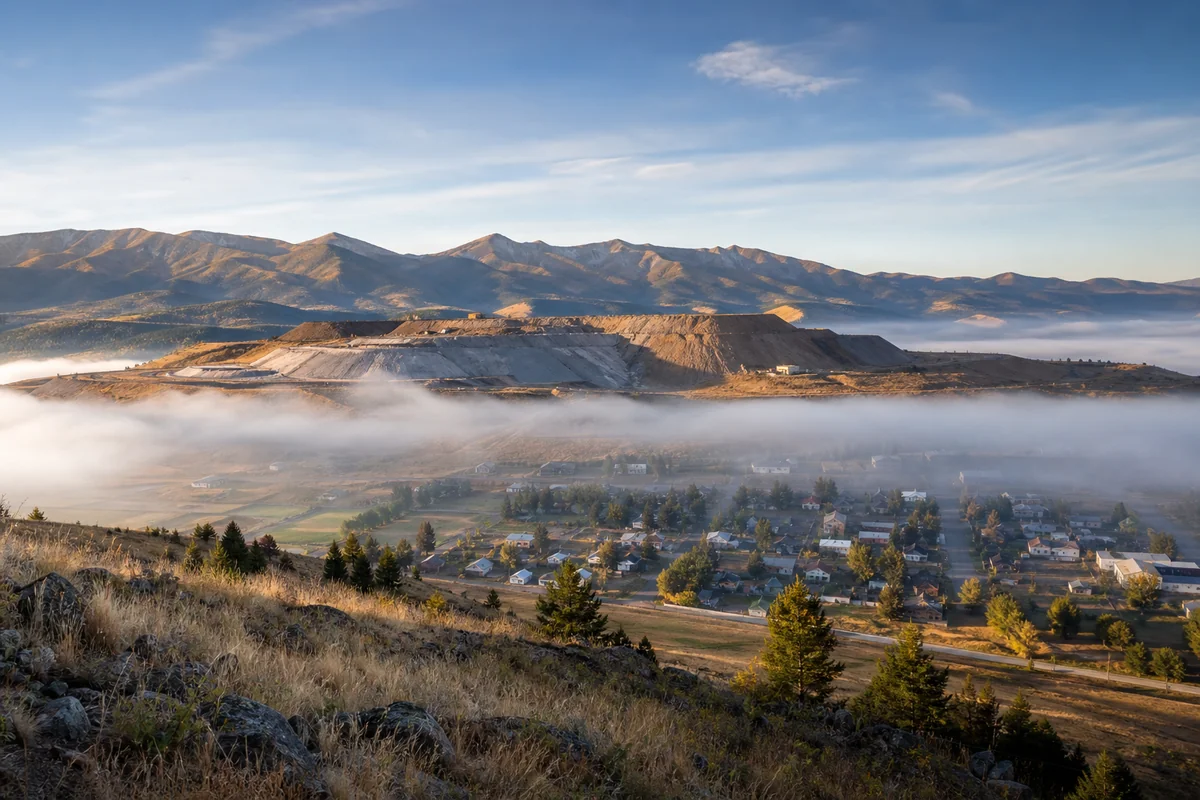
Standing at the overlook above Philipsburg on a September morning, watching fog roll through the valley as historic mine tailings caught the first light, it struck me how few Montana counties balance genuine mining history with outdoor recreation quite like Granite County.
This western Montana destination feels refreshingly undiscovered compared to its neighbors, yet it packs in everything from ghost town exploration to natural hot springs.
Like many of Montana’s 56 counties, Granite County rewards visitors who venture beyond the interstate with authentic experiences you simply can’t find in more tourist-heavy areas.
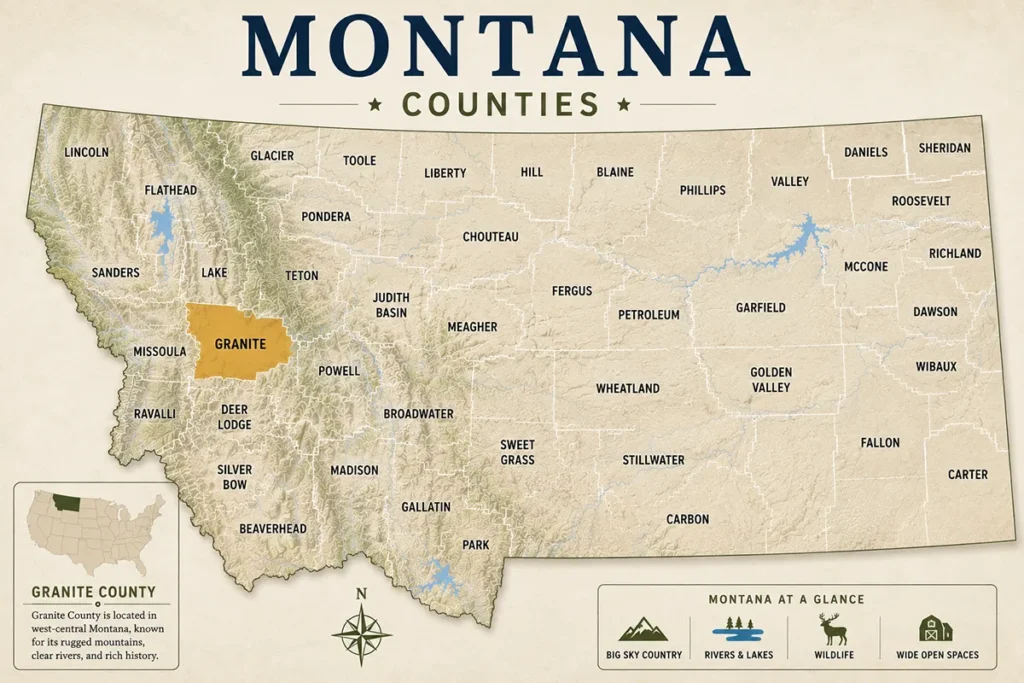
- Granite County sits in western Montana between Missoula and Butte, centered around the historic mining town of Philipsburg
- Major attractions include Granite Ghost Town State Park, Discovery Ski Area, Georgetown Lake, and sapphire mining experiences
- Best visited May through October; winter offers excellent cross-country skiing and snowmobiling
- Accommodations are limited—book Philipsburg lodging well in advance during summer months
- Plan at least 2-3 days to properly explore the county’s historic sites and outdoor recreation
- Cell service is spotty throughout much of the county—download maps before arrival
Liked this article?
Add Roaming Montana as a preferred source so you see more of our articles and guides on Google.
Understanding Granite County’s Geography and Location
Granite County occupies 1,727 square miles of western Montana’s rugged terrain, bordered by Deer Lodge County to the east and Flathead County to the north. The county stretches from the Flint Creek Range in the east to the Sapphire Mountains in the west, creating a natural bowl filled with mining history and outdoor adventures.
Highway 1, also known as the Pintler Scenic Route, serves as the county’s primary artery, connecting Drummond in the north to Anaconda in the south. This winding highway passes through Philipsburg, the county seat with a population hovering around 800 residents.
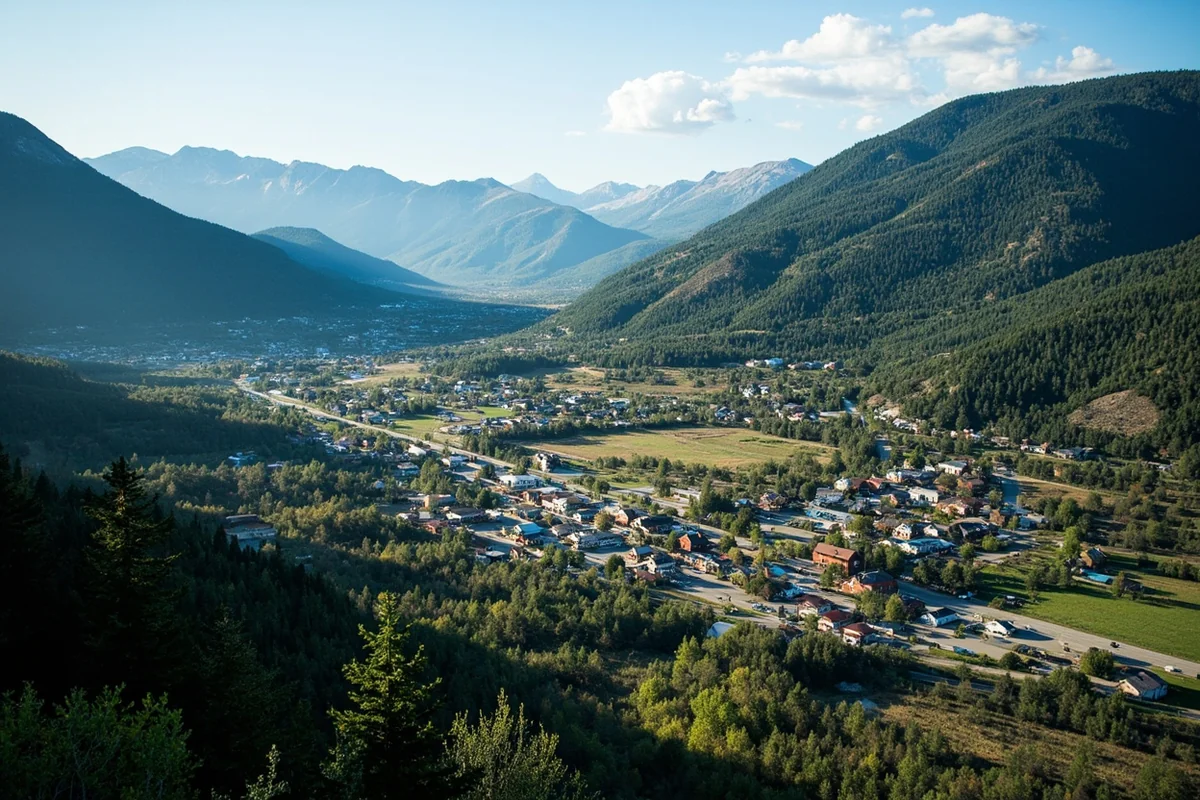
The terrain here differs significantly from the flatter prairies of eastern counties like Custer County or Dawson County. Elevations range from roughly 4,500 feet in the valleys to over 10,000 feet in the surrounding peaks, creating microclimates that can vary dramatically within a 20-minute drive.
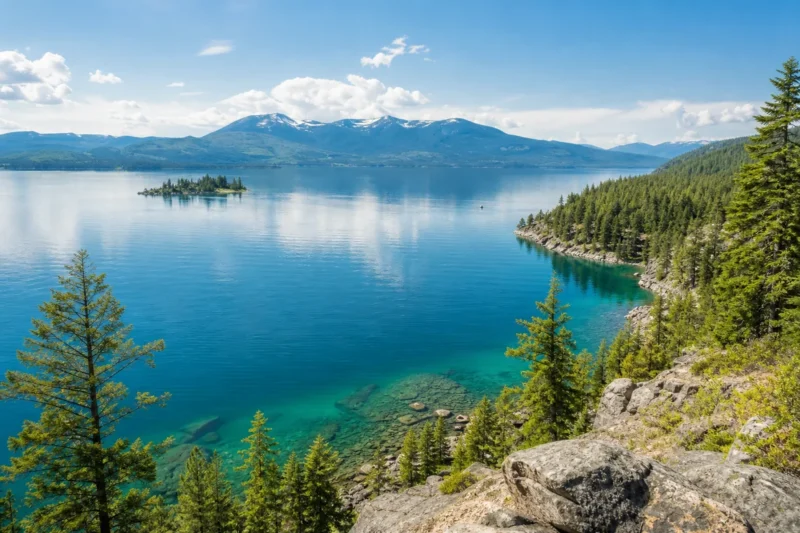
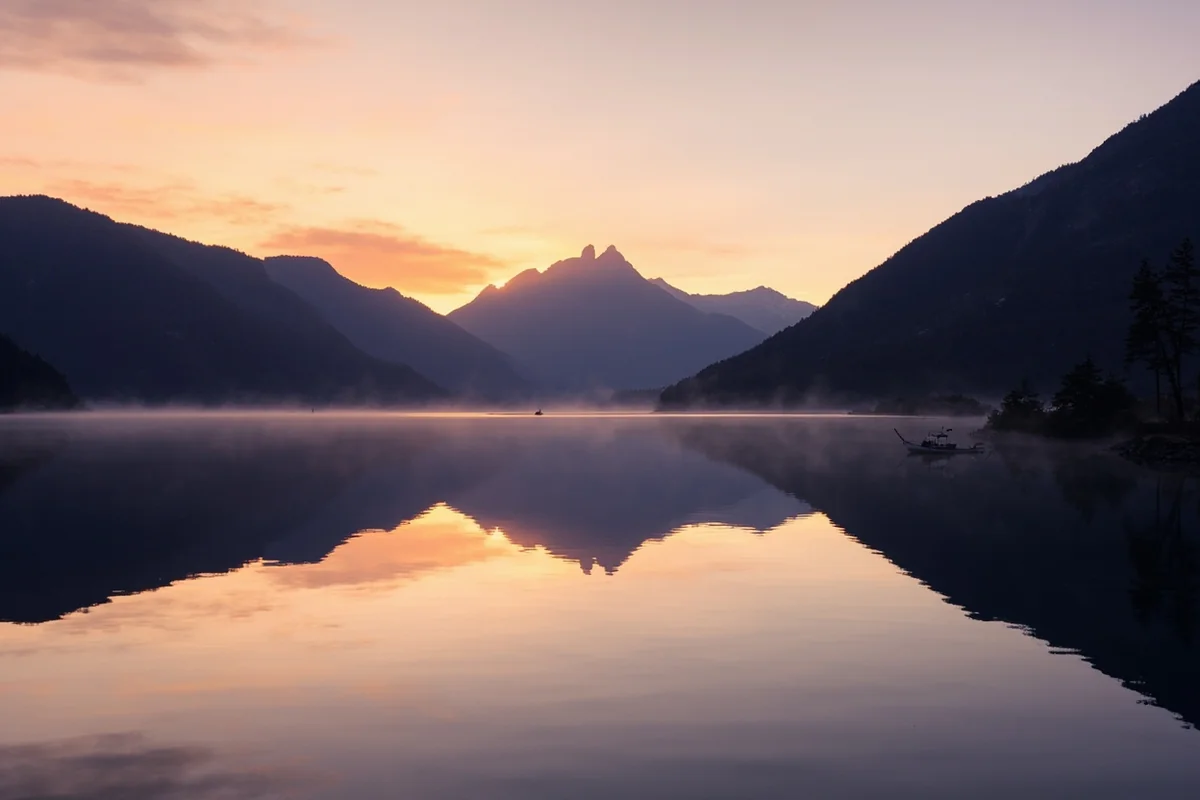
Georgetown Lake, the county’s largest body of water, sits at 6,400 feet elevation and serves as a hub for fishing, boating, and winter ice fishing. During my July visit, the temperature at the lake was a comfortable 75°F while Philipsburg down in the valley reached 88°F—that elevation difference matters when planning your activities.
Getting to Granite County
Most visitors approach Granite County from one of three directions, each offering distinct scenic advantages. From Missoula, the drive takes roughly 90 minutes via Highway 1 south through Drummond, passing through rolling ranch country before climbing into the mountains.
The route from Butte via Anaconda and Highway 1 north showcases the region’s mining legacy more directly. Massive mine structures and tailings piles dominate the landscape around Anaconda before giving way to forested slopes as you approach Georgetown Lake.
What caught me off guard during my first visit was the lack of gas stations once you leave the main highway. Between Drummond and Anaconda, Philipsburg is essentially your only reliable fuel stop. The gas station in Hall closes early, and I learned the hard way that “early” means 6 p.m. on weekdays.
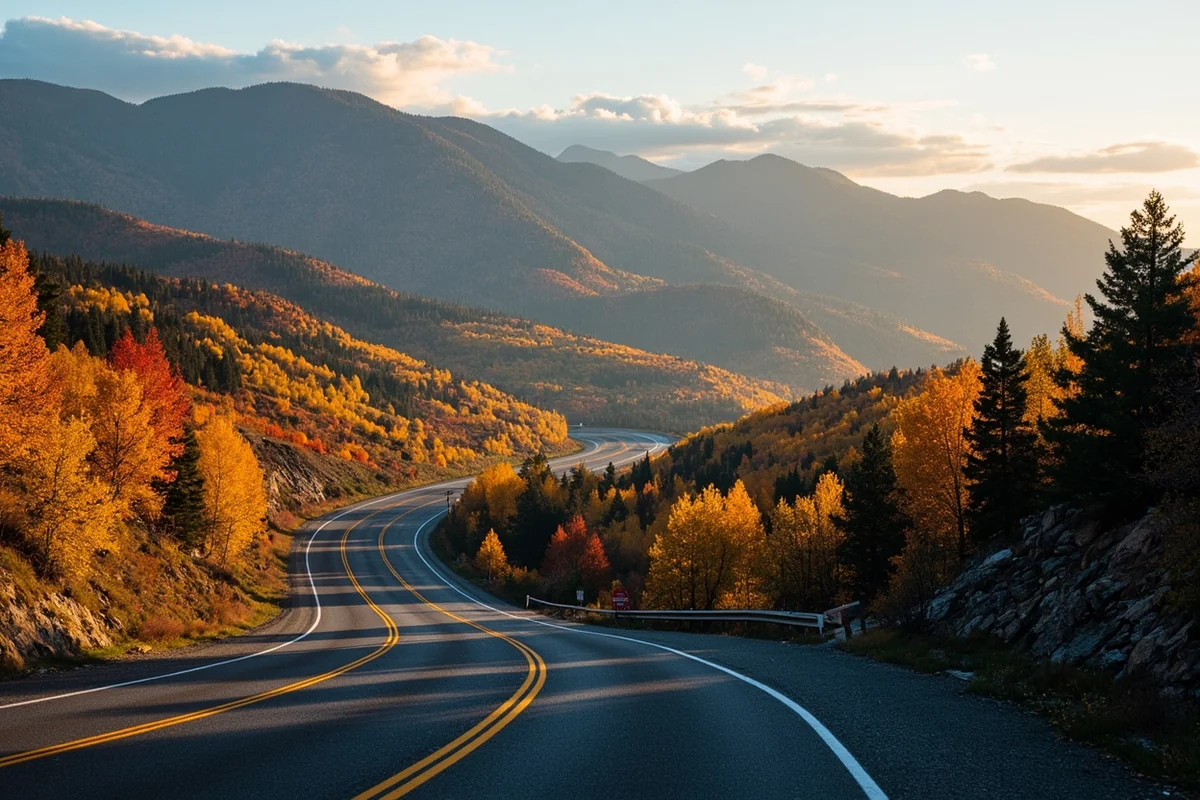
Visitors coming from Idaho can access the county via the Skalkaho Highway (Highway 38), a seasonal route that closes with snow typically from October through May. This spectacular drive crosses 7,258-foot Skalkaho Pass and ranks among Montana’s most dramatic mountain roads, but it’s definitely not for nervous drivers—the gravel sections and steep dropoffs demand full attention.
Cell service along these routes is unreliable at best. Download offline maps before departing, and let someone know your itinerary. During a September trip, my phone showed no service for the entire 45-minute stretch between Drummond and Philipsburg.
Philipsburg: The Heart of Granite County
Philipsburg’s Broadway Street transports visitors back to the 1890s more convincingly than almost any Montana town I’ve explored. Unlike heavily commercialized mining towns, Philipsburg maintains an authentic, slightly weathered charm that feels genuinely lived-in rather than staged for tourists.
The historic downtown stretches along Broadway for about four blocks, lined with original brick buildings housing galleries, candy shops, antique stores, and restaurants. What makes Philipsburg special is the mix—locals still do their grocery shopping and banking here, creating a real community rather than a tourist facade.
The Sweet Palace
The Sweet Palace candy store has earned its reputation as a must-visit, though the hype can mean crowds during peak summer weekends. This old-school confectionery stocks over 100 varieties of taffy, handmade chocolates, and hard-to-find nostalgic candies.
Visiting on a Tuesday morning in June, the shop was manageable with maybe a dozen other visitors. Return on a Saturday afternoon in July, and you’ll wait in line just to move through the aisles. The staff hand-pulls taffy throughout the day, and watching the process is worth timing your visit around—demonstrations typically happen mid-morning.
Sapphire Mining Experiences
Granite County sits atop one of North America’s most productive sapphire deposits, and several businesses in Philipsburg let visitors try their hand at finding gems. Sapphire Gallery and the Gem Mountain Sapphire Mine both offer “dig your own” experiences where you purchase a bucket of pre-mined gravel and sluice for sapphires.
Expectations need calibration here. You will find sapphires—the buckets are salted to ensure success—but finding a gem-quality stone worth cutting is genuinely rare. During my two-hour session at Sapphire Gallery, sorting through a bucket that cost around $30, I found approximately 50 small sapphires, with three large enough that the staff suggested professional cutting.

The real appeal isn’t striking it rich but the meditative process of sifting gravel in water, learning to spot the characteristic sapphire glint, and taking home genuine Montana gemstones you found yourself. Staff members provide excellent instruction on identification techniques and realistic assessments of what you’ve found.
For serious rockhounds, Gem Mountain Sapphire Mine offers full-day dig-your-own experiences at the actual mine site, about 15 miles east of Philipsburg on a rough dirt road. This requires significantly more physical effort—you’re not working pre-screened gravel but digging your own material—and comes with appropriately lower odds but higher potential rewards.
Museums and Historic Sites
The Granite County Museum and Cultural Center occupies a former hospital building and presents surprisingly comprehensive exhibits on local mining, ranching, and railroad history. Admission was $5 per adult during my last visit, and the docents—many of them longtime residents—provide context that written displays can’t capture.
One section displays artifacts from the infamous 1889 Granite Mountain Mine fire in nearby Butte, which killed 168 miners. The exhibit connects Granite County’s mining history to the larger Butte story in ways that made me reconsider the entire region’s industrial heritage.
The Ghost Town Hall of Fame, also downtown, celebrates the history of Montana’s abandoned mining camps through photographs, maps, and artifacts. Entry typically runs around $6 for adults. While smaller than the main museum, it serves as excellent background if you’re planning to visit Granite Ghost Town or other abandoned sites.
Granite Ghost Town State Park
Perched at 7,000 feet in the Flint Creek Range, Granite Ghost Town represents one of Montana’s best-preserved silver mining camps. The site once housed over 3,000 residents during the 1890s boom but was completely abandoned by 1915 when the silver market collapsed.
The access road from Highway 1 climbs three miles on gravel that’s generally well-maintained but steep and winding. Standard passenger cars can make the drive in good weather, but the combination of grade and loose gravel definitely favors higher-clearance vehicles. After rain, the road becomes slick clay that challenges even four-wheel-drive vehicles—park rangers told me they close the road entirely during heavy precipitation.
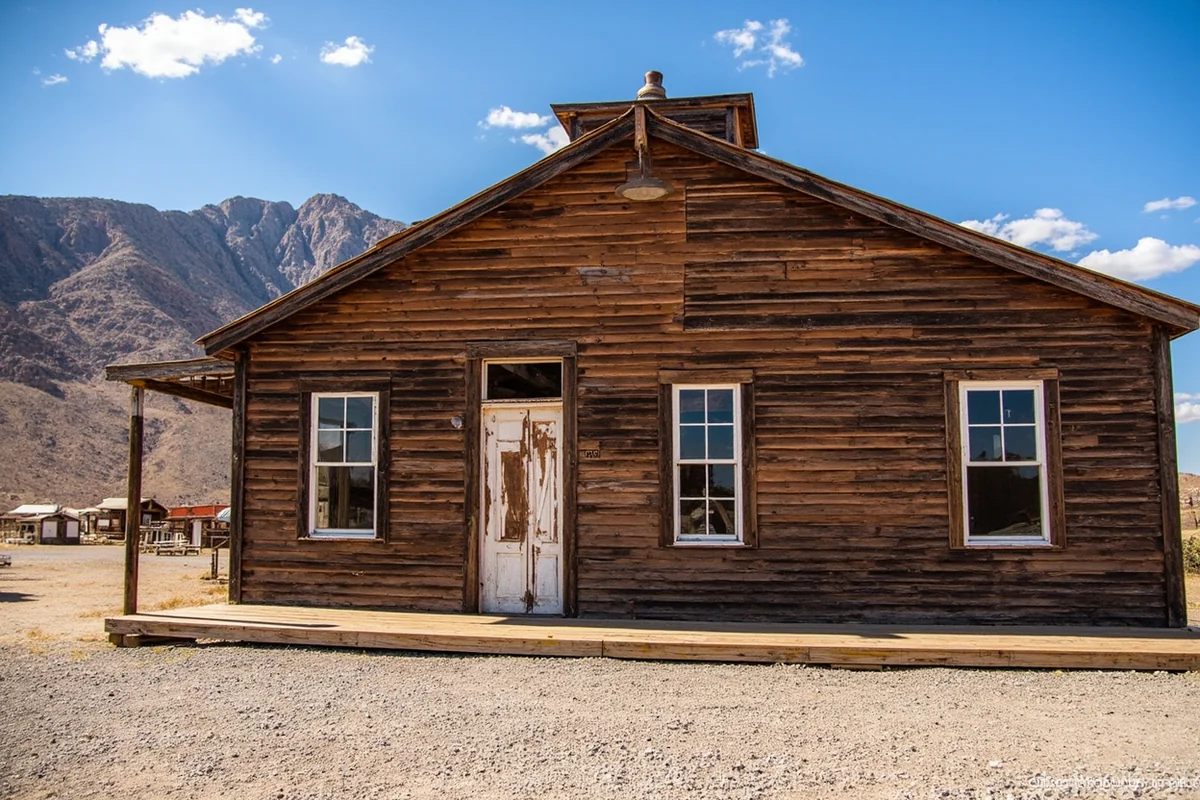
Montana Fish, Wildlife & Parks maintains the site and charges a modest entrance fee (typically around $5 per vehicle for Montana residents, $8 for non-residents at the time of writing). Unlike many Western ghost towns where only foundations remain, Granite preserves over 20 structures in various states of decay, including the three-story Miners Union Hall—one of the most photographed buildings in Montana.
What surprised me most about Granite was the interpretive quality. Self-guided tour brochures detail each building’s history and function, helping visitors understand the complete mining camp ecosystem rather than just seeing old buildings. The superintendent’s house, assay office, and remaining miner cabins tell distinct stories about the strict social hierarchy that governed these camps.
Summer weekends bring the most visitors, with the parking area typically filling between noon and 2 p.m. Early morning visits offer better lighting for photography and peaceful exploration before tour buses arrive. The site opens from late May through September, weather permitting—call ahead for current conditions if visiting during shoulder seasons.
The elevation and exposure mean temperatures run 10-15 degrees cooler than Philipsburg. Even in July, mornings start in the 40s, and afternoon thunderstorms develop frequently. During my August visit, blue skies at 10 a.m. gave way to lightning and hail by 2 p.m., sending everyone scrambling down the access road.
Georgetown Lake and Recreation
Georgetown Lake sprawls across 2,818 acres about 15 miles west of Philipsburg, created in 1885 when miners dammed Flint Creek to power stamp mills. Today it ranks among western Montana’s premier fishing destinations, known particularly for kokanee salmon and rainbow trout.
The lake sits entirely within Granite County, surrounded by the Pintler Scenic Route and offering multiple access points. Discovery Basin Ski Area overlooks the north shore, while small resorts, campgrounds, and summer home developments ring the water.
Fishing Georgetown Lake
According to Montana Fish, Wildlife & Parks, Georgetown Lake produces some of the state’s largest kokanee salmon, with fish regularly reaching 15-17 inches. The kokanee population thrives in the lake’s cold, deep waters—maximum depth reaches 70 feet—and peak fishing occurs from late summer through fall as salmon stage for their spawning run.
Rainbow trout fishing remains productive year-round, with fly anglers finding success along the southern shoreline and trollers working deeper water mid-lake. Brook trout and cutthroat trout round out the fishery, though in smaller numbers.
Ice fishing draws crowds from January through March, with kokanee and rainbow trout both remaining active under the ice. The lake typically freezes solid by late December, and ice thickness usually reaches safe levels (4+ inches) by early January. Local resorts rent ice fishing equipment and can provide current reports on ice conditions and productive areas.
Montana fishing licenses are required and available at several locations in Philipsburg and at Georgetown Lake Marina. Non-resident licenses typically run around $30 for two consecutive days or roughly $100 for a season pass, with exact prices set annually by Montana FWP.
Camping and Lodging Around Georgetown Lake
The Forest Service maintains several campgrounds around Georgetown Lake through the Philipsburg Ranger District. Lodgepole Campground on the east shore offers 32 sites among dense conifers, while Piney Campground on the west side provides 48 sites with better lake views.
Reservations through Recreation.gov are essential for summer weekends—sites typically book out 2-3 months in advance for July and August. Fees generally range from $15-20 per night depending on site amenities. What most visitors miss is that midweek availability remains good even in peak season, and early September offers prime conditions with minimal crowds.
For those seeking more comfort, several small resorts dot the shoreline. Georgetown Lake Lodge offers cabins and RV sites, while Seven Gables Resort provides motel-style rooms and a restaurant. Expect rates around $100-180 per night for basic accommodations during summer, with significant variation based on amenities and lake proximity.
During my September stay at a lakeside cabin rental, morning temperatures dipped into the low 30s—frost covered the deck and car windshield each morning. The mountain environment means shoulder seasons bring winter conditions even when valleys remain mild. Pack accordingly and don’t rely solely on weather forecasts for Philipsburg; lake conditions differ substantially.
Discovery Basin Ski Area
Discovery Basin operates as a community-owned ski area on the north slope above Georgetown Lake, offering a genuine Montana skiing experience without destination resort prices or crowds. The mountain receives an average of 250 inches of snow annually and maintains 2,200 feet of vertical drop across 2,200 acres.
What makes Discovery special is the lack of lift lines and the genuine locals-only vibe. During a January visit, my longest wait for the Lehigh Chair was perhaps three minutes despite blue skies and fresh powder. Compared to Montana’s major resorts, Discovery feels like traveling back to skiing’s simpler era.
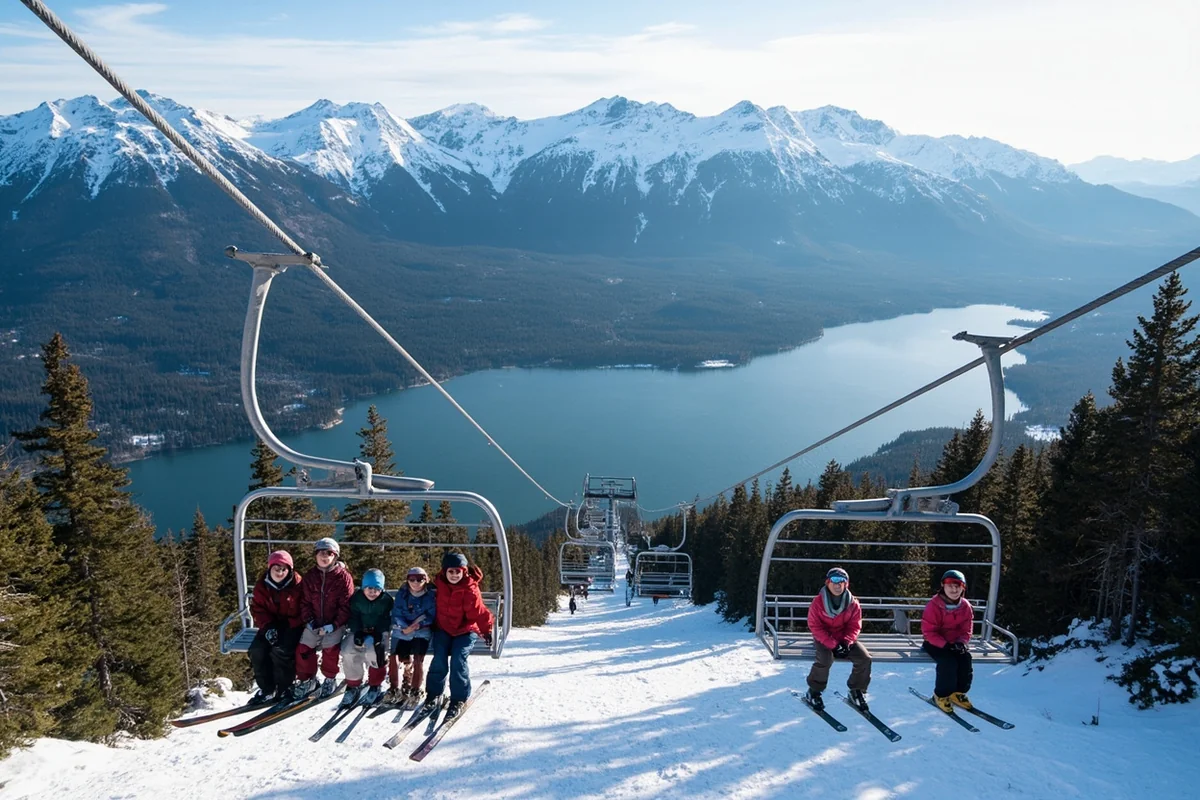
The terrain suits intermediate and advanced skiers best, with the upper mountain offering steep, tree-lined runs and several gladed areas that hold powder for days after storms. Beginners have adequate terrain near the base, though Discovery isn’t the ideal learn-to-ski destination—the mountain’s character leans more toward Montana grit than customer hand-holding.
Lift ticket prices typically range from $40-65 for adults depending on day of week and advance purchase, substantially less than major Montana resorts. Season passes run around $400-600, making Discovery an incredible value for anyone spending extended time in western Montana.
The base lodge provides cafeteria-style food and basic ski services, but don’t expect fancy dining or extensive rental fleets. The nearest equipment rental shops are in Philipsburg, and smart visitors handle equipment needs before driving up the mountain.
Road conditions between Philipsburg and Discovery require winter tires or chains during storms. The highway climbs steadily and sees significant snow accumulation, with periodic closures during the heaviest storms. Check Montana Department of Transportation’s MDT Travel Info before winter drives—getting stranded between the lake and Philipsburg is a genuine possibility during blizzards.
Summer Recreation and Trails
Granite County falls within the Beaverhead-Deerlodge National Forest, providing extensive trail access for hiking, mountain biking, and horseback riding. The terrain ranges from gentle valley trails suitable for families to serious alpine routes requiring navigation skills and mountain experience.
Warren Peak
Warren Peak (8,350 feet) offers one of the county’s most accessible summit hikes with panoramic views of the Flint Creek and Sapphire ranges. The trail begins at Georgetown Lake and climbs 2,000 feet over approximately 3.5 miles to the summit.
The first mile follows moderate switchbacks through lodgepole pine forest, eventually breaking into open meadows with wildflowers peaking in mid-July. After the second mile, the terrain transitions to rocky alpine environment with increasingly exposed trail sections.
What most guides skip is how deceptive the summit approach becomes. Several false summits appear during the final half-mile, and the true peak sits farther back than it appears from below. Allow 2.5-3 hours for the ascent and pack more water than seems necessary—the exposed upper sections offer no shade and reflect intense sun even on cool days.
During an early August hike, afternoon thunderheads formed by 1 p.m., forcing a hasty descent as lightning began striking nearby peaks. The summit provides zero protection from weather, and the exposed rocky terrain creates significant lightning hazard. Start early and plan to summit before noon during thunderstorm season (typically July through August).
Skalkaho Falls
The Skalkaho Highway (when open, typically June through September) provides access to Skalkaho Falls, an impressive cascade dropping roughly 100 feet into a rocky gorge. The falls sit right beside the highway at mile marker 17, requiring no hiking—park in the pullout and walk 50 yards to the viewing area.
Peak flow occurs during snowmelt, typically late May through June, when the falls roar with impressive volume. By late summer, flow diminishes substantially though the falls remain photogenic. I visited in early June during high runoff and could feel the spray from the viewing platform 30 feet away—absolutely bring rain gear if visiting during peak flow.
The Skalkaho Highway continues climbing toward the pass through spectacular alpine terrain, offering numerous pullouts for photography and wildlife viewing. Mountain goats frequently appear on the rocky slopes above the road, particularly near the pass itself. Keep binoculars handy and drive slowly—wildlife encounters make the drive worthwhile even without reaching the pass.
Hot Springs Near Granite County
While Granite County doesn’t contain commercial hot springs developments within its boundaries, several popular Montana hot springs sit within easy driving distance. After a day hiking or skiing, soaking in natural mineral water ranks among the region’s finest recovery activities.
Fairmont Hot Springs Resort lies about 45 minutes south in neighboring Deer Lodge County, offering large developed pools fed by natural hot springs. The resort welcomes day visitors (fees typically around $10-15 for adults) and provides a family-friendly environment with waterslides and multiple pools at varying temperatures.
For a more rustic experience, Elkhorn Hot Springs sits roughly 30 miles south of Philipsburg via gravel forest roads. This historic resort maintains simple soaking pools in a mountain setting that feels delightfully undeveloped compared to larger operations. Day use fees usually run around $8-12 per person, and the facility includes basic cabins if you’re considering an overnight stay.
Both locations get busy on weekends, particularly during winter when snow enthusiasts seek recovery soaks. Weekday visits offer more peaceful experiences and easier parking. Don’t expect luxury spa amenities at either location—these are genuine Montana hot springs focused on the soaking experience rather than elaborate facilities.
Wildlife Viewing Opportunities
The varied elevation and habitat types within Granite County support robust wildlife populations that provide excellent viewing opportunities for patient observers. The transition zones where valley ranchland meets forested mountain slopes concentrate wildlife activity, particularly during dawn and dusk.
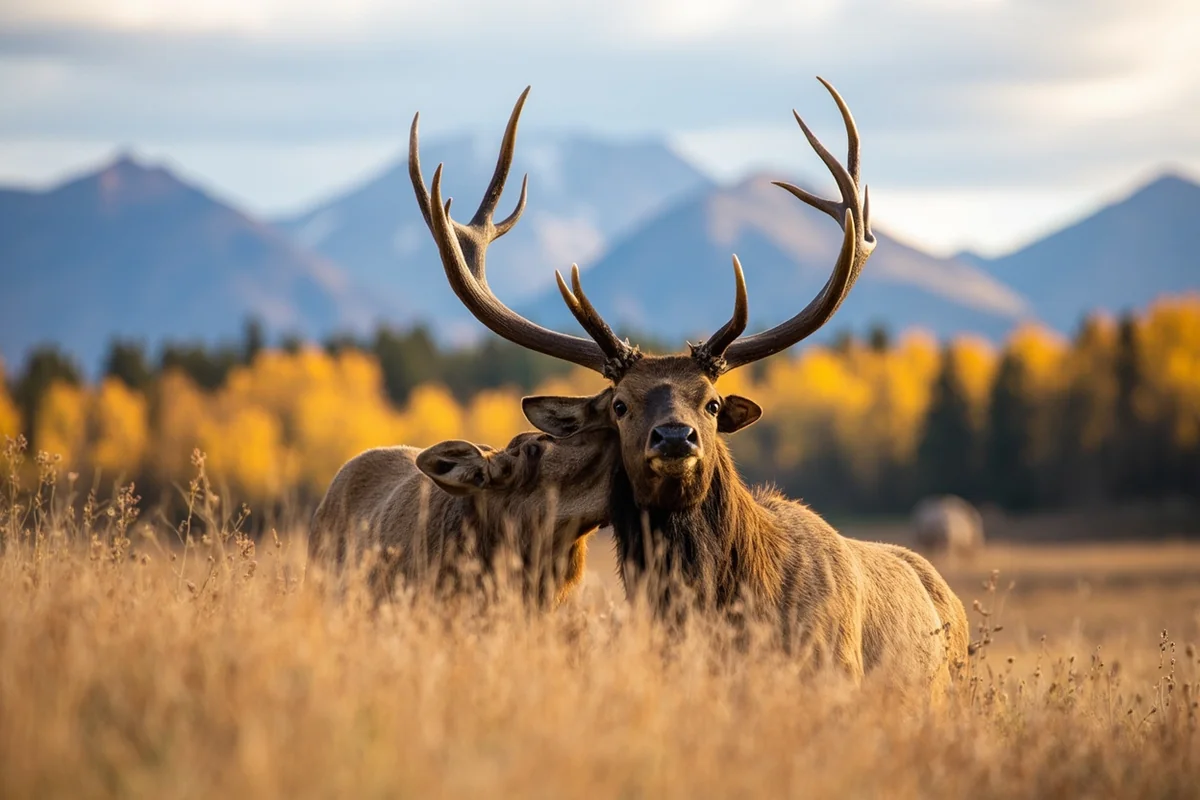
Elk herds inhabit the surrounding mountain ranges and frequently descend into valley meadows during early morning and evening hours. The Georgetown Lake area offers particularly reliable elk viewing during fall, when herds congregate before winter migration. During a September visit, I counted approximately 30 elk feeding in the meadow near Piney Campground around 7 a.m., close enough to hear them calling.
White-tailed deer and mule deer both occur throughout the county, with whitetails favoring riparian corridors and mule deer occupying more open terrain. The valley around Philipsburg supports healthy deer populations visible even from town limits—don’t be surprised to see deer browsing residential gardens or crossing Broadway Street at dawn.
Mountain goats occupy the high peaks surrounding Georgetown Lake and become visible during summer months when they descend to mineral licks. The cliffs near Skalkaho Pass host one of the more accessible goat populations, though spotting them requires binoculars and patience scanning rocky slopes.
Black bears roam throughout the forested portions of the county, and encounters increase during late summer when bears focus on berry consumption. Bear spray is sensible insurance on any backcountry hike, and proper food storage is mandatory at campgrounds. Rangers actively patrol camping areas and will cite visitors for unsecured food—I watched a ranger issue warnings to three different campsites during one evening at Georgetown Lake.
According to Montana Fish, Wildlife & Parks, gray wolves have recolonized much of western Montana including areas around Granite County, though sightings remain relatively rare. Wolves occupy the region but their elusive nature and low population density make chance encounters unlikely for casual visitors.
Birdwatchers will find productive territory throughout the county. Bald eagles and osprey nest around Georgetown Lake, Clark’s nutcrackers and gray jays frequent higher elevations, and valley bottoms host excellent riparian bird communities. The Audubon Society documents over 150 species in the broader Philipsburg area across seasonal migrations.
Seasons and Weather Patterns
Granite County’s elevation creates distinct seasonal patterns that differ significantly from Montana’s lower-elevation regions. Understanding these patterns helps visitors choose optimal timing and pack appropriately for the mountain environment.
Summer (June through August) brings the most predictable weather, though “predictable” is relative in the mountains. Daytime highs in Philipsburg typically range from the mid-70s to mid-80s, while Georgetown Lake stays 10-15 degrees cooler. Afternoon thunderstorms develop frequently, particularly during July and August, typically building by early afternoon and clearing by evening.
What caught me by surprise during my July visit was how quickly weather deteriorated. Departing for a hike under clear skies at 10 a.m., I watched storm cells develop during the ascent, forcing a turnaround as lightning began striking nearby ridges by 1 p.m. The mountains create their own weather systems independent of valley forecasts—plan accordingly and start hikes early.
Fall (September through October) offers some of the county’s finest weather, with stable high-pressure systems, minimal precipitation, and spectacular autumn colors. Daytime temperatures during September typically reach the 60s in Philipsburg, dropping to the 40s at Georgetown Lake. Early October brings increased freeze probability and occasional snow at higher elevations.
The aspen groves surrounding Georgetown Lake and along the Skalkaho Highway peak typically during the last week of September through early October, varying by elevation and weather patterns. During my late September visit, lower elevations showed full color while aspens at 7,000+ feet were just beginning to turn.
Winter transforms the county into a snowy landscape with substantial accumulation. Philipsburg receives approximately 60-80 inches of snow annually, while Georgetown Lake and Discovery Basin see 200+ inches. Temperatures regularly drop below zero during cold snaps, and inversions can trap frigid air in valleys for days while mountain slopes enjoy warmer conditions.
Winter visitors need serious preparation—this isn’t a casual snow experience. The combination of elevation, storms rolling off the Continental Divide, and limited services means winter travel requires appropriate vehicles, emergency supplies, and flexible plans. During a February trip, a storm dumped 18 inches overnight, closing the road between Philipsburg and Drummond until midday while plows worked.
Spring (April through May) brings variable conditions that defy generalization. Warm, sunny days can alternate with significant snowstorms through early May. Mud season impacts backcountry access, and many forest roads remain impassable until June. Georgetown Lake typically sheds its ice during April, though I’ve seen ice remaining into early May during cold years.
Food and Dining Options
Granite County’s dining scene reflects its small-town character—limited options but generally solid quality and welcoming service. Don’t expect fine dining or extensive variety, but you won’t go hungry either.
The Philipsburg Brewing Company on Broadway serves as the town’s primary dinner destination, offering brewpub fare alongside house-made beers. The menu includes burgers, sandwiches, and pizzas, with meal prices typically ranging from $12-18 for entrees. The beer selection emphasizes balanced, approachable styles rather than extreme experimentation—this is a small Montana brewery serving locals first and tourists second.
Service can slow during busy summer evenings when the dining room fills. During a July visit, our party waited approximately 45 minutes from ordering to receiving food on a Saturday night. Arrive early (before 6 p.m.) or late (after 8 p.m.) to avoid peak crowds.
The Doe Brothers Restaurant, also on Broadway, offers breakfast and lunch with standard American diner fare. The breakfast skillets receive consistent local praise, and portion sizes lean generous. Expect prices around $10-15 for breakfast, slightly less for lunch sandwiches and burgers.
Bitterroot Pottery Studio and Tea Room provides an alternative lunch option focusing on soups, salads, and light fare alongside loose-leaf teas. The atmosphere differs dramatically from the brewpub crowd—quieter and more refined, popular with the art gallery visitors. This is where locals take their mothers for lunch, not where fishing guides grab burgers.
For coffee, The Broadway Cafe serves espresso drinks and pastries in a small storefront downtown. The coffee quality exceeded my expectations—properly pulled shots and competent milk steaming, which isn’t guaranteed in small Montana towns. A latte typically costs around $4-5.
Grocery supplies require a stop at Philipsburg’s small grocery store or planning ahead in Missoula or Butte. The local store carries essentials but limited selection—think milk, bread, canned goods, and basic produce, not extensive meal planning inventory. Prices run higher than city supermarkets, reflecting the remote location and small-volume ordering.
Georgetown Lake offers even more limited options. Georgetown Lake Lodge operates a restaurant serving breakfast and dinner during summer months, but hours are limited and menus focus on hearty rather than sophisticated—think steaks, fried fish, and filling portions. Call ahead to verify current hours, as summer operations can vary.
Where to Stay in Granite County
Accommodation options in Granite County cluster around Philipsburg and Georgetown Lake, with advance reservations essential during peak summer months. The county lacks chain hotels and major resorts, which appeals to some visitors while limiting options for others.
Philipsburg Lodging
The Broadway Hotel, built in 1890, offers the most historic downtown lodging with nine rooms above the Sweet Palace candy store. Rooms feature period details and modern bathrooms, though noise from Broadway traffic can be noticeable in front-facing rooms. Rates typically range from $90-140 per night depending on season and room size.
During my June stay, the hotel delivered authentic historic atmosphere with decent comfort levels, though visitors seeking extensive amenities should look elsewhere—there’s no elevator, no gym, no room service, just clean rooms with genuine character in a walkable downtown location.
The Flint Creek Inn on the southern edge of town provides standard motel-style rooms in a newer building. Rooms typically cost around $85-120 per night and include basic amenities, off-street parking, and guest laundry. The property lacks charm but delivers reliable comfort and easy highway access.
Several vacation rental properties have emerged in recent years, listed through standard platforms like VRBO and Airbnb. Options range from in-town cottages to rural properties with mountain views, priced anywhere from $100-250+ per night depending on size and amenities. Book several months ahead for July and August weekends—inventory is limited and turnover high.
Georgetown Lake Area
Small resorts around Georgetown Lake offer everything from motel rooms to rustic cabins to RV sites. Georgetown Lake Lodge and Seven Gables Resort both provide on-site restaurants and fishing access, with room rates generally ranging from $100-180 per night during summer.
The Forest Service campgrounds mentioned earlier provide the most affordable and arguably most scenic accommodations, assuming you’re equipped for tent or RV camping. Sites book far in advance through Recreation.gov for summer weekends but offer better availability during shoulder seasons.
For winter visitors focused on skiing Discovery Basin, several properties near the ski area offer slope-side convenience. These tend toward older, simpler lodging—this isn’t a polished resort scene but rather functional mountain access with limited amenities.
Common Mistakes and What Most Visitors Get Wrong
After multiple trips to Granite County and conversations with locals, certain patterns emerge in what trips up first-time visitors. Avoiding these mistakes significantly improves the experience.
Underestimating distances and driving times ranks as the most common error. The Pintler Scenic Route winds through mountains with frequent elevation changes, and what looks like 30 miles on a map translates to 45+ minutes of driving. Add weather, wildlife crossings, or road work, and schedules compress quickly. Build buffer time into itineraries rather than stacking activities tightly.
Arriving without reservations during peak summer leaves visitors scrambling for accommodation. With limited lodging inventory and strong demand during July and August weekends, showing up without reservations often means driving to Anaconda, Deer Lodge, or even Missoula for rooms. Book accommodation before arrival, not after reaching Philipsburg.
Forgetting about elevation effects catches visitors unprepared for thinner air and stronger sun. Georgetown Lake sits at 6,400 feet, and trailheads often begin even higher. Sunscreen, extra water, and realistic fitness expectations all become more important at altitude. During a hike with visiting friends, two people experienced altitude-related headaches despite being fit at sea level—the elevation matters even for healthy individuals.
Relying on cell service creates problems when phones show no signal and you’re trying to find a trailhead or check business hours. Download offline maps, save essential contact information, and print directions for key destinations before leaving areas with reliable service. During multiple trips, my phone spent more time without service than with it.
Overdressing for summer activities because “it’s Montana” leads to overheating during midday hikes. While mornings start cool, summer afternoons can be genuinely warm, particularly at lower elevations. Layer clothing and pack a day pack allowing you to adjust—the temperature range from morning to afternoon can exceed 30 degrees.
Treating winter too casually represents the opposite problem. This is serious mountain winter requiring appropriate vehicles, emergency supplies, and realistic assessment of conditions. The remoteness and weather severity mean mistakes carry real consequences. If you’re not comfortable driving snow-covered mountain highways or lack proper winter gear, visit during shoulder seasons instead.
Practical Information and Resources
Several key resources help visitors plan and navigate Granite County more effectively.
| Resource | Contact Information | Services Provided |
|---|---|---|
| Philipsburg Chamber of Commerce | (406) 859-3388 | Visitor information, business directory, event calendar |
| Philipsburg Ranger District (USFS) | (406) 859-3211 | Trail conditions, forest road status, recreation information |
| Montana Fish, Wildlife & Parks | (406) 542-5500 | Fishing reports, hunting regulations, state park information |
| Montana Road Conditions | 511 or 1-800-226-7623 | Real-time road status, closures, winter travel conditions |
| Discovery Basin Ski Area | (406) 563-2184 | Snow conditions, lift hours, winter operations |
Gas stations in Philipsburg close by 8-9 p.m. typically, with very limited evening options. Fuel before arriving or immediately upon reaching town—don’t assume you can grab gas after dinner.
The nearest medical facilities are in Deer Lodge (25 miles east) or Anaconda (20 miles south). Philipsburg has no hospital or urgent care clinic. Cell service limitations mean 911 calls can be impossible from remote areas—inform someone of your plans before heading into backcountry.
Banking options in Philipsburg are limited to a single bank branch and ATM. Many small businesses accept credit cards, but cash remains useful for farmers markets, some food trucks, and tip situations. Withdraw cash in larger towns before arriving if you prefer not to rely entirely on cards.
Most businesses in Philipsburg close or reduce hours during winter months. The summer season (Memorial Day through Labor Day) sees full operations, but visiting during October through April means calling ahead to verify hours and availability. Several restaurants and shops close entirely during winter.
How We Researched This Guide
This guide draws from four visits to Granite County between 2020 and 2024, covering summer, fall, and winter seasons. Research included firsthand exploration of Philipsburg’s downtown, the Granite Ghost Town access road and site, Georgetown Lake’s campgrounds and shoreline, the Skalkaho Highway corridor, and Discovery Basin Ski Area.
Price information for lodging, dining, sapphire mining, and state park admission reflects amounts paid or observed during those visits. Current figures were cross-referenced with the Philipsburg Chamber of Commerce, Montana Fish Wildlife & Parks, and the Beaverhead-Deerlodge National Forest’s Philipsburg Ranger District.
Road condition details and seasonal access information were verified through Montana DOT and direct calls to the Granite Ghost Town site office.
Conversations with Philipsburg business owners, Forest Service rangers, and Georgetown Lake resort staff provided context that written sources couldn’t capture. As with any guide, fees, hours, and conditions change — call ahead for anything time-sensitive before your visit.
Final Thoughts
Granite County sits in a sweet spot that’s becoming increasingly rare in western Montana — genuinely worth visiting, not yet overrun. Philipsburg has enough charm and activity to anchor a two or three day trip without feeling like it’s performing for an audience.
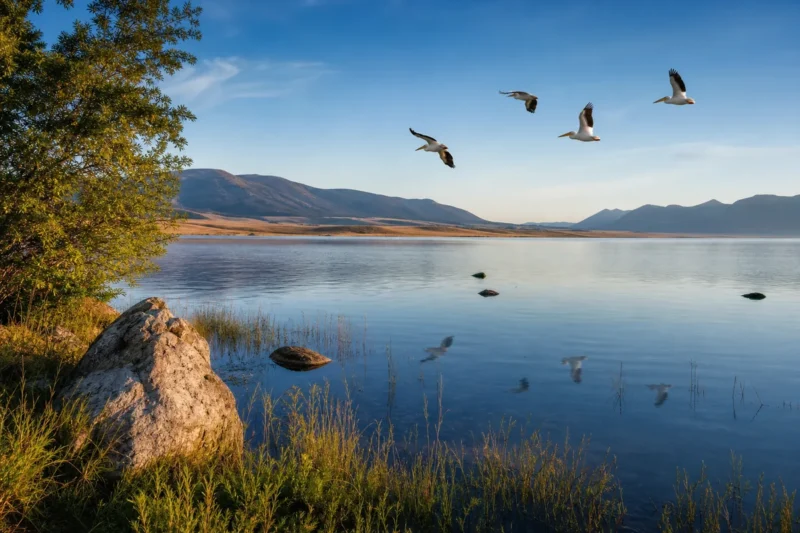
The ghost town is legitimately impressive, the sapphire mining is actually fun, and Georgetown Lake on a calm September morning is one of those quiet Montana scenes that doesn’t need a caption.
The county rewards visitors who stay an extra day rather than checking it off a list. If you’re driving between Missoula and Butte, the Pintler Scenic Route adds maybe 40 minutes over the interstate. That 40 minutes is worth it every time.
Frequently Asked Questions
What is Granite County, Montana known for?
Granite County is best known for its exceptional outdoor recreation opportunities, including world-class fly fishing on the Clark Fork River and access to pristine wilderness areas like the Anaconda-Pintler Wilderness. The county also has rich mining history, with ghost towns like Granite and Southern Cross offering glimpses into Montana’s gold and silver rush era. Philipsburg, the charming county seat, attracts visitors with its historic downtown, sapphire mining experiences, and well-preserved Victorian architecture.
What is the best time of year to visit Granite County, Montana?
The best time to visit Granite County is from June through September when all roads and attractions are accessible and temperatures range from 70-80°F during the day. Summer months are ideal for fishing, hiking, and exploring ghost towns, while September offers stunning fall colors and fewer crowds. Winter visits (December-March) are perfect for snowmobiling and cross-country skiing, though some mountain roads close and temperatures can drop below 0°F.
How far is Granite County from major Montana cities?
Granite County’s main town of Philipsburg is located approximately 55 miles southeast of Missoula (about 1 hour drive) and 85 miles northwest of Butte (1.5 hours). The county sits along scenic Highway 1 and is roughly 220 miles from Glacier National Park and 200 miles from Yellowstone National Park, making it a convenient stopping point for travelers exploring western Montana.
What should I pack for a trip to Granite County, Montana?
Pack layers for highly variable mountain weather, including a warm jacket even in summer when temperatures can drop to the 40s at night. Bring sturdy hiking boots, sun protection (sunscreen, hat, sunglasses), and insect repellent for outdoor activities. If you’re planning to fish or explore backcountry areas, don’t forget your fishing license, bear spray, and plenty of water, as services are limited outside of Philipsburg.
How much does it cost to go sapphire mining in Philipsburg, Montana?
Sapphire mining experiences in Philipsburg typically cost between $10-75 depending on the amount of gravel you purchase, with most visitors spending around $30-40 for a bucket that provides 1-2 hours of entertainment. You keep any sapphires you find, and local gem shops will cut and set your discoveries for additional fees ranging from $15-100+ depending on size and quality. It’s an affordable, family-friendly activity that’s become one of Granite County’s most popular attractions.
Are there any ghost towns to visit in Granite County, Montana?
Granite Ghost Town, located about 3 miles east of Philipsburg, is Montana’s best-preserved silver mining town and charges a small admission fee of around $5 per adult (summer only). Southern Cross, another historic mining settlement, is accessible via a scenic dirt road but requires high-clearance vehicles. Both sites offer self-guided exploration of original buildings and mining structures, with Granite Ghost Town providing the most developed visitor experience including interpretive signs and maintained trails.
What are the top things to do in Granite County for outdoor enthusiasts?
Outdoor enthusiasts can enjoy world-class fly fishing on the Clark Fork and Flint Creek rivers, with numerous public access points and guide services available in Philipsburg. The Anaconda-Pintler Wilderness offers over 160,000 acres of backcountry hiking and backpacking, while Discovery Ski Area (just outside the county) provides winter recreation. During summer, visitors also love exploring the Skalkaho Highway scenic drive, mountain biking on forest service roads, and wildlife watching for elk, deer, moose, and occasionally black bears.