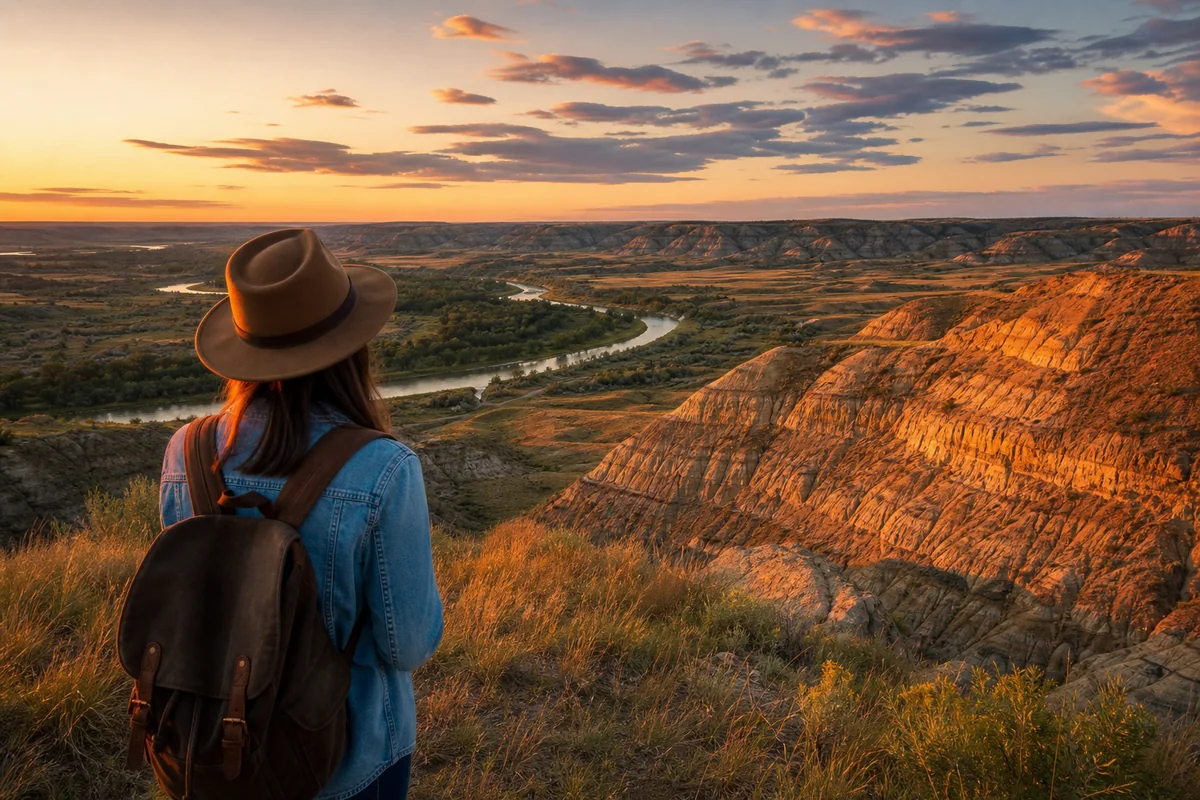
Standing at the edge of Wibaux County at dusk, watching the last light turn the badlands copper and gold, it hit me that most travellers blast right past this corner of Montana on I-94 without ever stopping — and that is genuinely their loss.
This is one of the 56 Montana Counties that rewards the curious and the unhurried above everyone else.
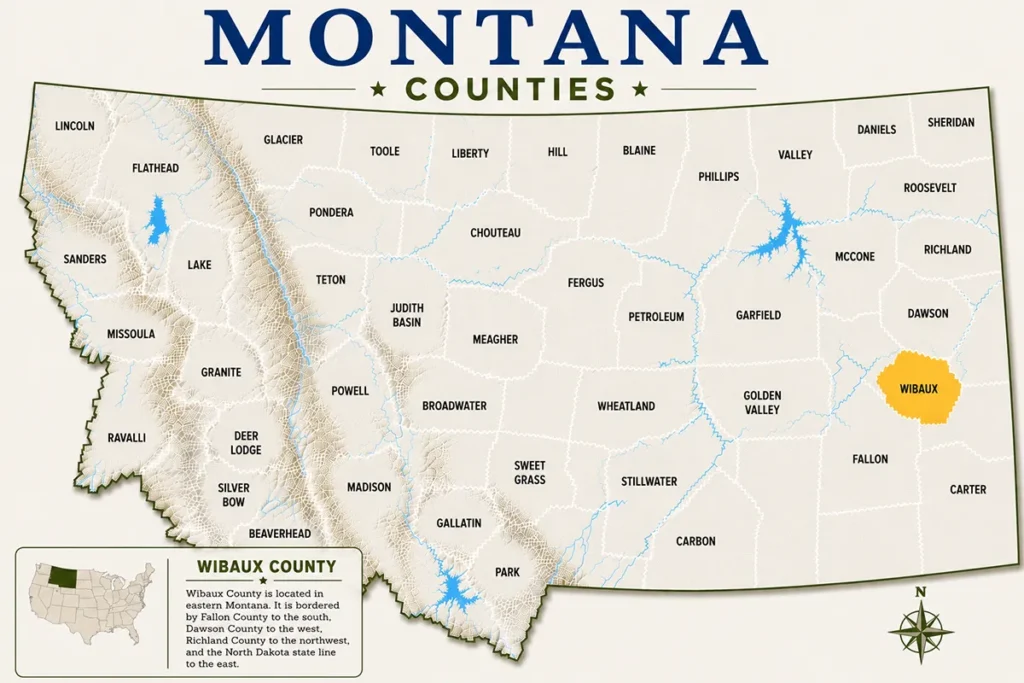
- Wibaux County sits in the far eastern corner of Montana, bordering North Dakota on Interstate 94
- The town of Wibaux is the county seat and offers genuine cowboy history, the Pierre Wibaux Museum, and classic small-town Montana hospitality
- Best visited between May and September — summers are warm, winters are brutal and roads can close
- Outdoor highlights include Beaver Creek, nearby Makoshika State Park day trips, and some of Montana’s finest fossil country
- This is a road-trip stop, not a week-long destination — plan one to two days and pair it with neighbouring counties
- Cell service is limited outside the town of Wibaux — download maps before you arrive
Liked this article?
Add Roaming Montana as a preferred source so you see more of our articles and guides on Google.
Where Is Wibaux County and Why Should You Care?
Wibaux County occupies Montana’s far eastern edge, tucked right up against the North Dakota state line. It covers roughly 889 square miles, making it one of Montana’s smaller counties by area, yet what it lacks in size it more than compensates for in character.
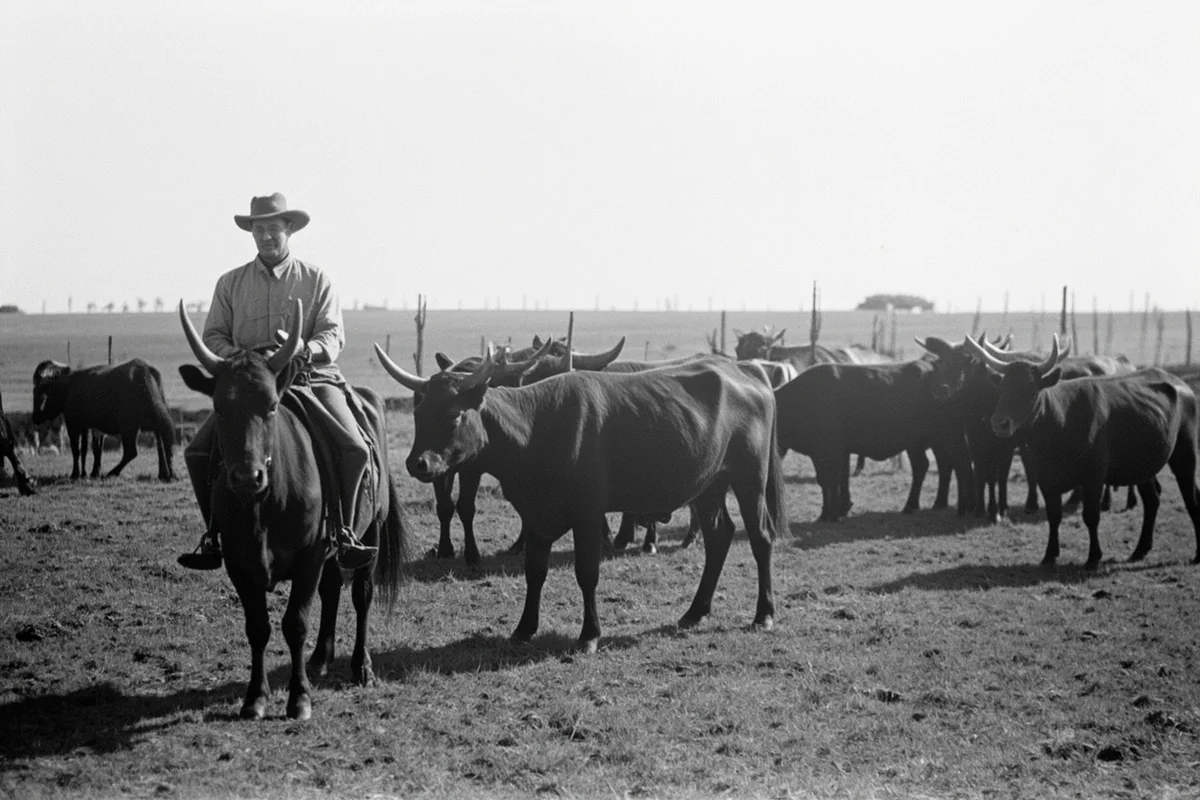
The county was carved out in 1914 and named after Pierre Wibaux, a French cattle baron who built one of the most extraordinary ranching empires the northern plains ever saw. That name — and that story — is still very much alive here, woven into everything from the museum signage to the conversations you’ll have at the local diner.
Interstate 94 passes directly through the town of Wibaux, making it a genuinely logical stop between Billings and Bismarck. What most guides skip is that Wibaux rewards the visitor who actually gets out of the car rather than treating it as a fuel break.
A Little History That Actually Matters
Pierre Wibaux arrived in Montana in 1883, a young Frenchman from a wealthy textile family who gambled everything on cattle. By the time the devastating winter of 1886–87 wiped out enormous herds across the northern plains, Wibaux had the foresight — and the capital — to buy cattle from desperate ranchers at rock-bottom prices.
He rebuilt his herd to roughly 65,000 head, which made him one of the most powerful ranching figures in the entire region. The town that grew up around his operations took his name, and the county followed.
That backstory matters because it explains why Wibaux has always punched above its weight culturally. This was never just a dusty crossroads — it was the beating heart of a cattle empire, and the local pride in that heritage is completely authentic.
The Town of Wibaux: What to Expect
The town of Wibaux — population hovering around 500 at time of writing — is exactly the kind of small Montana town that travel writers love to romanticise but rarely describe accurately. It is genuinely small, genuinely quiet, and genuinely welcoming.
Main Street has a handful of businesses, a bar or two, a diner, and the kind of hardware store that still sells things you actually need rather than decorative items for a lake house. What struck me most on my first visit was how unhurried everything felt — not sleepy, just operating at a pace that made me realise how frantically I’d been living.
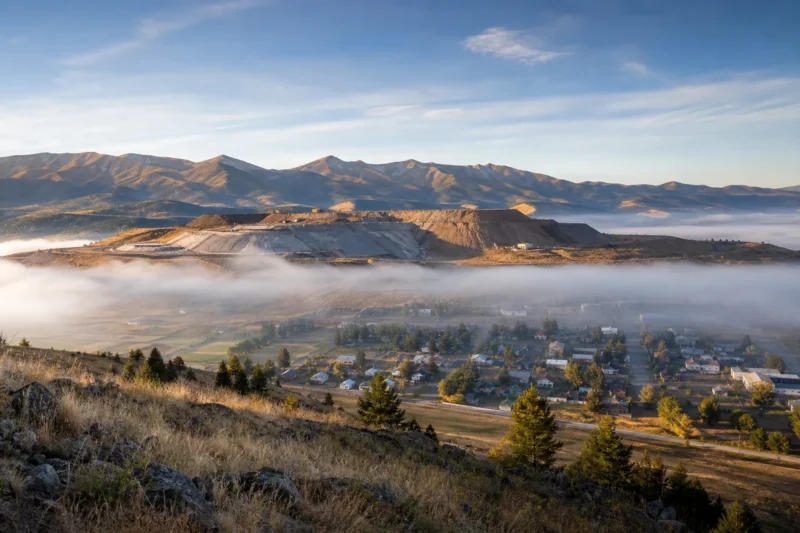
The town sits just off I-94 at Exit 212, and the drive in from the highway gives you a first impression of wide, open prairie with the courthouse tower visible well before you reach the main street. It is not photogenic in the way that Whitefish or Missoula are photogenic, but it has a spare, honest beauty that grows on you quickly.
Pierre Wibaux Museum Complex
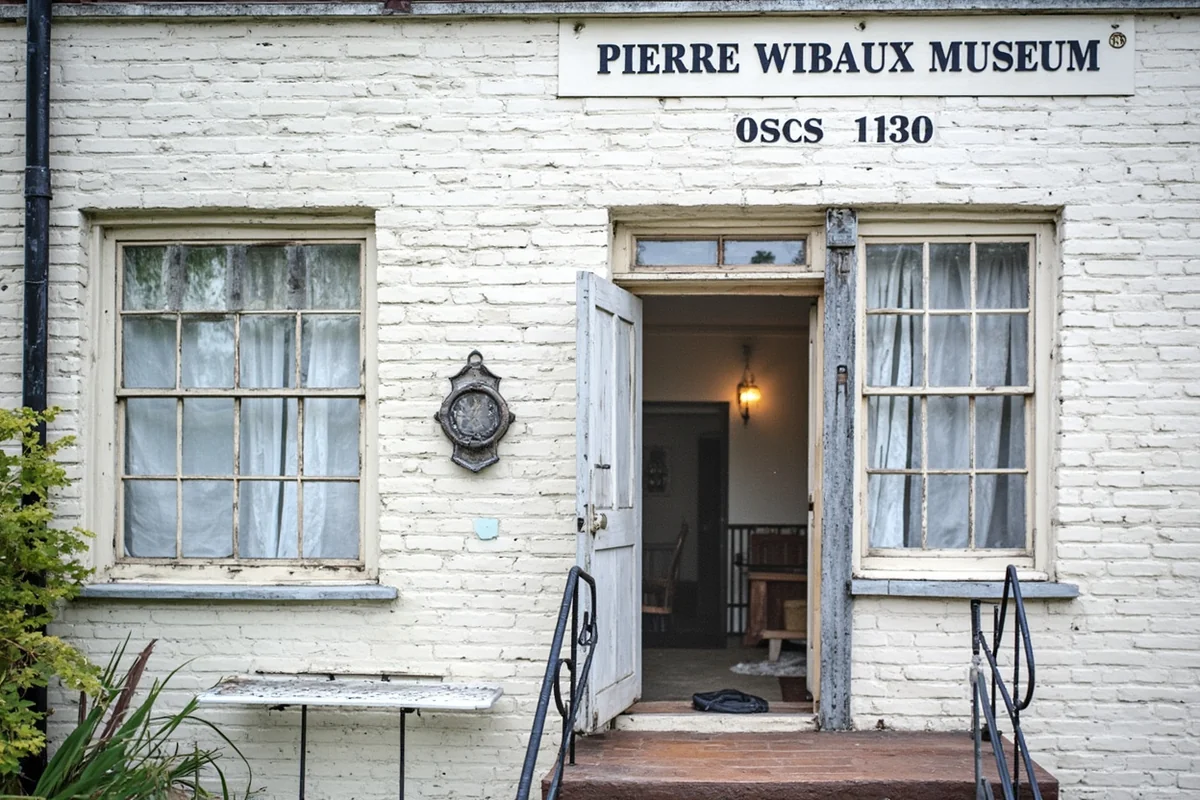
The Pierre Wibaux Museum is the single best reason to stop in Wibaux County, and it is significantly better than you might expect from a small-town historical museum.
The complex includes the original Pierre Wibaux home, a reconstructed cattle baron’s life told through genuine artefacts, and an impressive collection of photographs and documents from the ranching era. What surprised me most was the depth of the French connection — there are letters, personal items, and accounts that trace Wibaux’s journey from northern France to the Montana prairie in genuine detail.
The museum is operated by the Montana Historical Society and local volunteers. Hours can be seasonal and irregular, so calling ahead or checking the current schedule before making a special trip is absolutely worth the two minutes it takes. Admission is typically modest — generally just a small donation at time of writing — but the experience is worth far more than whatever you put in the jar.
St. Peter’s Catholic Church
Just down the road from the museum, St. Peter’s Catholic Church deserves a slow walk around. Pierre Wibaux personally funded the construction of this church, and the architecture is strikingly out of place for eastern Montana — deliberately so, echoing the stone churches of northern France that Wibaux grew up with.
The church is still an active parish and is not always open for interior visits, but the exterior alone is worth photographing and pondering for a few minutes. It is a tangible reminder that this was a man trying to recreate something of home in a very different landscape.
Outdoor Experiences in Wibaux County
Wibaux County is not a wilderness destination in the way that Flathead County or Glacier County is, but it offers outdoor experiences that are genuinely its own.
Beaver Creek Recreation Area
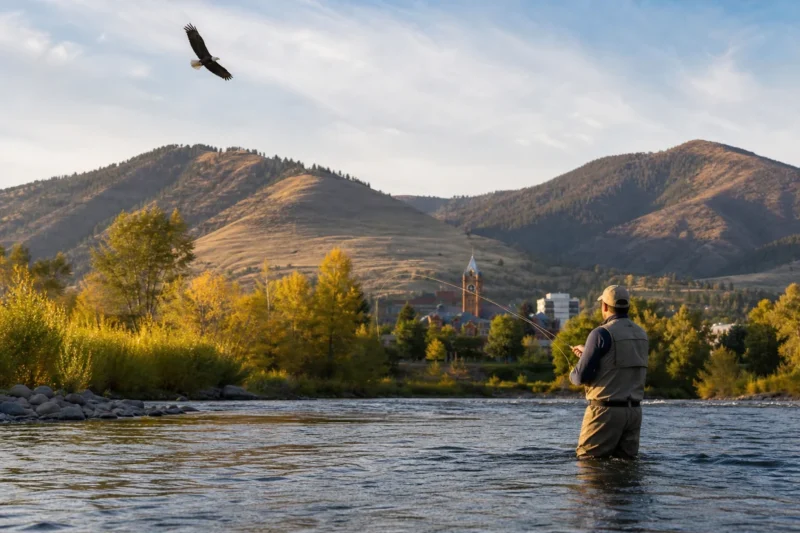
Beaver Creek runs through the county and offers a surprisingly green ribbon of cottonwood and willow through otherwise dry prairie. During my visit in early June, the creek corridor was alive with bird activity — yellow warblers, kingfishers, and what a local rancher identified for me as a Swainson’s hawk hunting the adjacent fields.
Fishing in Beaver Creek is possible but modest — don’t expect the trophy trout of the Madison or Gallatin rivers. This is warm-water creek fishing, and while the species are less glamorous, the solitude is extraordinary. According to Montana Fish, Wildlife & Parks, a valid Montana fishing licence is required for anyone 12 years and older.
Badlands Scenery and Fossil Country
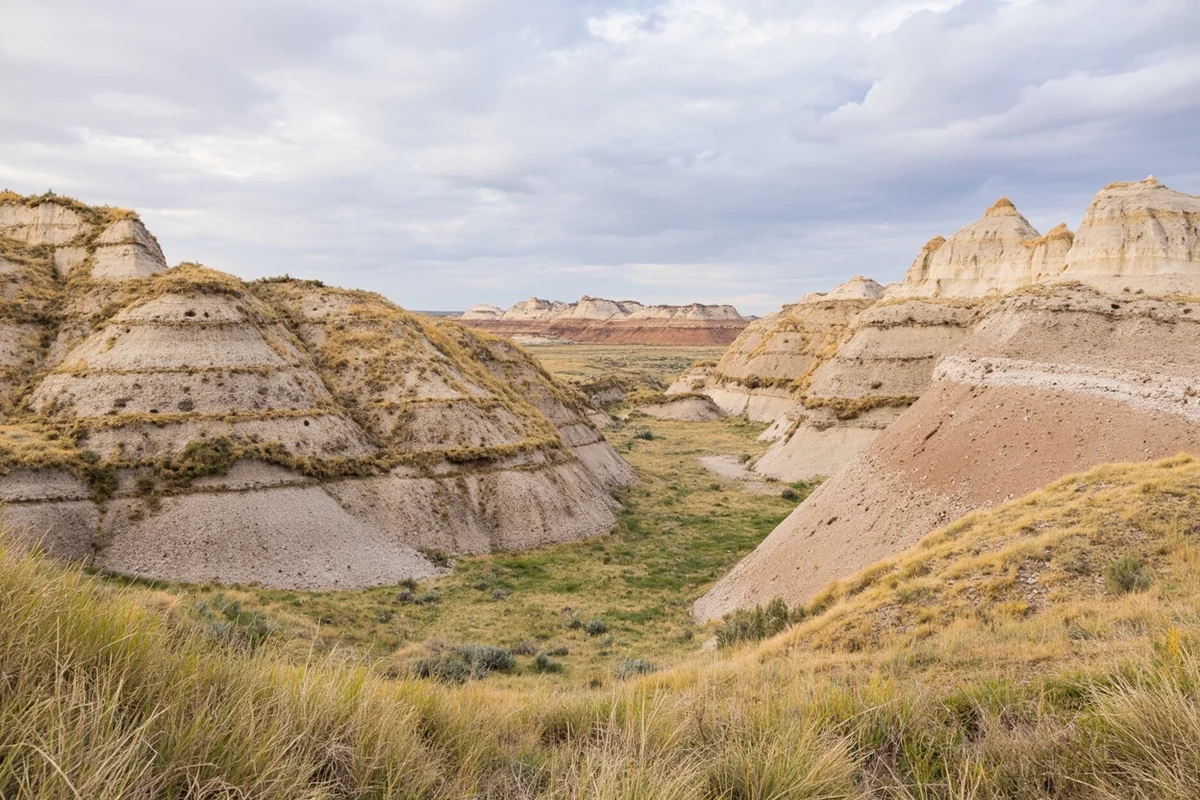
The rolling badlands terrain of eastern Montana extends into Wibaux County, and driving the county roads at dawn or dusk is one of those quietly spectacular experiences that costs nothing but time. The eroded buttes, clay formations, and wide sky create a landscape that feels genuinely ancient.
This is also fossil country. Eastern Montana is one of North America’s most significant fossil beds, and while Wibaux County itself doesn’t have a dedicated fossil attraction, the geology is part of the same remarkable formation. Fossil hunting on private land requires landowner permission — always ask, never assume, and respect that ranchers hear this question regularly.
Day Trip to Makoshika State Park
The single most important outdoor upgrade you can make to a Wibaux County visit is a day trip to Makoshika State Park near Glendive, roughly 35 miles west on I-94. Makoshika is Montana’s largest state park and one of the most dramatic badlands landscapes in the entire country.
The park contains significant dinosaur fossil sites, with Triceratops and T. rex specimens discovered within its boundaries. Trail difficulty ranges from easy walking paths to more technical scrambles. The entrance fee was a very reasonable flat rate at time of writing — check the Montana State Parks website for current figures before you go.
Pairing a Wibaux base with a Makoshika day trip is genuinely the best way to experience this corner of Montana. You get the authentic small-town character of Wibaux with the dramatic geological spectacle of Makoshika.
Wildlife Watching in Eastern Montana
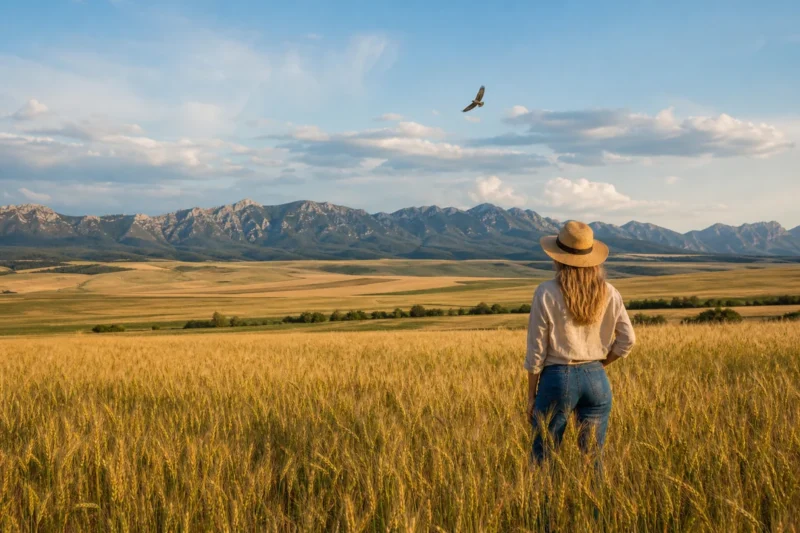
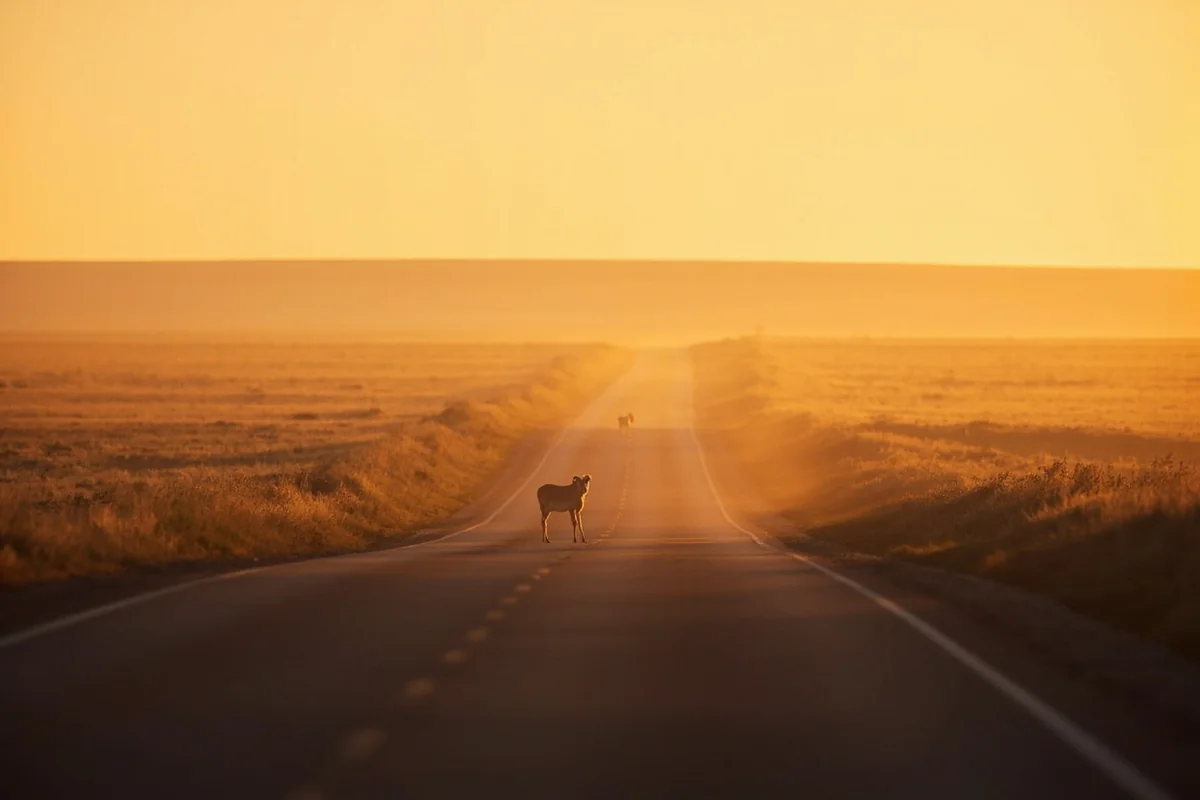
Wibaux County and the surrounding region deliver wildlife experiences that visitors from the western side of the state often overlook. Pronghorn antelope are almost certain on any drive through the county — they are genuinely abundant here and move across the prairie in groups that can number in the dozens during migration periods.
White-tailed and mule deer are common along creek corridors and at dawn and dusk near agricultural areas. During my visit, a group of seven mule deer were grazing within 200 yards of the I-94 interchange — the kind of casual wildlife encounter that easterners would find remarkable but locals barely notice.
Prairie dogs maintain several active towns in the county, and where prairie dogs are found, so are their predators. Black-footed ferret recovery efforts in eastern Montana have been ongoing for decades; while a sighting is rare, the knowledge that they exist somewhere out there in that landscape adds something to every walk.
Neighbouring Counties Worth Combining
One thing that makes a Wibaux County visit work well is pairing it thoughtfully with neighbouring areas. Eastern Montana is a landscape you need to slow down and move through deliberately rather than rushing across.
Dawson County to the west, with its county seat of Glendive and access to Makoshika State Park, is the most natural pairing. Fallon County to the south offers the interesting town of Baker and Medicine Rocks State Park, another badlands gem that most visitors entirely miss.
Further afield, Custer County and the city of Miles City make for a logical westward progression along I-94, giving you a genuine sense of eastern Montana’s ranching culture over two or three days on the road. If you’re interested in how Montana’s population is shifting away from these quieter rural counties, the patterns are worth understanding — the piece on Montana’s fastest growing cities and counties puts Wibaux’s small-town character in useful context.
Suggested Itinerary
This is a one to two day destination — honest about its scale, but rewarding if you actually engage with it rather than treating it as a checkbox stop.
Day 1: Arriving, Exploring Wibaux Town
Arrive in Wibaux by mid-morning via I-94 Exit 212. Start with a walk around the town — it won’t take more than 30 minutes to cover the core, and that’s the point. Let yourself notice the details: the architecture, the courthouse, the quiet residential streets.
Spend 60 to 90 minutes at the Pierre Wibaux Museum Complex. Walk around St. Peter’s Catholic Church. Have lunch at the local diner — the food is straightforward ranch cooking and genuinely satisfying after a morning of driving.
In the afternoon, take one of the county roads south or north from town and drive slowly. Stop when something catches your eye. The badlands light between 4 and 6 p.m. in summer is extraordinary, and the pronghorn antelope are usually most active in the late afternoon.
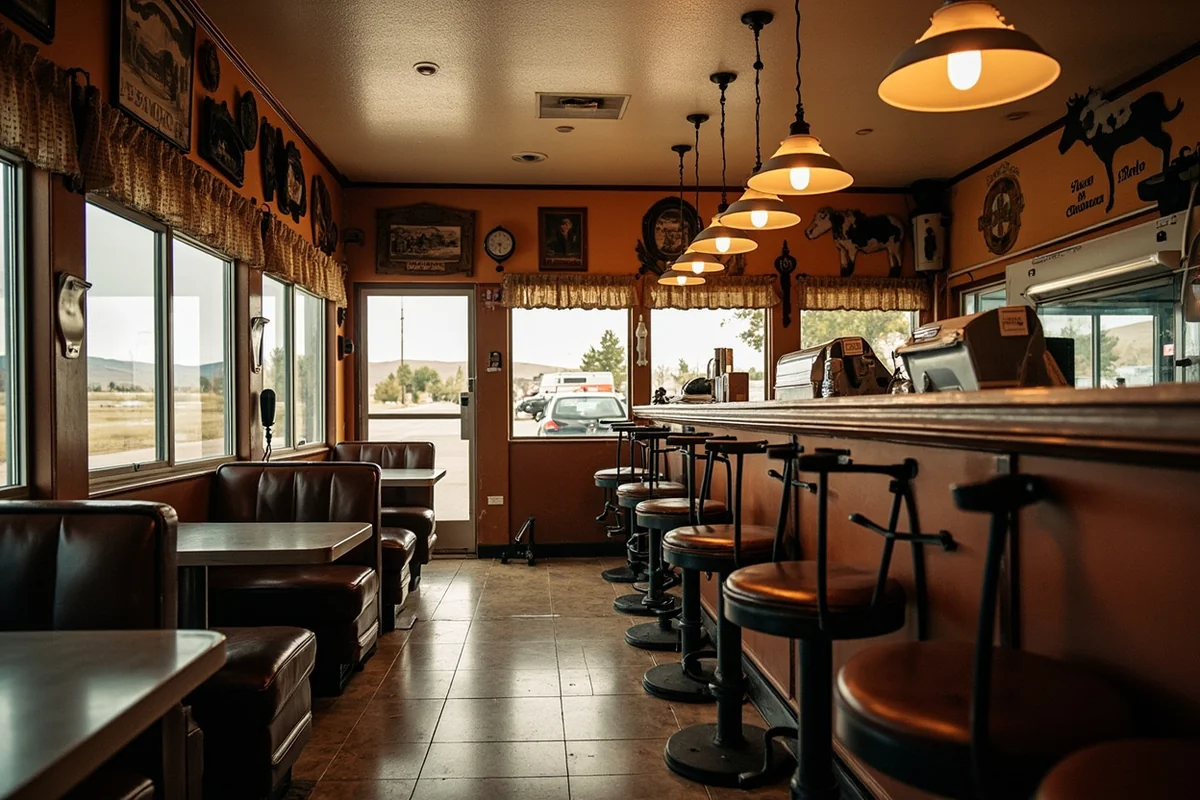
End the day back in Wibaux for dinner. Options are limited but genuine — this is not the place for a restaurant booking, it’s the place for a counter stool and a conversation with whoever’s sitting next to you.
Day 2: Makoshika State Park Day Trip
Leave Wibaux early — by 7:30 a.m. if possible — and drive the 35 miles west on I-94 to Glendive and Makoshika State Park. Arrive before the day heats up, especially in July and August when temperatures regularly hit the mid-90s Fahrenheit.
Walk at least two of the park’s trails — the Cap Rock Nature Trail is accessible and rewarding, while the Kinney Coulee Trail gives you a longer and more immersive badlands experience. Bring significantly more water than you think you need; the heat and dry air here are deceptively demanding.
Return to Wibaux by early afternoon, check out, and continue your road trip east toward North Dakota or west toward Miles City.
Where to Stay in Wibaux County
Accommodation options in Wibaux are limited but functional. The town has a small motel that caters primarily to travellers on I-94, and basic rooms typically run somewhere in the range of $70 to $110 per night, though prices vary seasonally and rates have been shifting with broader travel trends.
What the local motel lacks in amenities it makes up for in location and price. This is not a luxury stop — it is a clean, practical base for exploring the area without a long drive to and from Glendive.
Camping is another option. The area around Beaver Creek offers dispersed camping possibilities, and Glendive’s Makoshika State Park has a developed campground with tent and RV sites. Reservations for the state park campground are recommended in summer — Montana State Parks manages bookings and prices change periodically, so check their official website for current availability and rates.
Where to Eat in Wibaux County
This is not a food destination in any conventional sense, and walking in with those expectations will lead to disappointment. What it is, though, is an honest and unpretentious place to eat genuine ranch country food.
The local bar and grill is the social hub of Wibaux, and the menu runs to burgers, steaks, and the kind of breakfast that will carry you through a full day of driving and walking without question. Prices are genuinely reasonable — expect to spend roughly $10 to $20 per person for a sit-down meal including a drink, give or take depending on what you order.
Stock up on snacks and supplies in Glendive if you’re planning any significant time away from town, as grocery options in Wibaux itself are minimal.
Best Time to Visit Wibaux County
| Season | Conditions | What’s Best | Watch Out For |
|---|---|---|---|
| Spring (April–May) | Cool, windy, some wet roads | Wildflowers, birds returning, green creek corridors | Mud on gravel roads after rain |
| Summer (June–August) | Hot, dry, long days | Best overall access, evening light photography | Heat above 95°F, limited shade on trails |
| Fall (September–October) | Cooling fast, excellent light | Elk and deer activity, harvest scenery, fewer visitors | Early frosts possible from late September |
| Winter (November–March) | Brutal, road closures possible | Solitude, stark landscape photography | Extreme cold, blizzards, limited services |
The sweet spot for most travellers is late May through early September. June and early July offer the best combination of manageable temperatures, long daylight hours, and active wildlife.
What most visitors get wrong is underestimating eastern Montana’s summer heat. Temperatures in July and August regularly push into the mid-to-upper 90s Fahrenheit, and the lack of shade and tree cover means the sun hits hard. Starting hikes and drives early in the morning and retreating to shade or air conditioning between noon and 3 p.m. is not optional — it is genuinely sensible.
Common Mistakes Visitors Make in Wibaux County
Treating it as a fuel stop only. The single most common mistake is pulling off I-94, filling the tank, and leaving. Even 90 minutes in Wibaux town itself will give you something memorable that a dozen more miles of highway never will.
Not calling the museum ahead of time. The Pierre Wibaux Museum operates on seasonal and volunteer hours. Arriving on a Tuesday afternoon assuming it will be open and finding it closed is a genuinely avoidable disappointment. Call ahead — there is almost always someone happy to arrange access.
Underestimating driving distances. On my first visit, what looked like a 20-minute detour on the map turned into 45 minutes on gravel roads that required significantly slower speeds than expected. Eastern Montana’s scale is real — factor it in.
Assuming connectivity. Cell service disappears quickly once you leave the interstate corridor and the town itself. Download offline maps before you arrive. What surprised me most was how completely off-grid a county road just five miles from I-94 can feel — not unpleasant, but genuinely unexpected if you’re not prepared.
Skipping the neighbouring county combination. Visiting Wibaux County in isolation without pairing it with Makoshika State Park or the wider eastern Montana corridor is leaving the best of the region on the table.
Practical Information for Visiting Wibaux County
| Detail | Information |
|---|---|
| County Seat | Wibaux |
| Interstate Access | I-94, Exit 212 |
| Distance from Billings | Approximately 170 miles east |
| Distance from Bismarck, ND | Approximately 200 miles west |
| Gas Stations | Available in Wibaux town |
| Hospital / Medical | Nearest full services in Glendive (~35 miles west) |
| Cell Service | Limited — reliable in town, sparse in county |
| Time Zone | Mountain Time |
How Wibaux County Fits into a Broader Eastern Montana Road Trip
Eastern Montana is one of America’s great undiscovered road trip corridors, and Wibaux County is one honest, well-placed piece of it. The ideal approach is to build a loose itinerary along I-94 that allows you to peel off the highway regularly and explore.
Starting from Billings and moving east, the sequence of Custer County, Dawson County, and Wibaux County gives you three distinct but thematically connected stops. Each one has its own character — the cowboy city energy of Miles City, the fossil drama of Glendive and Makoshika, and the quiet ranching intimacy of Wibaux.
Compared to the more visited rural counties like Carbon County or Beaverhead County, Wibaux requires a slightly different mindset. The rewards are less immediately spectacular and more quietly accumulative — but by the time you leave, you have something you didn’t when you arrived: a real sense of what the northern plains actually feel like from the inside.
Final Thoughts
Wibaux County will not give you the postcard drama of Glacier or the outdoor playground scale of Gallatin County. What it will give you, if you show up with genuine curiosity, is an authentic experience of a Montana that most travellers miss entirely — the eastern plains version, defined by grass and sky and stories that go back to cattle empires and French adventurers with extraordinary nerve.
The Pierre Wibaux Museum alone is worth the stop, and pairing it with a Makoshika day trip makes for a full, genuinely satisfying two days. The landscape, the wildlife, the diner conversations — none of it is manufactured for visitors, which is precisely why it lands so differently than the more visited corners of the state.
My honest recommendation: if you are driving I-94 across Montana, block off one full day for Wibaux County. Not two hours — a full day. Give it room to work, and it will.
How We Researched This Guide
This guide is based on multiple visits to Wibaux County and the surrounding eastern Montana region across different seasons, including a summer trip focused on the Pierre Wibaux Museum and a fall return specifically to explore the county road network and Beaver Creek corridor.
We spoke with staff at the Pierre Wibaux Museum, local business owners, and Montana State Parks rangers at Makoshika State Park to verify current details. Wildlife information was cross-referenced with Montana Fish, Wildlife & Parks.
Road conditions, distances, and driving times were verified using the Montana Department of Transportation’s official resources.
Frequently Asked Questions
What is there to do in Wibaux County, Montana for first-time visitors?
Wibaux County is a hidden gem in eastern Montana where you can explore the Pierre Wibaux Museum, visit the St. Peter’s Catholic Church, and take scenic drives through the rugged badlands landscape. The area is also close to the North Dakota border, making it a great stop on a cross-country road trip through the Northern Plains. Outdoor enthusiasts will enjoy hunting, fishing, and wildlife watching across the county’s open prairies.
When is the best time to visit Wibaux County, Montana?
The best time to visit Wibaux County is late spring through early fall, roughly May through September, when temperatures are mild and the prairie scenery is at its most vibrant. Summers average highs around 85°F, making outdoor exploration comfortable, though you should expect occasional afternoon thunderstorms. Winter visits are possible but harsh, with temperatures dropping well below zero and roads occasionally impacted by snow and ice.
How far is Wibaux County, Montana from major cities, and how do I get there?
Wibaux County sits in the far eastern corner of Montana, approximately 220 miles east of Billings and just 3 miles west of the North Dakota border along Interstate 94, making it very accessible by car. The nearest commercial airport is Billings Logan International Airport, so renting a car is essentially required for this trip. The drive from Billings takes around 3 to 3.5 hours, and the route along I-94 itself offers sweeping views of eastern Montana’s open plains.
What should I budget for a trip to Wibaux County, Montana?
Wibaux County is one of Montana’s most affordable destinations, with limited but budget-friendly lodging options typically ranging from $80 to $130 per night. Dining options are modest and locally focused, so expect to spend around $15 to $30 per person per meal at local diners and cafes. Most attractions, including the Pierre Wibaux Museum, charge little to no admission, so your biggest expenses will likely be gas and accommodations.
What should I pack for a road trip to Wibaux County, Montana?
Pack layers regardless of the season, since eastern Montana weather can shift quickly from warm afternoons to cool evenings even in summer. Bring sunscreen, a wide-brim hat, and plenty of water, as the open prairie landscape offers little shade and services are sparse between towns. If you plan on hiking or exploring off-road areas, sturdy boots and a paper map or offline GPS app are smart additions since cell service can be unreliable in rural Wibaux County.
Is Wibaux County, Montana worth visiting for history buffs?
Absolutely — Wibaux County has a rich cattle ranching and frontier history tied directly to its French namesake, Pierre Wibaux, a French cattle baron who played a major role in rebuilding the western cattle industry after the devastating winter of 1886-87. The Pierre Wibaux Museum complex offers a fascinating look at this history through artifacts, original buildings, and a life-size bronze statue of Wibaux himself. If you enjoy off-the-beaten-path American West history, the town of Wibaux is a genuinely rewarding stop.
Are there good hunting and fishing opportunities in Wibaux County, Montana?
Yes, Wibaux County is well regarded among hunters for its pheasant, deer, and antelope populations on the vast eastern Montana prairie and private ranch lands. Fishing access exists along Beaver Creek and nearby reservoirs, offering opportunities for anglers seeking a quieter, uncrowded experience compared to western Montana’s famous rivers. Make sure to purchase a Montana hunting or fishing license in advance through Montana Fish, Wildlife & Parks, and always get landowner permission before accessing private land.