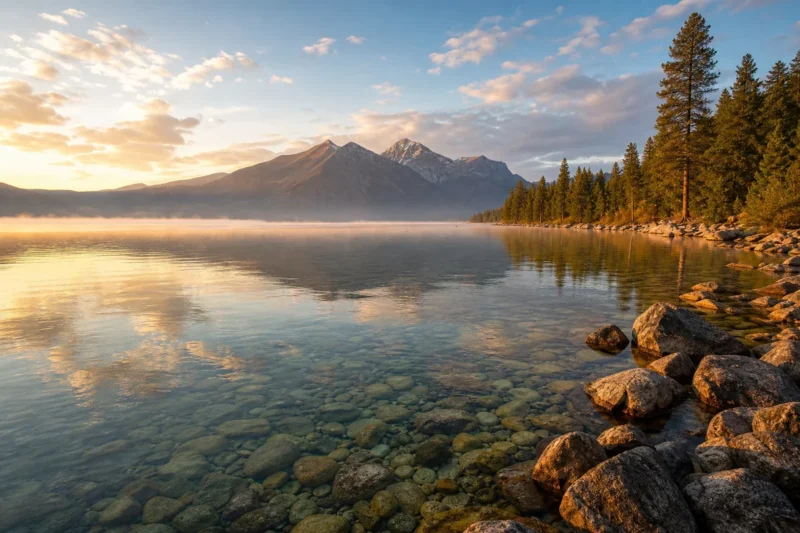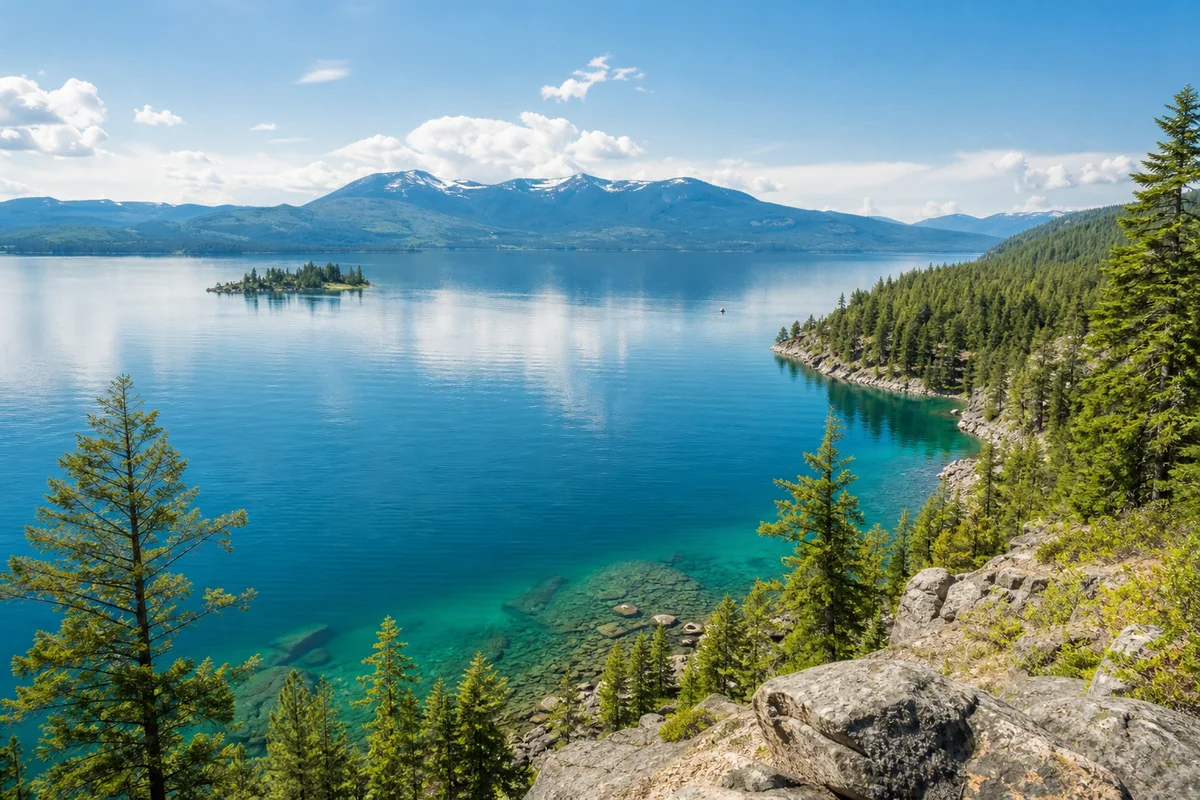
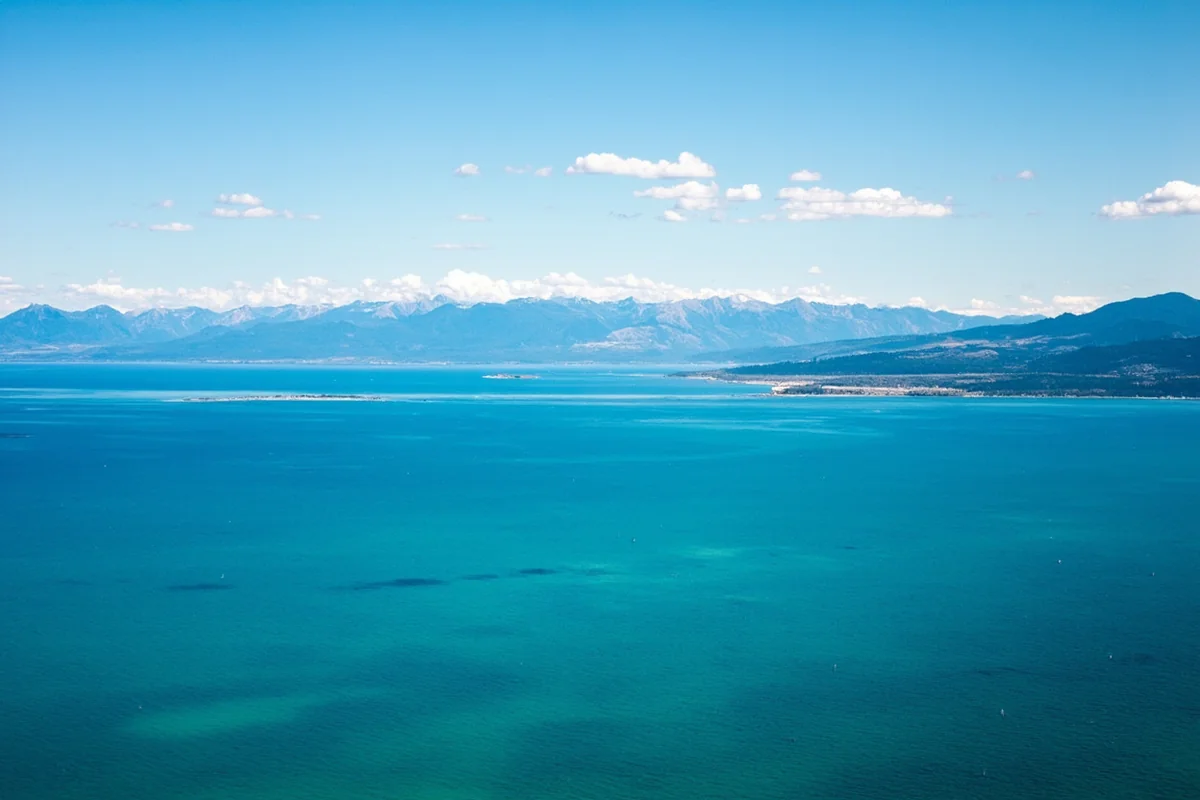
I’ll never forget the moment I crested the hill on Highway 2 and saw Flathead Lake stretched out before me—27 miles of pristine water so clear I could see rocks on the bottom from 200 feet above the shoreline.
This wasn’t just any Montana county I was visiting; Flathead County is home to some of the most jaw-dropping landscapes in the entire state, and after spending considerable time exploring its 56 Montana Counties, I can confidently say this northwestern gem deserves far more than a quick drive-through.
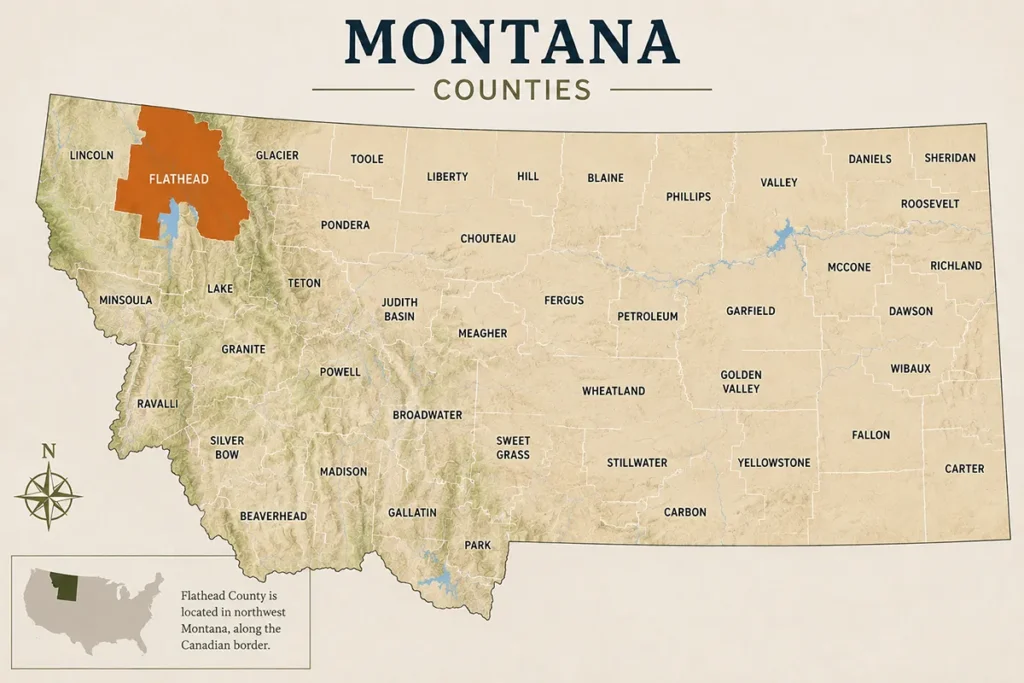
- Flathead County encompasses Glacier National Park’s western entrance, Flathead Lake (the largest freshwater lake west of the Mississippi), and three vibrant towns: Kalispell, Whitefish, and Columbia Falls
- Plan at least 5-7 days to experience the county properly—I initially budgeted 3 days and deeply regretted not allocating more time
- Summer (June-September) brings peak crowds but optimal weather; winter offers world-class skiing at Whitefish Mountain Resort without the Colorado price tags
- Expect to spend $150-250 per night for mid-range lodging during peak season, though I found excellent deals in shoulder seasons (April-May, October)
- The county covers 5,256 square miles—roughly the size of Connecticut—so rent a vehicle and plan your routes carefully
Liked this article?
Add Roaming Montana as a preferred source so you see more of our articles and guides on Google.
Why Flathead County Stands Apart
During my travels across Montana, I’ve explored everything from the wide-open prairies of Custer County to the rugged wilderness of Beaverhead County. Flathead County offers something uniquely different: a perfect intersection of accessibility and wilderness.
Unlike more remote counties such as Carter County, Flathead has excellent infrastructure with Glacier Park International Airport right in Kalispell. This means you can land in Montana and be on a trail in Glacier National Park within 90 minutes—something I took full advantage of during my September visit.
The county’s geography is staggering in its diversity. I drove from the lake at 2,900 feet elevation to alpine meadows above 7,000 feet in under an hour. This vertical gain creates microclimates that keep the landscape constantly changing—dense cedar forests give way to wildflower meadows, which transition into stark alpine tundra.
Understanding Flathead County’s Geography and Layout
Flathead County sits in the northwestern corner of Montana, bordered by Canada to the north and Idaho to the west. According to the U.S. Census Bureau, the county had a population of 104,357 as of 2020, making it Montana’s fourth-most populous county.
The Three Main Towns
When I first arrived, I struggled to understand how the three main towns related to each other. Here’s what I learned through actual experience:
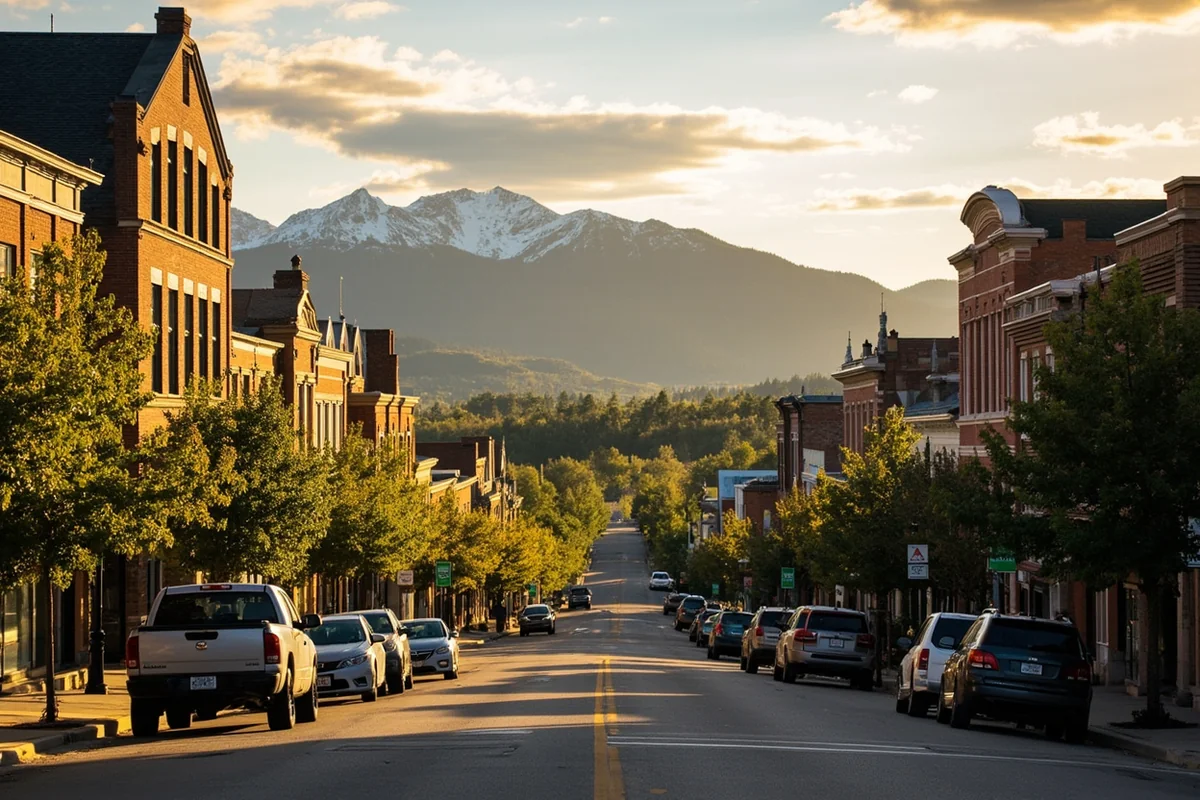
Kalispell serves as the county seat and commercial hub. I found it has the best grocery stores, medical facilities, and practical services. The downtown area surprised me with its walkable historic core—I counted at least 15 restaurants worth visiting within a four-block radius.
Whitefish sits about 15 miles north and caters heavily to tourism. During my July visit, I noticed the town had clearly invested in its pedestrian experience. The main street feels polished and upscale, with boutiques and restaurants that wouldn’t be out of place in Aspen or Jackson Hole.
Columbia Falls lies between Kalispell and the west entrance to Glacier National Park. I stayed here for three nights and appreciated its more affordable lodging options and proximity to the park—just a 25-minute drive to the entrance gate.
Flathead Lake: The County’s Liquid Centerpiece
I made a rookie mistake during my first visit to Flathead County—I assumed Flathead Lake was just another pretty lake. I was completely unprepared for its scale.
At 28 miles long and 15 miles wide, Flathead Lake is the largest natural freshwater lake west of the Mississippi. I drove the entire eastern shore one afternoon, and it took nearly two hours even without stops. The lake reaches depths of 370 feet in spots, and the water clarity during my August visit was exceptional—I estimated 20-25 feet of visibility from the shore near Bigfork.
The lake’s size creates its own weather patterns. I noticed temperatures on the lake shore were consistently 5-8 degrees cooler than in Kalispell, just 10 miles away. This moderating effect also means the lake rarely freezes completely, even during harsh winters.
Glacier National Park Access: What You Need to Know
Flathead County contains the entire western approach to Glacier National Park, including the popular west entrance near Apgar Village. During my multiple visits between 2021 and 2024, I learned some hard lessons about accessing this crown jewel.
The Going-to-the-Sun Road Reality
Everyone wants to drive Going-to-the-Sun Road—arguably America’s most scenic highway. Here’s what I discovered through trial and error:
The road typically opens in mid-June and closes in mid-October, but these dates vary significantly. When I visited in early June 2023, the road was only plowed to the Loop on the west side. I called the park visitor center (406-888-7800) the morning of my planned drive and saved myself a wasted trip.
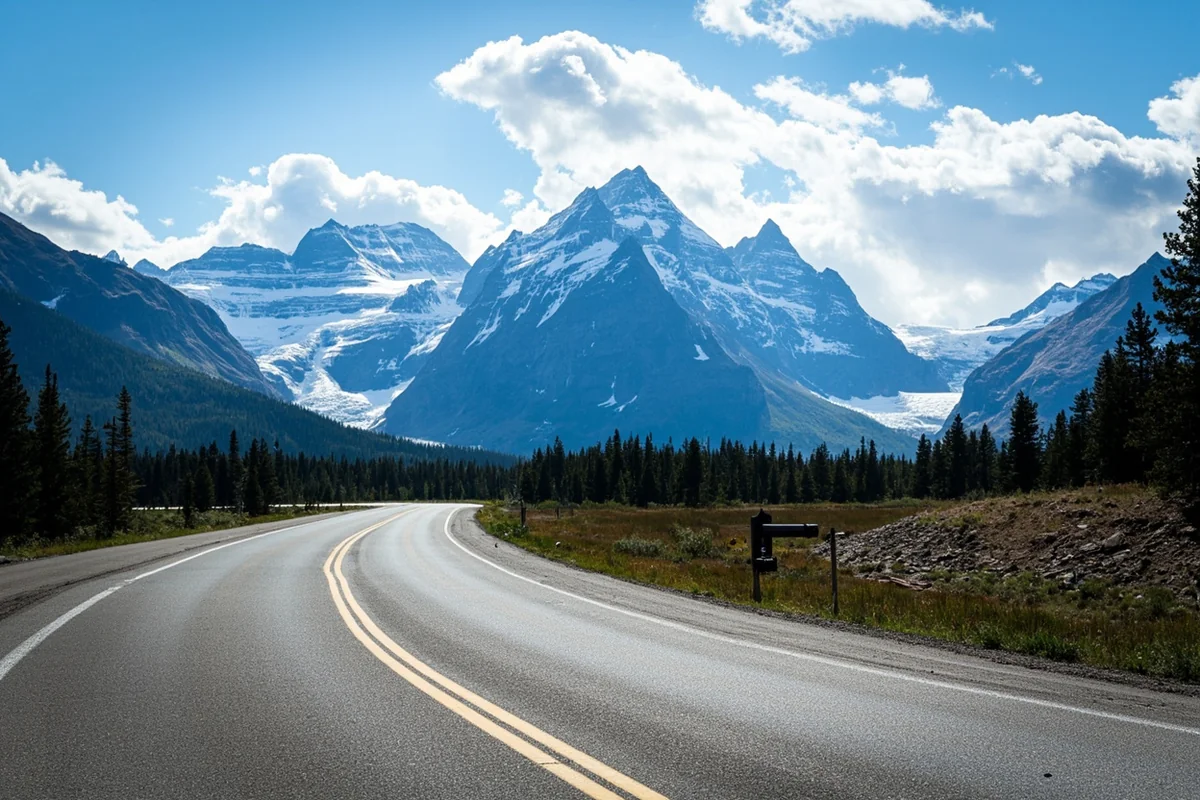
In July 2024, the park implemented a vehicle reservation system for the road between 6 AM and 3 PM. I paid $2 to reserve my entry time at recreation.gov, but the system was confusing—you need both a park entrance pass AND a vehicle reservation during peak season. I watched several groups get turned away at the gate because they didn’t understand this distinction.
My recommendation: Enter before 6 AM or after 3 PM if you want to avoid the reservation hassle. I drove through at 5:30 AM in late July and had Logan Pass almost entirely to myself. The sunrise over the mountains was worth the 4 AM wake-up call.
Lesser-Known Park Access Points
Most visitors only know about the west entrance, but Flathead County offers several other access points I found valuable:
Polebridge in the North Fork area provides access to Bowman and Kintla Lakes. I drove up in September and the road was rough—35 miles of dirt and gravel that took me 90 minutes. But the solitude was incredible. While Logan Pass had hundreds of people, I counted fewer than 20 vehicles at Bowman Lake.
Camas Creek entrance on the North Fork Road offers excellent wildlife viewing. I spotted a grizzly bear from my car here at dusk—maintaining a safe distance of about 100 yards while the bear foraged for serviceberries.
Whitefish Mountain Resort: Beyond Winter Skiing
I initially visited Whitefish Mountain Resort in February for skiing, expecting a typical regional ski hill. The resort completely exceeded my expectations and deserves recognition as one of Montana’s best four-season destinations.
Winter Sports Experience
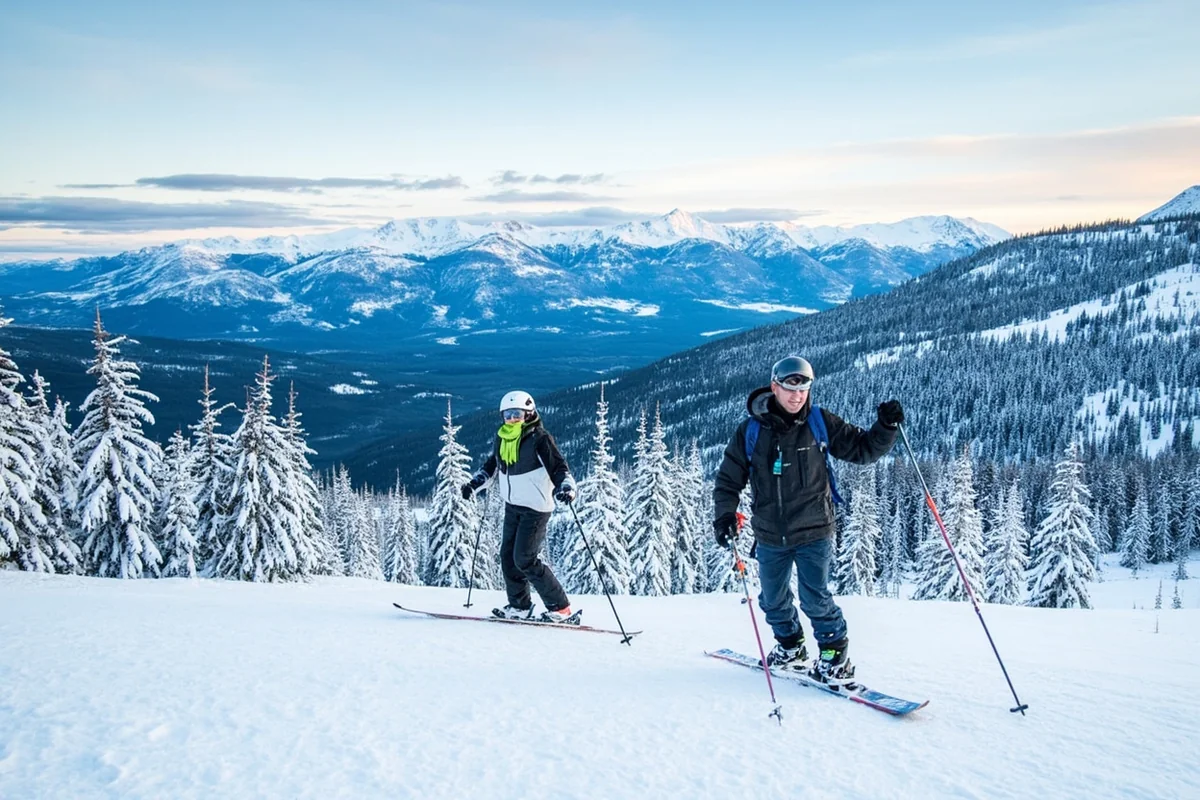
During my February 2024 visit, I paid $119 for a single-day lift ticket—steep, but still $50-70 cheaper than comparable Colorado resorts. The mountain receives an average of 300 inches of snow annually according to the resort’s historical data, and the snow quality on my visit was exceptional.
The terrain surprised me with its variety. The resort has 3,000 acres of skiable terrain with a 2,353-foot vertical drop. I’m an advanced intermediate skier, and I found plenty of challenging runs without venturing into the expert-only chutes.
What really impressed me was the lack of crowds. On a Saturday in mid-February, I never waited more than 5 minutes for a lift. Coming from destinations where 20-minute lift lines are normal, this felt almost too good to be true.
Summer Mountain Activities
I returned to Whitefish Mountain in July and discovered it transforms into an outdoor recreation hub. The resort operates a scenic chairlift ride to the summit ($24 for adults during my visit), and the views from 6,817 feet are stunning.
I hiked several trails from the summit, including the Danny On Trail—a moderate 3.2-mile loop with wildflower meadows and views across the Flathead Valley. The alpine environment at this elevation felt 20 degrees cooler than the valley floor, making it perfect for mid-summer hiking.
The resort also offers mountain biking, an alpine slide, and a zip-line tour. I tried the alpine slide ($15 for one ride) and found it genuinely thrilling—basically a high-speed gravity-powered toboggan run down the mountain.
Flathead Lake Activities and Towns
After underestimating the lake during my first visit, I dedicated an entire three-day trip to exploring its shoreline communities and activities.
Bigfork: The Artist’s Village
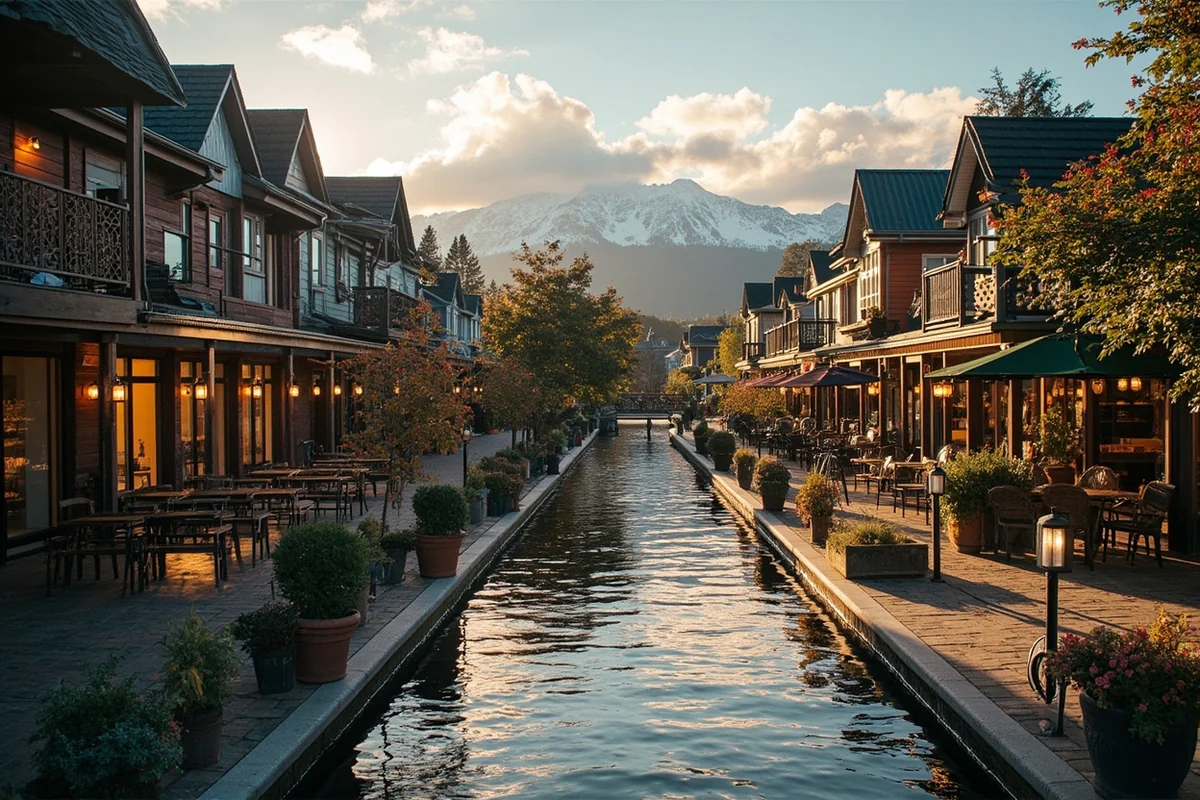
Bigfork sits at the northeastern corner of Flathead Lake where the Swan River enters. I spent a full day exploring this small town and was charmed by its artistic character.
The town has legitimate gallery credentials—I counted more than a dozen art galleries in a four-block area. The Bigfork Summer Playhouse was running a production of “Mamma Mia” during my July visit, and the quality rivaled professional theater I’ve seen in much larger cities.
I ate lunch at Showthyme (no relation to the playhouse despite the name pun) and paid $18 for a bison burger that remains one of the best meals I had in Montana. The restaurant sits right on the river with an outdoor patio where I watched kayakers navigate the small rapids.
Cherry Orchards and U-Pick Farms
The east shore of Flathead Lake has dozens of cherry orchards thanks to the lake’s moderating climate. I visited during late July, which is peak cherry season, and stopped at Hockaday Orchards near Lakeside.
The U-pick experience cost $3.50 per pound during my visit—not cheap, but the cherries were exceptional. I picked about 5 pounds in 30 minutes, getting sunburned in the process (note to future visitors: bring sunscreen and a hat).
I learned from the orchard owner that Flathead Lake produces primarily Lapin and Rainier cherries. The Rainiers, with their distinctive yellow-red coloring, were incredibly sweet—almost candy-like in their flavor intensity.
Water Activities on Flathead Lake
The lake’s size and clarity make it ideal for boating, kayaking, and paddleboarding. I rented a kayak from Bigfork Outdoor Rentals ($45 for four hours) and paddled along the northeastern shore.
The water temperature in late July was around 68°F—cool but swimmable. I saw several people swimming from Wayfarers State Park, where I later set up my camp. The lake bottom is mostly rocky with some sandy patches, so water shoes are helpful.
Fishing on Flathead Lake is excellent for lake trout and whitefish. I’m not a serious angler, but I hired a guide service for a half-day trip in August and we caught three lake trout between 3-5 pounds. The guide told me the lake has produced lake trout over 40 pounds, though those trophy fish are increasingly rare.
Columbia Falls and Hungry Horse Reservoir
Columbia Falls serves as the gateway town to Glacier National Park, but it has attractions worth exploring beyond its convenient location.
Practical Advantages
I stayed in Columbia Falls three separate times because the lodging prices were consistently 20-30% lower than Whitefish. During my July visit, I paid $130 per night for a clean, comfortable motel room at the Glacier Inn—a rate that would have cost $180-200 in Whitefish.
The town has excellent grocery stores and gas stations, which I learned to appreciate when I ran low on supplies in the park. The Super 1 Foods was particularly well-stocked with hiking snacks and camping supplies.
Hungry Horse Dam and Reservoir
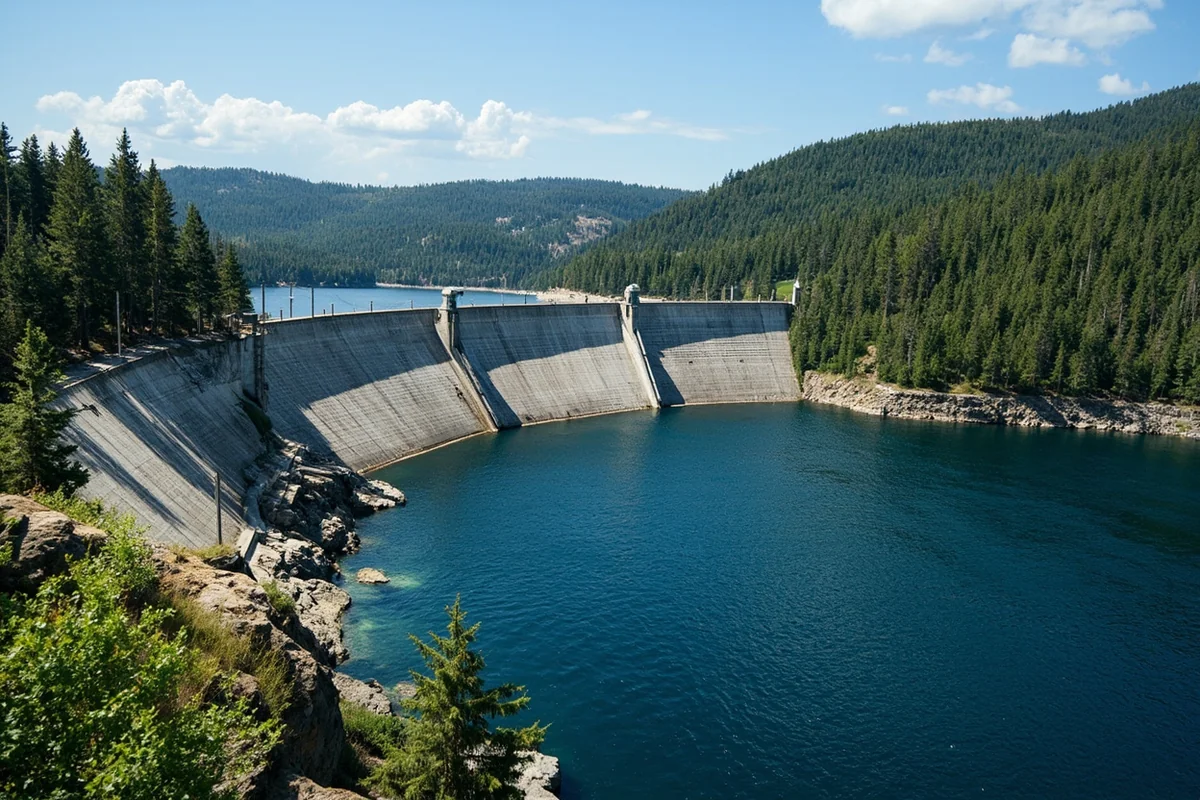
Just south of Columbia Falls, Hungry Horse Dam creates a massive 34-mile-long reservoir stretching deep into the Flathead National Forest. I drove to the dam visitor center and took a free tour that descended 50 stories into the dam’s interior.
The dam tour exceeded my expectations with its engineering details and historical context. According to the tour guide, Hungry Horse Dam is 564 feet high and was completed in 1953. It generates enough electricity to power 1.3 million homes.
I spent an afternoon exploring the reservoir’s southern reaches and was struck by how undeveloped it remains. Unlike many reservoirs that are ringed with homes and development, Hungry Horse Reservoir maintains a wilderness character with forest coming right to the water’s edge.
Outdoor Recreation Beyond Glacier National Park
While Glacier National Park draws most visitors, Flathead County has exceptional outdoor recreation in the Flathead National Forest and surrounding public lands.
Jewel Basin Hiking Area
I discovered Jewel Basin during my second trip to Flathead County, and it instantly became one of my favorite hiking areas in Montana. Located east of Bigfork in the Swan Range, Jewel Basin is a 15,349-acre hiking-only area with no motorized vehicles or mountain bikes allowed.
I hiked to Birch Lake via the Birch Lake Trail—a 6.4-mile round trip with 1,200 feet of elevation gain. The trail was well-maintained but rocky in sections. I encountered only three other groups during my midweek August hike, giving me substantial solitude.
The alpine lakes in Jewel Basin are stunning—crystal clear with rocky shores and mountain goats visible on the surrounding peaks. I counted five different lakes from the trail, each with slightly different coloring ranging from deep blue to turquoise.
Swan River Nature Trail
For an easier hike close to Bigfork, I walked the Swan River Nature Trail—a 1.8-mile loop through riparian forest along the Swan River. The trail is wheelchair accessible and took me about 45 minutes at a leisurely pace.
What made this hike memorable was the wildlife. I saw a family of river otters playing in the river, multiple osprey fishing from perches above the water, and countless songbirds. The interpretive signs along the trail provided excellent information about the riparian ecosystem.
Mountain Biking Opportunities
Flathead County has developed into a legitimate mountain biking destination. I’m a casual rider, but I tackled the Woods Lake Loop near Olney—a 14-mile route with moderate climbs through dense forest.
The trail quality was excellent with only a few technical sections that forced me to dismount. I passed Woods Lake about 7 miles into the ride and stopped for lunch on the shore. The lake was quiet except for one other group fishing from a float tube.
I also rode portions of the Whitefish Trail system, which offers over 50 miles of interconnected trails around Whitefish. The trail system is free to use and exceptionally well-maintained. I rode the River View section along the Whitefish River and found it perfect for beginners—mostly flat with smooth surfaces.
Seasons in Flathead County: What to Expect
Flathead County’s seasons are dramatic and distinct. After visiting in five different months over three years, I’ve learned what each season offers and its challenges.
Summer (June-August): Peak Season Reality
Summer brings ideal weather with daytime temperatures in the 70s-80s°F and minimal rain. During my July visits, I experienced only one rainy day out of ten total days.
The crowds during peak summer are significant but manageable with planning. Glacier National Park requires vehicle reservations during peak hours, and popular trailheads fill up by 8-9 AM. I adapted by starting my days at 6 AM or shifting to less popular areas like Polebridge or Jewel Basin.
Wildfire smoke can impact summer visits. During my August 2023 trip, smoke from distant fires reduced visibility and created hazy conditions. I checked the AirNow.gov website daily and adjusted my plans based on air quality readings. On days when the AQI exceeded 150, I limited outdoor activities.
Fall (September-October): My Favorite Season
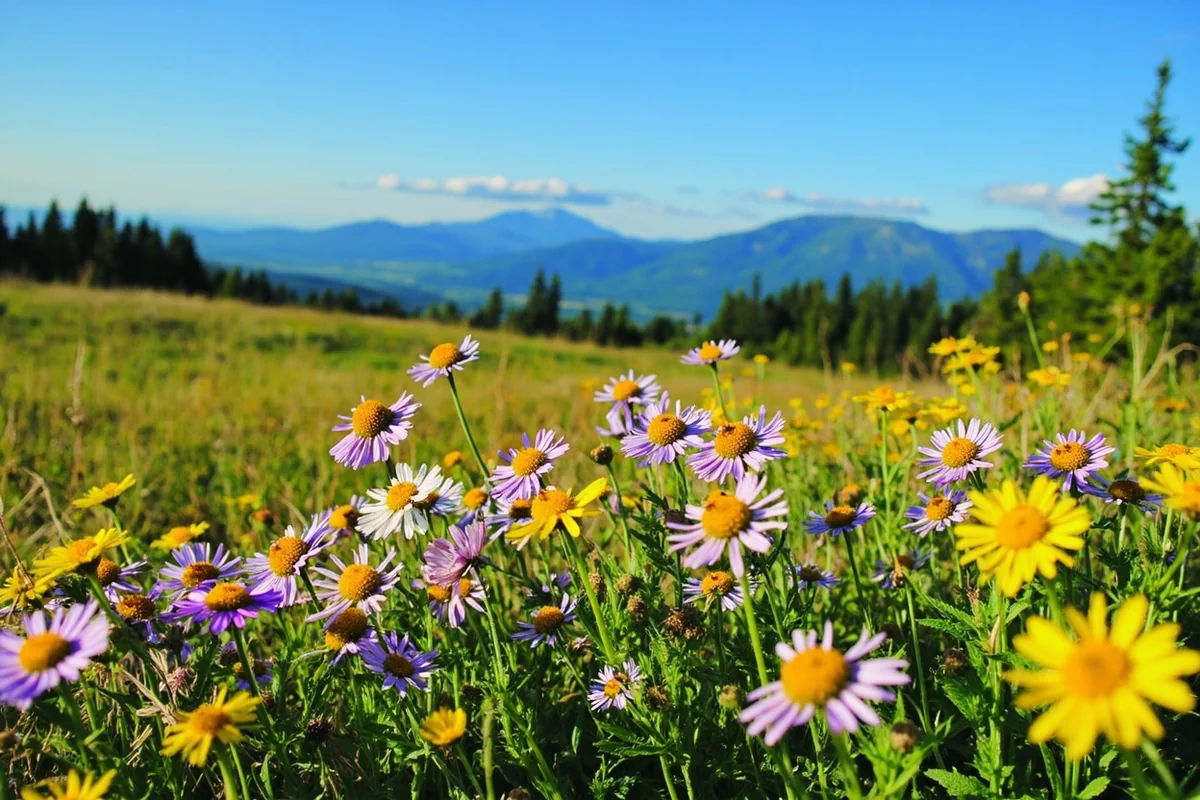
September is arguably the best month to visit Flathead County based on my experiences. The weather remains pleasant with temperatures in the 60s-70s°F, crowds diminish significantly, and the larch trees turn golden yellow in late September.
I hiked to Avalanche Lake in late September and encountered about one-tenth the number of people I saw on the same trail in July. The fall colors were spectacular—yellow aspen and larch contrasting with evergreen forest.
Lodging prices drop by 30-40% after Labor Day. I paid $95 per night for the same Whitefish hotel that cost $159 per night in July. Restaurant reservations also became much easier to secure.
The downside of fall is unpredictability. During my October visit, an early season snowstorm dropped 8 inches in Whitefish overnight, closing Going-to-the-Sun Road earlier than usual. I recommend having flexible plans and backup activities.
Winter (December-March): Ski Season Excellence
Winter in Flathead County is serious—cold, snowy, and dark. I visited in February when daytime temperatures ranged from 15-30°F, with nighttime lows around 5-10°F.
The skiing at Whitefish Mountain Resort is genuinely excellent during winter, as mentioned earlier. I also tried cross-country skiing at Blacktail Mountain near Lakeside and found well-groomed trails with beautiful views over the frozen lake.
Driving requires preparation. I encountered icy roads multiple times and saw several vehicles in ditches. I rented a car with four-wheel drive, carried tire chains, and checked road conditions daily at MDT.gov. Despite these precautions, I still slid through an intersection in Kalispell—a reminder that winter driving in Montana demands respect.
Spring (April-May): Mud Season and Opportunities
I visited once in early May and found it to be “mud season”—that awkward transition between winter and summer when snow melts and trails become muddy messes.
Going-to-the-Sun Road was closed with 20+ feet of snow still blocking the road at Logan Pass. Many hiking trails were snow-covered or muddy. I focused on lower-elevation activities like visiting museums, exploring towns, and driving valley roads.
The advantage of spring is extremely low prices and zero crowds. I paid $75 per night for lodging and had restaurants entirely to myself. If you’re flexible and don’t mind limited outdoor activities, spring can be an affordable time to visit.
Practical Planning: What I Wish I’d Known
After multiple trips to Flathead County, I’ve accumulated practical knowledge that would have saved me time, money, and frustration on my first visit.
Booking Accommodations: Timing Matters
I made a significant mistake on my first trip by trying to book lodging just two weeks before my July visit. Nearly everything was fully booked or outrageously priced.
For summer visits (June-August), book accommodations at least 3-4 months in advance. I’ve had success booking in March for July trips. For shoulder seasons, 4-6 weeks of advance notice is usually sufficient.
Kalispell and Columbia Falls offer better value than Whitefish. During my various stays, I consistently found Whitefish lodging cost 30-50% more for comparable quality. Unless you specifically want to be in Whitefish village, consider staying in other towns and driving the 15-25 minutes.
Transportation and Getting Around
Renting a car is essentially mandatory for exploring Flathead County properly. I flew into Glacier Park International Airport and picked up a rental car—a process that was surprisingly smooth with short lines even in peak July.
Distances are deceptive. When I planned my first trip, I assumed I could easily visit Glacier National Park, circle Flathead Lake, and explore Whitefish all in one day. This was absurdly optimistic. A single drive around Flathead Lake takes 3-4 hours without stops.
Gas prices in Flathead County averaged $3.80-4.20 per gallon during my 2024 summer visit—slightly higher than the national average. I filled up in Kalispell before heading into more remote areas where prices climbed even higher.
Cell Phone Coverage Gaps
Cell phone coverage is spotty throughout Flathead County once you leave the main towns. I had Verizon service and found it reliable in Kalispell, Whitefish, and Columbia Falls but nonexistent in places like Polebridge, Many Glacier, and portions of the lake’s west shore.
I downloaded offline maps on Google Maps before venturing into remote areas. This proved essential when I got turned around on forest roads near Jewel Basin—my phone had no signal, but the offline map showed my location and helped me navigate back to the main road.
Common Mistakes Visitors Make
Based on my own errors and observing other visitors, here are the most common mistakes people make in Flathead County:
Underestimating distances and drive times. I watched tourists assume they could drive from Kalispell to Logan Pass in 30 minutes. The actual drive takes 90 minutes without traffic, and during peak season with the vehicle reservation system, it can take even longer.
Not making restaurant reservations in Whitefish. I showed up to three different restaurants on a Saturday night in July without reservations and was turned away from all of them. I ended up eating pizza in my hotel room.
Assuming Glacier National Park is the only attraction. I initially planned to spend all my time in the park and barely explored Flathead County’s other offerings. This would have been a huge mistake—the lake, towns, and surrounding areas deserve equal attention.
Inadequate bear safety preparation. I saw numerous tourists hiking without bear spray, making noise, or knowledge of what to do during a bear encounter. I carried bear spray on every hike (purchased from Sportsman and Ski Haus in Kalispell for $45) and practiced using it in an open area before hitting the trails.
| Activity | Best Season | Approximate Cost | My Difficulty Rating |
|---|---|---|---|
| Glacier National Park access (Going-to-the-Sun Road) | July-September | $35 vehicle pass + $2 reservation | Easy (driving) |
| Whitefish Mountain Resort skiing | December-March | $119 lift ticket | Moderate-Advanced |
| Flathead Lake kayaking | June-August | $45 rental (4 hours) | Easy-Moderate |
| Jewel Basin hiking | July-September | Free | Moderate-Difficult |
| Cherry picking (Flathead Lake orchards) | Late July-Early August | $3.50/lb | Easy |
| Hungry Horse Dam tour | May-September | Free | Easy |
Wildlife and Natural Hazards
Flathead County sits in serious wildlife country, and I encountered numerous animals during my visits—some thrilling, others requiring caution.
Bear Country Precautions
Both black bears and grizzly bears are common throughout Flathead County. I saw five bears during my various visits—three black bears and two grizzlies, all from safe distances in or near Glacier National Park.
The grizzly encounter near Camas Creek was particularly memorable. I was driving at dusk when I spotted a large grizzly about 100 yards from the road. I stopped my car, stayed inside with the engine running, and watched for about 10 minutes as the bear foraged. The bear was completely unconcerned with my presence, and I maintained the safe distance recommended by park rangers.
I carried bear spray on every hike and stored it in my car’s door pocket for easy access. I also made noise on trails—talking to myself or my hiking companion, especially when approaching blind corners or dense vegetation. This actually worked once when I rounded a bend and a black bear that had been on the trail immediately moved off into the woods, likely because it heard me coming.
Ticks and Mosquitoes
The Montana bug season in Flathead County peaks from late May through July. During my June visit, mosquitoes were intense in wooded areas and near water. I used DEET-based repellent (30% concentration) and still got several bites.
I pulled two ticks off myself during my visits—one in June after hiking through tall grass near Flathead Lake, and another in May near Columbia Falls. I checked myself thoroughly after each hike, which proved essential. Neither tick had embedded long enough to cause concern, but it reinforced the importance of tick checks in this area.
Food and Dining Scene
Flathead County’s food scene surprised me with its quality and diversity, especially considering its relatively small population.
Standout Restaurants
In Whitefish, I ate at Cafe Kandahar in the Kandahar Lodge at the base of Whitefish Mountain. The meal cost $85 per person with wine, but the quality justified the splurge. I had Montana trout with huckleberry gastrique—a preparation that perfectly showcased local ingredients.
For more casual dining, I loved Loula’s Cafe in Whitefish for breakfast. I paid $14 for eggs benedict with perfect hollandaise sauce and hash browns that were crispy on the outside and fluffy inside. The wait on weekend mornings can exceed 45 minutes, so I went on weekdays or arrived right when they opened at 7 AM.
In Kalispell, I discovered Hop’s Downtown Grill—a local institution serving excellent burgers and local beers. The atmosphere was authentically Montana (no fake rustic decor) with a mix of locals and tourists. My burger and beer totaled $18, which felt very reasonable.
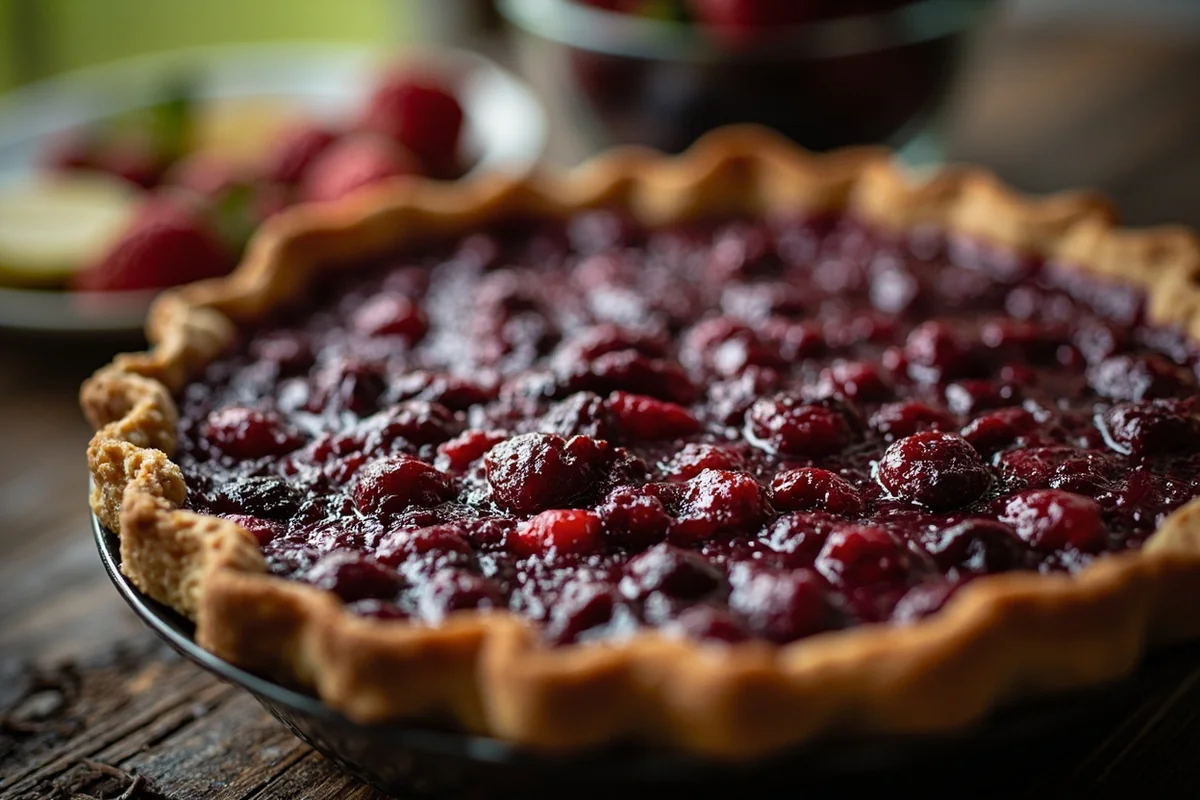
Huckleberries: The Local Obsession
Montana’s huckleberries are everywhere in Flathead County—in pies, jams, ice cream, syrup, and even barbecue sauce. I’m generally skeptical of regional food obsessions, but I became a huckleberry convert.
I tried huckleberry ice cream at Big Dipper Ice Cream in Bigfork and was genuinely impressed. The berries have a complex flavor—sweet but tart, similar to blueberries but more intense. At $4.50 for a single scoop, it wasn’t cheap, but I returned twice more during my stay.
I also bought a jar of huckleberry jam from a farm stand near Lakeside for $8. I’ve used it on toast back home for months, and it still tastes incredible—far better than any commercial jam I’ve purchased.
Cultural Attractions and Rainy Day Options
When weather turned unfavorable during my visits, I discovered Flathead County has solid cultural attractions beyond outdoor recreation.
Museums Worth Visiting
The Museum at Central School in Kalispell occupies a beautiful 1894 Romanesque Revival building. I spent about 90 minutes exploring exhibits on regional history, Native American artifacts, and pioneer life. The admission was only $5, and I learned fascinating details about how Flathead County developed.
I particularly enjoyed the exhibit on the Great Northern Railway’s role in opening up northwest Montana to tourism. Historical photos showed tourists arriving in Glacier National Park as early as 1910—evidence that tourism isn’t new to this region.
The Hockaday Museum of Art, also in Kalispell, focuses on Montana and Western art. I’m not normally a museum person, but I appreciated the paintings depicting local landscapes. The museum helped me see familiar places through artists’ eyes and enhanced my appreciation for the region’s beauty.
Whitefish Theatre Company
I caught a production at the Whitefish Theatre Company during my July visit. The company performs in the tiny O’Shaughnessy Cultural Arts Center, which seats maybe 80 people. Despite the intimate setting, the production quality was impressive.
The show I saw was a comedy called “The Foreigner,” and the acting was genuinely professional. Tickets cost $25, and I enjoyed it far more than I expected. If you’re visiting during the performance season (roughly May through October), check their schedule.
Shopping and Local Products
I’m not typically a shopper, but I found several local products worth bringing home from Flathead County.
The best Montana brands are well-represented in Flathead County shops. I bought a bottle of Montgomery Distillery gin made in Missoula (about 120 miles south) from a liquor store in Whitefish. The gin uses Montana botanicals and was excellent—I paid $38 for a 750ml bottle.
For outdoor gear, I visited Sportsman and Ski Haus in Kalispell and was impressed with their selection and knowledgeable staff. They helped me choose appropriate hiking boots for the terrain I’d be covering, and their advice proved spot-on.
Whitefish’s downtown galleries sell everything from high-end Western art to tourist kitsch. I bought a small photograph of Glacier National Park from a local photographer for $50. It hangs in my office and reminds me of my trips every time I see it.
Comparing Flathead to Other Montana Counties
Having explored numerous Montana counties, I can contextualize what makes Flathead unique among its peers.
Flathead County offers far more infrastructure than remote counties like Fallon County or Daniels County. You can find quality restaurants, comfortable hotels, and full-service amenities here—something you absolutely cannot take for granted in much of Montana.
Compared to Cascade County (home to Great Falls), Flathead County has more dramatic mountain scenery and better access to wilderness. However, Cascade County felt more authentically Montana to me—less polished and tourist-focused.
For wildlife viewing, Flathead County rivals Big Horn County but with different species. Big Horn County’s prairie environment offers better opportunities for pronghorn antelope and prairie birds, while Flathead County excels for mountain goats, bears, and forest species.
The climate in Flathead County is more moderate than eastern Montana counties like Dawson County or Chouteau County. The moderating influence of Flathead Lake and proximity to maritime air masses from the Pacific Northwest create milder conditions than Montana’s prairie regions.
My Unexpected Discoveries
Several aspects of Flathead County surprised me in ways I didn’t anticipate before my first visit — and in some cases, before my fourth.
Wild Horse Island Is Worth the Effort
The FAQ I always hear is “what’s on Flathead Lake besides the water?” The answer I never expected: a 2,163-acre state park accessible only by boat, with wild horses roaming free on its hillsides.
Wild Horse Island sits near the lake’s western shore, and I reached it by renting a motorboat from Somers ($95 for a half-day) and crossing about two miles of open water. The effort filters out most casual visitors. When I hiked the island’s interior trail in late July, I counted seven other people total — a stunning contrast to the crowds at Going-to-the-Sun Road the day before.
The wild horses are small in number (typically 6-8 animals), descendants of horses left by the Salish people who used the island to keep horses safe from raiding parties. I spotted three of them grazing near the island’s high point.
Beyond the horses, I saw bighorn sheep on the rocky outcroppings and bald eagles soaring above the lake — more wildlife diversity packed into a single afternoon than I’d experienced across entire days in more famous areas.
The Salish and Kootenai Cultural Presence
Flathead County sits adjacent to the Flathead Indian Reservation — home to the Confederated Salish and Kootenai Tribes — and the cultural presence of these nations shapes northwest Montana in ways that many visitors drive right past.
The People’s Center in Pablo (technically in Lake County but worth the short detour from Flathead County) gave me three hours of education I hadn’t planned for. The exhibits cover the history of the tribes from their original territory across the region through the devastating impact of the 1855 Hellgate Treaty, which dramatically reduced their lands.
I also stopped at the National Bison Range — now managed by the Confederated Salish and Kootenai Tribes — and saw a herd of about 350 bison grazing in the Mission Valley. Admission was $10 per vehicle, and the auto tour route offered some of the most dramatic wildlife viewing I experienced in the entire region.
The Craft Beer Scene Nobody Warned Me About
I expected small-town Montana. I didn’t expect to find genuinely excellent craft breweries within walking distance of each other in Whitefish.
Great Northern Brewing Company, founded in 1994, occupies a beautiful space near downtown Whitefish and produces some of the better IPAs I’ve had in the Northwest. I paid $6 for a pint of their Wheatfish Hefeweizen on a warm July afternoon and sat on their patio for two hours watching the mountains. It felt like a secret.
Bonsai Brewing Project in Whitefish takes a more adventurous approach — small-batch beers with unusual ingredients including locally foraged ingredients like huckleberry and spruce tips. My $7 huckleberry sour was polarizing in the best way. The bartender told me they source ingredients from within 50 miles of the taproom whenever possible.
Kalispell has its own scene as well. Bias Brewing opened in 2019 and quickly became a local favorite. I stumbled in on a Wednesday evening expecting a quiet pint and found a packed taproom with a live bluegrass duo and excellent $12 charcuterie boards.
How Fast Things Are Changing
I first visited Flathead County in 2021 and returned three more times through 2024. The pace of change I witnessed between those visits genuinely surprised me — not in a good or bad way, but in a way that underscored how quickly Montana’s most scenic county is evolving.
Real estate prices that felt high in 2021 seemed almost nostalgic by 2023. I talked to a longtime Kalispell resident who’d watched her neighborhood transform from a working-class community into one with vacation rentals on every third lot. Several restaurants and shops I visited during my first trip had closed or been replaced by higher-end alternatives.
There was a palpable tension in conversations I had with locals — pride in the county’s beauty and a genuine desire to share it with visitors, mixed with anxiety about whether the character that makes Flathead County special can survive its own popularity.
I don’t have an answer to that tension, but I think visitors who take the time to talk to longtime residents, eat at locally-owned spots rather than chains, and explore beyond the obvious tourist circuit do their small part to support what makes this place worth visiting in the first place.
Final Thoughts: Is Flathead County Worth It?
After five separate visits spanning different seasons, I can give you an unambiguous answer: yes — but it rewards visitors who prepare and penalizes those who don’t.
The people who leave Flathead County disappointed are almost always the ones who underestimated it. They budgeted three days and needed seven. They showed up in July without restaurant reservations. They drove past Jewel Basin, Wild Horse Island, Polebridge, and Bigfork because they assumed Glacier National Park was the whole story, and then found Logan Pass crowded and overhyped compared to their expectations.
The people who leave genuinely transformed — and I count myself among them after that first September visit — are the ones who gave the county the space it deserves. Flathead Lake alone warrants two full days. Glacier deserves at least two more. Whitefish, Bigfork, and the surrounding mountains fill in the rest of a week without any effort.
What stays with me most isn’t any single attraction — not the Going-to-the-Sun Road (though it earns every superlative written about it), not the skiing, not the lake. It’s the cumulative effect of a county that genuinely has it all without fully realizing it. The residents are still a little surprised when you tell them how special their home is. That humility, that lack of overconfidence, is itself a kind of attraction — and one that’s increasingly rare in places this beautiful.
If you go, go with time. Go in September if you possibly can. Eat the huckleberry ice cream, visit Wild Horse Island, drive to Polebridge on the dirt road and feel the world slow down. And when you get back to whatever city you flew in from, you’ll understand why people who visit Flathead County once tend to spend the rest of their lives figuring out how to come back.
Frequently Asked Questions
What is Flathead County, Montana best known for?
Flathead County is best known for being home to Glacier National Park’s west entrance, Flathead Lake (the largest natural freshwater lake west of the Mississippi), and the charming towns of Whitefish and Kalispell. The county offers year-round outdoor recreation including world-class skiing at Whitefish Mountain Resort, boating, hiking, and wildlife viewing. It’s considered one of Montana’s premier destinations for both summer and winter travel.
When is the best time to visit Flathead County, Montana?
The best time to visit Flathead County depends on your interests: July and August offer warm weather (70-80°F) and full access to Glacier National Park’s Going-to-the-Sun Road, while December through March provides excellent skiing conditions at Whitefish Mountain Resort. I recommend visiting in September for fewer crowds, pleasant temperatures, and stunning fall foliage, though some higher elevation roads in Glacier may already be closed.
How far is Flathead County from major Montana cities?
Flathead County is located in northwest Montana, with Kalispell (the county seat) sitting about 115 miles north of Missoula (a 2-hour drive) and 240 miles northwest of Bozeman (approximately 4.5 hours). The closest major airport is Glacier Park International Airport in Kalispell, which offers direct flights from several US cities. From Spokane, Washington, it’s about 200 miles east, making it accessible for Pacific Northwest travelers.
What should I pack for a trip to Flathead County, Montana?
Pack layers regardless of season, as temperatures can swing 30-40°F between morning and afternoon, especially in summer. Essential items include sturdy hiking boots, sunscreen (the Montana sun is intense at higher elevations), bear spray if you’re hiking in Glacier National Park, and a waterproof jacket for afternoon thunderstorms. In winter, bring heavy winter gear as temperatures regularly drop below 20°F, and always carry tire chains if you’re driving between November and March.
How expensive is it to visit Flathead County, Montana?
Flathead County offers moderate to expensive travel costs, with summer hotel rates in Whitefish and Kalispell ranging from $150-$300 per night, while vacation rentals near Flathead Lake run $200-$500 nightly. Budget $15-25 per person for casual dining and $30-60 for upscale restaurants. The entrance fee for Glacier National Park is $35 per vehicle (valid for 7 days), and lift tickets at Whitefish Mountain Resort cost around $100-140 per day during peak winter season.
Do I need a car to get around Flathead County, Montana?
Yes, you absolutely need a car to explore Flathead County as public transportation is extremely limited outside of Kalispell. Distances between attractions are significant—it’s 32 miles from Kalispell to Whitefish and 33 miles to Glacier National Park’s west entrance—and many trailheads and scenic spots are only accessible by vehicle. I strongly recommend renting a car at Glacier Park International Airport, and consider an AWD or 4WD vehicle if visiting between October and May for snowy road conditions.
What are the must-see attractions in Flathead County besides Glacier National Park?
Beyond Glacier National Park, don’t miss Flathead Lake for boating and cherry picking (late June to mid-July), the historic downtown area of Whitefish with its excellent restaurants and breweries, and Wild Horse Island State Park for hiking and wildlife viewing. Big Mountain at Whitefish Mountain Resort offers spectacular views via scenic chairlift rides in summer, and the Hockaday Museum of Art in Kalispell showcases Montana’s cultural heritage.