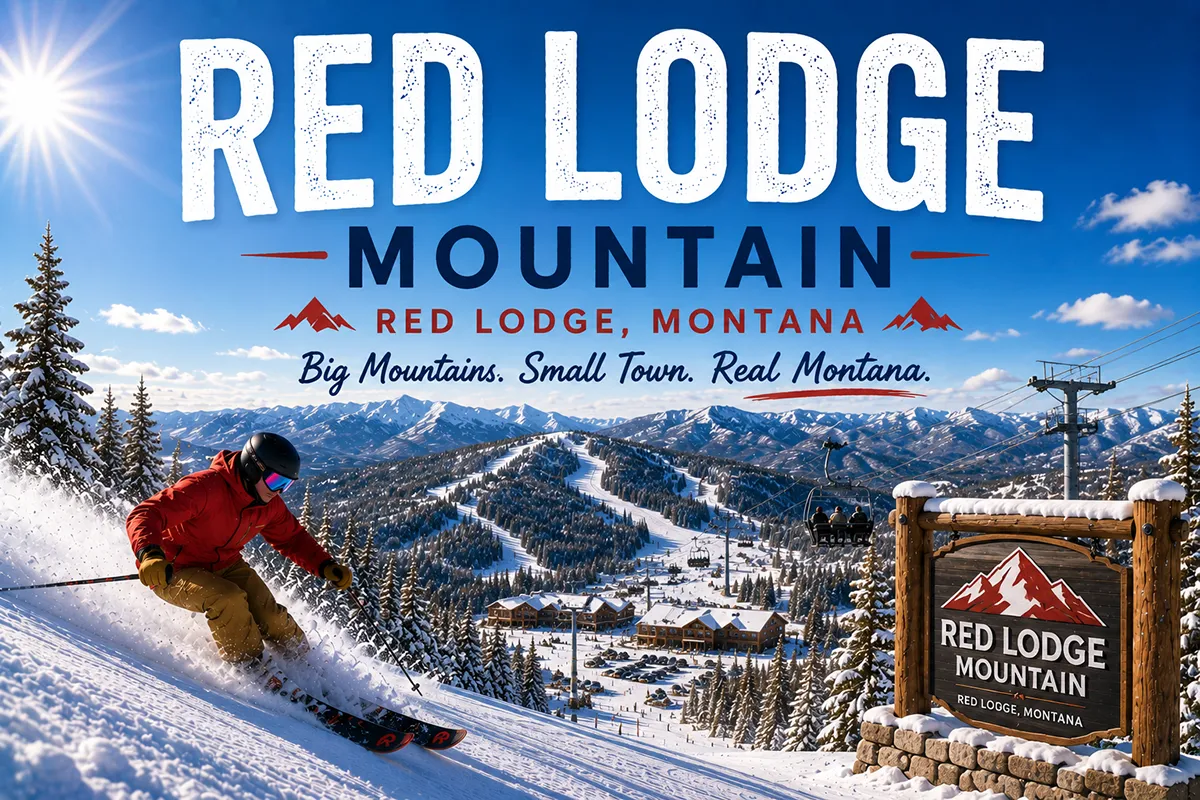
I came to Red Lodge for one ski day during a multi-stop Montana trip. I ended up extending my stay by two nights because the town and the mountain combined are exactly the kind of place I always tell people Montana is.
- Red Lodge Mountain Resort sits 6 miles southwest of Red Lodge in southern Montana — about 60 miles from Billings, the nearest airport
- 1,635 skiable acres, 2,400-foot vertical drop, ~70 named trails, 8 lifts (including 2 high-speed quads and a high-speed triple)
- Roughly 250 inches of snow per year with 31% snowmaking coverage — among the highest snowmaking percentages in Montana
- Indy Pass partner in recent seasons [verify current season]
- Full-day adult lift tickets typically run $80–$110+ in peak season [verify current price] — mid-tier Montana pricing
- The town of Red Lodge is one of Montana’s most charming small towns and a meaningful part of the trip
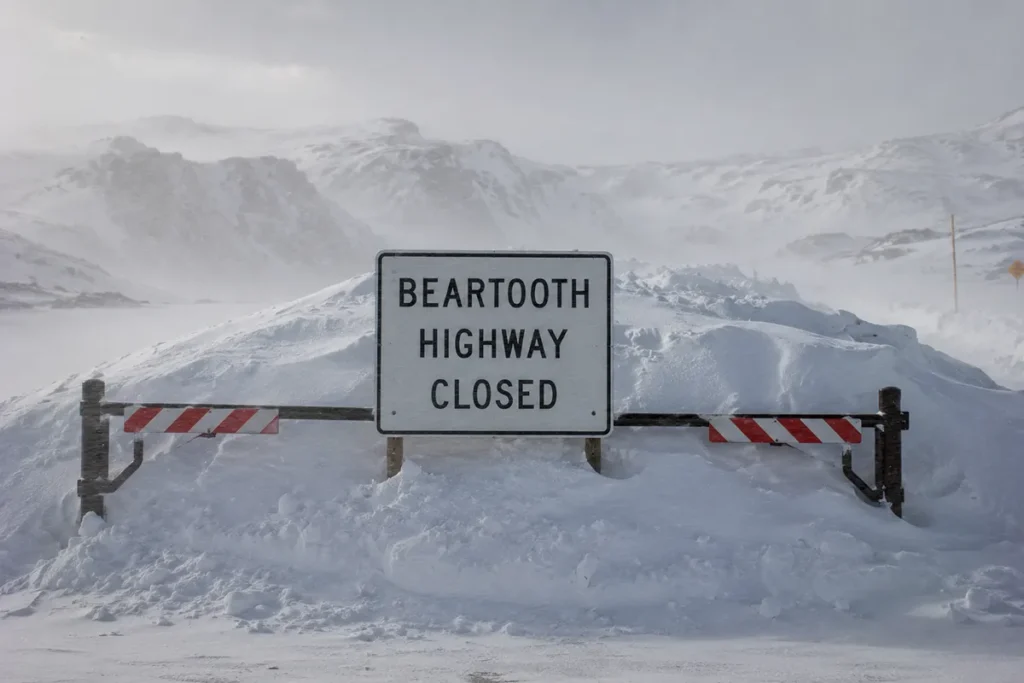
- Critical: Do NOT attempt to drive over Beartooth Pass in winter — the highway is closed November through May. Take US-212 south from Red Lodge to Ski Run Road only.
- The right trip if you want a mid-sized destination resort with a real Western town attached, intermediate-friendly terrain, and the most spectacular summer return drive in America
Liked this article?
Add Roaming Montana as a preferred source so you see more of our articles and guides on Google.
Why Red Lodge Is My Quiet Pick for an Underrated Montana Ski Trip
If I’m being honest, Red Lodge Mountain doesn’t get the press it deserves. The Montana ski conversation tends to revolve around Big Sky’s terrain, Whitefish’s town, and Bridger Bowl’s cold smoke.
Red Lodge sits at the intersection of all three things — it has serious terrain (more vertical than most visitors expect), one of the genuinely best small towns in Montana sitting at its base, and snow that holds up well thanks to a combination of north-facing aspects and aggressive snowmaking infrastructure.
What it doesn’t have is the marketing budget or the airport access of the bigger destination resorts. Billings Logan International is the nearest commercial airport, and Billings doesn’t get the direct-flight love that Bozeman and Kalispell do.
The result is that Red Lodge stays quieter than it would otherwise, which is part of why locals love it and why visitors who do make the trip leave evangelizing it to friends.
This is part of our complete guide to Montana ski resorts — and if you’re trying to figure out whether Red Lodge belongs on your itinerary, this guide will give you the honest answer.
Where Red Lodge Mountain Actually Is
Red Lodge Mountain sits in Carbon County in south-central Montana, at the northern foot of the Beartooth Range — one of the most dramatic mountain ranges in the lower 48 and a region most American travelers know best from summer drives along the Beartooth Highway.
Getting there:
- From the town of Red Lodge: 6 miles southwest on Ski Run Road (about 15 minutes)
- From Billings Logan International Airport (BIL): about 60 miles south on US-212 (roughly 1.25–1.5 hours depending on winter conditions)
- From Bozeman Yellowstone International (BZN): about 2.5 hours
- From Big Sky: about 4 hours
- From Cody, WY: about 90 minutes (via US-212 north — only in summer)
A Critical Winter Driving Warning
This is the most important piece of information in this entire guide. Do not attempt to drive over the Beartooth Pass to reach Red Lodge in winter.
The Beartooth Highway (US-212 south of Red Lodge) climbs to over 10,000 feet through the Beartooth Plateau. It is closed every winter from approximately mid-October through late May or early June, depending on snowpack. If your GPS routes you over the pass — especially if you’re coming from Cody, Wyoming, or Yellowstone — your route will fail.
The correct winter route to Red Lodge Mountain:
- From Billings: US-212 south to Red Lodge, then Ski Run Road southwest 6 miles to the resort
- From Bozeman or Big Sky: I-90 east to Billings, then US-212 south to Red Lodge
- From Wyoming/Yellowstone: You cannot drive directly. The route is north through Wyoming on I-90 to Billings, then US-212 south.
Set your GPS to “Red Lodge Mountain Resort” or specifically to Ski Run Road — never to a route that crosses the Beartooth Pass between October and May. See my Montana winter driving guide for more.
The Town of Red Lodge: Why the Trip Is About More Than Skiing
Most ski-resort writeups treat the surrounding town as background. At Red Lodge, the town is genuinely half the trip.
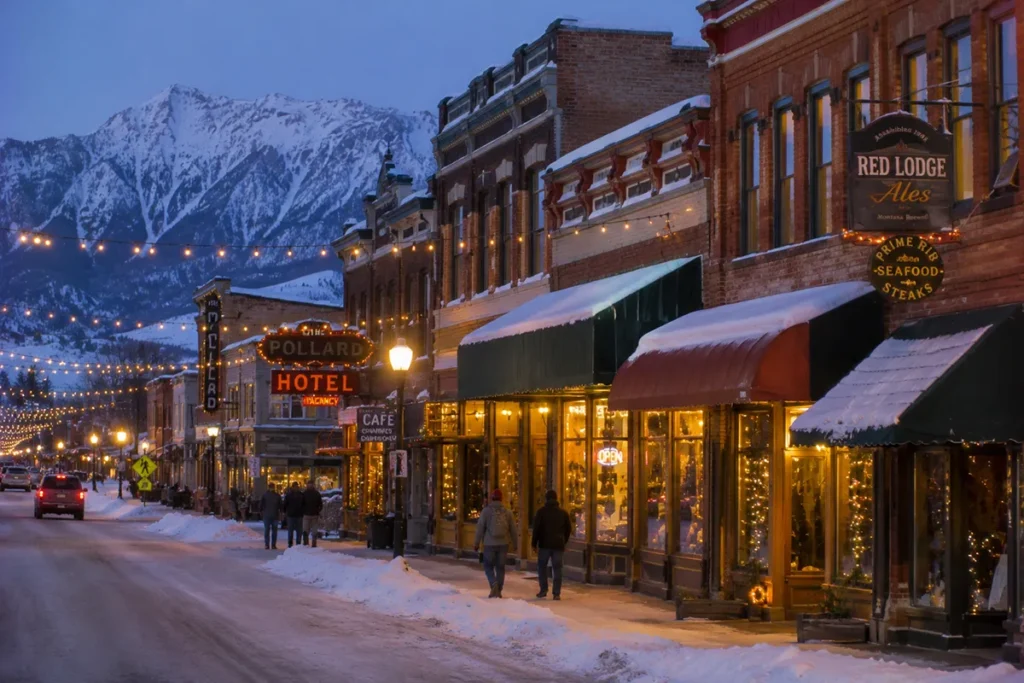
Red Lodge (population around 2,300) is a preserved historic mining town turned mountain community. The main street (Broadway Avenue) runs through downtown with restored early-1900s buildings housing locally-owned restaurants, breweries (Red Lodge Ales is the anchor), saloons that look like they’ve existed since the territory days because most of them have, a real bookstore, gear shops, and the kind of slow Western character that destination ski towns try to manufacture and fail.
A few things that make Red Lodge work:
- It’s a real town — locals live here year-round, the businesses are sustainable, and shoulder seasons don’t shut everything down
- Lodging is varied — historic hotels (The Pollard, built in 1893; Red Lodge Inn), motels, B&Bs, vacation rentals at multiple price points
- Dining quality is exceptional for a town this size — there are multiple genuinely good restaurants spanning casual to formal. See best steakhouses in Montana for some of the regional standouts.
- It’s the northern gateway to the Beartooth Highway — which means in summer, the town is a hub for one of the most spectacular drives in America (US-212 climbing to over 10,000 feet across the Beartooth Plateau)
- It’s the gateway to Yellowstone’s northeast entrance — via Cooke City, about 90 minutes south in summer (closed in winter)
For more on the town itself, see my dedicated Red Lodge guide.
The 10-minute drive from town to the mountain means most visitors stay in Red Lodge proper rather than seeking on-mountain lodging. I always do this, and I’d recommend the same to anyone else.
The Terrain: How Red Lodge Skis
Red Lodge’s terrain breaks into a few distinct zones, and understanding the layout helps you plan a day.
The Base Area and Miami Beach Zone (Beginner and Lower Intermediate)
The main base area sits at 7,016 feet and accesses progressive learning terrain via the magic carpet and the lower mountain chairs. The Miami Beach zone — yes, that’s the actual name — is where beginners and learning families spend their days.
It gets morning sun, which matters when temperatures drop below zero, and it’s close to the rental shop, ski school meeting area, and the warming spaces in the lodge.
If you’re teaching kids, bringing nervous first-timers, or working on fundamentals yourself, Miami Beach is your zone. About 17–19% of Red Lodge’s terrain is rated beginner.
The Mid-Mountain Cruisers (Intermediate Paradise)
This is where most Red Lodge skiers spend their days. The two high-speed quads and the high-speed triple access miles of beautifully groomed intermediate cruising terrain.
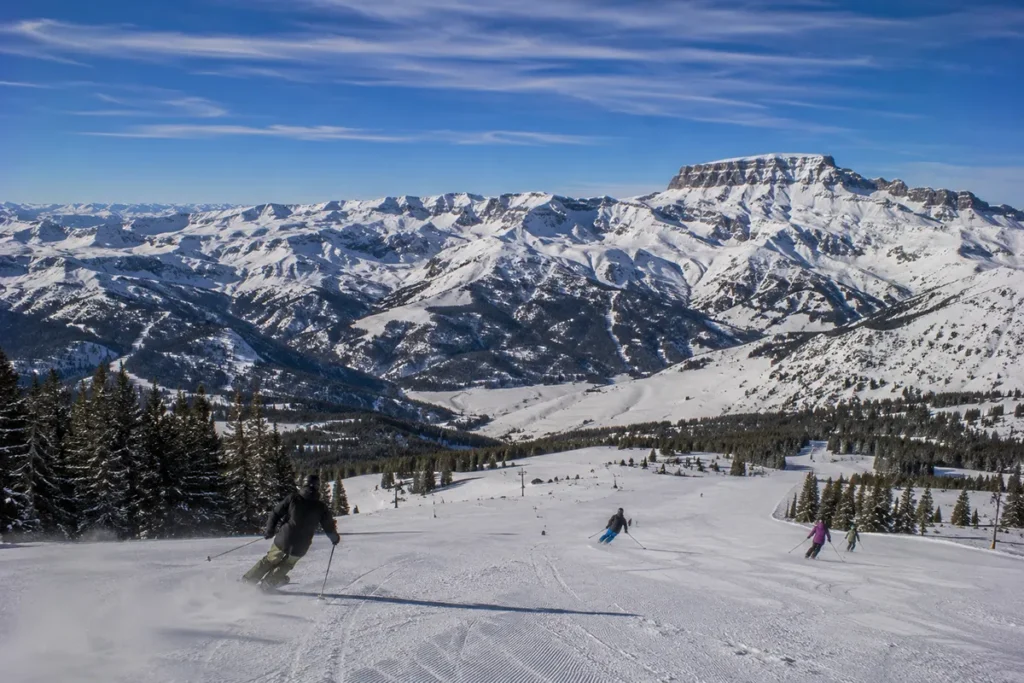
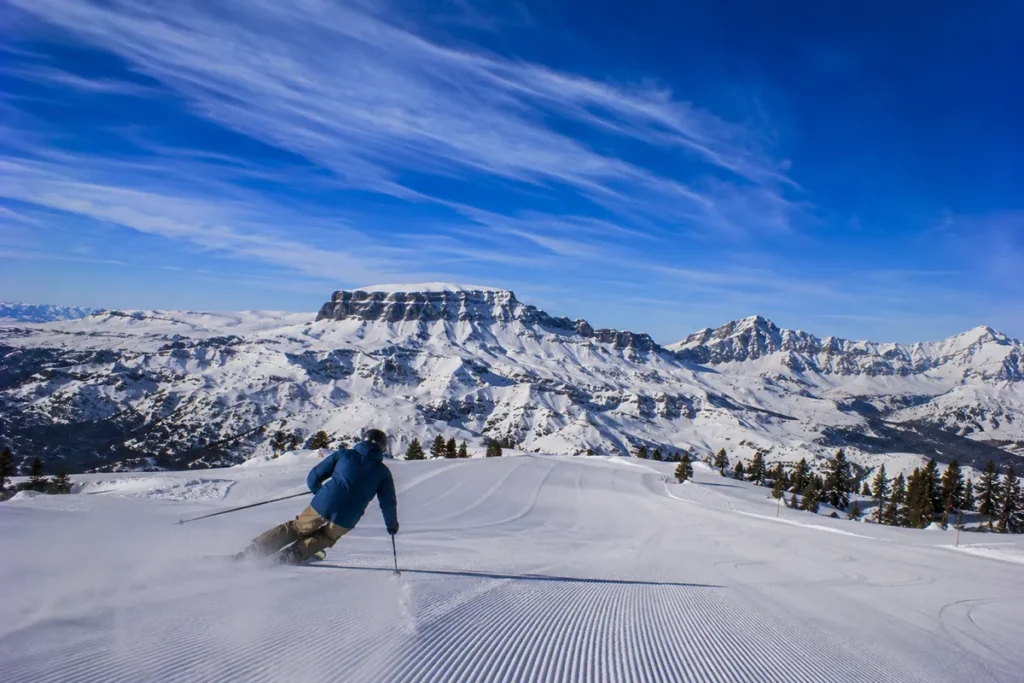
Broadway — a long winding groomer through open terrain with the Beartooth Plateau looming above — is one of my favorite runs anywhere. On a clear morning, the view from the top genuinely stops people mid-run.
About 27–45% of Red Lodge’s terrain is rated intermediate (sources vary on the exact split). The mid-mountain is groomed well and consistently, and the spread-out trail layout means even busy days don’t create crowded chokepoints.
The Advanced Terrain (Upper Mountain)
The summit at 9,416 feet accesses Red Lodge’s advanced and expert zones. About 38–54% of terrain is rated advanced or expert depending on which classification you use. Notable advanced zones:
- Cole Creek terrain — a remote-feeling expert zone that opens later in the season once snowpack supports it. Steep pitches, tree skiing, and a sense of isolation that surprises visitors who didn’t expect this from a “mid-sized” Montana resort
- 30 acres of advanced chute skiing plus 60 acres of gladed tree skiing
- Various double-black runs accessed from the top of the high-speed quads
This isn’t Lone Peak Tram territory, but it’s legitimately serious skiing. Strong advanced skiers have plenty here to keep them entertained for several days.
Recent Infrastructure Improvements
Over the past several seasons, Red Lodge has invested in upgrading its lift infrastructure. The newer high-speed quads dramatically reduced wait times compared to the older fixed-grip lifts, and the base lodge renovation means the lodge is now a comfortable place to spend a lunch break rather than a 1978-era cafeteria. [Verify current lift inventory and most recent upgrades on redlodgemountain.com — Red Lodge has been an active investment property for JMA Ventures.]
The Snowmaking Story
This is the part of the Red Lodge story that doesn’t get told often. Red Lodge has the highest snowmaking coverage percentage in Montana — approximately 31% of runs have full snowmaking coverage.
Why this matters:
- Red Lodge receives roughly 250 inches of natural snow annually — generous, but less than Whitefish (300) or Big Sky (400+)
- The mountain’s southern Montana location means it can have weeks of cold dry weather without significant new snow
- The snowmaking infrastructure ensures coverage on the main runs even during low-snow stretches
- This makes Red Lodge a more reliable choice in lean snow years than most Montana resorts
In practice: when other Montana resorts are struggling with thin coverage in early or late season, Red Lodge often skis better than its natural-snow stats would suggest. If you’re planning a trip in December or April when conditions can be uncertain, this matters.
Lift Tickets, Passes, and Pricing
Red Lodge sits in the mid-tier of Montana ski pricing — meaningfully cheaper than Big Sky, comparable to Whitefish.
Full-day adult lift tickets typically run $80–$110+ during peak season, with online advance purchases offering up to 35% savings versus the window price. [Verify current pricing on redlodgemountain.com.]
A few specifics:
- Buy online well in advance for the lowest prices
- Holiday blackouts apply to multi-day ticket products during peak weeks
- Indy Pass holders — Red Lodge has been an Indy Pass partner in recent seasons, providing two days of skiing on the standard Indy Pass plus additional days on Indy+. [Verify current season Indy Pass terms.]
- Season passes are excellent value for anyone visiting multiple times in a season
- Active and retired military discounts typically available
A Note on Pricing Pressure
I’ll be honest about one frequent visitor complaint: Red Lodge’s online pricing system has gotten more aggressive in recent years, with peak-weekend pricing climbing significantly.
This has drawn pushback from longtime visitors who remember the resort as an exceptional value.
While Red Lodge is still meaningfully cheaper than Big Sky, expect to pay more than you would have a few years ago, particularly during holiday weeks and weekends.
If you’re price-sensitive, target midweek visits in early January, late February, or anytime in March. The pricing is dramatically better, the crowds are minimal, and the snow is usually at its best.
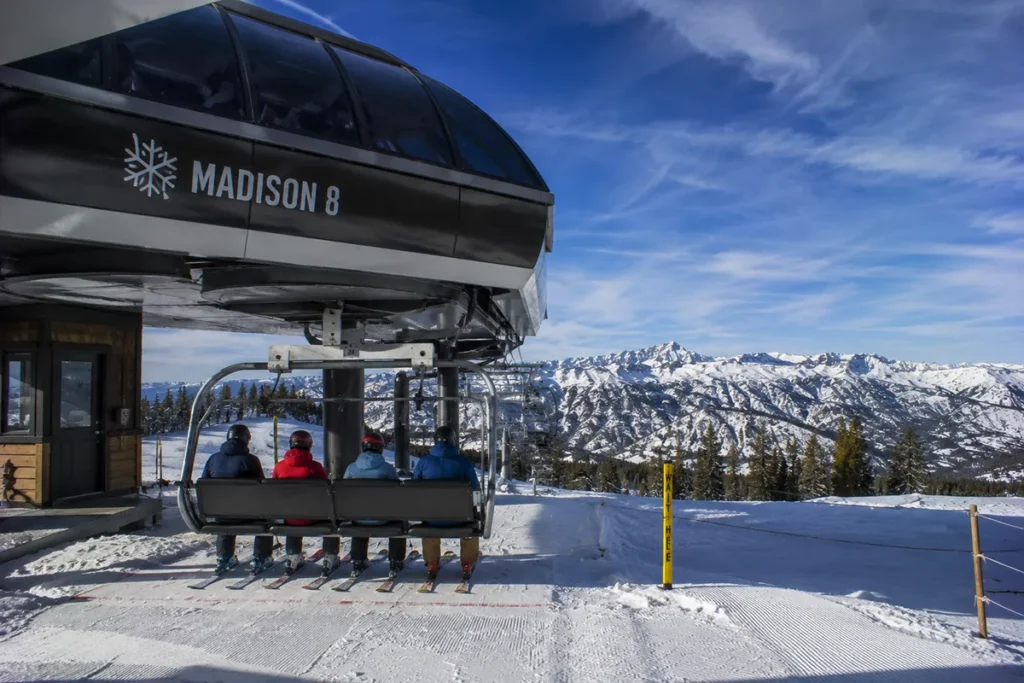
What I Wish I Knew Before Skiing Red Lodge
A few things I’d tell my pre-Red-Lodge self.
Stay in town, not at the mountain. There is limited on-mountain lodging at Red Lodge, and Red Lodge town is genuinely one of the best ski-town basecamps in Montana. The 10-minute drive in is part of the rhythm of the trip. See Red Lodge for lodging strategies.
The cold is real, especially in January. Southern Montana hits genuine cold snaps where wind chills can drop to -20°F or lower. The summit at 9,416 feet adds wind exposure on top of that. A balaclava, hand warmers, and proper layers aren’t optional. See my Montana winter clothing guide.
Billings is a real airport — use it. Most Montana ski traffic flies into Bozeman or Kalispell, but Billings Logan International has direct flights from a number of major hubs and is significantly cheaper for one-stop connections. The 1.25-hour drive from Billings to Red Lodge is straightforward on US-212. If you’re flying from the Midwest or East Coast, Billings via Denver is often the smartest route.
Plan a summer return trip. This is a recommendation I make to almost every winter visitor: Red Lodge is the northern gateway to the Beartooth Highway, one of the most spectacular drives in America. The highway opens in late May or June and climbs over 10,000 feet to the Beartooth Plateau before descending into Wyoming and Yellowstone’s northeast entrance. The combination of a winter ski trip + a summer Beartooth/Yellowstone trip is one of the best year-anchored Montana experiences available. For the summer ski version, see Beartooth Basin summer ski area.
The intermediate cruising is the best in Montana. This isn’t said often enough. If you’re a strong intermediate or a family with mixed levels, Red Lodge’s mid-mountain delivers some of the best groomed cruising terrain in the state. Long runs, varied pitch, and consistently good grooming.
Cole Creek opens later in the season. Don’t expect the back-side advanced terrain to be available on opening week. The deeper natural snowpack required to ski that zone typically arrives by January, and it skis best February through March.
Combine with Bridger Bowl or Big Sky if you have time. Red Lodge and the southwest Montana resorts are far enough apart that you don’t typically combine them in a single trip — but a multi-stop Montana ski road trip with Red Lodge as the southern anchor and Bozeman as the central node makes a strong week-long itinerary.
March is the best month here. This is true across most Montana ski areas, but especially true at Red Lodge. The combination of deep snowpack, longer days, and the high snowmaking coverage means March conditions at Red Lodge are genuinely excellent. See Montana in March for broader context.
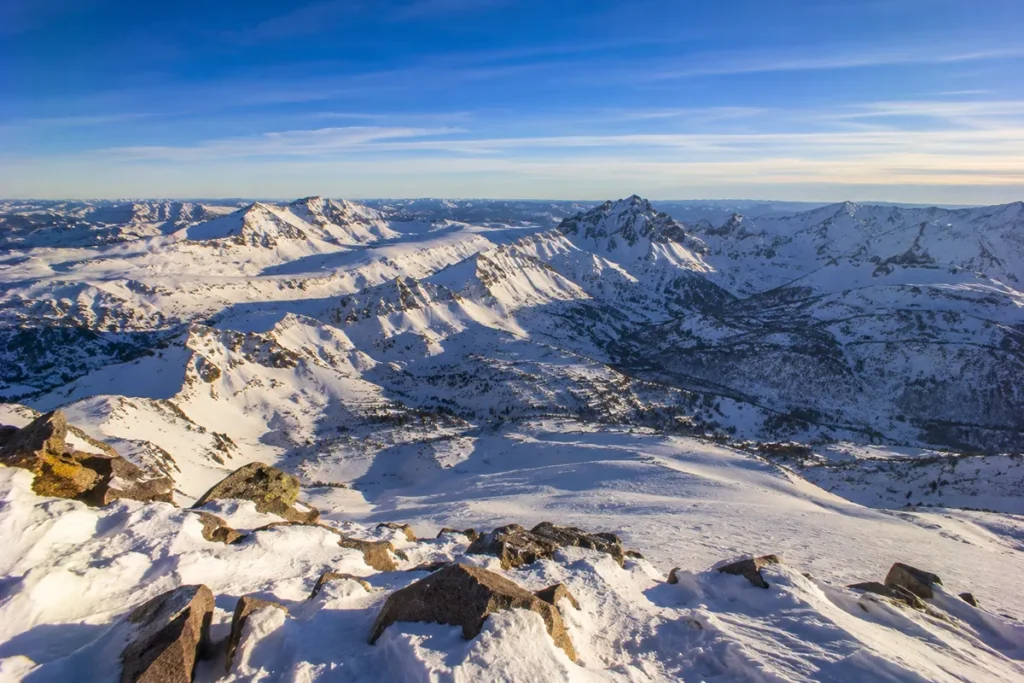
Red Lodge Mountain Compared to the Other 17 Montana Ski Areas
Quick honest comparisons.
Vs. Big Sky Resort: Big Sky is bigger in every dimension and has more extreme terrain. Red Lodge is smaller, more affordable, and pairs with a much better small town. For a family-oriented destination ski week, Red Lodge is often the better choice. For terrain-seeking advanced skiers, Big Sky.
Vs. Whitefish Mountain Resort: Whitefish has more terrain, deeper natural snow, and easier airport access. Red Lodge has a more intimate town, more aggressive snowmaking (better for lean snow years), and the Beartooth Highway connection. For first-time Montana visitors, Whitefish usually wins. For repeat visitors looking for something different, Red Lodge.
Vs. Bridger Bowl: Bridger has the cold smoke powder, the Ridge, and more authentic local-skiing culture. Red Lodge has a meaningfully better town, more snowmaking coverage, and a stronger family orientation. They’re 4 hours apart and serve very different purposes.
Vs. Discovery Ski Area: Both are mid-sized Indy Pass partners with strong terrain. Discovery has more acreage and remote-feeling terrain on the back side. Red Lodge has better infrastructure (high-speed lifts) and a much stronger town. Pick based on which region of Montana you’re anchoring.
Vs. Beartooth Basin: Beartooth Basin is the summer-only ski area on the Beartooth Highway, accessible from Red Lodge in June and July. These are complementary — a winter Red Lodge trip plus a summer Beartooth Basin trip is the complete experience of Beartooth country.
For the full picture, see the Montana ski resorts pillar guide.
Red Lodge Mountain: At-a-Glance
| Vertical Drop | 2,400 ft |
|---|---|
| Skiable Acres | 1,635 |
| Top Elevation | 9,416 ft |
| Base Elevation | 7,016 ft |
| Annual Snowfall | ~250 inches (with 31% snowmaking coverage) |
| Terrain Breakdown | ~17–19% Beginner, ~27–45% Intermediate, ~38–54% Advanced/Expert (varies by source) |
| Trails | ~70 named runs |
| Longest Run | Lazy M, 2.5 miles |
| Lifts | 6–8 chairs (2 high-speed quads, 1 high-speed triple, additional triples/doubles) + 1 magic carpet |
| Lift Capacity | ~10,690 skiers per hour |
| Lift Ticket | $80–$110+ peak season [verify current price] |
| Pass Affiliation | Indy Pass partner [verify current season] |
| Night Skiing | None |
| Snowmaking | 31% of runs (highest percentage in Montana) |
| Operating Season | Typically early December through early April |
| Owner | JMA Ventures (since 2007) |
| Nearest Town | Red Lodge, 6 miles |
| Nearest Airport | Billings Logan International (BIL), ~60 miles / 1.25 hr |
Lift ticket prices, Indy Pass terms, and lift inventory change annually — verify current information on redlodgemountain.com before booking.
Things to Do Around Red Lodge When You’re Not Skiing
Red Lodge is one of the best non-ski-day setups of any Montana resort. Options include:
- The town of Red Lodge itself — see the full Red Lodge guide for restaurants, breweries, and historic sites
- Red Lodge Ales — the town’s anchor brewery
- Yellowstone day trip (summer only) — the northeast entrance via Cooke City is 90 minutes south via the Beartooth Highway when it’s open
- Yellowstone winter wildlife (north entrance route) — Lamar Valley wolf watching is accessible by driving north to Billings, west to Bozeman, then south to Gardiner. See Yellowstone wolf watching and Lamar Valley.
- Snowmobiling — extensive trails in the Custer Gallatin National Forest surrounding Red Lodge
- Beartooth nature center — small but worthwhile wildlife rehab facility
- Hot springs day trip — Chico Hot Springs is about 2.5 hours west; Bozeman Hot Springs is about 3 hours
For winter Airbnb planning, see winter Airbnbs in Montana.
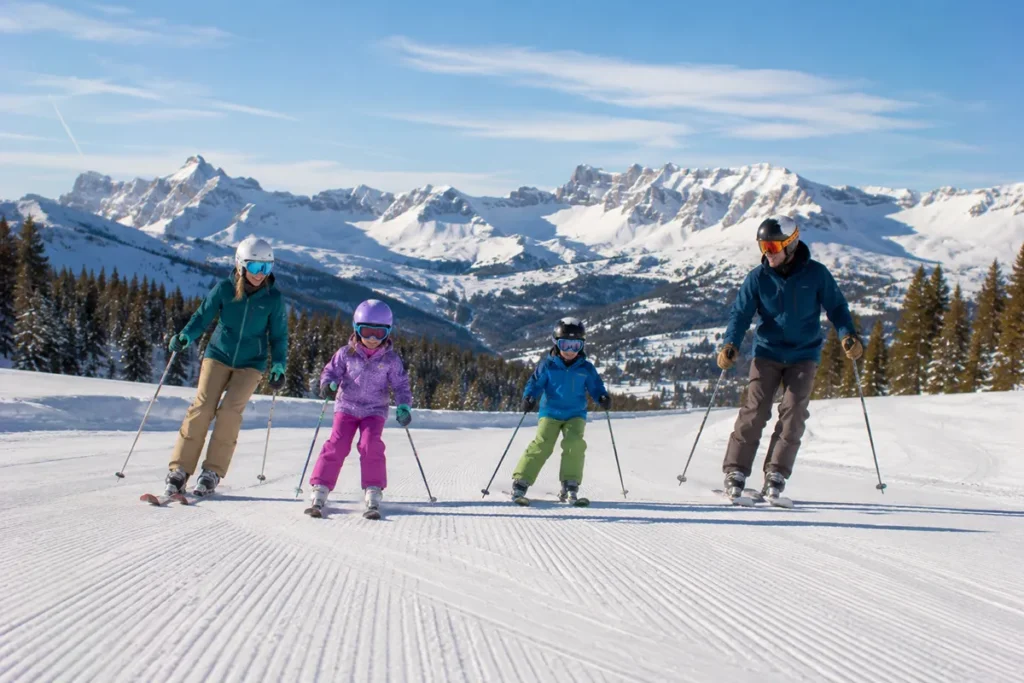
Final Thoughts on Red Lodge Mountain
Red Lodge is the resort I quietly recommend more often than the search rankings would suggest is reasonable. It’s the answer for families who want a real ski-town experience without Big Sky prices.
It’s the answer for couples who want one resort that combines genuine terrain with a town worth spending evenings in.
It’s the answer for advanced skiers who don’t need 5,850 acres but want enough variety to ski for a week without repeating runs.
The trip works because the town and the mountain reinforce each other. You wake up in a historic hotel on Broadway, walk to a coffee shop staffed by locals, drive 10 minutes to the resort, ski 2,400 vertical feet of well-laid-out terrain, return to town for a brewery dinner, and walk home through snow.
That’s the rhythm. It’s not engineered, it’s not optimized, it’s not branded. It’s just Red Lodge.
The Beartooth Highway connection makes it more than a single-season destination. Come for a ski week in February.
Come back in July for the Beartooth Plateau and Yellowstone’s northeast entrance. By year two, Red Lodge will start to feel like a place you know rather than a place you visited.
Pin this guide for your trip planning, and drop your questions in the comments below — I read every one and will happily help you decide if Red Lodge is the right anchor for your Montana ski trip, or how to fit it into a multi-stop itinerary across the state.
Frequently Asked Questions
Where is Red Lodge Mountain Ski Resort?
Red Lodge Mountain is in Carbon County in south-central Montana, 6 miles southwest of the town of Red Lodge on Ski Run Road, and approximately 60 miles south of Billings (the nearest commercial airport). The resort sits at the northern foot of the Beartooth Range.
How much does a lift ticket at Red Lodge Mountain cost?
Full-day adult lift tickets at Red Lodge Mountain typically run $80–$110+ during peak season, with online advance purchases offering up to 35% savings. Pricing varies significantly by date and holiday status. [Verify current pricing on redlodgemountain.com.]
Is Red Lodge Mountain on the Ikon, Epic, or Indy Pass?
Red Lodge Mountain has been an Indy Pass partner in recent seasons, providing standard Indy Pass holders two days of access plus additional days for Indy+ holders. It is not on the Ikon or Epic Pass. [Verify current Indy Pass terms each season as they can change annually.]
How big is Red Lodge Mountain?
Red Lodge Mountain has 1,635 skiable acres, a 2,400-foot vertical drop, approximately 70 named trails, and 8 lifts (including 2 high-speed quads and a high-speed triple). Summit elevation is 9,416 feet. By Montana standards, it’s a mid-sized resort — bigger than Discovery or Lookout Pass, smaller than Whitefish or Big Sky.
Can I drive over the Beartooth Pass to reach Red Lodge in winter?
No. The Beartooth Highway (US-212 south of Red Lodge) is closed every winter from approximately mid-October through late May or early June, depending on snowpack. To reach Red Lodge in winter, you must drive US-212 north from Wyoming via I-90 through Billings, or US-212 south from Billings.
Is Red Lodge good for families?
Yes — Red Lodge is one of Montana’s most family-friendly ski resorts. The Miami Beach beginner zone, well-staffed ski school, and high snowmaking coverage make it a reliable choice for learning skiers. The town of Red Lodge is also genuinely family-friendly, with walkable downtown dining and lodging options.
Is Red Lodge good for advanced skiers?
Yes, though not at the same level as Big Sky or Bridger Bowl. Red Lodge has approximately 38–54% advanced/expert terrain (depending on classification) and includes the Cole Creek terrain zone, advanced chute skiing, and gladed tree skiing. The mountain is best for strong intermediates and entry-level experts; world-class expert skiers may find the terrain limiting after a few days.
How does Red Lodge compare to Big Sky?
Big Sky has more terrain (5,850 vs. 1,635 acres), more vertical drop (4,350 vs. 2,400 ft), and the Lone Peak Tram. Big Sky lift tickets cost roughly 2–3x more. Red Lodge has a meaningfully better small town, more affordable pricing, and one of Montana’s highest snowmaking coverage percentages. For families and intermediate skiers, Red Lodge is often the better choice. For advanced terrain-seekers, Big Sky.
How far is Red Lodge from Yellowstone National Park?
The town of Red Lodge sits about 90 minutes north of Yellowstone’s northeast entrance via the Beartooth Highway — but only when the highway is open (typically late May through mid-October). In winter, accessing Yellowstone from Red Lodge requires a longer route via Billings, Bozeman, and Gardiner — about 5 hours one way.
When does Red Lodge Mountain open and close?
Red Lodge Mountain typically operates from early December through early April, with exact opening and closing dates depending on snow conditions. Peak conditions are typically mid-January through mid-March.
What is the closest airport to Red Lodge Mountain?
Billings Logan International Airport (BIL) is the nearest commercial airport, approximately 60 miles north of Red Lodge — about 1.25 hours via US-212. Billings has direct service from a growing number of U.S. hubs, with the most reliable connections from Minneapolis, Denver, and Salt Lake City. Bozeman Yellowstone International (BZN) is approximately 2.5 hours away.