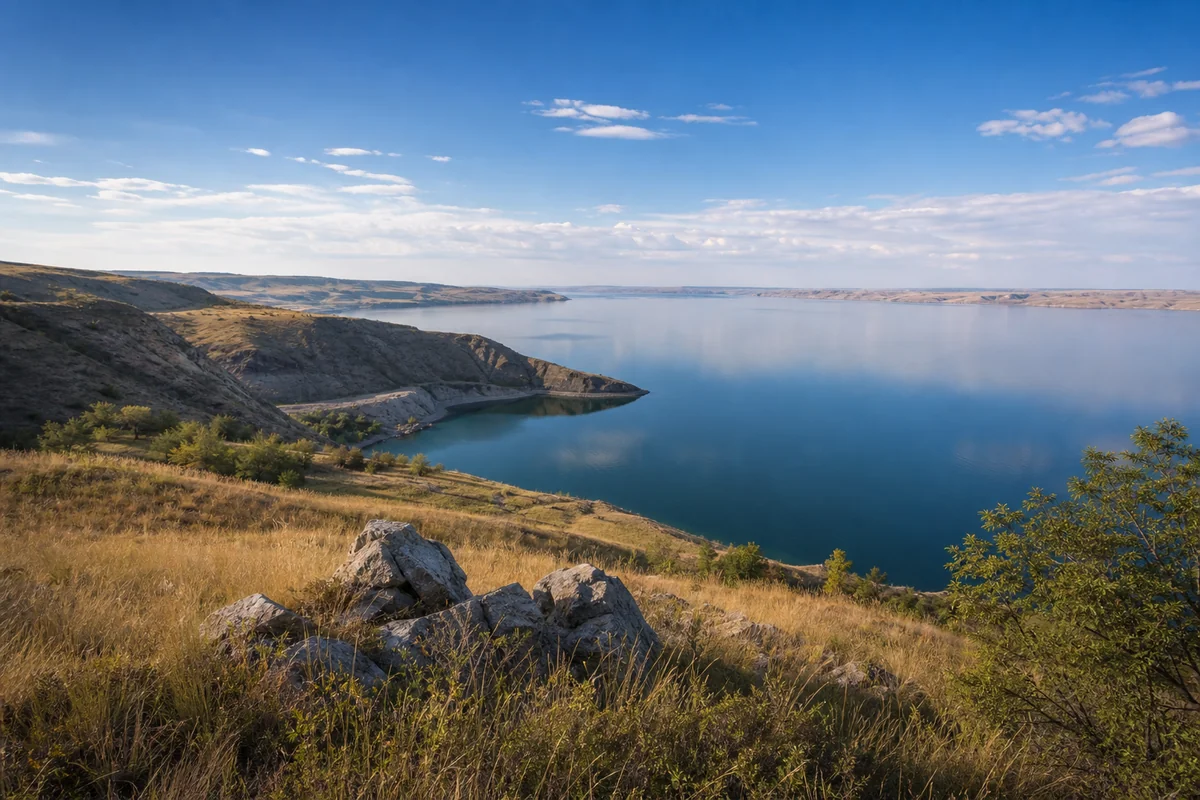
Standing at the edge of Fort Peck Lake on a still September morning, the sheer scale of the place is almost impossible to process — 1,520 miles of shoreline, more than the entire Pacific coastline of California, all tucked into the remote northeastern corner of Montana.
This isn’t the Montana most visitors expect, and honestly, that’s exactly what makes the 56 Montana Counties worth exploring one by one — each one reveals a completely different side of the state. Valley County is one of the most underrated of them all.
- Valley County is home to Fort Peck Lake — one of the largest reservoirs in the US and a world-class walleye and paddlefish fishery
- The county seat is Glasgow, a friendly small town with solid amenities and genuine Western character
- Fort Peck Dam is a New Deal-era engineering marvel open for free tours (schedule varies seasonally)
- Wildlife is exceptional — pronghorn, white-tailed deer, mule deer, and migrating waterfowl are common sightings
- Best visited late spring through early fall; winters are harsh and many facilities close
- This is remote Montana — fuel up, carry water, and plan ahead before venturing out
Liked this article?
Add Roaming Montana as a preferred source so you see more of our articles and guides on Google.
Where Is Valley County?
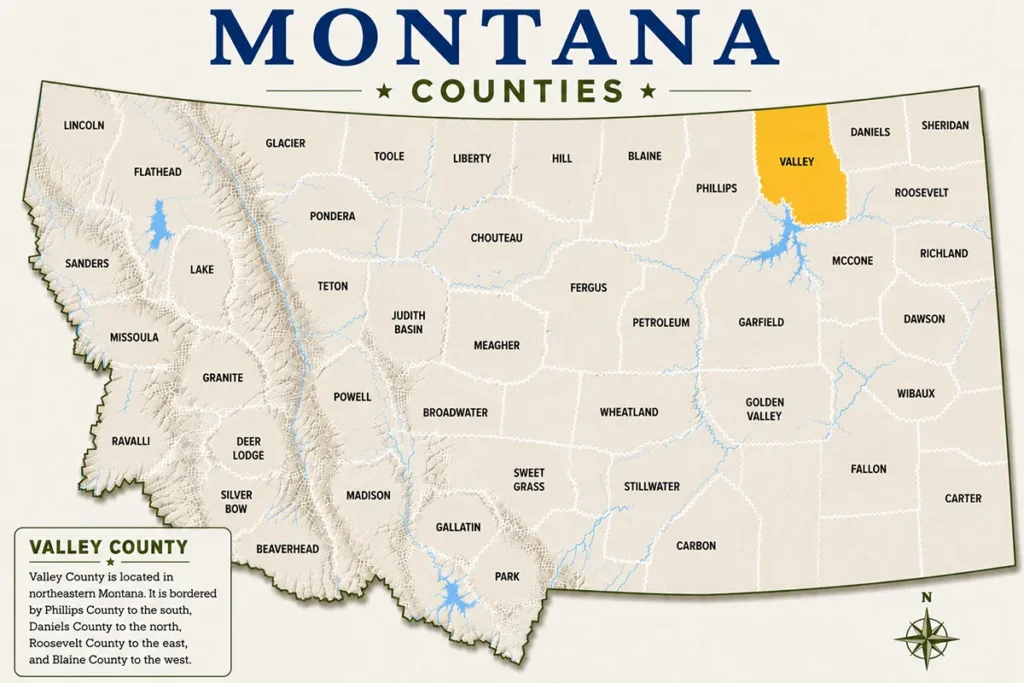
Valley County sits in the northeastern corner of Montana, roughly 270 miles northeast of Great Falls and about 50 miles south of the Canadian border. It covers approximately 4,900 square miles of shortgrass prairie, river breaks, and reservoir shoreline.
The county seat, Glasgow, is the main hub — population roughly 3,200, which makes it one of the larger towns out here. The Milk River runs through the northern part of the county, while the Missouri River corridor forms the backbone of the south through Fort Peck Reservoir.
Getting here requires a real commitment to the drive. US Highway 2 connects Glasgow westward toward Malta (in Blaine County) and eastward toward Wolf Point. The nearest airport with regular commercial service is in Havre or Williston, North Dakota — both roughly two hours away.
A Brief History of Valley County
Valley County was established in 1893, carved out of Dawson County as settlement pressure grew along the Great Northern Railway line. The railroad was transformative — towns like Glasgow exist almost entirely because James J. Hill’s iron horse needed water stops and supply depots across the northern plains.
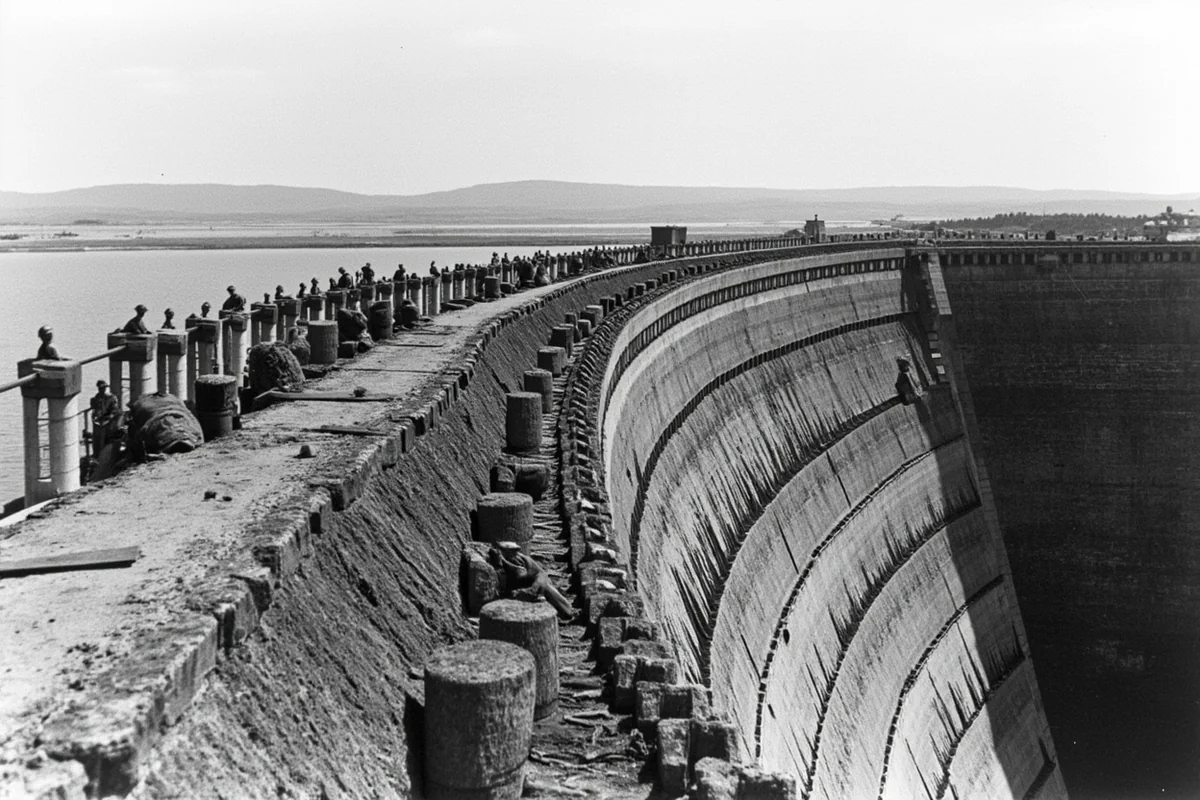
The county’s most dramatic chapter came during the 1930s. The construction of Fort Peck Dam, one of the largest New Deal public works projects in American history, brought tens of thousands of workers flooding into what had been one of Montana’s emptiest corners. At its peak, the construction workforce topped 10,600 people — a staggering number for this landscape.
Dawson County to the south and Daniels County to the north share this same railroad-and-homestead heritage, but Valley County’s identity was permanently reshaped by that dam project in a way those neighbors weren’t.
Fort Peck Dam and Reservoir
Fort Peck Dam is the centerpiece of Valley County, full stop. Completed in 1940 after six years of construction, it’s a hydraulic-fill earthen dam — the largest of its type in the world. The statistics are staggering: the dam itself is 21,026 feet long and 250 feet high, impounding a reservoir with 249,000 surface acres of water.
What surprised me most on a first visit was how genuinely beautiful the landscape around the reservoir is. The shortgrass prairie rolls right to the water’s edge, broken by deeply eroded coulees and badlands formations that look nothing like typical reservoir scenery.
Fort Peck Dam Tours
Free guided tours of the dam’s powerhouse are offered seasonally — typically Memorial Day through Labor Day, though it’s worth calling ahead to confirm times. The powerhouse contains four massive generators and the interpretive displays inside are genuinely excellent, not the dry institutional variety.
The tour itself takes about 45 minutes. What most visitors don’t realize is that you get to walk through parts of the original 1930s-era construction — the scale of the machinery in that era is humbling. Allow extra time to also visit the small but well-curated Fort Peck Dam Museum near the spillway.
Fort Peck Lake Fishing
Fishing is the primary draw for many visitors, and Fort Peck delivers at a level that genuinely surprises people expecting a generic prairie reservoir. According to Montana Fish, Wildlife & Parks, Fort Peck consistently ranks as one of the top walleye fisheries in the entire country.
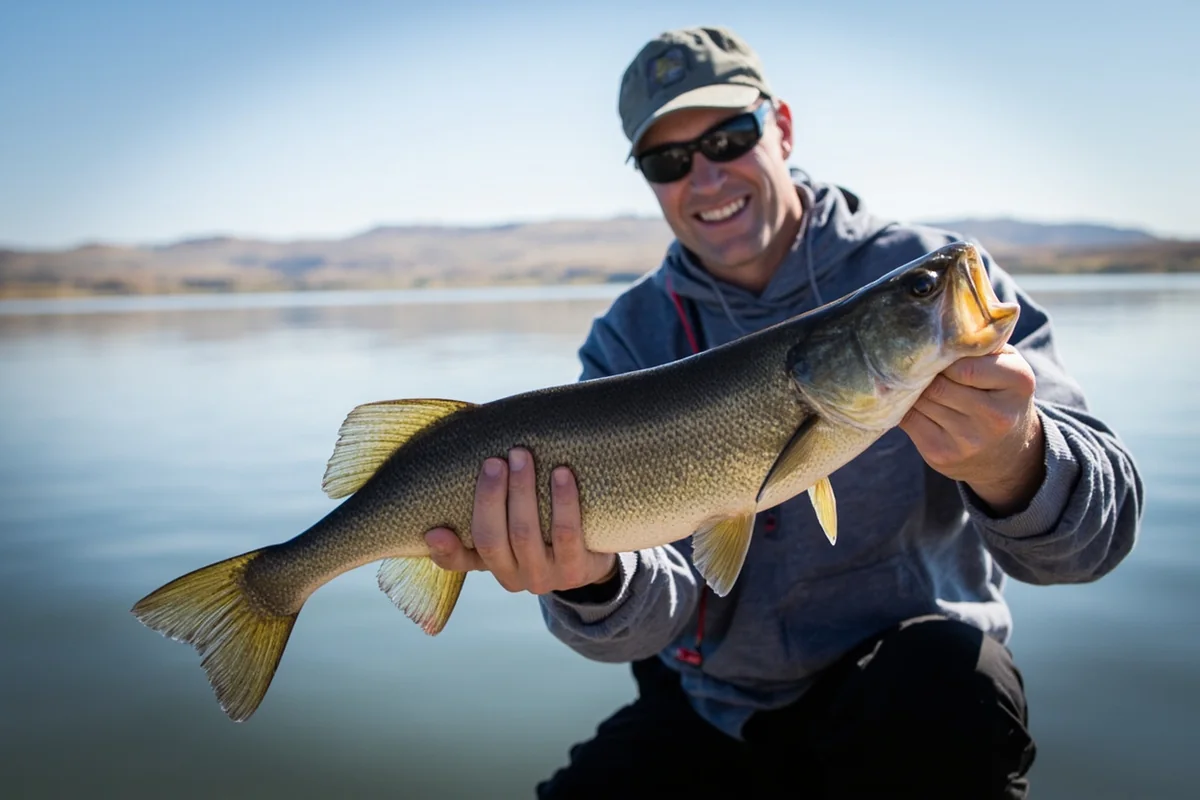
The northern pike population is equally impressive — fish over 30 inches aren’t uncommon, and dedicated pike anglers make pilgrimages specifically for Fort Peck. Paddlefish snagging is another seasonal spectacle: during the spring run (typically late April through May or early June depending on conditions), anglers line the spillway area to snag these prehistoric-looking giants. Paddlefish regularly exceed 60 pounds.
What caught me off guard during my spring visit was how social the paddlefish snagging scene is. Locals set up full camps along the riverbank, share tackle tips freely with strangers, and generally treat the whole event like a community reunion. It’s one of those deeply local experiences you won’t find mentioned in most Montana travel guides.
Expect to pay licensing fees for non-residents — Montana FWP sets current rates, and paddlefish specifically require a separate conservation license and tag. Check the official FWP website before your trip for current fees and season dates.
Wildlife Watching in Valley County
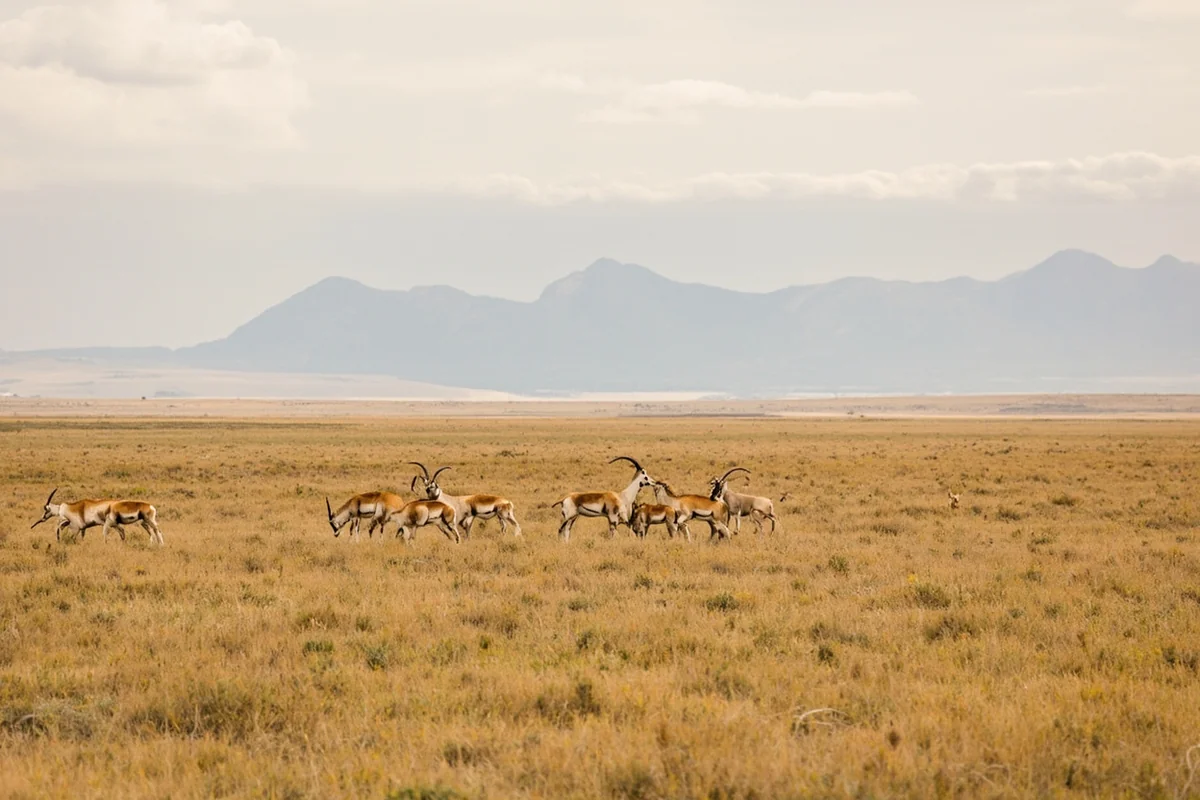
Northeastern Montana doesn’t get the wildlife celebrity status of places like Glacier County or Yellowstone, but for certain species it’s genuinely hard to beat. Pronghorn are everywhere — seriously, expect to see herds of 20 or 30 animals grazing roadside on almost any drive through the county.
White-tailed and mule deer are abundant, particularly in the river breaks. During September and October, the Missouri Breaks corridor south of Glasgow holds exceptional mule deer concentrations. Local outfitters who know the breaks can take you into country where you’re seeing dozens of deer per hour.
Birding deserves special mention. The Milk River valley in the northern part of the county and the reservoir shoreline are both exceptional during spring and fall migration. Species that most Lower 48 birders would consider life list targets — including ferruginous hawks, Sprague’s pipits, and chestnut-collared longspurs — can be found with some searching in the shortgrass prairie.
The Charles M. Russell National Wildlife Refuge (CMR) extends along the Missouri Breaks south of the reservoir. This is over a million acres of federal land supporting elk, bighorn sheep, mule deer, and prairie dog towns that attract nesting burrowing owls and black-footed ferrets (the latter are extremely rare and require knowing exactly where to look — contact CMR refuge staff for guidance).
The Town of Glasgow
Glasgow is the kind of small Montana town that rewards the visitor who takes time to wander rather than just gas up and keep driving. Main Street retains genuine character — the kind that comes from actual use rather than tourism-driven renovation.
The Valley County Pioneer Museum on US Highway 2 is a legitimate stop, not just filler content. What stands out is the quality of the Native American artifact collection and the extensive Fort Peck Dam construction exhibits. On my last visit, the staff volunteer who walked me through the dam history had actually worked on maintenance projects at the facility decades earlier — that kind of institutional memory is irreplaceable.
Dining options are modest but solid. The local bars and supper clubs serve portions suited to people who actually work outdoors for a living, which means visitors tend to leave very full. Expect to pay roughly $12–$22 for a full dinner at most sit-down restaurants in town, though prices shift with inflation.
Glasgow also has a 9-hole golf course, a community swimming pool, and an annual fair in the summer. It’s genuinely livable in a way that some remote Montana county seats aren’t — there’s a grocery store, a hardware store, and enough services to support a week-long stay without feeling cut off.
Fort Peck Theatre
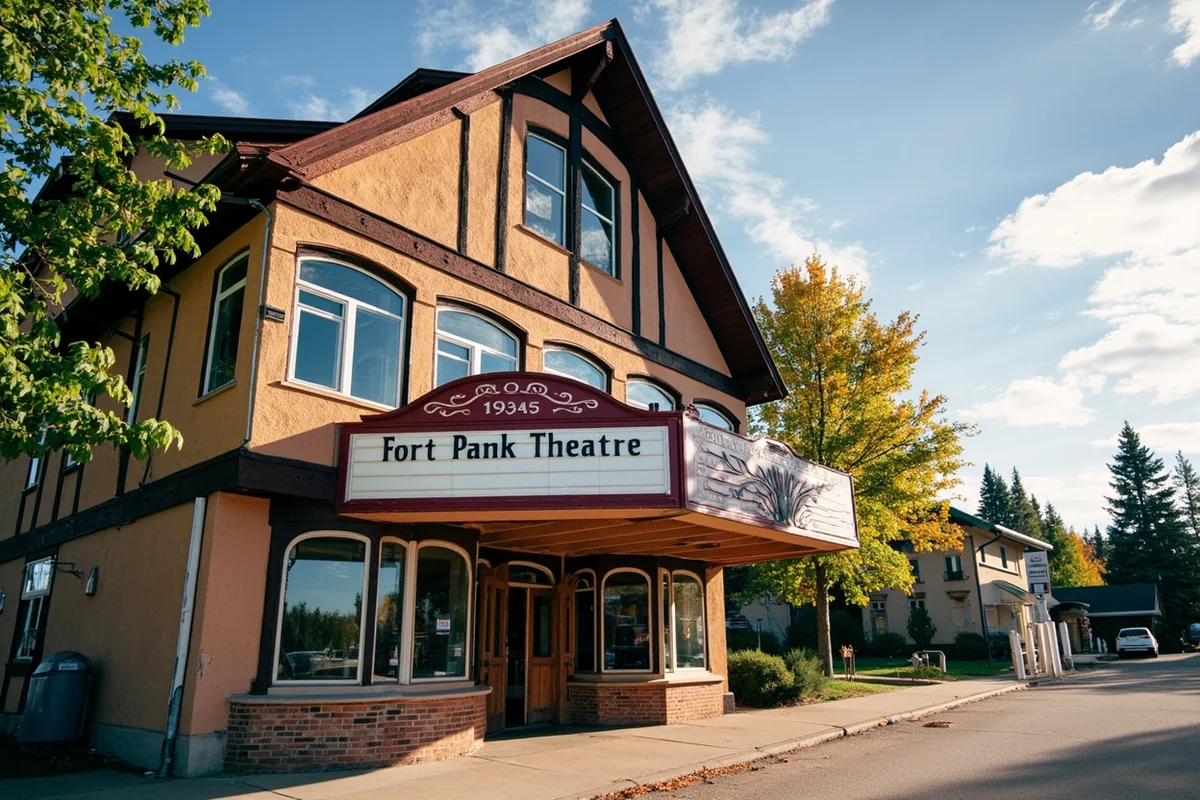
One of the most unexpectedly delightful things about Fort Peck — the small community built during dam construction, about 18 miles south of Glasgow — is its historic theatre. The Fort Peck Summer Theatre has been staging productions since the 1930s, making it one of the oldest continuously operating summer stock theatres in the American West.
The building itself is a gorgeous 1934 Swiss chalet-style structure that seats around 250 people. Summer productions typically run from late June through August and include musicals, dramas, and comedies. Tickets are generally well under $30, making this one of the best entertainment values in rural Montana.
What catches most visitors completely off guard is the quality of the productions. The performers are genuine theatre professionals and recent conservatory graduates, not community players — the level of talent relative to the setting creates a genuinely surreal experience.
Outdoor Recreation Beyond Fishing
Boating and Water Sports
With 1,520 miles of shoreline, Fort Peck Lake offers essentially unlimited opportunities for motorboating, sailing, kayaking, and paddleboarding. Several marina facilities around the lake provide boat launches, fuel, and some rental options — Rock Creek Marina and the West End Recreation Area are the best-developed access points.
Note that the lake’s size creates real weather risk. Storms move across this open water quickly, and waves can build to dangerous heights with little warning. Check weather forecasts obsessively before heading out, and always wear life jackets.
Hiking and Exploration
Structured hiking trails are minimal in Valley County — this isn’t wilderness hiking country. What it offers instead is open land navigation: vast stretches of BLM and CMR land where you can simply walk into the breaks and badlands formations.
The Hell Creek area on the southern end of the reservoir is particularly dramatic geologically. Dinosaur fossils have been found throughout this region — the Hell Creek Formation is one of the world’s most important dinosaur fossil beds. You’re walking through 65-million-year-old sediments every time you hike here. Note that collecting fossils on federal land is illegal, but the scenery alone is worth the trip.
Hunting
Valley County is a serious hunting destination. Upland bird hunting — specifically sharptail grouse and Hungarian partridge — draws hunters from across the region. Deer and pronghorn hunting on both private and public land can be exceptional.
If you’re visiting for hunting, local outfitters who have established relationships with private landowners are worth their fees. Getting access to private ranch land changes the experience entirely. Montana FWP manages licensing and season dates — non-resident licenses should be secured well in advance, as some species have quota draws.
Suggested Itinerary
Day 1: Arriving, Glasgow, and Fort Peck Dam
Arrive in Glasgow by mid-morning if driving from Billings or Great Falls — both are roughly 3–4 hour drives. Check into your accommodation, then head straight to the Valley County Pioneer Museum for a 90-minute orientation to the region’s history.
After lunch in Glasgow, drive the 18 miles south to Fort Peck for the afternoon dam tour (book ahead or confirm times on arrival). Walk the spillway area and visit the dam museum. If it’s summer, check whether the Fort Peck Theatre has an evening performance — this is genuinely worth planning your itinerary around.
Day 2: Fort Peck Lake and Wildlife
Start early. The lake is calm in the early morning and the light is exceptional for photography. Launch from Rock Creek Marina or the West End boat launch for a morning on the water — either fishing or simply exploring the shoreline.
Return to shore by early afternoon and drive the southern shoreline road toward the Hell Creek area. Stop frequently to watch for pronghorn and deer. The late afternoon light on the badlands formations is spectacular.
Day 3: Milk River Valley and Birding
Head north from Glasgow toward the Milk River valley. This area is less visited than the reservoir but rewarding for birders and anyone interested in quieter prairie landscapes. The Bowdoin National Wildlife Refuge is about 70 miles west in Blaine County if you want to extend the birding day trip.
Return to Glasgow for a final evening — grab dinner at one of the supper clubs and talk to locals about the county. The conversations you’ll have in a small-town bar in northeastern Montana are genuinely worth the trip alone.
Practical Information for Visitors
| Detail | Information |
|---|---|
| County Seat | Glasgow, Montana |
| Population | Approximately 7,300 (county) |
| Area | Approximately 4,900 square miles |
| Best Time to Visit | Late May through September |
| Fort Peck Dam Tours | Memorial Day to Labor Day (free, seasonal — confirm locally) |
| Nearest Major Airport | Havre, MT or Williston, ND (~2 hrs each) |
| Accommodation | Motels in Glasgow; limited options at Fort Peck |
| Cell Coverage | Spotty outside Glasgow — download offline maps |
| Fuel Availability | Glasgow has multiple stations; Fort Peck area limited |
When to Visit
Late May through early September is the sweet spot. June is particularly good for fishing and the start of summer theatre. July and August bring full amenity access and warm enough weather for swimming and water sports, though afternoon temperatures can push into the mid-90s°F.
Spring fishing (especially paddlefish season) is exceptional but weather is wildly variable — I’ve had 70°F days in late April followed by snow the next morning. Come prepared for both.
Fall — specifically September and October — is magnificent for wildlife watching and hunting. The crowds (such as they are) disappear, the light turns golden, and the pronghorn rut begins in earnest.
Winters are severe. Temperatures routinely drop below -20°F, wind chills are brutal, and many recreational facilities close entirely. Unless you’re an ice fisherman who knows exactly what you’re doing, November through March are months to spend exploring other counties — perhaps Cascade County near Great Falls has indoor options that soften the season.
Accommodation
Glasgow has several motels and a few bed-and-breakfast options. Expect to pay roughly $80–$150 per night for a standard motel room — rates vary significantly by season and advance booking. The Fort Peck area itself has very limited lodging; most visitors base out of Glasgow.
Camping is available at several sites around Fort Peck Lake, managed by the US Army Corps of Engineers. Sites range from basic primitive camping (essentially free or very low-cost) to developed sites with electrical hookups. Book ahead for summer weekends as this lake attracts dedicated RV travelers.
What Most Visitors Get Wrong About Valley County
The most common mistake is underestimating the distances. Fort Peck Lake is massive — what looks like a short hop on a map between two lake access points might be 40 miles of gravel road. One afternoon I planned to hit three access points on the south shore before sunset and made it to exactly one of them. Halve your ambitions and you’ll be much happier.
The second mistake is arriving without cell service workarounds. Outside Glasgow, coverage drops to nothing for long stretches. Download offline maps (Google Maps or Maps.me work well), download the FWP regulations you need, and have paper backup maps for any serious backcountry excursions.
Third: people assume a prairie reservoir is a forgettable landscape and don’t budget enough time. Visitors who plan one day and stay four are not unusual — the place genuinely has that effect. The combination of Fort Peck Lake, the badlands scenery, the theatre, and the wildlife exceeds expectations in a way that’s hard to convey without experiencing it.
Finally, don’t overlook the local expertise available here. Valley County has outfitters, fishing guides, and hunting specialists who have spent their entire lives learning this landscape. Hiring a guide for even half a day will show you things that would take solo visitors years to discover.
Comparing notes with travelers heading to other remote northeastern Montana counties like Garfield County or Chouteau County can also help — the practical challenges (remote roads, fuel gaps, cell blackouts) are similar across this region, and local knowledge travels.
Final Thoughts
Valley County is the kind of Montana destination that doesn’t announce itself loudly. There’s no glacier, no national park entrance sign, no line of tour buses. What it offers instead is space, authenticity, and recreational depth that rewards the traveler willing to do a little homework and drive a few extra miles.
Fort Peck Lake alone justifies the trip — the fishing is world-class, the scenery is genuinely dramatic, and the dam is a piece of American history that deserves far more attention than it gets. Add in the wildlife, the theatre, and the honest small-town character of Glasgow, and you have a destination that punches well above its profile.
What stays with me most, though, is something harder to quantify: the feeling of genuine remoteness. In an era when most of America’s wild places are crowded, Valley County still offers the experience of being the only person on a miles-long stretch of prairie. That’s rare. It’s worth protecting, and it’s absolutely worth seeking out.
How We Researched This Guide
This guide is based on multiple visits to Valley County across different seasons, including spring fishing season and a summer trip timed around the Fort Peck Theatre.
Key attractions were explored firsthand, including the Fort Peck Dam and powerhouse tour, the Valley County Pioneer Museum, and multiple access points along Fort Peck Lake.
Fishing regulations and season information were verified with Montana Fish, Wildlife & Parks (FWP). Dam history and visitor logistics were cross-referenced with the US Army Corps of Engineers, which manages the Fort Peck project.
Additional information was gathered through conversations with local outfitters, Glasgow business owners, and CMR National Wildlife Refuge staff.
Frequently Asked Questions
What is the best time of year to visit Valley County, Montana?
The best time to visit Valley County is late spring through early fall, with June through August offering warm temperatures, long daylight hours, and full access to outdoor recreation along the Milk River and Fort Peck Lake. If you’re interested in fishing or waterfowl hunting, September and October bring excellent conditions and far fewer crowds. Winter visits are possible but roads can be challenging, so a 4WD vehicle is strongly recommended if you’re traveling between November and March.
How far is Valley County, Montana from major US cities and how do I get there?
Valley County’s county seat, Glasgow, sits about 280 miles northeast of Great Falls, roughly 370 miles from Billings, and around 700 miles from Seattle. Most travelers fly into Billings Logan International Airport or Great Falls International Airport and rent a car, as Valley County is a rural region where having your own vehicle is essential. Glasgow does have a small regional airport with limited connections, which can save driving time if flights align with your schedule.
What are the top things to do in Valley County, Montana for outdoor travelers?
Valley County is best known for Fort Peck Lake, one of the largest reservoirs in the US, which offers world-class walleye and northern pike fishing, boating, camping, and wildlife watching. The Charles M. Russell National Wildlife Refuge surrounds much of the area and is a prime destination for spotting elk, pronghorn, mule deer, and migratory birds. History lovers shouldn’t miss the Fort Peck Dam and Interpretive Center, which tells the remarkable story of one of the largest Depression-era public works projects in American history.
Is Valley County, Montana a good destination for fishing, and what species can I expect to catch?
Valley County is genuinely one of Montana’s hidden gems for freshwater fishing, with Fort Peck Lake consistently producing trophy-sized walleye, northern pike, lake trout, sauger, and smallmouth bass. Many serious anglers plan multi-day trips specifically targeting walleye, which can run well over 10 pounds in these waters. I’d recommend hiring a local guide for your first trip since the lake covers nearly 250,000 acres and knowing the right spots makes a significant difference in your catch rate.
What should I budget for a trip to Valley County, Montana?
Valley County is one of Montana’s more affordable destinations since it’s off the beaten tourist path — expect to pay around $80–$130 per night for a motel in Glasgow, with campsite fees at Fort Peck ranging from free dispersed sites to about $15–$25 per night for developed spots. Meals at local diners and restaurants typically run $10–$20 per person, and fishing licenses for non-residents cost around $50–$100 depending on the type. Overall, a 4–5 day trip for two people, including gas, lodging, food, and a guided fishing trip, can reasonably run $800–$1,500 depending on your choices.
What should I pack for a trip to Valley County, Montana?
Layering is key no matter what season you visit — mornings and evenings near Fort Peck Lake can drop significantly even in summer, so pack a fleece or light jacket alongside your warm-weather gear. Sun protection is a must since northeastern Montana offers little shade and high UV exposure, so bring sunscreen, sunglasses, and a wide-brim hat. If you’re heading into the Charles M. Russell Wildlife Refuge, carry plenty of water, a paper map or downloaded offline maps, and let someone know your plans since cell service is extremely limited in remote sections.
Are there good camping options in Valley County, Montana near Fort Peck Lake?
Yes, Fort Peck Lake has a solid mix of developed campgrounds and dispersed camping areas managed by the Army Corps of Engineers and the Bureau of Land Management, with popular spots like Downstream Campground and Rock Creek Campsite offering basic amenities for around $15–$20 per night. Dispersed camping along much of the BLM land surrounding the Charles M. Russell Wildlife Refuge is free, making it a fantastic option for self-sufficient campers with a truck or overland setup. I’d recommend booking developed sites in advance for summer weekends since fishing season brings a steady crowd of anglers to the area.