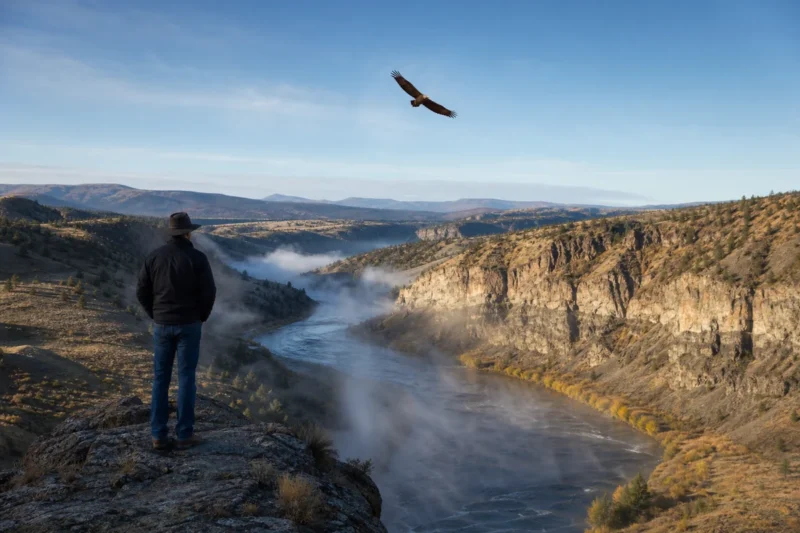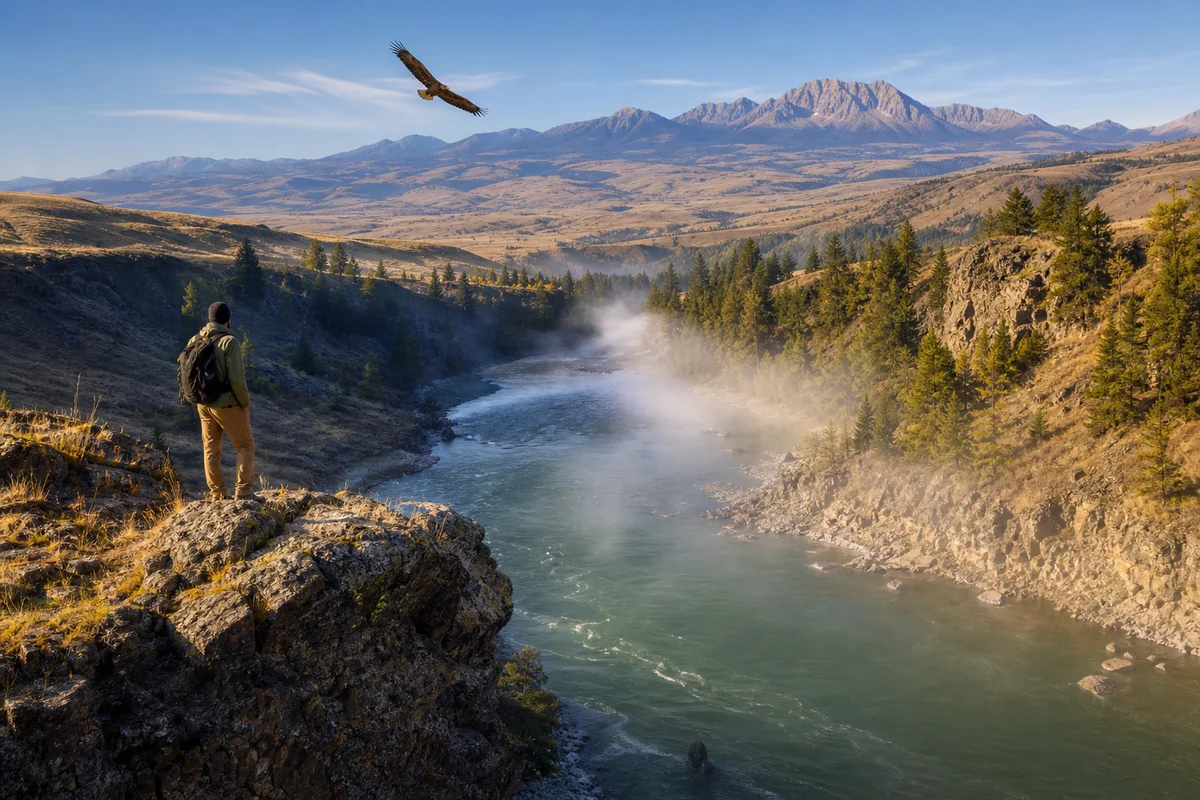
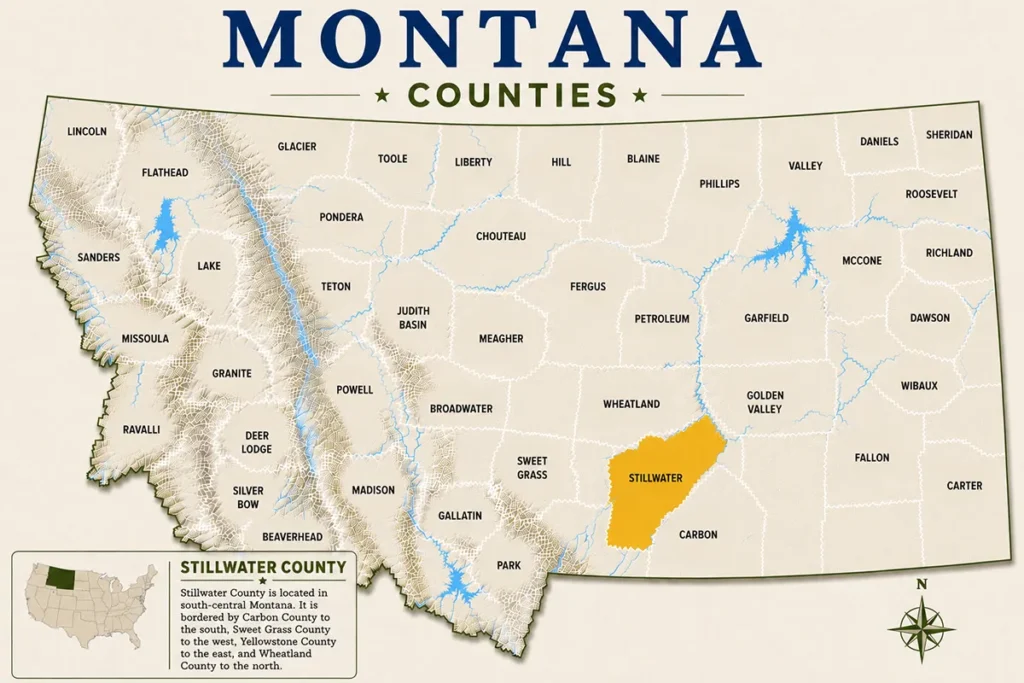
Standing at the edge of the Stillwater River gorge on a cool September morning, watching mist rise off jade-green water while a golden eagle circled overhead, what struck me most was how few other people were there. Stillwater County sits in south-central Montana, tucked between the Beartooth Mountains and the Yellowstone River corridor — and it may be one of the most undervisited corners of all 56 Montana Counties.
- Stillwater County occupies the transition zone between Montana’s Beartooth foothills and the Yellowstone Valley — dramatic scenery without the crowds
- Columbus is the county seat and the most practical base for exploring the region
- The Stillwater River is world-class for whitewater kayaking and fly fishing — few visitors know about it
- The county is home to North America’s only primary platinum and palladium mine — a genuinely unique piece of industrial heritage
- Best visited late June through September; winter access to the mountains is limited
- Affordable accommodation compared to nearby Billings or Red Lodge — a smart budget choice for Beartooth Highway road trippers
Liked this article?
Add Roaming Montana as a preferred source so you see more of our articles and guides on Google.
Where Is Stillwater County?
Stillwater County covers roughly 1,795 square miles of south-central Montana. It’s bordered by Sweet Grass County to the west, Yellowstone County to the east, Carbon County to the south, and Golden Valley County to the north.
The county seat is Columbus, a small town of around 2,000 people sitting right on Interstate 90, approximately 50 miles west of Billings. Most visitors pass through on I-90 without stopping — which is exactly why the county feels so refreshingly unhurried.
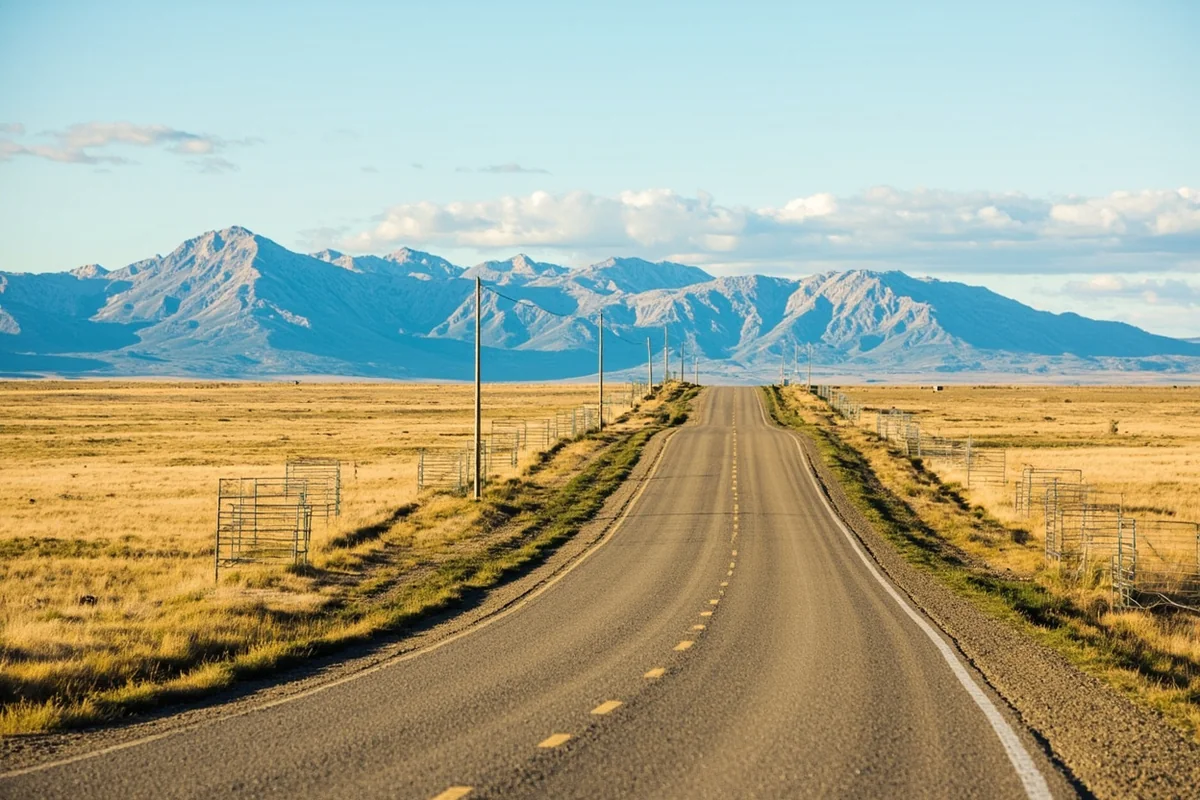
The Beartooth Range shoulders the county’s southern edge, where elevations push toward 12,000 feet. The terrain drops quickly into river valleys, ranch land, and then the broad Yellowstone corridor to the north. That elevation gradient creates wildly different experiences within a single day of driving.
A Quick History of Stillwater County
Stillwater County was established in 1913, carved out of Carbon and Yellowstone counties. The name comes from the Stillwater River — a somewhat ironic name for a waterway famous for its fierce whitewater.
The region has deep ties to the Crow Nation, whose traditional territory covered much of this part of Montana. Columbus itself grew as a railroad town along the Northern Pacific line, and ranching defined the local economy for most of the twentieth century.
The discovery of platinum-group mineral deposits near the town of Nye in the 1970s changed everything. The Stillwater Mine became operational in the late 1980s and remains the only primary platinum and palladium mine in North America — a fact that surprises nearly every visitor who learns about it. For travelers interested in Montana’s broader industrial and agricultural story, Deer Lodge County and Cascade County offer similar threads of mining heritage worth exploring.
Columbus: The County Seat
Columbus is the natural home base for any visit to Stillwater County. It’s small, genuinely friendly, and far less polished than tourist towns like Red Lodge or Livingston — which is part of its appeal.
The downtown strip along Pike Avenue has a handful of local restaurants, a few bars with actual regulars, and the kind of hardware-store-and-diner combination that signals you’re in real Montana. Don’t expect boutique coffee shops or craft cocktail menus; expect honest food, cold beer, and people who’ll give you genuine directions.
The Stillwater County Museum on 5th Avenue North is worth an hour of your time. During my last visit, the exhibits on the Crow Nation, the Northern Pacific Railroad, and early homesteading were better curated than most small-town museums I’d seen. A local volunteer who turned out to be a retired schoolteacher spent twenty minutes explaining the nuances of the platinum mining operation — that’s the kind of thing you can’t replicate anywhere else.
The Stillwater River: The County’s Crown Jewel
What most general Montana travel guides skip entirely is how exceptional the Stillwater River is. Rising high in the Beartooth Wilderness, it drops steeply through a narrow canyon before flattening out near Columbus — and that gradient creates conditions that attract serious paddlers from across the region.
The section from Woodbine Campground down through the canyon is regarded by whitewater kayakers as one of the best Class IV–V runs in Montana. During spring runoff (typically May through mid-June), flows can hit levels that even expert paddlers treat with real respect.
For fly fishing, the Stillwater offers brown trout and rainbow trout in less-pressured water than you’d find on the Madison or the Gallatin. According to Montana Fish, Wildlife & Parks, the Stillwater River is classified as a Blue Ribbon fishery on portions of its lower reach — a designation earned by consistent wild trout populations. The best fishing windows tend to fall in late June (after runoff clears) and again in September when temperatures cool and fish feed aggressively before winter.
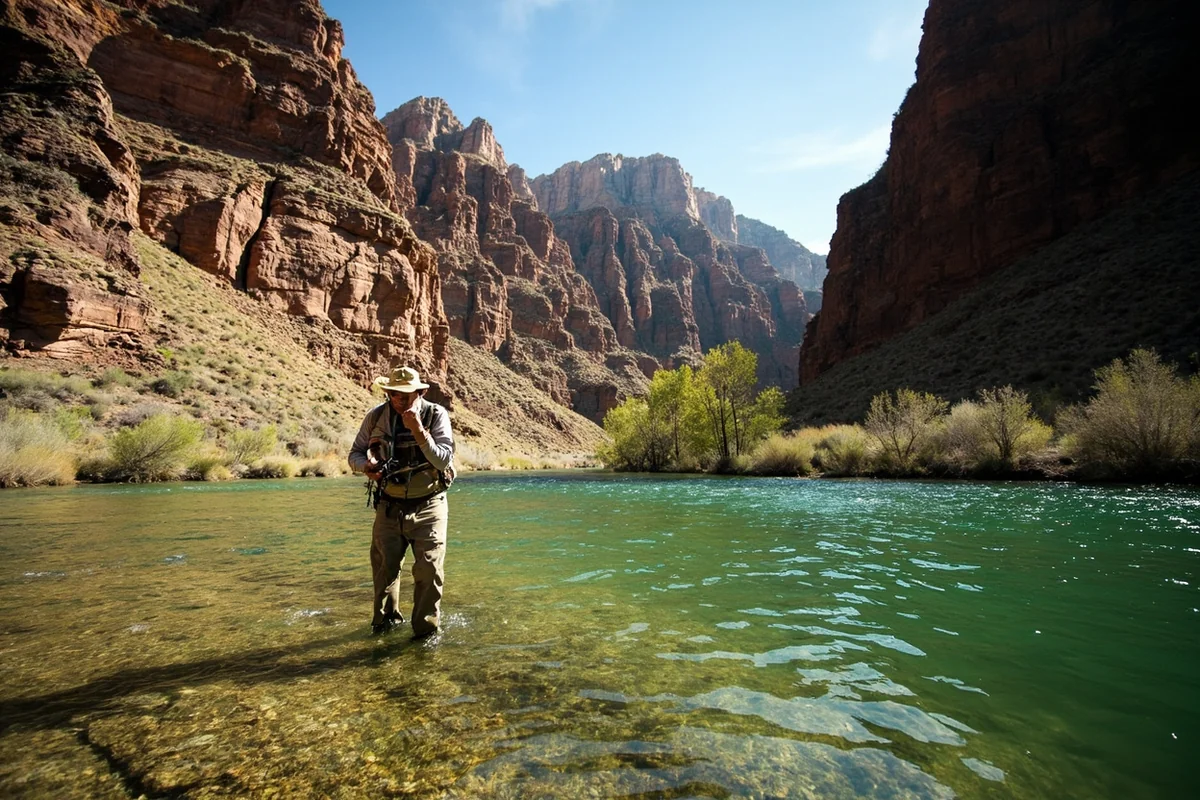
One thing that caught me off guard was the solitude. On a weekday morning in late August, there were exactly two other anglers visible in a three-mile stretch of river. On the Madison during the same week, pullouts were gridlocked by 8 a.m.
Woodbine Campground and the Road to Nye
The road that follows the Stillwater River south from Columbus toward the town of Nye is one of those Montana drives that rewards patience. It’s not fast or flashy — no dramatic overlooks with pullouts marked on tourist maps — but the canyon reveals itself gradually, and the deeper you go, the better it gets.
Woodbine Campground, managed by the Custer Gallatin National Forest, sits near the canyon’s midpoint and serves as a launching point for several hiking trails. The Woodbine Falls trail is relatively short — roughly a mile and a half round trip — but ends at a waterfall that drops impressively through layered rock. Expect the trail to be muddy in early summer and bone-dry by August.
Camping reservations through Recreation.gov fill up on summer weekends, especially in July. If you’re planning a Friday-night arrival, book at least two weeks ahead. Midweek sites were still available with just a few days’ notice during my September visit, but that can change year to year.
The Stillwater Mine: A Genuinely Unique Attraction
Near the small community of Nye, the Stillwater Mine operates as North America’s sole primary platinum and palladium mine. Sibanye-Stillwater currently runs the operation, and while the mine itself isn’t open for casual public tours, understanding its presence gives the whole county a fascinating industrial-meets-wilderness character.
The tiny town of Nye exists almost entirely in the mine’s orbit. A small general store and a bar serve the community, and the road into town dead-ends at mine facilities. What surprised me about the drive was the scale — the infrastructure looked almost out of place against the surrounding wilderness, like something transplanted from a completely different Montana.
For visitors interested in Montana’s broader mining legacy, it’s worth reading up before you arrive. The U.S. Geological Survey has published extensive reports on the Stillwater Complex — the geological formation that makes this area unique. It’s genuinely rare geology that produced a deposit found nowhere else in North America.
Absaroka-Beartooth Wilderness Access
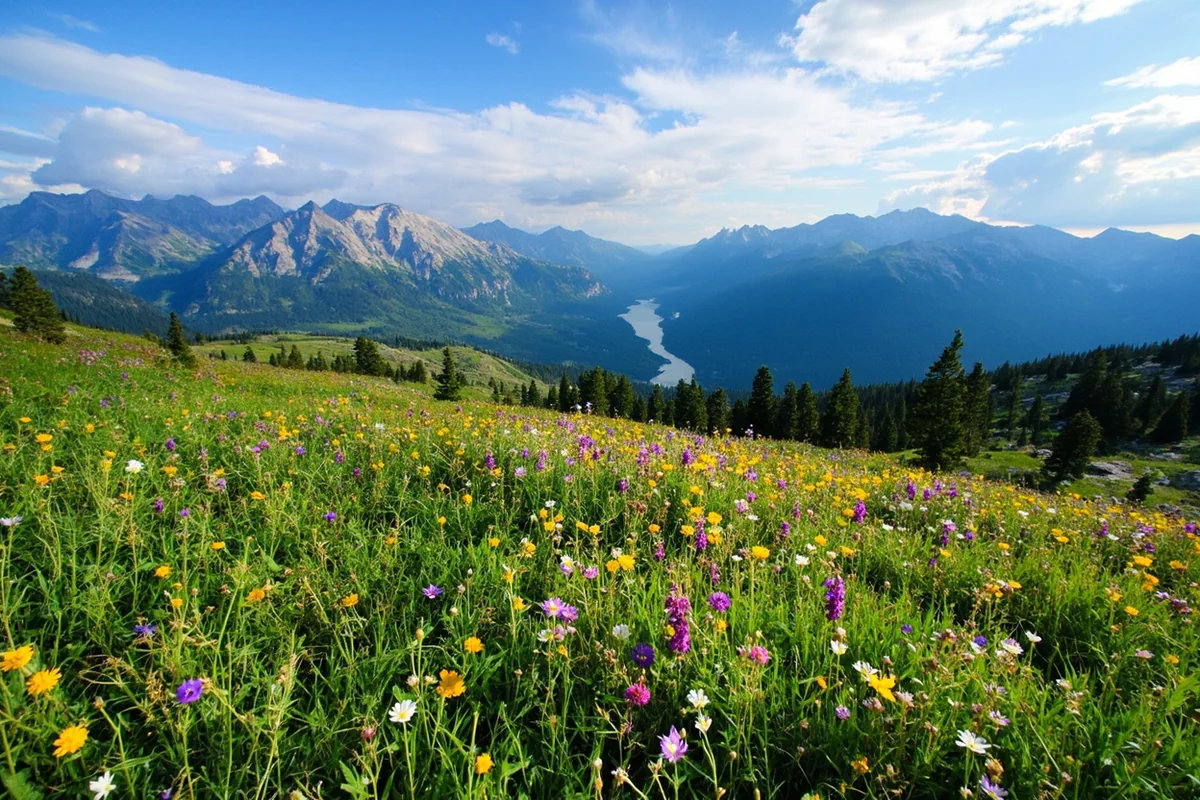
The southern reaches of Stillwater County touch the Absaroka-Beartooth Wilderness, one of Montana’s largest and most remote wilderness areas. Several trailheads accessible from county roads provide access to this backcountry without the competition you’d find approaching from the Cooke City or Red Lodge sides.
The West Stillwater trailhead offers routes deep into the wilderness that see a fraction of the foot traffic of better-known entry points. Be prepared for genuine backcountry conditions: downed timber, creek crossings with no bridges, and limited cell signal from the moment you leave the main road.
Grizzly bears are present in this area. During a conversation with a ranger at the Columbus Forest Service office, the advice given was clear: carry bear spray, know how to use it, and make noise on trails with dense brush. According to the Custer Gallatin National Forest, Stillwater County’s wilderness corridor is part of the Greater Yellowstone Ecosystem’s grizzly recovery zone, which means encounters — while still rare — are a realistic possibility.
Hunting and Wildlife in Stillwater County
Stillwater County sits within some of Montana’s most productive elk and deer habitat. The foothills and river drainages hold resident elk herds year-round, and hunting pressure — while not zero — is considerably lighter than in more publicized regions like the Bitterroot Valley.
Pronghorn antelope range across the county’s northern and eastern flats, and upland bird hunters find sharp-tailed grouse and Hungarian partridge in the grassland transition zones. The county also produces respectable mule deer harvests in most years.
Non-resident hunting licenses in Montana sell out quickly for certain species and units. Check the Montana Fish, Wildlife & Parks licensing portal well before your planned trip — often months in advance for elk. The annual FWP hunting regulations are the authoritative source and should be consulted directly rather than relying on third-party summaries.
Practical Information for Visitors
| Category | Details |
|---|---|
| County Seat | Columbus, MT |
| Nearest Major City | Billings, MT (~50 miles east via I-90) |
| Nearest Airport | Billings Logan International Airport (BIL) |
| Best Time to Visit | Late June through September for full access; May for spring runoff paddling |
| Road Conditions | I-90 corridor always paved; roads to Nye are paved but narrow; some Forest Service roads require high-clearance vehicles |
| Cell Service | Reliable in Columbus; patchy to nonexistent in the river canyon and Nye area |
| Fuel | Available in Columbus; no fuel in Nye — fill up before driving south |
| Accommodation | Motels and a few vacation rentals in Columbus; campgrounds along the Stillwater River |
| Useful Contact | Custer Gallatin National Forest, Beartooth Ranger District |
Where to Stay in Stillwater County
Accommodation in Columbus runs to the practical side — a handful of roadside motels and a growing number of vacation rentals that cater to anglers and hunters. Expect to pay generally less than you would in Billings or Red Lodge; nightly rates for a basic motel room tend to run roughly $80–$130 depending on season, though prices shift with demand and should be verified before booking.
For campers, Woodbine Campground along the Stillwater River is the standout option. Sites book up on summer weekends, as noted above — midweek stays offer both better availability and genuine quiet.
A word of caution: Columbus doesn’t have a lot of accommodation inventory. During big hunting weekends in October and November, rooms fill early. The same applies if a major sporting event is happening in Billings — overflow travelers push out into the I-90 corridor. Booking two to three weeks ahead is sensible for summer; a month ahead for fall hunting season.
Where to Eat in Columbus
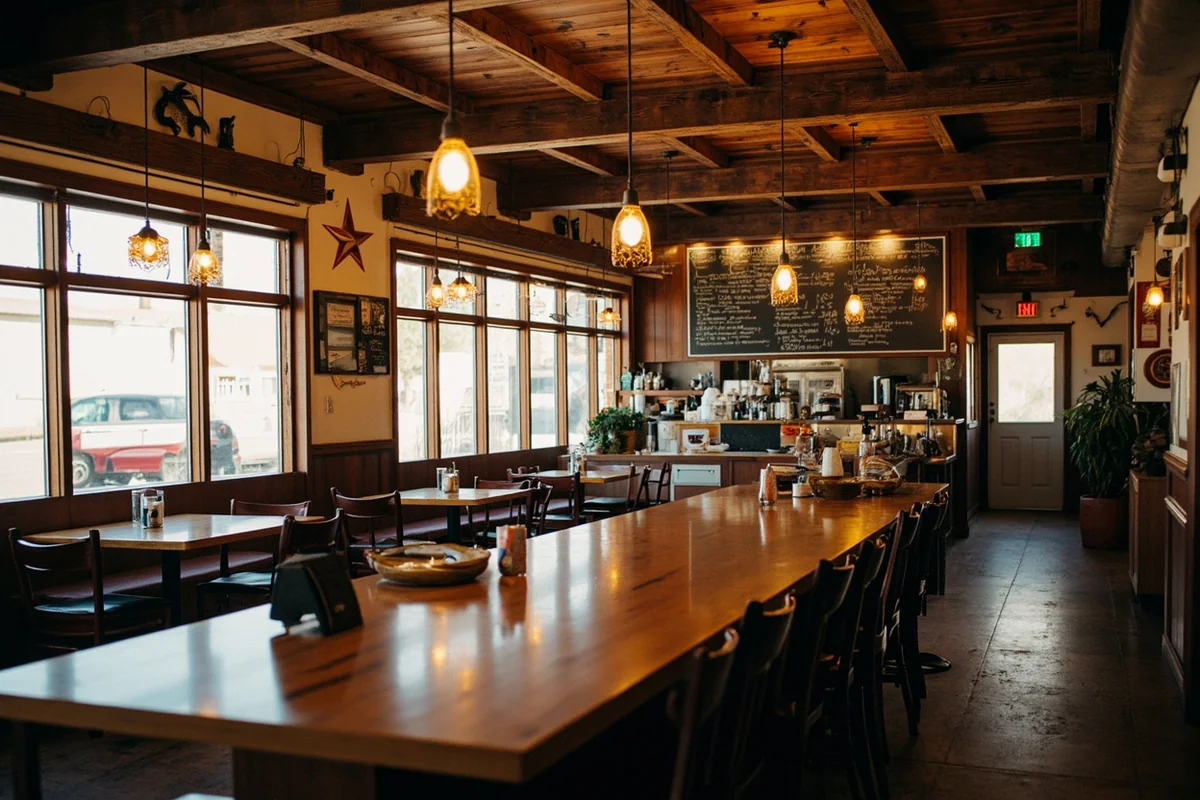
Columbus’s dining scene is small but delivers where it counts. Local bars and diners along Pike Avenue serve the kind of straightforward Montana cooking — steaks, burgers, breakfast skillets — that you’d hope for in ranch country.
What most visitors don’t realize is that Columbus occasionally has pop-up or seasonal food events tied to the local rodeo and fair calendar. Checking the Stillwater County Fair schedule (usually held in August) can be worth it — the food vendors and community atmosphere offer a side of local culture that no restaurant can replicate.
The drive along the Stillwater River to Nye passes no restaurants or services. Pack your own food and water if you’re spending a day in the canyon — this isn’t a place with roadside cafes.
Suggested Itinerary
Day 1: Columbus and the Lower Stillwater
Arrive in Columbus via I-90 and check into your accommodation before noon if possible. Spend the afternoon walking the downtown area, visiting the Stillwater County Museum, and getting oriented.
Late afternoon, drive south on Highway 78 along the lower Stillwater River. Stop at one of the public fishing access sites to wade the edge of the river, even if you’re not fishing — the water clarity here is striking. Dinner back in Columbus at one of the local diners, and an early night.
Day 2: Into the Canyon — Woodbine and Beyond
Leave Columbus early and drive the canyon road south toward Nye. The road follows the Stillwater River through progressively steeper terrain. Plan to stop at Woodbine Campground and hike the Woodbine Falls trail — allow two to three hours including the walk and time at the falls.
If you’re a paddler, scout the river through the canyon’s upper sections; conditions change significantly between spring and late summer. Continue the drive toward Nye for a look at the mining community before turning back north.
On the return, stop at any roadside pullout that catches your eye — the mid-canyon light in late afternoon is particularly good for photography. Back in Columbus for dinner.
Day 3: Wildlife, Grasslands, and the Road East
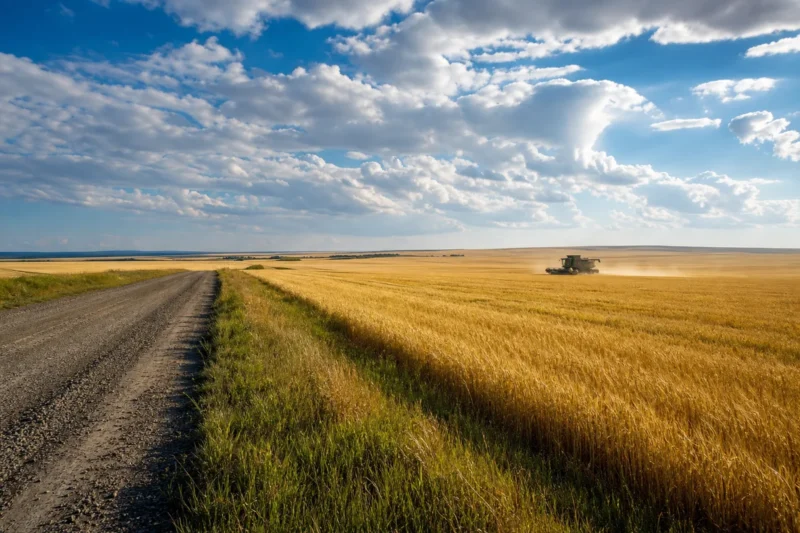
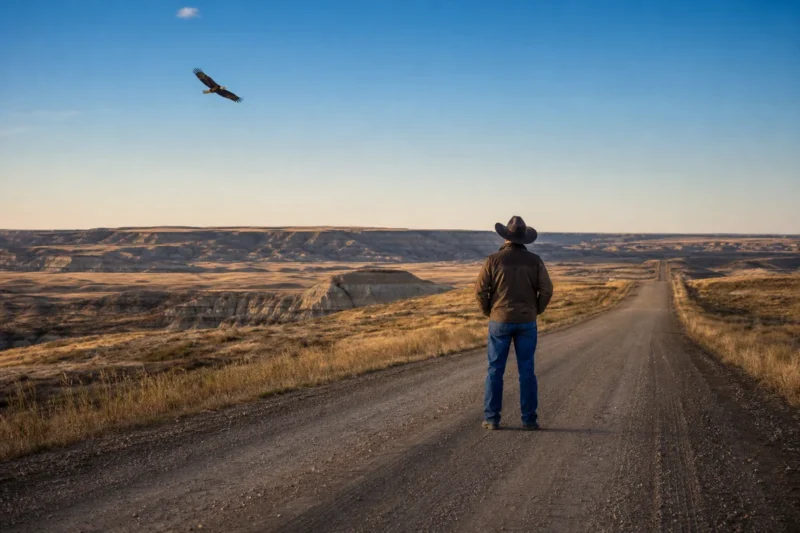
Use your final morning to explore the county’s northern tier — the ranch grasslands and pronghorn habitat between Columbus and the Yellowstone River. This area gets almost no tourist traffic. Drive county roads slowly, scan fence lines and draws for deer and antelope, and stop wherever you find something interesting.
If time allows before heading east toward Billings (or west toward Livingston), a brief stop at the Yellowstone River access points near Columbus is worth it — the confluence of the Stillwater and Yellowstone rivers is a quiet and visually satisfying place to end a visit.
What Most Visitors Get Wrong About Stillwater County
The most common mistake is treating Stillwater County as a pass-through between Billings and the Beartooth Highway. Visitors barrel down I-90 to Columbus, glance at the exit sign, and keep going — and miss everything the county actually offers.
A close second: underestimating the road to Nye. The canyon road is perfectly driveable in a standard car under normal conditions, but it’s narrow, winding, and occasionally shared with mine traffic. Going too fast on unfamiliar curves is how fenders get clipped on rocky outcroppings.
Finally — and this is one I learned the hard way — don’t assume cell service will return quickly once you head south from Columbus. On one visit, my navigation app stopped loading maps about fifteen minutes down the canyon road, and I hadn’t downloaded offline maps beforehand. Download your area maps before leaving Columbus. It’s a small thing that makes a significant difference.
For travelers exploring neighboring counties, the comparison is instructive. Carbon County to the south gets far more visitor traffic despite Stillwater County’s comparable scenery. To the east, Big Horn County offers a very different landscape and cultural experience worth pairing with a Stillwater visit on a longer road trip.
Stillwater County in Context: How It Fits Montana’s Wider Story
Montana has 56 counties, and each one rewards careful attention. Stillwater is one of those places that fits between more famous destinations — Gallatin County to the west with Bozeman and Big Sky, and the Billings metro of Yellowstone County to the east — but it holds its own identity firmly.
The county’s population is around 10,000 people, spread across Columbus and a handful of smaller communities. It hasn’t experienced the explosive growth reshaping parts of western Montana; for context on how the broader state is changing, the fastest-growing Montana counties report makes for interesting reading before any Montana trip.
That relative stability is exactly what makes Stillwater County feel authentic. The ranching culture hasn’t been gentrified. The river access hasn’t been monetized. The trails don’t have interpretive signs at every junction. For travelers who’ve found places like Bozeman or Whitefish starting to feel like everywhere else, Stillwater County is a genuine antidote.
Travelers who enjoy off-the-beaten-path county exploration might also find value in comparing notes with Broadwater County to the northwest or Fergus County further north — both share that same quality of authentic Montana without tourist infrastructure.
Seasonal Guide: When to Visit Stillwater County
Spring (April–May)
Spring arrives unevenly in Stillwater County. Lower elevations green up in April, but snow remains on the mountains through May and sometimes June. Spring runoff typically peaks in mid-May to early June, transforming the Stillwater River into a powerful and technically demanding waterway — a genuine attraction for experienced paddlers, but hazardous for anyone without whitewater experience.
Road conditions on higher Forest Service roads can be impassable until late May. Check conditions with the Beartooth Ranger District before planning any backcountry access.
Summer (June–August)
Late June through August is the peak visitor window. River levels drop to fishable conditions, hiking trails open, and the canyon road to Nye is at its most accessible. Temperatures in Columbus typically range from the mid-60s°F to mid-90s°F in July and August — hot by midday but cooling significantly in the evenings.
Campsite competition increases noticeably in July. Weekdays are considerably quieter than weekends, and early September often delivers summer-like weather with dramatically reduced crowds.
Fall (September–October)
Fall is arguably the best season for Stillwater County. The aspen and cottonwood color peaks in late September, the fishing improves as water temperatures drop, and the hunting season brings a different energy to the region. Mornings are cold (often below 40°F by early October), but afternoon temperatures stay comfortable through much of September.
Winter (November–March)
Winter closes most backcountry access and the canyon road to Nye can be treacherous after snowfall. Columbus remains open year-round and the lower Stillwater is accessible to ice fishing enthusiasts, but this isn’t a county that rewards winter tourism the way Glacier or the ski resort corridors do.
Final Thoughts
Stillwater County doesn’t ask for your attention, and it doesn’t try to earn it with billboards or visitor centers or curated Instagram overlooks. It just exists — a working Montana landscape of river canyons, ranch grasslands, and mountain wilderness that rewards people who slow down and pay attention.
What I keep coming back to, having visited across different seasons, is the quality of the solitude here. Not isolation — Columbus is twenty minutes off the interstate — but genuine quiet in the places that matter most. The river to yourself. The trail without another boot print ahead of you. That’s increasingly rare in the American West, and it’s worth protecting.
If you’re routing through southern Montana and can build in two or three days, Stillwater County earns that time fully. Come for the fishing, stay for the canyon, and leave with a considerably better understanding of what Montana actually is beyond its famous front pages.
How We Researched This Guide
This guide is based on multiple visits to Stillwater County across different seasons — including late summer fishing trips, a fall hunting reconnaissance, and an early June paddle scouting expedition along the Stillwater River canyon.
We spoke directly with staff at the Custer Gallatin National Forest Beartooth Ranger District, consulted official Montana Fish, Wildlife & Parks resources for Blue Ribbon fishery designations and licensing information, and cross-referenced our observations with the U.S. Geological Survey’s published research on the Stillwater Complex.
Local business owners and residents in Columbus and Nye contributed context that no published source could provide.
Frequently Asked Questions
What is Stillwater County, Montana best known for among travelers?
Stillwater County is best known for the stunning Beartooth Highway, world-class fly fishing on the Stillwater River, and access to the Absaroka-Beartooth Wilderness. The county seat of Columbus serves as a laid-back base camp for outdoor adventurers who want fewer crowds than nearby Yellowstone but equally dramatic scenery.
When is the best time to visit Stillwater County, Montana?
The best time to visit Stillwater County is late June through September, when mountain roads are fully open, trails are snow-free, and the Stillwater River offers prime fishing conditions. If you’re interested in fall foliage and elk hunting season, early to mid-October is spectacular, though you should pack layers as temperatures can drop quickly.
How far is Stillwater County from Billings, Montana, and is it an easy drive?
Stillwater County is roughly 35 to 50 miles west of Billings, depending on your destination within the county, making it an easy hour-long drive on I-90. The roads are well-maintained in summer, but if you’re heading toward the Beartooth plateau or forest service roads, a high-clearance vehicle is strongly recommended.
What outdoor activities can I do in Stillwater County, Montana?
Stillwater County offers fly fishing, whitewater rafting, hiking into the Absaroka-Beartooth Wilderness, horseback riding, and wildlife watching for elk, deer, and occasionally bears. In winter, the area attracts snowmobilers and backcountry skiers who access deep snowpack in the surrounding mountains.
How much does a trip to Stillwater County, Montana typically cost?
A budget-friendly trip to Stillwater County can be done for around $100 to $150 per day if you’re camping at one of the Forest Service campgrounds, which run $10 to $25 per night. Motel rooms in Columbus or Absarokee average $80 to $130 per night, and guided fly fishing trips on the Stillwater River typically cost $400 to $600 for a full-day float.
Are there good camping options in Stillwater County for first-time Montana visitors?
Yes, Stillwater County has several accessible campgrounds managed by the Custer Gallatin National Forest, including sites near the Stillwater River that are great for first-timers who want a genuine Montana experience without remote backcountry challenges. I’d recommend reserving a spot on Recreation.gov during peak summer months, as popular sites along the river fill up fast on weekends.
What should I pack for a trip to Stillwater County, Montana in the summer?
Even in summer, pack layered clothing since mountain temperatures can swing from 80°F during the day to below 40°F at night, especially at higher elevations near the Beartooth Plateau. You’ll also want sturdy hiking boots, bear spray ($50 to $60 at local outfitters), sun protection, and a good topographic map or downloaded offline maps since cell service is spotty in many parts of the county.