Standing at the base of Pinkham Creek Falls last August, with ice-cold mist settling on my face and the thunderous roar drowning out every other sound, I understood why some Montana waterfalls remain whispered secrets among locals.
This 60-foot cascade tucked into the Swan Range doesn’t appear on most tourist itineraries, and honestly, that’s part of its magic.
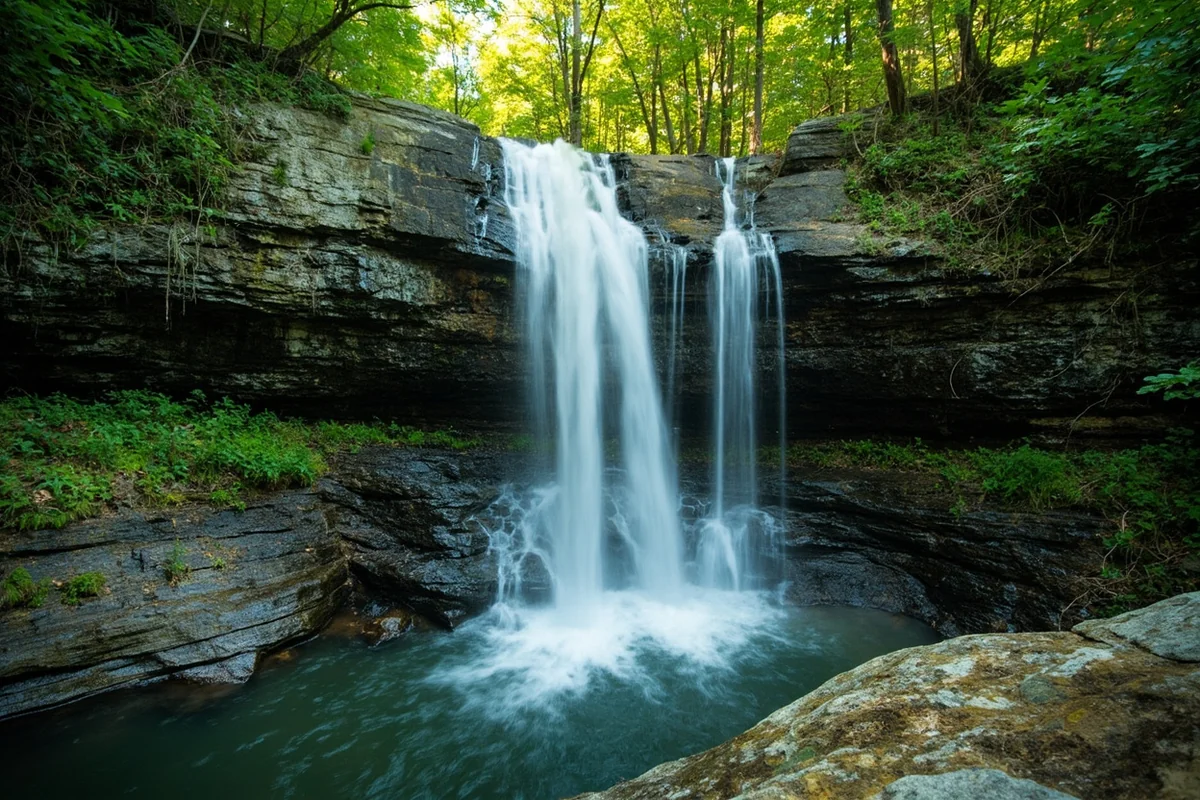
- Pinkham Creek Falls is a 60-foot waterfall located in the Swan Range near Bigfork, Montana
- The hike is approximately 3.2 miles round trip with moderate difficulty
- Best viewing: Late May through early July for peak water flow
- Trailhead access requires a high-clearance vehicle on Forest Road 5510
- No entrance fees required; wilderness permit not needed for day hikes
- Allow 2-3 hours total for the complete experience
Liked this article?
Add Roaming Montana as a preferred source so you see more of our articles and guides on Google.
Where Exactly is Pinkham Creek Falls?
Pinkham Creek Falls sits in the heart of the Swan Range, part of the larger Flathead National Forest ecosystem in northwestern Montana. The falls are located roughly 15 miles east of Bigfork, a charming lakeside town on the shores of Flathead Lake.
When I first tried to find this waterfall, my GPS led me down two wrong forest roads before I finally figured out the correct route. The falls aren’t well-signed, which is typical for lesser-known Montana cascades.
The geographic coordinates are approximately 48.0234°N, 113.8567°W, but I’d strongly recommend downloading offline maps before you head out. Cell service dies about 8 miles from the trailhead.
Getting to the Trailhead: The Real Story
Let me be completely honest about the drive to Pinkham Creek Falls—it’s not for the faint of heart or those driving rental sedans.
From Bigfork, take Highway 83 south for about 3 miles until you reach the junction with Echo Lake Road. Turn left (east) and follow this road for approximately 6 miles as it winds through residential areas and eventually turns to gravel.
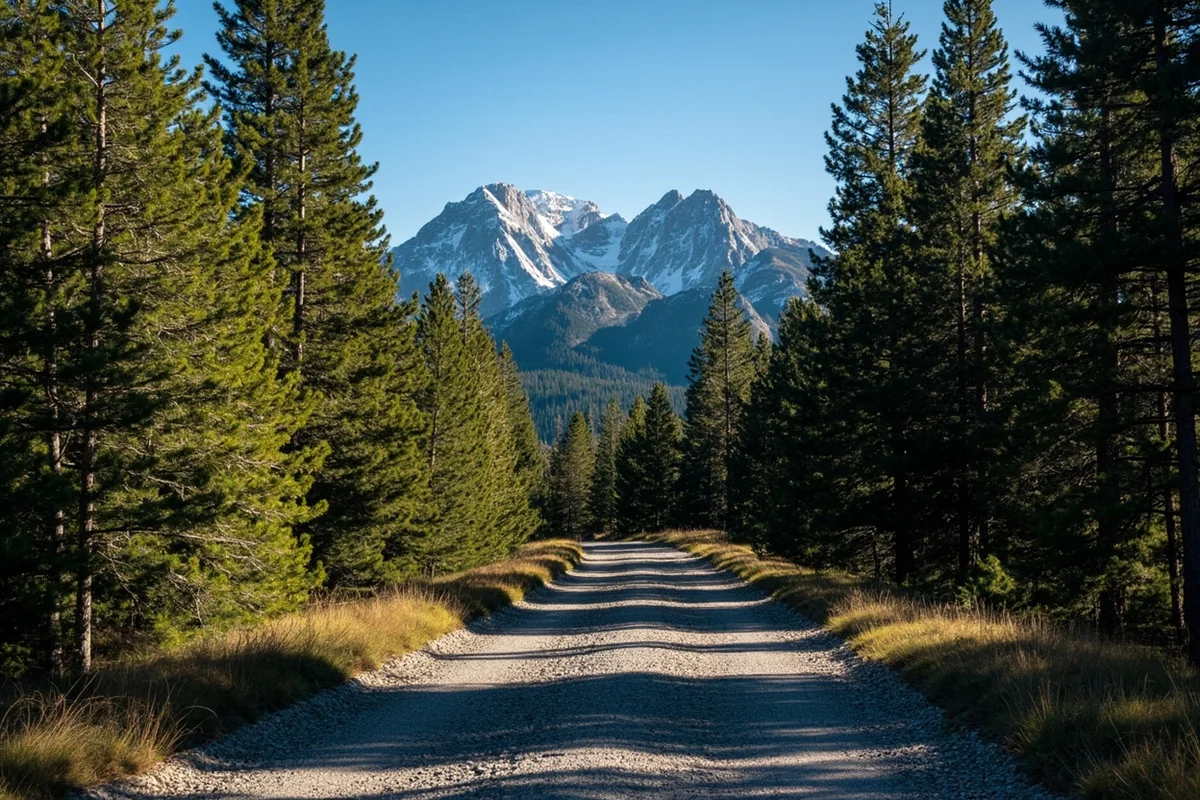
The road becomes Forest Road 5510, and here’s where things get interesting. During my visit last summer, the first 4 miles were manageable in any vehicle. However, the final 2 miles to the trailhead featured washouts, exposed rocks, and several sections where clearance became critical.
I was driving a Subaru Outback, and while I made it through, I scraped bottom twice. A truck or SUV with genuine clearance would have made the journey far less stressful.
Trailhead Parking and Facilities
The parking area is more of a wide spot in the road than an official lot. During my August visit, there was space for maybe five vehicles maximum.
There are no restroom facilities at the trailhead, so plan accordingly. The nearest gas station and restrooms are back in Bigfork—a detail I wish I’d remembered before drinking that large coffee on the drive up.
The Trail to Pinkham Creek Falls
The hike itself is a moderate 3.2-mile round trip that gains approximately 700 feet in elevation. The trail follows Pinkham Creek upstream through a mixed forest of western larch, lodgepole pine, and Douglas fir.
What struck me immediately was the trail condition. Unlike heavily trafficked paths like those leading to Morrell Falls or Holland Lake Falls, this trail sees minimal maintenance.
During my hike, I encountered three downed trees requiring scrambles and several sections where the path faded into the surrounding undergrowth. Bring navigation tools and pay attention to your surroundings.
Trail Breakdown Mile by Mile
Mile 0.0 – 0.5: The trail begins in dense forest with minimal elevation gain. The path is clear here, and you’ll hear Pinkham Creek gurgling off to your right. Wildflowers dot the understory in early summer.
Mile 0.5 – 1.0: The trail begins climbing more noticeably. You’ll cross two small tributary streams—both were easily rock-hopped during my summer visit, though spring hikers should expect wet feet.
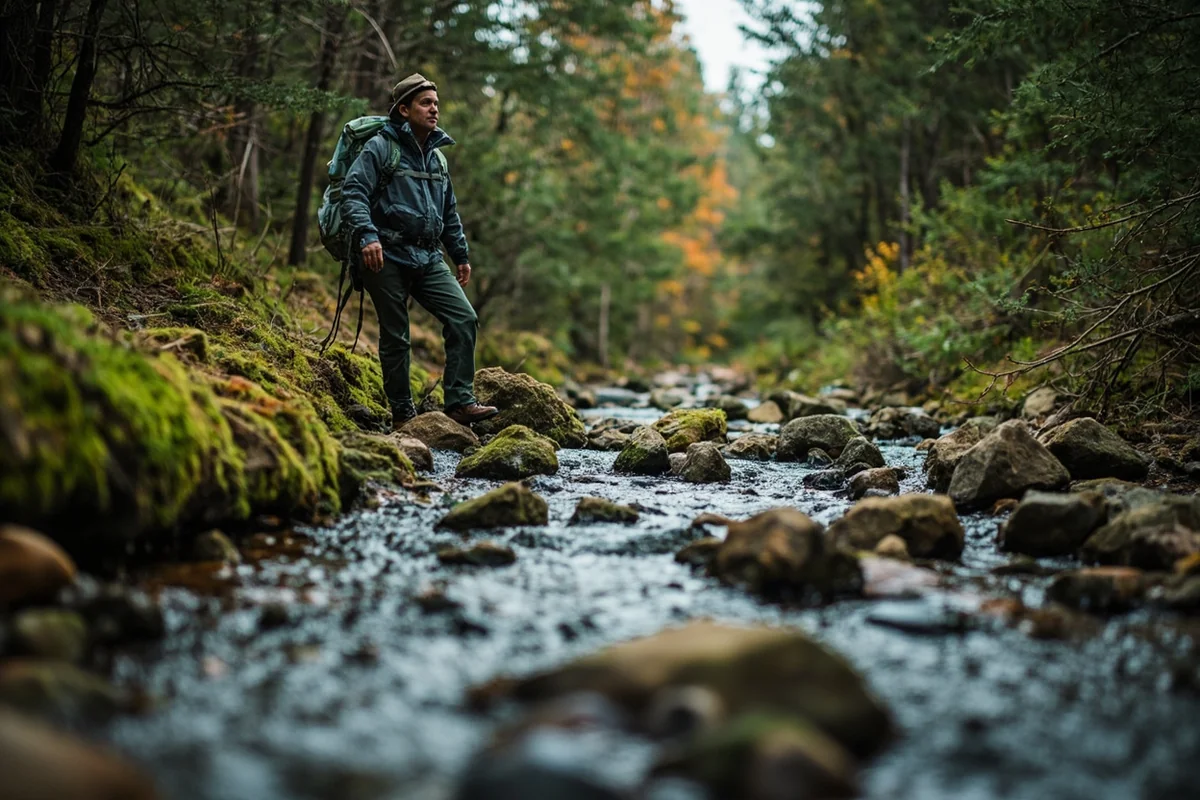
Mile 1.0 – 1.4: This section features the steepest climbing. The trail switchbacks twice through a rocky section where I appreciated having trekking poles. The sound of the falls becomes audible around the 1.2-mile mark.
Mile 1.4 – 1.6: The final approach to the falls follows a ridge with partial views through the trees. The trail descends slightly before reaching the viewing area at the base of the cascade.
Experiencing Pinkham Creek Falls in Person
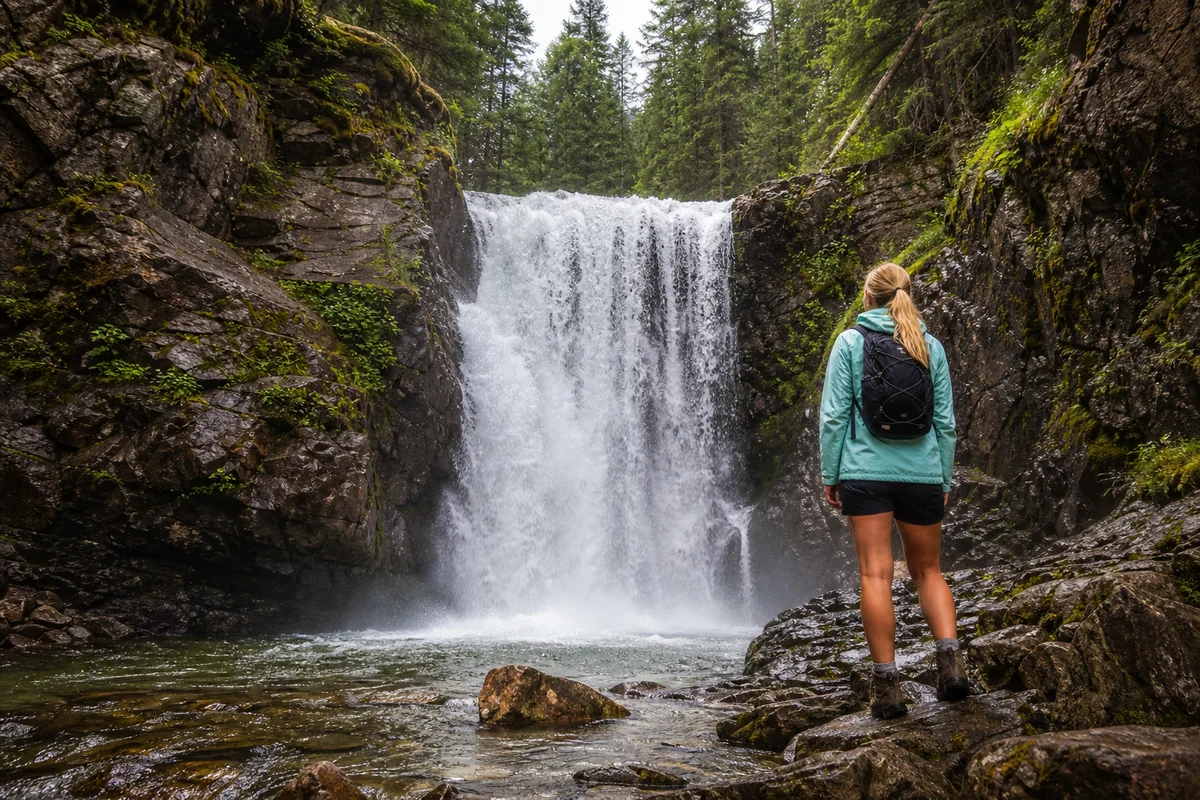
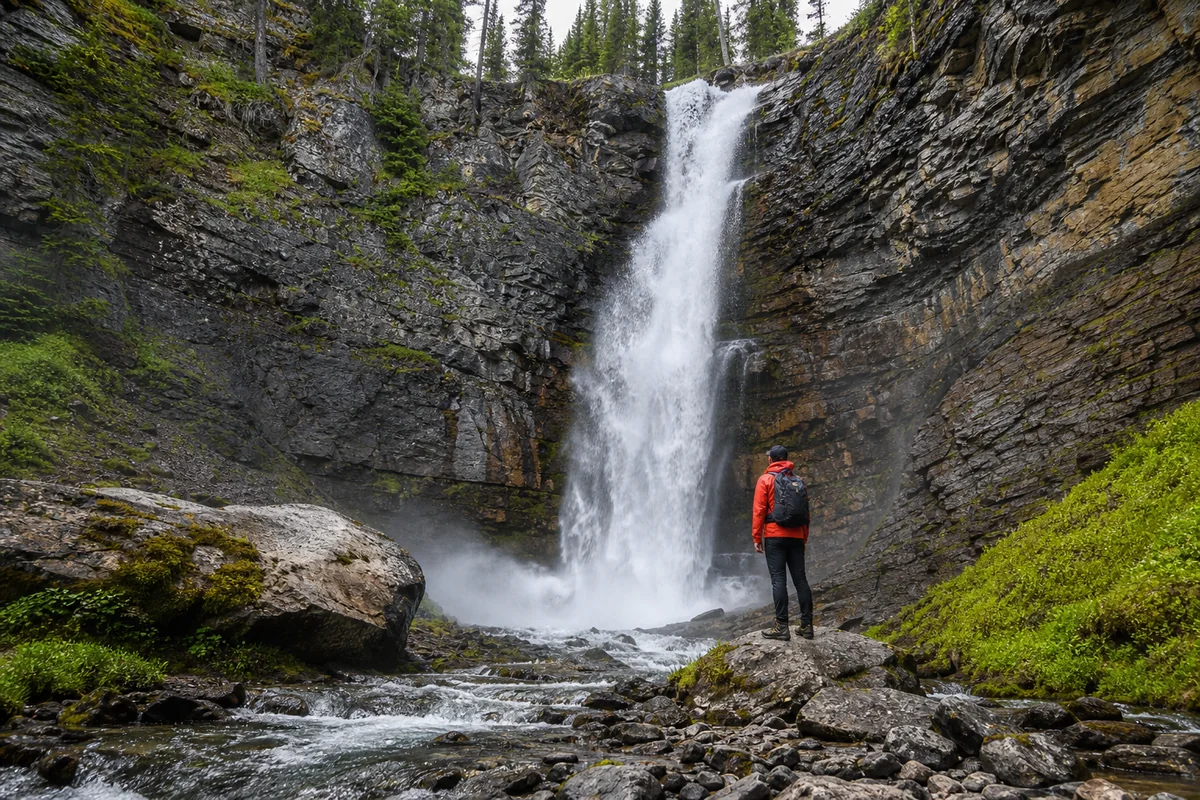
Nothing quite prepares you for the first full view of Pinkham Creek Falls. The water plunges approximately 60 feet over a sheer rock face before crashing into a boulder-strewn pool below.
What makes this waterfall special isn’t necessarily its height—Montana has taller cascades like Kootenai Falls and Memorial Falls. Instead, it’s the intimate setting and the sheer power concentrated in this narrow chute.
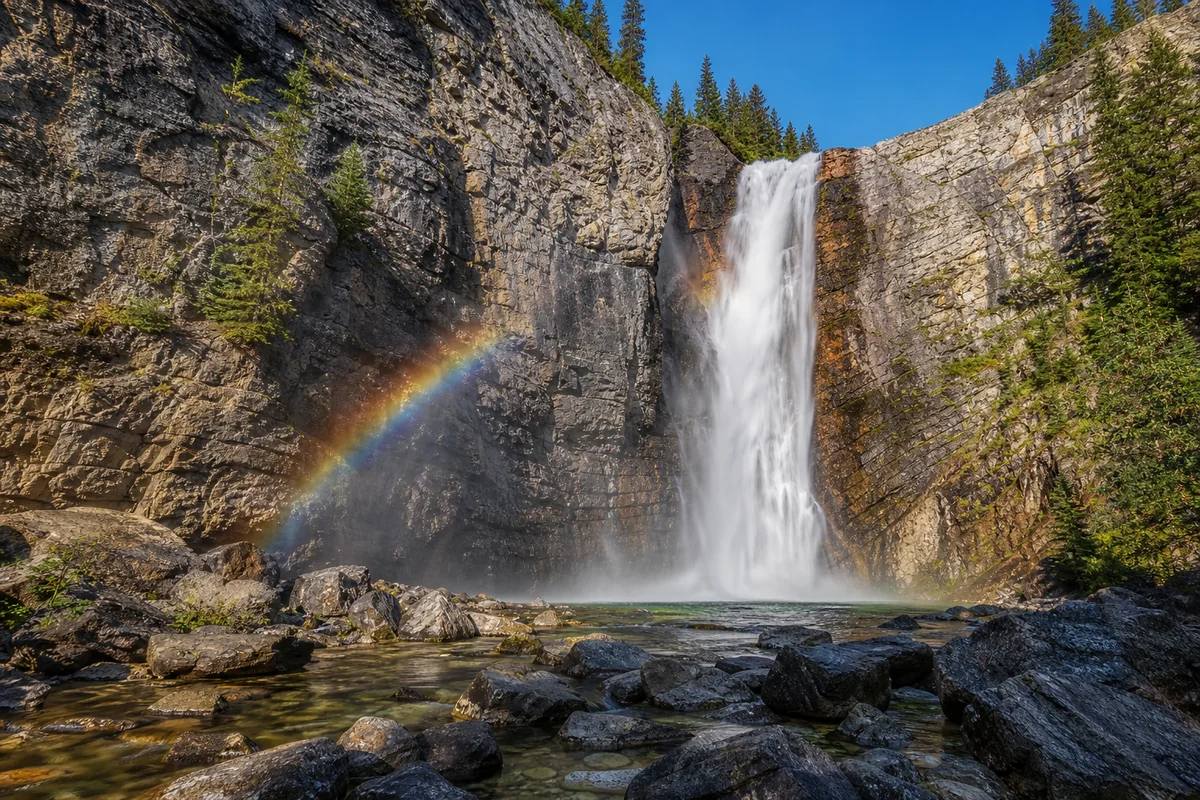
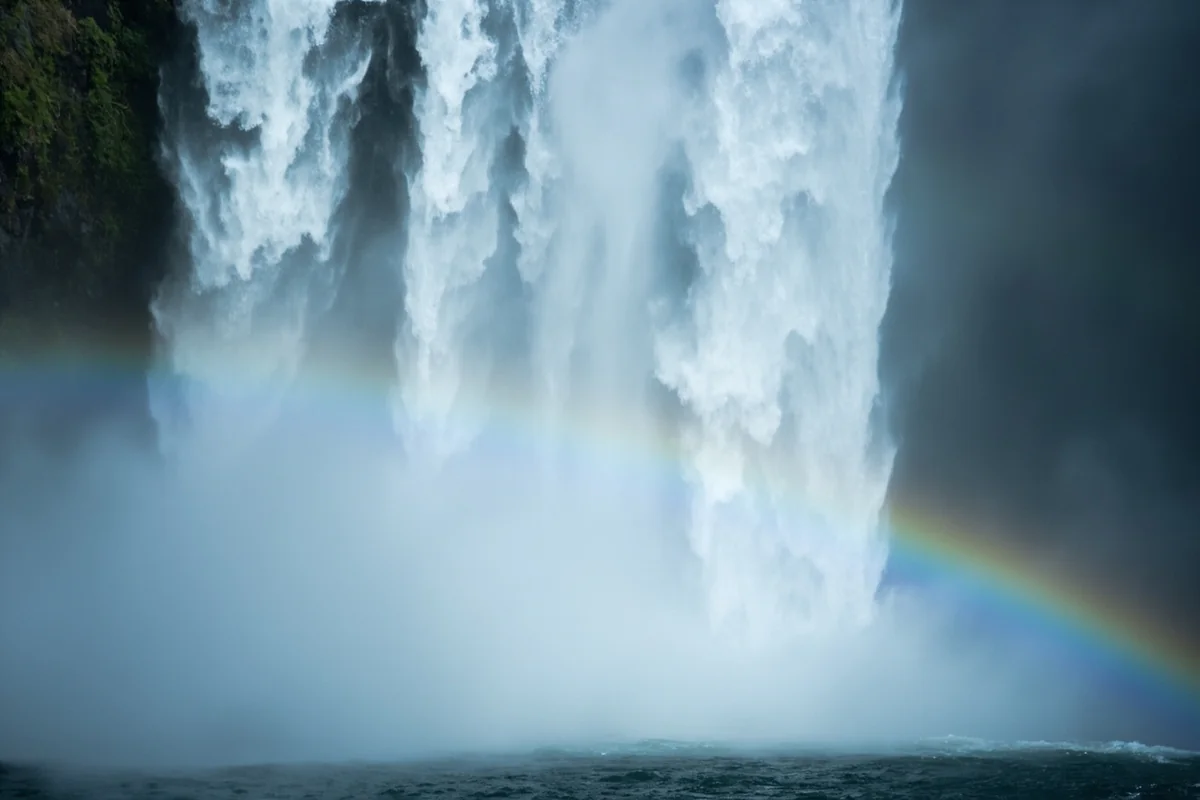
The falls sit in a natural amphitheater of moss-covered rock walls. When I visited in August, the afternoon sun filtered through the canopy, creating rainbow prisms in the mist. I sat on a large boulder near the base for nearly an hour, just watching the water and listening.
Getting Closer: Safety Considerations
The rocks surrounding the plunge pool are perpetually wet and extremely slippery. I watched another hiker nearly go down hard when they tried to get closer for a photo.
My advice: take your time, test each foothold, and accept that some angles simply aren’t worth the risk. The best viewing spots are actually 15-20 feet back from the pool’s edge, where you can capture the full height of the falls without risking a twisted ankle.
When to Visit Pinkham Creek Falls
Timing your visit can mean the difference between witnessing a thundering torrent and a disappointing trickle. Here’s what I’ve learned from multiple visits and conversations with local hikers.
Peak Season: Late May through Early July
This window offers the best combination of water flow and trail accessibility. Snowmelt from the Swan Range feeds Pinkham Creek, and the falls run at maximum volume during this period.
However, there’s a catch. The access road may still have snow patches into early June, and the trail can be muddy and difficult to follow. When I visited in late June two years ago, I encountered knee-deep snow in shaded sections near the trailhead.
Summer Season: July through August
This is the most reliable window for trail conditions. The path is dry, the road is passable, and the weather is generally cooperative.
Water flow decreases noticeably through July, but the falls remain impressive. By late August, as during my most recent visit, the cascade runs at perhaps 40% of peak volume. Still beautiful, but not as dramatic.
Fall Season: September through October
The western larch trees surrounding the falls turn brilliant gold in early October, creating stunning photographic opportunities. Water flow is low but consistent.
I’ve heard from locals that early October can be magical here, with golden needles floating in the plunge pool. However, be aware that the first significant snowfall can happen anytime after mid-September at this elevation.
Winter and Spring: Not Recommended
The access road is not maintained for winter travel, and avalanche danger exists in the surrounding terrain. The trail itself can be dangerous with ice-covered rocks and unstable snow bridges over the creek.
Photography Tips from Experience
I’m not a professional photographer, but I’ve learned a few things about capturing Pinkham Creek Falls over multiple visits.
Bring a tripod. The forest canopy creates low-light conditions even at midday, and long exposures that create silky water effects require a stable platform. I left mine in the car during my first visit and regretted it deeply.
Arrive mid-morning or late afternoon. Direct midday sun creates harsh shadows in the narrow canyon. The soft light around 10 AM or 4 PM produces much more pleasing images.
Protect your lens. The mist reaches surprisingly far from the falls. I burned through half a pack of lens wipes during my August visit, and my camera still ended up with water spots.
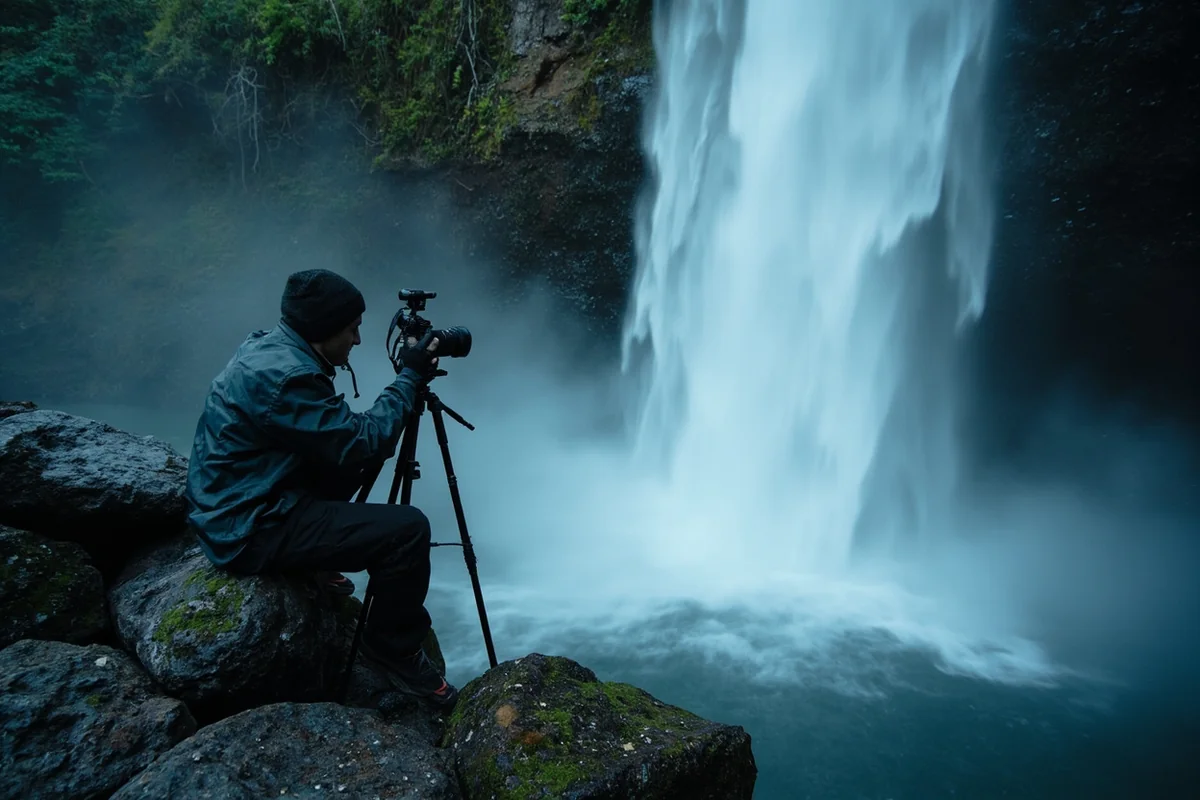
Consider the surroundings. Some of my favorite photos from Pinkham Creek Falls don’t feature the waterfall itself. The moss-covered boulders, the twisted roots along the creek, and the play of light through the forest canopy all make compelling subjects.
What to Pack for This Hike
Based on my experiences, here’s what I consider essential for the Pinkham Creek Falls hike:
- Sturdy hiking boots: The trail includes rock scrambles and potentially muddy sections. Trail runners won’t cut it here.
- Trekking poles: Helpful for the steep sections and invaluable on the slippery rocks near the falls.
- At least 1.5 liters of water: There’s no reliable water source until you reach the creek, and treating wild water takes time.
- Bear spray: This is grizzly country. I’ve never encountered a bear on this trail, but I’ve seen fresh scat multiple times.
- Rain layer: Weather changes fast in the Swan Range. I’ve started hikes under blue skies and finished in thunderstorms.
- Navigation tools: A GPS device or offline maps on your phone. The trail isn’t always obvious.
- Snacks and lunch: You’ll want to spend time at the falls. Bring food that doesn’t require cooking.
- First aid kit: The slippery rocks near the falls make minor injuries a real possibility.
Practical Information Table
| Trail Distance | 3.2 miles round trip |
| Elevation Gain | Approximately 700 feet |
| Difficulty | Moderate |
| Time Required | 2-3 hours including falls viewing |
| Waterfall Height | Approximately 60 feet |
| Best Season | Late May through early July |
| Entrance Fee | None |
| Permits Required | None for day hiking |
| Dog Friendly | Yes, but keep leashed |
| Nearest Town | Bigfork (15 miles) |
Combining with Other Area Attractions
If you’re making the drive to Pinkham Creek Falls, it makes sense to explore other nearby attractions and create a full day of adventure.
Bigfork and Flathead Lake
Bigfork itself deserves at least a couple of hours. This arts-focused village features galleries, restaurants, and a charming downtown area. After my hike, I stopped at a local brewery and enjoyed a well-earned cold beer while watching boats on the Swan River.
Flathead Lake, the largest natural freshwater lake west of the Mississippi, offers swimming, boating, and stunning sunset views. The cherry orchards along the east shore are famous, and fresh cherries are available at roadside stands from late June through early August.
Other Swan Range Waterfalls
The Swan Range and Swan Valley host several other waterfalls worth visiting. Lost Creek Falls near Big Fork makes for an easy morning hike, while the more challenging Passage Creek Falls rewards adventurous hikers with a less-visited cascade.
Further south along the Swan Valley, Monture Falls offers another moderate hiking option. I’ve sometimes combined two waterfall hikes in a single day when the weather cooperates.
Glacier National Park
Glacier National Park’s west entrance near West Glacier is about an hour’s drive from Bigfork. If you’re planning a longer Montana trip, the park’s waterfalls like McDonald Falls, Sacred Dancing Cascade, and Saint Mary Falls are absolutely worth the visit.
The contrast between Glacier’s crowded trails and the solitude of Pinkham Creek Falls is striking. Both experiences have value, but they feel like entirely different worlds.
Wildlife Encounters and Safety
The Swan Range is prime wildlife habitat, and I’ve never hiked to Pinkham Creek Falls without seeing some form of wildlife.
Bears
Both black bears and grizzly bears inhabit this area. During my August visit, I encountered fresh grizzly scat less than half a mile from the trailhead—a stark reminder that we’re visitors in their home.
Carry bear spray and know how to use it. Make noise on the trail, especially in dense vegetation and around blind corners. I usually hike with a small bell attached to my pack and clap loudly when approaching areas with limited visibility.
Mountain Lions
While I’ve never seen a mountain lion near Pinkham Creek, they’re present throughout the Swan Range. Hikers should be aware of their surroundings and never hike alone if possible.
Moose
Moose frequent the riparian areas along Pinkham Creek, particularly in early morning and evening. While they may appear docile, moose can be extremely dangerous when surprised or protecting calves.
I had a close encounter with a cow moose near the creek crossing two years ago. She was feeding in willows about 30 yards off the trail. I froze, slowly backed away, and gave her a wide berth. She watched me go without concern, but my heart was pounding.
Leave No Trace: Protecting This Special Place
Part of what makes Pinkham Creek Falls special is its relatively pristine condition. As visitors, we have a responsibility to keep it that way.
Pack out everything you pack in. This includes orange peels, apple cores, and any other organic waste. They take far longer to decompose than most people realize.
Stay on established trails. The vegetation surrounding the falls is fragile, and unofficial trails cause lasting damage. I’ve seen erosion scars from social trails that will take decades to heal.
Respect the quiet. Part of the waterfall experience is the sound. I’ve been disappointed on hikes when groups blasting music shattered the natural soundscape. Keep voices low and leave the speakers at home.
Don’t stack rocks or build cairns. These human-made structures might seem harmless, but they disrupt natural habitats and diminish the wilderness experience for others.
Comparing Pinkham Creek Falls to Similar Waterfalls
If you’re deciding which Montana waterfall to visit, here’s how Pinkham Creek Falls compares to similar options:
For those seeking easy access and minimal hiking, Ousel Falls near Big Sky or Palisade Falls near Bozeman offer shorter trails with developed facilities. However, they also attract significantly more visitors.
If you want a comparable wilderness experience with more dramatic scenery, consider Ptarmigan Falls or Redrock Falls in Glacier National Park. These require longer hikes but deliver stunning alpine settings.
For waterfall enthusiasts seeking solitude similar to Pinkham Creek Falls, Needle Falls and Pioneer Falls offer comparable isolation with different character.
The Skalkaho Falls area south of Missoula provides another option for those wanting fewer crowds and a scenic drive.
Overnight Options and Trip Planning
While the hike to Pinkham Creek Falls is a day trip, you might want to extend your time in this beautiful area.
Camping
Several Forest Service campgrounds operate along the Swan Highway (Route 83). Swan Lake Campground offers lakeside sites about 20 miles south of the trailhead. Reservations are recommended during summer months.
For a more rustic experience, dispersed camping is permitted throughout Flathead National Forest. I’ve camped near Echo Lake on previous trips, waking up to mist rising off the water and the calls of loons.
Lodging in Bigfork
Bigfork offers various accommodation options from bed-and-breakfasts to vacation rentals. I’ve stayed at a small inn on the main street that served excellent breakfasts and provided useful local tips.
If you’re visiting during the summer theater season, the Bigfork Summer Playhouse offers professional productions in an intimate venue—a perfect evening activity after a day of hiking.
Dining
After my most recent hike to Pinkham Creek Falls, I stopped at a local restaurant in Bigfork for dinner. The huckleberry pie alone was worth the drive. Montana huckleberries are legendary, and this area produces some of the best.
What Other Visitors Say
In my conversations with other hikers at the falls and on local trail forums, opinions about Pinkham Creek Falls consistently highlight a few themes.
Most visitors appreciate the solitude. “We didn’t see another person all day,” one couple from California told me at the trailhead. “That never happens at the falls we visit back home.”
The access road draws complaints, particularly from those who didn’t research conditions beforehand. One visitor I spoke with had turned back due to road conditions, missing the falls entirely.
Nearly everyone mentions the beauty and the setting. “It feels like discovering something special,” a Montana resident from Helena mentioned. “I’ve lived here 15 years and just learned about this waterfall.”
My Honest Assessment
Is Pinkham Creek Falls worth the rough drive and moderate hike? In my opinion, absolutely—but with caveats.
If you’re visiting Montana for the first time and have limited time, the major attractions in Glacier National Park or the heavily-visited falls like Running Eagle Falls or Rockwell Falls might provide more iconic Montana experiences.
However, if you’ve seen the famous sights and want something different—a waterfall where you might have the entire place to yourself, where the forest feels wild and untamed, where the experience relies entirely on nature rather than infrastructure—Pinkham Creek Falls delivers.
The rough access road and minimally maintained trail aren’t bugs; they’re features. They filter out casual visitors and preserve the wilderness character that makes this place special.
I’ll return to Pinkham Creek Falls. Maybe next time I’ll catch it during peak spring runoff, or perhaps during that golden larch season I’ve heard so much about. Each visit reveals something new.
Final Tips for Your Visit
Before you head out to Pinkham Creek Falls, here are my final recommendations based on everything I’ve learned:
Start early. The parking area is small, and afternoon thunderstorms are common in summer. An early start lets you enjoy the falls in solitude and return before weather moves in.
Check road conditions. The Flathead National Forest office in Bigfork can provide current information on Forest Road 5510. A quick phone call could save you from turning back due to conditions.
Tell someone your plans. Cell service is nonexistent at the trailhead and along the trail. Let someone know where you’re going and when you expect to return.
Manage expectations. This isn’t a manicured trail to a well-maintained viewpoint. It’s a wilderness experience with all that entails—including uncertainty, challenge, and genuine adventure.
Take your time. The hike isn’t long, but rushing defeats the purpose. Allow time to sit by the falls, explore the creek, and simply exist in this beautiful place.
Pinkham Creek Falls represents the Montana I fell in love with—wild, uncrowded, and profoundly beautiful. It rewards those willing to make the effort with an experience that feels increasingly rare in our over-visited world.
If you’re ready to explore more of Montana’s waterfall treasures, consider adding nearby gems like Grotto Falls or the stunning Hidden Falls to your itinerary. For a completely different waterfall experience, the impressive Pintler Falls in the Anaconda Range offers alpine scenery, while Rock Creek Falls provides easy roadside access.
See you on the trail.
Frequently Asked Questions
Where is Pinkham Creek Falls located in Montana?
Pinkham Creek Falls is located in the Kootenai National Forest near Libby, Montana, in the northwestern corner of the state. The falls are approximately 15 miles south of Libby off Highway 2, making them accessible for a day trip from towns like Kalispell (about 90 miles away) or Missoula (roughly 200 miles).
How do I get to Pinkham Creek Falls and is the trail difficult?
To reach Pinkham Creek Falls, take Highway 2 south from Libby and turn onto Pinkham Creek Road (Forest Road 278). The trail to the falls is relatively short and easy, typically less than a mile round trip, making it suitable for families and hikers of all skill levels. I recommend a vehicle with decent clearance as the forest road can be rough in spots.
What is the best time of year to visit Pinkham Creek Falls Montana?
The best time to visit Pinkham Creek Falls is late spring through early summer (May through June) when snowmelt creates the most impressive water flow. I’ve found that visiting after rainfall also enhances the falls, though they remain scenic throughout summer and early fall. The road may be inaccessible during winter months due to snow.
Is there an entrance fee or parking cost at Pinkham Creek Falls?
There is no entrance fee to visit Pinkham Creek Falls since it’s located within Kootenai National Forest on public land. Parking is free at the small pullout near the trailhead, though you won’t find any facilities or amenities, so plan accordingly.
What should I bring when hiking to Pinkham Creek Falls?
I always recommend bringing sturdy hiking shoes or boots since the trail can be muddy and slippery near the falls. Pack plenty of water, snacks, bug spray (mosquitoes can be fierce in summer), and bear spray since you’re in grizzly country. A camera is essential, and trekking poles help on the uneven terrain.
Can you swim at Pinkham Creek Falls or is it safe to get close?
While you can get relatively close to Pinkham Creek Falls for photos, swimming isn’t practical due to the cold water temperatures and rocky terrain. The rocks near the falls can be extremely slippery, so I recommend staying on designated viewing areas and keeping a safe distance, especially with children.
Are there other waterfalls or attractions near Pinkham Creek Falls worth visiting?
Yes, the Libby area offers several nearby attractions including Kootenai Falls (about 20 miles away), which is one of Montana’s largest free-flowing waterfalls and features a dramatic swinging bridge. You can easily combine Pinkham Creek Falls with a visit to Libby Dam or the scenic drive along Lake Koocanusa for a full day of exploring northwestern Montana.
Sources