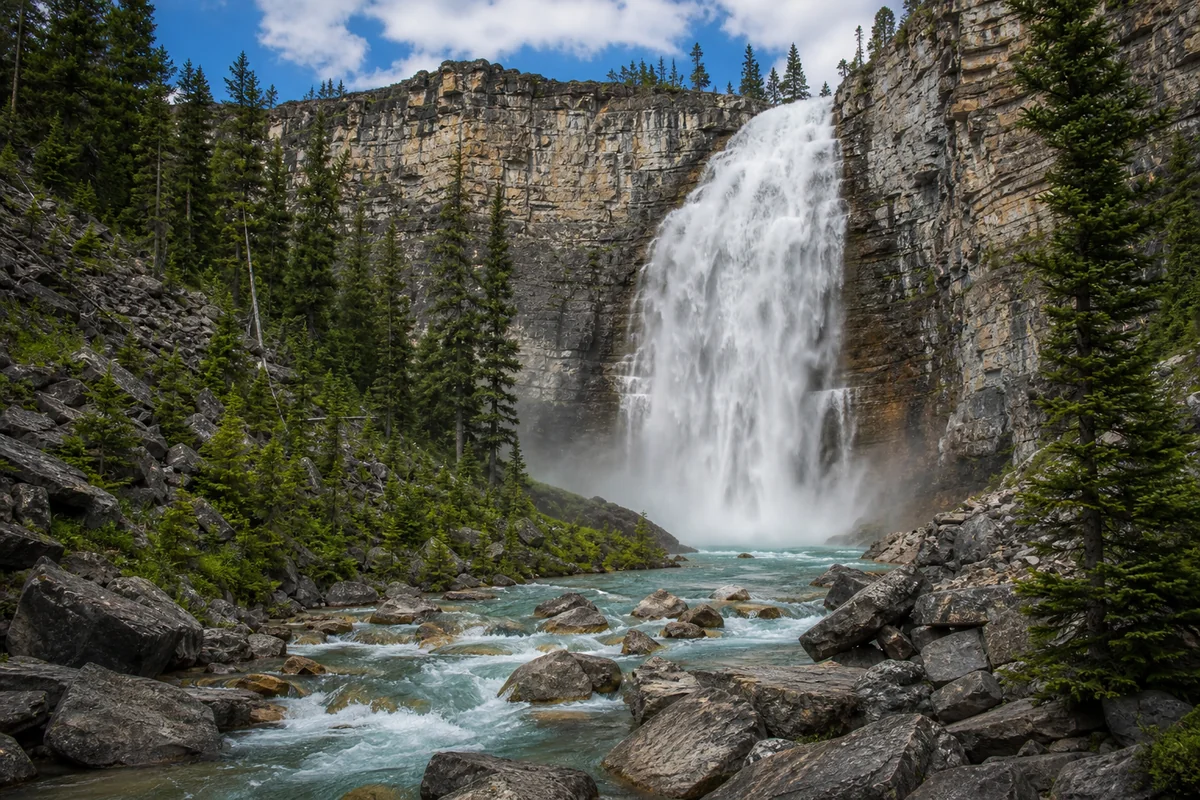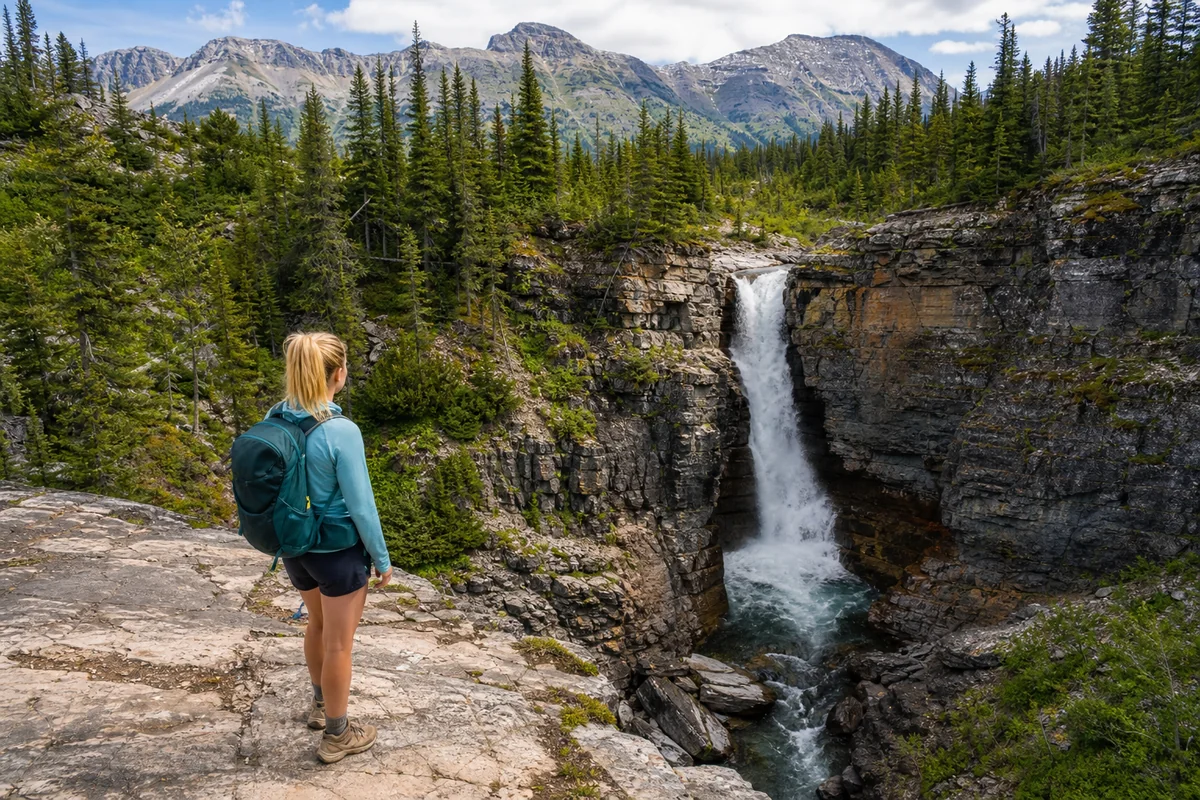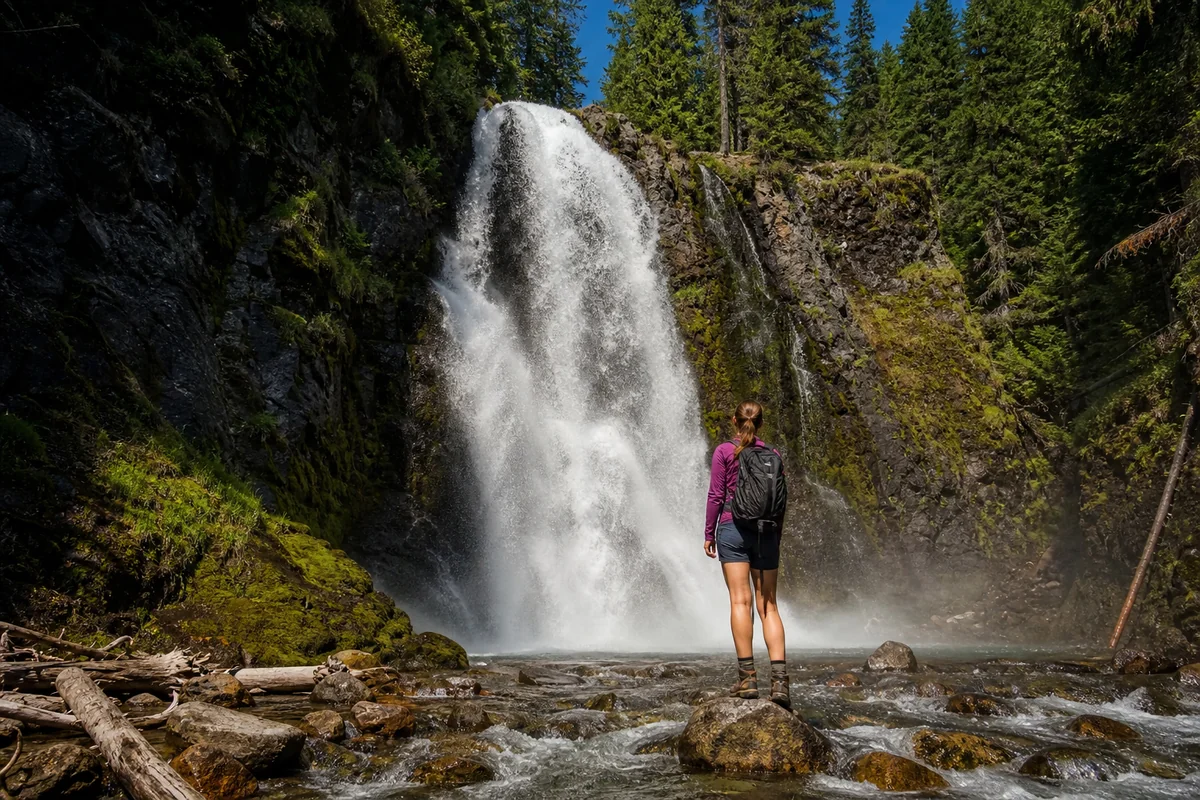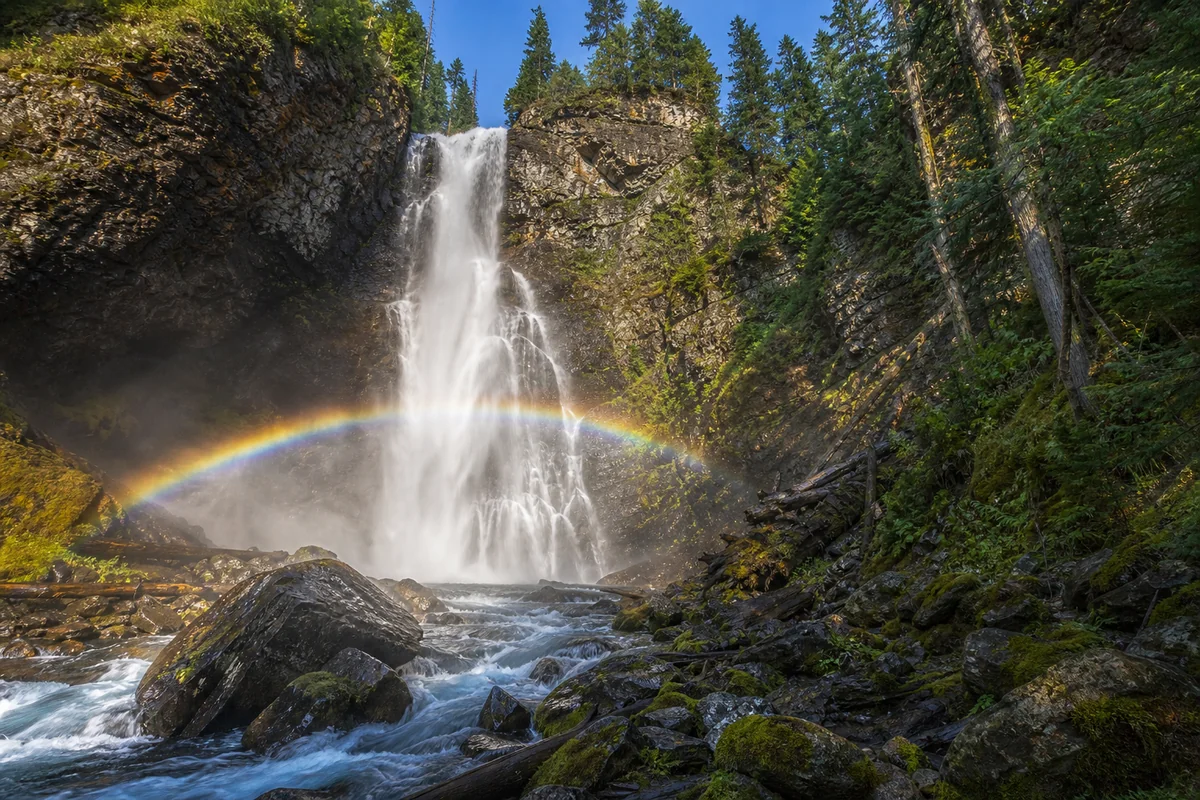
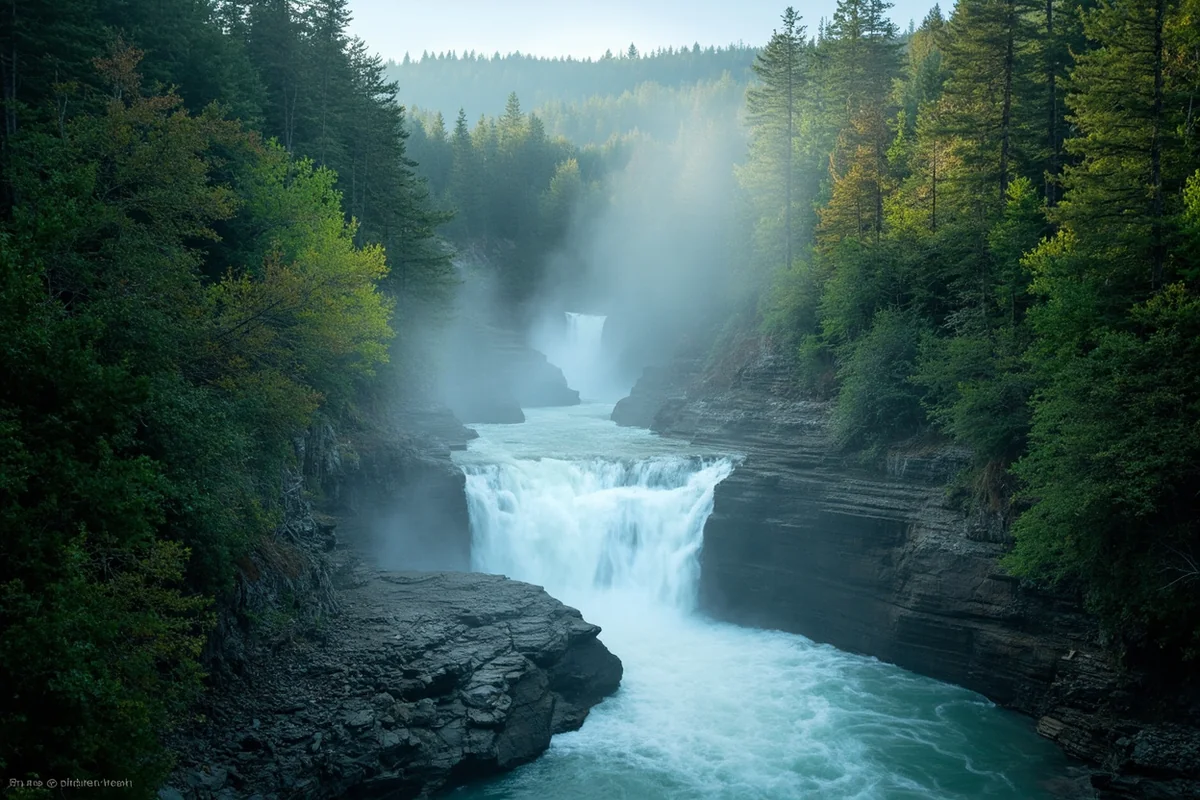
Standing at the base of Mill Falls last September, I watched the late afternoon sun slice through the mist and create a perfect rainbow arc across the cascading water—a moment that reminded me exactly why I’ve spent years chasing Montana waterfalls.
This hidden gem in the Lolo National Forest doesn’t make the typical tourist bucket lists, but that’s precisely what makes it special.
Mill Falls delivers something increasingly rare in Montana’s waterfall scene: genuine solitude paired with accessible beauty.
During my visit, I encountered only two other hikers over several hours—a stark contrast to the crowds I’d navigated at more famous cascades just weeks before.
- Mill Falls drops approximately 40 feet through a forested canyon in the Lolo National Forest
- The hike is 2.4 miles round trip with moderate difficulty and 400 feet elevation gain
- Best visiting window: late May through early July for peak water flow
- No entrance fees required—just a valid parking pass for National Forest land
- The trail is dog-friendly but keep pets leashed near the falls
- Allow 2-3 hours for the full experience including photography time
Liked this article?
Add Roaming Montana as a preferred source so you see more of our articles and guides on Google.
Where Exactly Is Mill Falls?
Mill Falls sits tucked into the western slopes of Montana’s Lolo National Forest, roughly 25 miles southwest of Missoula. The waterfall forms along Mill Creek, a tributary that eventually feeds into the Clark Fork River system.
Getting here requires navigating some rural Montana roads, but nothing that should intimidate drivers with standard vehicles. From Missoula, I took Highway 12 west toward Lolo, then turned south onto Lolo Creek Road (Forest Road 25).
The trailhead parking area accommodates about eight vehicles comfortably. When I arrived on a Saturday morning last September, three spots were already taken, which felt positively empty compared to the packed lots I’ve encountered at spots like Morrell Falls.
GPS Coordinates and Driving Directions
The trailhead coordinates are approximately 46.6847° N, 114.2156° W. Here’s the route I recommend:
From downtown Missoula, head west on Highway 12 for about 8 miles to Lolo. Continue through town and turn left onto Lolo Creek Road. Follow this paved road for approximately 14 miles—it eventually becomes Forest Road 25.
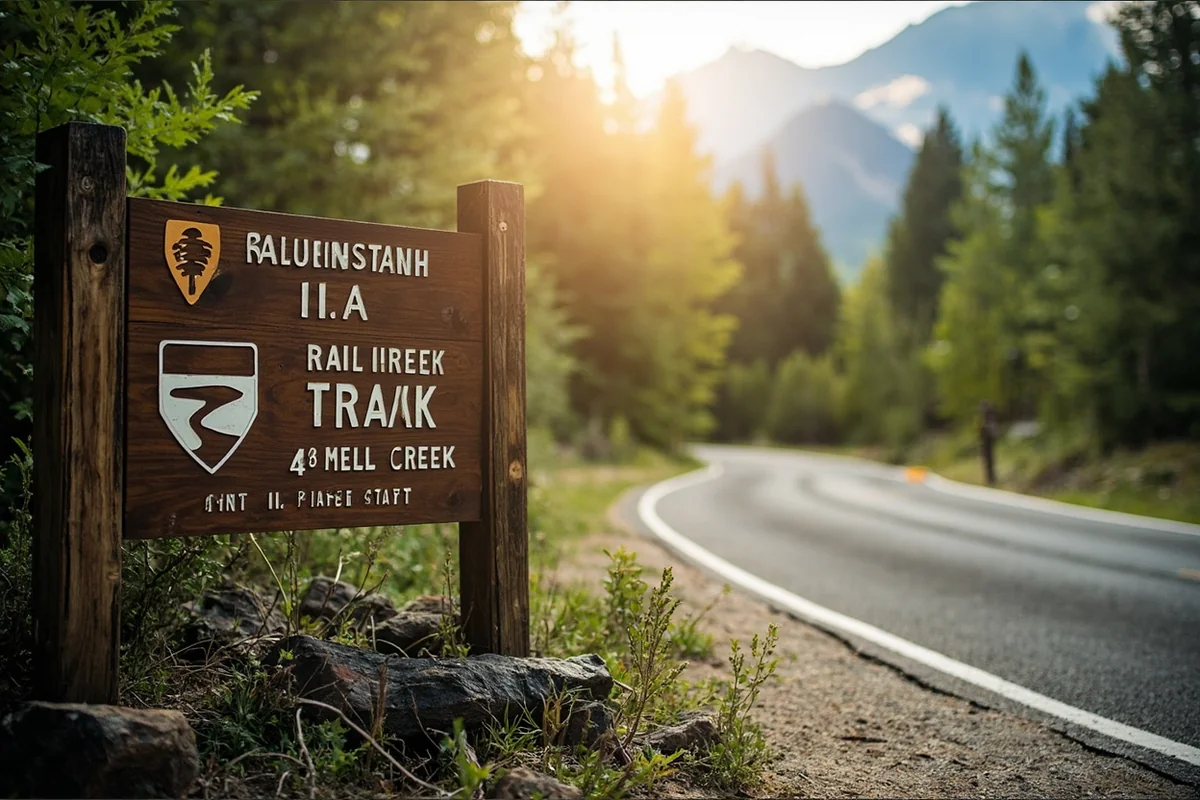
Watch for the Mill Creek trailhead sign on your right. The turnoff comes up quicker than expected, so keep your eyes peeled after passing the Lolo Hot Springs area.
The final stretch of road is gravel but well-maintained. I drove my sedan without any issues, though I took it slow over a few washboard sections. High-clearance vehicles aren’t necessary unless you’re visiting during early spring when some rutting might occur.
| Detail | Information |
|---|---|
| Distance from Missoula | 25 miles (45 minutes) |
| Trail Distance | 2.4 miles round trip |
| Elevation Gain | ~400 feet |
| Difficulty Rating | Moderate |
| Entrance Fee | None (Forest Service land) |
| Best Season | Late May – Early October |
| Dog Friendly | Yes (leash recommended) |
The Trail Experience: What to Expect Step by Step
I’ve hiked to Mill Falls three times now, across different seasons, and each visit revealed something new about this trail. Let me walk you through exactly what you’ll encounter.
The First Half Mile: Forest Immersion
The trail begins at a well-marked trailhead with a basic information board. When I was there last September, the board displayed current fire restrictions and bear activity warnings—always worth reading before heading out.
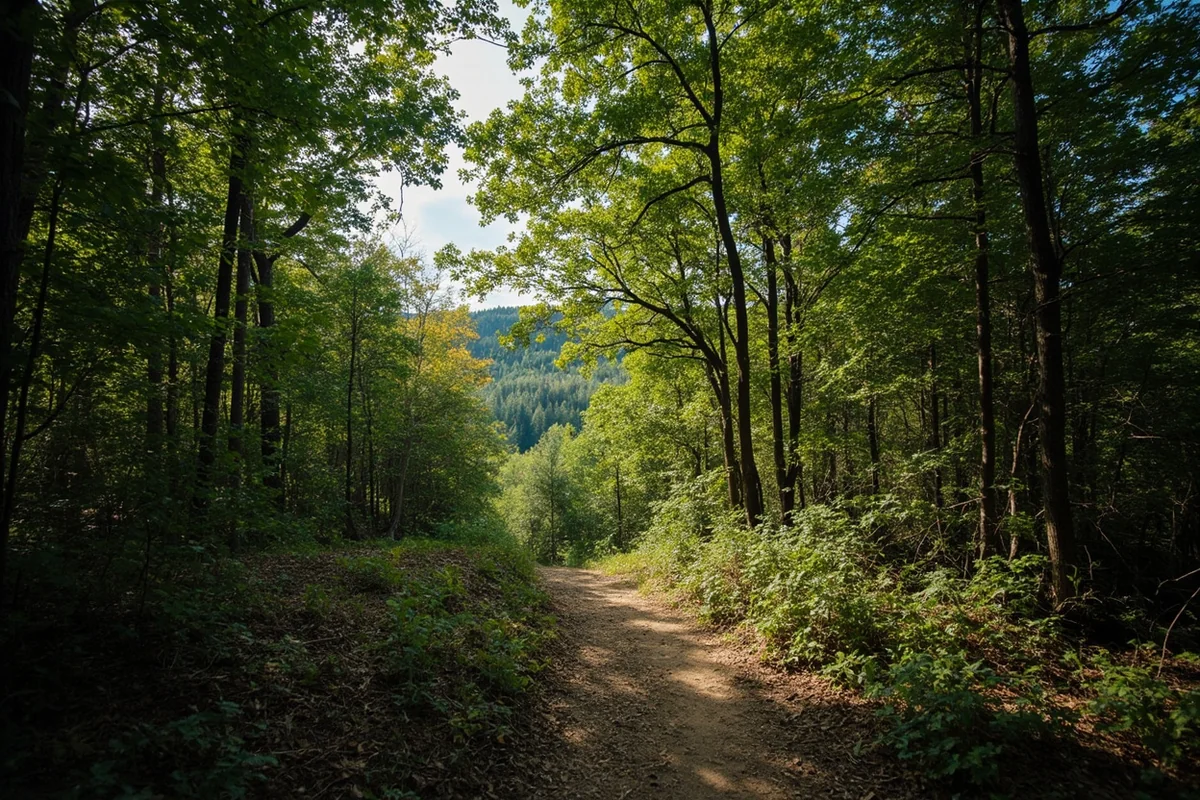
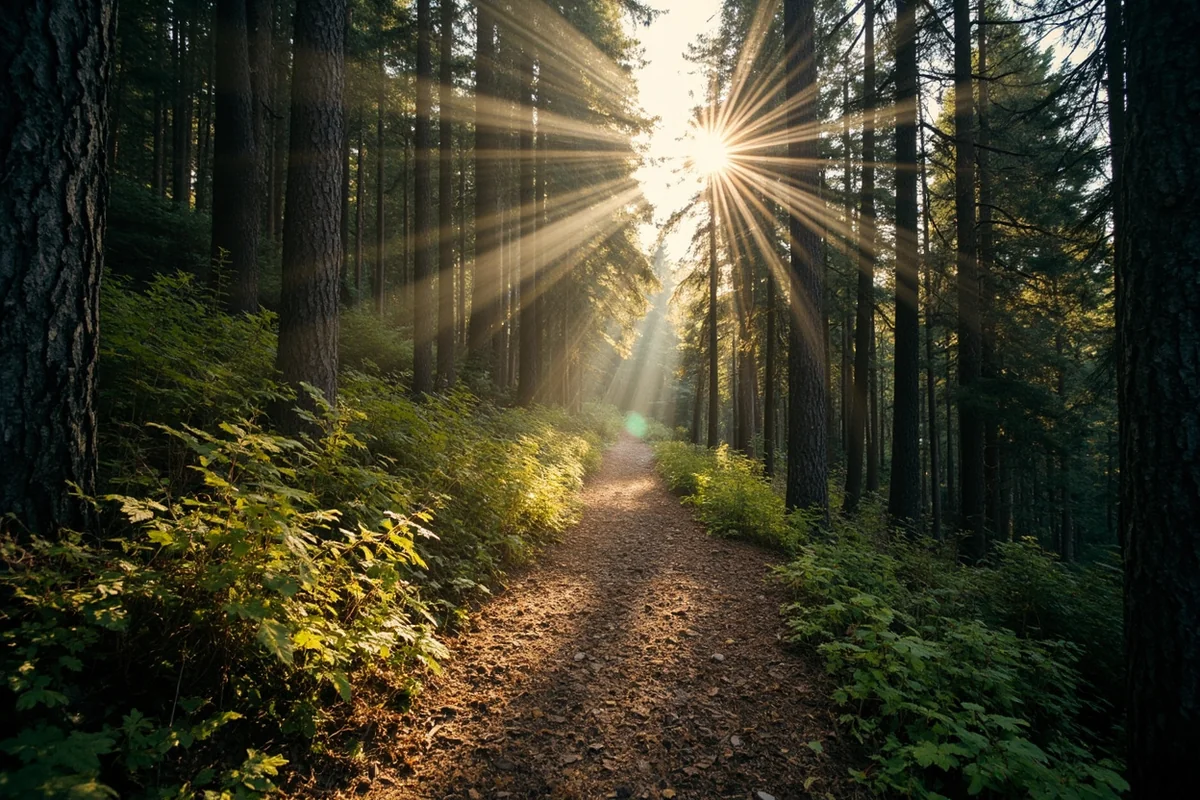
You’ll immediately enter a dense mixed forest of Douglas fir, western red cedar, and lodgepole pine. The canopy closes overhead quickly, creating that cathedral-like atmosphere I love about western Montana forests.
The path is well-defined but narrow in places. Roots snake across the trail, so watch your footing during this initial section. I stumbled once while looking up at a particularly impressive cedar—lesson learned about keeping eyes on the ground.
The Middle Section: Creek Crossings and Climbs
Around the half-mile mark, the trail begins its first noticeable climb. Nothing dramatic, but you’ll feel it in your calves if you’re not warmed up.
Mill Creek appears on your left, and you’ll parallel it for much of the remaining hike. The sound of rushing water becomes your constant companion—I find it incredibly meditative.
There’s a small log crossing at approximately 0.7 miles. During my September visit, water levels were low enough that I could rock-hop across without using the logs. However, during early summer when snowmelt swells the creek, those logs become essential. They’re sturdy but can be slippery—trekking poles help here.
The Final Approach: The Payoff
The last quarter mile steepens noticeably. This is where the 400 feet of elevation gain makes itself known. I recommend taking your time here, both to conserve energy and to appreciate the changing forest composition.
The trees thin slightly as you approach the falls, allowing glimpses of the rocky canyon walls ahead. When I first spotted the mist rising through the branches, I felt that familiar anticipation that never gets old no matter how many waterfalls I visit.
The trail terminates at a viewing area roughly 50 feet from the falls’ base. There’s a flat rocky outcrop here that serves as the primary viewing platform—enough space for maybe six people to stand comfortably.
Mill Falls: The Waterfall Itself
Mill Falls isn’t Montana’s tallest or most powerful waterfall, but it possesses a particular character that distinguishes it from more famous cascades.
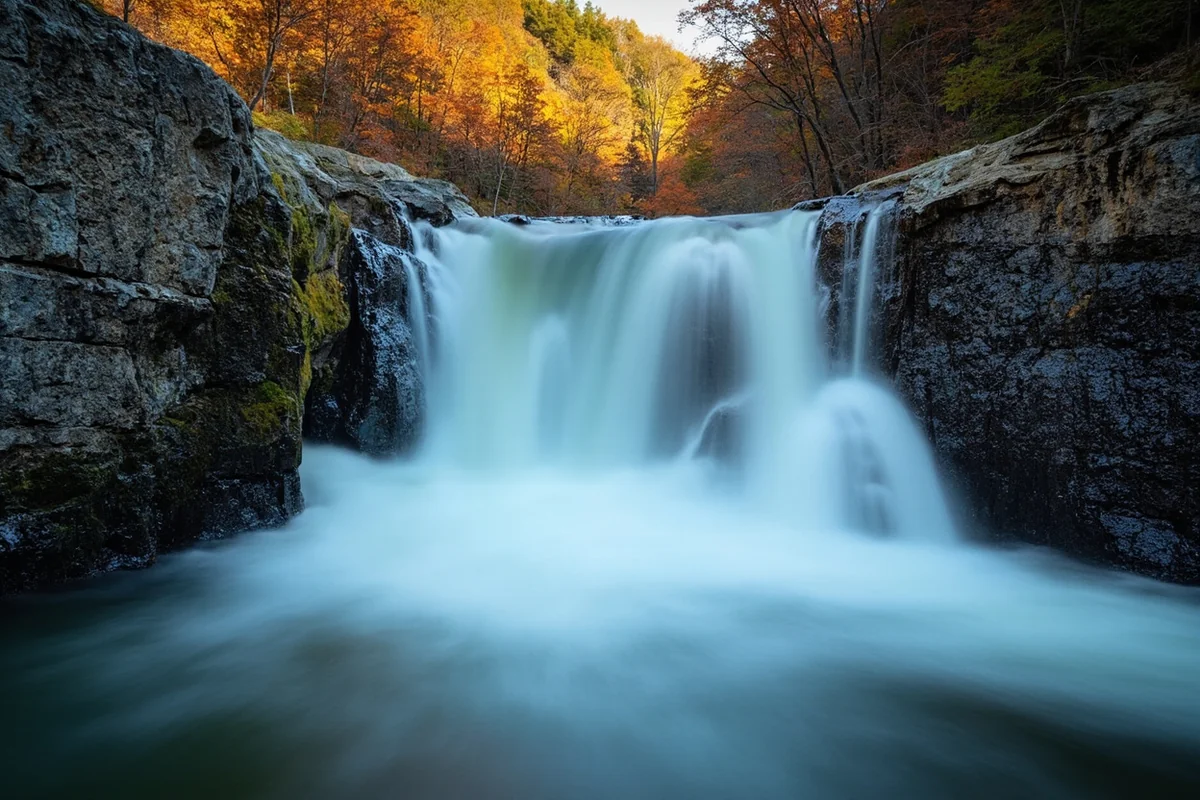
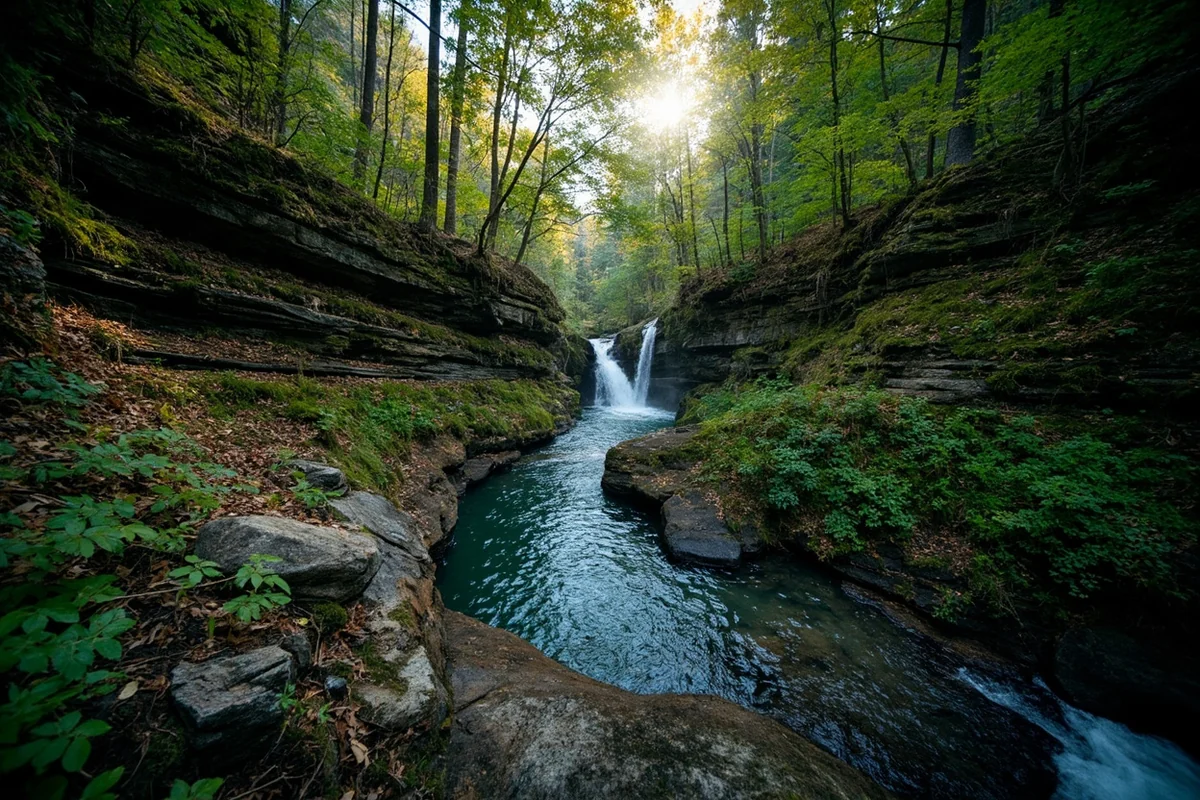
The main drop measures approximately 40 feet, tumbling over a basalt ledge into a shallow pool. What struck me most during my visits was the waterfall’s shape—it fans out in a bridal veil pattern during peak flow, then concentrates into a narrower column by late summer.
The surrounding canyon walls create a natural amphitheater effect. Sound bounces off the rock in interesting ways, creating a deeper roar than you might expect from a waterfall this size.
How Mill Falls Changes Throughout the Year
I’ve visited Mill Falls in September, June, and once in early October. The difference is remarkable.
During my June visit, the falls thundered. Snowmelt had Mill Creek running at near-peak capacity, and the spray reached me even at the main viewing area. I couldn’t stay long without getting thoroughly wet—which wasn’t necessarily a bad thing on that warm afternoon.
September brought a different waterfall entirely. The flow had decreased significantly, revealing rock features hidden behind the curtain of water during spring. I could approach much closer and actually hear myself think.
October transformed the scene with golden larch needles scattered across the rocks and a gentler, almost delicate flow. Less dramatic but arguably more photogenic.
Best Times to Visit Mill Falls
Timing your visit correctly can mean the difference between a memorable experience and a disappointing one. Here’s what I’ve learned through multiple trips.
Seasonal Considerations
Late May through Early July: This is prime time for waterfall chasers. Snowmelt keeps the flow robust, and the surrounding forest is lush and green. Expect the most impressive water volume but also the wettest conditions at the viewing area. Bug pressure increases through June—bring repellent.
Late July through August: Water flow diminishes but remains scenic. Afternoon thunderstorms are common, which can actually enhance the atmosphere if you time it right. Wildfire smoke may affect visibility during bad fire years—check conditions before driving out.
September through Early October: My personal favorite window. Crowds thin, fall colors emerge, and the lighting becomes increasingly golden. Water flow is reduced but still photogenic. The trail is drier and easier to navigate.
Winter and Early Spring: The trail becomes challenging to access. Snow accumulates and the road often closes. I haven’t attempted a winter visit, and I wouldn’t recommend it for most visitors.
Time of Day Matters
Mill Falls faces roughly northeast, which affects lighting significantly. During my visits, I’ve found:
Early morning (7-9 AM): Soft, diffused light with potential for mist effects. The canyon is mostly in shadow, creating moody conditions. This works well for long-exposure photography.
Midday: Harsh contrasts between sunlit areas and shadows. Not ideal for photography, but fine for a casual visit when light quality matters less than the experience.
Late afternoon (4-6 PM): This is when I captured that rainbow moment I mentioned earlier. When the sun angle is right, light penetrates the canyon at a low angle, illuminating the mist beautifully.
Photography Tips from My Experiences
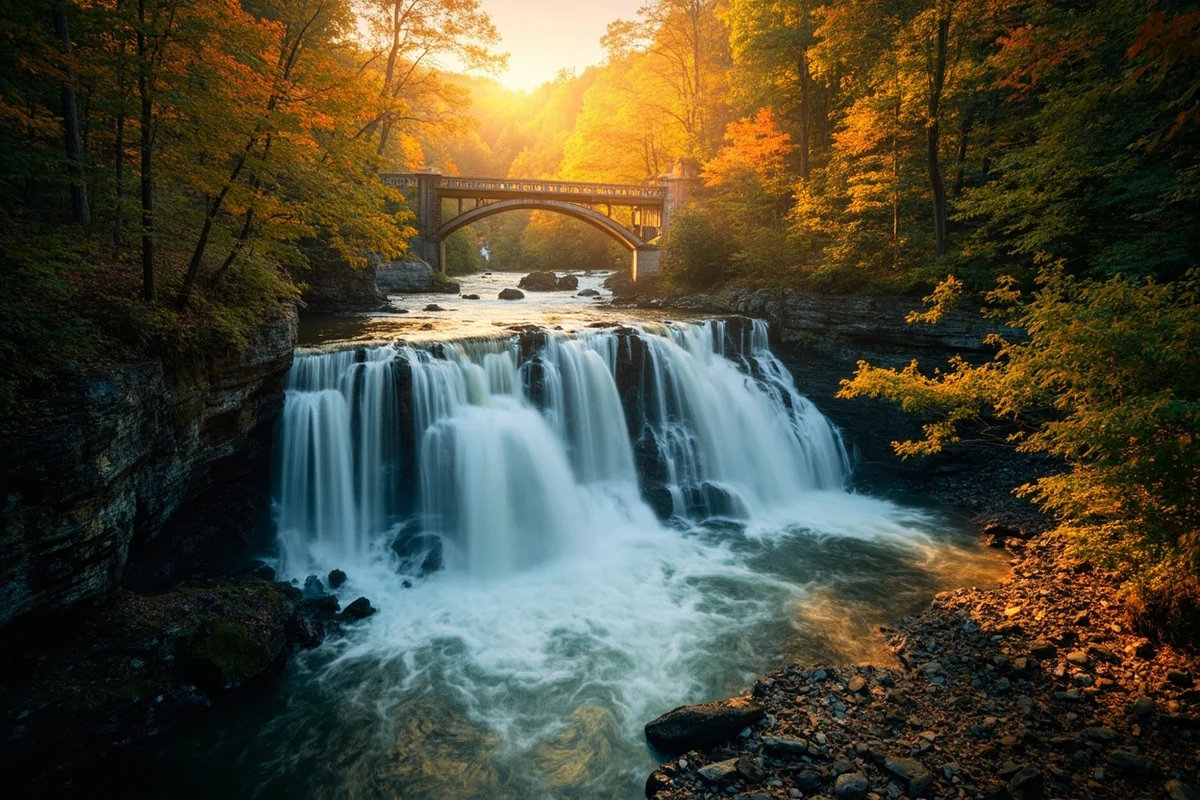
I’m an enthusiastic amateur photographer, and Mill Falls has taught me several lessons about waterfall photography in Montana’s forests.
Gear Recommendations
Bring a tripod if you want those silky water effects. The rocky viewing platform is stable, but hand-holding long exposures is nearly impossible. I use a lightweight travel tripod that doesn’t add much weight to my pack.
A polarizing filter is essential. It cuts glare from wet rocks and the water’s surface, plus it saturates those forest greens beautifully. During my September visit, the difference with and without the polarizer was dramatic.
Pack a microfiber cloth. Mist reaches the viewing area during high-flow periods, and your lens will fog repeatedly. I went through several wipes during my June visit.
Composition Ideas
The obvious shot—straight-on view of the falls—is nice but try these alternatives:
Position yourself to include the downstream creek in your foreground. The water smooths into leading lines that draw the eye toward the cascade.
Look for the fallen log on the left side of the viewing area. It makes an excellent foreground element and adds scale to the scene.
Don’t neglect the details. Some of my favorite images from Mill Falls are tight shots of water hitting rocks, moss-covered boulders, and the spray patterns on surrounding foliage.
If you’re chasing similar photogenic cascades, Holland Lake Falls offers comparable opportunities with a more accessible trail, while Memorial Falls near Augusta provides excellent photography conditions in a dramatic limestone canyon.
What to Bring: A Practical Packing List
After multiple trips, I’ve dialed in my packing list for Mill Falls specifically:
- Footwear: Sturdy hiking boots or trail shoes with good traction. The trail has roots and rocks, plus potential wet sections near creek crossings.
- Layers: Even in summer, the canyon temperature drops noticeably near the falls. I always bring a light fleece or jacket.
- Water: At least 1 liter per person. The trail isn’t long, but the climb back out can work up a thirst.
- Snacks: Energy bars, trail mix, or whatever fuels your adventures.
- Bug spray: Absolutely essential from May through August. The moist canyon environment breeds mosquitoes aggressively.
- Bear spray: This is grizzly country. I carry it on every Montana hike and have thankfully never needed it.
- First aid kit: Basic supplies for blisters, cuts, or other minor trail mishaps.
- Camera gear: Whatever suits your needs—phone photography works fine here too.
- Trekking poles: Optional but helpful for the creek crossing and steeper sections.
Safety Considerations and Trail Etiquette
Mill Falls presents few serious hazards, but Montana wilderness always demands respect.
Wildlife Awareness
Black bears and grizzly bears both inhabit this area. I’ve never encountered a bear on the Mill Falls trail specifically, but I’ve seen fresh scat on two occasions.
Make noise while hiking—especially around blind corners. I usually clap my hands periodically or talk to my hiking partner. Solo hikers might consider a bear bell, though opinions vary on their effectiveness.
Mountain lions also live in this region. Attacks are extremely rare, but travel in groups when possible and keep children close.
Trail Hazards
The biggest danger I’ve observed is the temptation to climb closer to the falls for a better photo. The rocks are slippery, the current is strong, and rescue would be extremely difficult. Stay on established viewing areas.
Root systems across the trail create trip hazards. Pay attention to your footing, especially on the descent when fatigue sets in.
During early season, snow may linger on shaded trail sections. Without proper traction devices, these can be treacherous.
Leave No Trace
Pack out everything you pack in. I’ve sadly picked up other people’s trash on every visit—energy bar wrappers seem particularly common.
Stay on established trails to protect fragile vegetation. The temptation to pioneer your own path to a better viewpoint degrades the landscape for everyone.
Keep noise levels reasonable. Part of Mill Falls’ appeal is its tranquility—blasting music from a Bluetooth speaker ruins the experience for others.
Combining Mill Falls with Other Area Attractions
A trip to Mill Falls pairs naturally with other western Montana experiences. Here’s how I’ve structured successful day trips.
Lolo Hot Springs
Just 10 miles from the Mill Falls trailhead, Lolo Hot Springs offers a perfect post-hike recovery. I’ve soaked in these naturally heated pools after several waterfall adventures, and the combination is heavenly.
The facility has indoor and outdoor pools with varying temperatures. The outdoor pool, surrounded by forest, feels authentically Montana. Rates are reasonable—around $10-12 for adults during my last visit.
Other Nearby Waterfalls
If you’re collecting waterfall experiences, consider combining Mill Falls with Skalkaho Falls to the south or venturing toward the Bitterroot Valley for additional cascades.
For a different experience entirely, Kootenai Falls in northwest Montana showcases the raw power of a major river, providing dramatic contrast to Mill Falls’ intimate forest setting.
Missoula Exploration
Missoula deserves at least half a day if you’re making the trip from farther away. The downtown area offers excellent restaurants, breweries, and shops. I particularly enjoy walking the riverfront trail along the Clark Fork.
The University of Montana campus provides pleasant wandering, and Caras Park often hosts weekend events during summer months.
Visitor Facilities and Amenities
Let me be direct about what you will and won’t find at Mill Falls.
At the Trailhead
The parking area is basic—gravel surface with room for roughly eight vehicles. There’s no fee station, restroom, or potable water. Come prepared.
Cell service is spotty to nonexistent. I had weak signal at the trailhead on my last visit but nothing on the trail itself. Download offline maps before arriving.
No camping is permitted at the immediate trailhead, though dispersed camping is available in the surrounding national forest with proper leave-no-trace practices.
Nearest Services
Lolo (population roughly 4,000) provides the closest services—gas stations, convenience stores, and a few restaurants. I recommend fueling up in Missoula before heading out, where prices tend to be slightly lower.
For sit-down dining, Lolo Peak Brewing Company has become my go-to after Mill Falls visits. Their burgers are solid, and the beer selection represents Montana craft brewing well.
Mill Falls for Different Types of Visitors
Families with Children
Mill Falls works for active families with children roughly age 8 and older. The trail length and elevation gain might challenge younger kids, though I’ve seen determined families with younger children succeed.
The creek crossings require careful supervision. During high water, I’d recommend against bringing very young children unless you can carry them across safely.
The falls themselves are engaging for kids—there’s something universally appealing about falling water. Just maintain vigilance about keeping everyone on established viewing areas.
Senior Visitors
Fitness level matters more than age. The trail is reasonably well-maintained but does involve roots, rocks, and some steep sections. Anyone with mobility concerns should assess honestly whether this hike suits their abilities.
Trekking poles help significantly. Consider visiting during lower-flow periods when the trail is drier and footing is more secure.
Solo Hikers
I’ve hiked to Mill Falls alone twice. The trail feels safe, but standard solo hiking precautions apply—tell someone your plans, carry bear spray, and make noise to avoid wildlife surprises.
The solitude of a solo visit can be profound. On my September weekday trip, I had the falls entirely to myself for nearly an hour.
Comparing Mill Falls to Other Montana Waterfalls
Having visited dozens of Montana waterfalls, I can offer some context for where Mill Falls fits in the state’s waterfall landscape.
Versus Glacier National Park Waterfalls
Glacier’s waterfalls—like Running Eagle Falls, Saint Mary Falls, and McDonald Falls—benefit from dramatic alpine scenery but suffer from crowds. Mill Falls offers a fraction of the visitors with similar forest beauty, though obviously lacking Glacier’s mountain backdrops.
If you’re seeking that perfect balance of accessibility and solitude, Mill Falls wins handily over most Glacier alternatives during peak summer months.
Versus Other Lolo Area Cascades
The Lolo region hosts several waterfalls, though none are particularly famous. Mill Falls represents one of the more accessible and rewarding options, with a reasonable hike-to-payoff ratio.
The Solitude Factor
This is Mill Falls’ secret weapon. While Ousel Falls near Big Sky draws crowds or Palisade Falls near Bozeman fills its parking lot by mid-morning on summer weekends, Mill Falls remains genuinely uncrowded.
For visitors who value the sound of water over the chatter of fellow tourists, Mill Falls delivers something increasingly precious in modern Montana.
Planning Your Mill Falls Trip: Final Recommendations
After multiple visits across different seasons, here are my honest recommendations:
The Ideal Mill Falls Experience
Visit on a weekday in mid-September. Arrive by 8 AM to catch morning light and have the trail largely to yourself. Take your time on the hike, stopping to appreciate forest details along the way.
Spend at least 30 minutes at the falls—longer if you’re photographing. The constant motion of water reveals different moments continuously.
Hike out slowly, perhaps stopping at the creek crossing to sit on a rock and just listen. Finish with lunch in Missoula or a soak at Lolo Hot Springs.
Managing Expectations
Mill Falls won’t blow your mind if you’re expecting Niagara. It’s a modest waterfall in a beautiful setting—and that’s the point.
The value here lies in the complete experience: the forest immersion, the solitude, the gentle challenge of the hike, and the intimate scale of the cascade. Visitors seeking Instagram-famous backdrops might look elsewhere; visitors seeking authentic Montana wilderness moments will find exactly what they’re looking for.
Combining with a Larger Montana Itinerary
If you’re planning an extended waterfall road trip, Mill Falls fits naturally into a western Montana loop. Consider combining it with Lost Creek Falls, Rock Creek Falls, or ventures into the Bitterroot Valley.
For visitors basing themselves in Missoula, Mill Falls makes an excellent half-day adventure that leaves time for other pursuits.
The waterfall also works as a leg-stretching stop for travelers heading over Lolo Pass into Idaho, providing a genuine Montana wilderness experience without requiring extensive time commitment.
What I Wish I’d Known Before My First Visit
Every waterfall teaches you something. Here’s what Mill Falls taught me:
The trail is more engaging than online descriptions suggest. Most sources describe it as “straightforward”—and it is—but there’s genuine forest beauty that rewards attention.
Bug spray isn’t optional during summer. I learned this the hard way on my June visit, returning with welts that lasted a week.
The viewing area gets wet during high flow. If you’re bringing camera gear, plan accordingly with protective measures.
Early morning visits offer the best chance of solitude and interesting light. My 8 AM arrivals consistently provided the best experiences.
The drive itself is beautiful. Don’t rush past the scenery along Lolo Creek Road—it’s worth appreciating on its own merits.
Finally, lower water doesn’t mean lower quality. My September visit, when flow had diminished significantly, produced my favorite photographs and most peaceful memories. Sometimes less is more.
Mill Falls may not make anyone’s list of Montana’s top ten waterfalls, but it’s earned a permanent place on my personal list of places I return to when I need genuine wilderness solitude without committing to an all-day expedition. Sometimes the best waterfall is simply the one where you can hear yourself think.
Frequently Asked Questions
Where is Mill Falls located in Montana and how do I get there?
Mill Falls is located in the Lolo National Forest near the town of Noxon in Sanders County, Montana. From Missoula, it’s approximately 100 miles northwest via Highway 200, taking about 2 hours to reach the trailhead. The falls are accessed via a short but moderately steep trail, so I recommend wearing sturdy hiking shoes even for this quick adventure.
What is the best time of year to visit Mill Falls in Montana?
The best time to visit Mill Falls is late spring through early summer (May-June) when snowmelt feeds the waterfall at peak flow. I’ve found that visiting during this window offers the most impressive display of cascading water. Fall visits can also be rewarding with fewer crowds and beautiful foliage, though water volume will be significantly lower.
How difficult is the Mill Falls Montana hiking trail?
The Mill Falls trail is relatively short at under a mile round trip, but it does involve some elevation change and uneven terrain. I’d rate it as easy to moderate difficulty, suitable for most fitness levels including families with older children. The trail can be slippery near the falls, so take your time and watch your footing on wet rocks.
Is there an entrance fee or parking cost to visit Mill Falls Montana?
There is no entrance fee to visit Mill Falls since it’s located within Lolo National Forest on public land. Parking at the trailhead is free, though spaces are limited. I always recommend arriving earlier in the day during summer weekends to secure a spot and have a more peaceful experience at the falls.
What should I bring when visiting Mill Falls waterfall in Montana?
I recommend bringing water, snacks, a camera with waterproof protection, and layers since temperatures near waterfalls can be cooler. Trekking poles can be helpful on the descent, and waterproof hiking boots are essential as the trail and viewing areas get misty. Don’t forget bug spray during summer months, as mosquitoes can be intense in forested Montana areas.
Can you swim at Mill Falls Montana or get close to the waterfall?
Swimming at Mill Falls is generally not advisable due to cold water temperatures, strong currents, and slippery rocks near the base. You can get relatively close to view the falls, but I recommend exercising caution and staying on designated viewing areas. The rocks around the pool can be extremely slick, and sudden water surges make it dangerous to wade in.
Are dogs allowed on the Mill Falls trail in Montana?
Yes, dogs are permitted on the Mill Falls trail but must be kept on a leash per Lolo National Forest regulations. I’ve brought my dog here and found the trail manageable for most active pups, though the rocky sections near the falls require extra attention. Bring enough water for your pet and pack out any waste to keep this beautiful area pristine.