The morning mist was still clinging to the Swan Valley when I first heard the distant rumble of Mud Creek Waterfall—a sound that somehow managed to be both subtle and commanding, drawing me deeper into one of Montana’s most underrated wilderness corners.
This tucked-away cascade doesn’t appear on most tourist itineraries, which is precisely why it captured my heart during my exploration of Montana waterfalls last summer.
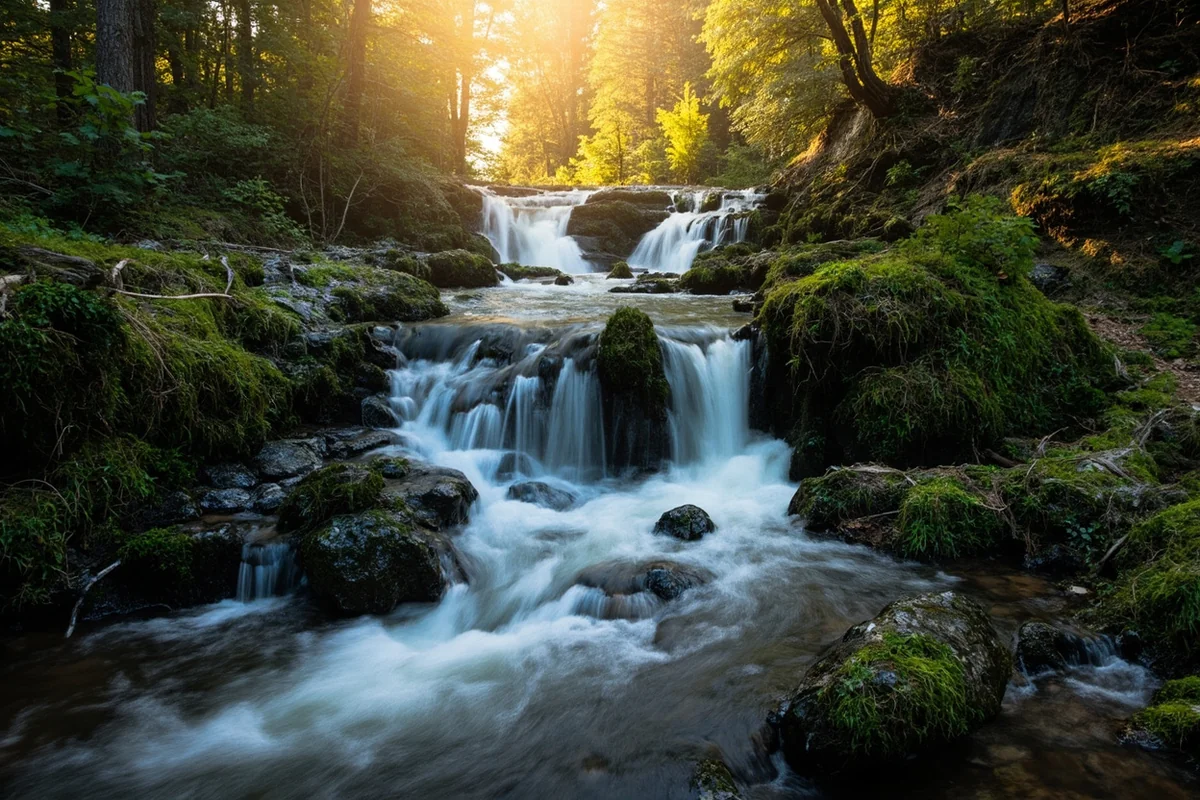
- Mud Creek Waterfall sits in the Swan Range near Condon, Montana—about 2.5 hours from Missoula
- The hike is approximately 3.2 miles round trip with 650 feet of elevation gain
- Best visited late May through early July for peak water flow
- Moderate difficulty—expect some scrambling near the falls
- No entrance fees, but limited parking at the trailhead
- Bring waterproof boots—the “mud” in Mud Creek is no joke
Liked this article?
Add Roaming Montana as a preferred source so you see more of our articles and guides on Google.
Why Mud Creek Waterfall Deserves Your Attention
When I tell people I spent a full day hiking to a waterfall most Montanans have never heard of, I usually get puzzled looks. Why not hit the famous spots in Glacier National Park instead?
Here’s the thing: after visiting dozens of waterfalls across Big Sky Country—from the thundering Kootenai Falls to the photogenic Morrell Falls—I’ve developed an appreciation for the quiet ones. Mud Creek Waterfall isn’t the tallest or most dramatic, but it offers something increasingly rare: solitude wrapped in genuine wilderness.
During my visit last June, I didn’t see another soul for the entire hike. That’s almost unheard of in Montana these days, especially during peak season.
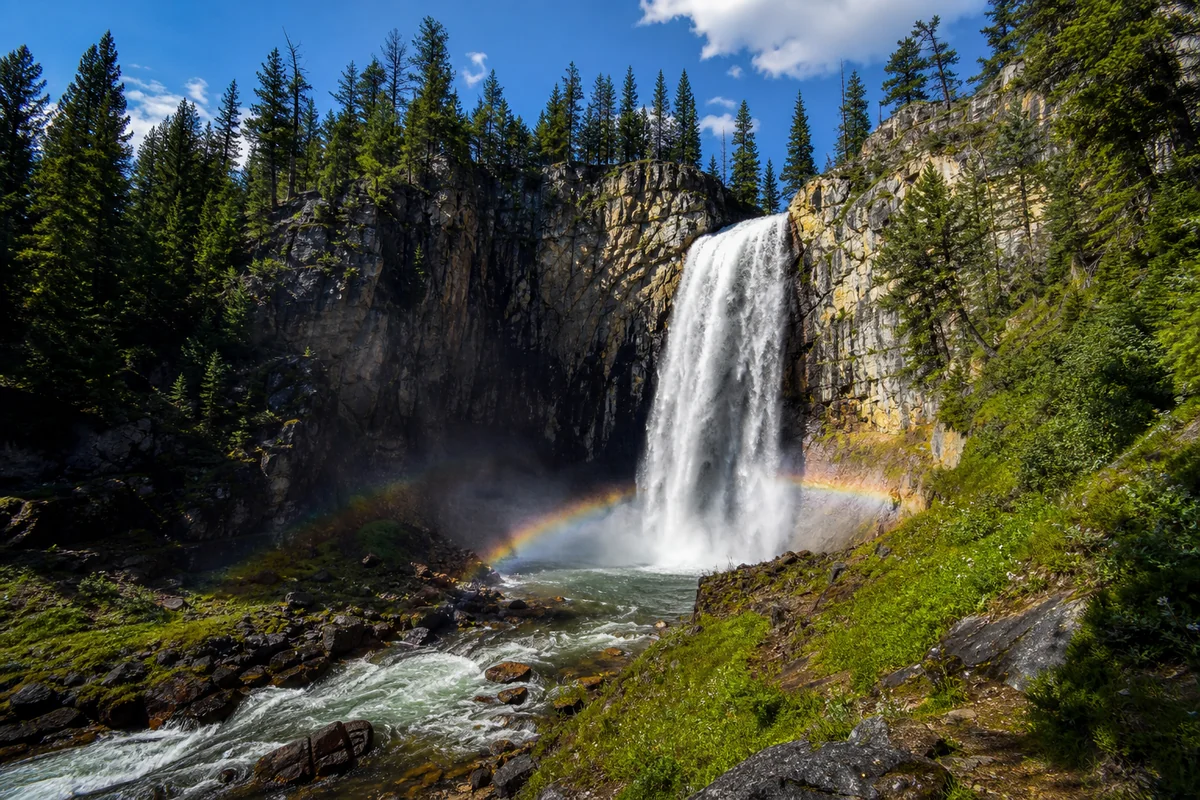
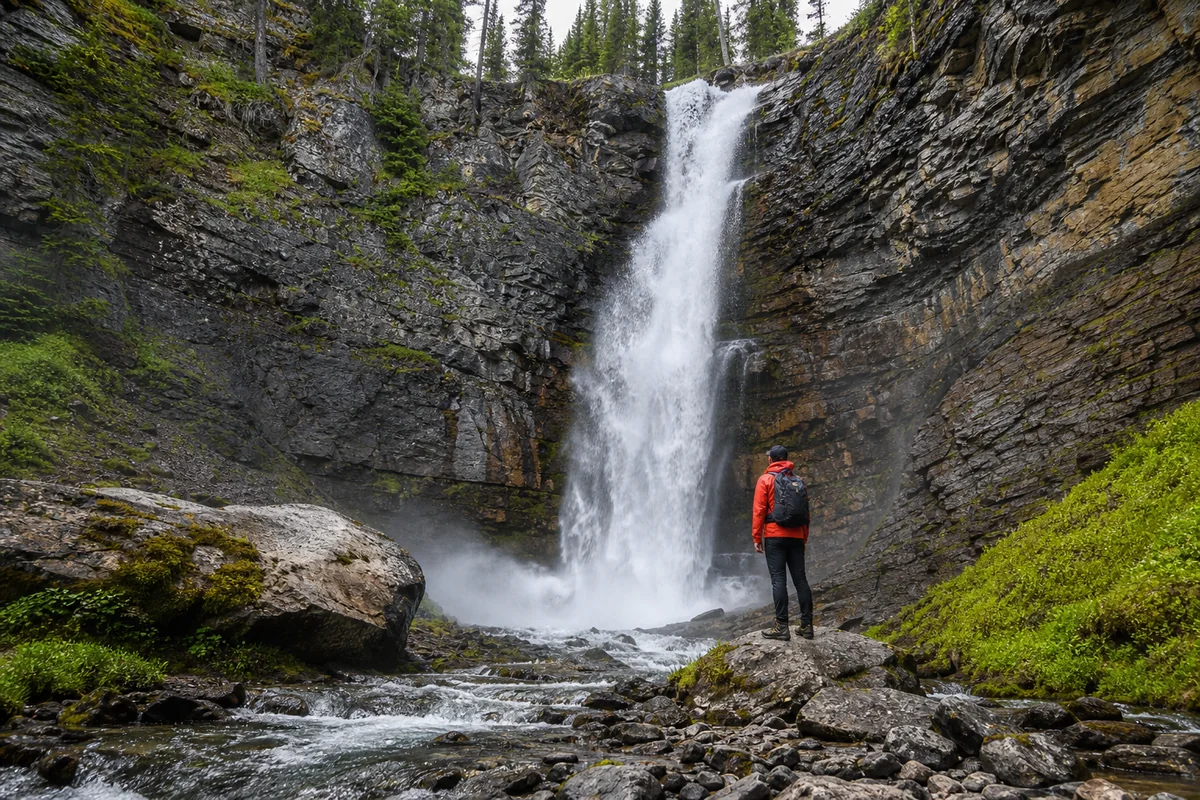
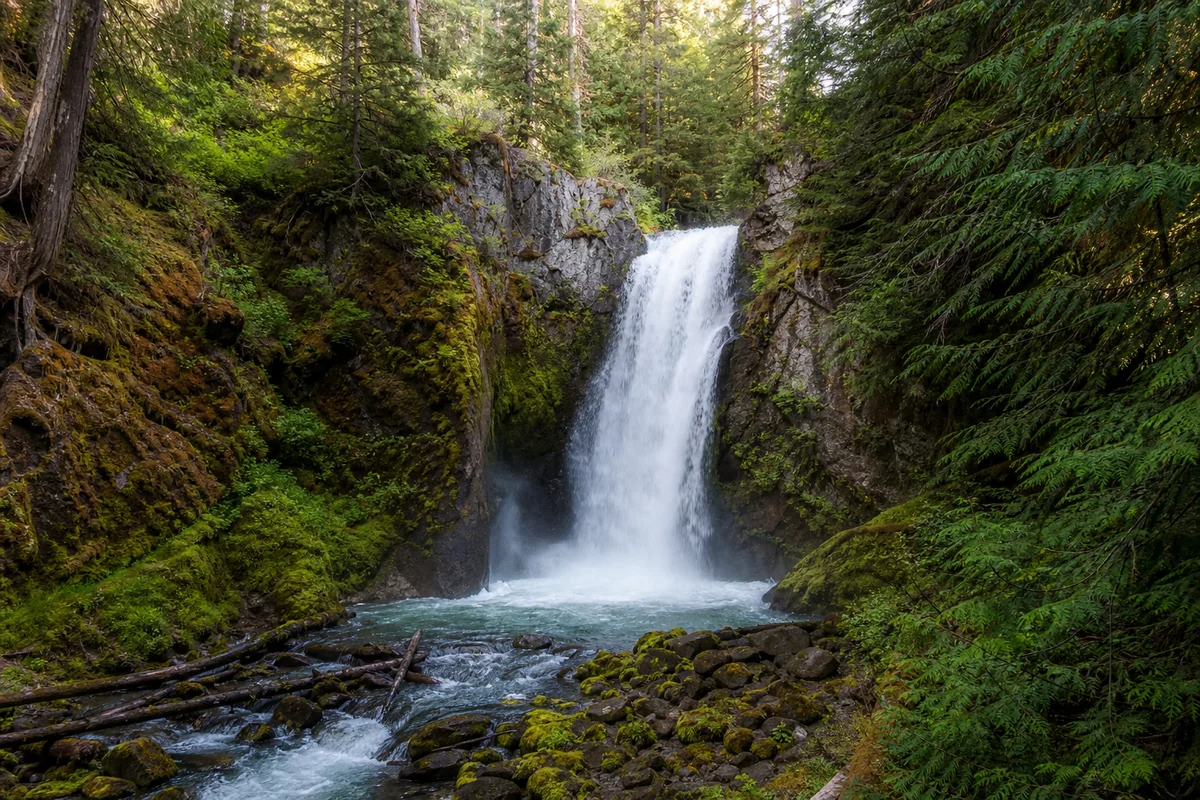
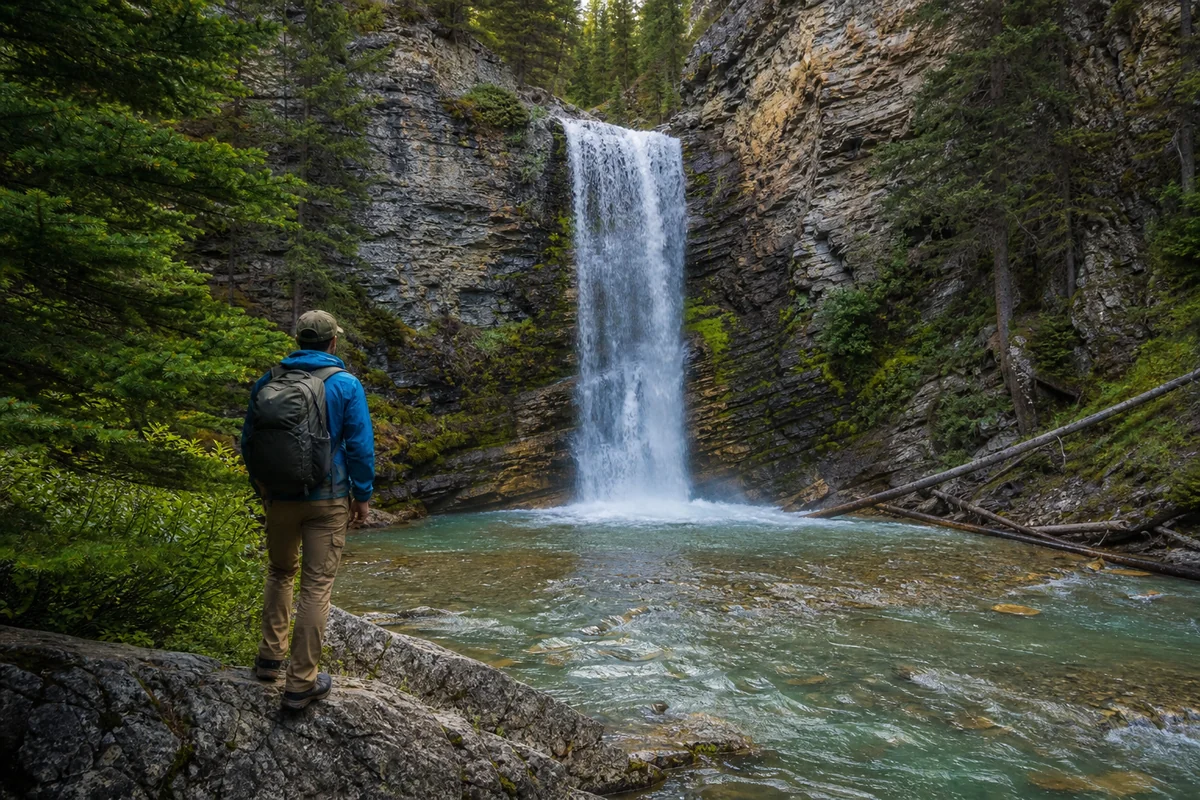
The waterfall itself drops roughly 40 feet in a series of tiered cascades, spreading across weathered granite before pooling into a crystal-clear basin. What struck me most was the surrounding ecosystem—old-growth cedars that seemed to breathe moisture, carpets of moss that glowed almost neon green, and the constant soundtrack of birdsong mixed with rushing water.
Getting to Mud Creek Waterfall: The Drive
Finding Mud Creek Waterfall requires a bit of local knowledge, which is part of its charm. The trailhead is tucked away near Condon, Montana, in the heart of the Swan Valley.
From Missoula (Recommended Route)
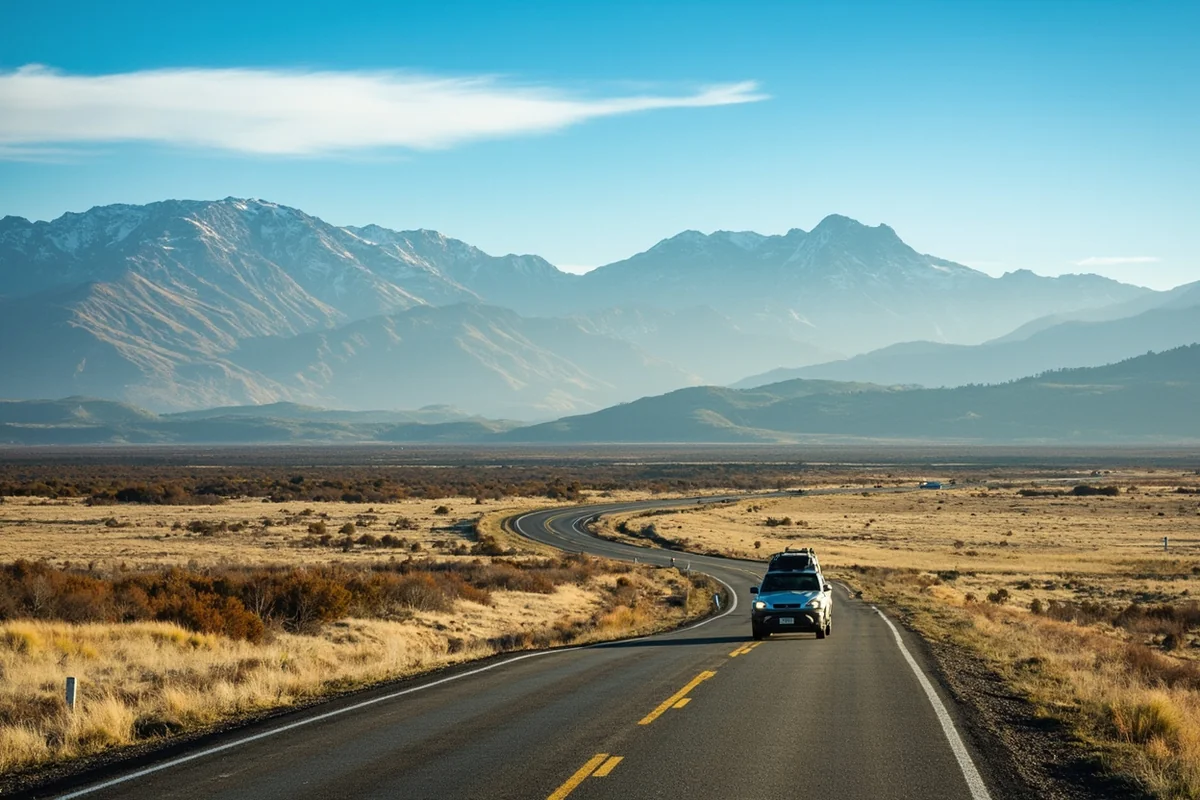
When I drove from Missoula last summer, I took Highway 200 east to Highway 83 north. The entire drive took about 2 hours and 20 minutes, though I stopped twice to photograph the stunning mountain views.
Highway 83—the Seeley-Swan Scenic Drive—is an experience in itself. You’ll pass crystal-clear lakes, towering pines, and occasional glimpses of the Mission Mountains to the west.
From Kalispell
If you’re coming from the north, Kalispell to the trailhead runs about 1 hour and 45 minutes via Highway 83 south. This route gives you beautiful views of Flathead Lake before climbing into the Swan Valley.
Finding the Trailhead
This is where things get tricky, and I’ll share my honest experience. The turnoff for Mud Creek Road is easy to miss—I drove past it twice before catching the small forest service sign.
Look for Forest Road 9578 approximately 8 miles south of Condon. The road is gravel and gets rough in the final half-mile. During my visit, I was grateful for my Subaru’s clearance, though I saw a sedan at the trailhead that had clearly made it work.
| Starting Point | Distance | Drive Time |
|---|---|---|
| Missoula | 85 miles | 2 hours 20 min |
| Kalispell | 65 miles | 1 hour 45 min |
| Bigfork | 48 miles | 1 hour 15 min |
| Seeley Lake | 32 miles | 45 min |
The Mud Creek Trail: What to Expect
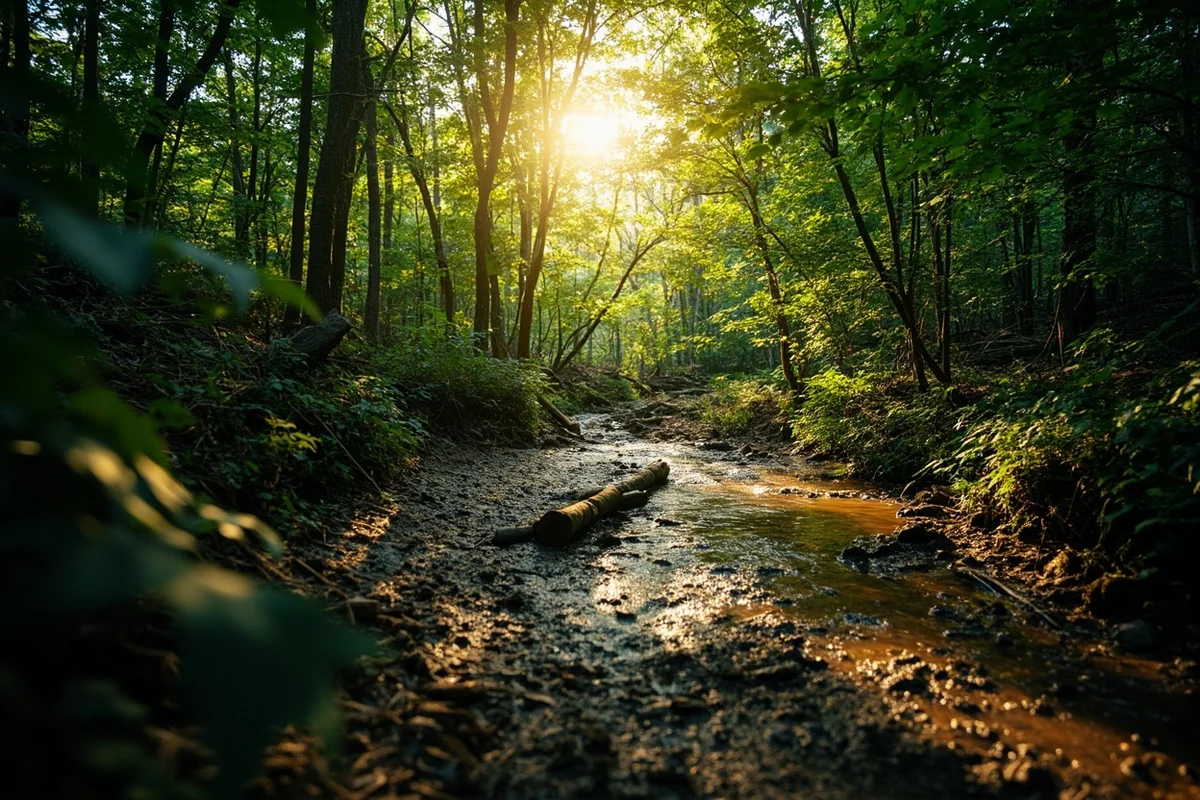
I won’t sugarcoat it—this trail earns its name. During my June hike, I encountered sections that required careful foot placement to avoid sinking into muddy stretches.
Trail Overview
The hike to Mud Creek Waterfall covers approximately 3.2 miles round trip. I clocked 650 feet of elevation gain, which is spread fairly evenly throughout the approach.
The trail begins in a mixed conifer forest dominated by lodgepole pines. Within the first quarter mile, you’ll cross a small footbridge that marks your first encounter with Mud Creek. I remember pausing here during my hike to watch a water ouzel (American dipper) bobbing along the rocks—a promising sign of the healthy ecosystem ahead.
First Mile: Gentle Forest Walking
The opening stretch is the easiest part of the journey. I found myself falling into an easy rhythm, surrounded by the sweet scent of pine and the occasional wildflower.
Watch for beargrass blooming in late June—during my visit, the white plumes were everywhere, creating a fairy-tale atmosphere I hadn’t expected. This section also offers periodic glimpses of Swan Peak through gaps in the canopy.
Middle Section: The Challenging Stretch
Around the 0.8-mile mark, things get interesting. The trail gains elevation more aggressively here, and you’ll encounter the muddiest sections. I was glad I’d worn my waterproof boots.
There’s a tricky creek crossing at approximately mile 1.2 that gave me pause. During high water (late May-early June), you’ll need to rock-hop carefully or accept getting your feet wet. I chose the latter and immediately felt my socks squelch inside my boots.
Final Approach: Scrambling to the Falls
The last quarter mile requires some minor scrambling over exposed roots and rocks. Nothing technical, but definitely engage your core and watch your footing.
I could hear the waterfall before I could see it—that rushing sound growing louder with each step. When the trees finally opened up to reveal the cascade, I understood why the challenging approach was worth every muddy step.
Best Time to Visit Mud Creek Waterfall
Timing matters enormously with this particular waterfall, and I’ve now visited during two different seasons to compare.
Peak Season: Late May Through Early July
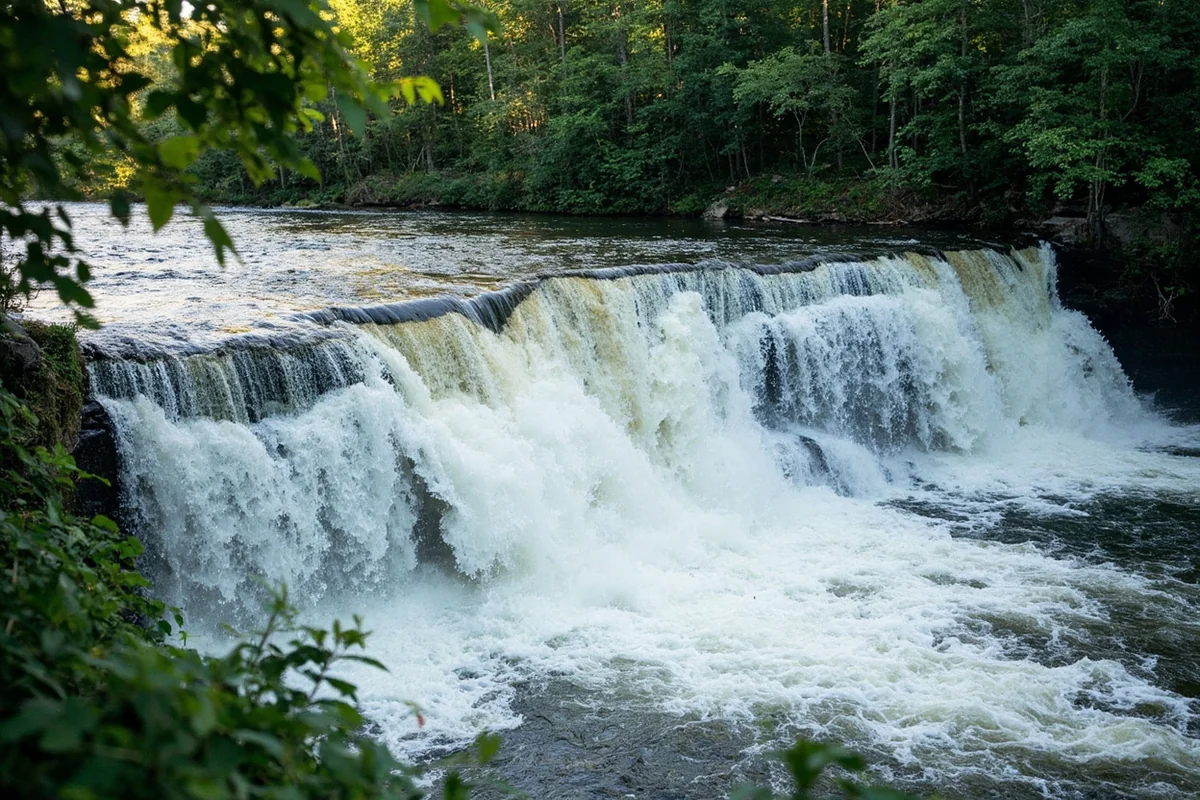
My first visit in mid-June offered the most impressive water flow. Snowmelt from the Swan Range feeds Mud Creek, and during this window, the waterfall transforms into a roaring cascade that sends mist thirty feet into the air.
The downside? Mud. So much mud. My boots were caked by the time I returned to my car.
Late Summer: August Through Early September
I returned in late August and found a completely different experience. The waterfall had thinned to a more delicate flow, revealing the underlying rock structure more clearly.
The trail was significantly drier—almost pleasant. Photography was actually easier with less mist obscuring my shots.
Fall Colors: Mid-September to Early October
I haven’t personally visited during fall, but locals I’ve spoken with rave about the larch trees turning gold in the surrounding forest. The water flow is minimal, but the scenery compensation makes it worthwhile.
Winter and Spring Considerations
The road to the trailhead typically becomes impassable from November through mid-May due to snow. Don’t attempt this drive without checking current conditions—I’ve heard stories of visitors getting stuck for hours on Forest Road 9578 during early-season attempts.
What to Pack: Lessons I Learned the Hard Way
After two visits to Mud Creek Waterfall, I’ve refined my packing list based on actual experience rather than theoretical preparation.
Footwear
Waterproof hiking boots are non-negotiable. I made the mistake of wearing trail runners on my first visit, and I regretted it within twenty minutes.
Gaiters aren’t strictly necessary but would have prevented the mud from sneaking down into my boots during that creek crossing.
Clothing Layers
The Swan Valley sits in a weather transition zone, and conditions can shift quickly. During my June visit, I started in a t-shirt and added my fleece layer by mid-morning when clouds rolled in.
Bring a rain jacket even if the forecast looks clear. Trust me on this one.
Food and Water
I always pack more water than I think I’ll need—at least 2 liters for this hike. There’s plenty of water on the trail, but I don’t recommend drinking it without proper filtration.
Pack a full lunch if you plan to spend time at the waterfall. There’s a perfect boulder near the base that serves as a natural picnic spot.
Photography Gear
If you’re serious about waterfall photography, bring a tripod. The misty environment near the falls requires slower shutter speeds for that silky water effect.
I also recommend a lens cleaning cloth—moisture from the spray will find your lens almost immediately.
Photography Tips from My Experience
Mud Creek Waterfall presents some unique photography challenges that I didn’t anticipate during my first visit.
Best Light Conditions
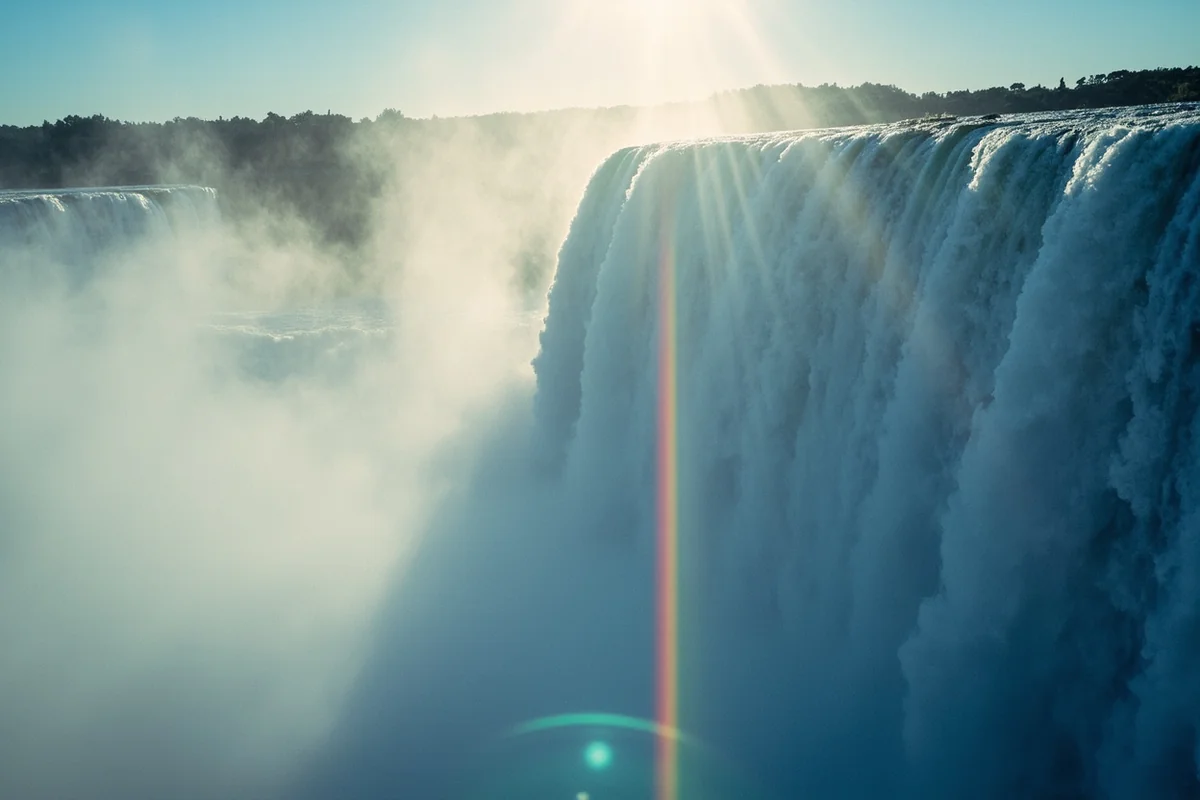
I’ve found that overcast days actually produce the best photos here. The waterfall faces northeast, which means direct sunlight creates harsh shadows and blown-out highlights.
During my June visit, clouds rolled in around 10 AM, and suddenly every shot I took improved dramatically. The soft, diffused light brought out the green tones in the moss and revealed details in the white water.
Composition Ideas
The classic straight-on shot from the pool below works well, but I discovered a better angle by climbing about fifteen feet up the left embankment. From there, you can capture the full cascade plus the surrounding forest.
For context shots, try stepping back to include the old-growth cedars framing the falls. This helped me convey the scale of the setting in ways that close-ups couldn’t.
Technical Settings
For silky water effects, I used shutter speeds between 1/4 second and 2 seconds at ISO 100. A polarizing filter helped reduce reflections on the wet rocks and deepen the sky when it appeared through the canopy.
Wildlife Encounters and Safety
The Swan Valley is bear country, and I take this seriously every time I visit.
Bear Awareness
I carried bear spray on my hip during both visits to Mud Creek Waterfall. The area supports healthy populations of both black bears and grizzlies.
During my August visit, I noticed fresh bear scat on the trail about halfway to the falls. This was a good reminder to make noise—I talked and sang (poorly) for the rest of the hike.
Other Wildlife
The biodiversity around Mud Creek impressed me. Beyond the water ouzel I mentioned earlier, I spotted white-tailed deer grazing near the trailhead, several species of woodpeckers working the dead snags, and what I believe was a pine marten darting across the path.
Trail Safety
Cell service is essentially nonexistent once you leave Highway 83. I always tell someone my hiking plans before venturing to remote spots like this.
The creek crossings can be dangerous during high water. If the flow looks too strong, don’t risk it—come back later in the season when conditions improve.
Nearby Attractions Worth Combining
If you’re making the drive to Mud Creek Waterfall, consider extending your trip to explore the broader Swan Valley region.
Holland Lake
Just 25 minutes north of the trailhead, Holland Lake offers stunning mountain scenery and the popular Holland Lake Falls hike. I combined both waterfalls during one of my trips, making for an incredibly rewarding day.
Condon Dining and Lodging
The small community of Condon doesn’t have much, but the Hungry Bear Steakhouse served one of the best burgers I’ve eaten after a long hike. Simple, hearty, and exactly what tired legs need.
For lodging, I’ve stayed at the Swan River Lodge and found it comfortable and reasonably priced. Book ahead during summer months—options fill quickly.
Other Swan Valley Waterfalls
The Swan Valley contains several other waterfalls worth exploring. Passage Creek Falls sits about 45 minutes south and offers a shorter hike with impressive payoff. For a more challenging adventure, Pioneer Falls rewards determined hikers with one of the region’s most dramatic drops.
Comparing Mud Creek to Other Montana Waterfalls
Having visited more than 40 Montana waterfalls over the years, I can offer some honest comparisons to help you decide if Mud Creek belongs on your itinerary.
Crowds and Solitude
If you crave solitude, Mud Creek delivers what places like Running Eagle Falls in Glacier cannot. During peak season at Running Eagle, I’ve waited in line for photos. At Mud Creek, the only sounds are natural.
Compare this to Ousel Falls near Big Sky, which sees hundreds of visitors daily during summer. Both are beautiful, but they offer completely different experiences.
Difficulty Level
Mud Creek’s trail difficulty lands squarely in the moderate category. It’s harder than the easy stroll to Palisade Falls near Bozeman but far more accessible than the demanding trek to Impasse Falls.
If you’re looking for something similar in challenge but different in scenery, Grotto Falls near Bozeman provides a good comparison point.
Scenic Impact
Let me be honest: Mud Creek Waterfall won’t blow your mind like some of Montana’s heavyweight cascades. It doesn’t match the sheer power of Memorial Falls near Choteau or the height of Mission Falls.
What it offers instead is intimacy. This waterfall feels personal, almost secret. That quality becomes increasingly valuable as Montana’s more famous spots grow crowded.
Planning Your Trip: Practical Details
Here’s the nitty-gritty information I wish I’d had before my first visit.
Permits and Fees
Good news: Mud Creek Waterfall requires no permits or entrance fees. The trail sits on Flathead National Forest land, which means public access is free.
Parking
The informal trailhead can accommodate perhaps eight vehicles. I arrived at 7:30 AM during my June visit and found two cars already there. By the time I returned around noon, the lot was full with additional vehicles parked along the forest road.
Restrooms
There are no facilities at the trailhead. Plan accordingly, and if you need to go on the trail, please follow Leave No Trace principles—pack out all toilet paper and bury waste at least 200 feet from water sources.
Dogs
Dogs are allowed on the Mud Creek Trail but must be kept under control. I’d recommend a leash given the bear activity in the area. Also, the muddy sections and creek crossings aren’t ideal for dogs who dislike getting wet.
Seasonal Road and Trail Conditions
This is crucial information that many visitors overlook.
Road Access
Forest Road 9578 typically opens sometime in May, depending on snowpack. I’ve heard of it opening as early as late April during dry years and remaining closed until Memorial Day during heavy snow years.
Check with the Swan Lake Ranger District before attempting early-season visits. Their phone number is (406) 837-7500.
Trail Conditions by Month
- May: Often still snow-covered at higher elevations. Creek crossings can be dangerous.
- June: Peak water flow, peak mud. Bring your best waterproof gear.
- July: Conditions moderate. Water flow decreasing but still impressive. Mosquitoes can be fierce.
- August: Dry trail, lower water flow. Pleasant hiking weather.
- September: Fall colors emerging. Low water but beautiful scenery.
- October: Snow possible at any time. Check conditions before heading out.
Combining Mud Creek with a Glacier National Park Trip
Many visitors I meet at Montana waterfalls are planning a larger trip that includes Glacier National Park. Here’s how Mud Creek fits into that itinerary.
As a Detour from Highway 2
If you’re driving between Glacier and Yellowstone, Highway 83 makes a scenic alternative to the more direct Highway 93 route. Adding Mud Creek Waterfall extends your drive by perhaps 45 minutes while offering a genuine off-the-beaten-path experience.
Before or After Glacier
I recommend visiting Mud Creek either at the beginning or end of a Glacier trip. After several days of crowded trails in the park, the solitude here feels like a mental reset.
For Glacier waterfall enthusiasts, don’t miss Saint Mary Falls, McDonald Falls, or the impressive Ptarmigan Falls. Each offers a different personality while showcasing the park’s incredible beauty.
Local Insights and Tips from My Visits
These are the things I’ve learned that you won’t find in other guides.
Gas Up in Seeley Lake
There’s no gas in Condon. The last reliable fuel stop heading north is Seeley Lake, about 32 miles south of the trailhead. Don’t assume you can fill up closer—I’ve seen visitors caught out by this.
Weather Window
The Swan Valley creates its own micro-climate. I’ve experienced afternoon thunderstorms develop with startling speed here. Check mountain weather forecasts specifically, not just general Montana predictions.
The “Other” Mud Creek
Confusingly, Montana has multiple Mud Creeks. Make sure your GPS is directing you to the one in the Swan Range, not the Mud Creek near Livingston or the one in the Gallatin Range.
Morning Light Magic
If photography is your goal, aim to reach the waterfall between 8-10 AM. The northeast orientation means early light filters beautifully through the canopy during these hours.
Environmental Considerations
I care deeply about preserving Montana’s wild places, and I hope visitors to Mud Creek Waterfall share this commitment.
Leave No Trace
Pack out everything you bring in. During my last visit, I picked up several granola bar wrappers left by previous hikers—please don’t be that person.
Stay on Trail
The muddy sections make it tempting to skirt around on adjacent vegetation. Please resist this urge. The moss communities here take decades to develop, and social trails cause lasting damage.
Quiet Hours
Part of Mud Creek’s magic is its silence. I ask fellow visitors to keep voices low near the waterfall, allowing everyone to experience the natural sounds.
My Personal Recommendations
If you’re still deciding whether Mud Creek Waterfall deserves a spot on your Montana itinerary, here’s my honest assessment.
Mud Creek Is Perfect For:
- Experienced hikers seeking solitude
- Photographers who want uncrowded shooting time
- Visitors comfortable with minimal trail infrastructure
- Anyone passing through the Swan Valley with half a day to spare
You Might Prefer Other Falls If:
- You want a dramatic, tall waterfall (try Siksika Falls instead)
- You prefer well-maintained, clearly-marked trails
- You’re traveling with small children or people with mobility limitations
- You absolutely hate mud (seriously, the name isn’t a joke)
Final Thoughts on Mud Creek Waterfall
Standing at the base of Mud Creek Waterfall during my first visit, wet from mist and mud-splattered up to my knees, I experienced something that’s become increasingly rare in my Montana explorations: genuine discovery.
This waterfall won’t headline any tourism campaigns. It won’t go viral on social media. It will simply continue existing in its quiet corner of the Swan Range, offering rewards to those willing to seek it out.
For me, that’s Montana at its finest. Not the postcard-perfect shots of Glacier, though I love those too. But these hidden places that require a bit of effort, a bit of discomfort, and a willingness to embrace the unexpected.
If you make the journey to Mud Creek Waterfall, I hope you’ll understand what I mean. And I hope you’ll leave it exactly as you found it—a secret worth keeping, a place worth protecting, a reminder of why we seek out wild water in wild places.
For more waterfall inspiration, check out other gems like Skalkaho Falls, the dramatic Rock Creek Falls, or the serene Silken Skein Falls in Glacier National Park.
Frequently Asked Questions
Where is Mud Creek Waterfall located in Montana and how do I get there?
Mud Creek Waterfall is located in the Kootenai National Forest in northwestern Montana, near the town of Libby. To reach the trailhead, take Highway 2 west from Libby for approximately 10 miles, then follow Forest Road 278 south for about 6 miles. The dirt road is generally accessible by most vehicles in dry conditions, but a high-clearance vehicle is recommended during wet weather.
How long is the hike to Mud Creek Waterfall Montana?
The hike to Mud Creek Waterfall is relatively short, approximately 0.5 miles one way with minimal elevation gain, making it perfect for families and casual hikers. I found the trail took about 20-30 minutes each way at a leisurely pace. The path follows Mud Creek through a beautiful forested area before revealing the waterfall.
What is the best time of year to visit Mud Creek Waterfall?
The best time to visit Mud Creek Waterfall is late spring through early summer, typically May through June, when snowmelt creates the most impressive water flow. I recommend visiting after a few rainy days for maximum waterfall volume. By late summer and fall, the falls can slow to a trickle, so timing your visit during peak runoff season is essential for the best experience.
Is there an entrance fee or parking cost at Mud Creek Waterfall?
There is no entrance fee or parking cost to visit Mud Creek Waterfall, as it’s located on Kootenai National Forest land. The informal trailhead parking area is free and can accommodate several vehicles. However, if you plan to explore other areas of the national forest, consider purchasing a Northwest Forest Pass ($5 daily or $30 annually) for access to developed recreation sites.
What should I bring when hiking to Mud Creek Waterfall Montana?
I recommend bringing sturdy hiking shoes or waterproof boots, as the trail can be muddy and slippery near the falls. Pack plenty of water, snacks, bug spray (mosquitoes are common in summer), and bear spray since you’re in grizzly country. A camera is essential for capturing the falls, and trekking poles can help with stability on the uneven terrain.
Is Mud Creek Waterfall kid-friendly and accessible for beginners?
Yes, Mud Creek Waterfall is an excellent choice for families with children and beginner hikers due to its short distance and relatively flat terrain. The half-mile trail is manageable for most fitness levels, though parents should supervise kids near the slippery rocks at the falls. I’d recommend this hike for anyone looking for an easy Montana waterfall experience without a strenuous trek.
Can you swim at Mud Creek Waterfall in Montana?
Swimming at Mud Creek Waterfall is possible but not ideal, as the pool beneath the falls is shallow and the water is extremely cold from mountain runoff even in summer. Some visitors enjoy wading or cooling off their feet, but there are better swimming holes elsewhere in the Kootenai National Forest. Always use caution around waterfall pools due to slippery rocks and unpredictable currents.