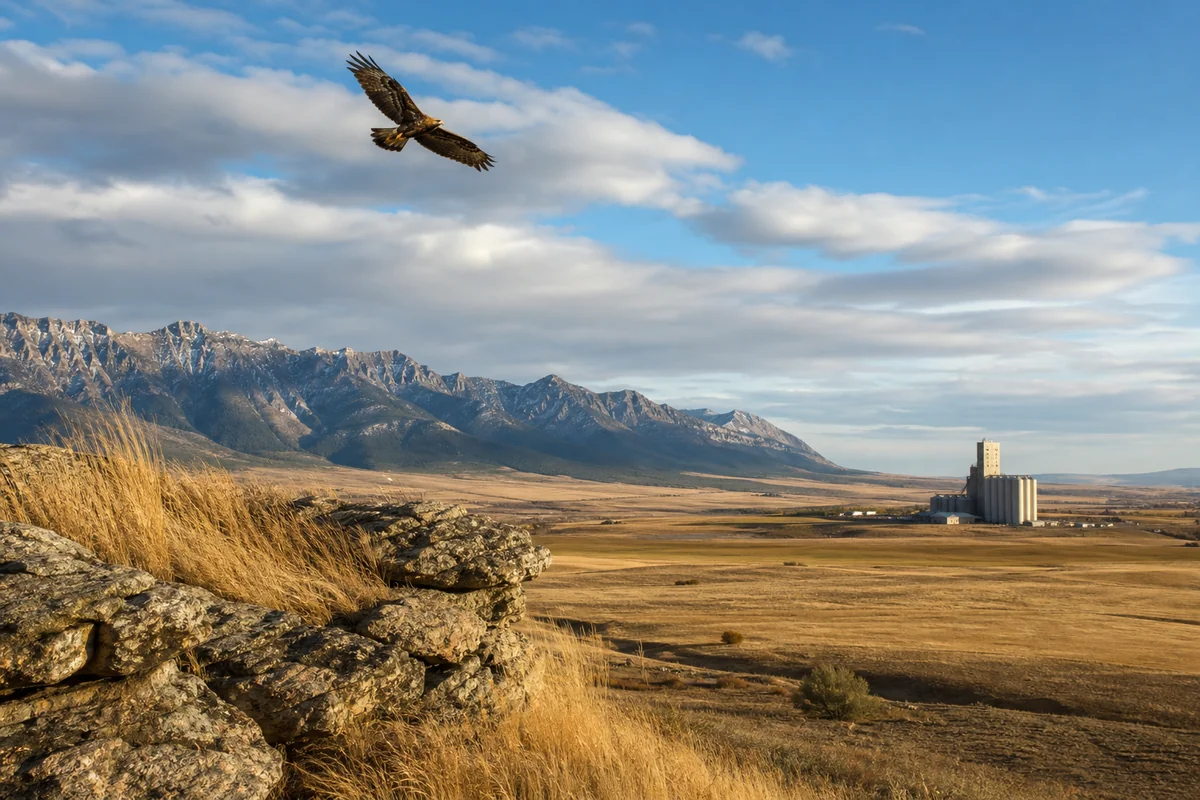
Standing at the edge of Pondera County on a windy October afternoon, watching a golden eagle ride a thermal updraft above the Rocky Mountain Front while a grain elevator anchored the horizon to the east — that moment crystallized everything this place is about.
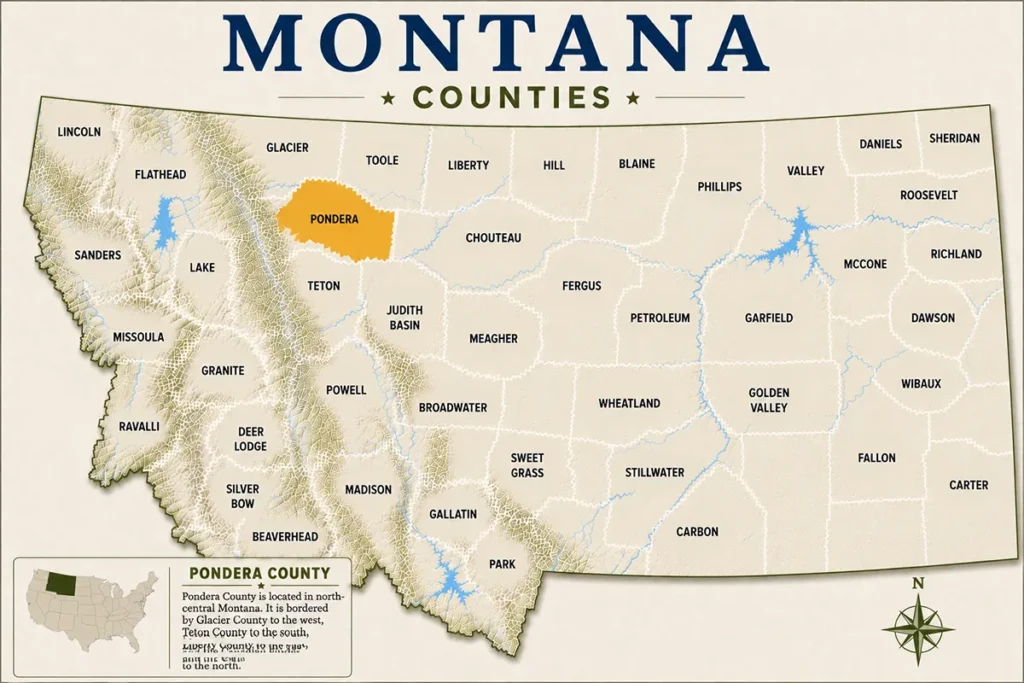
It’s the seam between two completely different Montanas, and most travelers drive right past it without stopping. If you’re exploring the 56 Montana Counties that make up this extraordinary state, Pondera County deserves a serious look.
- Pondera County sits in north-central Montana, bordered by Glacier County to the west and the vast Hi-Line plains to the east.
- Conrad is the county seat and the main hub for services, fuel, food, and lodging.
- Tiber Reservoir (Lake Elwell) is the crown jewel for outdoor recreation — boating, fishing, and camping in a dramatic, wind-swept setting.
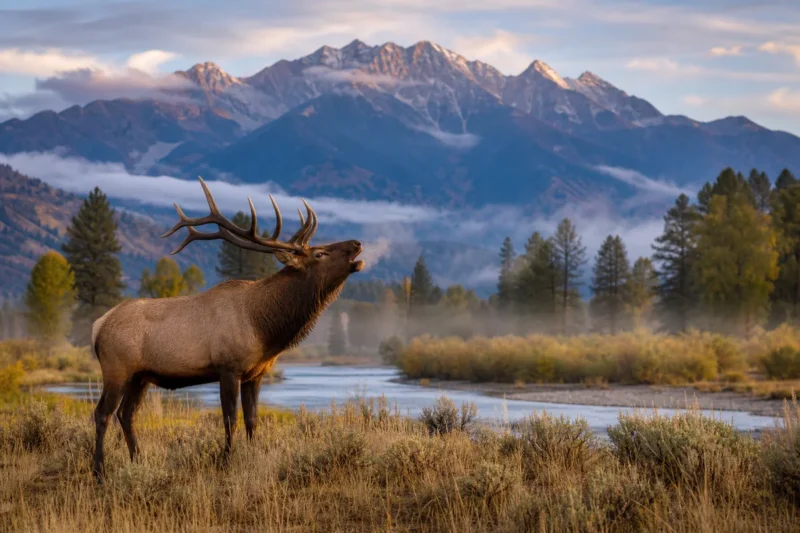
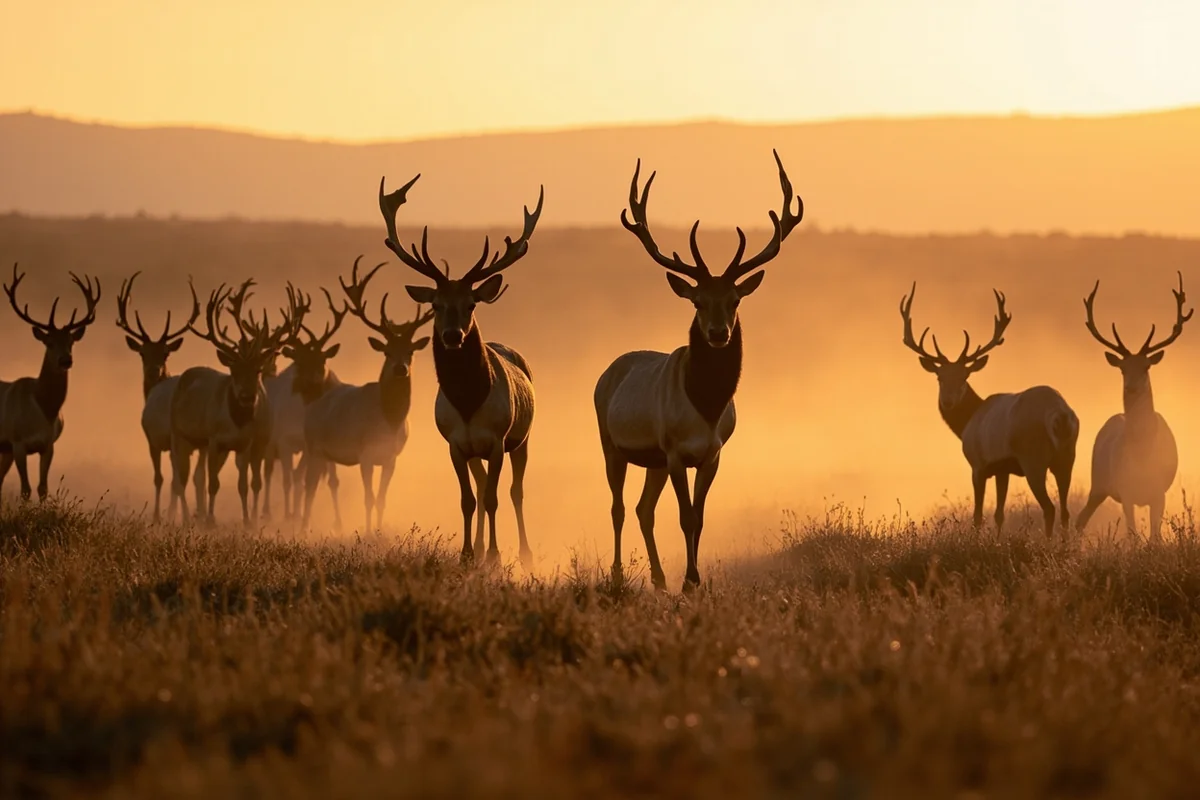
- The Rocky Mountain Front creates spectacular wildlife watching, including elk, mule deer, and migratory birds.
- Best visited May through September; winters are brutal and services become very limited.
- This is a deeply rural county — plan ahead, fill your gas tank, and don’t expect cell service everywhere.
Liked this article?
Add Roaming Montana as a preferred source so you see more of our articles and guides on Google.
Where Is Pondera County and Why Does It Matter?
Pondera County covers roughly 1,654 square miles in north-central Montana, positioned almost perfectly at the geographic transition zone between the Rocky Mountain Front and the northern Great Plains.
Conrad, the county seat, sits along US Highway 2 — the famous Hi-Line route — and Interstate 15, making it one of those places that’s surprisingly easy to reach yet almost entirely overlooked.
What makes this location genuinely compelling is the ecological drama of it. The Rockies don’t fade gently into the plains here — they end abruptly, almost like someone drew a line.
That boundary creates one of the most concentrated wildlife corridors in the Lower 48, with animals moving freely between mountain and prairie habitat depending on the season.
The county’s economy is rooted in agriculture — wheat, barley, canola, and cattle ranching define the land and the people. What surprised me most during my first visit was how the ranching culture here feels completely unperformed. This isn’t cowboy tourism; it’s just how people live.
Getting to Pondera County
The easiest access point is Conrad, which sits right at the junction of I-15 and US-2. That makes Pondera County one of the most accessible rural Montana counties in the northern part of the state — you’re not grinding down a 30-mile gravel road to get here.
From Great Falls (in neighboring Cascade County), Conrad is roughly 65 miles north on I-15. From Glacier National Park — the most common nearby destination — it’s about 70 miles southeast. Travelers heading east on US-2 from Glacier County will pass directly through Pondera County territory.
The nearest commercial airport is Great Falls International. Rental cars are available there, and a road trip north to Pondera County pairs well with a swing through Chouteau County or Blaine County if you’re doing a genuine Hi-Line loop.
Road Conditions and Driving Notes
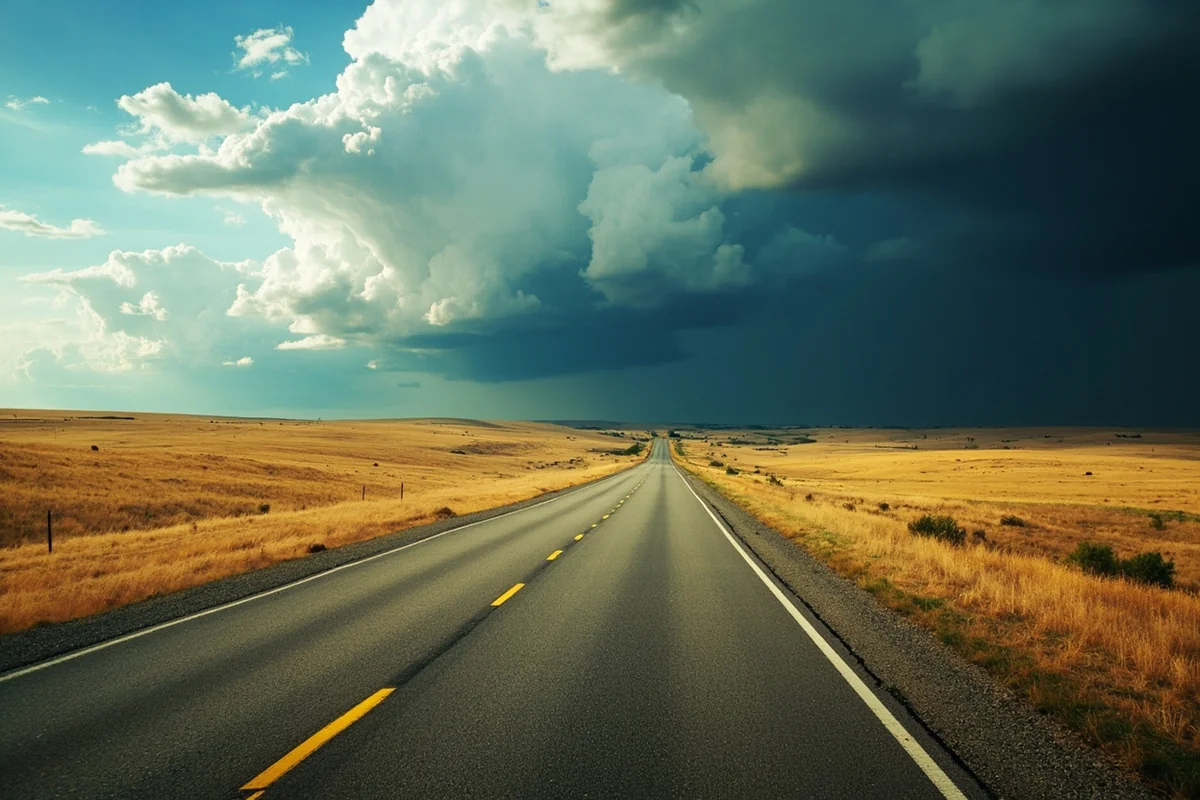
Paved roads connect the major points, but many county roads — especially those leading toward Tiber Reservoir — are gravel and can turn muddy fast in spring or after heavy rain. A truck or SUV isn’t strictly required, but ground clearance matters.
According to the Montana Department of Transportation’s road condition reports, this stretch of northern Montana can see road closures from October through April due to ice and blowing snow.
One thing that caught me off guard: wind. The Rocky Mountain Front channels wind with remarkable intensity, and driving in late afternoon on exposed county roads in a high-profile vehicle requires genuine attention.
Conrad: The County Seat
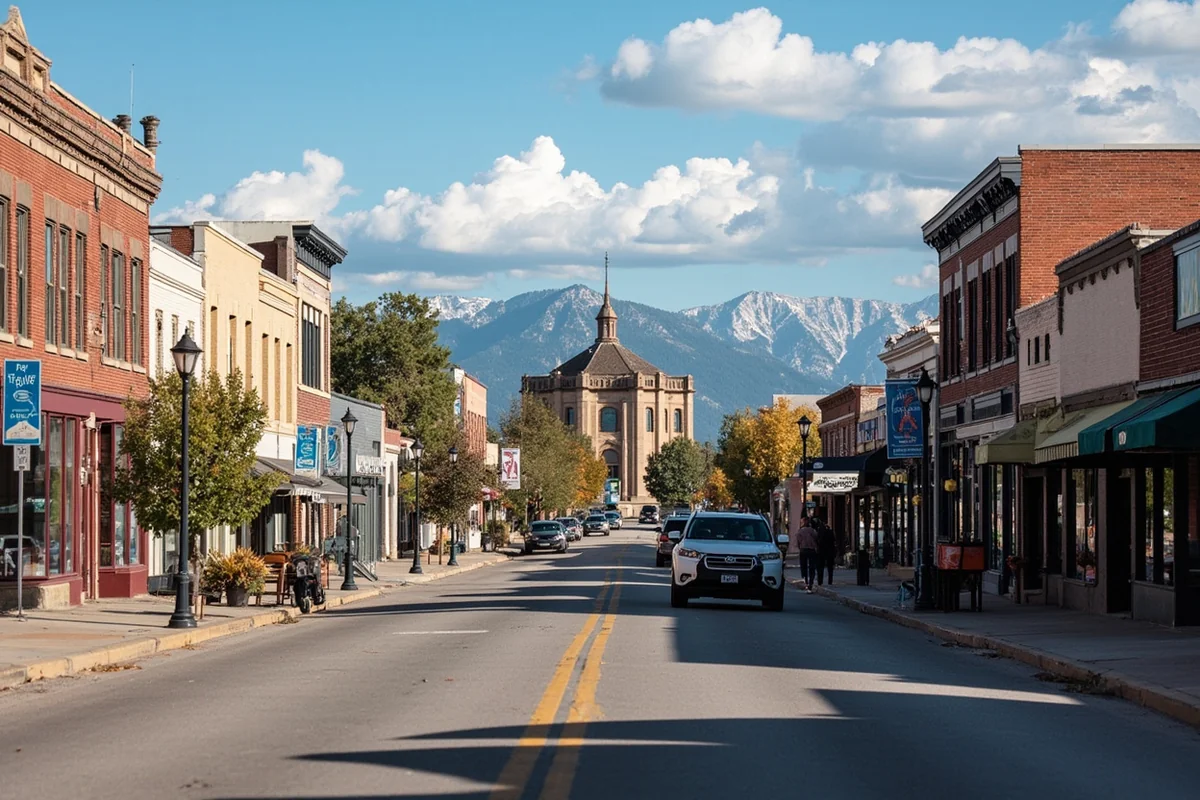
Conrad is a working agricultural town of around 2,500 people — not a tourist hub, but that’s precisely what makes it interesting. The downtown is compact and honest: a hardware store, a few diners, a couple of motels, a co-op, and the Pondera County Courthouse anchoring the main street.
During my visit, what stood out was the genuine warmth you get when you’re not one of a thousand daily tourists. People in Conrad notice you, and they’re happy to talk — especially if you show any genuine interest in the land or the farming life around you.
Where to Eat in Conrad
Options are limited but satisfying. Local diners serve the kind of breakfasts that fuel people who actually work outdoors — massive portions, real coffee, no pretense. Expect to pay somewhere in the range of $10–$16 for a full breakfast with eggs, meat, and toast. Lunch spots offer burgers and hot sandwiches at similar price points.
There’s no fine dining here, and that’s fine. Stock up on snacks and drinks from the local grocery or convenience stores if you’re heading out to Tiber Reservoir for the day, because there are no services at the lake beyond basic camping facilities.
Where to Stay in Conrad
Conrad has a small handful of motels and one or two bed-and-breakfast-style options that come and go seasonally.
Rates typically range from roughly $80 to $130 per night for a standard motel room, depending on season and availability. Book ahead if you’re visiting during summer weekends — the county doesn’t have excess lodging inventory.
Camping at Tiber Reservoir is a genuinely popular alternative, covered in detail below.
Tiber Reservoir (Lake Elwell): The Crown Jewel
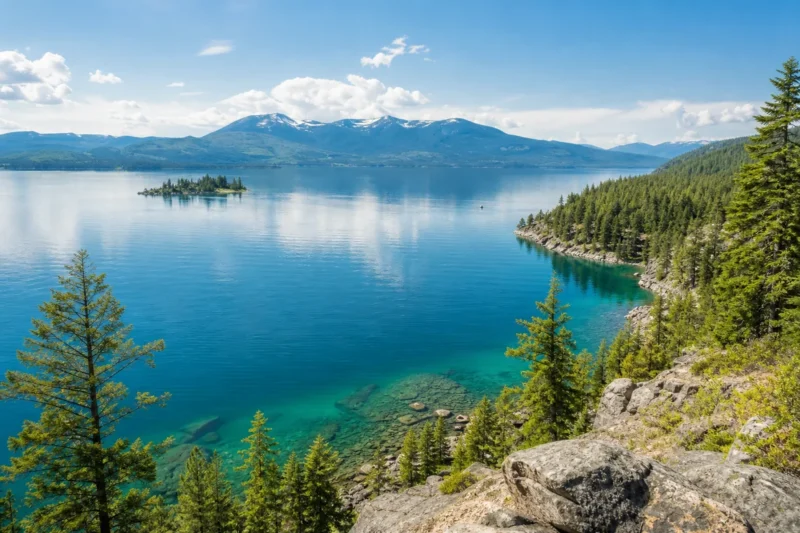
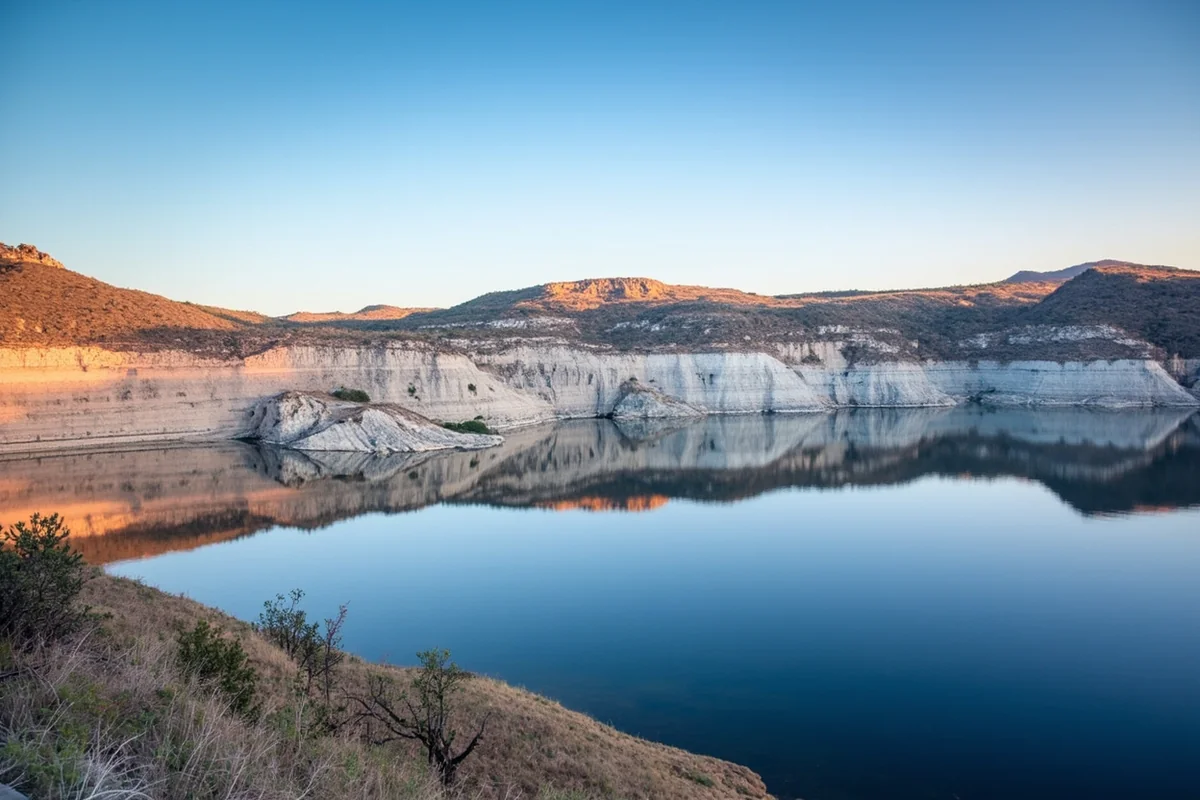
Lake Elwell — formed by the Tiber Dam on the Marias River — is Pondera County’s standout recreation destination, and it’s significantly underrated on a national scale.
The reservoir stretches for roughly 25 miles and covers over 12,000 surface acres at full pool, making it one of Montana’s largest reservoirs.
According to the Bureau of Reclamation, the Tiber Dam was completed in 1956 primarily for irrigation and flood control, but recreation quickly became a major secondary use.
What most travel guides skip is just how wild the lake feels. There are no resort developments, no waterpark infrastructure, no rental stands open on a reliable schedule. What you get instead is raw, wind-scoured Montana lakeshore, dramatic white clay bluffs dropping into blue water, and a sense of genuine solitude even in peak summer.
Fishing Lake Elwell
The fishing here is legitimately excellent. According to Montana Fish, Wildlife & Parks, Lake Elwell supports healthy populations of walleye, northern pike, yellow perch, and sauger. Walleye in the 16–22 inch range are commonly reported, and pike can run significantly larger.
The best walleye fishing tends to happen in May and early June when water temperatures are still cool and fish are active near rocky points and structure.
By midsummer, fishing shifts to early morning and evening when surface temperatures drop. What most visitors get wrong is targeting the middle of the reservoir in the middle of the day in July — you’ll struggle. Work the edges, work early.
A Montana fishing license is required. Nonresident licenses are available online through Montana Fish, Wildlife & Parks. Expect to pay in the range of $50–$85 for a nonresident season fishing license (prices were in this range at the time of writing, but check FWP directly for current fees).
Boating at Lake Elwell
There are two developed boat ramps at the lake — one near the Tiber Dam Recreation Area and one at the north end near the primitive camping areas. Both are functional but basic. Trailers and larger boats can be launched without major difficulty, though water levels vary year to year and can affect ramp accessibility in drought years.
The wind is the variable that controls everything at Lake Elwell. Mornings are typically calm — afternoon wind can build to 30+ mph and create genuinely rough chop on a reservoir this size. Experienced boaters plan accordingly and are back off the water before 2 p.m. on most summer days. That’s a real, practical piece of advice that doesn’t appear in most visitor guides.
Camping at Tiber Reservoir
The Bureau of Reclamation manages camping at several areas around Lake Elwell. Sites range from primitive dispersed camping to slightly more developed areas with vault toilets and fire rings. Fees are typically modest — usually under $20 per night for primitive sites — but confirm current rates with the Bureau of Reclamation before your visit.
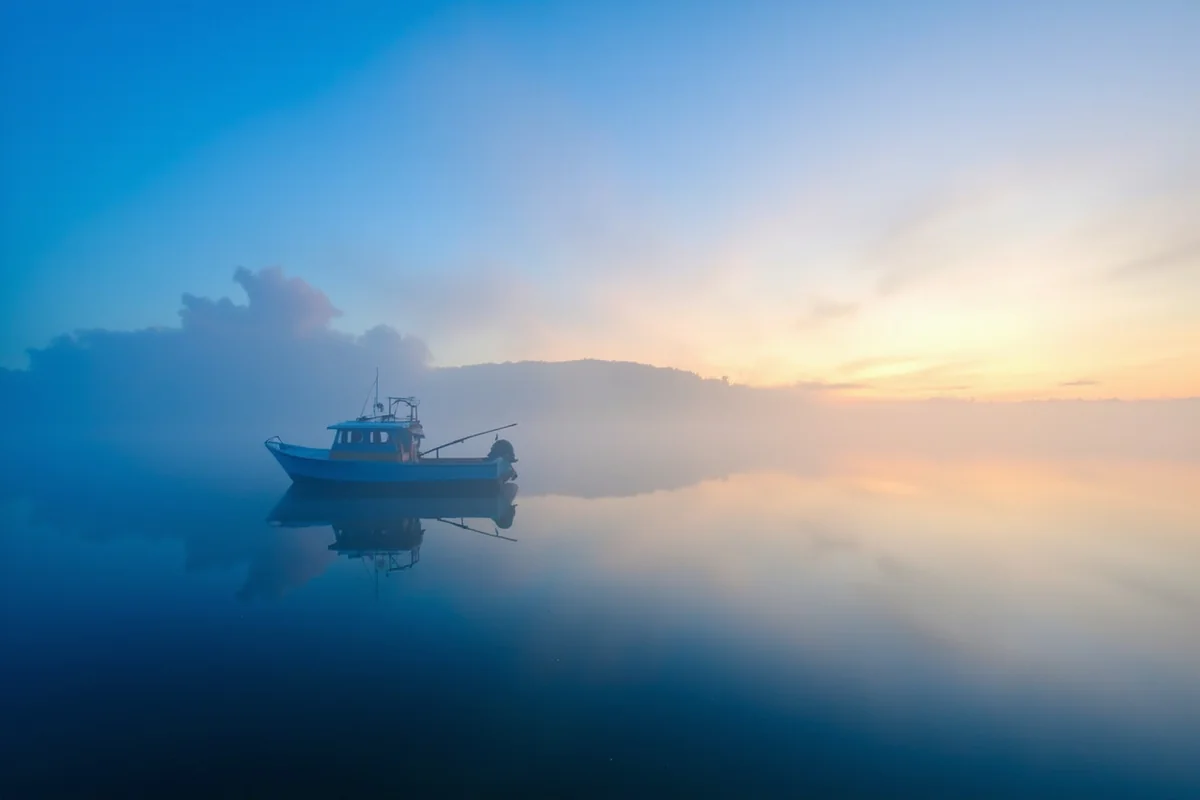
The best camping areas in my experience are the white clay bluff sites at the north end of the reservoir. The views at sunrise — pink light catching the bluffs while mist sits on the water — are the kind of thing that makes you understand why people come back every year.
Wildlife Watching and the Rocky Mountain Front
The western edge of Pondera County borders one of North America’s most ecologically significant landscapes — the Rocky Mountain Front. This is the eastern slope of the Rockies where the mountains meet the plains, and it creates a wildlife corridor that’s difficult to overstate.
Mule deer and white-tailed deer are everywhere. Elk herds move through seasonally, most visibly in early morning and late evening during October and November. Pronghorn antelope are a year-round sight on the open prairie sections — you’ll likely see them from your car before you even look specifically.
Birding
What surprised me most on a late September visit was the concentration of raptors. Golden eagles, ferruginous hawks, prairie falcons, and migrating rough-legged hawks all use the Front as a travel corridor. The area around Dupuyer — a small community in the southern part of the county — is particularly productive.
Tiber Reservoir itself draws waterfowl in significant numbers during spring and fall migration. Tundra swans, Canada geese, ducks in impressive variety, and occasionally white pelicans use the reservoir as a staging area. This part of Montana sits in the Pacific Flyway, and the numbers during peak migration weeks can be genuinely staggering.
Bears and Mountain Lions
This is the Rocky Mountain Front — grizzly bears do exist in the western portions of Pondera County. According to Montana Fish, Wildlife & Parks, the Northern Continental Divide Ecosystem grizzly population includes animals that range along the Front and occasionally move onto the prairie. Carry bear spray if you’re hiking or camping near the mountain edge, and store food properly.
Mountain lion sightings are reported periodically in the foothills. These animals are rarely seen, but their presence is real. Awareness, not fear, is the appropriate response.
Dupuyer and Other Small Communities
Beyond Conrad, Pondera County has a handful of tiny communities that are worth at least a slow drive-through if you’re exploring the western edge of the county near the Front.
Dupuyer sits about 25 miles southwest of Conrad along US-89. It’s a tiny ranching community with a population of well under 100 people, but the surrounding landscape — the Rockies rising dramatically to the west, open prairie rolling east — is genuinely spectacular.
Dupuyer Creek offers small-stream fishing opportunities, and the surrounding hills hold deer and upland birds.
Valier is another community in the county, located on Lake Frances — a smaller reservoir in the northeastern part of the county.
Lake Frances offers additional fishing and camping options, and the town itself has basic services. It’s quieter and more accessible than Tiber, making it a good option for families with young children.
Hunting in Pondera County
Hunting is deeply embedded in Pondera County culture, and the county offers serious opportunities for those who plan accordingly.
Deer hunting — both whitetail and mule deer — is popular throughout the county. Elk hunting opportunities exist in the western foothills and along the Front. Upland bird hunters target pheasant, sharp-tailed grouse, and Hungarian partridge across the agricultural land.
Antelope hunting on the open prairie sections can be exceptional. According to Montana Fish, Wildlife & Parks, the Hi-Line region including Pondera County consistently produces good antelope hunting opportunities during the September and October season.
Most of the good hunting land is private. This is not a county where you show up without a plan and expect to find public access around every corner.
Research Block Management Areas through Montana FWP before your trip — the program provides negotiated public access to private lands specifically for hunting, and several areas in Pondera County participate.
Suggested Itinerary
Day 1: Arrive, Explore Conrad, and Head to Lake Elwell
Arrive in Conrad via I-15 and get settled at your motel. Grab an early dinner at a local diner and talk to someone about current conditions at the lake — locals will give you the real picture in five minutes that you can’t get anywhere online.
After dinner, drive out to Lake Elwell (about 30 miles west of Conrad via US-2 and county roads) for the sunset. The white clay bluffs turning gold and pink in the evening light are worth the drive alone.
Day 2: Full Day at Lake Elwell
Wake up before dawn and get on the water by 6 a.m. This is the productive window for walleye fishing and also the best time for wildlife observation along the shoreline.
By mid-morning, the wind typically picks up — use that time to explore the shoreline by vehicle, set up camp if you’re staying overnight, or photograph the bluffs. In the afternoon, try some light hiking near the dam area. Return to the water in the final two hours before sunset for an evening fishing session.
Day 3: Rocky Mountain Front and Dupuyer
Drive southwest from Conrad on US-89 toward Dupuyer. Stop at pullouts along the way to observe the Rockies rising from the plains — the views along this stretch of highway are among the most dramatic in Montana.
Spend time near Dupuyer for wildlife watching; late morning is good for raptors riding thermals over the foothills. Return to Conrad for lunch, then continue north on I-15 or east on US-2 toward your next destination.
What Most Visitors Get Wrong
The single biggest mistake is underestimating the wind at Lake Elwell. Afternoon conditions can go from calm to dangerous for small boats within an hour. Multiple boating accidents have occurred on the reservoir from people caught out in unexpected afternoon squalls. Go out early, come back early — that’s the rule local fishermen follow without exception.
The second mistake is not fueling up before heading to the lake or into the rural western sections of the county. Conrad has gas stations; the roads toward Dupuyer and along the Front do not. Running low on fuel in Pondera County is not a minor inconvenience — it’s a real problem.
A third thing worth naming: cell service is intermittent to nonexistent across significant portions of the county. Download offline maps before you arrive. Google Maps works well offline if you cache the area in advance. Paper maps are not a bad idea either — the Pondera County roads can confuse navigation apps that are working from incomplete data.
Practical Information
| Category | Details |
|---|---|
| County Seat | Conrad, Montana |
| Population | Approximately 5,900 (US Census estimates) |
| Total Area | Roughly 1,654 square miles |
| Best Months to Visit | May through September |
| Main Highway Access | I-15 (north-south), US-2 (east-west), US-89 (southwest) |
| Nearest Airport | Great Falls International (~65 miles south) |
| Key Recreation Site | Lake Elwell (Tiber Reservoir) |
| Cell Service | Limited outside Conrad; plan for dead zones |
| Fishing License Required | Yes — Montana FWP nonresident licenses available online |
| Camping at Lake Elwell | Bureau of Reclamation managed; primitive to basic developed sites |
| Wildlife Precautions | Carry bear spray near Rocky Mountain Front |
| Neighboring Counties | Glacier, Toole, Chouteau, Teton |
Pondera County in Context: How It Fits a Montana Road Trip
If you’re doing a broader Montana county exploration, Pondera slots naturally into a northern Montana loop. Coming west from Chouteau County along US-2, Pondera County is the next stop before crossing into Glacier County and Glacier National Park territory.
Alternatively, heading south on I-15 from Conrad takes you through Cascade County and into Great Falls, then eventually down toward Broadwater County and the capital region.
If you’re curious about Montana’s growth trends and how rural counties like Pondera compare to fast-developing areas, Montana’s fastest growing cities and counties is worth a read — the contrast between places like Pondera and the booming southwest corner of the state is striking.
For those interested in other agricultural and plains-adjacent Montana counties, Carter County in the southeast and Fallon County offer a similar sense of deep rural Montana character, though with very different landscapes.
Seasonal Guide: When to Visit Pondera County
Spring (April–May)
Spring is dramatic and unpredictable. Snow can fall in April, and the roads to Tiber Reservoir can be muddy and rough. That said, late May brings incredible wildflower blooms along the Rocky Mountain Front, and the spring bird migration at Lake Elwell is peak spectacular. If you have flexibility and don’t mind variable conditions, late May is an underrated time to visit.
Summer (June–August)
Peak season in terms of accessibility and recreation. Fishing is active, boating is at its best in the mornings, and wildlife is visible on long evening drives. Temperatures typically range from the 70s to low 90s°F in July and August. The wind is ever-present — this isn’t a complaint, it’s just the nature of this landscape. Pack a windbreaker regardless of the forecast.
Fall (September–October)
Personally, fall is my favorite time in Pondera County. The elk are moving, the raptors are migrating, the crowds (such as they are) have thinned, and the light on the golden prairie is extraordinary. Hunting seasons are open, which means accommodation can be tighter in October, so book ahead.
Winter (November–March)
Bluntly: winter in Pondera County is serious Montana winter. Wind chills can push temperatures to -30°F or colder. Services are minimal, road conditions can be hazardous for days at a time, and Lake Elwell access is restricted. Unless you’re an experienced cold-weather traveler with appropriate gear and a very specific reason to be here, winter is not the season for a first visit.
Final Thoughts
Pondera County won’t give you the postcard glacier views of Glacier National Park or the trendy restaurant scene of Gallatin County. What it gives you is something increasingly rare: Montana the way it actually lives, off the tourism circuit, where the land and the people are completely intertwined and neither is performing for anyone.
Lake Elwell alone is worth a dedicated trip for anglers and anyone who wants big water without crowds. The Rocky Mountain Front adds a wildlife dimension that rivals far more famous destinations.
And the simple act of driving US-89 south from Conrad at sunset — watching the Rockies turn purple and the prairie turn gold — is one of those travel experiences that quietly becomes a permanent memory.
Come with a full gas tank, a downloaded offline map, bear spray if you’re going near the Front, and no particular hurry. Pondera County rewards the kind of traveler who pays attention.
How We Researched This Guide
This guide is based on multiple visits to Pondera County across different seasons, including spring migration, summer fishing trips, and a fall hunting season visit.
We explored Lake Elwell, the Conrad area, US-89 along the Rocky Mountain Front, and the Dupuyer corridor firsthand, with conversations with local ranchers, anglers, and Conrad business owners informing much of the practical detail.
Factual information about fishing regulations, wildlife populations, and camping was verified directly with Montana Fish, Wildlife & Parks and the Bureau of Reclamation. Road condition information was cross-checked with the Montana Department of Transportation.
Frequently Asked Questions
What is Pondera County, Montana best known for?
Pondera County is best known for its dramatic position along the Rocky Mountain Front, where the Great Plains meets the mountains in a striking landscape that feels unlike anywhere else in the Lower 48. The county is home to Conrad, its seat, and sits just east of Glacier National Park, making it a quieter alternative base for travelers who want proximity to the park without the crowds. The region also has deep ties to the Blackfeet Nation and is rich in Native American history and culture.
When is the best time to visit Pondera County, Montana?
The best time to visit Pondera County is late June through early September, when roads are clear, temperatures are comfortable in the 60s–80s°F, and wildlife viewing along the Rocky Mountain Front is at its peak. Spring can bring strong winds and late snow, while fall offers stunning golden landscapes and far fewer tourists if you’re willing to pack layers. Winter visits are possible for hardy travelers interested in cross-country skiing or solitude, but expect sub-zero temperatures and limited services.
How far is Pondera County from Glacier National Park?
Pondera County sits roughly 30 to 50 miles east of Glacier National Park’s eastern entrances, depending on your starting point within the county. Conrad, the county seat, is about a 60-mile drive to the St. Mary entrance via US-89, making it a realistic and much less crowded base compared to Whitefish or Kalispell. If you want to explore both the open prairie landscapes and Glacier’s peaks in the same trip, Pondera County puts you in an ideal central position.
What outdoor activities can you do in Pondera County, Montana?
Pondera County offers excellent hunting, fishing, and wildlife watching, particularly along the Rocky Mountain Front where elk, pronghorn, and migratory birds are commonly spotted. Tiber Reservoir (Lake Elwell), located in the county, is a popular spot for boating, walleye fishing, and camping, drawing anglers from across Montana and neighboring states. The county is also a gateway for hikers heading toward the Bob Marshall Wilderness and the Blackleaf Wildlife Management Area, which protects one of Montana’s most stunning canyon landscapes.
What are the best places to stay in Pondera County, Montana?
Lodging options in Pondera County are limited but practical, with several motels and small hotels concentrated in Conrad, the county seat, where nightly rates typically run $80–$130. Camping is a popular and affordable option, especially at Tiber Reservoir’s BLM-managed campgrounds, where fees are minimal and reservations are generally easy to come by even in summer. If you need more amenities, nearby Great Falls (about 60 miles southeast) offers a broader range of hotels, chain restaurants, and services.
Is Pondera County worth visiting if I’m not going to Glacier National Park?
Absolutely — Pondera County stands on its own as a destination for travelers drawn to wide-open Montana landscapes, agricultural heritage, and off-the-beaten-path adventure. The Blackleaf Canyon area within the Rocky Mountain Front is considered one of Montana’s hidden gems, offering dramatic limestone cliffs, wildflowers, and elk habitat that rivals anything in more touristy parts of the state. If you’re the type of traveler who prefers fewer crowds and authentic small-town Montana culture, Pondera County delivers that experience in full.
What should I pack and plan for a road trip through Pondera County, Montana?
Pack layers regardless of the season, as temperatures on the Montana plains can swing 30–40°F in a single day, and wind is nearly constant along the Rocky Mountain Front. Bring enough cash and fuel since services between towns can be sparse — Conrad is your best stop for gas, groceries, and supplies before heading into more remote areas. A paper or offline map is a smart backup since cell service is unreliable in much of the county, and if you plan to camp or hike the Blackleaf area, register your plans and carry bear spray.