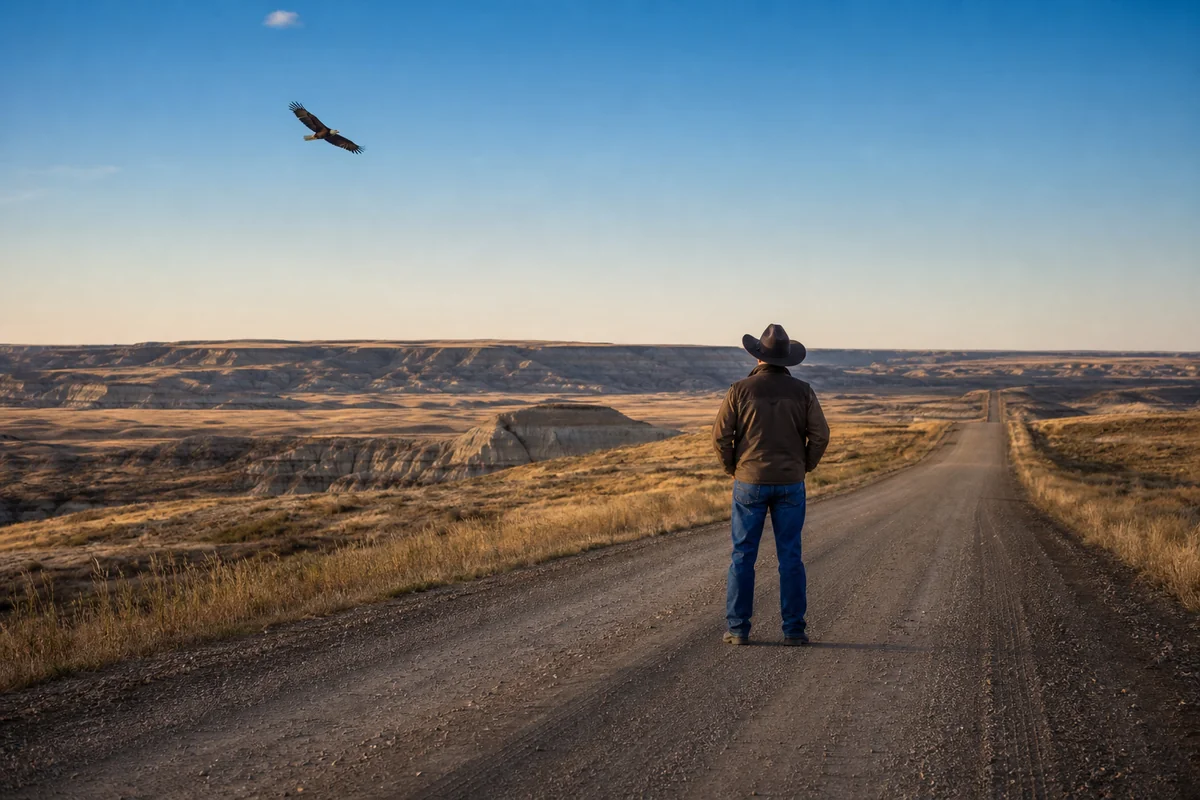
Standing alone on a dirt road outside Broadus, watching a golden eagle drift over miles of unbroken badlands with zero other vehicles in sight, it hit me — this is what Montana looked like before the crowds found it.
Powder River County is one of the least-visited corners of all 56 Montana Counties, and that, more than anything else, is its greatest gift.
- Powder River County is one of Montana’s most remote and least-visited counties — expect genuine solitude and big sky scenery
- Broadus is the only town of any size; fuel up and stock provisions before exploring the backcountry
- Outstanding wildlife viewing, particularly pronghorn, mule deer, and raptors year-round
- The Medicine Rocks State Park and the Powder River itself are the headline natural draws
- Best visited May–October; harsh winters make some dirt roads impassable
- Cell service is extremely limited — download maps and plan offline navigation before arriving
- A destination for visitors who want authentic Montana, not a polished tourist experience
Liked this article?
Add Roaming Montana as a preferred source so you see more of our articles and guides on Google.
Where Is Powder River County?
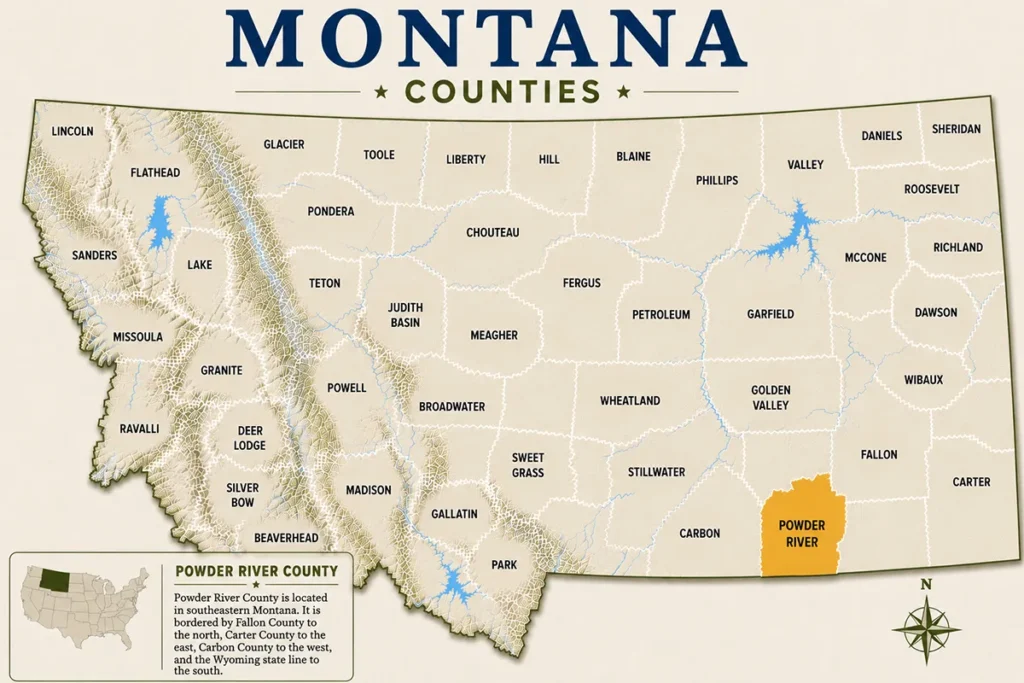
Powder River County sits in the far southeastern corner of Montana, sharing its southern border with Wyoming. It’s roughly 200 miles east of Billings and about 100 miles west of the North Dakota state line — genuinely in the middle of nowhere, in the best possible sense.
The county covers approximately 3,297 square miles, yet its population hovers around 1,700 people. To put that in perspective, the population density is roughly half a person per square mile. This isn’t hyperbole — on a mid-September drive through the county, the only things outnumbering people were pronghorn antelope.
Broadus serves as the county seat and the single real hub for services. Everything else is ranch land, river breaks, and open sky.
A Quick History of Powder River County
The name “Powder River” traces back to the fine black sand that once gave the river a dark, gunpowder-like appearance. The Powder River itself runs roughly 375 miles from Wyoming north into Montana before joining the Yellowstone River near Terry — and this county encompasses a substantial stretch of it.
The region was traditional territory for multiple Indigenous nations, including the Lakota, Northern Cheyenne, and Crow peoples, all of whom used the river breaks for shelter and the plains for hunting. The Indian Wars of the 1870s played out across this landscape, and that history is still palpable when you stand in the open grasslands.
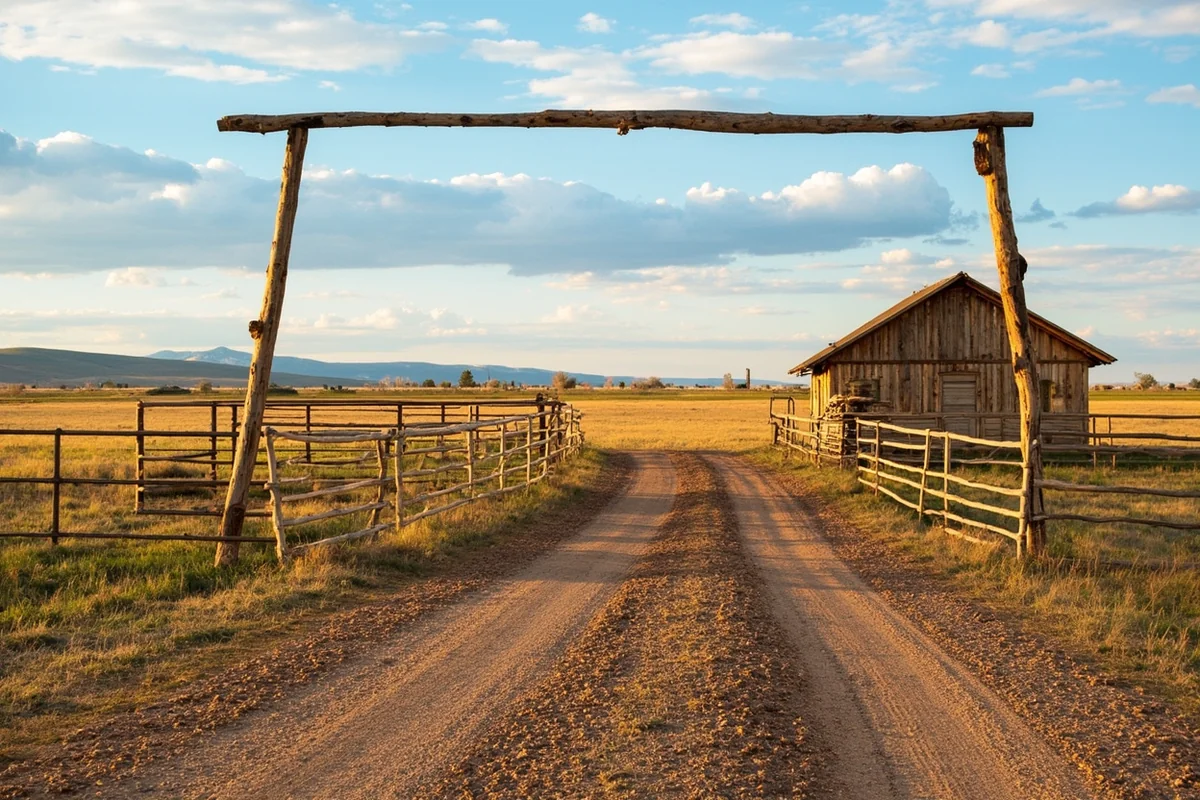
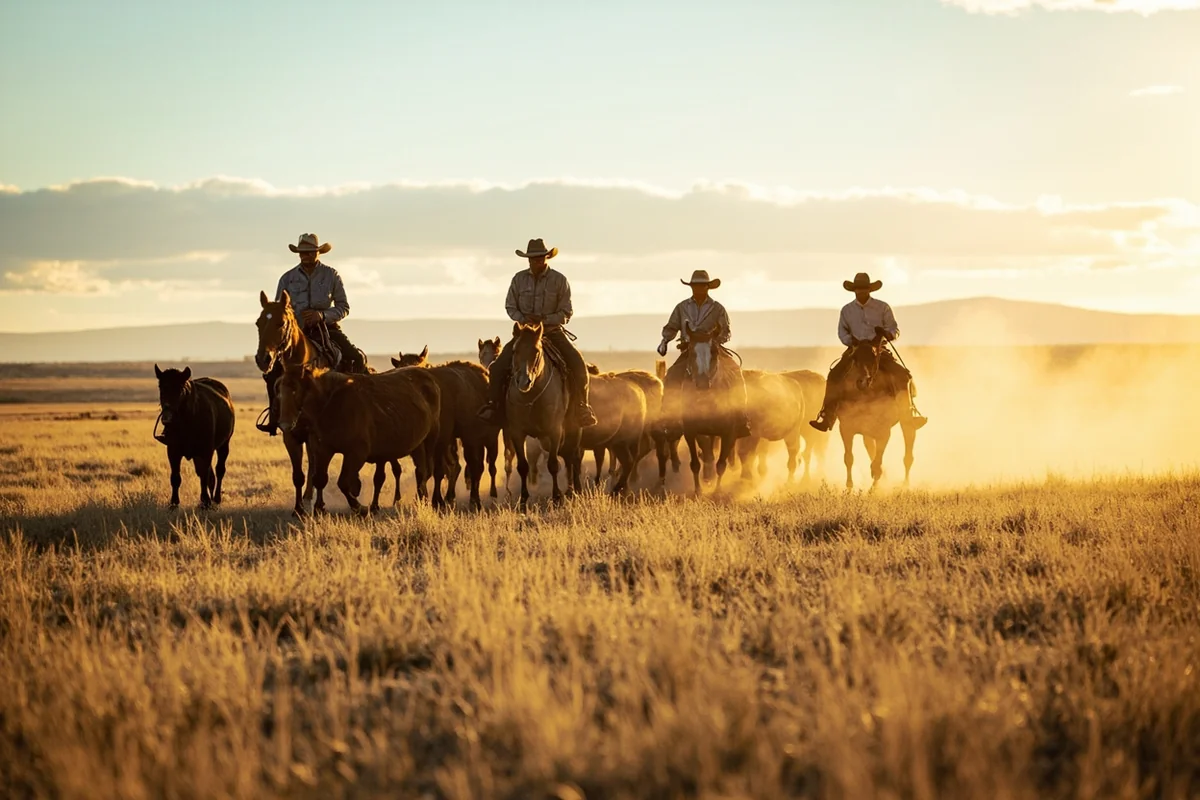
Cattle ranching transformed the region in the late 1800s, and it never really stopped. Powder River County remains one of Montana’s most authentic ranching communities — beef cattle operations still dominate the local economy today. You’ll see more working cowboys here than in almost any other Montana county.
What Makes Powder River County Different
Most of Montana’s tourism attention flows west — to Glacier, to the Beartooths, to Gallatin County and its gateway to Yellowstone. Southeast Montana operates on an entirely different frequency.
There are no national parks here. No ski resorts, no crowded trailheads, no coffee shops with five-star Google reviews. What exists instead is an almost cinematic emptiness — the kind of landscape that stops you mid-conversation.
One thing that caught me off guard was the sheer sound of silence. After spending time in western Montana counties where even the quieter trails carry ambient noise from distant roads or fellow hikers, the Powder River country offers something rarer: genuine acoustic solitude. Stand still for thirty seconds and you might hear nothing except wind through the grass.
This county also sits within the broader Missouri River Country travel region, which gives it strong cultural and geographic ties to the eastern Montana frontier experience.
Top Things to Do in Powder River County
Medicine Rocks State Park
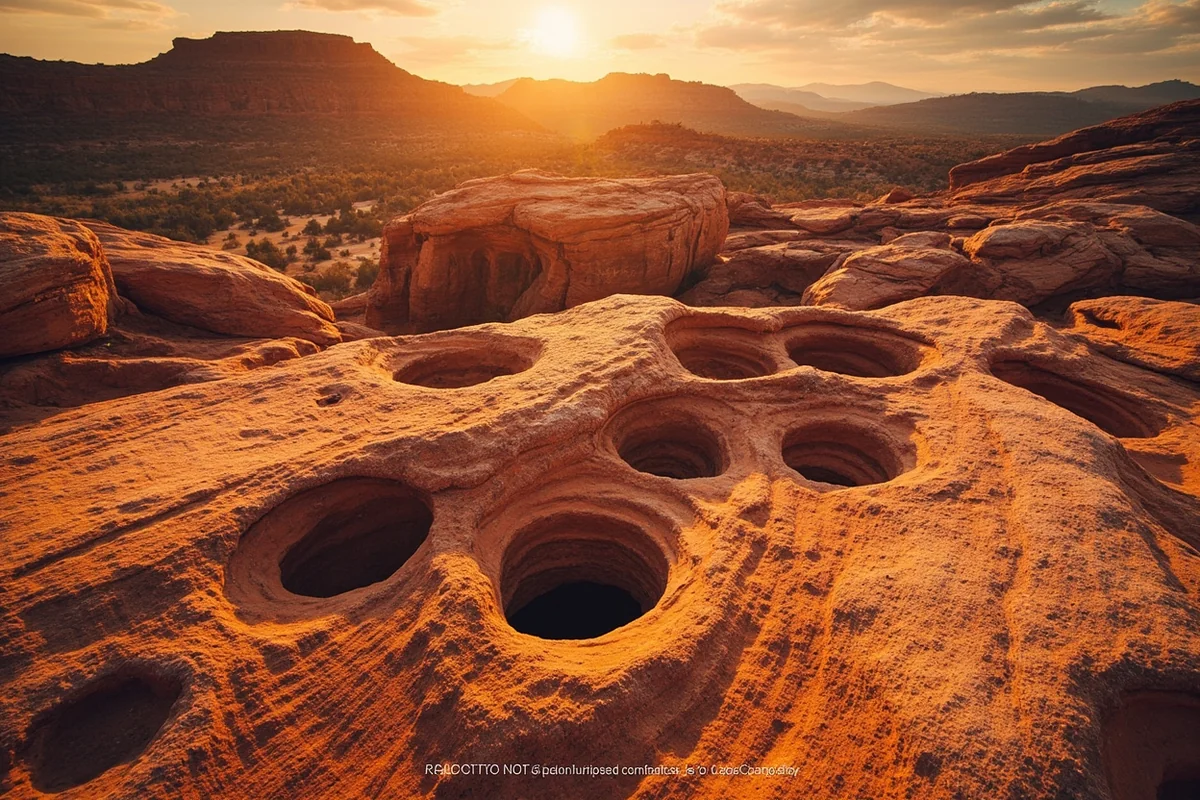
This is the jewel of Powder River County and arguably one of the most underrated state parks in all of Montana. Located about 25 miles south of Baker (in neighboring Fallon County, but easily accessible from Broadus), Medicine Rocks features extraordinary sandstone formations that rise out of the plains in dramatic, otherworldly shapes.
The rocks are pocked with holes and caves carved by wind and water erosion over millennia. Theodore Roosevelt visited this area in the 1880s and wrote about it in glowing terms — calling it “as fantastically beautiful a place as I have ever seen.” That quote has aged surprisingly well.
Camping is available, typically at a very reasonable nightly rate. The site feels like a secret — on a mid-week visit in early June, the entire campground had only two other parties. If you’re traveling southeast Montana and you skip this, you’ll regret it.
The Powder River Itself
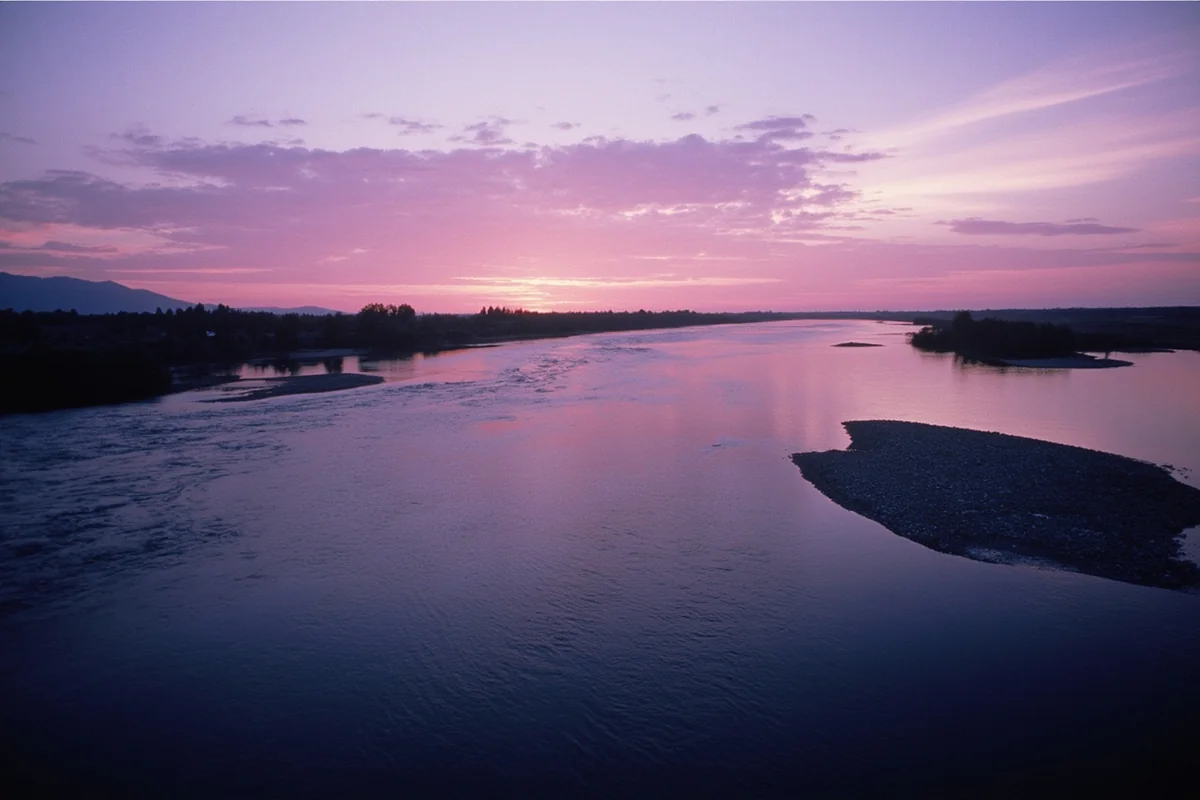
The river that gave this county its name is a genuine draw for those who know to look for it. The Powder is a slow, wide, meandering river — not the kind of dramatic whitewater that generates Instagram content, but deeply beautiful in its own way.
Fishing the Powder for smallmouth bass, catfish, and the occasional walleye is a surprisingly rewarding experience. According to Montana Fish, Wildlife & Parks, the Powder River drainage supports populations of sauger, channel catfish, and various warm-water species that are less commonly targeted than Montana’s famous trout — but just as satisfying to catch on the right setup.
Bank fishing access points exist near Broadus, and the river corridor provides excellent bird habitat, particularly in spring and fall migrations.
Wildlife Watching
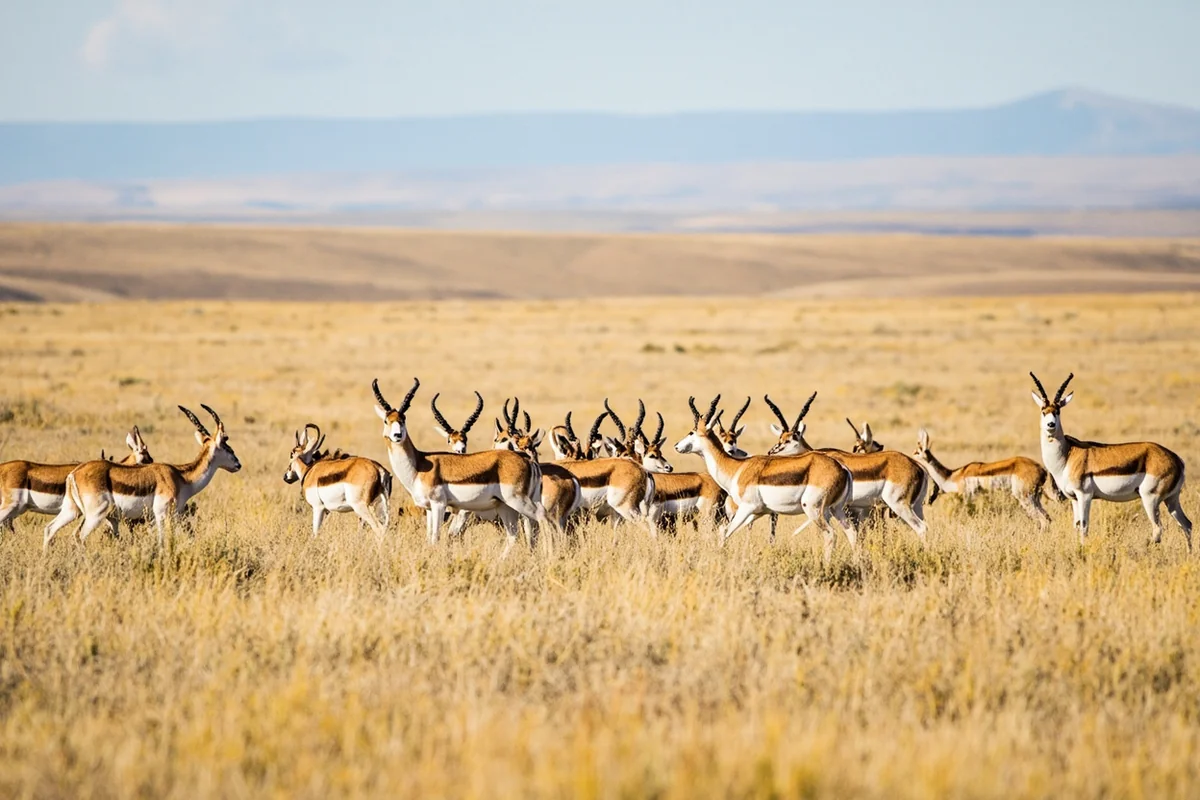
The open grasslands and river breaks of Powder River County support one of the more impressive wildlife assemblages in eastern Montana. Pronghorn antelope are essentially everywhere — it’s not uncommon to see herds of 20 or 30 animals grazing within view of the main road.
Mule deer concentrate in the river breaks, particularly in October and November. White-tailed deer appear along the river corridor. Golden eagles and ferruginous hawks hunt the open prairie year-round, and on a good day in March or April, you might spot a prairie falcon or a northern harrier cruising the draws.
What most visitors don’t realize is that the badland terrain southeast of Broadus offers exceptional off-season wildlife viewing precisely because there’s no hunting pressure from guided operations — just the animals going about their lives.
Ranching Heritage and Local Culture
The community of Broadus is a genuine working ranching town, not a heritage tourism performance. The local coffee shop conversations are about cattle prices, rain forecasts, and fencing projects — not wi-fi passwords and juice cleanses.
Attending the Powder River County Fair or a local rodeo (typically held in summer) gives you direct access to one of Montana’s most authentic rural communities. The Powder River Historical Museum in Broadus is worth an hour of your time — the collection of ranching artifacts, Indigenous history, and frontier-era photographs is genuinely absorbing.
If neighboring counties interest you, Carter County to the south and Custer County to the west both offer similarly rugged eastern Montana experiences worth combining into a longer southeastern road trip.
Rockhounding and Agate Hunting
Here’s something most travel guides completely skip: Powder River County is excellent rockhounding territory. The river gravels and eroded badland formations yield Montana moss agate, petrified wood, and various jaspers that draw dedicated collectors from across the region.
Montana moss agate is found throughout the Yellowstone and Powder River drainages, and Powder River County gravel bars are legitimate hunting grounds. The key is getting landowner permission before crossing onto private property — which covers the vast majority of the county. Most ranchers, in my experience, are surprisingly gracious when you ask politely and explain what you’re looking for.
Scenic Drives and Backcountry Roads
US Highway 212 cuts across the county east-west, providing the primary paved route. But the real scenery unfolds on the county roads heading north into the breaks country or south toward the Wyoming line.
Montana Highway 59 runs north-south through Broadus and offers dramatic badland views, particularly in the 30-mile stretch south toward the state line. A loop combining Highway 212, Highway 59, and select county roads makes for an outstanding full-day scenic drive — just keep the fuel tank above half at all times.
Suggested Itinerary
Day 1: Arriving in Broadus and Settling In
Arrive in Broadus by early afternoon via US-212 from the west (Billings is roughly a 2.5-hour drive). Fuel up immediately — this is not optional. Pick up groceries or provisions at the local store if you’re planning backcountry time.
Spend the late afternoon exploring downtown Broadus and visiting the Powder River Historical Museum. Drive the short stretch south on Highway 59 toward the Powder River bridge at dusk — the evening light on the river breaks is genuinely stunning. Find accommodations in Broadus (see below) and rest up.
Day 2: Medicine Rocks and the Badlands
Start early and drive south toward Medicine Rocks State Park — it’s about 65 miles from Broadus via Highway 212 east and then south through Baker. Allow a full morning at the park; the trail system is modest but the exploration rewards patience.
Return via a different route if road conditions allow, cutting through the county roads north of Baker for additional badland scenery. Spend late afternoon at a riverside access point on the Powder for fishing or simply watching the light change over the water.
Day 3: Wildlife and Departure
Reserve the early morning for wildlife watching — pronghorn are most active in the first two hours after sunrise. Drive the county roads east of Broadus toward the river breaks for the best mule deer habitat.
If you’re continuing west, the drive toward Custer County and Miles City takes about an hour and offers another full day of southeastern Montana exploration. Alternatively, head south into Wyoming or east toward the Dakotas — all equally dramatic departures from a county that doesn’t let you leave unaffected.
Where to Stay in Powder River County
Accommodation options are genuinely limited in Powder River County — and that’s not a complaint, it’s useful information.
Broadus has a small number of motels and guest ranches. Expect to pay roughly $80–$130 per night for a basic motel room, with rates varying by season. Guest ranch stays tend to run higher — generally $150–$250+ per night depending on the property and whether meals are included.
Camping at Medicine Rocks State Park costs typically under $30 per night. For dispersed camping on BLM land within the county, there’s generally no fee, but you’ll need to confirm land status and access with the local BLM field office.
Pro tip: Book Broadus accommodations well in advance if you’re visiting during hunting season (October–November). The town fills up with out-of-state hunters and rooms disappear fast.
Where to Eat in Broadus
Dining options in Broadus are few but honest. The local café-style restaurants serve substantial meals — the kind of portions designed for people who do physical work. Expect ranch-style breakfasts, burgers, and beef-heavy dinner menus.
Prices tend to be noticeably lower than in Montana’s western tourist corridors. A full breakfast with coffee typically runs under $15. What surprised me most was the quality — a simple beef burger at the local diner was made from genuinely good local beef, and it showed.
Don’t arrive expecting craft cocktails or farm-to-table menus. Do expect honest food served by people who know their neighbors’ names.
Practical Information
| Detail | What You Need to Know |
|---|---|
| County Seat | Broadus |
| Population | Approximately 1,700 (one of Montana’s least populated counties) |
| Best Time to Visit | May through October; spring and fall are ideal for wildlife and wildflowers |
| Cell Service | Very limited — Verizon has the best rural coverage; download offline maps before arriving |
| Fuel | Available in Broadus; next options are Baker (east, ~45 miles) or Miles City (west, ~60 miles) |
| Road Conditions | Many county roads are unpaved; check with local businesses after rain or in winter |
| Nearest Hospital | Powder River Medical Clinic in Broadus (limited); nearest full hospital is Miles City (~60 miles) |
| Time Zone | Mountain Time (MT) |
| Main Industry | Cattle ranching, energy (coal and oil) |
What Most Visitors Get Wrong
Underestimating the Distances
This is the single most common mistake. Travelers assume that because the county “isn’t that big on the map,” everything is close together. In reality, a 40-mile drive on a county dirt road in wet conditions can take well over an hour. Plan your days with generous buffer time.
Ignoring the Weather Windows
Spring in Powder River County can be spectacular — blooming wildflowers, active wildlife, mild temperatures. But a late April snowstorm can turn those beautiful county roads into impassable mud within hours. Calling ahead to a local business or gas station for road condition updates is genuinely useful, not just precautionary.
Summer heat deserves respect too. Temperatures regularly exceed 95°F in July and August, with almost no shade in the open badlands. An early start and an afternoon retreat to air conditioning is a sensible strategy.
Neglecting Water Supplies
There are no convenience stores, no roadside water points, and no trail infrastructure in most of Powder River County’s backcountry. Carry significantly more water than you think you need — at least a gallon per person per day in summer, more if you’re hiking or doing physical activity.
Trespassing on Private Land
This is critically important. The vast majority of Powder River County’s land is privately owned. Montana’s stream access law allows public access to the beds and banks of streams, but beyond the waterline, permission is required. Most ranchers are reasonable, but showing up uninvited creates real friction in a community that has long memories and small social circles.
Expecting Tourist Infrastructure
No visitor center. No interpretive trails with detailed signage. No gift shops. These are features, not bugs — but if you’re not mentally prepared for genuine frontier remoteness, the experience can feel underwhelming rather than liberating.
Powder River County vs. Neighboring Counties
For context, it helps to understand how Powder River County fits alongside its neighbors.
Big Horn County to the west offers the Little Bighorn Battlefield National Monument and more developed tourism infrastructure. Fallon County to the east (home to Medicine Rocks) is similarly rural but has the slightly larger town of Baker as its hub. Carter County to the south is, if anything, even more remote.
The key difference with Powder River is the river itself — it anchors the landscape and creates a biodiversity corridor that neither of those neighboring counties quite matches. The combination of open grassland, river breaks, and badland formations in a single county is genuinely rare.
Those interested in exploring more of eastern Montana’s character can also look into Dawson County and Custer County for a fuller picture of the southeastern corridor.
Who Should Visit Powder River County
Powder River County is not for everyone, and that’s precisely its appeal. The visitors who get the most from it tend to share a few characteristics.
They’re comfortable with solitude. They find satisfaction in a landscape that asks nothing of them — no itinerary, no line to join, no experience to purchase. They value authenticity over polish, and they understand that “remote” is a description, not a problem.
Road trippers working through eastern Montana — particularly those exploring the broader southeast quadrant that includes Garfield County and Custer County — will find Powder River County an essential piece of the puzzle. Wildlife photographers, rockhounds, fly fishers willing to target warm-water species, and history buffs interested in the frontier cattle era all have specific, substantive reasons to be here.
The county is also genuinely off-grid in ways that appeal to a growing cohort of travelers who are consciously seeking digital disconnection. No cell service isn’t a warning label here — for the right visitor, it’s the main selling point.
Final Thoughts
Powder River County won’t compete with Glacier or Yellowstone for your Instagram feed. But the memories it generates are different in quality — slower, quieter, and somehow more lasting. The space itself does something to you after a day or two. The horizon line stretches so wide and the sky carries so much weather that you start recalibrating what “big” actually means.
What I’d tell anyone considering this trip is simple: go with fewer plans than you think you need. The discovery framing works better here than anywhere else in Montana. Drive until something stops you. Get out and walk. Watch the light move across the badlands for an hour without photographing it.
Powder River County rewards presence over planning, and it punishes hurry with nothing but more empty road. In a world increasingly designed for frictionless experience, that friction is the whole point.
How We Researched This Guide
This guide is based on multiple visits to Powder River County and the broader southeastern Montana corridor across different seasons, including spring wildlife viewing, summer backcountry exploration, and fall driving.
Firsthand observations were collected through direct exploration of Broadus, the Powder River corridor, and Medicine Rocks State Park, combined with conversations with local business owners, ranchers, and the Broadus Chamber of Commerce.
Factual details about fishing were verified against current information from Montana Fish, Wildlife & Parks (fwp.mt.gov), and land access information was cross-referenced with the Montana Bureau of Land Management’s Miles City Field Office.
Road condition and service information was confirmed through direct local contact at the time of most recent visit.
Frequently Asked Questions
What is the best time of year to visit Powder River County, Montana?
The best time to visit Powder River County is late spring through early fall, roughly May through September, when the roads are passable and the rolling prairie landscapes are at their most vivid. Summer temperatures typically range from the mid-60s to upper 80s°F, making it ideal for hiking, wildlife watching, and exploring the Chalk Buttes. If you’re after big game hunting or a more solitary experience, early fall in September and October is absolutely stunning with fewer crowds.
How far is Powder River County from Billings, Montana?
Powder River County’s county seat, Broadus, sits about 135 miles southeast of Billings along US-212, making it roughly a 2 to 2.5-hour drive depending on conditions. The route takes you through classic eastern Montana high plains terrain, and I’d recommend fueling up in Miles City before heading south since services get sparse quickly. Keep in mind that parts of the surrounding area involve gravel roads, so factor in extra travel time if you’re venturing off the main highway.
What are the top things to do in Powder River County, Montana for first-time visitors?
First-time visitors should make the Chalk Buttes and Ekalaka area a priority, as these striking white formations rising from the prairie are unlike anything else in Montana. The Medicine Rocks State Park, just over the border in Carter County, is worth pairing with your Powder River County trip for its eerie sandstone formations. Birdwatching, pronghorn spotting, and pulling over to photograph the wide-open sky are genuinely some of the most rewarding experiences in this remote corner of Big Sky Country.
Is Powder River County suitable for a road trip through eastern Montana?
Absolutely — Powder River County is one of the most rewarding stops on an eastern Montana road trip, especially if you’re following the Lewis and Clark or Custer Battlefield trail routes along US-212. The county offers a genuine off-the-beaten-path experience with very little commercial tourism, which is a big draw for travelers tired of crowded destinations. Just plan your fuel stops carefully, as gas stations are limited to Broadus and a handful of small towns, and carry water and snacks for longer drives into the backcountry.
What should I budget for a trip to Powder River County, Montana?
Powder River County is one of Montana’s more budget-friendly destinations simply because amenities are limited — you’re not paying resort-town prices here. Basic motel rooms in Broadus typically run $80–$130 per night, and meals at local diners will cost you $10–$20 per person. If you’re camping, the county has free and low-cost dispersed camping options on BLM land, making it very affordable for outdoor-focused travelers willing to be self-sufficient.
What should I pack for a trip to Powder River County’s remote prairie landscape?
Since Powder River County is genuinely remote, I’d treat packing like you would for a backcountry trip even if you’re mainly driving — bring extra water (at least a gallon per person per day), a paper map or downloaded offline GPS, and a basic vehicle emergency kit. Sun protection is critical on the exposed eastern Montana plains, so pack high-SPF sunscreen, a wide-brim hat, and sunglasses. Cell service is extremely limited outside of Broadus, so download your maps, accommodations info, and trail guides before you arrive.
Are there any unique wildlife viewing opportunities in Powder River County, Montana?
Powder River County is one of the best places in the Lower 48 to see large herds of pronghorn antelope moving freely across open rangeland, often right from the highway. Mule deer, wild turkey, and sharp-tailed grouse are also commonly spotted, and the area is a notable destination for upland bird hunters from across the US. If you visit during early morning or evening hours along the Powder River bottomlands, you have a solid chance of spotting white-tailed deer and even the occasional elk moving through the riparian corridor.