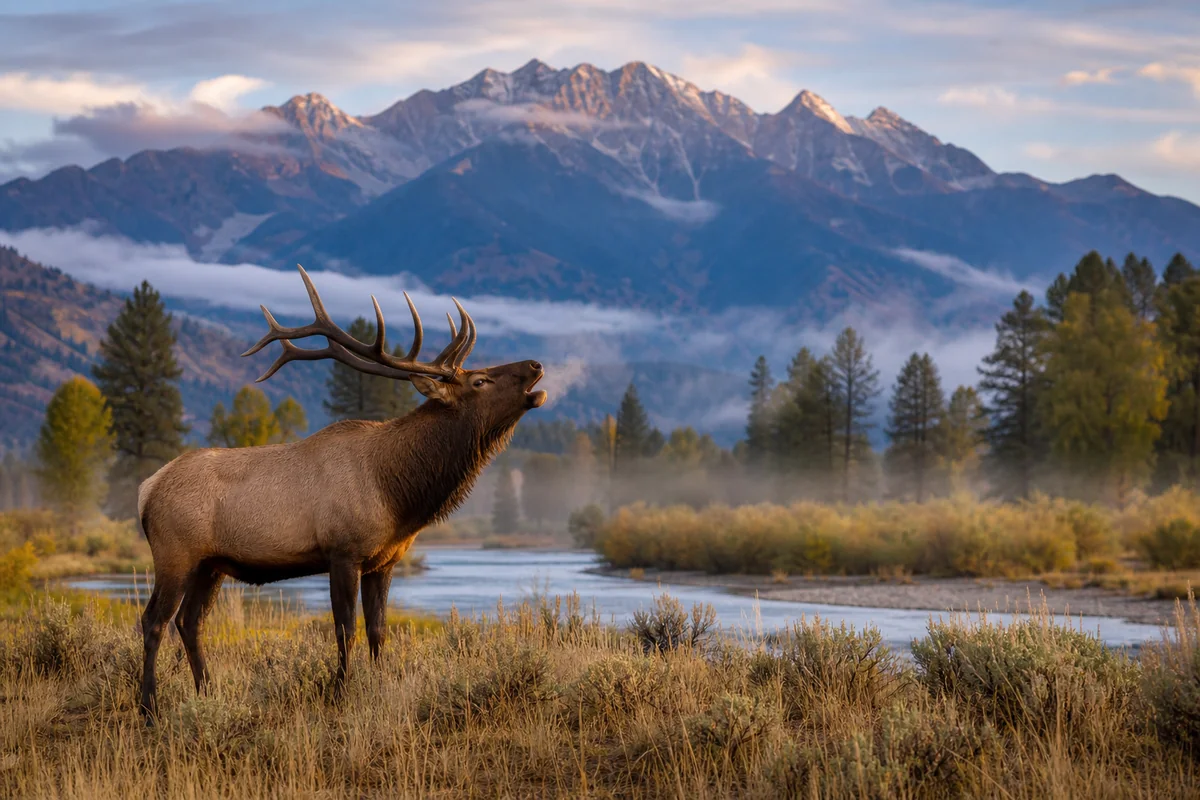
Standing at the edge of a meadow just south of Hamilton on a cool September morning, watching a bull elk bugle across the Bitterroot River while mist still clung to the Sapphire Mountains — that’s the kind of moment Ravalli County delivers without warning.
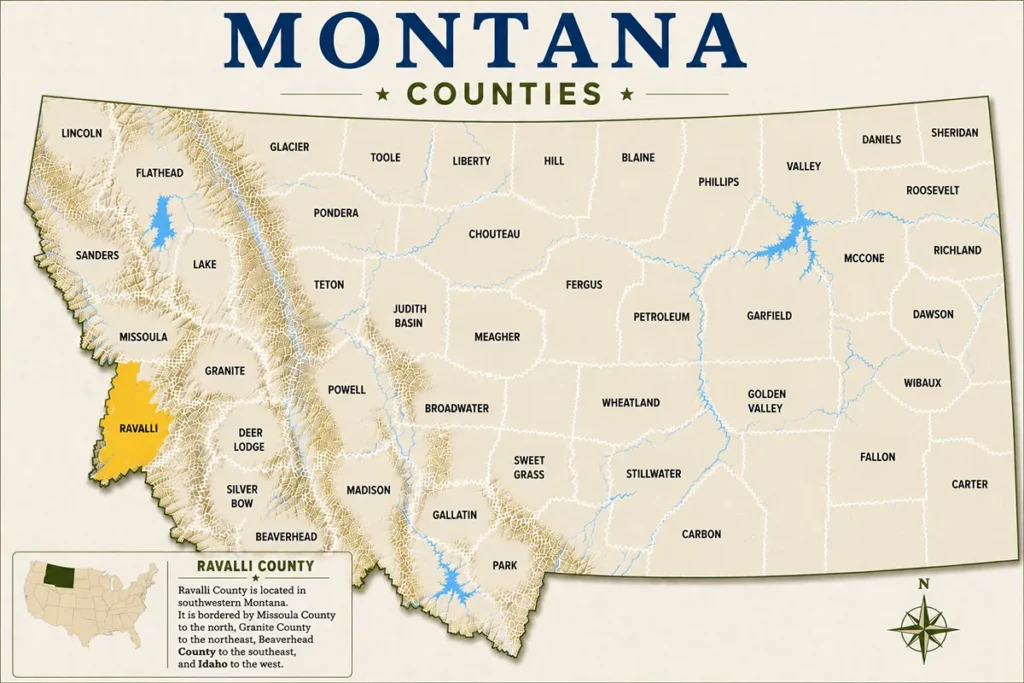
This is one of Montana’s most visually striking corners, and it belongs firmly on your radar when exploring the 56 Montana Counties that make up the state.
- Ravalli County sits in the Bitterroot Valley in southwest Montana, bordered by the Bitterroot and Sapphire mountain ranges
- Hamilton is the county seat — small, walkable, and packed with character
- Top draws include the Bitterroot National Forest, fly fishing the Bitterroot River, wildlife watching, and historic Fort Owen
- Best visited late May through October, though winter brings excellent Nordic skiing and solitude
- Crowds build fast in July and August — book accommodation well in advance
- Cell service is patchy south of Hamilton — download offline maps before you go
Liked this article?
Add Roaming Montana as a preferred source so you see more of our articles and guides on Google.
Where Is Ravalli County?
Ravalli County occupies a long, narrow slice of southwestern Montana, running roughly 100 miles from north to south through the Bitterroot Valley. It sits between the rugged Bitterroot Mountains to the west — which form the Idaho border — and the gentler Sapphire Mountains to the east.
The county is anchored by Hamilton, the county seat, about 45 miles south of Missoula on US-93. Most visitors driving down from Missoula notice immediately how the valley opens up, the mountains tighten on both sides, and the Bitterroot River appears and disappears alongside the highway like an old companion.
The major towns from north to south are Stevensville, Victor, Corvallis, Hamilton, Darby, and Sula. Each has its own personality, and stringing them together across a few days is genuinely one of the best ways to experience the county.
A Quick History of Ravalli County
Ravalli County was established in 1893 and named after Father Anthony Ravalli, an Italian Jesuit missionary who served the Salish people in the mid-1800s. The Bitterroot Valley had been home to the Salish (Flathead) people long before European-American settlers arrived, and that history is still very much present in the landscape and culture.
Fort Owen, near Stevensville, marks the site of St. Mary’s Mission — one of the first permanent white settlements in Montana. Marcus Daly, the copper king from Butte, also left a significant mark here, establishing his elegant Daly Mansion estate in Hamilton in the late 1800s.
What surprised me most on my first visit was how layered this history feels. It’s not confined to museums — it shows up in irrigation ditches that have watered the same fields for 150 years, in orchards that still produce apples along the valley floor, and in the Salish place names that outlasted every attempt to replace them.
Hamilton: The Heart of Ravalli County
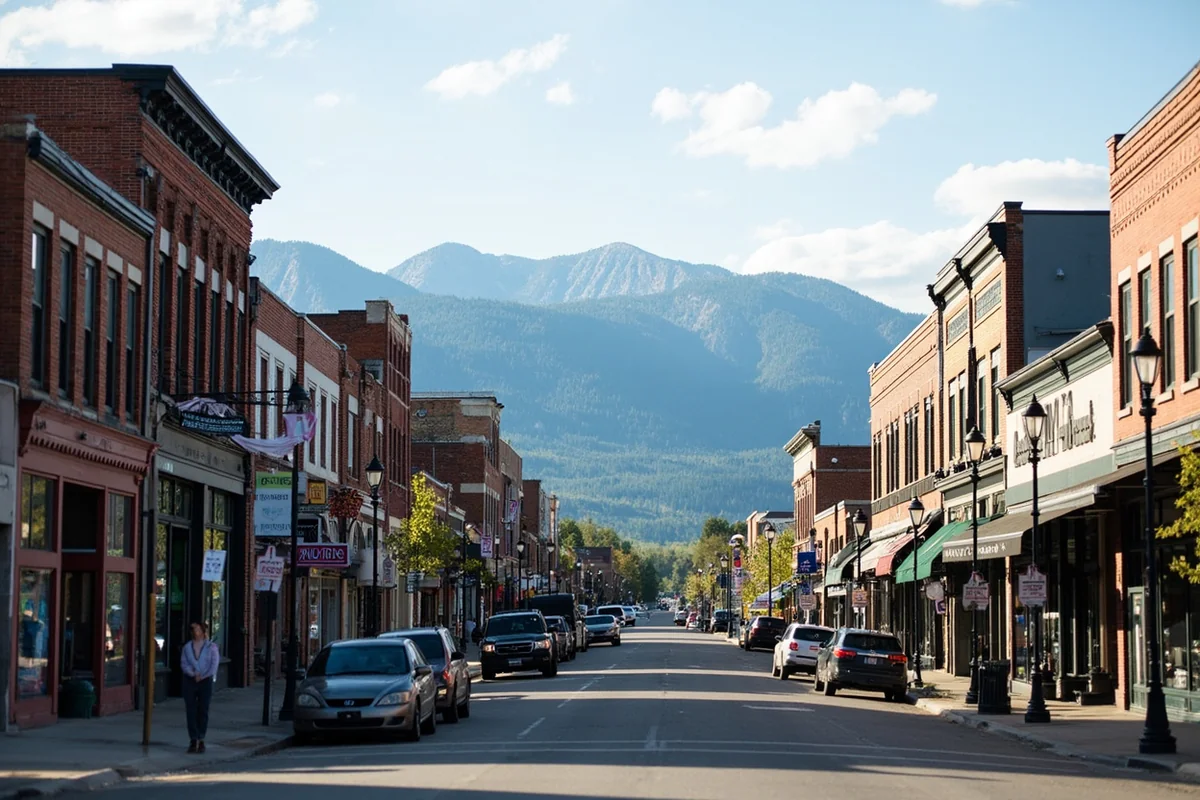
Hamilton is a genuinely pleasant small town — population around 4,500 — with a proper main street, good coffee, independent bookshops, and a handful of excellent restaurants. It doesn’t feel staged for tourists, which is exactly why it works.
The Daly Mansion on the north edge of town is the cultural anchor. Built by copper magnate Marcus Daly, this 24,000-square-foot Georgian Revival estate is open for tours from May through September. It’s one of the more unusual historical sites in all of Montana — the scale of it feels completely out of place in a small valley town, which is precisely the point Daly was trying to make.
The Ravalli County Museum, housed in the old courthouse building, does a solid job covering indigenous history, the homestead era, and the valley’s ranching legacy. Allow an hour minimum if history interests you at all.
Downtown Hamilton has a cluster of galleries, breweries, and farm-to-table restaurants that have grown substantially in recent years. The Hamilton Brewing Company on Main Street is a reliable stop — pints are generally in the typical Montana craft beer range, and the patio fills up fast on summer evenings.
Natural Attractions: Mountains, Rivers, and Everything Between
Bitterroot National Forest
The Bitterroot National Forest covers more than 1.6 million acres and is the dominant natural feature of the county. According to the US Forest Service, it contains over 1,600 miles of trails — enough to keep even the most dedicated hiker busy across multiple visits.
The west side of the valley is where the serious terrain lives. Trails heading into the Selway-Bitterroot Wilderness climb steeply and stay wild. On a recent trip in late June, the upper reaches of the Lost Horse Creek trail still had significant snow above 7,000 feet — worth checking current conditions with the Darby Ranger District before heading out.
The east side is gentler and often overlooked. The Sapphire Mountains offer quieter hikes with sweeping views back toward the Bitterroots — the kind of perspective that makes the geography of the valley suddenly make sense.
Bitterroot River Fly Fishing
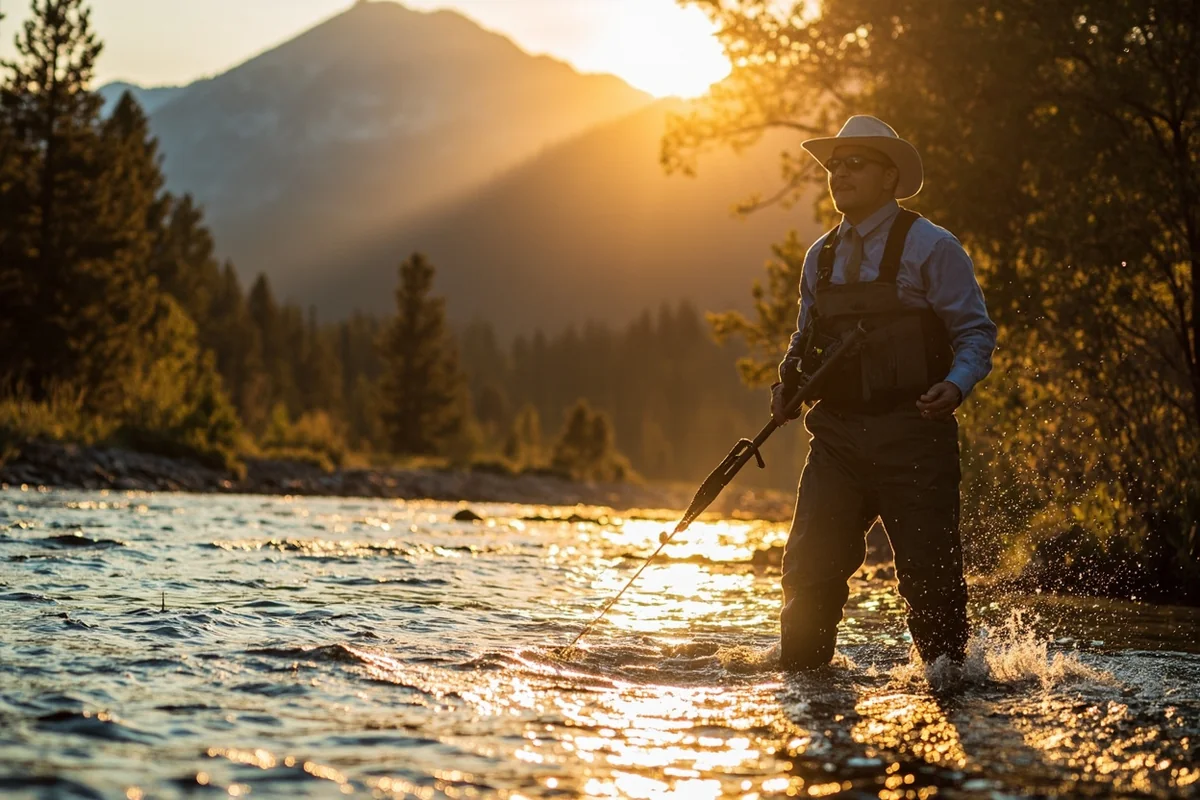
The Bitterroot River is one of Montana’s premier fly fishing rivers, and it earns that reputation. The river runs roughly 75 miles through the valley and holds good populations of westslope cutthroat trout and rainbow trout. According to Montana Fish, Wildlife & Parks, the river is a blue-ribbon fishery for much of its length.
The best dry fly fishing typically runs from late June through September. Early July, when the salmonfly hatch is either finishing or transitioning to golden stoneflies, can be exceptional — though the weather window is unpredictable.
Most anglers wade fish the upper river near Darby and Sula, where the water is narrower and more technical. Guided float trips on the lower river are worth considering if you’re newer to the river — local guides from Hamilton or Stevensville know the runs intimately. Expect to pay roughly $450–$600 for a full-day guided float trip, depending on season and group size, though rates vary between outfitters.
One thing worth knowing: the Bitterroot can drop and warm quickly in late summer. By mid-August some years, guided operations voluntarily stop fishing midday to protect fish health. It’s worth calling ahead if you’re planning a late-season trip.
Blodgett Canyon
Blodgett Canyon is one of those places that rewards the extra effort to find it. Located west of Hamilton, the canyon cuts deep into the Bitterroot Mountains and offers one of the most dramatic U-shaped canyon views in the state.
The trail follows Blodgett Creek for several miles through a narrow, cliff-walled corridor before opening into broader wilderness country. The round-trip day hike to the first waterfall is manageable for most visitors; going deeper requires overnight gear and solid navigation skills.
Trailhead parking fills early on summer weekends — arriving before 8 a.m. makes a real difference. What the photos don’t convey is the scale of those granite walls overhead.
Wildlife Watching
Ravalli County consistently produces excellent wildlife viewing. The valley floor and river corridor support healthy populations of white-tailed deer, elk, black bear, and the occasional moose near the northern end. Bald eagles winter along the Bitterroot River in significant numbers, and osprey are common through summer.
The Lee Metcalf National Wildlife Refuge near Stevensville is a quiet gem that most visitors drive past without stopping. The refuge protects wetland and riparian habitat in the heart of the valley, and the interpretive trail system is short enough that you can walk the whole thing in under two hours. Waterfowl are abundant in spring and fall; songbird diversity peaks during May migration.
Keep an eye on the Skalkaho Highway (MT-38) east of Hamilton if you’re crossing toward the Phillipsburg area — this route through the Sapphires regularly produces moose and bear sightings at dawn and dusk. It’s also one of the most scenic drives in the region.
Stevensville and Fort Owen
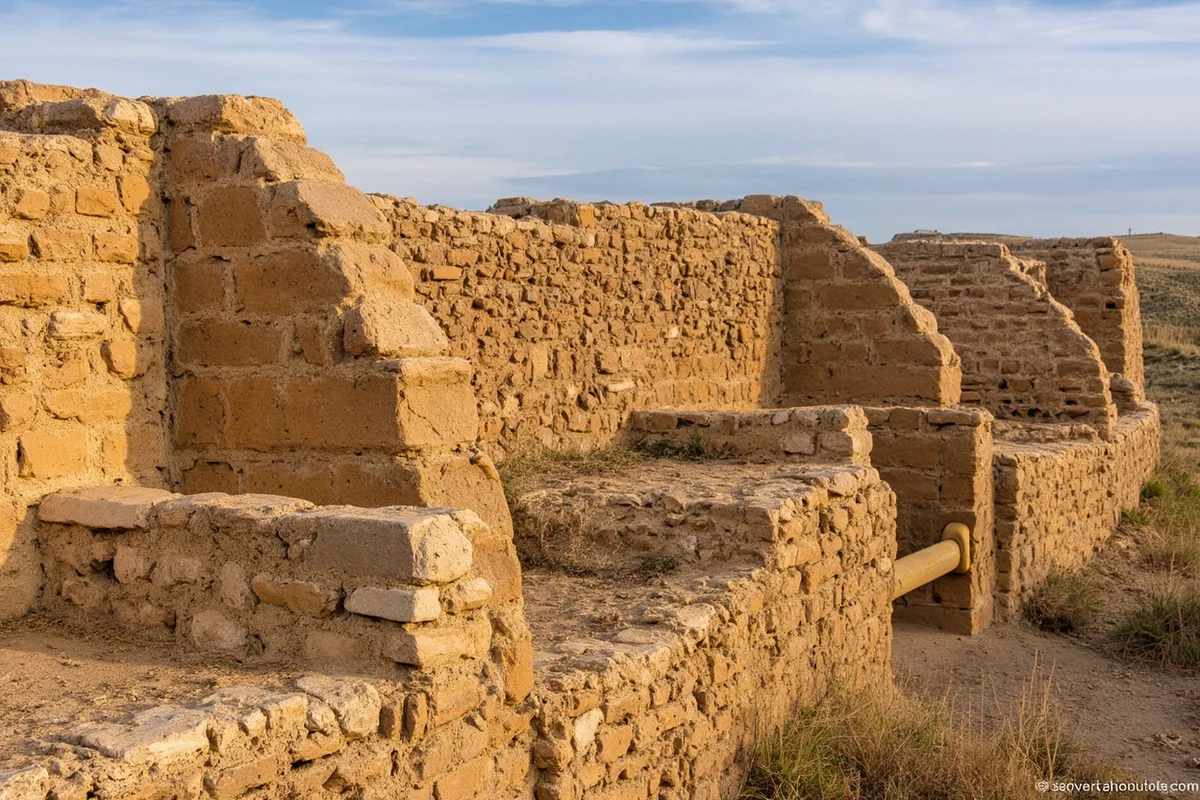
Stevensville claims the title of Montana’s oldest non-indigenous settlement. Fort Owen State Park preserves the remains of the original trading post and mission buildings — adobe walls that have stood since the 1840s. It’s a free site, low-key, and genuinely moving if you take a few minutes to absorb what you’re looking at.
The town of Stevensville itself is quieter than Hamilton but has a loyal local character. The Saturday farmers market in summer draws producers from across the valley and is worth building your schedule around if you’re there on a weekend.
Outdoor Recreation Beyond Hiking and Fishing
Mountain Biking
The trail systems around Hamilton and Corvallis have expanded significantly in the past decade. The Riverside Trail along the Bitterroot River is a good beginner route with easy access from Hamilton. More technical riding is available in the surrounding forest, particularly the trails above Corvallis.
Nordic Skiing and Snowshoeing
The Bitterroot Valley gets quieter in winter, and that solitude is part of the appeal. The Sleeping Child Hot Springs area east of Hamilton and the forest roads around Sula provide good Nordic skiing access after a solid snowfall. There are no maintained groomed Nordic centers of significant scale in the county — most winter users are self-sufficient.
Rafting and Kayaking
Spring runoff on the Bitterroot turns the river into a legitimate whitewater destination for a few weeks, typically late April through early June. Class II-III water is common in the upper canyon sections near Darby. By midsummer, the river calms considerably and is excellent for float tubing and casual paddling.
Where to Stay in Ravalli County
| Type | Location | Best For | Typical Price Range |
|---|---|---|---|
| Dude / Guest Ranch | Darby / Sula area | Full immersion, multi-day stays | Roughly $200–$400/night, varies widely |
| Vacation Rental (cabin) | Throughout the valley | Families, longer stays | Generally $150–$350/night |
| Motel / Inn | Hamilton | Short stays, solo travelers | Typically $100–$180/night |
| Campground (National Forest) | Bitterroot NF sites | Budget, hikers, anglers | Usually under $25/night |
| Glamping | Various valley operators | Comfort-seekers, couples | Roughly $175–$300/night |
July and August accommodation in Ravalli County sells out weeks ahead — sometimes months. Booking early is not optional during peak season. Spring and fall provide much better availability and typically lower rates.
Suggested Itinerary
Day 1: Arrive, Explore Stevensville and the North Valley
Drive south from Missoula on US-93 and make your first stop at the Lee Metcalf National Wildlife Refuge outside Stevensville. Walk the interpretive loop and take your time — the birdlife alone can fill an hour.
Head into Stevensville for lunch and spend some time at Fort Owen State Park before the afternoon. The old adobe walls at Fort Owen require no more than 30 minutes but tend to stay with you.
In the late afternoon, drive down to Hamilton and check in. Spend the evening exploring downtown — the main street is compact and walkable. Dinner at one of the local farm-to-table spots is a good investment; the kitchen scene in Hamilton has genuinely improved over the past few years.
Day 2: Bitterroot Mountains and River
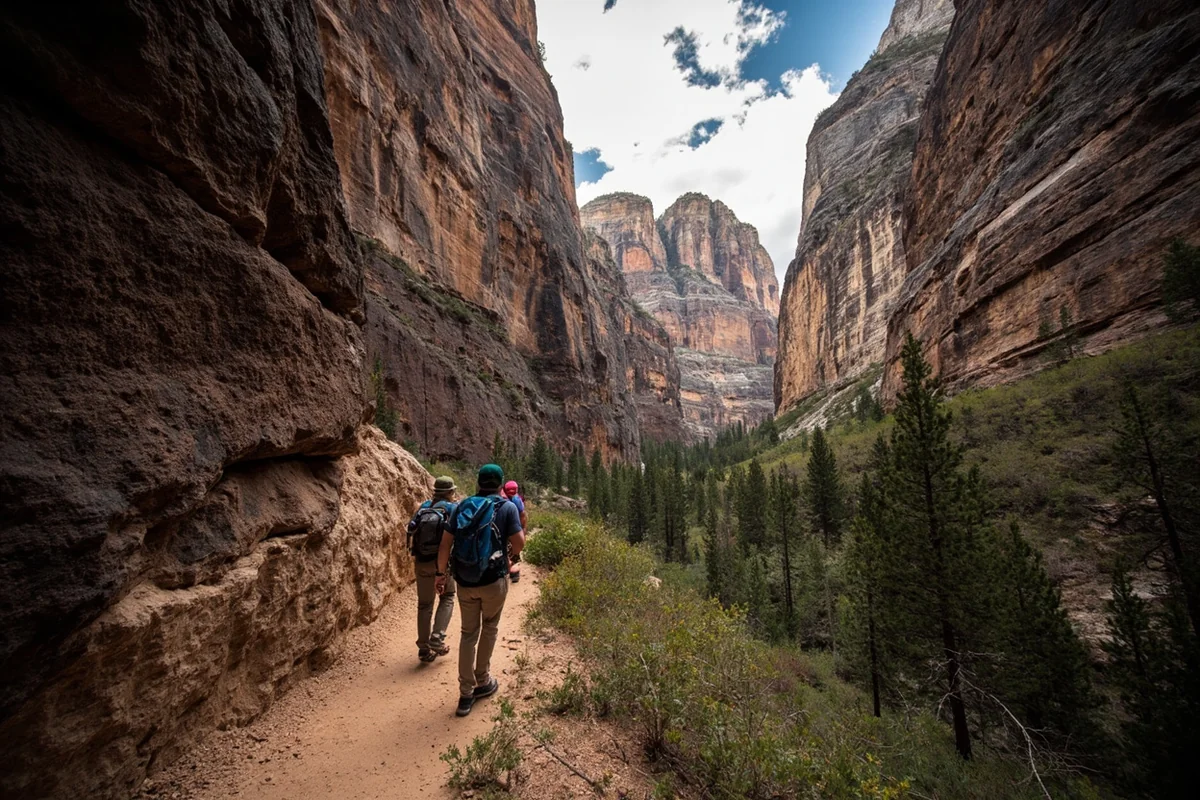
Make an early start for Blodgett Canyon — the parking lot fills by 9 a.m. on weekends. Hike to the first waterfall and back (around 6 miles round-trip) and be back at the trailhead before lunch.
After the hike, cool off at the Bitterroot River. There are good public access points near Hamilton. If you fish, bring gear and plan an evening session when temperatures drop and bugs begin to hatch. Non-anglers can simply wade and watch — the river is beautiful regardless.
Evening back in Hamilton. If you want live music or a more social night, check what’s on at the local venues — the valley has a surprisingly active music scene during summer.
Day 3: South Valley to Darby and Sula
Drive south on US-93 toward Darby and then Sula. This stretch of the valley is quieter, more open ranch country, with the mountains closing in again near the state divide.
Pull off at the Sula Ranger District area and explore one of the shorter forest trails — the terrain here has a different character than the north valley. Wildlife sightings are common in the morning hours.
The Skalkaho Highway (MT-38) connects the valley to Phillipsburg in Granite County if you’re extending your Montana road trip — it’s worth the detour just for the drive. On the return, stop in Darby for a meal before heading back north.
Getting Around Ravalli County
A personal vehicle is non-negotiable here. There is no meaningful public transit within the county, and the distances between trailheads, towns, and viewpoints make driving unavoidable.
US-93 runs the length of the valley and is well-maintained year-round. Side roads heading west into the Bitterroot Mountains are often unpaved above the first few miles and can be impassable in mud season (typically March through early May) or after heavy rain.
Cell service deserves special attention. Hamilton and Stevensville have decent coverage. South of Hamilton toward Darby and Sula, service becomes unreliable. Download offline maps on Google Maps or Gaia GPS before leaving Hamilton — this is not optional advice if you’re heading into the forest.
Best Time to Visit Ravalli County
Late May through early October covers the primary visitor season. Each window has distinct character worth understanding.
Late May–June: Wildflowers are at peak, rivers are high and fast, and the forest is genuinely green. Snowpack can still close higher trails early in the season. Fewer crowds than peak summer.
July–August: Peak season. Trails are open, fishing is good, and temperatures are warm but rarely oppressive — the valley sits at around 3,500 feet elevation, which moderates summer heat significantly. Accommodation books up fast and trailhead parking is competitive.
September–October: Personally, this is my favourite window. Elk rut in September produces extraordinary wildlife viewing. Aspen and larch turn gold across the mountains in October. Crowds thin out dramatically after Labor Day.
November–March: Winter is quiet and beautiful. Cross-country skiing, snowshoeing, and simply watching the valley under snowpack have their own rewards. Services are reduced — some campgrounds close, some restaurants cut their hours.
What Most Visitors Get Wrong
Underestimating the distances: The valley looks compact on a map. It’s 100 miles long. Assuming you can see Stevensville, Hamilton, and Sula in a morning will leave you rushing and missing things. Build real time into your itinerary.
Ignoring the eastern mountains: Everyone looks west toward the Bitterroots, which is understandable — they’re dramatic. But the Sapphire Mountains offer excellent hiking with far fewer people, and the Skalkaho Highway crossing to Granite County is a road trip highlight most visitors skip entirely.
Arriving in late August and expecting prime fly fishing: The Bitterroot can run low and warm by mid-to-late August in dry years. Guides may impose voluntary midday fishing restrictions. If dry fly fishing in summer is your primary reason for the trip, early July or September is a more reliable window.
Not downloading offline maps: Several visitors I’ve spoken with got turned around on forest roads south of Darby because Google Maps routed them onto tracks that don’t connect. Offline topo maps from Gaia GPS saved the day more than once on my own trips here.
Skipping Fort Owen because it “looks small”: Fort Owen State Park is free, takes 30 minutes, and is genuinely one of the most historically significant spots in Montana. The impulse to speed past it is understandable — resist it.
Ravalli County in Context: Montana’s Fastest-Growing Region
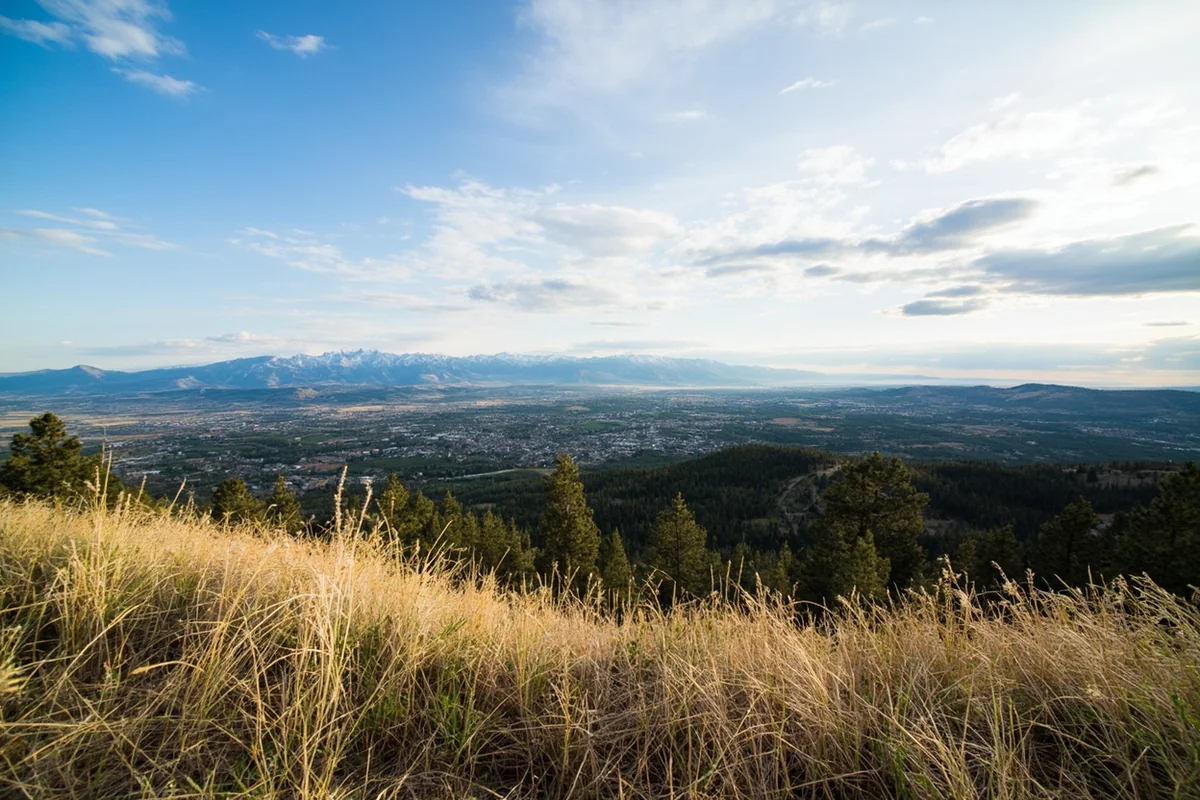
Ravalli County has been experiencing significant population growth in recent years, driven partly by remote workers relocating from urban centres and partly by the valley’s reputation for quality of life. This is documented in Montana’s fastest-growing cities and counties, and it’s visible on the ground.
New construction is visible throughout the Hamilton area. Property prices have risen sharply. The tension between long-term residents and new arrivals is a real conversation in local diners and at planning meetings — worth being aware of as a visitor, and a reason to support locally owned businesses when you can.
This growth has also increased pressure on key recreational areas. The parking situation at Blodgett Canyon and other popular trailheads has worsened noticeably in the past three to four years. Getting there early is no longer just a nice tip — it’s genuinely necessary on summer weekends.
Comparing Ravalli County to Neighbouring Regions
Ravalli County shares Montana’s quality of dramatic scenery and outdoor access with many of its neighbours, but it has a distinct feel that separates it from the more heavily touristed areas of the state.
Flathead County to the north has Glacier National Park’s gateway traffic and Whitefish as a resort town — it’s busier and more polished. Gallatin County to the east has Bozeman’s rapid growth and Yellowstone proximity — it moves faster and draws a different traveller.
Ravalli County sits between those two worlds. It’s not as remote as Beaverhead County to the south, and it lacks the raw prairie expanse of counties like Carter County or Garfield County to the east. What it offers is a genuine working valley with real towns, outstanding outdoor access, and a livability that increasingly draws people away from everywhere else.
For travellers coming from Cascade County or heading toward the Idaho border, the Bitterroot Valley is often treated as a corridor rather than a destination. That’s a mistake worth correcting.
Practical Information
| Detail | Information |
|---|---|
| County Seat | Hamilton |
| Nearest City | Missoula (approx. 45 miles north of Hamilton) |
| Nearest Airport | Missoula Montana Airport (MSO) |
| Main Highway | US-93 (runs the length of the valley) |
| Elevation (Valley Floor) | Approximately 3,400–3,600 ft |
| Emergency Services | Marcus Daly Memorial Hospital, Hamilton |
| Ranger District Contact | Bitterroot National Forest, Darby Ranger District |
| Wildlife Refuge | Lee Metcalf National Wildlife Refuge, Stevensville |
Final Thoughts
Ravalli County is one of those places that earns a return visit before you’ve even left. The combination of a working valley landscape, genuinely wild mountain terrain, and a small-town culture that hasn’t been entirely smoothed over for tourism makes it stand out in a state full of outstanding destinations.
What stays with me from every visit is the scale — not the dramatic summit-seeking scale of Glacier or Yellowstone, but the sustained, immersive scale of a valley where the mountains are always with you, the river is always nearby, and the elk are always just over the next ridge. That rhythm is what makes the Bitterroot Valley so hard to shake.
Come with time, come with flexibility, and download those offline maps before you leave Missoula. The county will do the rest.
How We Researched This Guide
This guide is based on multiple visits to Ravalli County across different seasons, including late spring wildflower season, peak summer, and the September elk rut. Firsthand exploration covered Hamilton, Stevensville, Darby, Sula, Blodgett Canyon, the Lee Metcalf National Wildlife Refuge, and several Bitterroot National Forest trail systems.
Information was verified with the US Forest Service Bitterroot National Forest office, Montana Fish, Wildlife & Parks, the US Fish & Wildlife Service (Lee Metcalf NWR), and the Ravalli County Museum.
Conversations with local fishing guides, business owners, and long-term valley residents contributed local knowledge not found in standard travel resources.
Frequently Asked Questions
What is the best time of year to visit Ravalli County, Montana?
The best time to visit Ravalli County is late spring through early fall, with June through September offering the most reliable weather for hiking, fishing, and exploring the Bitterroot Valley. July and August bring warm temperatures in the 80s°F and peak access to trails in the Selway-Bitterroot Wilderness, though you’ll want to book accommodations early as this is the busiest season. If you prefer fewer crowds and stunning fall foliage, late September and October are genuinely spectacular and far less congested.
What are the top things to do in Ravalli County, Montana for first-time visitors?
First-time visitors to Ravalli County should prioritize hiking in the Bitterroot National Forest, fly fishing on the Bitterroot River, and exploring the charming small towns of Hamilton and Stevensville. The St. Mary’s Mission in Stevensville is one of Montana’s oldest historic sites and worth a stop, while the Lee Metcalf National Wildlife Refuge offers excellent wildlife viewing for elk, eagles, and white-tailed deer. Outdoor lovers will also find world-class trail running and mountain biking routes accessible right from town.
How far is Ravalli County from Missoula, Montana?
Ravalli County begins just about 25 miles south of Missoula, making it an easy and scenic drive down US-93 through the heart of the Bitterroot Valley. Hamilton, the county seat, sits approximately 45 miles south of Missoula and takes under an hour to reach without traffic. Missoula Montana Airport (MSO) is the most practical gateway for travelers flying in, with major carriers including Delta and Alaska Airlines serving the airport with connections from hubs like Seattle, Denver, and Salt Lake City.
Is Ravalli County, Montana expensive to visit compared to other Montana destinations?
Ravalli County is generally more affordable than resort-heavy destinations like Whitefish or Big Sky, making it a great value option for budget-conscious Montana travelers. You can find motel rooms in Hamilton for $90–$150 per night, and many of the best outdoor activities including hiking, fishing access points, and wildlife refuges are completely free. Dining is refreshingly reasonably priced, with local restaurants in Hamilton averaging $12–$20 per person for a solid sit-down meal.
What should I pack for a trip to Ravalli County, Montana in summer?
Summer days in the Bitterroot Valley can hit the mid-80s°F but mornings and evenings cool quickly, so layering is essential — bring lightweight moisture-wicking shirts, a fleece, and a waterproof jacket. If you’re planning to hike in the Bitterroot or Selway-Bitterroot Wilderness, pack sturdy trail boots, a bear canister or bear spray, plenty of water, and sun protection since elevations above 7,000 feet intensify UV exposure significantly. Bug spray is a must for evenings near the Bitterroot River, especially in June and early July.
Are there good camping options in Ravalli County, Montana?
Ravalli County has excellent camping options managed by the Bitterroot National Forest, with popular sites like Blodgett Canyon, Lake Como Recreation Area, and Bass Creek Campground offering fees typically ranging from $15–$25 per night. Lake Como is a family favorite with lakeside sites, a beach, and easy hiking trails making it one of the most accessible campgrounds in western Montana. Reservations through Recreation.gov are strongly recommended for summer weekends, as sites fill up fast, particularly from late June through August.
What wildlife can I expect to see in Ravalli County, Montana?
Ravalli County offers some of the best accessible wildlife viewing in western Montana, with white-tailed deer, mule deer, black bears, and elk commonly spotted throughout the Bitterroot Valley and surrounding national forest. The Lee Metcalf National Wildlife Refuge near Stevensville is a hotspot for bald eagles, ospreys, and migratory waterfowl, especially during spring and fall migrations. Grizzly bears and mountain lions are present in the backcountry wilderness areas, so carrying bear spray and knowing how to use it is strongly recommended on any remote hike.