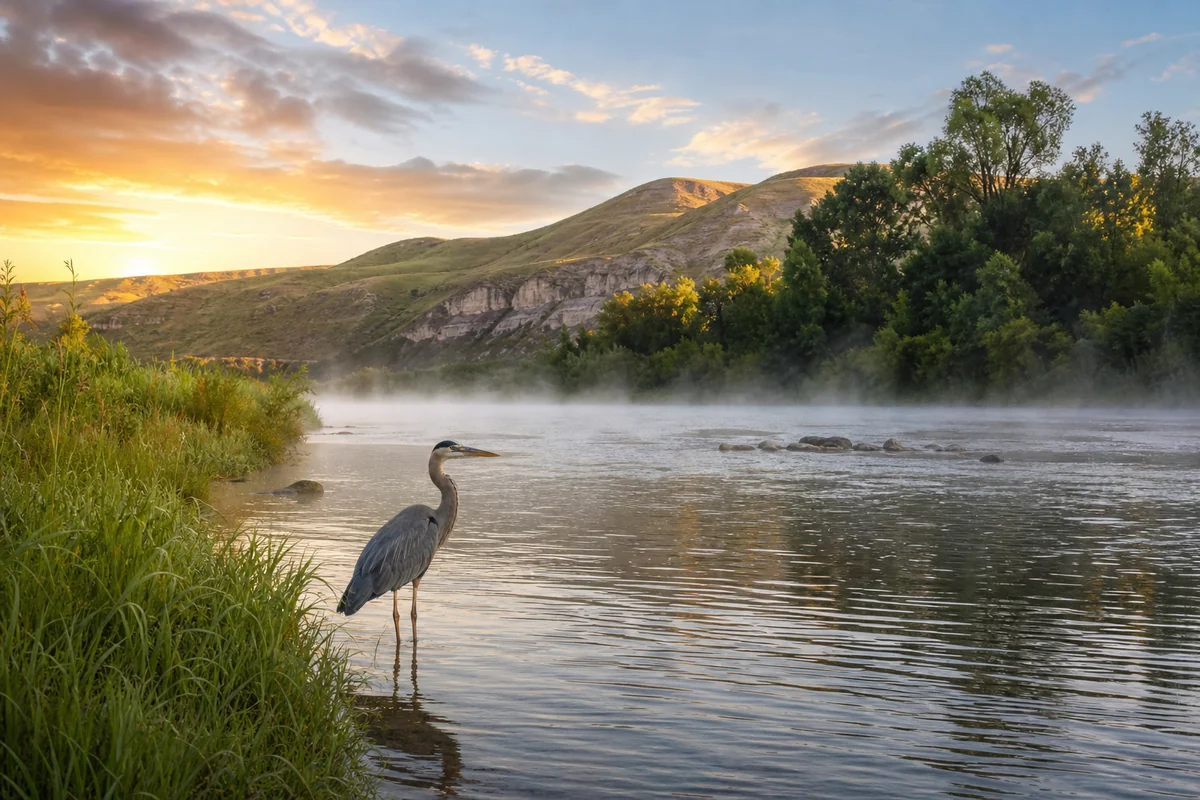
Standing on the banks of the Yellowstone River at dawn, watching mist curl off the water while a great blue heron worked the shallows just yards away, it hit me that most travelers drive straight through this corner of Montana without stopping — and that’s a genuine shame.
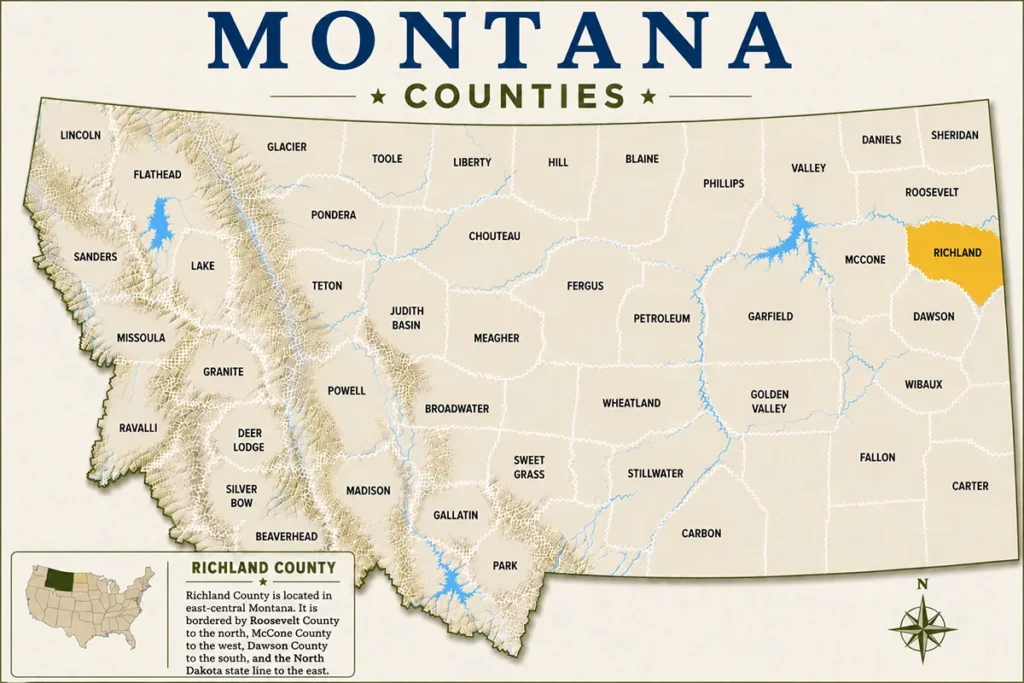
Richland County sits in the far northeastern reaches of the state, part of the broader tapestry of 56 Montana Counties that together form one of North America’s most underrated travel destinations.
- Richland County is located in northeast Montana, anchored by the city of Sidney — the county seat and main service hub
- The Yellowstone River and Fort Peck Lake are the region’s defining natural features, offering world-class walleye fishing
- The county sits in the heart of the Williston Basin oil patch — the boom-bust energy economy shapes everything here
- Best visited May through September; winters are harsh and many services scale back
- Low tourist crowds, affordable lodging, and authentic small-town Montana hospitality make it a worthwhile detour
- Hunting, fishing, birding, and fossil hunting are the main draws for outdoor visitors
Liked this article?
Add Roaming Montana as a preferred source so you see more of our articles and guides on Google.
Where Exactly Is Richland County?
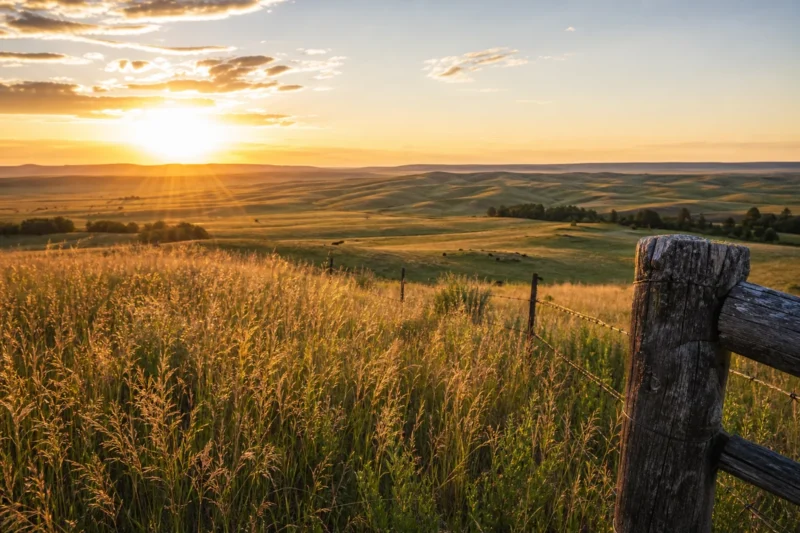
Richland County occupies the far northeastern corner of Montana, sharing borders with North Dakota to the east and the Yellowstone River forming a natural boundary to the south. It covers roughly 2,084 square miles of high plains terrain — big sky country in every literal sense.
The county seat is Sidney, a working agricultural and oil town of around 5,500 people. Sidney is about 14 miles west of the North Dakota state line, making Richland County one of Montana’s most eastern communities.
The nearest major city is Williston, North Dakota, about 35 miles east across the border. From Billings, the drive northeast on US-16 and MT-200 takes around three and a half hours — plan accordingly, because services thin out quickly once you leave the Billings metro.
Understanding Richland County: Oil, Agriculture, and the Yellowstone
Three things define life in Richland County more than anything else: oil, wheat, and the Yellowstone River. Understanding how these three forces intersect is the key to understanding what this place is really like on the ground.
The Williston Basin oil boom transformed Sidney and surrounding communities significantly through the 2010s. At its peak, the town’s population swelled, motel rooms were nearly impossible to find, and the highways were thick with semi-trucks. Things have settled since then, but the energy industry’s fingerprint is still visible everywhere — from the pickup trucks to the work gear at the local diners.
Sugar beet farming, wheat, and sunflower production remain the backbone of the agricultural economy. Visitors arriving in late summer will often see the irrigated fields running brilliant green against the dry surrounding grasslands — a surprisingly lush landscape that catches newcomers off guard.
The Yellowstone River: Richland County’s Crown Jewel
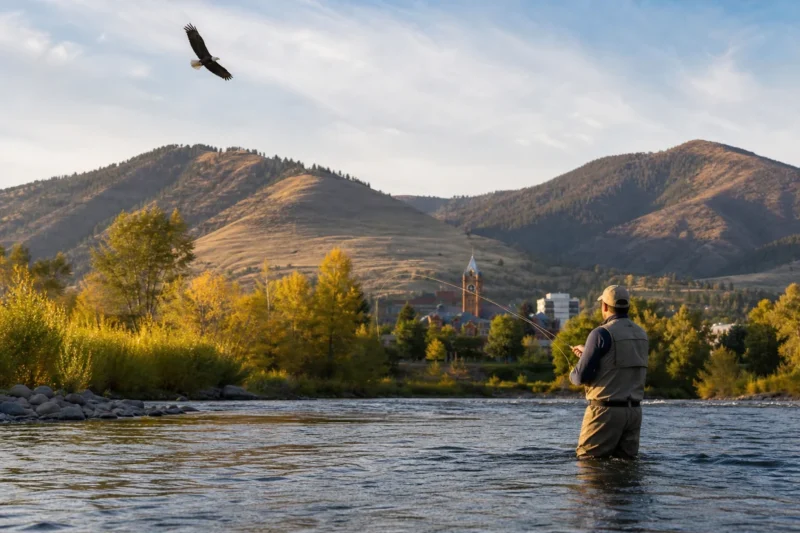
The Yellowstone River enters Richland County from the west and eventually merges with the Missouri River just east of Sidney at a spot called Confluence. This stretch of the Yellowstone is arguably the most underappreciated river fishing corridor in all of Montana.
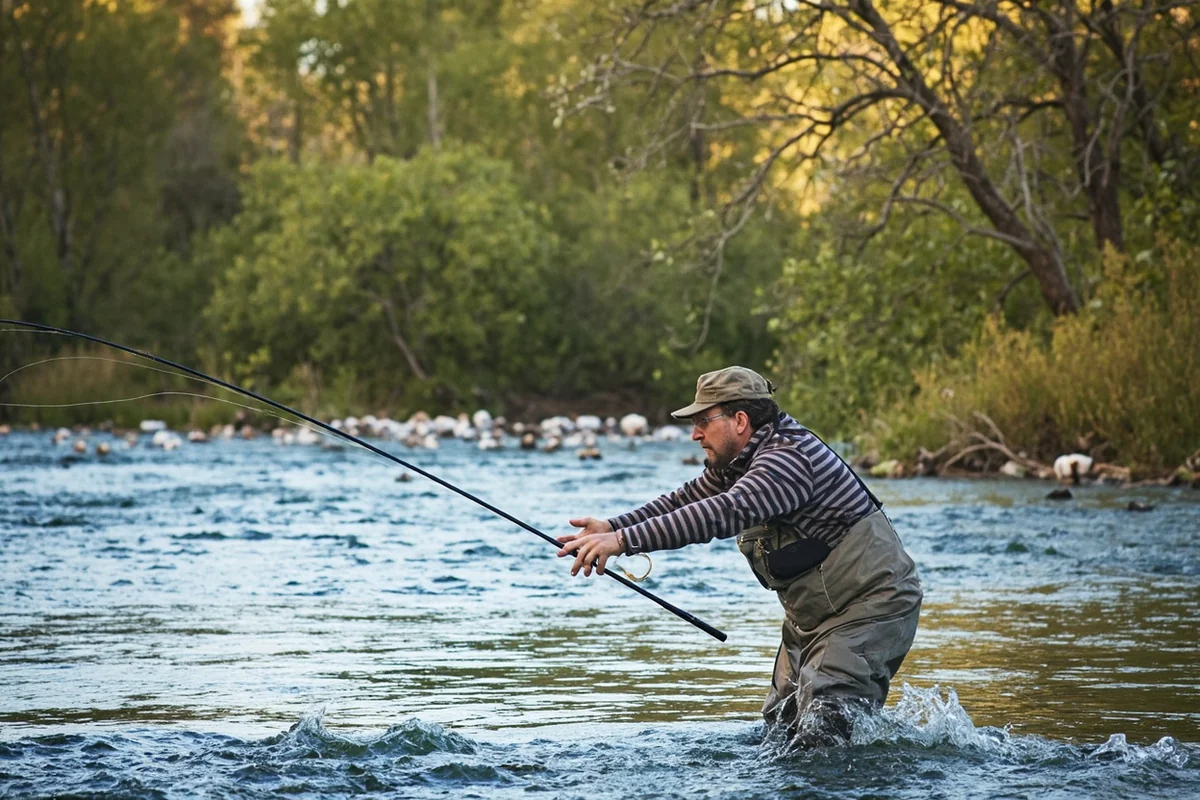
What surprised me most during my first visit was how wide and powerful the river feels here compared to its upper reaches near Livingston or Gardiner. The channel braids across a broad floodplain, lined with dense cottonwood galleries that burst into gold every October.
Walleye Fishing on the Yellowstone
Richland County is serious walleye territory. According to Montana Fish, Wildlife & Parks, the lower Yellowstone near Sidney consistently produces some of the best walleye catches in the state — fish in the 3–5 pound range are common, with occasional trophies pushing well past that.
The best fishing window runs from late April through June when walleye move up from the Missouri River system, and again in early fall. Local guides know the productive holes intimately — consider booking a half-day float trip if you’re new to the river. Expect to pay roughly $200–$350 for a guided half-day, depending on the outfitter and group size.
Channel catfish, paddlefish, shovelnose sturgeon, and northern pike also populate this stretch of river. The paddlefish snagging season, typically running spring through early summer, draws dedicated anglers from several states — it’s one of the few legal paddlefish fisheries remaining in the US.
Confluence of the Yellowstone and Missouri Rivers
The spot where the Yellowstone meets the Missouri is historically and ecologically significant in ways that most visitors don’t fully appreciate. Lewis and Clark noted this confluence in their journals in 1805, and the site remains remarkably undeveloped.
A small state recreation area marks the confluence. There are no major facilities — just a gravel pull-off, a footpath to the water’s edge, and an extraordinary sense of remoteness. On a quiet weekday morning, it’s genuinely possible to stand at this confluence with no other humans in sight.
Fort Peck Lake and the Missouri Breaks Connection
While Fort Peck Lake’s main recreation areas fall primarily within Garfield County and Valley County to the west, Richland County travelers are ideally positioned to access the lake’s eastern reaches. The drive from Sidney to Fort Peck is roughly 80 miles — about 90 minutes through rolling badlands terrain.
Fort Peck Dam itself is an engineering marvel — one of the largest hydraulic fill dams in the world, creating a reservoir with more shoreline than the California coast. The Fort Peck Interpretive Center and Museum is worth the detour for anyone interested in paleontology; the area is extraordinarily fossil-rich.
Wildlife and Birding in Richland County
The lower Yellowstone corridor is a birding destination that rarely appears in mainstream travel guides. During spring and fall migration, the cottonwood bottoms along the river host remarkable concentrations of warblers, flycatchers, and shorebirds.
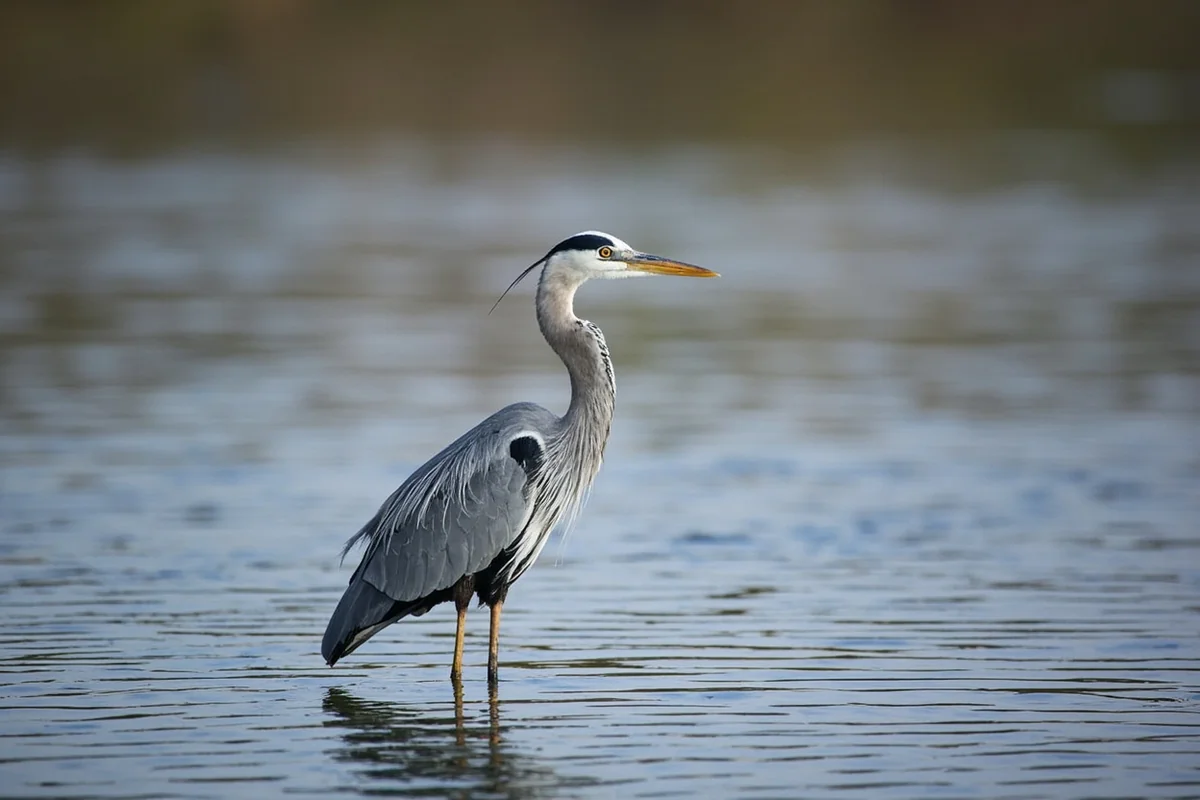
White-tailed deer are abundant throughout the river corridor. Mule deer dominate the drier uplands. Pheasant numbers have historically been strong in the agricultural areas around Sidney, making Richland County a legitimate destination for upland bird hunters in October and November.
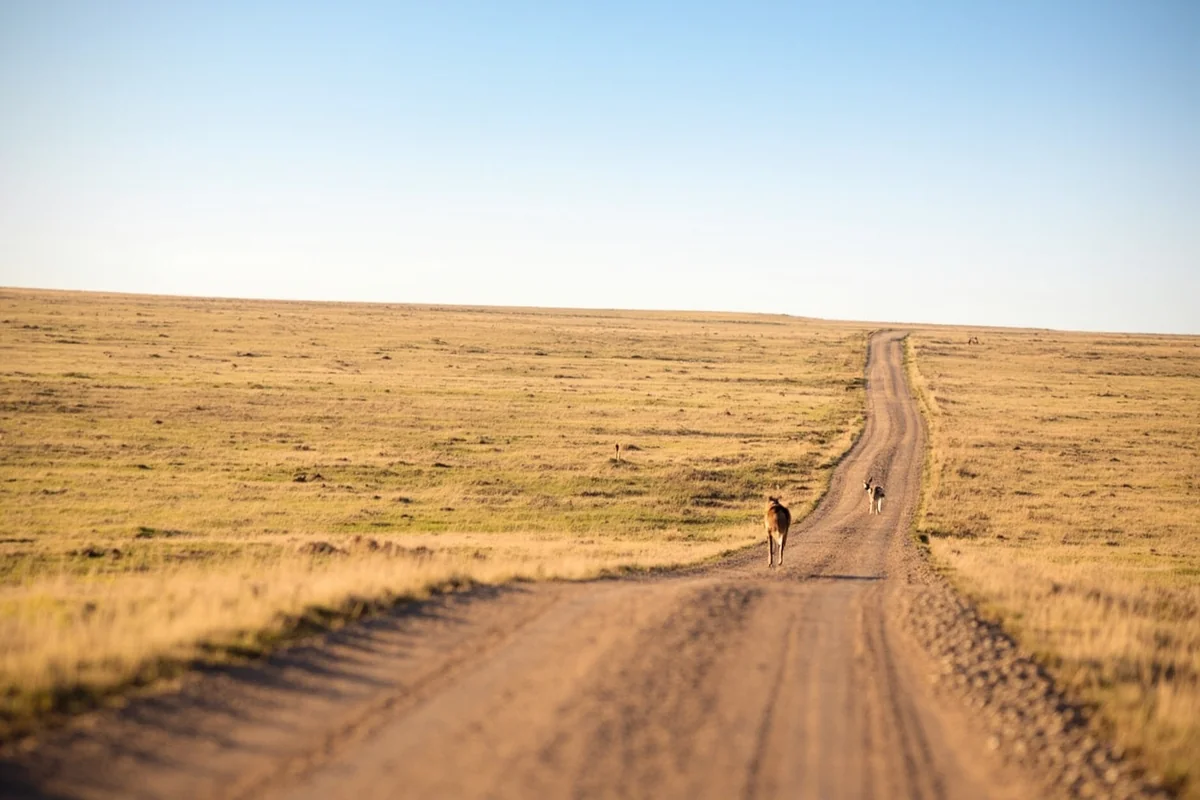
Pronghorn antelope are a near-certainty on any drive through the county’s open grasslands. What most visitors don’t realize is that the Yellowstone floodplain also harbors a healthy population of beaver — their dams are visible from the river bank in several locations.
Hunting in Richland County
Hunting culture is deeply embedded here. Whitetail, mule deer, pronghorn, pheasant, turkey, and waterfowl all attract hunters from around the region. Private land access is the main challenge — relationships with local landowners matter enormously, and non-residents are advised to book guided hunts well in advance.
According to Montana Fish, Wildlife & Parks, Montana requires non-resident hunting licenses purchased through a drawing or general license system depending on the species. Application deadlines typically fall in spring for fall hunts, so plan well ahead.
Sidney: The Heart of Richland County
Sidney is the kind of town where the gas station attendants still wave, the diners still have hand-written specials on a whiteboard, and the locals are genuinely curious about where you’re from. It’s not a tourist town — and that’s exactly what makes spending a night or two here interesting.
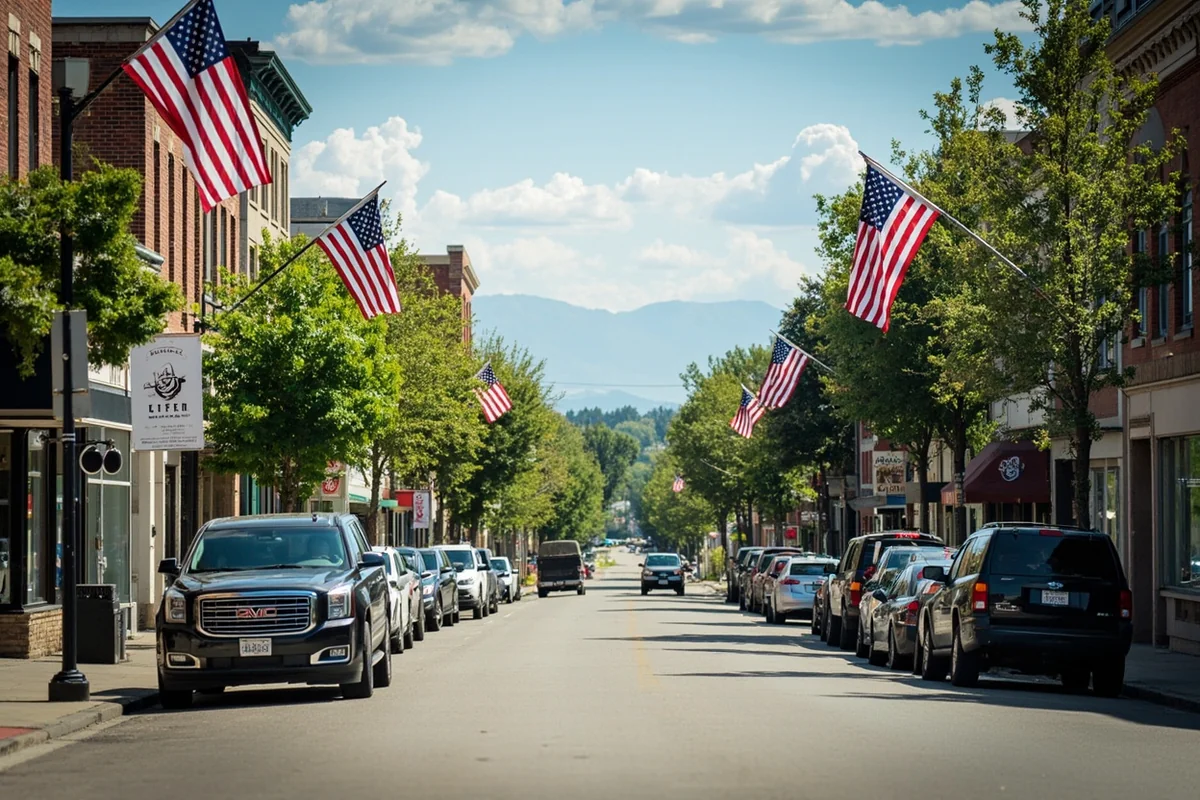
Downtown Sidney has a handful of locally-owned restaurants, a few bars, a grocery store, and the essentials. Chain motels and a small selection of locally-owned accommodation options are available. During the height of the oil boom, rooms were scarce and expensive; today, availability is generally good and prices are reasonable — expect to pay roughly $90–$160 per night for a motel room depending on season.
MonDak Heritage Center
The MonDak Heritage Center is Sidney’s best indoor attraction. The museum spans both Montana (Mon) and North Dakota (Dak) regional history — a nod to the cultural and historical ties across the state line that most outsiders overlook.
The exhibits cover Indigenous history, homesteader settlement, the oil industry, and agricultural heritage with genuine depth. There’s also a rotating art gallery featuring regional artists. Admission is typically modest — generally under $10 for adults at time of writing.
Richland County’s Oil Patch: What Visitors Should Know
Traveling through active oil country is genuinely different from other Montana experiences. Semi-trucks and oilfield vehicles move at pace on the highway — stay alert and give them room. Roadside infrastructure can be surprisingly industrial in places, with pump jacks and tank batteries visible from main roads.
That said, the oil fields are also a fascinating window into a working Montana that rarely appears in glossy travel brochures. What most guides skip is the human element — the roughnecks at the 6 a.m. diner counter, the refinery glow visible from the highway at night, the worn-out work boots by motel doors.
Suggested Itinerary
A weekend in Richland County is genuinely doable and surprisingly satisfying, provided you come with a realistic sense of the place — this is working Montana, not resort Montana.
Day 1: Arriving, Exploring Sidney, and the Yellowstone River
Arrive in Sidney by late morning. Check into your motel and get your bearings — the town is compact and walkable in its core.
Spend early afternoon at the MonDak Heritage Center. Budget about 90 minutes — it’s more absorbing than its modest exterior suggests.
Head down to the Yellowstone River access south of Sidney for late afternoon. The light on the river at 5–6 p.m. in summer is extraordinary. If you’re fishing, this is a good time to work the banks for catfish and walleye. Bring mosquito repellent — the cottonwood bottoms earn their reputation in midsummer.
Evening dinner in Sidney — the local diners typically offer generous portions of straightforward American food. Steak is usually a safe call. Local conversation at the counter is often more entertaining than anything you’ll find on your phone.
Day 2: Confluence, Badlands Drive, and Departure
Rise early and drive to the Yellowstone-Missouri Confluence before breakfast. On a calm summer morning, this stretch of river valley is completely silent except for birdsong. The walk to the confluence takes about 10 minutes from the parking area.
Return to Sidney for a proper breakfast, then follow the Missouri River corridor west toward Fort Peck if time allows. The 80-mile drive through badlands terrain is rewarding even if you don’t stop — pronghorn sightings are almost guaranteed.
Alternatively, spend the morning fishing the Yellowstone with a local guide. Half-day float trips typically return by early afternoon, leaving time for a relaxed drive back toward Billings or east into North Dakota.
What Most Visitors Get Wrong About Richland County
The most common mistake is treating Richland County as a drive-through county rather than a destination. Travelers passing between Billings and North Dakota routinely stop for gas in Sidney and keep moving — missing the river access, the confluence, and the surprisingly good fishing within minutes of town.
A second mistake is underestimating the distances. The county feels compact on a map, but driving from Sidney to the Fort Peck area and back is a 160-mile round trip on two-lane roads. Plan fuel stops; there are stretches where services disappear for 30–40 miles.
Timing is also crucial. Arriving in Richland County during a late October snowstorm — which can happen — without cold-weather gear is genuinely dangerous. The high plains climate here is unforgiving. What caught me off guard on my first winter-adjacent visit was how quickly conditions changed; 50°F at noon became 25°F with a 30-mph wind by 4 p.m.
Finally, many visitors skip the confluence entirely because there’s no formal trailhead with amenities. Don’t let that stop you — it’s one of the most historically significant natural landmarks in Montana and it costs nothing to visit.
Practical Information for Richland County Visitors
| Category | Details |
|---|---|
| County Seat | Sidney, MT |
| Population (approx.) | ~11,000 (county); ~5,500 (Sidney) |
| Nearest Major City | Williston, ND (35 miles); Billings, MT (220 miles) |
| Best Time to Visit | May–September for outdoor activities; October for fall colors and hunting |
| Main Highway Access | US-16 and MT-200 from the west; ND-23 from the east |
| Nearest Airport | Sidney-Richland Municipal Airport (small regional); Williston Basin International, ND |
| Cell Coverage | Good in Sidney and along main highways; patchy in rural areas |
| Fishing License | Required; available at local outfitters and online via Montana FWP |
| Lodging Options | National chain motels, local motels, limited vacation rentals |
| Typical Lodging Cost | Roughly $90–$160/night depending on season |
Richland County in the Context of Eastern Montana
Eastern Montana doesn’t get the same marketing attention as Glacier Country or the Beartooth Highway corridor — and that’s genuinely reflected in the visitor experience. Places like Dawson County to the west, Custer County further southwest, and Fallon County to the south share this same honest, unpolished character.
What this region of Montana offers that the more famous corridors can’t is a genuine sense of space and solitude. The crowds at Glacier National Park can be overwhelming by July; in Richland County that same July, you might have a three-mile stretch of the Yellowstone entirely to yourself.
For travelers curious about the economic dynamics shaping Montana’s smaller communities, it’s also worth reading about Montana’s fastest-growing cities and counties — the contrast between oil patch communities and resort towns tells a lot about where the state is heading.
Neighboring Counties Worth Adding to Your Trip
If you’re building a longer northeastern Montana road trip, Daniels County to the north offers a similarly remote high-plains experience. Blaine County to the west provides access to the Missouri River Breaks — one of the most dramatic landscapes in Montana.
Heading south, Carter County and the Ekalaka area represent the farthest, least-visited corner of Montana — genuinely frontier territory. Each of these counties rewards slow, curious travel in a way that rushing between headline destinations never quite delivers.
When to Visit Richland County
The honest answer is that May through September is the sweet spot for most visitors. Summer days are long, the river is accessible, and the wildlife is active. July and August can be hot — temperatures pushing into the mid-90s°F on the hottest days — but evenings cool down significantly, and the cottonwood shade along the Yellowstone makes midday bearable.
Spring (April–May) is excellent for birding and paddlefish season, but late spring snowstorms are possible through May. Fall (September–October) is arguably the most beautiful season — the cottonwoods along the Yellowstone turn brilliant yellow, pronghorn are moving, and the hunting crowds bring a particular kind of lively energy to Sidney’s restaurants and bars.
Winter visitors should come prepared for genuine Great Plains cold. Temperatures of -20°F are not unusual in January and February. The highway can become treacherous in blizzard conditions; always check the Montana Department of Transportation’s road condition website before driving.
Final Thoughts
Richland County won’t dazzle you with mountain scenery or national park infrastructure. What it offers instead is something harder to find and, in its own way, more valuable: a real, working piece of Montana that most visitors never bother to discover.
The confluence of the Yellowstone and Missouri rivers alone is worth a detour — a genuinely moving place that carries enormous historical weight without any tourist veneer. Add walleye fishing, pronghorn sightings, and the warm directness of Sidney’s locals, and you have a destination that punches well above its profile.
Come with curiosity, low expectations for polish, and a full tank of gas. What you’ll find in return is the kind of authentic travel experience that most people come to Montana hoping for — and too few actually find.
How We Researched This Guide
This guide is based on multiple visits to Richland County and the lower Yellowstone River corridor across different seasons, including late spring, midsummer, and early fall.
Research included firsthand exploration of the MonDak Heritage Center, river access points near Sidney, and the Yellowstone-Missouri Confluence. We spoke with local fishing guides, motel operators, and Sidney residents to ground-truth conditions and pricing.
Information on fishing regulations, license requirements, and wildlife was verified with Montana Fish, Wildlife & Parks (fwp.mt.gov), and road condition guidance was cross-referenced with the Montana Department of Transportation. The Richland County Tourism office and MonDak Heritage Center provided supplementary context on local history and attractions.
Frequently Asked Questions
What is the best time of year to visit Richland County, Montana?
The best time to visit Richland County is late spring through early fall, roughly May through September, when temperatures are warm and outdoor activities along the Yellowstone River are at their peak. Summer highs average around 85°F, making it ideal for fishing, wildlife watching, and exploring the oil country landscape. If you’re interested in hunting, fall draws visitors from across the US for the excellent pheasant and deer seasons.
What is there to do in Richland County, Montana for first-time visitors?
First-time visitors to Richland County should head to Sidney, the county seat, and spend time along the Yellowstone River, which offers excellent fishing for walleye, catfish, and paddlefish. The MonDak Heritage Center is a great stop to learn about the region’s Native American history, pioneer heritage, and the oil boom that shaped eastern Montana. The nearby Yellowstone River Trailway is perfect for a scenic walk or bike ride without venturing far from town.
How far is Richland County, Montana from major US cities?
Richland County is located in the far northeastern corner of Montana, with Sidney being the county seat sitting roughly 220 miles northeast of Billings, the nearest large city with a major airport. From Bismarck, North Dakota, Sidney is about 175 miles west, making it a manageable drive for travelers from the upper Midwest. Most visitors fly into Billings or Williston, North Dakota, and rent a car for the final leg of the trip.
What should I budget for a trip to Richland County, Montana?
Richland County is one of Montana’s more affordable travel destinations, with motel rooms in Sidney typically running $80–$140 per night and meals at local diners averaging $12–$20 per person. If you plan to fish for paddlefish, budget around $20–$28 for a Montana fishing license plus a paddlefish permit, which is one of the region’s most popular and unique experiences. Overall, a 3-day trip for two people can realistically come in under $700 including lodging, food, and activities.
Is Richland County, Montana worth visiting if I’m not a hunter or angler?
Absolutely — while fishing and hunting are major draws, Richland County also appeals to road trippers exploring the Great Plains, history buffs interested in Lewis and Clark’s route along the Yellowstone River, and anyone curious about Montana’s oil patch culture. The open prairies and big sky scenery offer a raw, uncrowded Montana experience very different from the tourist-heavy western part of the state. Birding is also surprisingly excellent here, with migrating waterfowl and sharp-tailed grouse spotted regularly across the county.
What should I pack for a trip to Richland County, Montana in summer?
Eastern Montana summers can be hot and windy, so pack lightweight, breathable clothing along with a good sun hat, polarized sunglasses, and high-SPF sunscreen since there’s very little shade on the open plains. If you’re fishing or spending time near the Yellowstone River, bring bug spray for mosquitoes, especially in June and July. Layers are smart for evenings, which can cool down quickly, and sturdy walking shoes or boots are recommended if you plan to hike or explore off-road areas.
What makes Richland County, Montana unique compared to other Montana counties to visit?
Richland County offers a side of Montana that most travelers never see — flat eastern prairie, working oil fields, and small-town agricultural culture that feels a world away from Glacier or Yellowstone. It’s one of the few places in the US where you can legally snag paddlefish, a prehistoric species that draws anglers from across the country each spring. The lack of crowds, affordable prices, and genuinely authentic small-town hospitality in Sidney make it a refreshing alternative for US travelers who want to experience Montana beyond the postcard highlights.