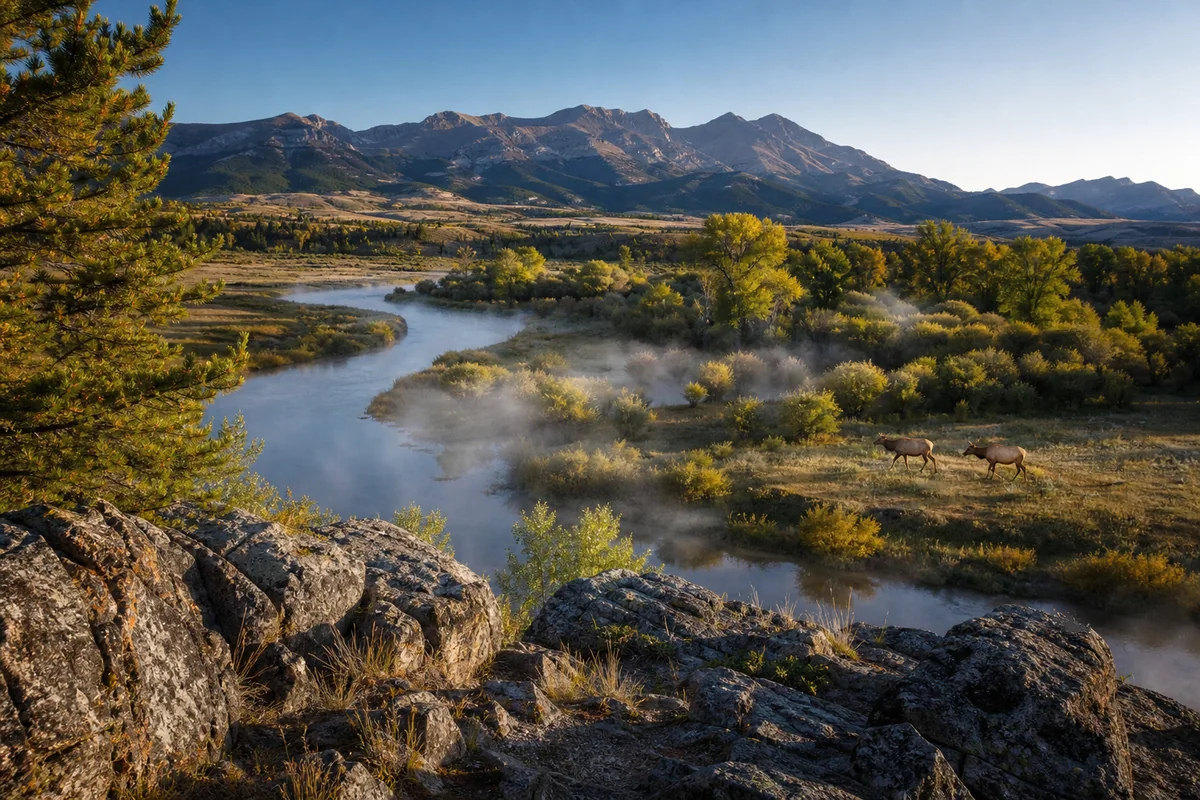
Standing at the edge of the Boulder River valley on a cool September morning, watching mist rise off the water while a pair of elk moved silently through the cottonwoods below — that’s the moment Sweet Grass County stopped feeling like a detour and started feeling like a destination.
This corner of south-central Montana doesn’t shout for attention, but once you’re here, it’s nearly impossible to leave on schedule.
If you’re exploring the 56 Montana Counties, make sure Sweet Grass County earns a proper stop on your list.
- Sweet Grass County sits in south-central Montana, anchored by the charming small town of Big Timber
- The Crazy Mountains offer some of Montana’s most dramatic and least-crowded alpine hiking
- The Boulder River corridor is a fly fishing and camping paradise worth multiple days of exploration
- Big Timber itself has excellent dining, a surprisingly good natural history museum, and a genuine ranching character
- Best visited late May through early October; winters are cold and some roads close seasonally
- Cell service is limited — download maps before you arrive
Liked this article?
Add Roaming Montana as a preferred source so you see more of our articles and guides on Google.
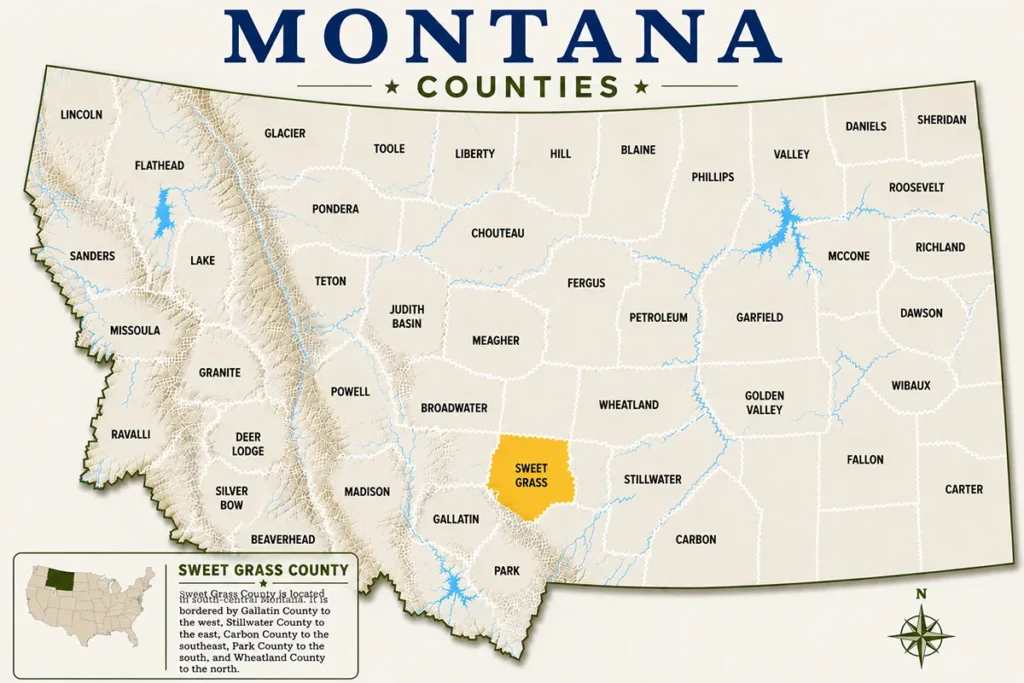
Where Is Sweet Grass County?
Sweet Grass County covers roughly 1,855 square miles of south-central Montana, wedged between the Yellowstone River to the south and the dramatic wall of the Crazy Mountains to the north. Its county seat is Big Timber, a town of around 1,600 people that sits right along Interstate 90 — making it surprisingly accessible despite how remote it feels.
The county is bordered by Stillwater County to the west, Park County to the southwest, Carbon County to the south, and Golden Valley County to the north. To the east lies Big Horn County, one of Montana’s most storied and historically rich regions.
What makes Sweet Grass County’s geography genuinely compelling is the contrast packed into a relatively small area. You can drive from wide-open Yellowstone River bottomlands to high alpine terrain in under an hour — a range that most Montana counties can’t match at this scale.
A Brief History of Sweet Grass County
Sweet Grass County was carved out of Meagher and Yellowstone counties in 1895. The name itself is believed to reference the sweetgrass — a plant sacred to many Indigenous peoples and once common along the region’s river bottoms. If you’re curious about Montana’s official plant symbols, our guide to Montana’s state grass is worth a read for broader context.
The Crow people historically used this area as prime hunting ground, and the land carries that deep Indigenous heritage beneath its ranching identity. Settlers arrived in force after the Northern Pacific Railroad pushed through in the 1880s, and Big Timber quickly became a regional hub for sheep ranching — at one point among the most significant wool-producing areas in the entire country.
That ranching culture never really left. Visiting today, you can still feel it in the storefronts on McLeod Street, the livestock trailers parked outside the diner on a weekday morning, and the way locals talk about the land as something you tend, not just admire.
Big Timber: The County Seat Worth Lingering In
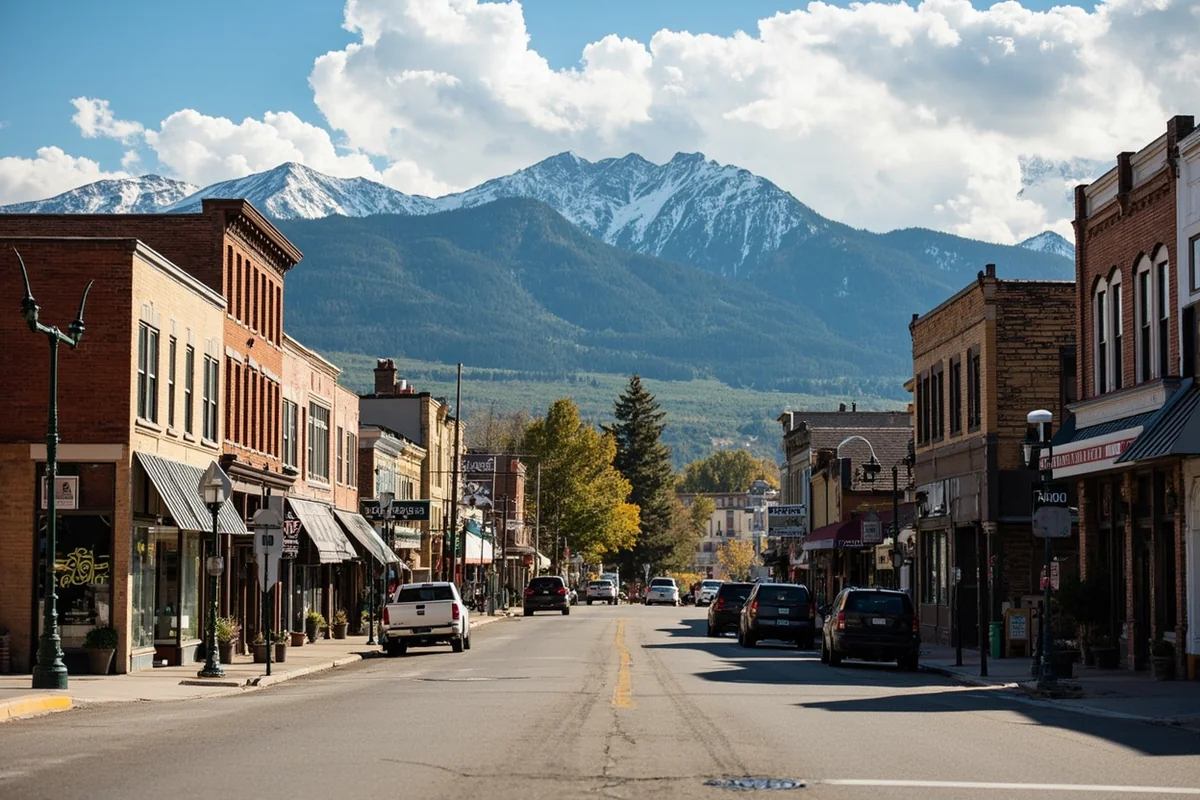
Big Timber is the kind of small Montana town that travel writers have been “discovering” for thirty years — and yet it somehow never feels overrun. The downtown strip along McLeod Street has a genuine working-town feel: hardware stores next to art galleries, a taxidermist a block from a craft beer bar.
Yellowstone River Trout Ranch and Fishing Access
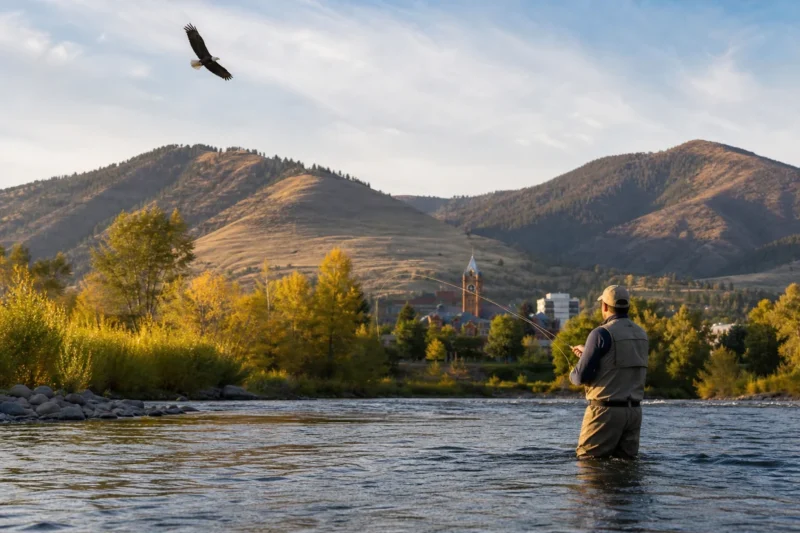
One thing that caught me off guard during my first visit was how easy it is to access the Yellowstone River right from town. The river runs along the southern edge of Big Timber, and there are multiple fishing access sites managed by Montana Fish, Wildlife & Parks within minutes of the town center. Expect to see serious anglers staking out spots from May onward, targeting brown and rainbow trout.
The Yellowstone here is a different animal than the famous stretch near Livingston — quieter, less pressured, and with fewer drift boats working the water on a typical weekday. That said, weekend mornings in summer do see increased traffic.
Crazy Mountain Museum
The Crazy Mountain Museum on Second Avenue East is a genuine surprise. What looks like a modest community museum from the outside holds a well-curated collection covering the area’s Crow heritage, early settler history, and the agricultural story of the region. Admission is typically very reasonable — usually well under $10 per adult at the time of writing — and the volunteer staff often includes long-time locals who can tell you things no exhibit panel could.
The Norwegian stabbur (a traditional Scandinavian log storehouse) on the museum grounds is one of the more unusual artifacts you’ll find in any Montana county museum. It was moved here to preserve it, and it speaks to the waves of Scandinavian immigrants who settled this region in the late 19th century.
Where to Eat and Drink in Big Timber
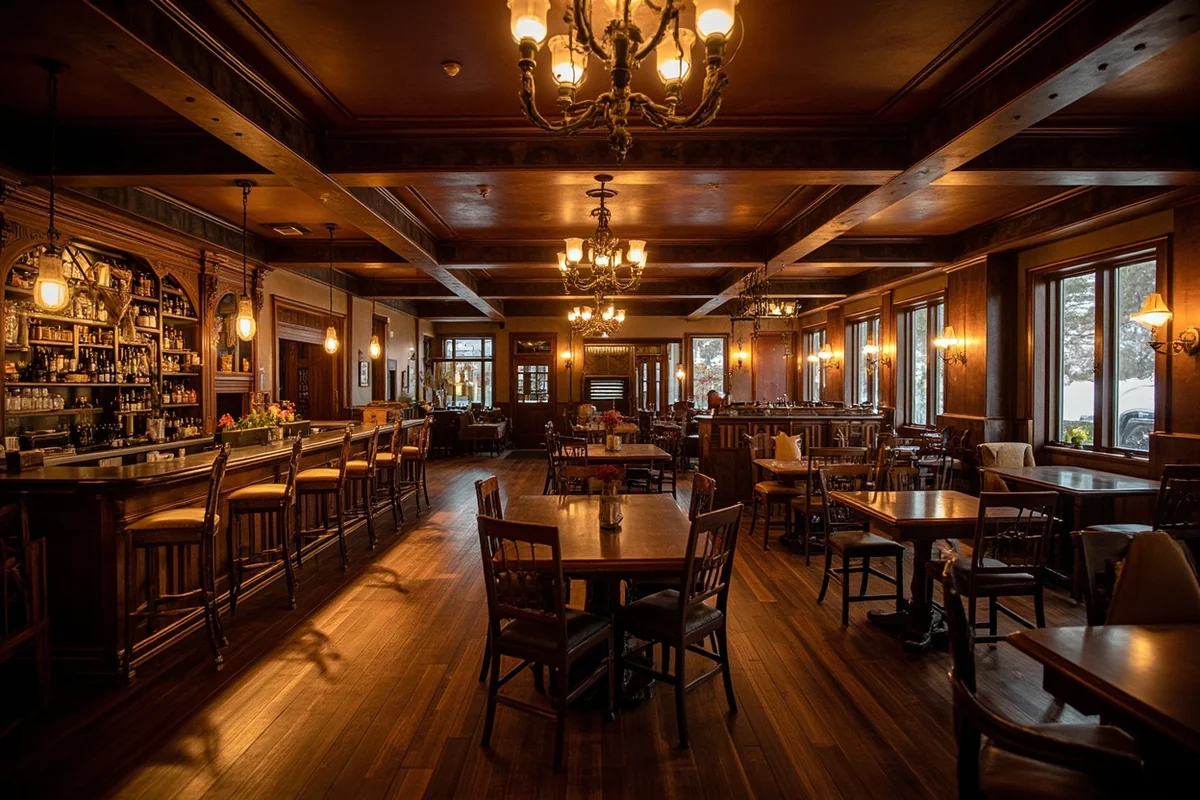
The Grand Hotel Bar & Grill on McLeod Street is the local institution. The building dates to 1890, the bar itself is gorgeous, and the steaks are the real deal — sourced locally and cooked without pretension. Expect to pay roughly $25–$45 for a full dinner with drinks, though prices shift seasonally.
For breakfast or lunch, the Timber Bar is worth a stop — it’s a locals’ spot that doesn’t always make travel lists but serves some of the better burgers in the county. Coffee-wise, the options are limited, so if you’re particular about espresso, picking up supplies in Billings or Livingston before the drive isn’t a bad idea.
The Crazy Mountains: Sweet Grass County’s Showpiece
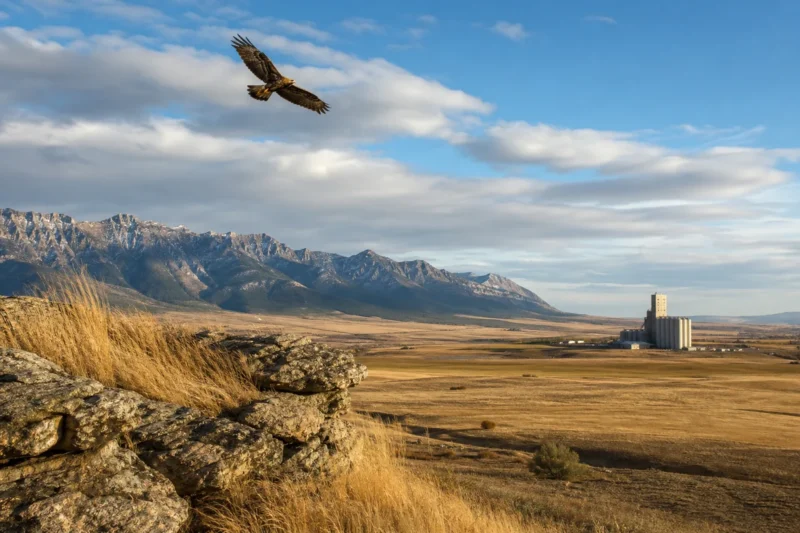
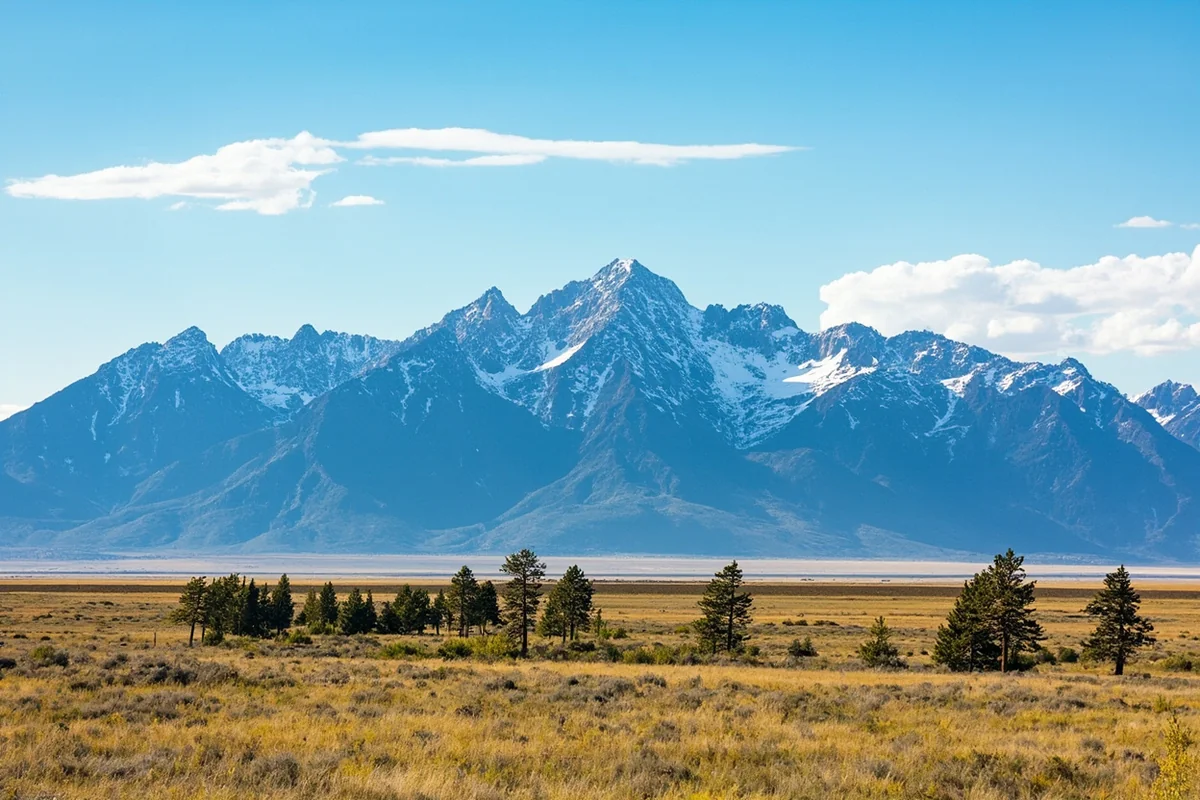
The Crazy Mountains — locally called “the Crazies” — are one of the most visually arresting and geologically unusual ranges in Montana. Unlike most Rocky Mountain ranges, the Crazies are an isolated laccolith range, pushed up independently rather than connected to the main mountain chain. They rise from the plains like a sudden, jagged wall, which is exactly why they look so dramatic from the highway.
Hiking in the Crazy Mountains
Access to the Crazies is a topic that requires a frank conversation. Much of the surrounding land is private ranch property, and access to the range has been a contested issue for years. The main public access point on the western side is via the Halfmoon Campground trailhead, reached by driving north from Big Timber on McLeod Highway (Highway 191) and then turning east on Forest Road 197.
The Halfmoon Trailhead opens up routes to Halfmoon Lake and several demanding ridge lines. What most guides skip is the condition of that forest road — after heavy rain or in early spring, it can be deeply rutted and requires a high-clearance vehicle. During my visit in early June, a standard SUV made it, but just barely, and the final two miles were slow going.
Trail distances from Halfmoon Trailhead to Halfmoon Lake are roughly 5 miles round trip, but the elevation gain (around 1,500 feet) makes it feel considerably longer. The alpine scenery above treeline is legitimately stunning — granite peaks, wildflower meadows in July, and almost nobody else around.
What to Know Before You Hike the Crazies
Cell service disappears quickly once you leave Big Timber. Download offline maps via Gaia GPS or CalTopo before departure — this is not optional advice. The terrain is serious enough that being navigationally prepared matters.
Wildlife encounters are common. Bears — both black and grizzly — are present in the Crazies. Carry bear spray, make noise on the trail, and know how to use it. Montana Fish, Wildlife & Parks maintains current information on bear activity in the region if you want to check conditions before your trip.
Snow can linger in the high elevations well into late June, and early fall storms can arrive by mid-September. The Crazy Mountains are not a casual destination, but that’s exactly what makes them rewarding.
The Boulder River: A World-Class Corridor
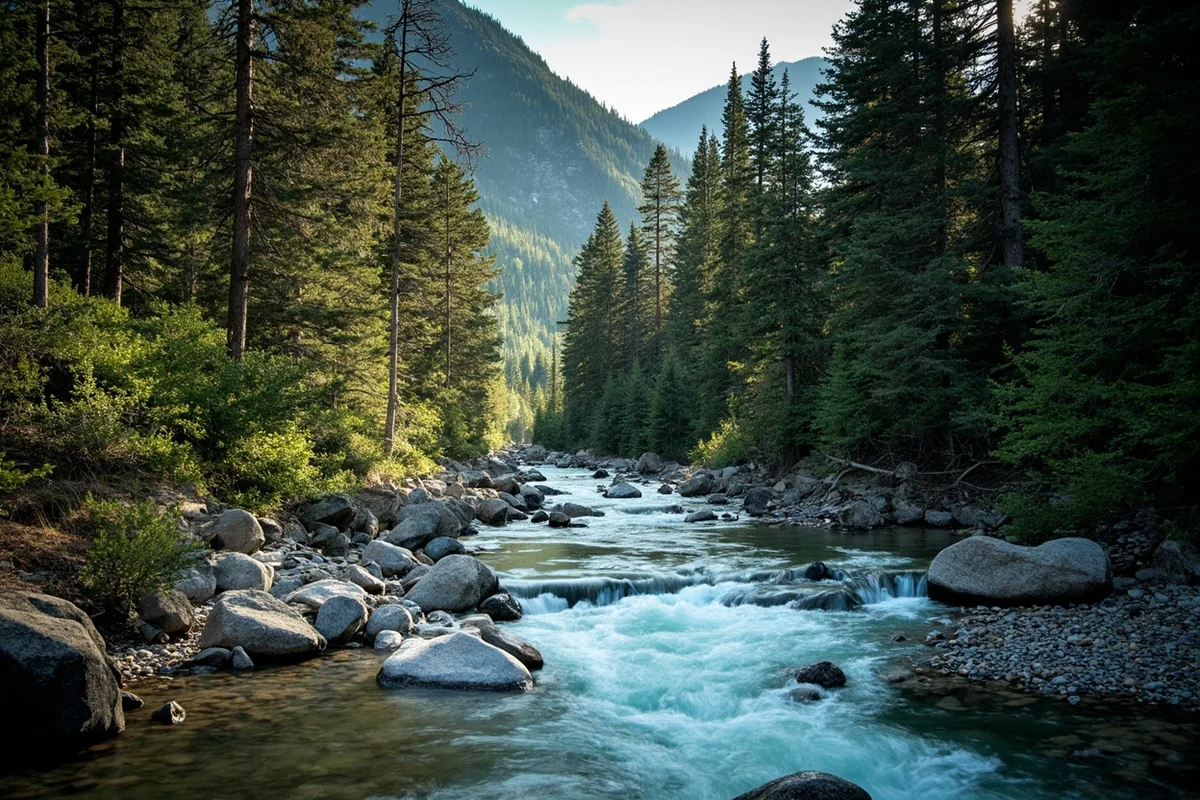
South of Big Timber, Highway 298 follows the Boulder River up into the Absaroka-Beartooth Wilderness, and the drive alone is worth making. The road winds through a narrow canyon with the river rushing alongside for nearly 40 miles before the pavement ends at Natural Bridge State Monument.
Natural Bridge State Monument
Natural Bridge is one of those places that delivers more than its name suggests. The Boulder River drops through a natural rock arch — a collapsed cave system — creating a waterfall and a span of rock that you can view from well-maintained paths right off the road. There’s no entrance fee at the time of writing, the parking area is small (arrive early on summer weekends), and the short walk to the bridge viewpoint takes perhaps 15 minutes.
What surprised me was how loud it is. The volume of water moving through that narrow canyon creates a physical roar that you feel as much as hear. It’s one of those Montana moments that photographs can’t fully capture.
Fly Fishing the Boulder River
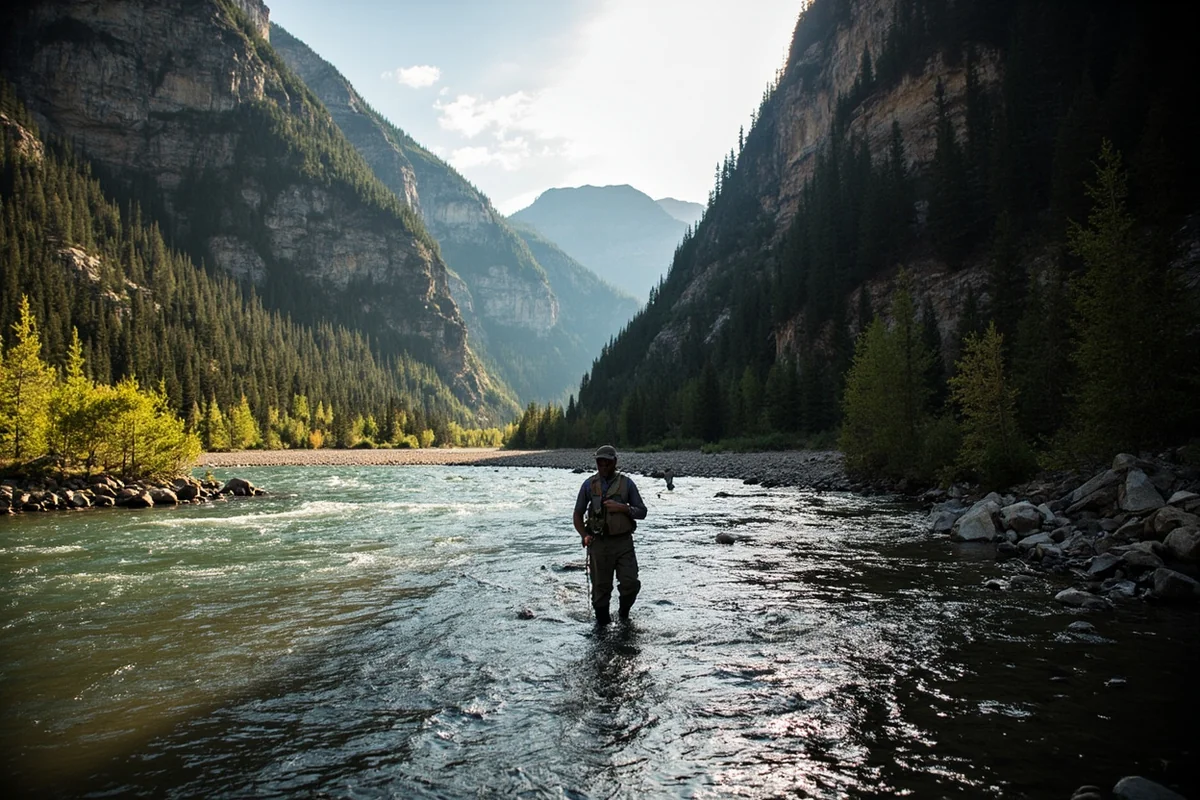
The Boulder River is a blue-ribbon trout stream, and the section from Big Timber south to the wilderness boundary is productive water for both brown and rainbow trout. Unlike some of Montana’s more famous rivers, fishing pressure here is moderate — on a Tuesday in August, you can work a stretch of river for hours without seeing another angler.
The river runs high and fast with snowmelt through late May and into June. The best fishing windows are typically late June through early October, with September and early October standing out as particularly good for larger brown trout moving into their pre-spawn behavior.
Local outfitters in Big Timber offer guided wade and float trips. Rates generally range from roughly $300–$500 per person for a full-day guided experience, though these figures vary and checking directly with outfitters for current pricing is always wise.
Camping Along the Boulder River
The Gallatin National Forest manages several campgrounds along the Boulder River corridor, including Chippy Park, Box Canyon, and Hells Canyon campgrounds. These are dispersed-style sites — basic facilities, minimal amenities, maximum solitude. Sites typically operate on a first-come, first-served basis and fees are generally modest (usually under $20 per night at the time of writing, though verify with the Bozeman Ranger District before you go).
The campgrounds fill on holiday weekends, but mid-week visits in July and August typically leave you with solid options. Fall camping here, when the cottonwoods and aspens turn gold, is quietly spectacular.
Suggested Itinerary
Day 1: Arriving and Exploring Big Timber
Arrive in Big Timber via I-90 (it’s about 100 miles east of Bozeman and 65 miles west of Billings). Check into your accommodation — the Grand Hotel is the most atmospheric option in town — and spend the afternoon walking McLeod Street. Hit the Crazy Mountain Museum before it closes (typically by late afternoon).
Evening dinner at the Grand Hotel Bar & Grill is the right call on your first night. The building, the food, and the conversation you’ll overhear from the ranching families at the next table will orient you quickly to where you are.
Day 2: The Boulder River Corridor
Start early and head south on Highway 298. Stop at Natural Bridge State Monument mid-morning when the light is best for photography. Continue up the river valley on the gravel road if your vehicle can handle it, or find a fishing access site and spend a few hours on the water.
Pack a lunch — there are no services south of the Natural Bridge area. Return to Big Timber by late afternoon, clean up, and consider a quiet evening walk along the Yellowstone River access sites near town.
Day 3: The Crazy Mountains
This day requires an early start. Drive north on Highway 191, then east on Forest Road 197 to Halfmoon Campground. Hit the trailhead by 8 a.m. — by mid-morning on summer weekends, the small lot is full. Hike to Halfmoon Lake and back, which will occupy most of your day.
Return to Big Timber in the late afternoon, tired in the best way. If you’re heading on to neighboring counties, Carbon County to the south offers excellent Red Lodge and Beartooth Highway experiences as a natural next chapter, while Gallatin County to the west provides the broader Bozeman and Big Sky corridor.
Practical Information for Visiting Sweet Grass County
| Category | Details |
|---|---|
| County Seat | Big Timber |
| Population | Approximately 3,600 (county-wide) |
| Best Time to Visit | Late May through early October |
| Getting There | Exit 367 off I-90; nearest airports in Billings (65 mi) or Bozeman (100 mi) |
| Cell Service | Reliable in Big Timber; limited to none in Boulder River canyon and Crazy Mountains |
| Gas Stations | Available in Big Timber; no fuel south of town on Highway 298 |
| Medical Services | Sweet Grass Community Hospital in Big Timber (basic services); nearest major hospital in Billings |
| Camping | Gallatin National Forest campgrounds along Boulder River; first-come, first-served |
| Fishing License | Required; available online via Montana Fish, Wildlife & Parks or at local sporting goods stores |
| Bear Country | Yes — carry bear spray in all backcountry areas |
What Most Visitors Get Wrong
The most common mistake is treating Big Timber as a fuel stop rather than a destination. Visitors blow through on I-90, glance at the Crazy Mountains from the highway, and keep driving toward Bozeman or Billings. That’s a genuine loss — the county rewards the people who slow down.
A close second is underestimating the Boulder River road. Plenty of people turn around before reaching the best sections because the road gets rough and they’re worried about their vehicle. If you have a truck or high-clearance SUV and you’re confident in your driving, push on — it’s worth it. If you’re in a sedan, stay on the paved section and enjoy what’s accessible, which is still excellent.
Access to the Crazy Mountains requires research before you go. Several historic access routes cross private land, and the access situation has been in dispute between landowners and public lands advocates for years. Don’t assume a route you find on an older map is currently legal to travel — check the Gallatin National Forest’s Bozeman Ranger District website or call ahead for current access information.
Finally, people consistently underestimate the wind. Sweet Grass County sits in a corridor where plains wind funnels against the mountains, and gusts of 40+ mph are not unusual even in summer. If you’re camping, bring stakes you trust, and if you’re in a high-profile vehicle, be aware of how it handles on exposed stretches of highway.
Where to Stay in Sweet Grass County
The Grand Hotel in Big Timber is the most characterful accommodation in the county — a restored Victorian-era hotel with a small number of rooms above the bar and restaurant. Rates typically range from roughly $100–$180 per night depending on season, making it a reasonable splurge for the experience.
For those who prefer a ranch stay, several working guest ranches operate in the broader Sweet Grass County area. These tend to be week-long operations rather than nightly bookings, and prices vary significantly — expect to pay considerably more than a standard hotel room, but you’re getting an immersive experience that includes meals, horses, and guided activities.
Camping along the Boulder River is the most affordable option and, honestly, the most memorable. Falling asleep to the sound of that river after a day of hiking or fishing is something that stays with you.
Neighboring Counties Worth Pairing
Sweet Grass County pairs naturally with several neighbors. Carbon County to the south is the gateway to Red Lodge and the Beartooth Highway — one of the most spectacular drives in America. If you’re interested in broader Montana explorations, Cascade County to the northwest anchors the Great Falls area, while Broadwater County offers the Missouri River corridor and Townsend as alternative directions to explore.
Montana’s counties each have their own distinct personality. If you’ve been through the wide-open landscapes of Garfield County or explored the eastern reaches near Custer County, Sweet Grass County will feel like a welcome shift into mountain terrain without the crowds of the more famous western ranges.
For those curious about growth and change across the state, our piece on Montana’s fastest growing cities and counties gives useful context on how tourism and population pressures are reshaping different parts of the state — Sweet Grass County, for now, remains relatively untouched by that pressure.
Final Thoughts
Sweet Grass County is the kind of Montana experience that’s getting harder to find — unhurried, unpolished, and genuinely rewarding for visitors who come prepared. The Crazy Mountains, the Boulder River, and the quiet character of Big Timber add up to something that’s more than the sum of its parts.
What stays with me most from my time there isn’t any single landmark. It’s the accumulation of small moments: the elk in the morning mist, the sound of the river through the tent wall at night, the conversation with the museum volunteer who grew up on a sheep ranch and remembered when Big Timber was busier than it is today. Those experiences don’t appear on any highlight reel, but they’re the ones you carry home.
If you’re building a Montana itinerary, don’t let Sweet Grass County be the place you meant to stop. Make it an actual stop — ideally two or three nights. The county is patient enough to wait, but you shouldn’t make it wait too long.
How We Researched This Guide
This guide is based on multiple visits to Sweet Grass County across different seasons, including early June and late September, covering Big Timber, the Boulder River corridor, and the Halfmoon Trailhead access to the Crazy Mountains.
Conversations with local outfitters, museum staff, and Big Timber business owners informed the practical details throughout. Key facts were verified with the Gallatin National Forest Bozeman Ranger District, Montana Fish, Wildlife & Parks, and the Sweet Grass County Chamber of Commerce.
Access and trail conditions were cross-checked with current Gallatin National Forest resources and on-the-ground observation.
Frequently Asked Questions
What is Sweet Grass County, Montana best known for?
Sweet Grass County is best known for its dramatic access to the Beartooth Mountains, the charming small town of Big Timber, and some of the most scenic stretches of the Yellowstone River in Montana. It sits along Interstate 90 between Billings and Livingston, making it a great stop for travelers heading toward Yellowstone National Park. The county is also celebrated for its ranching heritage, world-class fly fishing, and rugged backcountry wilderness.
When is the best time to visit Sweet Grass County, Montana?
The best time to visit Sweet Grass County is from late June through early September, when mountain roads like the Beartooth Highway are fully open and the weather is warm enough for hiking, fishing, and camping. Fall, particularly September and October, is excellent for fewer crowds, golden scenery, and elk hunting season. Winter visits are possible but expect heavy snow and limited access to higher elevation areas.
How far is Sweet Grass County from Yellowstone National Park?
Big Timber, the county seat of Sweet Grass County, is approximately 85 miles northeast of Gardiner, Montana, which is the north entrance to Yellowstone National Park. The drive takes roughly 1.5 hours via US-89 South through Livingston and Paradise Valley. This makes Sweet Grass County a practical base or stopover point when planning a Yellowstone road trip through southern Montana.
What are the top outdoor things to do in Sweet Grass County, Montana?
Top outdoor activities in Sweet Grass County include fly fishing on the Yellowstone and Boulder rivers, hiking and rock climbing in the Beartooth Wilderness, and exploring Crazy Mountain State Forest. The area is also popular for whitewater kayaking, horseback riding on working guest ranches, and wildlife watching for eagles, deer, and occasionally moose. Hunters visit in the fall for elk and mule deer in the surrounding public lands.
What should I budget for a trip to Sweet Grass County, Montana?
A mid-range traveler should budget roughly $150–$250 per day in Sweet Grass County, covering a motel or guest ranch stay in Big Timber ($90–$180 per night), meals at local restaurants ($15–$40 per meal), and activity costs like guided fly fishing trips ($400–$600 for a full day). Camping in nearby national forest areas can significantly reduce costs to under $100 per day. Gas is a real consideration here since services are spread out, so fill up in Big Timber before heading into the backcountry.
Is Sweet Grass County, Montana worth visiting without going to Yellowstone?
Absolutely — Sweet Grass County stands on its own as a destination, especially for travelers who love fly fishing, hiking, and authentic Western ranch culture without the Yellowstone crowds. The Beartooth Wilderness offers serious backcountry adventure, and the Boulder River corridor is one of Montana’s most scenic and underrated drives. Big Timber itself has a genuine small-town Montana feel with local restaurants, the Crazy Mountain Museum, and easy access to public lands.
What should I pack for a trip to Sweet Grass County, Montana?
Pack layers regardless of the season, as temperatures in Sweet Grass County can swing dramatically — summer mornings near the mountains can be in the 40s°F even when afternoons hit the 80s°F. Bring sturdy hiking boots, sun protection, and insect repellent for summer trips, and add waterproof gear if you plan to wade fish the Yellowstone or Boulder rivers. Cell service is limited outside of Big Timber, so download offline maps and carry a paper road atlas or GPS device for backcountry exploration.