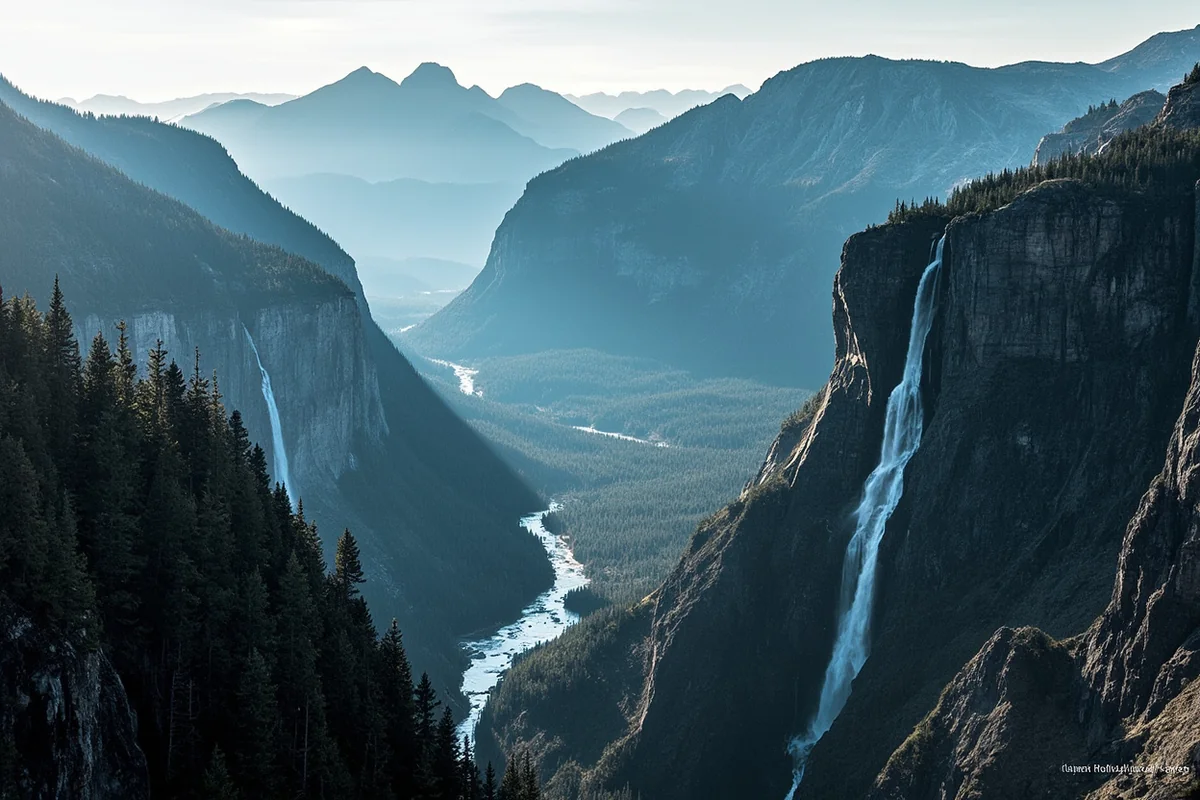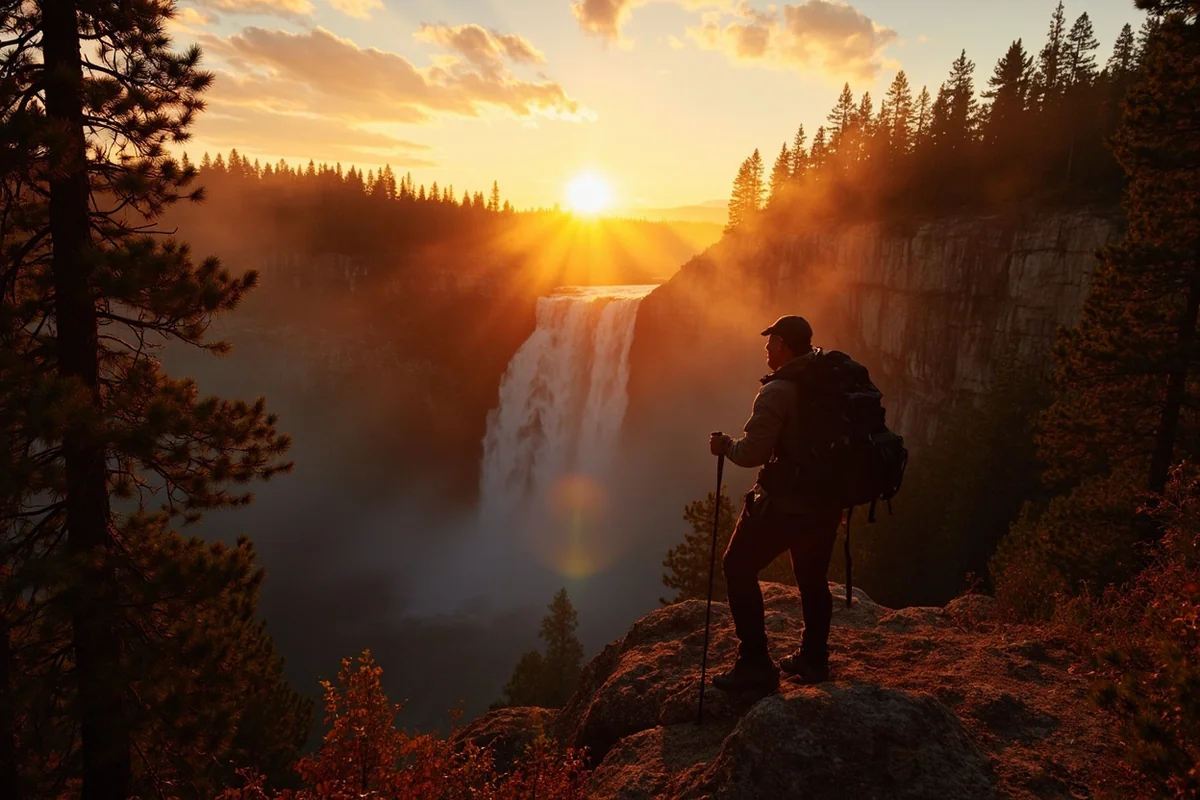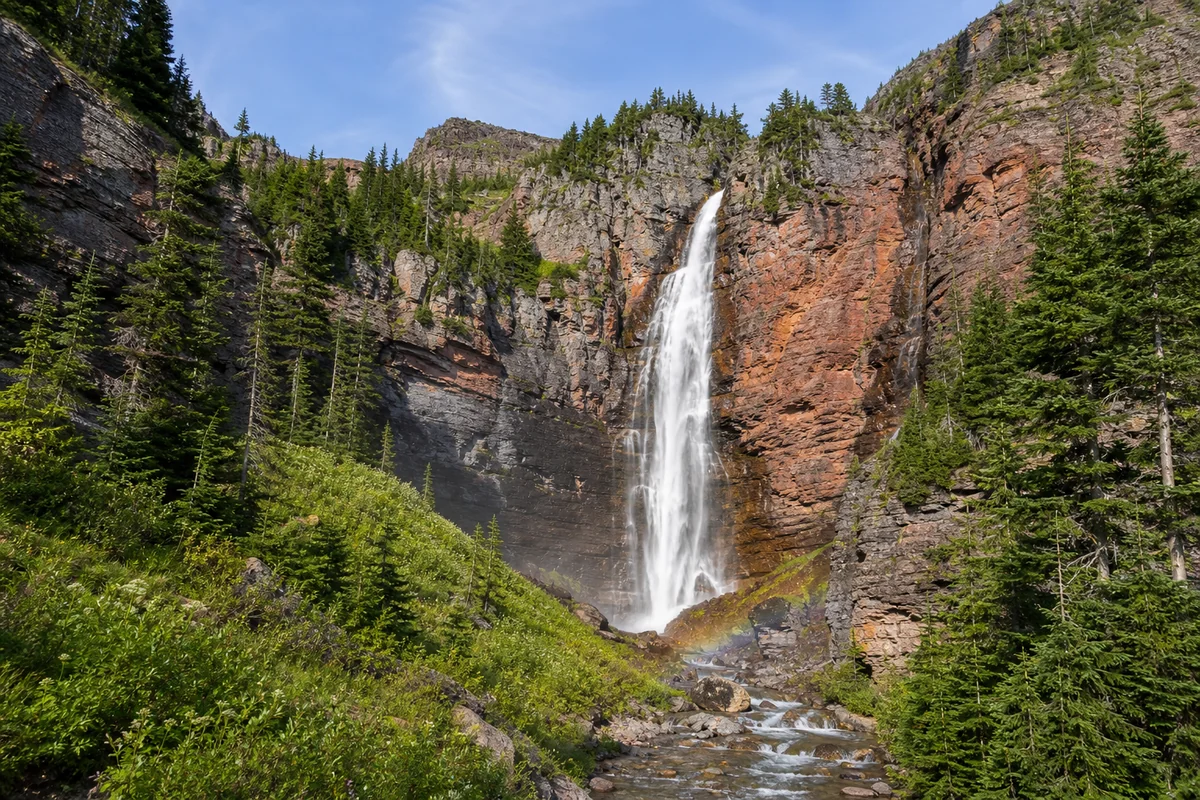
Have you ever dreamed of standing at the foot of a majestic waterfall, surrounded by pristine wilderness and breathtaking mountain vistas? Morning Eagle Falls in Montana’s Glacier National Park offers just that – a hidden gem that promises adventure, natural beauty, and unforgettable experiences.
But what makes this cascading wonder truly special, and how can you make the most of your visit? From exhilarating hiking trails and wildlife encounters to photography tips and camping under the stars, this comprehensive guide will unveil everything you need to know about Morning Eagle Falls.
- Related article: Must-Visit Treasure State Falls
Whether you’re an avid hiker, a nature enthusiast, or simply seeking a slice of Montana’s rugged paradise, join us as we explore the myriad activities and insider tips that will transform your trip into the adventure of a lifetime. Get ready to discover why Morning Eagle Falls is more than just a destination – it’s a gateway to the wild heart of the American West.
Table of Contents
About Morning Eagle Falls
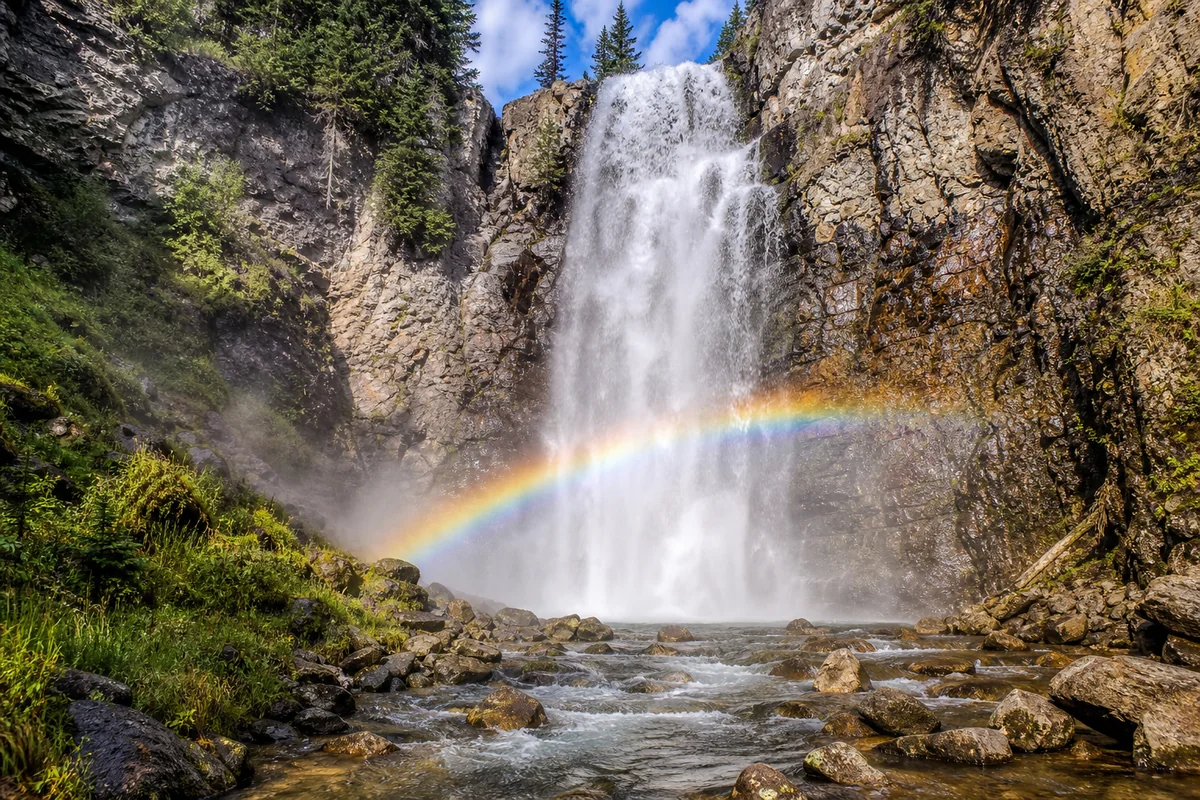
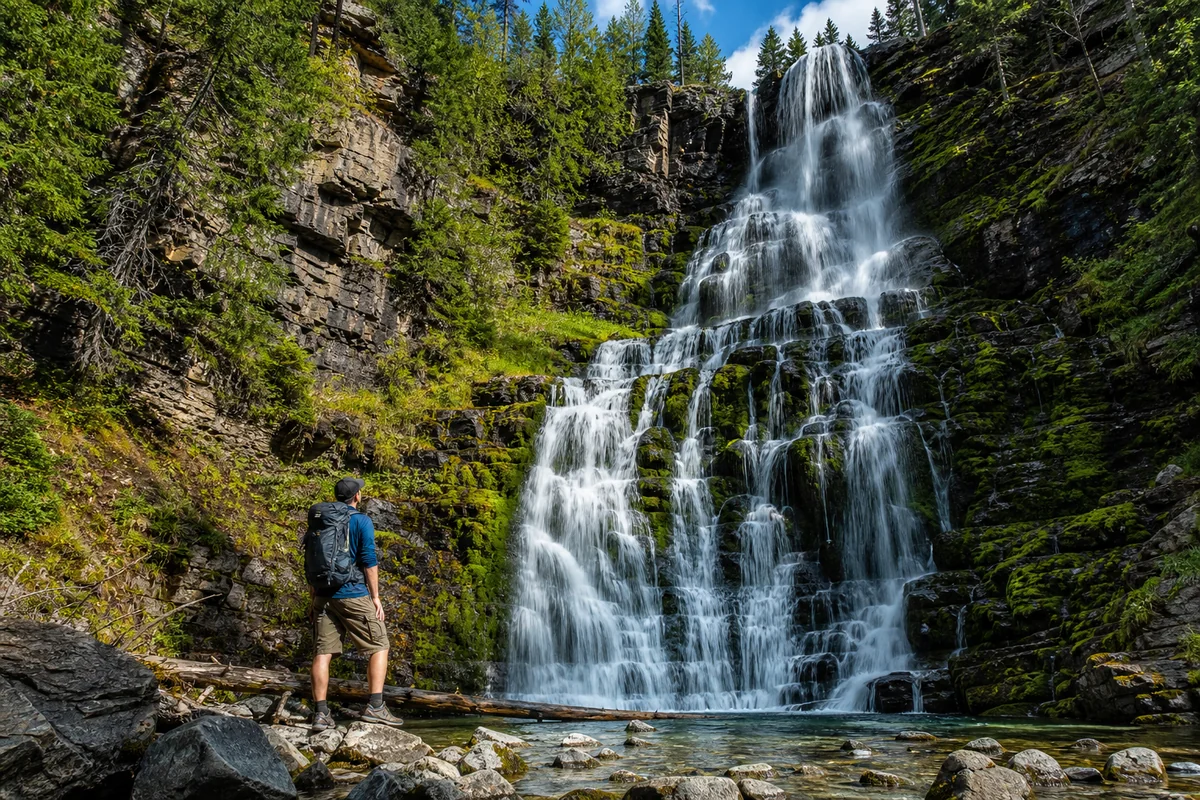
Morning Eagle Falls stands as one of Glacier National Park’s hidden gems, cascading approximately 40 feet down a series of rock ledges in Montana’s pristine wilderness. Located in the eastern region of the park, this multi-tiered waterfall flows from Piegan Lake into Morning Eagle Creek before eventually joining with Cataract Creek.
The waterfall features distinct geological formations created over millions of years. The bedrock consists primarily of sedimentary rock from the Belt Supergroup, which dates back to the Precambrian era, giving the falls their distinctive reddish-brown coloration. The water has carved smooth channels through the ancient rock, creating a series of cascades rather than a single dramatic plunge.
Surrounding the falls, the landscape showcases the quintessential beauty of Glacier National Park. Dense forests of lodgepole pine, Douglas fir, and western larch encircle the waterfall, while wildflowers like beargrass, Indian paintbrush, and glacier lilies dot the meadows during summer months. The falls sit nestled within a small canyon, with towering mountain peaks creating a dramatic backdrop.
The best time to visit Morning Eagle Falls is from late June through September when the trails are typically clear of snow and the water volume is substantial enough to create impressive cascades. During spring runoff (usually late May to early July), the falls reach their most dramatic state as snowmelt from higher elevations feeds the creek, transforming the usually serene cascade into a thundering torrent.
Each season brings its own character to the falls. Summer offers warm temperatures and peak accessibility, while early fall presents fewer crowds and the possibility of seeing the surrounding foliage transition to golden hues. Winter renders the falls largely inaccessible except to experienced backcountry travelers, but when visible, the partially frozen cascades create stunning ice formations that few visitors ever witness.
The morning light casts a particularly enchanting glow on the falls, illuminating the water droplets and creating rainbows in the mist – perhaps contributing to the “Morning Eagle” name that has become synonymous with this natural wonder.
Getting to Morning Eagle Falls
Morning Eagle Falls is nestled in the breathtaking wilderness of Glacier National Park in Montana, making it a destination that requires some planning to access. The falls are located in the Many Glacier area, one of the most scenic regions of the park.
The primary access point for Morning Eagle Falls is through the Many Glacier entrance on the east side of Glacier National Park. The closest town is Babb, Montana, a small community about 12 miles from the entrance. For more amenities and lodging options, the larger town of St. Mary is approximately 20 miles away, while the tourist hub of East Glacier Park Village is about 40 miles to the south.
If you’re driving from the west, take Highway 89 north from St. Mary and turn left onto Many Glacier Road (Route 3). From the east, approach via Highway 89 and turn onto Route 3. The road to Many Glacier is paved but can be rough in spots, especially after winter damage. During peak summer months, expect slow-moving traffic as the area is popular with visitors.
Parking is available at the Many Glacier Hotel and the Swiftcurrent Motor Inn, though these lots fill quickly during the high season (June through September). It’s advisable to arrive early, preferably before 8:00 AM, to secure a spot. Overflow parking exists, but it may add considerable distance to your hike.
All visitors to Glacier National Park must pay an entrance fee or show a valid pass. As of the latest update, a 7-day vehicle pass costs $35, while an annual America the Beautiful Pass is $80 and grants access to all national parks. Specific hiking permits are not required for day hikes to Morning Eagle Falls, but if you plan to camp overnight in the backcountry, you’ll need to obtain a backcountry permit from the National Park Service.
For those without personal transportation, options are limited but available. During summer months, a shuttle service operates within certain areas of the park, though it doesn’t extend to all trailheads. Some local companies offer taxi services to the Many Glacier area from nearby towns. Additionally, guided tours that include transportation can be arranged through authorized concessionaires.
The Many Glacier area, including access to Morning Eagle Falls, typically opens in late June or early July after snow clearing operations and remains open until weather conditions force closure in late September or October. Road conditions can change rapidly, so it’s advisable to check the Glacier National Park website or call the visitor center for the most current information before setting out.
Morning Eagle Falls Trail
The Morning Eagle Falls Trail offers one of the most rewarding hiking experiences in Glacier National Park, Montana. This moderately challenging trail stretches approximately 6.2 miles round-trip from the Piegan Pass Trailhead, taking hikers through diverse alpine terrain before revealing the spectacular Morning Eagle Falls.
The trail begins at an elevation of about 5,450 feet and climbs steadily to 6,200 feet at the falls, resulting in a manageable elevation gain of approximately 750 feet. This gradual ascent makes the trail accessible to hikers with moderate experience, though some sections feature rocky terrain that requires careful footing.
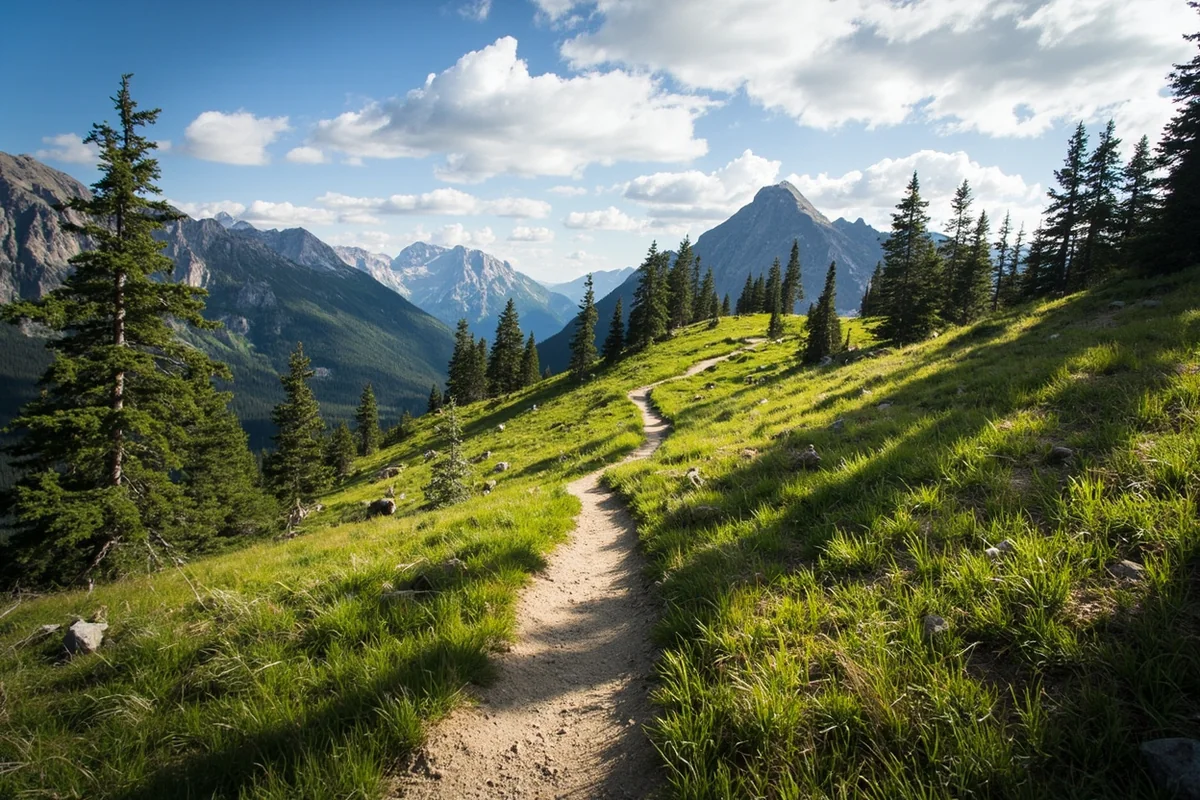
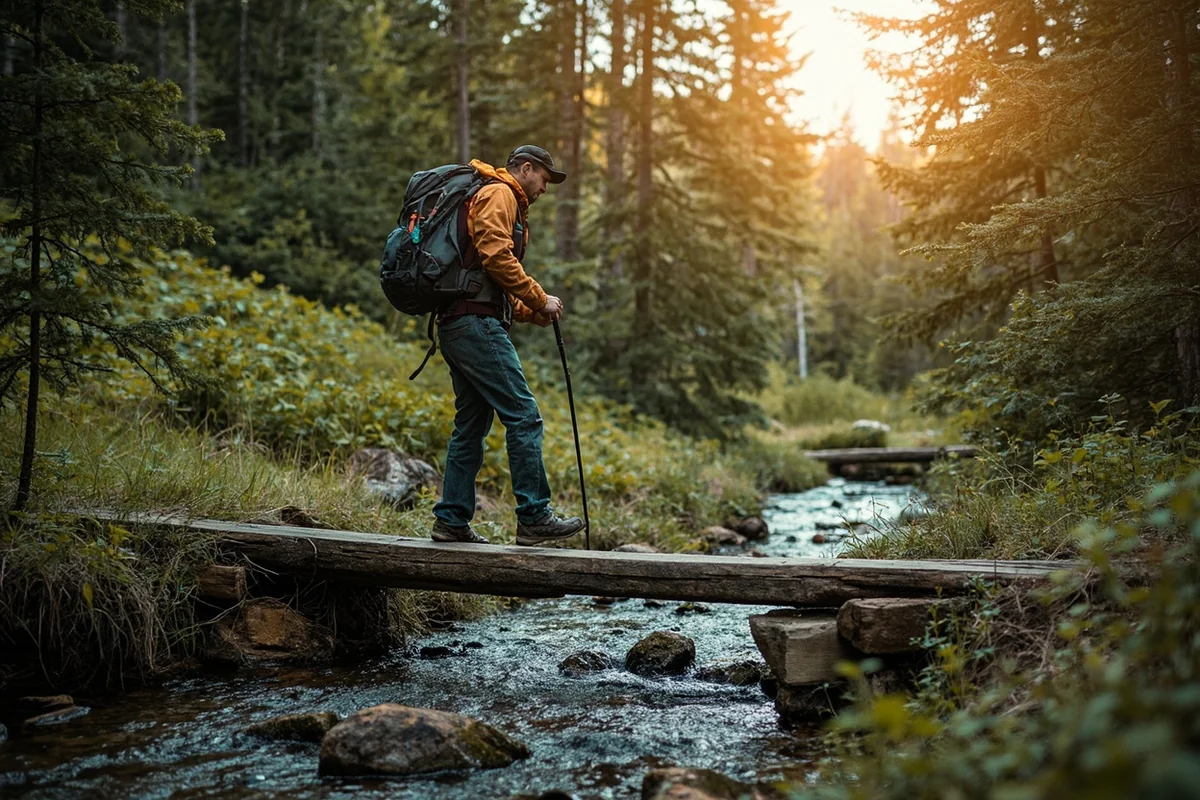
As you journey along the path, you’ll traverse through dense pine forests that eventually open up to reveal stunning mountain vistas. About halfway to the falls, the trail crosses several small streams via wooden footbridges, offering perfect opportunities for rest and photography. The final approach to Morning Eagle Falls features a series of switchbacks that provide increasingly dramatic views of the surrounding valleys.
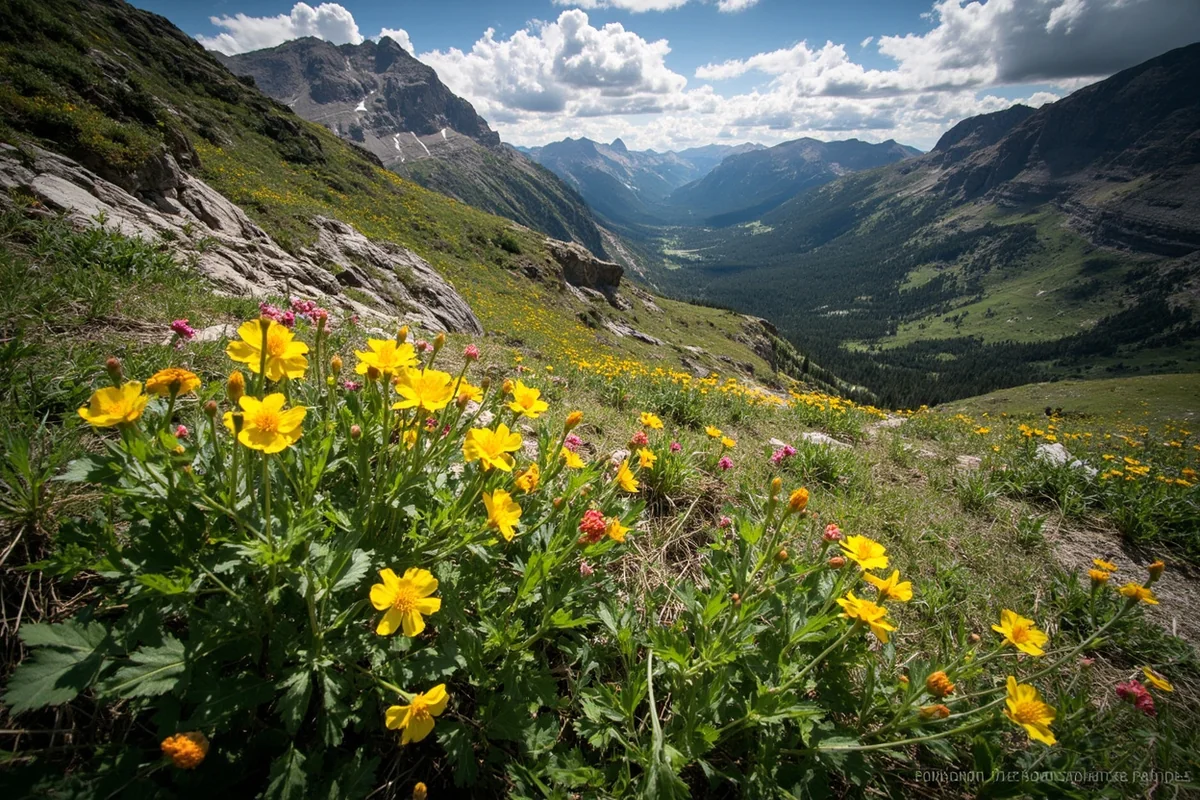
What makes this trail particularly special are the diverse ecosystems you’ll encounter. The lower sections host abundant wildflowers during summer months (particularly July), including bear grass, Indian paintbrush, and alpine asters. Wildlife sightings are common, with marmots, mountain goats, and occasionally moose visible from safe distances.
Trail conditions vary seasonally, with optimal hiking typically available from late June through September. Early season hikers should be prepared for snow patches at higher elevations, while late summer brings drier conditions. The trail is well-maintained but can become muddy after rainfall.
For this hike, recommended gear includes:
- Sturdy hiking boots with ankle support
- Layered clothing (temperatures can vary significantly)
- Rain gear (afternoon thunderstorms are common)
- At least 2 liters of water per person
- Bear spray (essential in Glacier National Park)
- Trekking poles for stream crossings and steeper sections
- Sun protection (hat, sunscreen, sunglasses)
The payoff for this moderate effort is substantial—Morning Eagle Falls cascades approximately 100 feet down a series of rocky steps, creating a mesmerizing display of water and mist. A small viewing area near the base of the falls provides the perfect spot for lunch and photography before beginning your return journey.
Continental Divide National Scenic Trail
The Continental Divide National Scenic Trail (CDT) offers adventurous hikers a magnificent way to experience Morning Eagle Falls within the broader context of Glacier National Park’s stunning landscape. This iconic trail, stretching over 3,100 miles from Mexico to Canada, passes relatively close to Morning Eagle Falls, creating an excellent opportunity for ambitious hikers to incorporate the falls into a section hike of this legendary path.
The section of the CDT that connects with Morning Eagle Falls access points runs along the stunning alpine ridges of Glacier National Park. Hikers can join the CDT from several connecting trails near Morning Eagle Falls, with the most popular junction being at Piegan Pass. From this intersection, the panoramic views of the surrounding valleys and glacial formations are simply breathtaking, with Morning Eagle Falls visible as a silver ribbon cutting through the verdant landscape below.
The trail segment near Morning Eagle Falls ranges from moderate to strenuous difficulty, with significant elevation changes and some exposed sections that demand careful footing. Hikers should be prepared for rapidly changing weather conditions, as the high-alpine environment can shift from sunny to stormy within minutes. The trail is typically covered in snow until mid-July, making late summer and early fall the optimal hiking seasons.
What makes this section of the CDT particularly special is the remarkable diversity of terrain and ecosystems you’ll traverse. Within just a few miles of Morning Eagle Falls, the trail passes through subalpine meadows bursting with wildflowers, dense pine forests, and rocky ridgelines that offer sweeping views of multiple valleys. Wildlife sightings are common, with mountain goats, bighorn sheep, and even the occasional grizzly bear making appearances.
For those planning a CDT section hike that includes Morning Eagle Falls, careful preparation is essential. The National Park Service requires backcountry permits for overnight stays, which should be reserved well in advance during peak season (July-September). Day hikers should start early, carry ample water (at least 3 liters per person), and pack layers for changing conditions. A detailed topographic map is indispensable, as trail markers can be sparse in some sections.
While challenging, combining the CDT with a visit to Morning Eagle Falls rewards hikers with a profound wilderness experience that showcases the raw, unspoiled beauty of Glacier National Park from perspectives few visitors ever witness.
Grinnell Lake and Grinnell Glacier Trail
The Grinnell Lake and Grinnell Glacier Trail offers one of the most spectacular hiking experiences in Glacier National Park, with Morning Eagle Falls serving as a breathtaking highlight along this legendary route. This trail system provides hikers with an opportunity to experience multiple alpine lakes, cascading waterfalls, and of course, the rapidly retreating Grinnell Glacier.
The trail begins at the Grinnell Glacier Trailhead near the Many Glacier Hotel and extends approximately 7.6 miles round trip to Grinnell Lake, or 11 miles round trip if you continue all the way to Grinnell Glacier. The elevation gain is moderate to strenuous, climbing about 1,600 feet to reach the lake and 1,840 feet to reach the glacier viewpoint. Most hikers should plan for 5-7 hours to complete the full journey.
As you make your way along the trail, Morning Eagle Falls appears about halfway through the hike, tumbling dramatically down the mountainside from Lake Josephine. This creates a perfect resting spot to catch your breath and capture photographs of the falls framed by the surrounding mountain peaks. The clear, turquoise waters of Morning Eagle Falls contrast beautifully with the red and green argillite rock formations.
Beyond the falls, the trail continues to climb through alpine meadows often blanketed with wildflowers in summer months. The higher you ascend, the more dramatic the views become. Bighorn sheep and mountain goats frequently traverse the steep slopes above, while the valley floor stretches out below, offering increasingly panoramic vistas with each switchback.
The final approach to Grinnell Glacier reveals one of the park’s most photographed scenes – the milky blue-green waters of Upper Grinnell Lake sitting beneath the remnants of the glacier itself. This spot offers a sobering glimpse at climate change in action, as historical markers show the glacier’s dramatic retreat over the past century.
For photographers, the morning light illuminates the eastern faces of the surrounding mountains, while afternoon light creates dramatic shadows and reflections on the lakes. The most iconic shots include capturing Morning Eagle Falls with Mount Gould in the background, or framing Upper Grinnell Lake with the glacier and the Garden Wall beyond.
While this trail is more challenging than a simple visit to Morning Eagle Falls, the rewards are well worth the effort. The trail can be busy during peak summer months, so starting early is advisable. For those seeking a less strenuous option, boat tours across Swiftcurrent Lake and Lake Josephine can reduce the hiking distance by about 3.4 miles round trip.
Swimming at Morning Eagle Falls
Morning Eagle Falls offers some of the most pristine alpine swimming opportunities in Glacier National Park, though it’s certainly not for the faint of heart. The crystal-clear waters that cascade down from the mountains create several natural pools that are perfect for a refreshing—and bracing—dip during the summer months.
The main swimming area sits at the base of the falls where a small pool has formed over centuries of water flow. Here, the water depth ranges from 3 to 7 feet, making it suitable for confident swimmers. The water temperature, however, is consistently cold year-round, typically hovering between 40-55°F (4-13°C) even in the height of summer. This glacial runoff ensures a truly invigorating experience that will quite literally take your breath away upon entry.
For those seeking a slightly warmer swimming experience, the shallow edges of the pool that receive direct sunlight throughout the day can reach more comfortable temperatures by late afternoon. These areas are also ideal for families with children who want to wade rather than fully immerse themselves.
Safety should be your primary concern when swimming at Morning Eagle Falls. The current can be surprisingly strong, particularly after rainfall or during spring runoff (May-June). Never swim alone, and always keep an eye on changing weather conditions, as storms can cause rapid water level changes. There are no lifeguards on duty, so swimming is entirely at your own risk.
The best swimming spots include:
- The main pool at the base of the falls (deepest and coldest)
- The southern edge of the pool where several sun-warmed rocks create natural entry points
- The small cove about 50 yards downstream where the current is gentler
Swimming is generally accessible from late June through early September, depending on seasonal conditions. Early summer brings higher water levels and stronger currents, while August typically offers the warmest water temperatures and more stable conditions.
It’s important to note that Glacier National Park regulations prohibit jumping from rocks around the falls, and all visitors should practice Leave No Trace principles—taking out everything they bring in and using biodegradable soap if needed. The park also discourages the use of inflatable devices due to the risk of punctures on submerged rocks.
For the most enjoyable experience, plan your swim for mid-afternoon when the sun has had a chance to warm the water slightly, and bring a quick-dry towel and warm clothes for after your swim—you’ll appreciate them once you exit the bracing waters of this Montana gem.
Boating and Water Activities
Morning Eagle Falls offers exceptional opportunities for water enthusiasts looking to explore Glacier National Park from a different perspective. The pristine waters surrounding the falls create an ideal setting for various boating activities that allow visitors to experience the majestic landscape from the water.
Kayaking is particularly popular near Morning Eagle Falls, with the calm waters of Swiftcurrent Lake providing an excellent starting point for paddlers. The lake’s crystal-clear waters offer unparalleled views of the surrounding mountains, and on calm days, the reflections create mirror-like images that photographers find irresistible. Experienced kayakers can navigate closer to the falls area, though maintaining a safe distance is essential due to the current.
Canoeing presents another fantastic option for families and those seeking a more relaxed water experience. The stable nature of canoes makes them perfect for leisurely exploration of the waterways around Morning Eagle Falls. Many visitors bring picnic lunches and spend hours gently paddling while taking in the spectacular alpine scenery.
For those not bringing their own equipment, rental options are available at the nearby Many Glacier Hotel during the summer season. The rental facility offers kayaks, canoes, and even small rowboats by the hour or full day. It’s advisable to reserve equipment in advance during peak season (July-August) as availability can be limited.
When it comes to regulations, boaters should be aware that motorized vessels are prohibited on most lakes in Glacier National Park, including those near Morning Eagle Falls. This restriction helps preserve the tranquil atmosphere and protect the delicate ecosystem. Additionally, all boaters must comply with the park’s aquatic invasive species prevention protocols, which may include inspection of watercraft before launching.
Permits are not typically required for non-motorized day use boating activities, but overnight trips that include boating may require backcountry permits. These can be obtained at the Many Glacier Ranger Station or through the park’s advance reservation system.
Safety should remain paramount during any water activity near Morning Eagle Falls. The water temperature stays extremely cold year-round, rarely exceeding 50°F even in summer months, creating risk for hypothermia. All boaters should wear appropriate personal flotation devices, regardless of swimming ability. Weather conditions in the mountains can change rapidly, so checking forecasts before heading out and being prepared to return to shore quickly is essential.
By respecting these guidelines, visitors can enjoy unforgettable boating experiences that showcase Morning Eagle Falls and its surrounding wilderness from a unique vantage point that few get to experience.
Horseback Riding Opportunities
Exploring Morning Eagle Falls and the surrounding Glacier National Park on horseback offers a unique perspective that connects visitors to the area’s rich history. Before motorized vehicles, horseback was the primary way early explorers and visitors experienced these majestic landscapes.
Guided Tours
Several authorized outfitters operate guided horseback tours near Morning Eagle Falls. Swan Mountain Outfitters is the primary concessionaire within Glacier National Park, offering rides ranging from one hour to full-day excursions. Their Many Glacier area rides provide stunning views of the surrounding peaks and occasional glimpses of Morning Eagle Falls from elevated vantage points.
Guided tours typically include:
- Experienced wranglers familiar with the area’s history and ecology
- Well-trained horses suited to mountain terrain
- All necessary equipment
- Safety briefings before departure
Trail Routes Suitable for Horses
Not all trails around Morning Eagle Falls permit horses, but several excellent routes accommodate equestrians:
- Piegan Pass Trail – A moderate to difficult 9-mile trail that offers spectacular views of the falls from a distance
- Many Glacier Horse Trail – A gentler option suitable for beginners that circles through valleys with mountain vistas
- Cracker Lake Trail – A popular horse route with breathtaking scenery throughout the 12-mile round trip
Most horse trails maintain a minimum width of 4 feet and avoid extremely steep sections, making them suitable for both horses and riders of varying experience levels.
Outfitters and Booking Information
Besides Swan Mountain Outfitters, several companies operate just outside park boundaries, offering rides that approach Morning Eagle Falls from different angles:
- Glacier Gateway Outfitters: Specializes in half-day rides suitable for families
- Diamond R Ranch: Offers private guided tours with smaller groups
- Many Glacier Stables: Provides authentic western riding experiences with knowledgeable guides
Advance reservations are strongly recommended, especially during peak season (July-August) when spots fill quickly. Most outfitters accept bookings online or by phone up to six months in advance.
Costs and Options
Horseback riding options vary in price depending on duration and group size:
- 1-hour rides: $50-65 per person
- 2-hour rides: $80-95 per person
- Half-day excursions: $125-175 per person
- Full-day adventures: $225-275 per person
Many outfitters offer family packages and group discounts for parties of 4 or more. Some also provide specialty experiences like sunset rides or photography-focused excursions at premium rates.
Experience Levels
Horseback riding opportunities exist for all skill levels around Morning Eagle Falls:
Beginners: First-time riders can enjoy shorter, guided trips on gentle terrain with horses specifically selected for their calm temperament. No experience is necessary for these introductory rides.
Intermediate: Riders with some experience can participate in longer excursions that venture further into the backcountry, including some moderate climbs and varied terrain.
Advanced: Experienced equestrians may arrange private guided tours that cover more challenging terrain and longer distances, sometimes including overnight options with backcountry camping.
Weight restrictions (typically 240-250 pounds) apply for all riders, and children must usually be at least 7-8 years old to participate, though this varies by outfitter.
Horseback riding offers an immersive way to experience the natural splendor around Morning Eagle Falls, combining the area’s spectacular scenery with the timeless tradition of exploring Montana’s wilderness on horseback.
Camping Near Morning Eagle Falls
Morning Eagle Falls offers some of the most scenic camping opportunities in Glacier National Park, with options ranging from established campgrounds to remote backcountry sites. Whether you’re looking for convenience or solitude, there’s a camping experience to match your adventure style.
Campground Options
Several established campgrounds provide relatively easy access to Morning Eagle Falls:
- Many Glacier Campground: Located approximately 4 miles from the falls, this popular campground offers 109 sites suitable for tents and smaller RVs. Its proximity to Morning Eagle Falls makes it an ideal base camp for day hikers.
- Swiftcurrent Campground: Another excellent option with 127 sites, offering basic amenities and serving as a gateway to the Morning Eagle Falls trail system.
- Rising Sun Campground: Located on the east side of the park, this smaller campground provides a quieter experience while still offering reasonable access to the falls area.
Backcountry Camping
For those seeking a more immersive wilderness experience, backcountry camping near Morning Eagle Falls offers unparalleled solitude:
- Cosley Lake: This backcountry campground features spectacular views and is situated along the trail network that connects to Morning Eagle Falls.
- Glenn’s Lake Campground: A remote site that requires permits but rewards campers with pristine surroundings and excellent access to the falls.
Backcountry sites typically accommodate 1-4 tents and require advance permits.
Reservations and Planning
Camping in Glacier National Park requires careful planning:
- Established campgrounds: Reservations for Many Glacier and other frontcountry campgrounds open 6 months in advance and fill extremely quickly, especially for summer dates.
- Backcountry permits: These become available on March 15 each year for the upcoming season. A portion of backcountry permits are reserved for walk-up visitors, available 24 hours before your trip start date.
- Reservation fees: Expect to pay $10-$23 per night for established campgrounds and $7 per person per night for backcountry sites.
Facilities and Amenities
Campground facilities vary by location:
- Frontcountry campgrounds typically offer potable water, flush or vault toilets, food storage lockers, and designated fire rings.
- Backcountry sites provide food hanging poles or bear boxes, primitive toilet facilities, and designated tent sites, but no potable water (water from lakes and streams must be filtered or treated).
Bear Safety and Wildlife
Camping near Morning Eagle Falls means sharing the landscape with wildlife, including grizzly and black bears:
- All food, garbage, and scented items must be stored in hard-sided vehicles or provided food storage lockers when not in immediate use.
- Backcountry campers must hang food from designated poles or use bear canisters.
- Cooking areas should be at least 100 feet from your tent.
- Bear spray is essential for all campers in the area.
Regulations and Leave No Trace
Glacier National Park enforces strict camping regulations to protect the ecosystem:
- Campfires are permitted only in designated fire rings at established campgrounds.
- Backcountry campers must use camp stoves rather than fires.
- Pack out all trash and waste.
- Stay on established trails and campsites to minimize impact.
Seasonal Availability
The camping season around Morning Eagle Falls is relatively short:
- Peak season: Mid-June through early September, weather permitting.
- Shoulder seasons: Late May to mid-June and September to early October may offer camping opportunities, but with limited facilities and unpredictable weather.
- Winter camping: Permitted for experienced winter adventurers, but access to Morning Eagle Falls becomes extremely difficult and dangerous.
Planning your camping trip during July and August provides the most reliable weather conditions, though these months also bring the largest crowds to the area.
Wildlife Watching at Morning Eagle Falls
Morning Eagle Falls and its surrounding wilderness in Glacier National Park offer exceptional wildlife viewing opportunities. The diverse ecosystem supports a remarkable variety of species, making it a premier destination for wildlife enthusiasts and photographers.
Common Wildlife Species
The area around Morning Eagle Falls is home to an impressive array of wildlife. Visitors frequently spot:
- Large mammals: Grizzly bears, black bears, moose, elk, mountain goats, and bighorn sheep roam the mountainsides and valleys.
- Smaller mammals: Look for marmots, pikas, ground squirrels, and the occasional pine marten or wolverine.
- Birds: The region hosts over 260 bird species, including the majestic bald eagle, osprey, Clark’s nutcracker, Steller’s jay, and the elusive harlequin duck.
- Aquatic life: In the crystal-clear waters, you might spot native cutthroat trout darting beneath the surface.
Best Viewing Times
Wildlife viewing success largely depends on timing:
- Early morning: From dawn until about 9 AM offers the best opportunity to see most mammals as they’re actively feeding.
- Dusk: The hours before sunset provide another prime window for wildlife activity.
- Seasonal considerations: Spring brings newborn animals and migrating birds, while fall features elk bugling and animals preparing for winter.
- Weather impacts: Overcast days often result in extended animal activity periods compared to hot summer days when wildlife seeks shade during midday.
Prime Viewing Locations
Several spots near Morning Eagle Falls provide excellent wildlife watching:
- Open meadows: The clearings along the trail to Morning Eagle Falls offer unobstructed views where animals often graze.
- Waterfall basin: Animals frequently visit for drinking, especially during quieter periods with fewer visitors.
- Higher elevation points: For mountain goats and bighorn sheep, scan the rocky outcroppings above the tree line.
- Lakeshores: Dawn and dusk at nearby lakes often reveal moose and various waterfowl.
Wildlife Photography Tips
For those hoping to capture memorable wildlife images:
- Bring a telephoto lens (at least 200mm, preferably 300mm or longer) to maintain safe distances.
- Use a tripod to stabilize longer lenses, especially in low light conditions.
- Practice proper exposure techniques for challenging lighting situations common in forested areas.
- Be patient and observe animal behavior before attempting photographs.
- Consider carrying a wide-angle lens as well to capture wildlife within their spectacular natural setting.
Safety Guidelines
Wildlife watching requires responsible behavior:
- Maintain a minimum distance of 100 yards from bears and wolves, and 25 yards from all other wildlife.
- Never approach, feed, or attempt to touch wild animals.
- Carry bear spray and know how to use it when hiking in bear country.
- Make noise while hiking to avoid surprising animals.
- If an animal changes its behavior due to your presence, you’re too close and should back away slowly.
Conservation Efforts
The ecosystem around Morning Eagle Falls benefits from several conservation initiatives:
- Habitat preservation projects protect critical wildlife corridors.
- Wildlife monitoring programs track population health and movements.
- Visitor education programs promote responsible wildlife viewing.
- Restoration efforts address human impacts on sensitive habitats.
By respecting wildlife and following park guidelines, visitors can enjoy meaningful encounters with Glacier’s magnificent animals while helping ensure their protection for generations to come.
Photography Tips for Morning Eagle Falls
Morning Eagle Falls offers photographers a stunning canvas of natural beauty that changes with the seasons and time of day. Whether you’re a professional photographer or simply looking to capture memorable vacation shots, these tips will help you make the most of this picturesque location.
Best Vantage Points
The most iconic shots of Morning Eagle Falls can be captured from several strategic locations:
- Lower Viewpoint: About 100 yards before reaching the falls, there’s a small clearing that provides a frontal view with the mountains framing the background.
- Upper Ridge: For those willing to climb a bit higher, the ridge above the falls offers a dramatic downward perspective that captures both the falls and the valley below.
- Across the Lake: From the opposite shore of Feather Woman Lake, you can capture wide-angle shots that include the falls, surrounding forest, and mountain reflections in the water.
- Midway Point: Halfway up the Morning Eagle Falls Trail, there’s a natural rock outcropping that frames the falls between pine trees for a more intimate composition.
Lighting Conditions
The light at Morning Eagle Falls changes dramatically throughout the day:
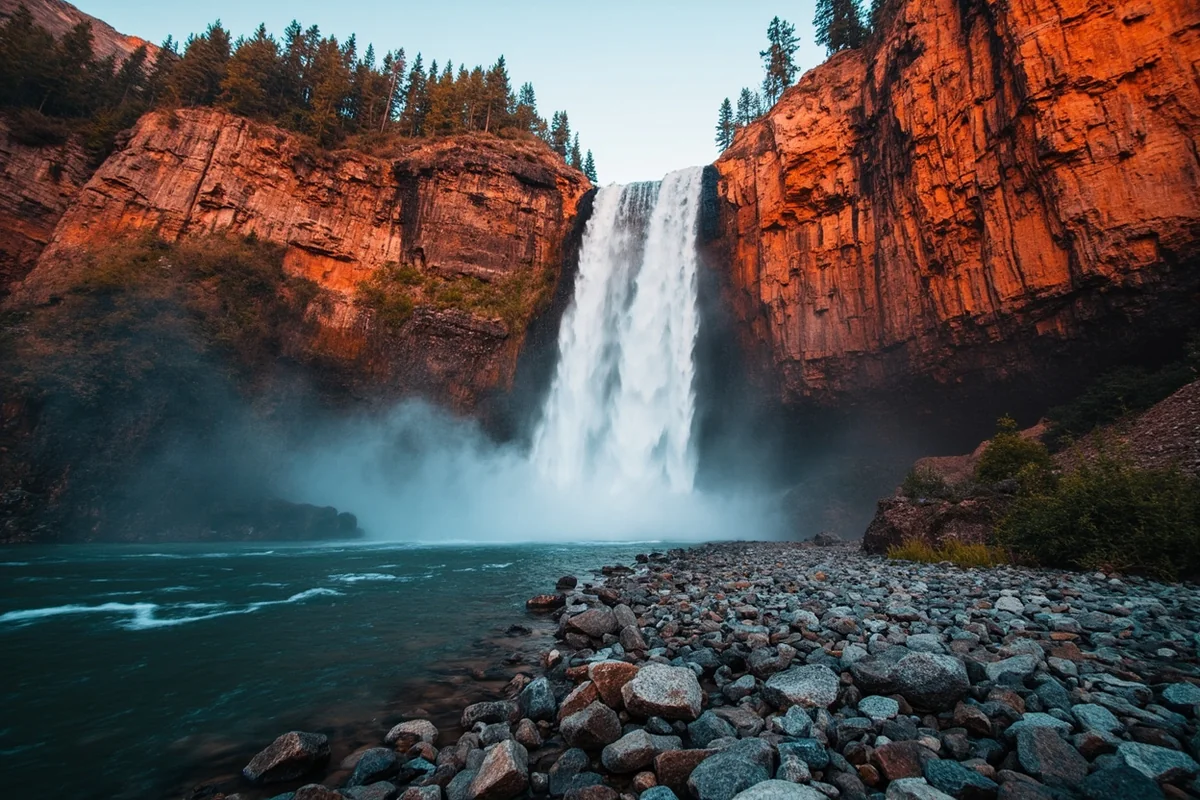
- Early Morning (Golden Hour): Arrive 30-45 minutes before sunrise for soft, golden light that illuminates the eastern face of the falls. Morning mist often creates ethereal conditions perfect for atmospheric shots.
- Midday: While typically harsh for photography, the deep canyon setting means that midday light can create interesting shadow patterns and highlight the turquoise water colors.
- Late Afternoon: The western exposure means that 2-4 hours before sunset provides ideal lighting as the falls begin to glow with warm tones.
- Overcast Days: Don’t be discouraged by clouds! Overcast conditions create soft, diffused light perfect for capturing the rich colors of the surrounding vegetation and eliminating harsh shadows.
Recommended Equipment
- Wide-Angle Lens: Essential for capturing the expansive landscape (16-35mm recommended)
- Telephoto Lens: Useful for wildlife and isolating sections of the falls (70-200mm)
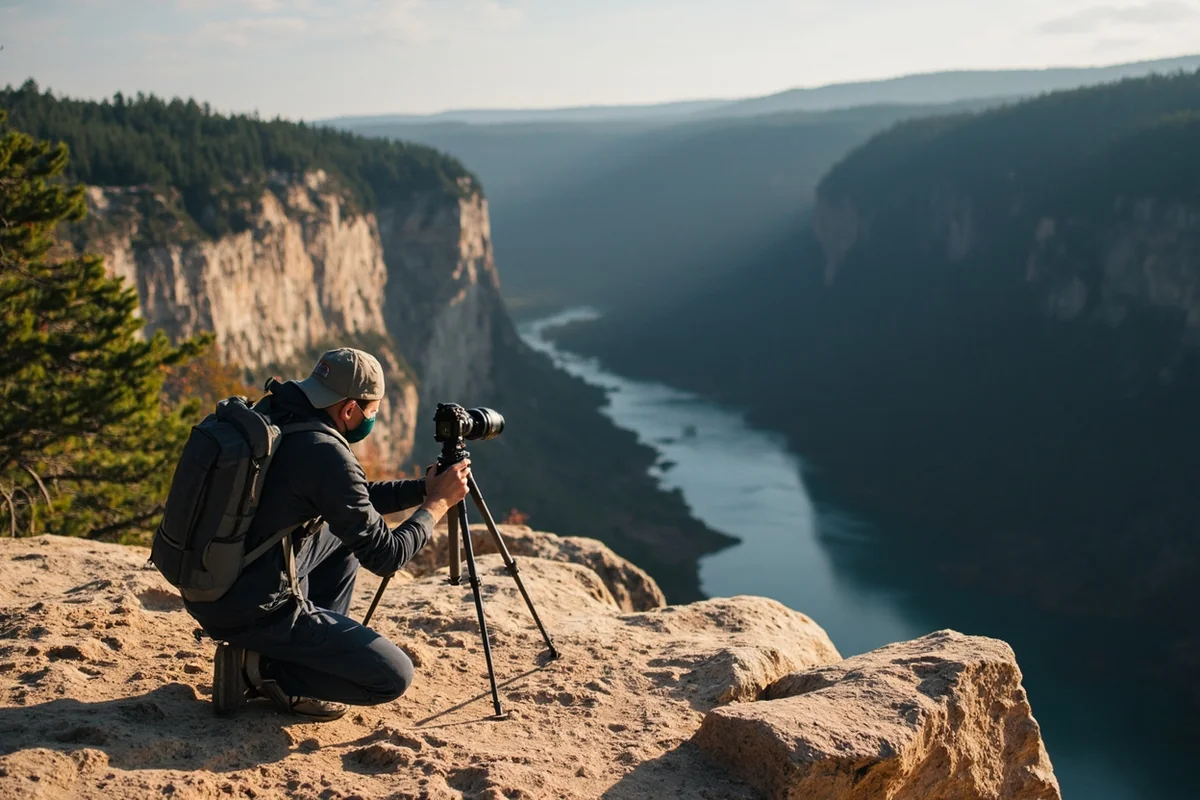
- Tripod: Crucial for long exposures that create silky water effects
- Polarizing Filter: Helps reduce glare on water and enhances the vibrant blues and greens
- Neutral Density Filters: Allow for longer exposures even in bright conditions
- Weather Protection: A rain cover for your camera as spray from the falls can be unpredictable
- Microfiber Cloths: Keep several on hand for wiping spray from lenses
Seasonal Photo Opportunities
Each season offers unique photographic possibilities at Morning Eagle Falls:
- Spring (May-June): Capture peak water flow as snowmelt creates dramatic, thundering cascades. Wildflowers begin to emerge, adding splashes of color to foreground compositions.
- Summer (July-August): Lush green foliage frames the falls, and the longer days provide extended golden hour shooting. Star photography opportunities abound on clear nights.
- Fall (September-October): The surrounding aspens and tamaracks transform to brilliant gold, creating stunning contrast against the blue water and green pines.
- Winter (November-April): For the adventurous photographer, partially frozen falls with ice formations offer otherworldly compositions. The snow-covered landscape creates a minimalist aesthetic.
Composition Advice
- Use Natural Frames: Position tree branches or rock formations to frame the falls within your shot.
- Include Foreground Elements: Place rocks, wildflowers, or fallen logs in the foreground to create depth.
- Try Different Shutter Speeds: Experiment with fast shutter speeds to freeze water droplets or slow speeds (1/15 to 30 seconds) for silky water effects.
- Human Element: Including a person (at a distance) provides scale and creates a more compelling story.
- Focus Stacking: For maximum sharpness from foreground to background, consider taking multiple images at different focus points and blending them.
- Vertical Orientation: Don’t forget to shoot vertical compositions to capture the full height of the falls and sky.
Remember that while getting the perfect shot is rewarding, take time to simply enjoy the natural beauty of Morning Eagle Falls. Sometimes the best photographs come when you’re fully present and connected to the landscape around you.
When to Visit Morning Eagle Falls
Morning Eagle Falls offers a different experience depending on when you visit, with each season bringing its own unique charm and challenges.
Summer (July-August) is the most popular time to visit Morning Eagle Falls, and for good reason. The weather is warm, typically ranging from 60-80°F during the day, and all trails are fully accessible. The waterfall flows steadily during this period, though not at its peak volume. While the views are spectacular, expect larger crowds, especially on weekends and holidays. If you’re planning a summer visit, arrive early in the morning (before 8 AM) to secure parking and enjoy some solitude before day-trippers arrive.
Late Spring (May-June) offers perhaps the most dramatic waterfall displays as snowmelt from the mountains creates powerful, thundering cascades. This is when Morning Eagle Falls is at its most impressive volume, with peak flow typically occurring in early June. However, higher elevation trails may still have snow patches, and sudden afternoon thunderstorms are common. Temperatures can range from 40-70°F, so layered clothing is essential.
Fall (September-early October) brings spectacular foliage as the aspen trees turn brilliant gold, creating a photographer’s paradise. Crowds thin significantly after Labor Day, and wildlife becomes more active and visible. Temperatures cool to 40-65°F during the day, and the first snowfall might dust the mountain peaks. The waterfall flow decreases but remains picturesque. This season offers the perfect balance of accessibility, natural beauty, and solitude.
Winter (November-April) transforms the area into a snow-covered wonderland, but access becomes challenging. The main roads to Glacier National Park are typically closed, and reaching Morning Eagle Falls requires cross-country skiing or snowshoeing. Temperatures often drop below freezing, and daylight hours are limited. For experienced winter adventurers, however, the frozen waterfall creates spectacular ice formations that few visitors ever witness.
Special events in the region include the Native American Cultural Days in mid-July and the Huckleberry Festival in August, which can affect accommodation availability and crowd levels. If you’re hoping to photograph the falls without people in your shots, consider visiting during weekdays in September when the light is still good but the summer crowds have dispersed.
For the optimal combination of waterfall drama, trail accessibility, and manageable crowds, the sweet spots are early June (for maximum water flow) and mid-September (for fall colors and solitude).
Safety Considerations
When visiting Morning Eagle Falls, prioritizing safety ensures your adventure remains memorable for all the right reasons. The remote wilderness of Glacier National Park presents several challenges that require proper preparation and awareness.
Trail Hazards
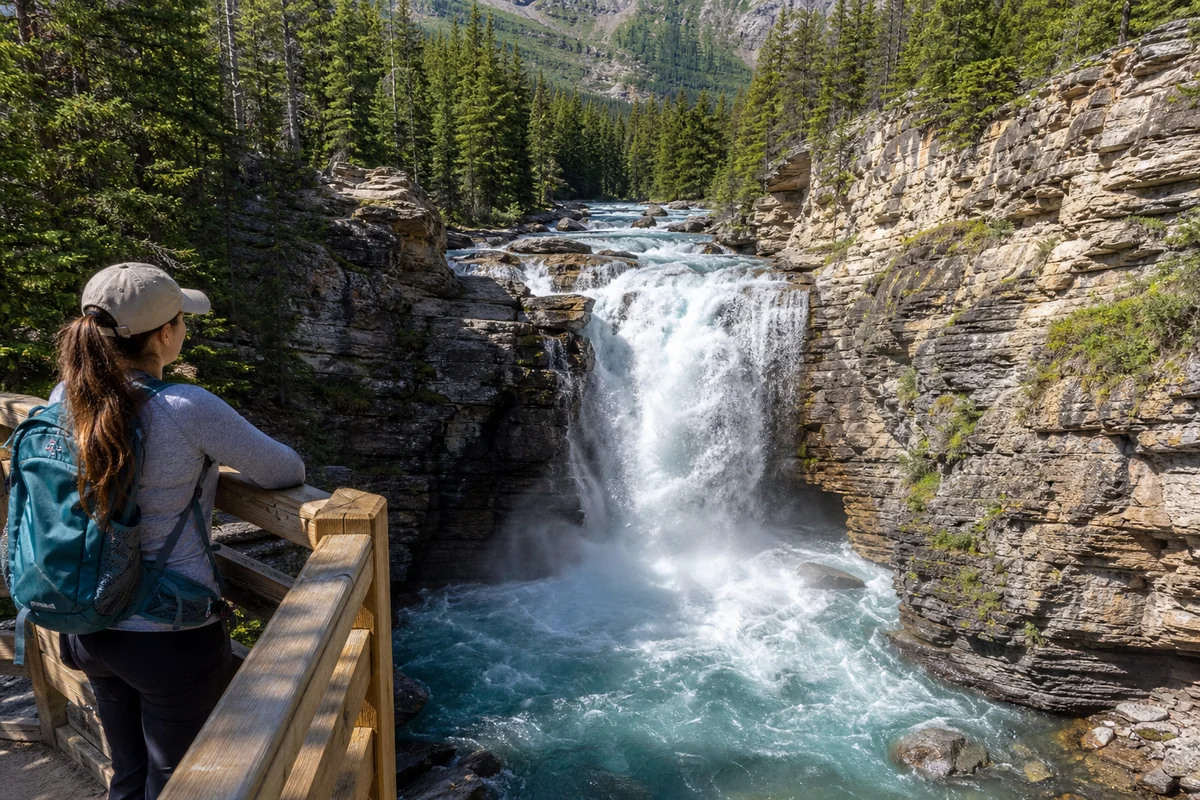
The trails leading to Morning Eagle Falls feature varying terrain that can pose risks to hikers. Loose rocks, exposed roots, and steep sections require careful footing, especially after rainfall when surfaces become slippery. Stream crossings can be particularly dangerous during spring runoff when water levels rise. Always use designated crossing points and consider bringing trekking poles for added stability. Cliff edges near the falls lack guardrails, so maintain a safe distance and keep children under close supervision at all times.
Wildlife Safety
Glacier National Park is home to abundant wildlife, including grizzly and black bears. Before hiking, learn proper bear safety protocols. Make noise while hiking to avoid surprising bears, carry bear spray and know how to use it, and hike in groups whenever possible. If you encounter a bear, remain calm, avoid direct eye contact, speak in a normal voice, and slowly back away. Never run from a bear or approach wildlife for photographs. Mountain lions, moose, and other large mammals also inhabit the area and should be given plenty of space.
Weather Precautions
Mountain weather can change dramatically and without warning. Check the forecast before departing and be prepared for sudden temperature drops, thunderstorms, or snow even in summer months. Start hikes early in the day to avoid afternoon thunderstorms common in the mountains. If caught in a storm, seek shelter away from isolated trees and exposed ridges. Hypothermia is a risk even in summer—always pack extra layers and rain gear regardless of the forecast.
Emergency Contacts
Before heading out, inform someone of your planned route and expected return time. Cell service is extremely limited or non-existent in much of the park. Consider carrying a satellite communication device for emergencies. Program the Glacier National Park emergency number (406-888-7800) into your phone, and know the locations of ranger stations along your route. In case of serious emergency, dial 911 if you have service.
Preparation Tips
Research your route thoroughly before setting out. Obtain current trail conditions from visitor centers, as washouts or closures can occur. Start with shorter hikes to acclimate to the elevation if you’re coming from lower altitudes. Stay on designated trails to protect both yourself and the fragile ecosystem. Always check the park’s website for any alerts or closures before your visit.
Equipment Recommendations
Pack the “Ten Essentials” for any wilderness excursion: navigation tools (map and compass), sun protection, insulation (extra clothing), illumination (headlamp/flashlight), first-aid supplies, fire starter, repair kit and tools, food, water, and emergency shelter. Footwear with good ankle support and traction is crucial for the rocky terrain. A water filter or purification tablets allow you to safely refill from streams. For longer hikes, trekking poles reduce strain on knees during descents and provide stability on uneven ground.
Remember that self-reliance is essential in wilderness areas. By preparing properly and respecting the natural hazards of the environment, your visit to Morning Eagle Falls can be both safe and rewarding.
Conclusion: Planning Your Perfect Morning Eagle Falls Adventure
As you plan your journey to Morning Eagle Falls, remember that this hidden gem in Montana offers far more than just a picturesque waterfall. The cascading waters set against the dramatic backdrop of Glacier National Park create memories that will last a lifetime. Whether you choose the direct Morning Eagle Falls Trail, incorporate it into a longer Continental Divide adventure, or pair it with a visit to Grinnell Lake, each path offers its own unique perspective of Montana’s natural splendor.
For the best experience, consider a 2-3 day itinerary that allows you to fully immerse yourself in the area. Day one might include hiking to the falls and enjoying some swimming or photography, while day two could involve wildlife watching and horseback riding through the surrounding wilderness. If you’re camping, add an extra day to simply relax and soak in the tranquility of this mountain paradise.
Remember to check weather conditions before your visit, as mountain weather can change rapidly. The summer months of July and August typically offer the most reliable conditions, though September brings fewer crowds and spectacular fall colors. Always pack layers, bring more water than you think you’ll need, and carry bear spray when exploring the trails.
As visitors to this pristine environment, we all share responsibility for its preservation. Pack out everything you bring in, stay on designated trails, maintain a respectful distance from wildlife, and follow all park regulations. These small actions ensure that Morning Eagle Falls remains as breathtaking for future generations as it is today.
Morning Eagle Falls stands as a testament to nature’s artistry—a place where the modern world fades away and the timeless beauty of Montana’s wilderness takes center stage. When you visit with respect and appreciation, you become part of its ongoing story—a story of conservation, adventure, and the enduring power of natural places to inspire and rejuvenate the human spirit.
FAQs about Morning Eagle Falls
What is the best time of year to visit Morning Eagle Falls?
The best time to visit Morning Eagle Falls depends on your preferences. Summer (July-August) offers warm weather and full trail access, but also larger crowds. Late spring (May-June) provides the most dramatic waterfall displays due to snowmelt, though some trails may still have snow. Fall (September-early October) brings spectacular foliage and fewer crowds, making it ideal for those seeking a balance of accessibility and solitude. For the optimal combination of waterfall drama, trail accessibility, and manageable crowds, consider visiting in early June or mid-September.
How difficult is the hike to Morning Eagle Falls?
The difficulty of hiking to Morning Eagle Falls varies depending on the trail you choose. The main Morning Eagle Falls Trail is considered moderately challenging, stretching approximately 6.2 miles round-trip with an elevation gain of about 750 feet. This makes it accessible to hikers with moderate experience and fitness levels. However, some sections feature rocky terrain that requires careful footing. For those seeking a more strenuous adventure, the Continental Divide National Scenic Trail or the Grinnell Glacier Trail offer more challenging options with greater elevation gains and longer distances.
Are there camping options near Morning Eagle Falls?
Yes, there are several camping options near Morning Eagle Falls. Established campgrounds like Many Glacier Campground and Swiftcurrent Campground offer convenient access to the falls and basic amenities. For a more immersive wilderness experience, backcountry camping is available at sites like Cosley Lake and Glenn’s Lake Campground, though these require permits. Reservations for established campgrounds open 6 months in advance and fill quickly, especially for summer dates. Backcountry permits become available on March 15 each year for the upcoming season.
What wildlife can I expect to see around Morning Eagle Falls?
The area around Morning Eagle Falls is home to a diverse array of wildlife. Visitors may spot large mammals such as grizzly bears, black bears, moose, elk, mountain goats, and bighorn sheep. Smaller mammals like marmots, pikas, and ground squirrels are also common. Birdwatchers can observe over 260 species, including bald eagles, ospreys, and Clark’s nutcrackers. In the waters, native cutthroat trout can sometimes be seen. Remember to maintain a safe distance from all wildlife and never approach or feed animals.
Is swimming allowed at Morning Eagle Falls?
Swimming is allowed at Morning Eagle Falls, but it’s not for the faint of heart. The water is consistently cold year-round, typically between 40-55°F (4-13°C) even in summer. The main swimming area at the base of the falls has a depth ranging from 3 to 7 feet. Safety should be your primary concern, as there are no lifeguards on duty and the current can be strong, especially after rainfall or during spring runoff. Always swim with a buddy and be aware of changing weather conditions.
What photography equipment should I bring to capture Morning Eagle Falls?
To capture the beauty of Morning Eagle Falls, consider bringing a wide-angle lens (16-35mm recommended) for expansive landscape shots, and a telephoto lens (70-200mm) for wildlife and detailed waterfall images. A sturdy tripod is crucial for long exposures that create silky water effects. Polarizing filters help reduce glare on water and enhance colors, while neutral density filters allow for longer exposures in bright conditions. Don’t forget weather protection for your camera, as spray from the falls can be unpredictable. Microfiber cloths are also essential for keeping lenses clean.
Are there any safety considerations I should be aware of when visiting Morning Eagle Falls?
Safety is paramount when visiting Morning Eagle Falls. Be prepared for trail hazards like loose rocks and steep sections, especially after rainfall. Wildlife safety is crucial; carry bear spray and know how to use it. Mountain weather can change rapidly, so check forecasts and pack appropriate gear. Cell service is limited, so consider carrying a satellite communication device for emergencies. Always inform someone of your planned route and expected return time. Proper preparation, including packing the “Ten Essentials” for wilderness excursions, is key to a safe and enjoyable visit to Morning Eagle Falls.
Sources:
- https://myfwp.mt.gov/fishMT/waterbody/searchByID?waterBodyID=41117
- https://www.nps.gov/glac/planyourvisit/hikingmanyglacier.htm
- https://www.flickr.com/photos/melfoody/35179676374
- https://commons.wikimedia.org/wiki/File:Grinnell_Lake_from_Grinnell_Glacier_Trail_%284119265691%29.jpg
- https://www.flickr.com/photos/18226965@N00/21816409045/
- https://www.flickr.com/photos/phils-pixels/5222234375/
- https://www.flickr.com/photos/134562533@N05/32693807430
- https://www.flickr.com/photos/pinedaleaquaticcenter/19978385065