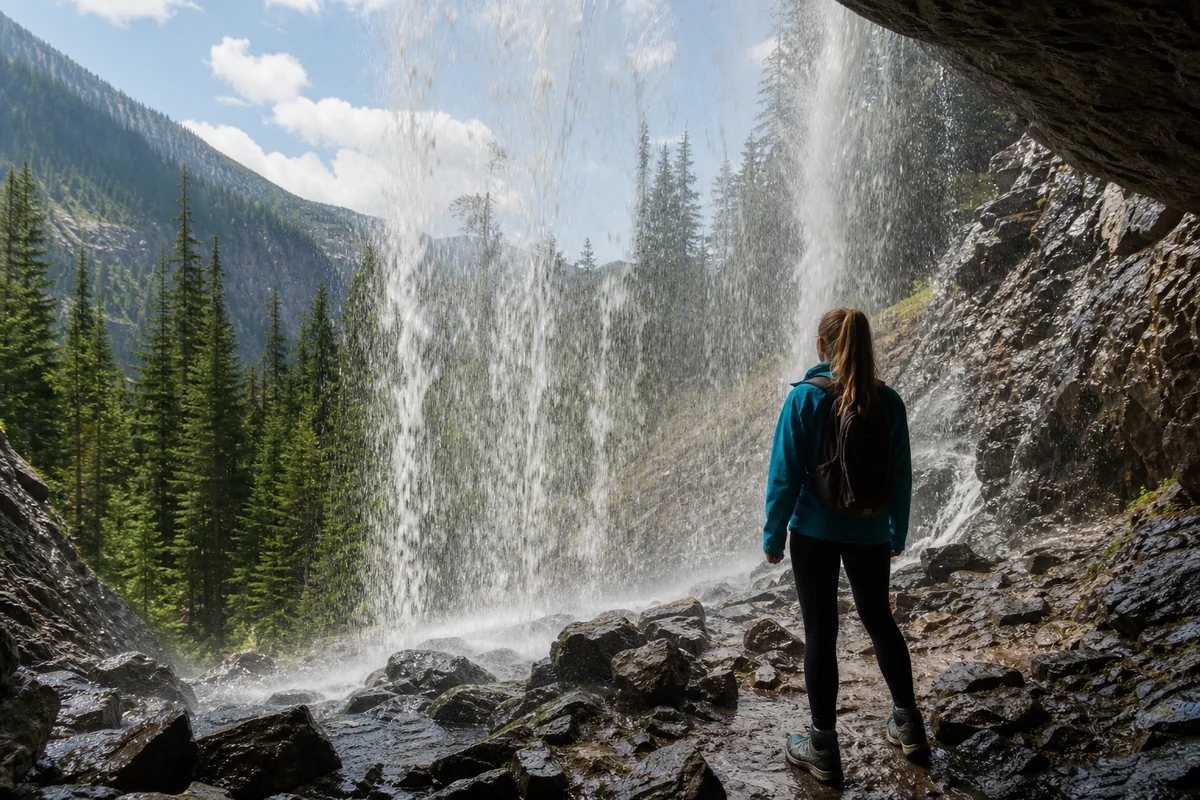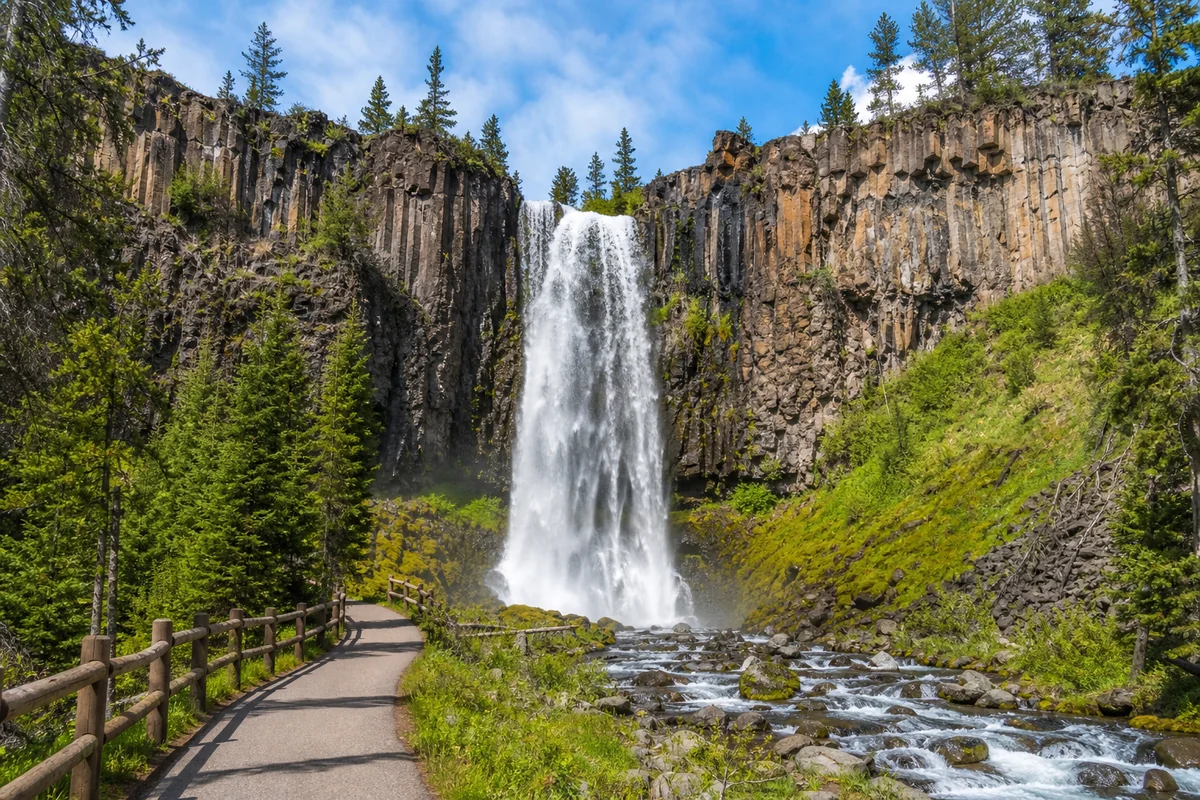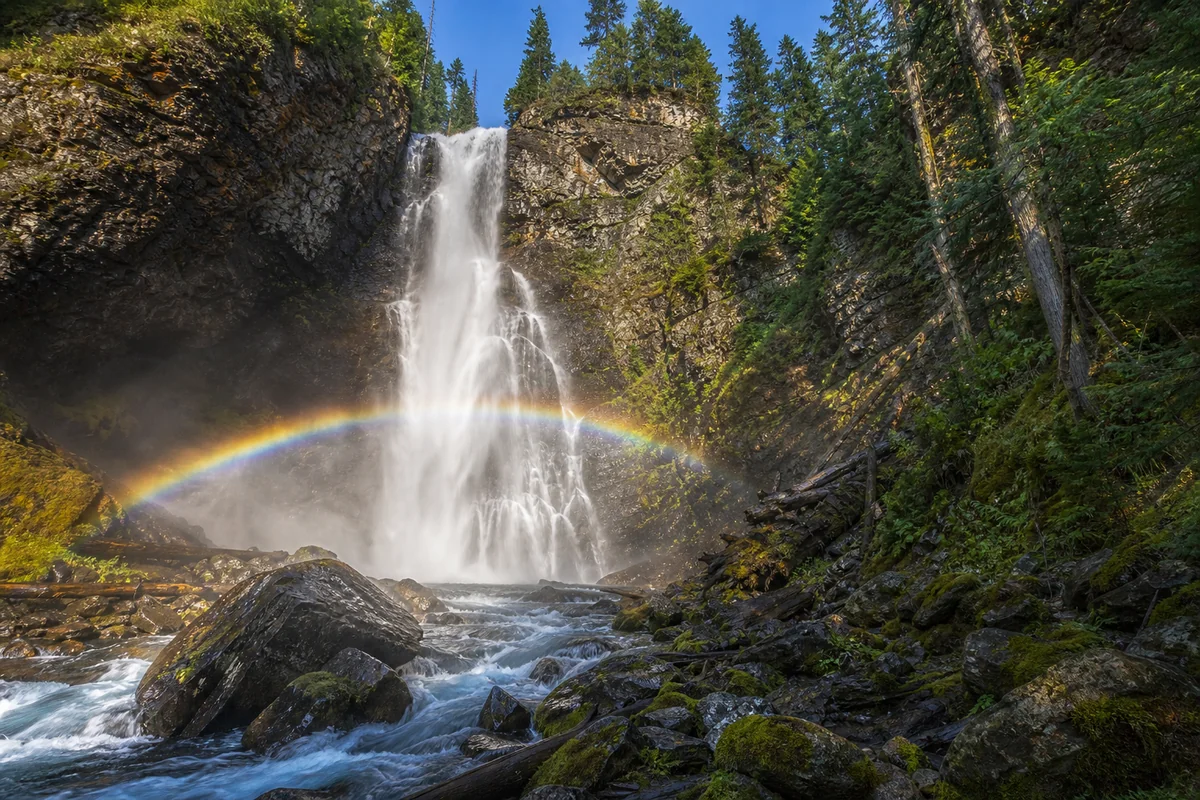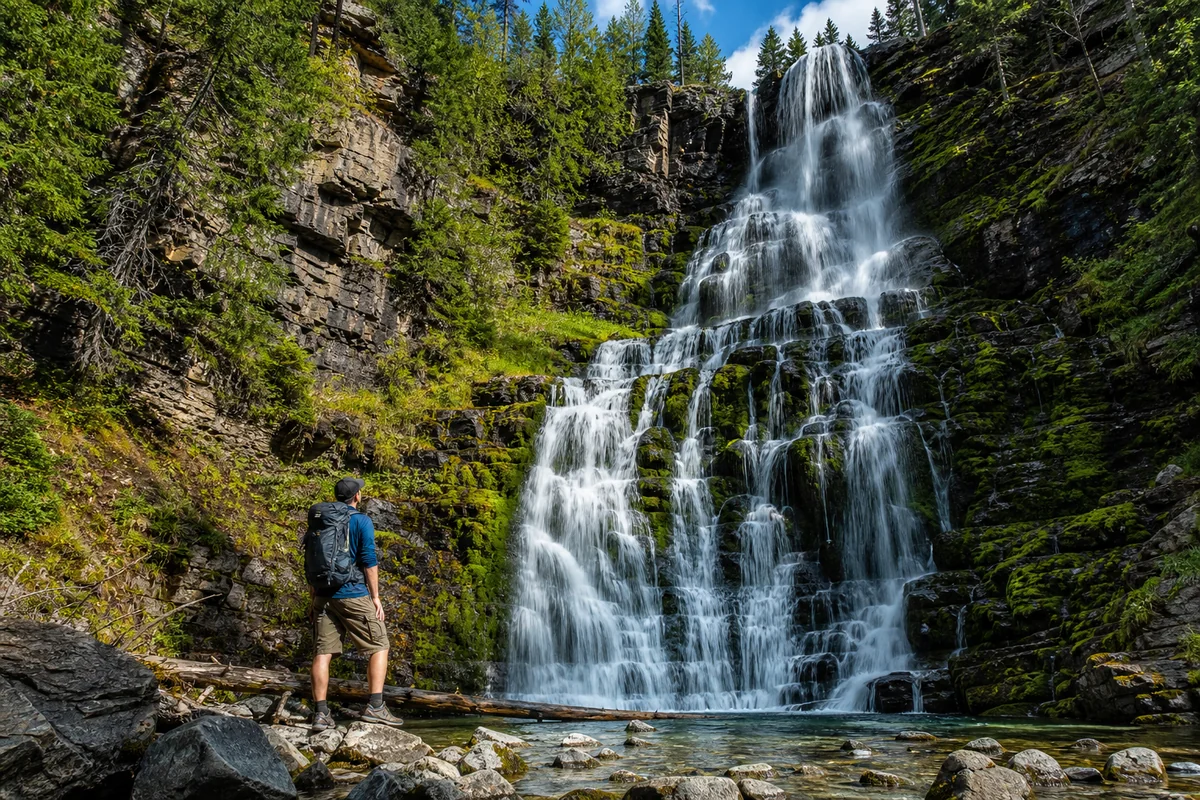
Standing at the base of Hoodoo Cascade Falls last August, I watched the water tumble nearly 100 feet down a series of moss-covered ledges, and I remember thinking this might be the most underrated waterfall in Montana’s entire backcountry.
The mist caught the afternoon light just right, creating tiny rainbows that danced across the rock face while I had this remote corner of the Bob Marshall Wilderness completely to myself.
If you’re seeking out Montana waterfalls that deliver genuine wilderness solitude alongside spectacular scenery, Hoodoo Cascade Falls deserves a spot at the top of your list.
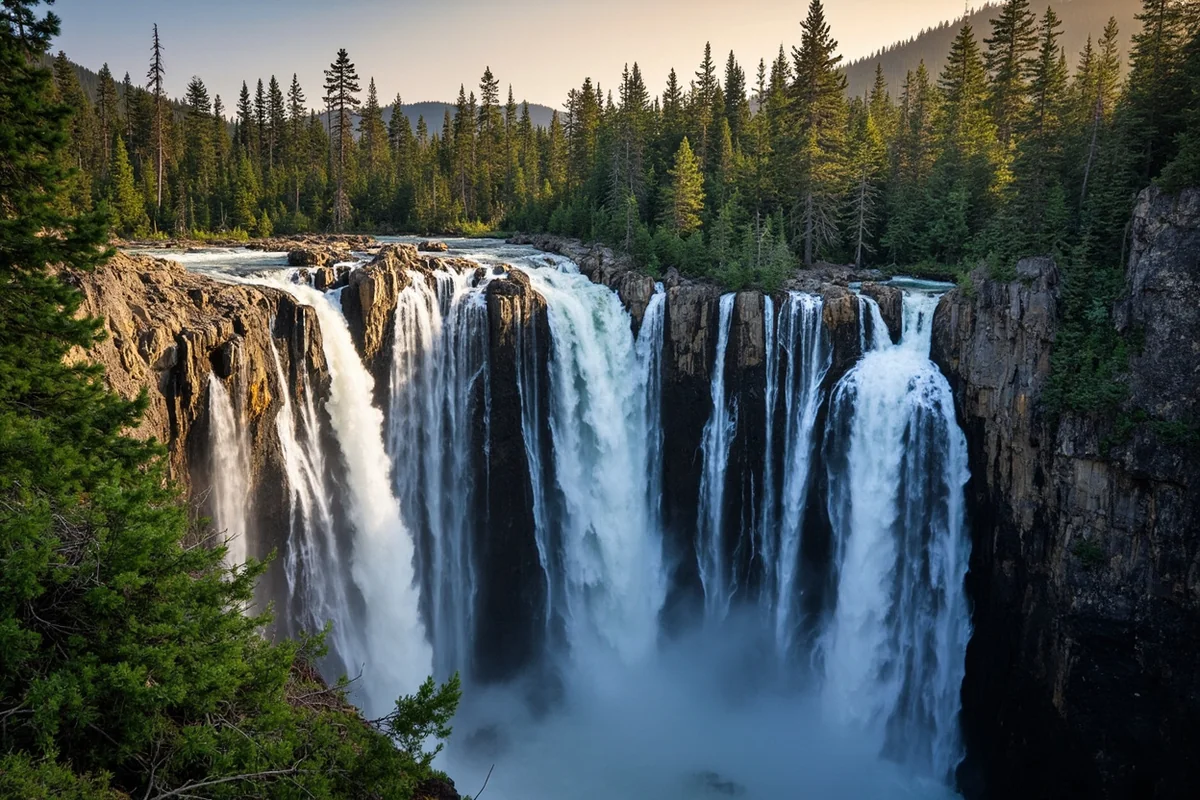
- Hoodoo Cascade Falls drops approximately 85-100 feet in a stunning tiered cascade within the Bob Marshall Wilderness
- The hike is a serious backcountry undertaking—12+ miles round trip with significant elevation gain
- Best visited mid-June through September when snow has melted and trails are accessible
- No permits required for day hiking, but wilderness regulations apply
- Expect 6-8 hours minimum for the full experience; overnight camping makes this trip more enjoyable
- Bring bear spray, plenty of water, and be prepared for rapidly changing mountain weather
Liked this article?
Add Roaming Montana as a preferred source so you see more of our articles and guides on Google.
What Makes Hoodoo Cascade Falls Special
I’ve hiked to dozens of waterfalls across Montana over the past several years, from the easily accessible Kootenai Falls to the challenging backcountry routes leading to Morrell Falls. Hoodoo Cascade Falls stands apart for one simple reason: it demands genuine effort, and that effort creates an experience you can’t replicate at roadside pulloffs.
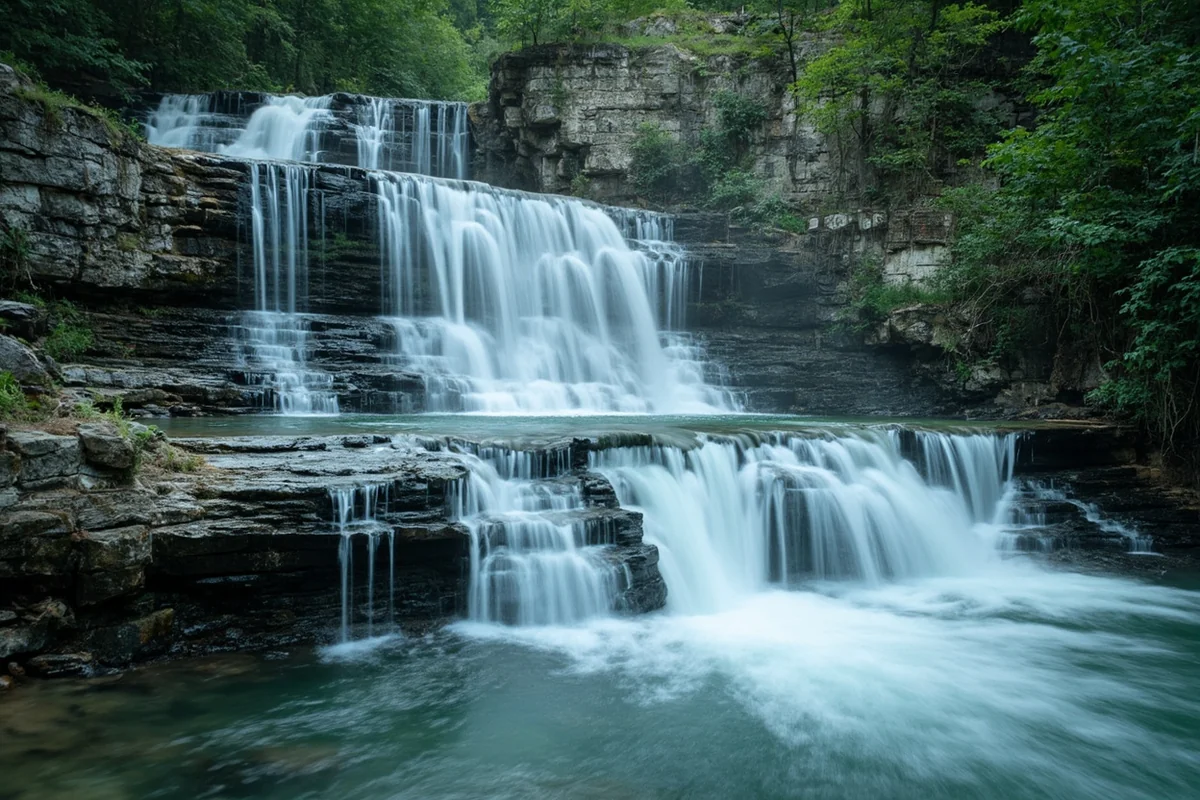
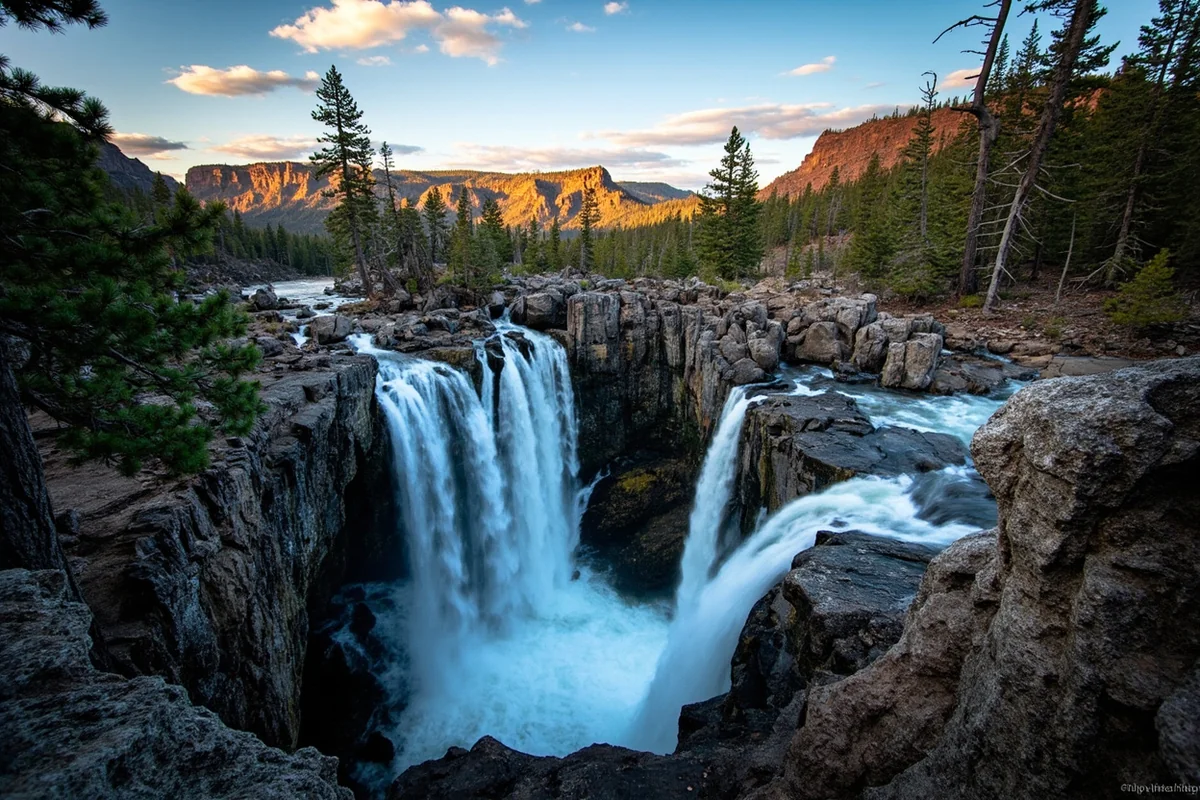
The falls themselves cascade down a series of natural limestone shelves, creating a staircase effect that’s distinctly different from the single-drop waterfalls you’ll find elsewhere in the state. During my visit, I counted at least six distinct tiers before the water pooled into a crystal-clear basin at the bottom.
What struck me most was the geological setting. The surrounding rock formations show millions of years of sedimentary layering, with bands of red, cream, and gray stone creating a natural amphitheater around the falls. The “hoodoo” name references the unusual rock pillars and formations scattered throughout this drainage—remnants of ancient seabeds that once covered this region.
Getting to the Trailhead: Logistics and Driving Directions
Reaching the trailhead for Hoodoo Cascade Falls requires some dedication before you even start walking. The access point lies along the eastern edge of the Bob Marshall Wilderness Complex, accessible from the small town of Augusta, Montana.
From Augusta, you’ll drive west on Benchmark Road (Forest Road 235) for approximately 30 miles. This road starts as decent gravel but becomes increasingly rough as you climb toward the wilderness boundary. During my visit, I drove a Subaru Outback and managed fine, though I wouldn’t attempt it in a low-clearance sedan after the first 20 miles.
The last 8 miles took me nearly 45 minutes due to washouts and rocky sections. I highly recommend checking current road conditions with the Lewis and Clark National Forest office in Augusta before heading out—they’re incredibly helpful and can tell you exactly what to expect.
| Trailhead Information | Details |
|---|---|
| Trailhead Name | South Fork Sun River Trailhead / Benchmark Area |
| Distance from Augusta | Approximately 30 miles (1-1.5 hours driving) |
| Parking | Gravel lot, space for 15-20 vehicles |
| Facilities | Vault toilet at trailhead, no water |
| GPS Coordinates | 47.4892° N, 112.8547° W (approximate) |
| Cell Service | None at trailhead or on trail |
The Trail: What to Expect Mile by Mile
I won’t sugarcoat this—the hike to Hoodoo Cascade Falls is not a casual stroll. This is legitimate backcountry hiking that requires proper preparation, fitness, and navigation skills. The total distance runs approximately 12-14 miles round trip, depending on your exact route, with around 2,400 feet of cumulative elevation gain.
Miles 0-2: The River Approach
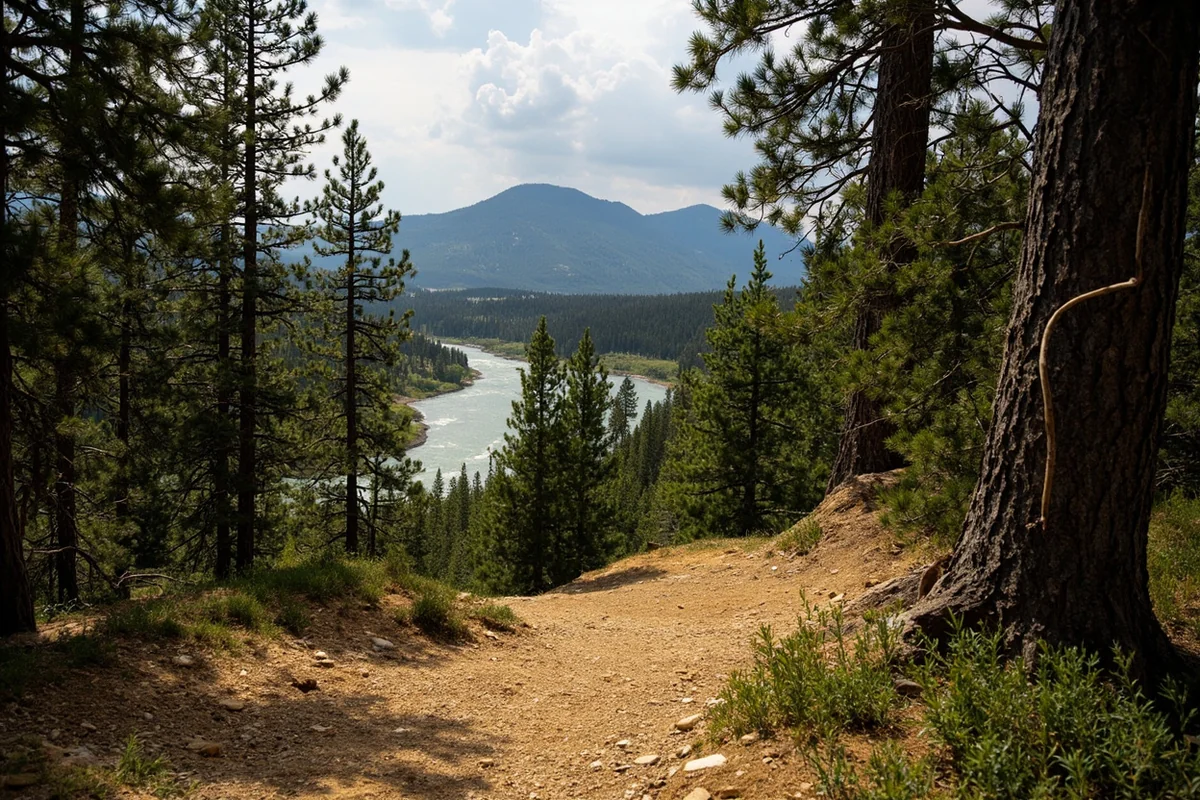
The trail begins along the South Fork of the Sun River, following an old pack trail that’s been used by hunters, outfitters, and wilderness enthusiasts for over a century. The first two miles are relatively gentle, winding through lodgepole pine forest with occasional meadow openings.
During my August hike, I spotted a cow moose and calf feeding in one of these meadows around the 1.5-mile mark. I stopped, maintained distance, and watched them for about ten minutes before continuing. Wildlife encounters like this are common here—which is exactly why this area demands respect and preparation.
Miles 2-4: Climbing Into the Drainage
After crossing a sturdy log bridge (check current conditions—these can wash out in heavy runoff years), the trail begins climbing more earnestly. You’ll gain about 800 feet over these two miles as you enter the Hoodoo Creek drainage.
The forest transitions here, with more Douglas fir and subalpine fir mixed in. I noticed the undergrowth becoming denser, with thimbleberry and cow parsnip lining the trail in places. In early summer, these sections can be soggy and overgrown—long pants are wise.
Miles 4-6: The Final Push
This section separates casual hikers from committed waterfall chasers. The trail becomes less defined in places, with some route-finding required through rocky sections and deadfall. I used a combination of GPS (downloaded offline maps—essential since there’s no cell service) and old-fashioned map-and-compass skills.
The last mile climbs steeply alongside Hoodoo Creek itself, and you’ll start hearing the falls before you see them. That anticipation, after hours of hiking, creates a payoff that roadside waterfalls simply can’t match.
When I finally emerged into the clearing at the base of Hoodoo Cascade Falls, I sat on a boulder and just absorbed it for a solid twenty minutes before even thinking about taking photos.
Best Time to Visit Hoodoo Cascade Falls
Timing your visit to Hoodoo Cascade Falls significantly impacts your experience. I’ve gathered information from multiple trips and conversations with local outfitters to give you the complete picture.
Peak Season: Mid-June Through July
If you want maximum water volume, aim for mid-June through mid-July. Snowmelt from the high peaks feeds Hoodoo Creek during this window, and the falls thunder with impressive force. However, this timing comes with tradeoffs—trails can still have snow patches at higher elevations, creek crossings may be more challenging, and mosquitoes reach peak annoyance levels.
During a late June visit a few years back, I encountered a sketchy snowfield crossing that added both time and anxiety to my hike. The falls were spectacular, but I spent more energy navigating conditions than enjoying the journey.
Sweet Spot: Late July Through August
My personal recommendation is late July through the end of August. Water volume remains substantial, trails are fully clear, and afternoon thunderstorm patterns become more predictable. During my August trip, I started hiking at 5:30 AM, reached the falls by late morning, and was descending before the typical afternoon weather rolled in.
This timing also offers the best wildflower displays in the meadows along the route. I photographed Indian paintbrush, lupine, and fireweed creating colorful borders along the trail.
Shoulder Season: September
September brings golden larch season to higher elevations and thinner crowds. The falls run lower but remain beautiful, and the Bob Marshall Wilderness takes on an almost mystical quality as autumn approaches. Just be aware that weather becomes more unpredictable, and snow can arrive early in some years.
What to Bring: Essential Gear List
Packing for Hoodoo Cascade Falls requires more thought than your typical Montana waterfall hike. Based on my experience and lessons learned (sometimes the hard way), here’s what I consider essential:
The Non-Negotiables
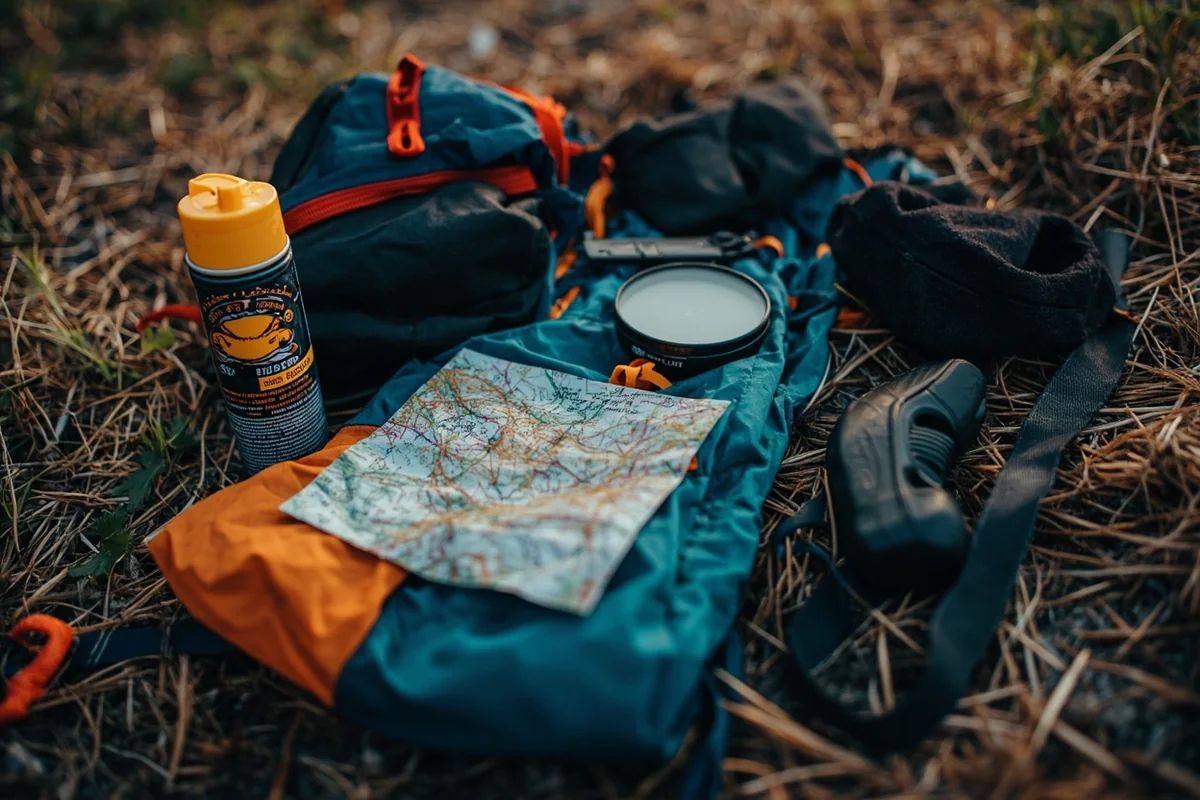
- Bear spray — This is grizzly country. No exceptions. I carry mine on my belt, not buried in my pack. During my hike, I saw fresh bear scat less than a mile from the falls.
- Navigation tools — Downloaded offline maps (I use Gaia GPS), physical map, compass. The trail isn’t always obvious.
- Water filtration — I carry a Sawyer Squeeze and treat water from Hoodoo Creek. Bring at least 3 liters of capacity.
- Extra layers — Temperatures dropped 25 degrees during an afternoon storm on my trip. A lightweight down jacket and rain shell saved me.
- Headlamp — Even if you plan to be out before dark, things happen. Fresh batteries.
- First aid kit — You’re hours from help. Be prepared for blisters, cuts, and twisted ankles.
Highly Recommended
- Trekking poles — The rocky descents are tough on knees. Poles made a huge difference for me.
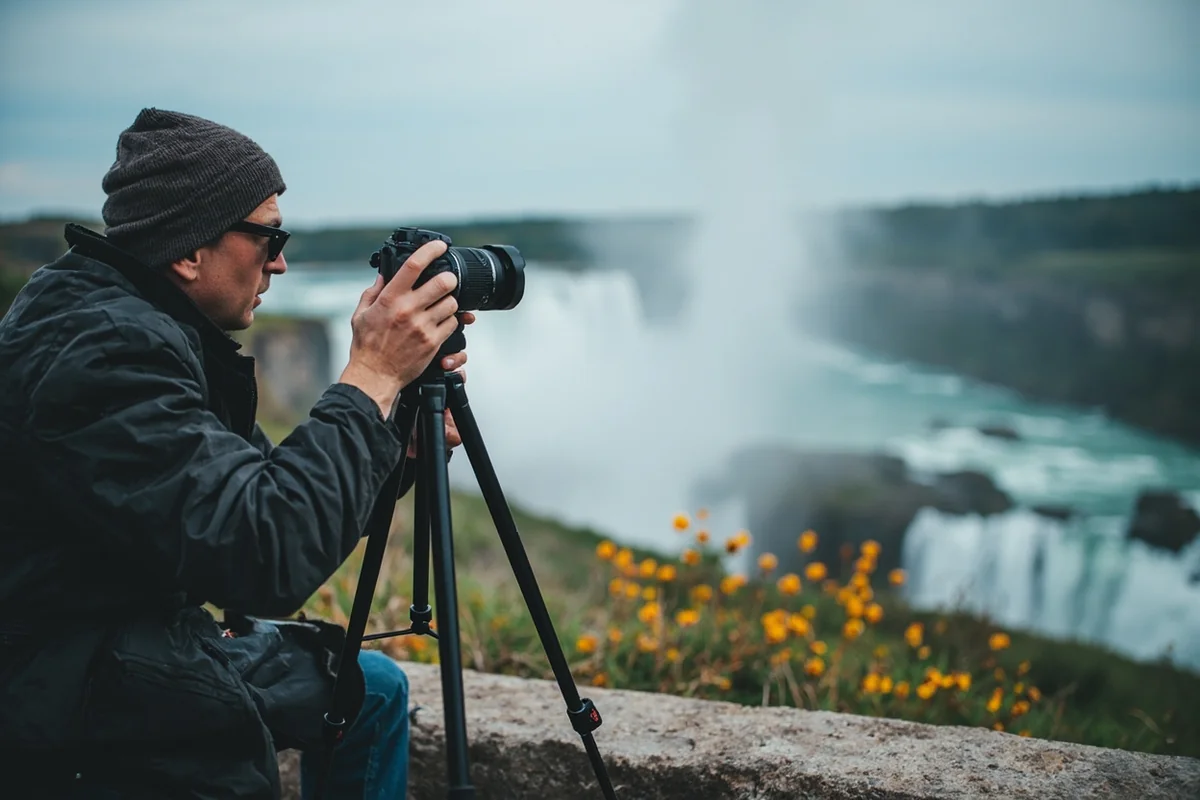
- Camera with weather protection — The mist near the falls can soak unprotected gear quickly.
- Emergency shelter — A lightweight bivy or emergency blanket, just in case.
- More food than you think you need — I always pack an extra meal beyond what I’ve calculated. Better to carry it out than run short.
Wildlife and Safety Considerations
The Bob Marshall Wilderness is one of the most pristine wildlife habitats in the lower 48 states. That’s part of its magic—and part of what demands your respect.
Grizzly Bears
Grizzly bear encounters are a real possibility on this hike. I’ve never had a negative encounter, but I’ve seen bears at a distance twice in this drainage over multiple visits. Make noise on the trail, especially when rounding blind corners or moving through dense vegetation. Travel in groups when possible. Never approach or follow a bear.
If you’re not comfortable with bear country hiking, I’d suggest starting with more accessible falls like Ousel Falls near Big Sky or Memorial Falls near Noxon before tackling this backcountry route.
Mountain Lions and Wolves
Both species inhabit this area. Mountain lion encounters are extremely rare, but wolves have repopulated the Bob Marshall in recent decades. I’ve heard wolves howling on overnight trips here—an unforgettable experience that reminds you how wild this place truly is.
Weather Hazards
Afternoon thunderstorms develop rapidly in the Rocky Mountain Front region. Lightning poses genuine danger, especially if you’re caught in exposed alpine terrain. I always check weather forecasts obsessively before backcountry trips and build my hiking schedule around afternoon storm patterns.
During one July trip, I watched a thunderstorm roll across the peaks while I was safely below in the forested trail sections. The storm dumped hail on the higher elevations—had I been two hours behind schedule, I would have been directly in its path.
Photography Tips for Hoodoo Cascade Falls
I’m not a professional photographer, but I’ve learned a few things about capturing cascading waterfalls through trial and error.
The multi-tiered nature of Hoodoo Cascade Falls presents unique opportunities and challenges. Unlike single-drop falls where composition is fairly straightforward, cascades require you to think about how to convey that sense of water dancing down multiple levels.
Technical Recommendations
Bring a polarizing filter if you have one—it cuts glare from wet rocks and deepens the sky in background shots. A neutral density filter helps if you want silky water effects during midday light.
I found that positioning myself slightly off to the side rather than dead center created more dynamic compositions. The natural curve of the cascade leads the eye upward when photographed from the right angle.
The mist zone directly in front of the falls makes sharp photos difficult. I got my best shots from a rocky outcrop about 50 feet back from the base, using a longer focal length to compress the scene.
Best Light
Overcast days actually work well here—the soft light eliminates harsh shadows on the white water. When I visited under partly cloudy skies, I waited for cloud cover to soften direct sunlight before shooting.
Morning light reaches the falls later than you’d expect due to the surrounding canyon walls. If you camp nearby, sunrise shots won’t work—but the even light of mid-morning can be beautiful.
Making It an Overnight Trip
While Hoodoo Cascade Falls is technically achievable as a very long day hike, I strongly recommend considering an overnight backpacking trip. The experience transforms from a rushed march to an immersive wilderness journey.
Camping Options
Several established camping areas exist along the route, though “established” in Bob Marshall Wilderness terms means flat spots that previous visitors have used—not developed campsites. Follow Leave No Trace principles rigorously: camp 200 feet from water sources, use existing fire rings if you make a fire (or better yet, use a camp stove), and pack out everything you pack in.
I camped about a mile from the falls during my overnight trip, choosing a spot tucked into the trees with good bear-bag hanging options. Waking up in that drainage, with morning mist rising through the forest and the distant sound of the cascade, was genuinely moving.
Permits and Regulations
Good news: the Bob Marshall Wilderness doesn’t require permits for overnight camping. However, wilderness regulations apply—group sizes are limited to 15 people and 25 stock animals, motorized equipment is prohibited, and you’re expected to practice low-impact camping.
Check current fire restrictions before your trip. During drought years, campfires may be prohibited even in designated wilderness areas.
Combining Hoodoo Cascade Falls with Other Adventures
If you’re traveling to this part of Montana specifically for waterfall hunting, several other destinations make logical combinations with a Hoodoo Cascade Falls trip.
Holland Lake Falls lies roughly two hours south and offers a much more accessible hike—perfect as a warm-up or recovery day. The falls themselves are dramatic, and the Holland Lake Lodge provides a comfortable basecamp if you want a hot meal and a real bed.
For those drawn to Glacier National Park, Running Eagle Falls and Saint Mary Falls showcase completely different geological settings. Running Eagle Falls has an unusual dual-flow pattern that changes seasonally, while Saint Mary Falls features that classic Glacier Park turquoise water color.
The Rocky Mountain Front region also offers opportunities beyond waterfalls. The Sun River Wildlife Management Area provides excellent birding and wildlife viewing, and the tiny towns along the Front—Augusta, Choteau, Dupuyer—have a authentic Montana character that’s worth experiencing.
Honest Assessment: Is This Hike Worth It?
I want to give you my straight opinion, because this hike isn’t for everyone.
Hoodoo Cascade Falls rewards people who genuinely love wilderness hiking for its own sake. If you primarily want a beautiful waterfall photo for Instagram and aren’t particularly interested in the journey, easier options exist. Palisade Falls near Bozeman offers a gorgeous cascade with a fraction of the effort. Skalkaho Falls requires only a short walk from the roadside.
But if you’re the type of traveler who finds meaning in earned experiences—if you want to feel the weight of miles in your legs and the satisfaction of navigating wild country—Hoodoo Cascade Falls delivers something rare.
When I reached the falls during my most recent visit, I encountered exactly zero other people. I spent two hours at the base, eating lunch, exploring the plunge pool, and photographing the cascade from every angle I could safely reach. That solitude, in an era when popular trailheads are overrun, felt like a genuine gift.
The Bob Marshall Wilderness is one of the last truly wild places in the American West. Hoodoo Cascade Falls gives you a reason to experience it that’s both beautiful and challenging.
Nearby Waterfalls for Your Montana Itinerary
If you’re building a Montana waterfall-focused trip, consider these other options within reasonable driving distance of the Rocky Mountain Front region.
Grotto Falls in Glacier National Park provides a unique walk-behind waterfall experience. Hidden Falls lives up to its name as a lesser-known gem, while McDonald Falls on the west side of Glacier offers easy access along Going-to-the-Sun Road.
For those heading toward Helena or Great Falls, Lost Creek Falls in the Big Belt Mountains makes a worthy detour. And if your travels take you toward the Yaak River drainage, Horsetail Falls showcases the different character of Montana’s northwest corner.
Each waterfall has its own personality, and part of the joy of exploring this state is discovering how geography, geology, and seasonal timing create such varied experiences.
Final Thoughts and Planning Recommendations
Hoodoo Cascade Falls isn’t the tallest waterfall in Montana. It’s not the easiest to reach. But it exemplifies what makes Montana’s backcountry special—wild places that require commitment and reward genuine effort.
If you’re planning this hike, I recommend building flexibility into your schedule. Weather and trail conditions can change plans quickly. Have a backup destination in mind (the Augusta area offers day-hike options if conditions turn against you), and don’t let ego push you into situations beyond your experience level.
Start early, stay humble, carry bear spray, and remember that the journey matters as much as the destination. Montana’s waterfalls tell stories written in rock and water over millions of years. Hoodoo Cascade Falls tells one of the best.
Safe travels, and I hope you experience the same sense of wonder that I found at the base of those cascading tiers.
Frequently Asked Questions
Where is Hoodoo Cascade Falls located in Montana?
Hoodoo Cascade Falls is located in the remote Hoodoo Basin area of the Absaroka-Beartooth Wilderness in south-central Montana. The falls are approximately 60 miles southwest of Billings and are accessed via trailheads near the town of Red Lodge, making them a true backcountry destination.
How difficult is the hike to Hoodoo Cascade Falls Montana?
The hike to Hoodoo Cascade Falls is considered strenuous, covering roughly 10-12 miles round trip with significant elevation gain through rugged wilderness terrain. I’d recommend this trail only for experienced hikers who are comfortable with backcountry navigation, as the path can be faint in sections and requires stream crossings.
What is the best time of year to visit Hoodoo Cascade Falls?
The best time to visit Hoodoo Cascade Falls is mid-July through early September when snowmelt has cleared the high-altitude trails and water flow is still impressive. Earlier in the season, you’ll see more dramatic water volume, but trails may be snow-covered or impassable above 9,000 feet elevation.
Do I need a permit to hike to Hoodoo Cascade Falls in the Absaroka-Beartooth Wilderness?
No permits are required for day hiking to Hoodoo Cascade Falls, but overnight camping in the Absaroka-Beartooth Wilderness requires following Leave No Trace principles and camping at least 200 feet from water sources. There’s no entrance fee for the wilderness area, though you’ll need a valid parking pass at most trailheads, typically around $5 per day.
What should I bring for a hike to Hoodoo Cascade Falls Montana?
Pack the ten essentials including plenty of water, bear spray (absolutely critical in grizzly country), topographic maps or a GPS device, layers for rapidly changing mountain weather, and sturdy waterproof hiking boots for stream crossings. I always carry trekking poles for the steep descents and bring more food than I think I’ll need since this is a full-day adventure.
Is Hoodoo Cascade Falls suitable for families with children?
Due to the long distance, challenging terrain, and remote wilderness setting, Hoodoo Cascade Falls is not ideal for young children or casual hikers. Families seeking Montana waterfalls should consider more accessible options like Woodbine Falls near Absarokee or Pine Creek Falls near Livingston, both offering spectacular scenery with much shorter hikes.
Can I see Hoodoo Cascade Falls and other Beartooth waterfalls in one day?
Visiting Hoodoo Cascade Falls alone is typically a full-day commitment of 8-10 hours, so combining it with other major waterfalls in one day isn’t realistic. However, if you’re spending multiple days in the Red Lodge area, you can easily pair shorter waterfall hikes like Basin Creek Falls or explore the scenic Beartooth Highway, which offers pullouts with views of numerous cascades along the route.