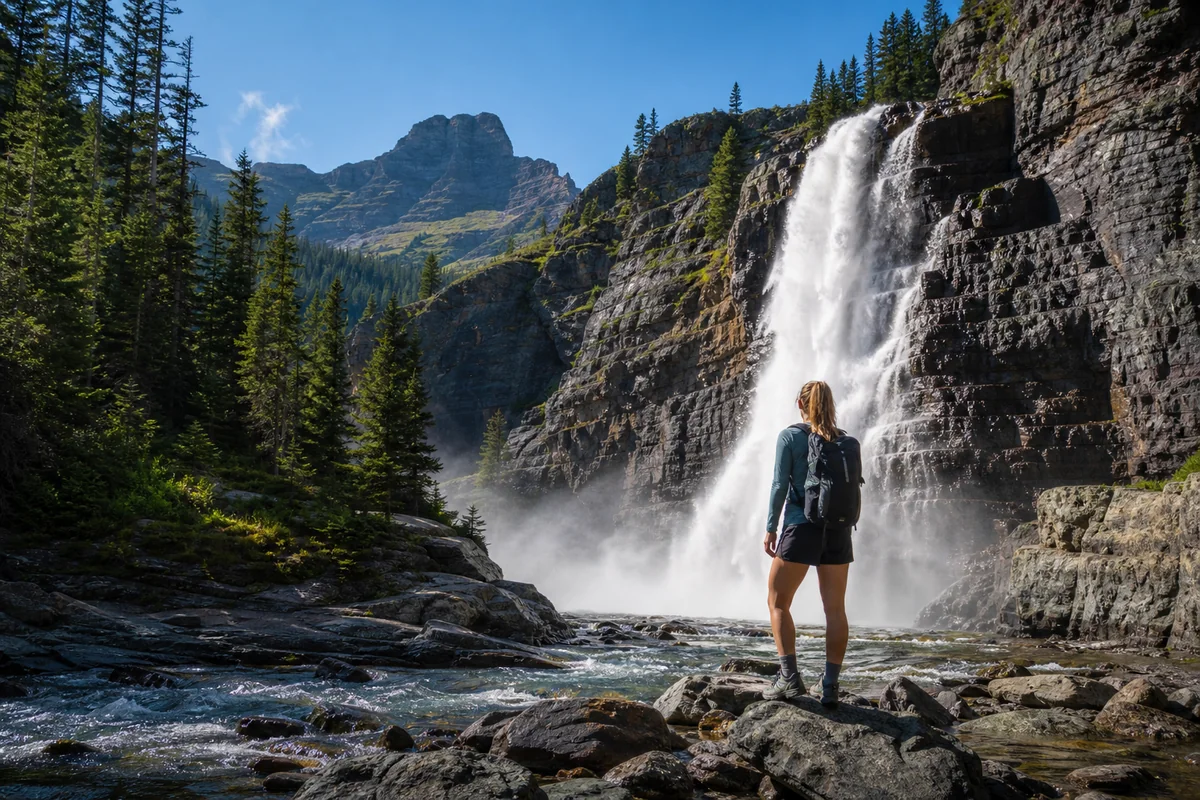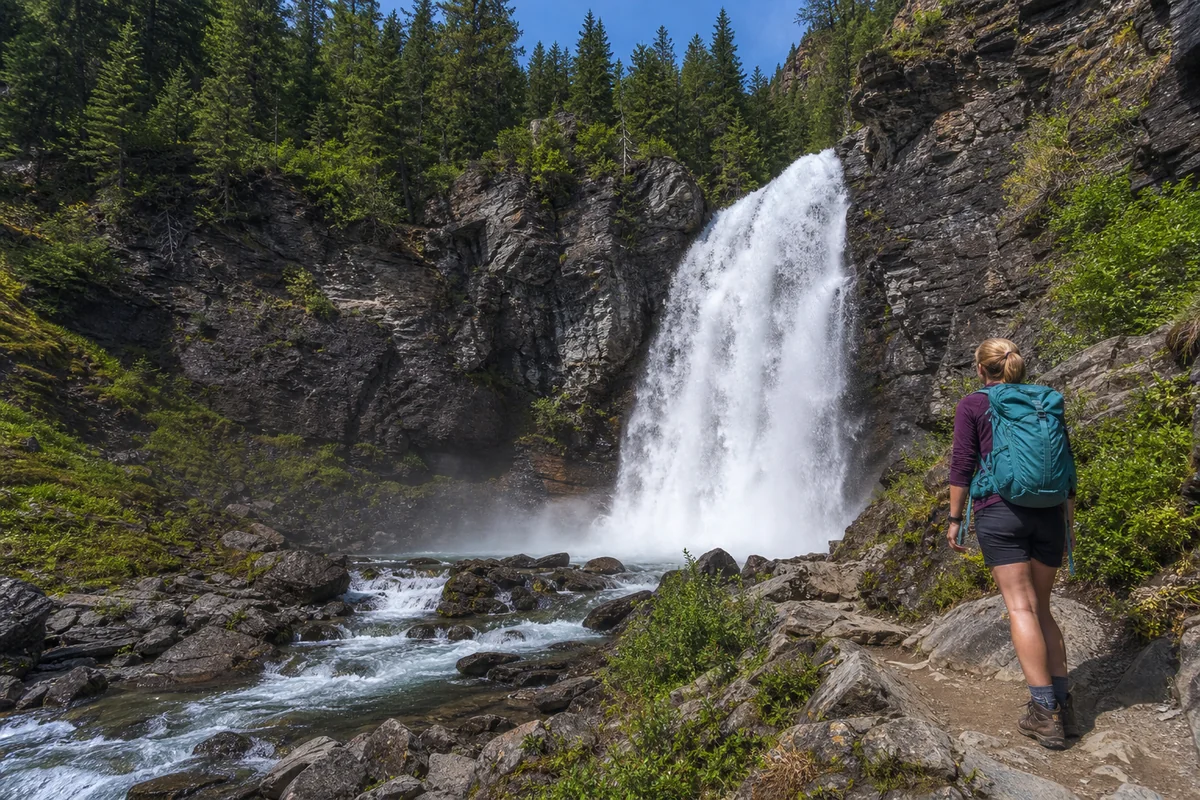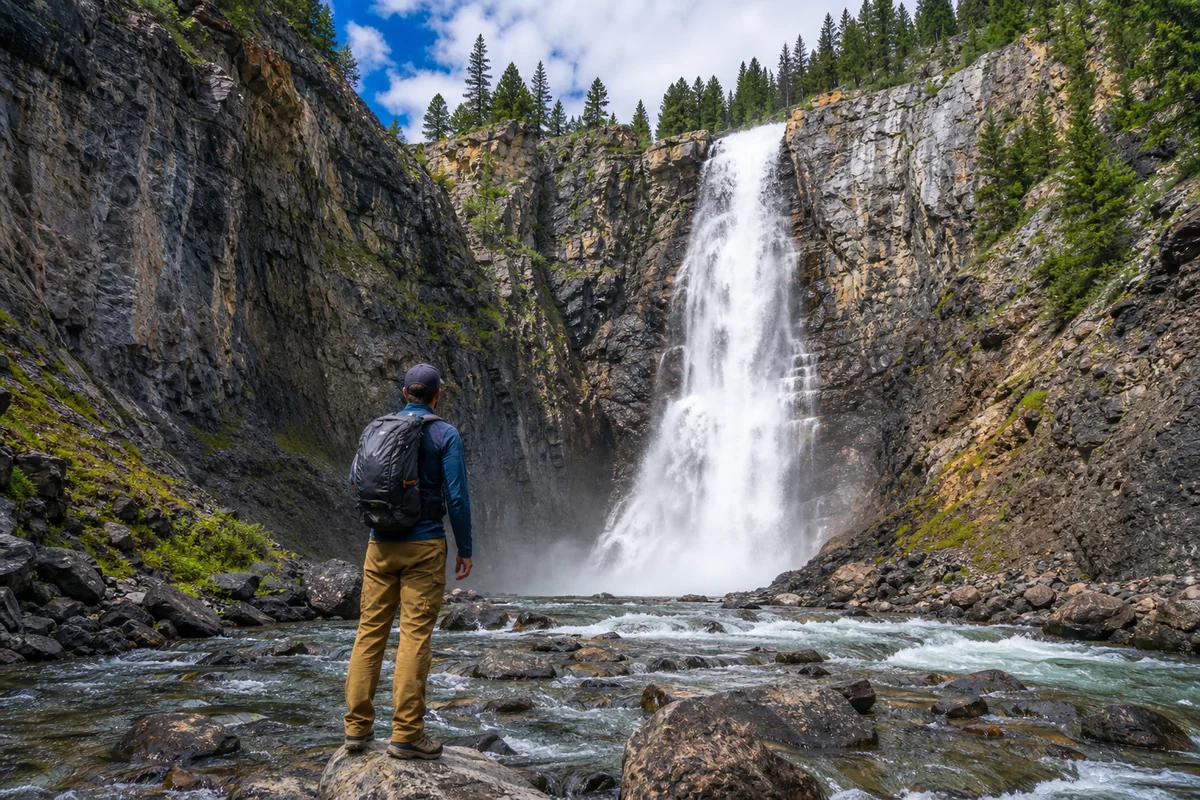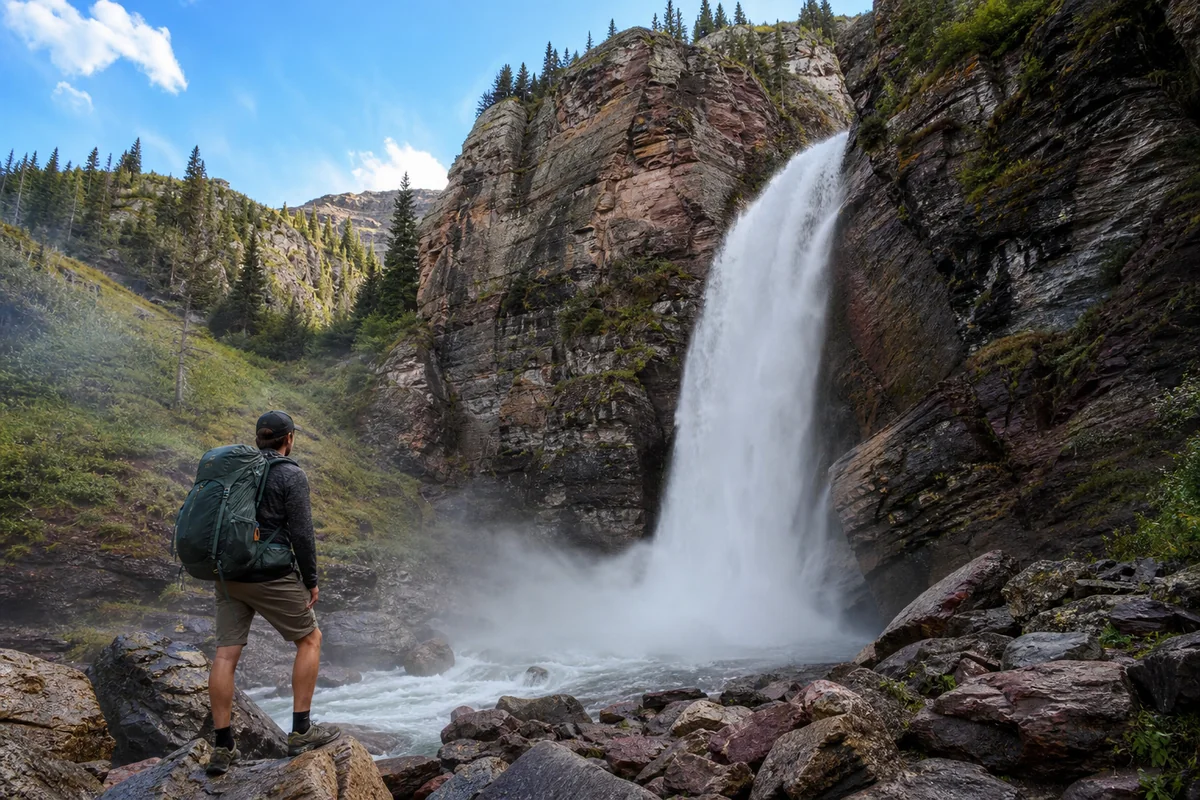
Standing at the base of Sentinel Falls last August, with icy mist coating my face and the thunderous roar drowning out everything else, I understood why this waterfall remains one of Glacier National Park’s most rewarding destinations.
Unlike the roadside cascades that draw tour buses, Sentinel Falls demands effort—and repays it tenfold with raw, untamed beauty that most visitors never witness.
If you’re exploring Montana waterfalls, Sentinel Falls deserves a prime spot on your itinerary, though getting there requires more planning than most park attractions.
- Location: Glacier National Park, accessed via Going-to-the-Sun Road
- Trail Distance: Approximately 4.2 miles round trip
- Difficulty: Moderate with some steep sections
- Best Time: Late June through early August for peak water flow
- Time Needed: 3-4 hours for the full experience
- Permit Required: Yes, park entrance fee applies; no additional hiking permit needed
- Dog-Friendly: No, pets prohibited on trails
Liked this article?
Add Roaming Montana as a preferred source so you see more of our articles and guides on Google.
What Makes Sentinel Falls Special
I’ve visited dozens of waterfalls across Montana, from the easily accessible Kootenai Falls in the northwest corner to the hidden gems tucked away in wilderness areas. Sentinel Falls occupies a unique middle ground—it’s challenging enough to filter out casual tourists but accessible enough for reasonably fit hikers.
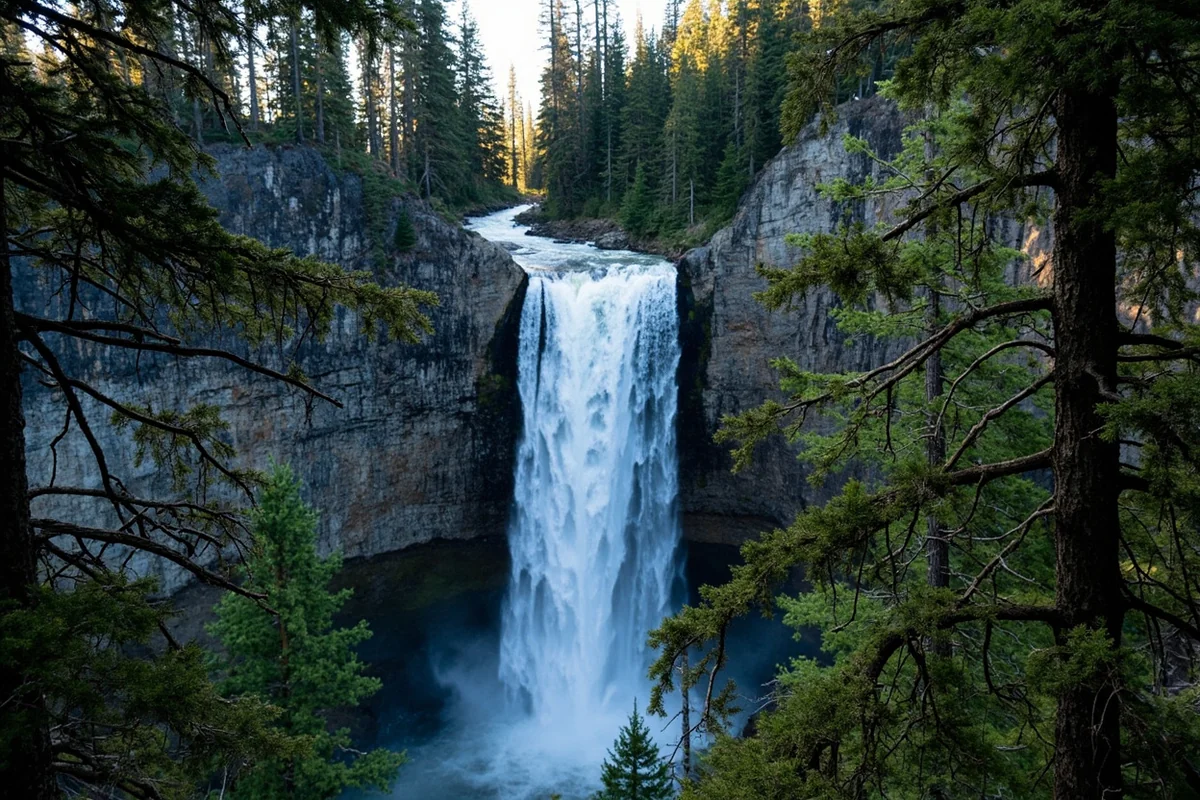
The falls drop approximately 100 feet in a series of cascading tiers, each one creating its own microclimate of spray and mist. During peak snowmelt in late June, the volume is absolutely staggering.
What struck me most during my visit was the dramatic rock amphitheater surrounding the falls. Millions of years of geological history are exposed in those striated layers, creating a natural backdrop that photography simply cannot capture adequately.
Getting to the Trailhead
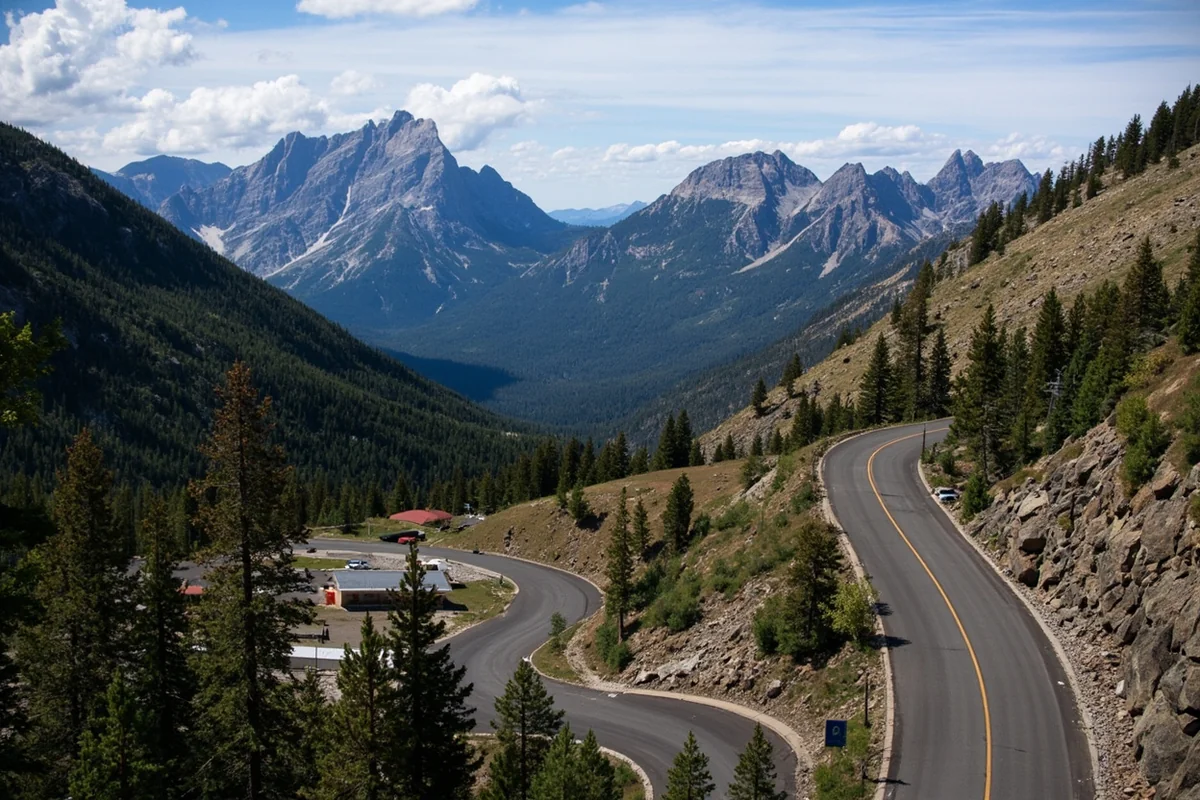
The journey to Sentinel Falls begins along Going-to-the-Sun Road, arguably America’s most spectacular mountain highway. During my recent trip, I learned the hard way that timing matters enormously here.
Parking at popular trailheads fills by 7:30 AM during peak summer season. I recommend arriving before 7 AM or after 4 PM to avoid the crunch.
From the west side of the park, you’ll drive approximately 18 miles from West Glacier. The trailhead parking area accommodates roughly 20 vehicles, though overflow parking extends another quarter mile down the road.
Vehicle Reservations and Park Access
Here’s something that catches many visitors off guard: during peak season (typically late May through early September), you’ll need a vehicle reservation for Going-to-the-Sun Road in addition to your park entrance pass.
Reservations open in late March and sell out within hours. I secured mine at 6 AM Mountain Time on release day after missing out the previous year.
The park entrance fee is $35 per vehicle for a seven-day pass, or free with an America the Beautiful Annual Pass. This is non-negotiable—rangers staff the entrance gates year-round.
The Trail to Sentinel Falls: A Complete Breakdown
The hike itself rewards attentive visitors with far more than just a waterfall. On my last summer visit, I counted seventeen distinct wildflower species before even reaching the halfway point.
First Mile: The Gentle Introduction
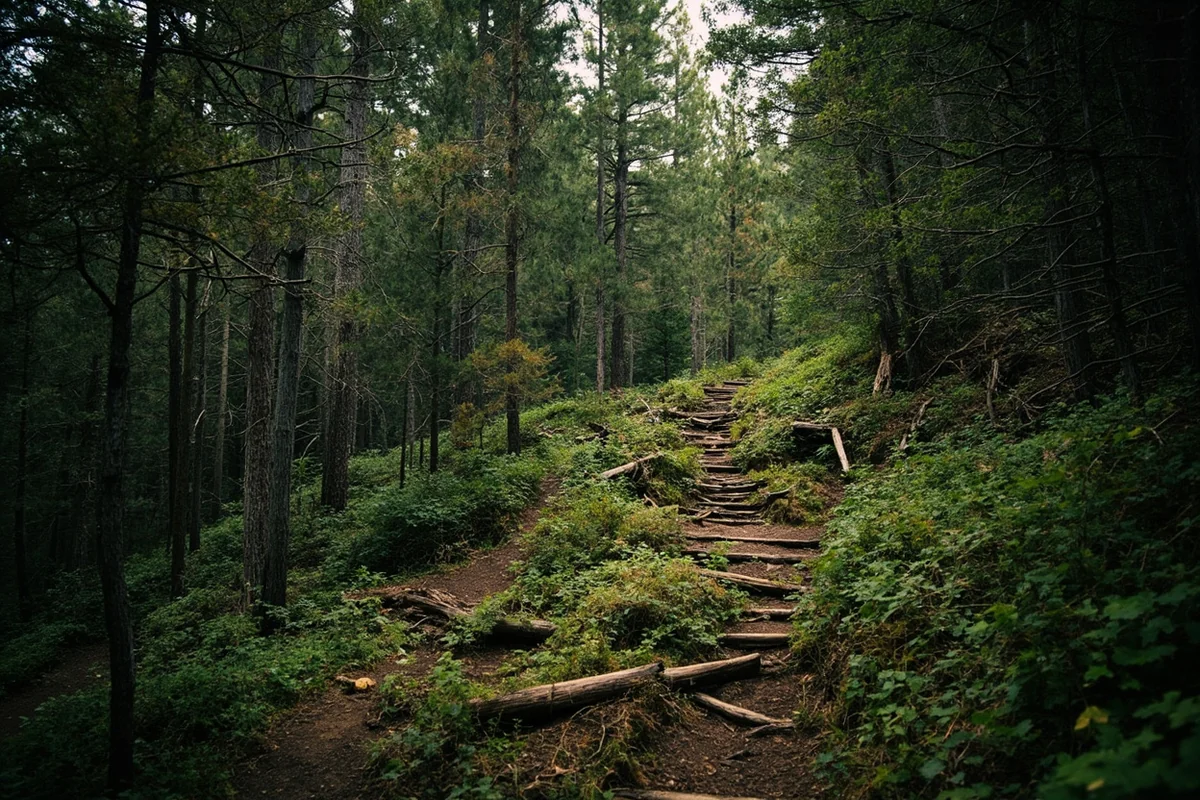
The trail begins deceptively easily, following a well-maintained path through dense cedar and hemlock forest. The first mile gains only about 200 feet of elevation, lulling you into a false sense of simplicity.
I noticed several families with young children on this section, enjoying the filtered sunlight and occasional glimpses of Avalanche Creek below. The trail surface is mostly packed dirt with some exposed roots—nothing technical, but worth watching your footing.
Bird activity was remarkable during my morning visit. A varied thrush serenaded me from somewhere in the canopy, and I spotted a pileated woodpecker working a dead snag.
Mile One to Mile Two: Where the Work Begins
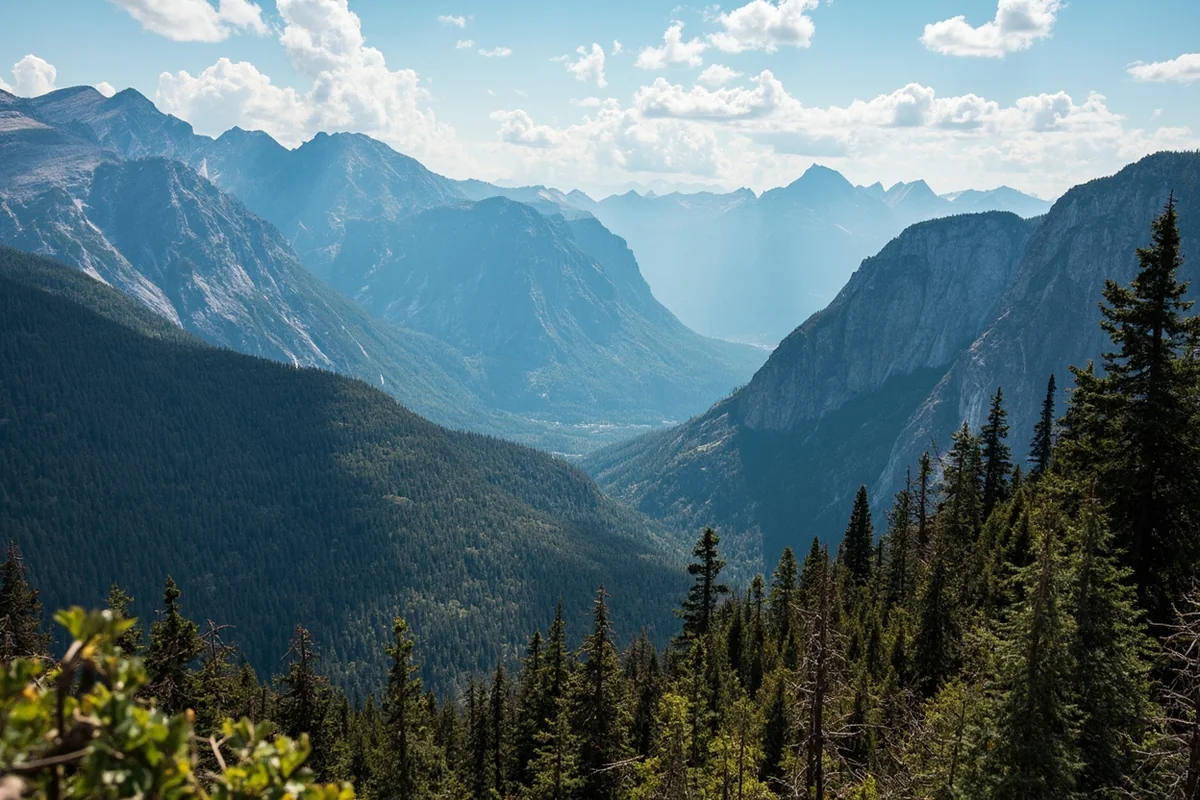
The character of the trail shifts noticeably after the first mile marker. Switchbacks begin appearing as you climb above the creek drainage, and the forest opens periodically to reveal stunning mountain vistas.
This section gains approximately 600 feet of elevation, and I’ll be honest—I stopped several times to catch my breath. The thin mountain air at this elevation (you’re climbing above 5,000 feet) affects visitors from lower altitudes more than expected.
I recommend carrying at least two liters of water per person. The exertion combined with low humidity can dehydrate you faster than you realize.
The Final Approach
The last half-mile to Sentinel Falls is where the trail becomes genuinely memorable. You’ll traverse a rocky outcropping that provides your first glimpse of the falls in the distance, though the angle can be deceiving about remaining distance.
The final descent to the viewing area involves navigating some boulder fields. When I visited during a particularly wet July, these rocks were slick with spray and required careful footwork.
My tip: bring trekking poles if you have them. They saved my knees on the return climb and provided crucial stability on wet surfaces.
Practical Information Table
| Detail | Information |
|---|---|
| Distance | 4.2 miles round trip |
| Elevation Gain | ~1,100 feet |
| Trail Type | Out and back |
| Difficulty Rating | Moderate |
| Average Hiking Time | 3-4 hours |
| Best Season | Late June – Early August |
| Restrooms at Trailhead | Vault toilet available |
| Cell Service | None on trail; spotty at trailhead |
Best Times to Visit Sentinel Falls
After visiting Sentinel Falls across different seasons, I have strong opinions about timing your trip.
Peak Season: Late June Through Early August
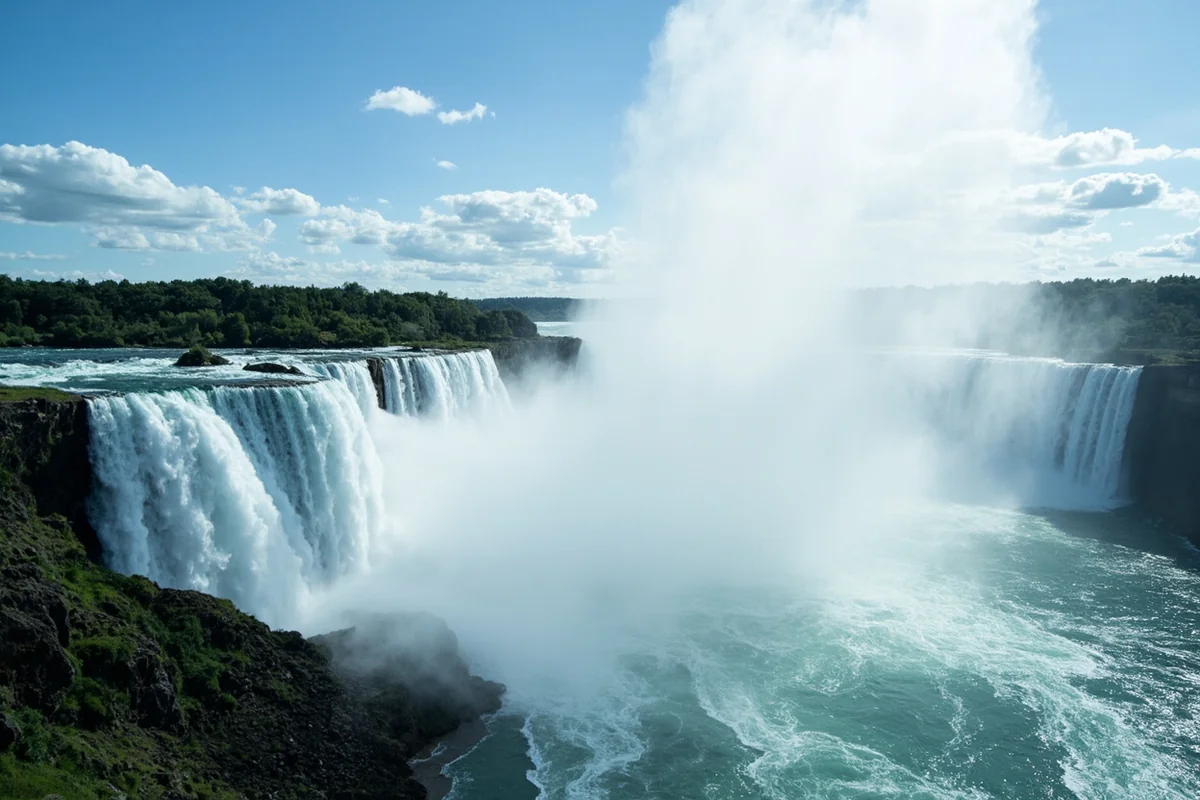
This window offers the most impressive water volume, fed by melting snowpack high in the peaks. During my late June visit, the falls were absolutely roaring—the spray cloud was visible from a quarter mile away.
The downside? Crowds are at their worst. I encountered 30+ other hikers on a Wednesday morning, though still far fewer than you’d find at more accessible attractions like Saint Mary Falls or Running Eagle Falls.
Shoulder Season: September
September visits offer dramatically reduced crowds and still-beautiful conditions. Water volume decreases noticeably, but the falls remain impressive.
The bonus during my September trip was autumn color beginning to appear in the aspen stands along the upper trail sections. The contrast of golden leaves against dark evergreens created photography opportunities that peak summer cannot match.
Timing Your Day
Early morning starts (before 8 AM) accomplish two things: you beat the crowds, and you avoid afternoon thunderstorms that develop almost daily during July and August.
I learned this lesson the dramatic way during my first Sentinel Falls attempt when lightning sent me retreating down the trail at 2 PM. The mountain weather here shifts with shocking speed.
If morning isn’t possible, late afternoon (starting around 4 PM) can work well, provided you’re comfortable completing portions of the return hike in diminishing light. Sunset doesn’t occur until nearly 9:30 PM in late June, giving you plenty of time.
Wildlife I’ve Encountered on the Trail
Glacier National Park’s reputation for wildlife is well-deserved, and the Sentinel Falls trail passes through prime habitat for several species you’ll want to watch for.
Bears: What You Need to Know
Both black bears and grizzly bears inhabit this area. On my recent trip, I spotted fresh bear scat less than a mile from the trailhead—a reminder that this is genuinely wild country.
Carry bear spray, know how to use it, and keep it accessible (not buried in your pack). I wear mine on a hip holster where I can deploy it in seconds.
Make noise on blind corners and when passing through dense vegetation. The group ahead of me during my visit was silent, and I found myself inadvertently startling them repeatedly—not ideal behavior in bear country.
Mountain Goats
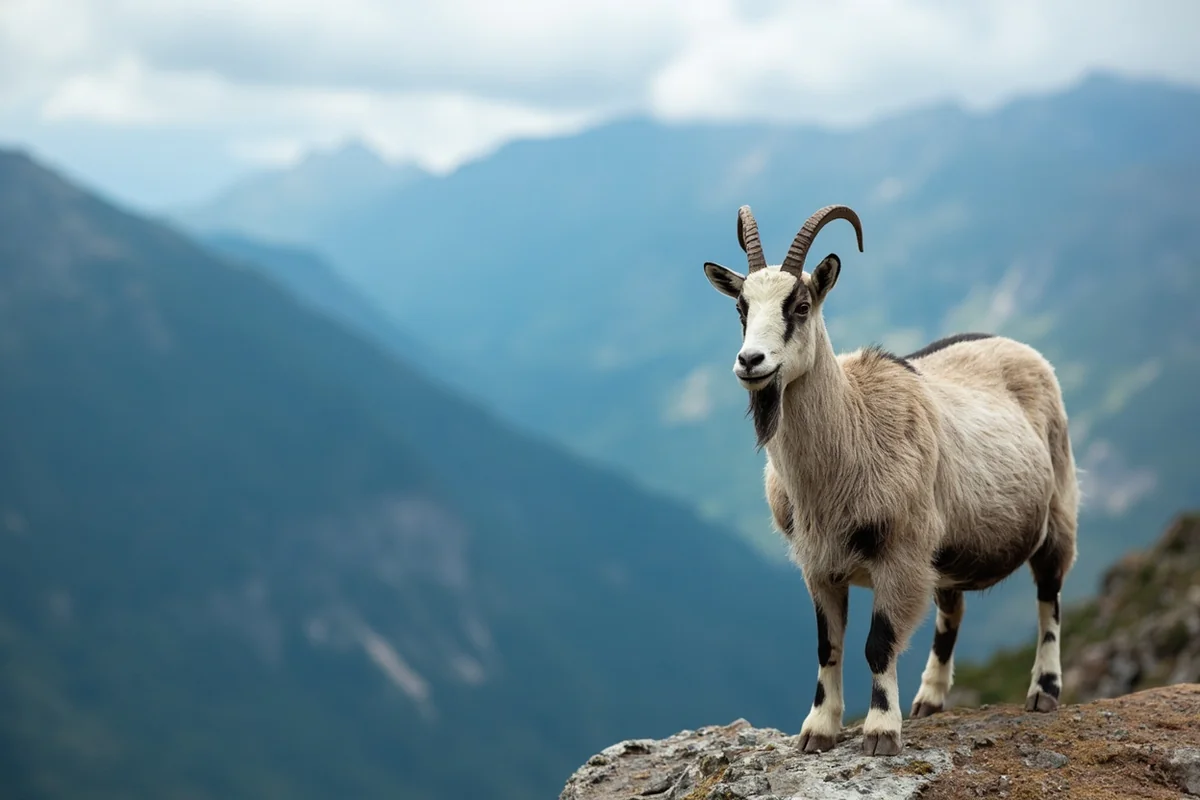
The rocky cliffs near Sentinel Falls provide excellent mountain goat habitat. During my August visit, I counted seven goats on the ledges above the falls, including two kids navigating terrain that made my palms sweat just watching.
Bring binoculars. These animals are often distant but well worth observing in detail.
Smaller Wildlife Worth Noticing
Columbia ground squirrels are everywhere along the first mile—I counted a dozen burrows just off the trail. Pikas inhabit the boulder fields near the falls; listen for their distinctive high-pitched squeaks.
The bird diversity genuinely impressed me. In addition to the species I mentioned earlier, I logged Clark’s nutcrackers, gray jays, and a fleeting glimpse of what I believe was a northern pygmy owl.
Photography Tips from Experience
Sentinel Falls presents both opportunities and challenges for photographers. Here’s what I’ve learned through trial and error.
Gear Recommendations
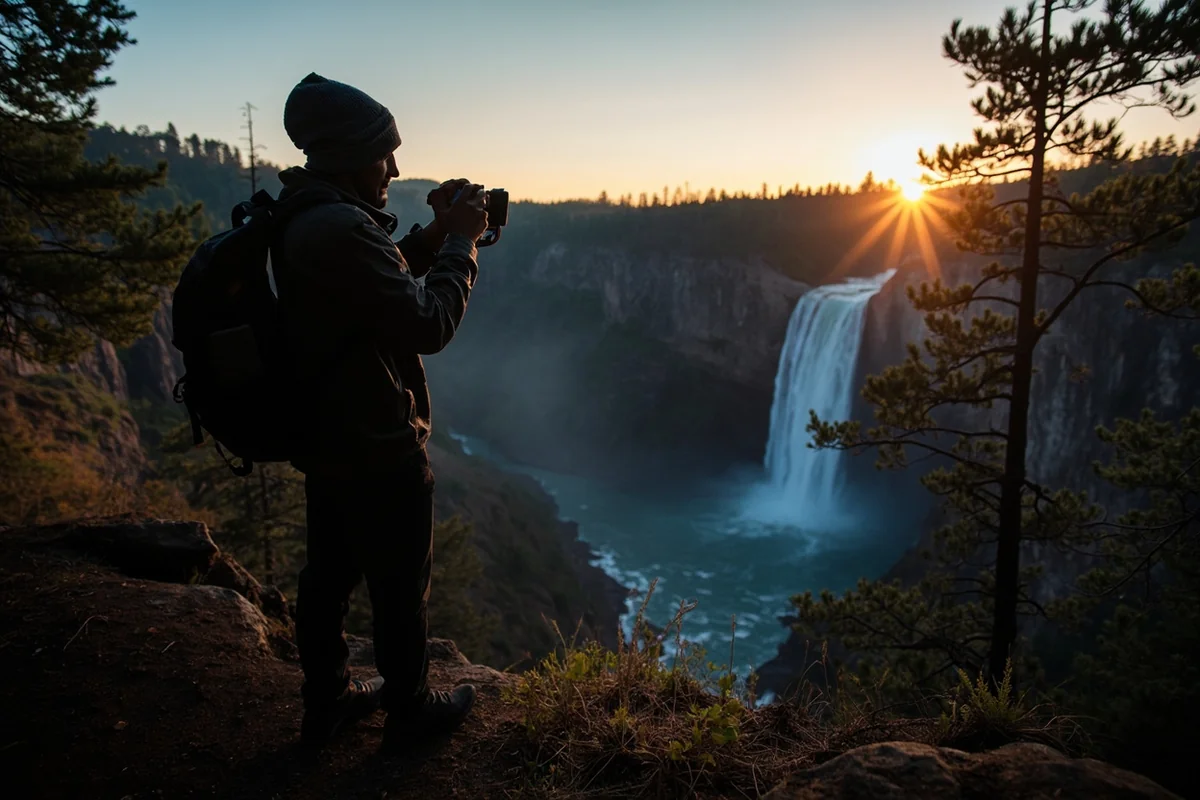
A wide-angle lens (24mm or wider) captures the full scale of the falls and surrounding amphitheater. However, I’ve also gotten excellent results with a 70-200mm telephoto, isolating details in the cascading water.
Bring a circular polarizer. The spray creates intense reflections, and managing them dramatically improves your images.
Waterproof protection for your camera is essential. The spray zone extends much farther than you’d expect—during high water, I was wiping my lens every few minutes from 50 feet away.
Best Light Conditions
Morning light works better than afternoon in my experience. The falls face roughly northeast, receiving direct light until mid-morning before falling into shadow.
Overcast days produce excellent results by eliminating harsh shadows and allowing longer exposures to capture the silky water effect most photographers seek.
Composition Ideas
Don’t just photograph the falls themselves. The approach trail offers numerous compositions incorporating wildflowers, ancient trees, and mountain peaks that contextualize the landscape.
I spent considerable time photographing the moss-covered boulders at the base of the falls, using them as foreground elements that anchored the composition and conveyed scale.
What to Pack: My Tested Checklist
After several visits, I’ve refined my packing list to include:
- Water: Minimum 2 liters per person, more on hot days
- Snacks: High-energy options like nuts, dried fruit, energy bars
- Rain jacket: Weather changes rapidly; don’t skip this
- Extra layer: Temperatures at the falls are noticeably cooler
- Bear spray: Mandatory in my opinion, not optional
- Sunscreen and sunglasses: Mountain sun is intense
- First aid kit: Basic supplies for blisters, cuts, etc.
- Trekking poles: Highly recommended for descent
- Camera protection: Waterproof bag or rain sleeve
- Map: Download offline map before you leave cell service
Nearby Waterfalls Worth Combining
If you’re spending multiple days in Glacier National Park, several other waterfalls make excellent additions to your itinerary.
McDonald Falls offers a far more accessible option along Going-to-the-Sun Road—you can view it from a roadside pullout or take a short walk for a closer look. I often recommend it to visitors who want waterfall scenery without a significant hike.
For another moderate hiking option, Ptarmigan Falls delivers a completely different character—lower volume but set against an alpine backdrop that showcases Glacier’s high country.
If you’re seeking something more challenging, Piegan Falls rewards ambitious hikers with spectacular views along the route.
The Redrock Falls area provides a completely different experience in the Many Glacier section of the park, and it’s worth the drive if you have time.
Accommodations and Base Camp Options
Where you stay significantly impacts your Sentinel Falls experience, particularly regarding early morning access.
Inside the Park
Lake McDonald Lodge is my preferred base for this area, positioned roughly 10 miles from the trailhead. Reservations book up a year in advance for peak summer dates—I’m not exaggerating.
Apgar Village offers more modest lodging options and campground sites, though it adds about 15 minutes to your morning drive.
West Glacier
The gateway community of West Glacier provides numerous hotels, vacation rentals, and private campgrounds within 20-25 minutes of the trailhead.
During my most recent trip, I stayed at a small cabin rental that cost roughly $180 per night in July—reasonable for the area and season.
Camping
If you’re camping, Fish Creek Campground (on the west side of Lake McDonald) provides the closest tent sites to the Sentinel Falls trailhead. Sites require reservation during summer and typically book out months ahead.
Common Mistakes I’ve Witnessed (and Made)
After multiple trips and observing countless other hikers, I’ve noticed recurring mistakes worth mentioning.
Underestimating Time Requirements
The 4.2-mile distance sounds manageable, but the elevation gain and rough terrain extend timing beyond what many expect. I’ve seen frustrated families turning back at the halfway point because they budgeted only two hours.
Plan for 3-4 hours minimum, longer if you’re photographing extensively or taking a leisurely pace.
Inadequate Footwear
Sandals and fashion sneakers appear on the trail regularly, and I watch their wearers struggle on rocky sections and wet surfaces. Proper hiking boots or trail shoes with good traction are essential.
Approaching Too Close
The base of Sentinel Falls looks inviting, but the rocks are treacherously slick. I watched a visitor take a painful fall during my August visit, resulting in a minor injury that still required careful evacuation.
Maintain appropriate distance and accept that your photos from 20 feet back will be nearly identical to those from 5 feet away.
Ignoring Weather Signs
Mountain weather in Glacier changes with startling speed. Those fluffy cumulus clouds building over the peaks at 11 AM often become violent thunderstorms by 2 PM.
Start early, watch the sky, and don’t hesitate to turn back if conditions deteriorate.
Accessibility and Fitness Considerations
I want to be direct about trail accessibility because I’ve seen visitors attempt this hike without full information.
The trail to Sentinel Falls is not wheelchair accessible and would be extremely difficult for anyone with significant mobility limitations. The terrain includes loose rocks, exposed roots, steep grades, and uneven surfaces throughout.
Children can complete this hike, but I’d recommend it only for kids age 8 and up who have previous hiking experience. The elevation gain is real, and there’s no shortcut back to the trailhead.
If you’re visiting with family members who cannot attempt this trail, consider alternatives like Sacred Dancing Cascade, which offers wheelchair-accessible viewing, or Oberlin Falls for a shorter hiking option.
Leave No Trace: Protecting This Place
Sentinel Falls exists in a fragile alpine ecosystem that shows impacts from increasing visitation. Please help protect it.
Pack out everything you pack in. I carry a small trash bag and routinely pick up refuse left by less conscientious visitors—mostly food wrappers and water bottle caps.
Stay on established trails. The vegetation damage from social trails is visible and depressing around popular viewpoints.
Don’t feed wildlife under any circumstances. Habituated animals create dangerous situations for both themselves and future visitors.
My Honest Assessment: Is Sentinel Falls Worth It?
After everything I’ve shared, you might wonder whether I truly recommend this hike. The answer is an emphatic yes, with appropriate caveats.
Sentinel Falls rewards hikers who come prepared, start early, and approach the experience with realistic expectations. The trail demands effort, the conditions require respect, and the logistics require planning.
But standing at those falls, feeling the primal power of water and gravity shaping landscape over millennia—that experience justifies every drop of sweat and every minute of preparation.
If you’re drawn to Montana’s backcountry waterfalls and can handle a moderate hiking challenge, Sentinel Falls belongs on your must-visit list. It’s not the biggest or most famous waterfall in Glacier National Park, but it might be the most satisfying to reach.
For those who prefer easier access, plenty of alternatives exist. Morrell Falls offers a gentler approach outside park boundaries, while Ousel Falls near Big Sky provides a well-maintained trail suitable for most fitness levels.
Final Thoughts and Planning Your Visit
Every waterfall tells a story about the landscape that created it. Sentinel Falls speaks of ancient glaciers, relentless water, and rock formations older than human comprehension.
When I sat near the falls during my last visit, eating a slightly crushed sandwich and watching spray catch afternoon light, I felt genuinely grateful for experiences that require effort to access.
Montana’s wilderness demands something from us—attention, preparation, physical exertion, and humility. In return, it offers transcendent moments that no theme park or manufactured attraction can replicate.
Sentinel Falls awaits those willing to earn it. I hope you’ll add your footprints to the trail and your memories to this remarkable place.
Safe travels, and I’ll see you on the trail.
Frequently Asked Questions
Where is Sentinel Falls located in Montana and how do I get there?
Sentinel Falls is located in Glacier National Park along the Going-to-the-Sun Road corridor, approximately 32 miles from the West Glacier entrance. You can view the falls from a pullout along the road or access closer views via connecting trails. I recommend arriving early during summer months as parking spots fill up quickly by mid-morning.
What is the best time of year to visit Sentinel Falls Montana?
The best time to visit Sentinel Falls is late May through early July when snowmelt creates the most impressive water flow. Going-to-the-Sun Road typically opens fully by late June or early July depending on snow conditions. By late August, the falls diminish significantly, so timing your trip during peak runoff will give you the most dramatic views.
How difficult is the hike to Sentinel Falls in Glacier National Park?
The viewpoint along Going-to-the-Sun Road requires no hiking at all, making it accessible for all fitness levels. If you want closer views, connecting trails in the area are rated moderate with some elevation gain and rocky terrain. I’d estimate about 2-3 miles round trip if you explore the surrounding trail network for better vantage points.
Do I need a park pass or reservation to see Sentinel Falls?
Yes, you’ll need a Glacier National Park entrance pass which costs $35 per vehicle for a 7-day pass or $80 for an annual pass. During peak season from late May through early September, you’ll also need a timed entry reservation for the Going-to-the-Sun Road corridor, which costs an additional $2 per reservation. Book your reservation at Recreation.gov as soon as they become available since they sell out fast.
What should I bring when visiting Sentinel Falls Montana?
Bring layers since temperatures along Going-to-the-Sun Road can drop 15-20 degrees compared to lower elevations, even in summer. I always pack bear spray, plenty of water, sturdy footwear with good grip, and binoculars for wildlife spotting. A rain jacket is essential as afternoon thunderstorms are common in Glacier’s high country.
Can I see Sentinel Falls without driving Going-to-the-Sun Road?
Going-to-the-Sun Road is really the only practical access point for Sentinel Falls, so driving or taking the park shuttle is necessary. If you’re uncomfortable driving the narrow, winding road yourself, the free park shuttle runs throughout the day during summer season. The shuttle stops at major trailheads and viewpoints along the route, making it a stress-free alternative to self-driving.
Is Sentinel Falls worth visiting compared to other Glacier National Park waterfalls?
Sentinel Falls offers a more accessible and less crowded experience compared to popular spots like St. Mary Falls or Virginia Falls. While it may not be the tallest waterfall in the park, its dramatic cliff backdrop and roadside accessibility make it perfect for photographers and travelers short on time. I think it’s absolutely worth a stop, especially when combined with other Going-to-the-Sun Road highlights like Bird Woman Falls and Weeping Wall.