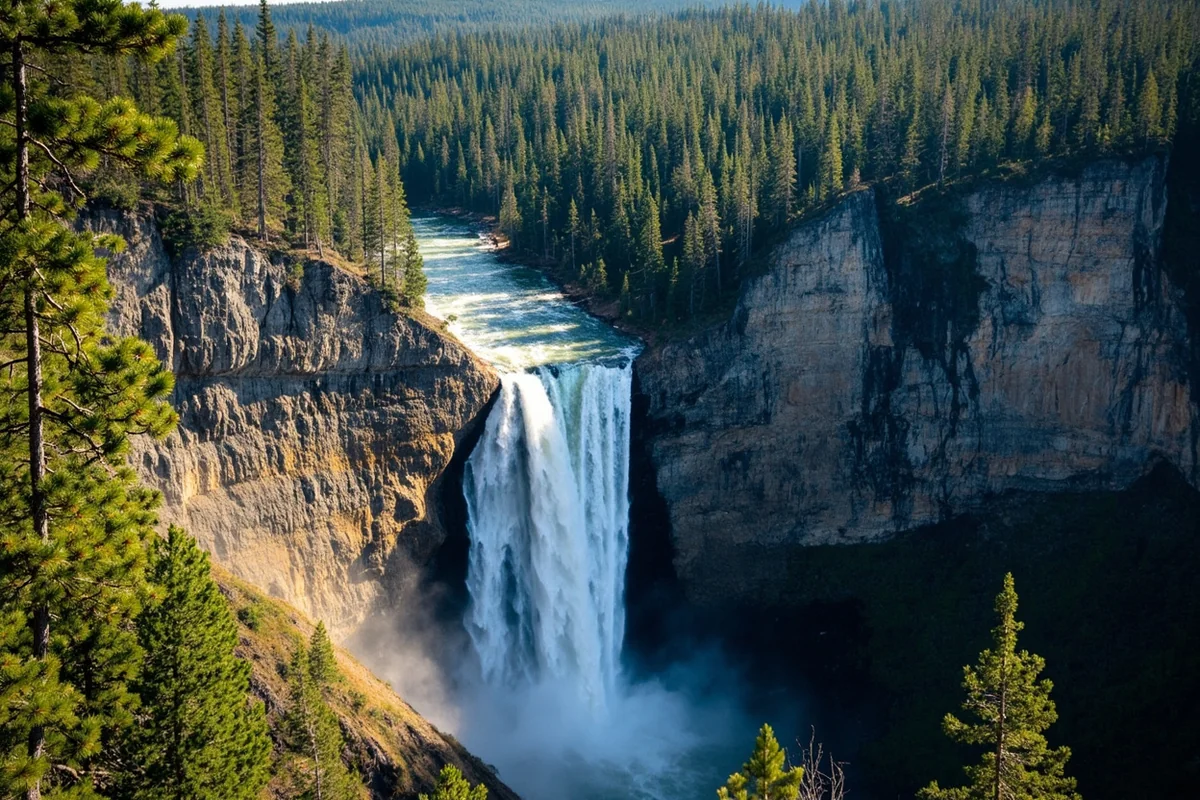
The moment I rounded the final switchback and heard that unmistakable thunder of water crashing against ancient rock, I knew the grueling climb had been worth every burning muscle fiber.
Gros Ventre Falls isn’t just another waterfall—it’s a hidden wilderness reward that most Montana visitors never discover, tucked away in terrain so remote that you’ll likely have the entire experience to yourself.
If you’re building a bucket list of Montana waterfalls to visit, this one deserves a starred spot near the top.
- Gros Ventre Falls sits in remote backcountry near the Montana-Wyoming border region
- Expect a challenging 8-10 mile round-trip hike depending on your route
- Best visited June through September when snow has melted
- No facilities at trailhead—come fully prepared for wilderness conditions
- Stunning 80+ foot cascade with virtually no crowds
- Permit may be required depending on land management area
Liked this article?
Add Roaming Montana as a preferred source so you see more of our articles and guides on Google.
Understanding Gros Ventre Falls: Location and Geography
When I first started researching Gros Ventre Falls last spring, I quickly realized why this waterfall remains off most tourists’ radars. The name “Gros Ventre” (pronounced “grow-VAHNT”) comes from French trappers who named the region after the Atsina people, and the entire Gros Ventre Range straddles the Montana-Wyoming border in spectacularly rugged fashion.
The falls themselves emerge from a wilderness landscape that feels genuinely untouched. During my visit in late July, I was struck by how different this area feels compared to more accessible waterfalls like Kootenai Falls in northwestern Montana, where you’ll share the viewing platforms with dozens of other visitors.
This is genuine backcountry. The Gros Ventre Wilderness encompasses over 287,000 acres of roadless terrain, and the falls sit within this protected landscape where mechanized equipment is prohibited and nature operates on its own timeline.
My Journey to Gros Ventre Falls: A Personal Account
I’ll be honest with you—reaching Gros Ventre Falls tested my fitness level more than I’d anticipated. When I set out on that clear July morning, the trailhead elevation already had me breathing harder than usual at around 7,500 feet.
The first two miles lulled me into false confidence. The trail wound gently through lodgepole pine forest, the morning sun filtering through in golden shafts that made everything feel magical and manageable.
Then the climbing started in earnest.
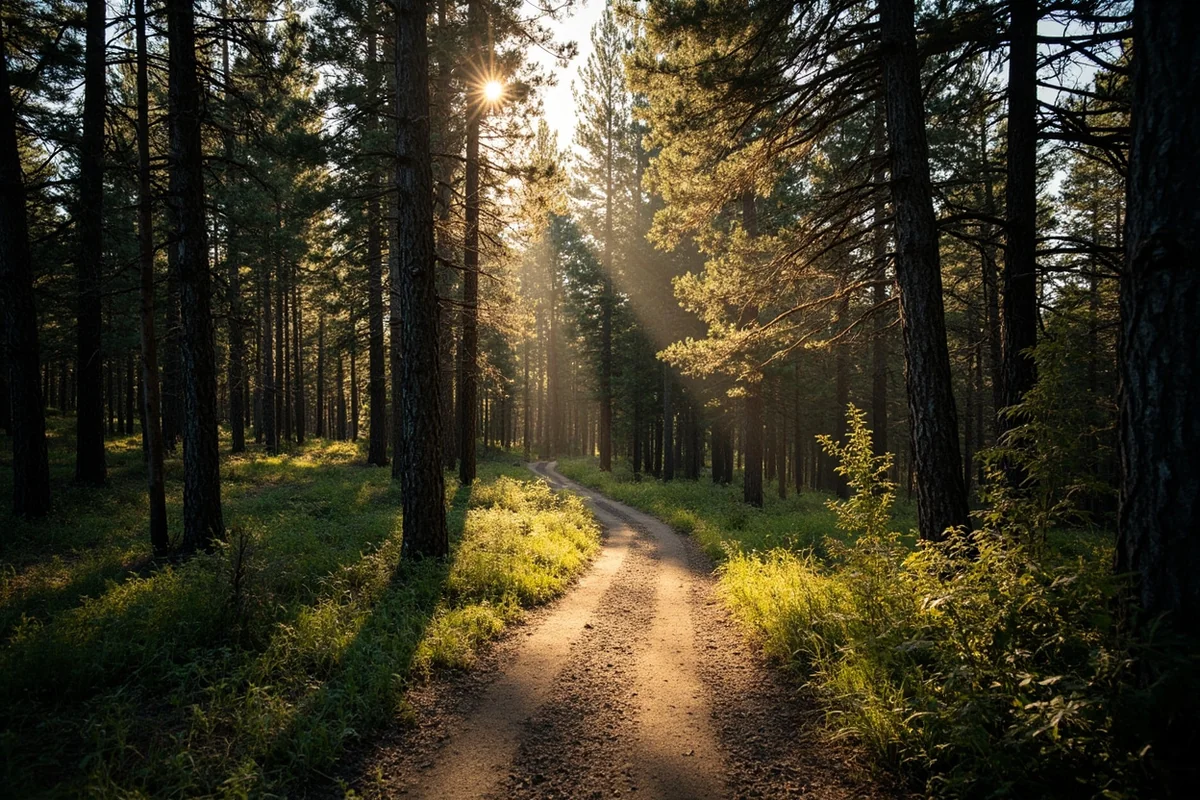
By mile three, I’d gained nearly 1,500 feet of elevation and my legs were loudly protesting every step. But here’s what kept me moving forward: the sound. Around mile four, I caught my first faint whisper of falling water carried on the mountain breeze.
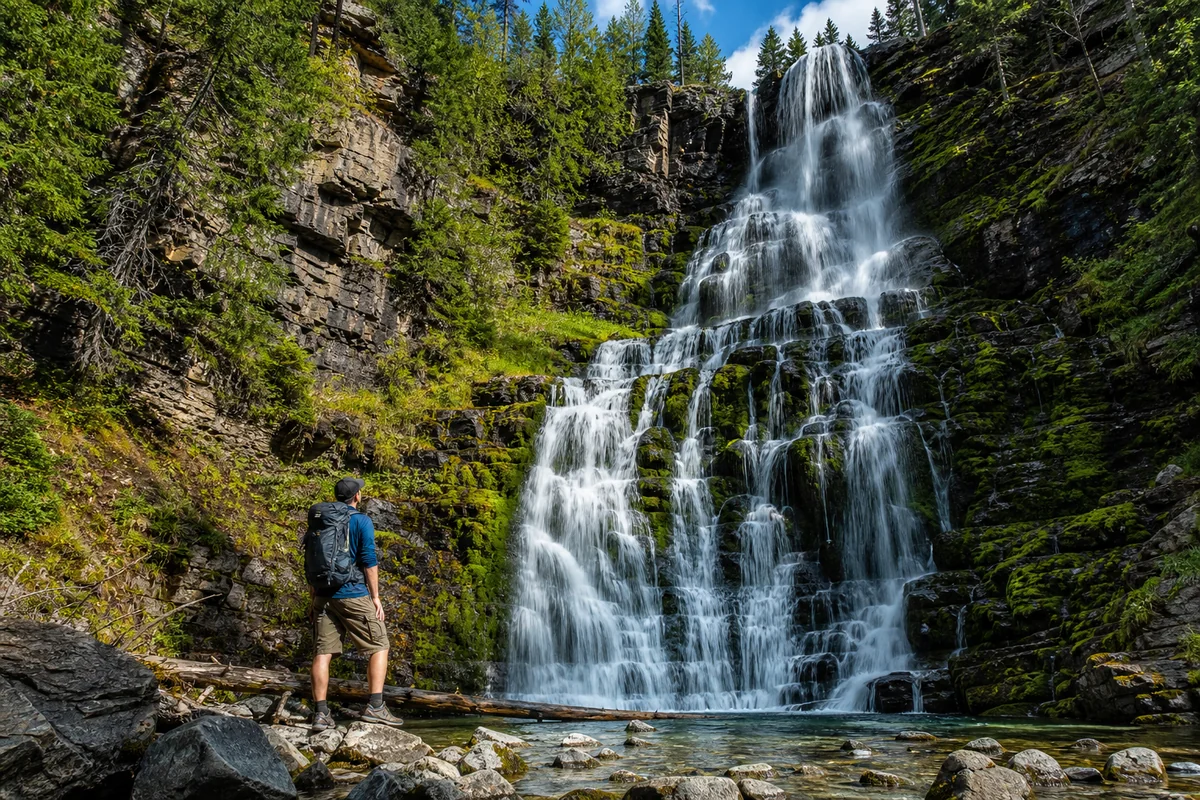
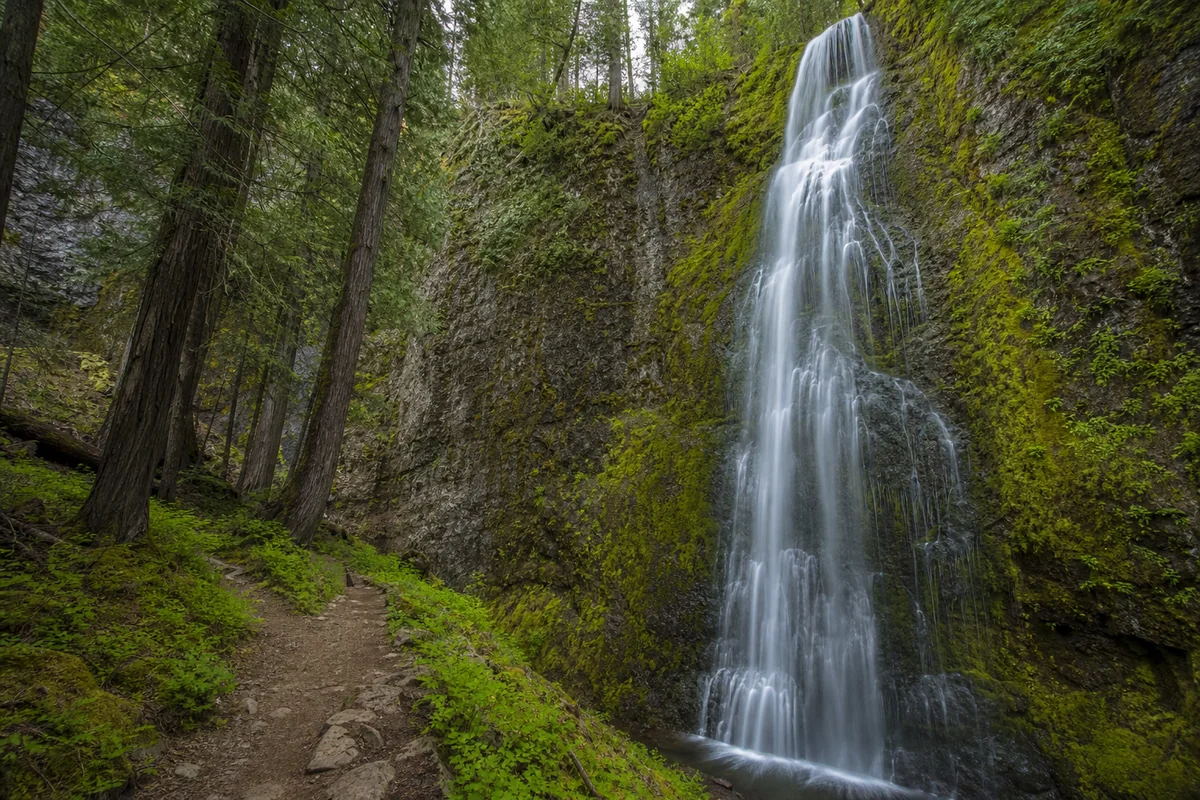
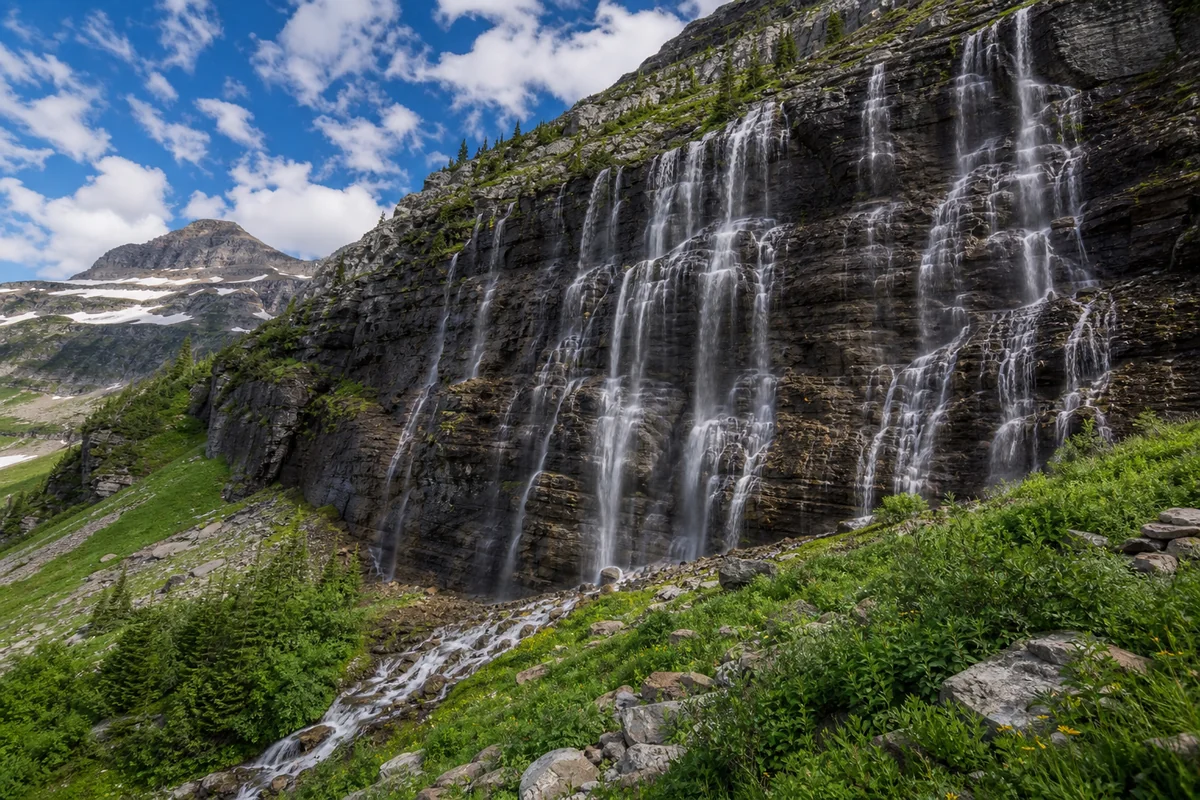
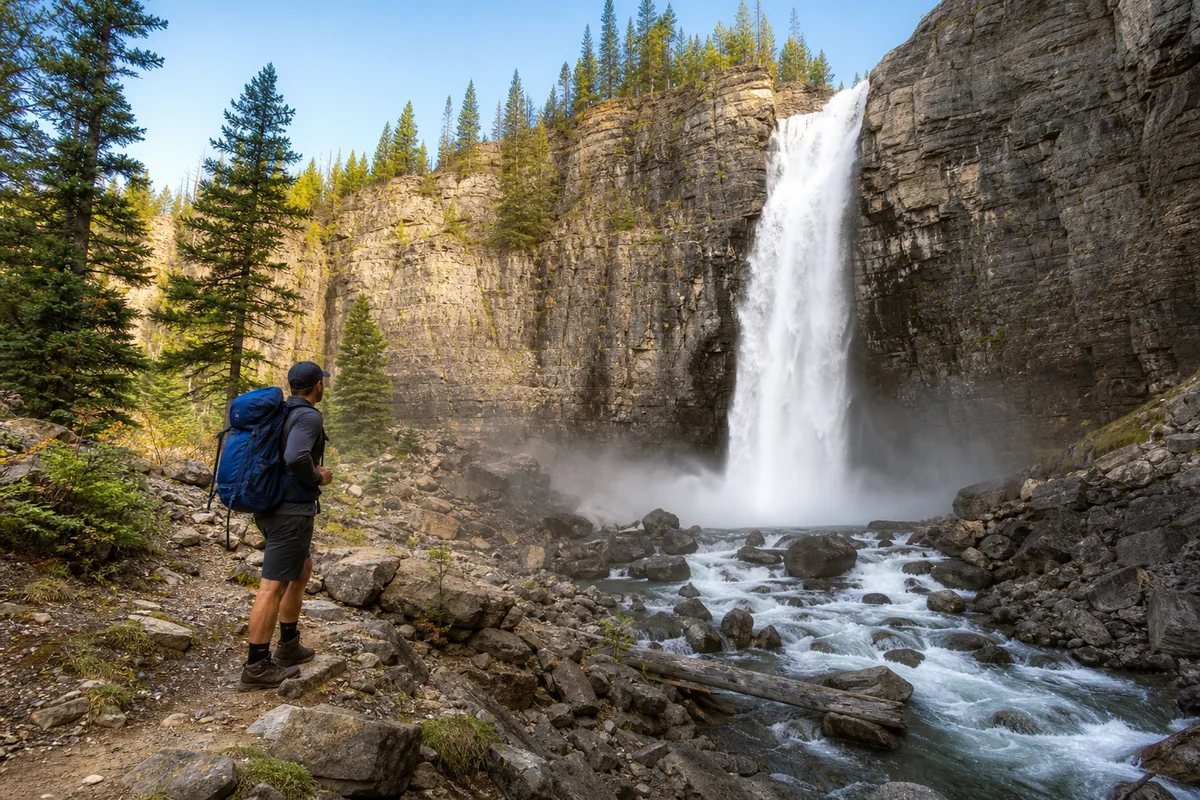
That distant roar grew steadily louder over the next mile, building anticipation with every switchback. When I finally emerged at the overlook and saw Gros Ventre Falls in full flow, I actually laughed out loud from sheer joy. The 80-foot cascade plunged into a rocky basin surrounded by wildflowers that nobody had planted, tended, or arranged—just pure Montana wilderness doing its thing.
Trail Details and What to Expect
Let me break down exactly what you’re signing up for when you commit to this hike. Unlike the easy stroll to Ousel Falls near Big Sky, Gros Ventre Falls demands genuine preparation and respect.
| Trail Aspect | Details |
|---|---|
| Round-trip Distance | 8-10 miles (varies by route) |
| Elevation Gain | Approximately 2,200-2,800 feet |
| Difficulty | Strenuous |
| Time Required | 5-8 hours round trip |
| Trail Surface | Dirt, rock, some scree sections |
| Water Crossings | 2-3 creek crossings (seasonal) |
| Cell Service | None |
Trail Conditions Throughout the Hike
The first section of trail is well-maintained and easy to follow. I appreciated the clear trail markers during my hike, though I’d recommend downloading offline maps before you lose cell service about 30 minutes from the trailhead.
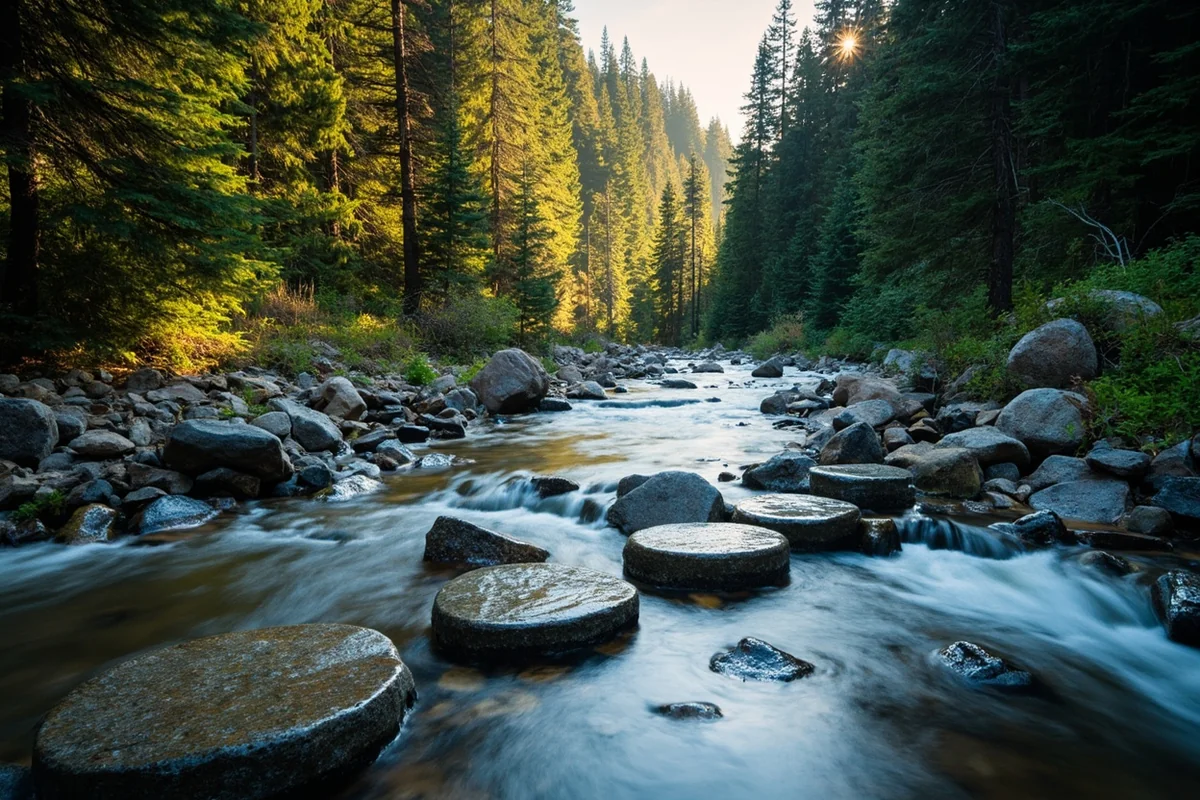
The middle section introduces some rocky terrain and steeper grades. During my July visit, I encountered two creek crossings that required rock-hopping. Earlier in the season, you might find these same crossings running higher and potentially requiring water shoes or a willingness to get your boots wet.
The final approach to the falls involves some scrambling over larger rocks. It’s not technical climbing by any means, but it does require using your hands for balance in a few spots. I watched a father and his teenage son navigate this section without issues, so reasonably fit hikers shouldn’t find it problematic.
Best Time to Visit Gros Ventre Falls
Timing matters enormously with this waterfall, and I’d argue it matters more here than at easily-accessible falls like Memorial Falls near Kalispell.
Peak Season: Late June Through Early September
I chose late July for my visit, and it turned out to be an excellent decision. The snowpack had melted enough to make the trail fully passable, wildflowers were blooming in spectacular fashion, and the falls still carried impressive volume from upstream snowmelt.
June visitors will see the falls at their most powerful, but snow can linger on higher trail sections into mid-June during heavy snow years. I spoke with a park ranger who mentioned that 2023’s late snowpack kept the upper trail sketchy until nearly July 4th.
August offers the most reliable trail conditions and pleasant hiking weather, though the falls’ volume begins decreasing noticeably. September brings fall colors and cooler temperatures but reduced water flow.
Shoulder Seasons: Proceed with Caution
Early June and late September can work for experienced hikers comfortable with variable conditions. I wouldn’t recommend attempting this hike before June or after mid-October unless you’re equipped for potential snow travel.
Winter? Absolutely not unless you’re an expert backcountry skier or snowshoer with avalanche training. The terrain that makes this area beautiful also makes it dangerous when covered in snow.
Getting to the Trailhead
The drive to Gros Ventre Falls trailhead is an adventure in itself. When I made the trip last summer, I was coming from Bozeman, which required about 3.5 hours of driving—much of it on increasingly rough roads.
The final approach involves approximately 12 miles of gravel road. My Subaru Outback handled it fine, but I watched a sedan turn around about three miles in. High clearance isn’t absolutely necessary in dry conditions, but it certainly helps and provides peace of mind.
During my drive, I passed through some of the most stunning empty landscape Montana has to offer. Rolling sagebrush valleys gave way to dramatic mountain vistas, and I counted exactly seven other vehicles over the entire 12-mile stretch.
Directions and GPS Coordinates
I’m hesitant to provide exact GPS coordinates because multiple access points exist, and conditions change seasonally. Your best approach is to contact the local ranger district before your visit for current road conditions and recommended access points.
What I can tell you is that most routes approach from the western side, utilizing forest service roads that branch off from main highways. Plan to start early—I arrived at the trailhead at 6:30 AM and was grateful for the head start as afternoon thunderstorms are common in summer.
What to Pack: Lessons Learned from My Hike
I’ve hiked to dozens of Montana waterfalls, from easy walks like Grotto Falls to challenging treks through Glacier National Park. Gros Ventre Falls requires the most thorough preparation of any waterfall hike I’ve done in the state.
Essential Gear
- Water: Minimum 3 liters per person. I brought 4 liters and drank nearly all of it.
- Water filter or treatment: Streams along the route provide refill opportunities for those prepared to treat water.
- Navigation: Physical map, compass, and downloaded offline maps. Do not rely solely on your phone.
- Bear spray: Non-negotiable in this area. I keep mine in a hip holster for quick access.
- First aid kit: More comprehensive than your typical day-hike kit given the remoteness.
- Emergency shelter: A lightweight emergency bivy or space blanket.
- Headlamp: Even if you plan to finish before dark, always carry one.
- Rain gear: Afternoon storms develop quickly in the mountains.
Food and Snacks
I packed more food than I thought I’d need and ended up eating every bit of it. The elevation and sustained climbing burn serious calories. My recommendations based on what worked for me:
- High-calorie trail mix with nuts and dried fruit
- Energy bars or gels for quick fuel
- Substantial lunch (I brought a peanut butter wrap)
- Salty snacks to replace electrolytes
- Something special for the falls (I treated myself to dark chocolate)
Clothing Considerations
Layers are everything. I started in a long-sleeve shirt because the morning was cool at elevation. By the steep climbing section, I’d stripped down to a t-shirt and was still sweating. At the falls, the spray created enough mist that I was glad to put a wind layer back on.
Good footwear is non-negotiable. Sturdy hiking boots with ankle support are my strong recommendation. I saw the aftermath of a twisted ankle in the backcountry years ago, and it’s not something you want to experience miles from the nearest road.
Wildlife in the Gros Ventre Area
This region harbors significant wildlife populations, and understanding what you might encounter enhances both safety and appreciation of the experience.
Bears: Both Species Are Present
During my hike, I didn’t see any bears, but I saw plenty of evidence they’d been around. Fresh scat on the trail, claw marks on trees, and overturned rocks where a bear had been searching for insects all reminded me I was walking through someone else’s living room.
Both black bears and grizzly bears inhabit the Gros Ventre area. I made noise on the trail, particularly around blind corners and when moving through thick vegetation. Many hikers carry bear bells, though studies suggest that talking or clapping is more effective at preventing surprise encounters.
Other Wildlife Observations
What I actually did see during my hike delighted me. A cow moose and her calf grazed in a meadow about 200 yards off the trail—I stopped and watched through binoculars for a solid ten minutes, keeping well back to avoid disturbing them.
Mule deer seemed almost unafraid at this distance from roads, and I spotted several bucks with impressive velvet-covered antlers. Pikas chirped their alarm calls from rockslides, and golden-mantled ground squirrels provided constant entertainment near the falls.
The birding proved excellent too. I identified mountain chickadees, Steller’s jays, and what I’m fairly confident was a peregrine falcon soaring above the cliffs near the waterfall.
The Waterfall Itself: What You’ll Find
After all that effort reaching Gros Ventre Falls, you want to know what awaits you. I’ll share my honest assessment.
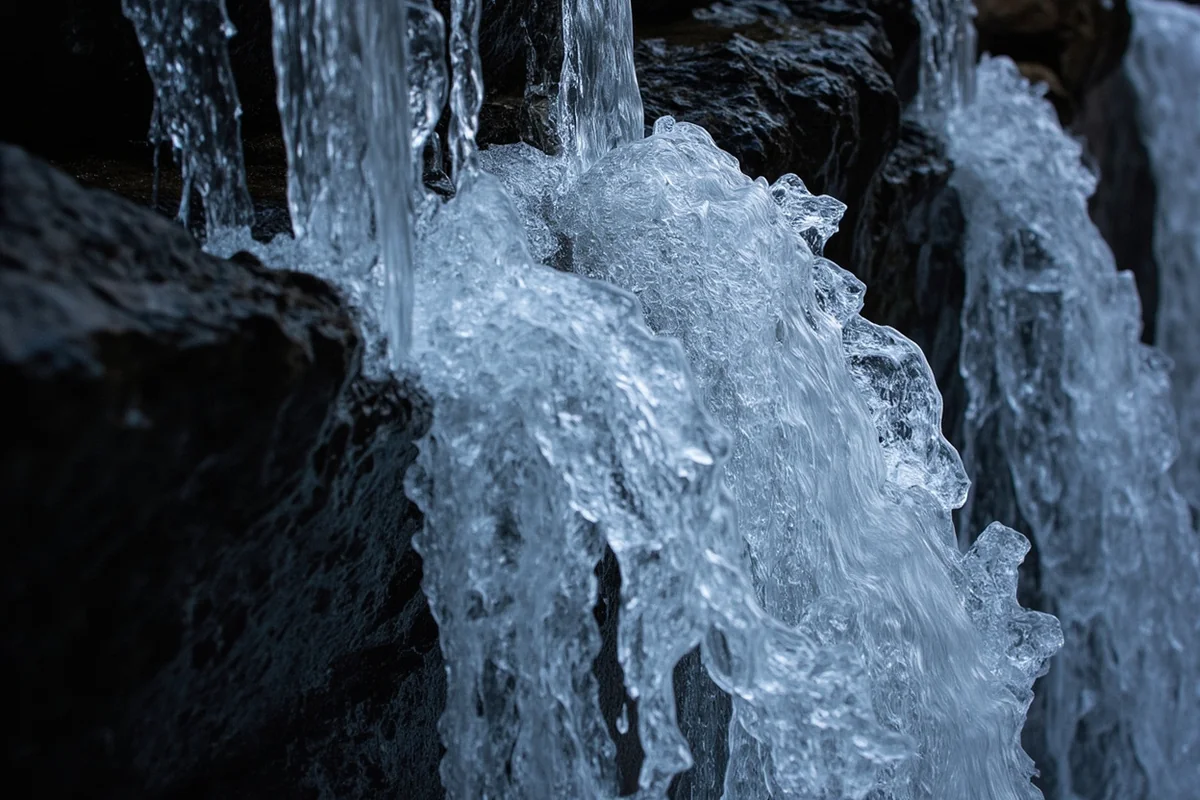
The main cascade drops approximately 80 feet over a sheer rock face into a boulder-strewn plunge pool. What makes this waterfall special isn’t necessarily its height—Montana has taller falls. It’s the combination of the wild setting, the solitude, and the knowledge that you earned this view through genuine effort.
Best Viewing Spots
The main overlook offers a direct frontal view of the falls from about 100 yards away. This is where most hikers stop, take their photos, and declare victory. It’s a perfectly satisfying viewpoint with safe, stable footing.
For those willing to scramble further, a lower viewpoint gets you closer to the plunge pool, though the route requires careful navigation over slippery rocks. I made it down there and the mist-covered experience was magical, but it’s not worth risking an injury if you’re not comfortable with the terrain.
Photography Tips
I learned a few things shooting this waterfall that might help you:
The falls face generally east, which means morning light illuminates the cascade beautifully. My July arrival around 10:30 AM provided excellent lighting conditions with the sun high enough to light the falls without harsh shadows.
Bring a lens cloth or several—mist from the falls will constantly dampen your equipment at the closer viewpoints. I went through three microfiber cloths rotating between wiping and drying.
A polarizing filter helps cut through the mist and enhances the colors of surrounding vegetation. If you’re shooting with a phone, find shade for your screen because glare makes composition difficult in bright conditions.
Comparing Gros Ventre Falls to Other Montana Waterfalls
Having now visited over thirty Montana waterfalls, I can offer some perspective on how Gros Ventre Falls fits into the broader picture.
If you’re looking for accessibility, this isn’t it. Check out Running Eagle Falls in Glacier National Park instead—it’s an easy stroll from the parking lot and still beautiful.
If solitude is your priority, Gros Ventre Falls delivers in ways that popular destinations simply cannot. Even Hidden Falls, despite its name, sees more visitors than this remote cascade.
For similar challenge levels with different scenery, consider Morrell Falls in the Swan Range or Holland Lake Falls in the Flathead region.
The Glacier National Park waterfalls like Saint Mary Falls, Piegan Falls, and Ptarmigan Falls offer stunning alpine scenery but come with crowds during peak season. Gros Ventre Falls offers comparable natural beauty with a fraction of the visitors.
Safety Considerations and Wilderness Ethics
I want to be direct about something: hiking to Gros Ventre Falls carries real risks that demand respect. This isn’t a manicured state park trail with regular ranger patrols.
Emergency Preparedness
Before my hike, I filed a detailed trip plan with a friend back home, including my route, expected return time, and instructions to contact search and rescue if I hadn’t checked in by a specific hour. This is standard backcountry protocol, and I encourage everyone to do the same.
Cell service doesn’t exist along this route. A satellite communication device (like a Garmin InReach) provides genuine peace of mind for solo hikers. I carry one on all remote Montana hikes now after a close call several years ago.
Leave No Trace Principles
The wilderness around Gros Ventre Falls remains pristine partly because the difficulty filters visitors, but mostly because those who make the effort tend to respect the land. Please maintain this standard.
Pack out everything you pack in—including food scraps. The apple core or orange peel you toss might seem biodegradable, but it takes months to decompose at this elevation and attracts wildlife to human-use areas.
Stay on established trails where they exist. I noticed some shortcuts near the falls where previous visitors had trampled fragile alpine vegetation. Those “shortcut” trails may persist for years and expand with each use.
Human waste requires proper disposal at this distance from facilities. If you need to use the bathroom, dig a cathole at least 6-8 inches deep and 200 feet from water sources. Pack out toilet paper in a sealed bag.
Nearby Attractions and Trip Planning
If you’re making the considerable drive to Gros Ventre Falls, you might as well explore the surrounding area. I turned my visit into a three-day adventure that remains one of my favorite Montana memories.
Other Waterfalls in the Region
The broader Gros Ventre range contains additional waterfalls worth exploring if time permits. While none are as spectacular as the main falls, they offer variety for waterfall enthusiasts.
Further north in Montana, completely different waterfall experiences await. Hole in the Wall Falls offers unique geology, while Skalkaho Falls combines easy access with impressive height.
Camping Options
Dispersed camping on national forest land is permitted in the area surrounding the Gros Ventre Wilderness. I camped at an established dispersed site about 5 miles from the trailhead the night before my hike, which allowed me to start early without a long morning drive.
For those preferring developed campgrounds, several options exist within 30-45 minutes of the trailhead area. These typically offer vault toilets, fire rings, and established sites, though facilities vary and reservations may be required during peak season.
Combining with Other Destinations
Many visitors to this corner of Montana are en route to or from Yellowstone National Park. The proximity makes it possible to include Gros Ventre Falls as part of a larger park road trip, though I’d recommend dedicating a full day to the waterfall rather than squeezing it in as a side trip.
Permits and Regulations
Current regulations for the Gros Ventre area can vary depending on exactly where you’re hiking and which land management agency oversees that particular parcel. Before my trip, I contacted the local ranger district to confirm current requirements.
At the time of my visit, no permit was required for day hiking in the areas I traveled. However, regulations can change, and some adjacent wilderness areas do require permits during peak season. Spend fifteen minutes researching current requirements before you go—it’s much easier than discovering you need a permit while standing at the trailhead.
Wilderness regulations prohibit motorized equipment, including drones. I saw a group that had carried a drone to a different Montana waterfall and watched them get cited by a ranger. Not worth it, and honestly, experiencing these places without electronics buzzing overhead is part of the magic.
Accessibility and Alternative Options
I want to be straightforward: Gros Ventre Falls is not accessible for visitors with mobility limitations. The trail is steep, rough, and involves scrambling sections that require full physical capacity.
For those seeking waterfall experiences with easier access, Montana offers wonderful alternatives. Palisade Falls near Bozeman features a paved, wheelchair-accessible trail to an impressive cascade. McDonald Falls in Glacier National Park can be viewed from roadside pullouts.
Knowles Falls in Yellowstone’s Montana section offers another relatively easy option, as does Sacred Dancing Cascade along the Going-to-the-Sun Road corridor.
Final Thoughts: Is Gros Ventre Falls Worth the Effort?
After sharing every practical detail I can about reaching Gros Ventre Falls, let me step back and address the question you’re probably asking: should you actually do this hike?
My answer depends on what you’re seeking from your Montana waterfall experience.
If you want a scenic waterfall you can drive to, photograph, and share on Instagram within an hour, look elsewhere. Try Rainbow Falls near Great Falls or Mill Falls for that kind of experience.
If you crave genuine wilderness, if you find satisfaction in physical achievement, if you want to stand before a waterfall and know with certainty that you earned every drop of that view—then Gros Ventre Falls deserves a place on your Montana bucket list.
I still remember sitting on a sun-warmed boulder near the plunge pool, eating my lunch in complete solitude while the falls roared their eternal song just yards away. No crowds, no traffic noise, no cell phone notifications pulling my attention elsewhere. Just water, rock, wilderness, and the profound satisfaction of having walked myself to one of Montana’s hidden treasures.
That memory sustains me during long winter months when the trails are buried under snow. And I already know that when the snow melts next summer, I’ll be thinking about making that challenging journey once again.
For those ready to accept the challenge, Gros Ventre Falls awaits. Just come prepared, respect the wilderness, and leave it better than you found it for the next adventurer willing to put in the work.
Frequently Asked Questions
Where is Gros Ventre Falls located in Montana?
Gros Ventre Falls is located in the Gros Ventre Mountains near the Montana-Wyoming border, accessible from the Bozeman area. The falls sit within the Greater Yellowstone Ecosystem, roughly 90 miles south of Bozeman. I’d recommend having a detailed trail map since GPS can be spotty in this remote region.
How difficult is the hike to Gros Ventre Falls Montana?
The hike to Gros Ventre Falls is considered moderate, covering approximately 4-6 miles round trip with some elevation gain through forested terrain. I found the trail well-marked but rocky in sections, so sturdy hiking boots are essential. Most reasonably fit hikers can complete it in 3-4 hours with time to enjoy the falls.
What is the best time of year to visit Gros Ventre Falls?
The best time to visit Gros Ventre Falls is late May through early July when snowmelt creates the most impressive water flow. I visited in mid-June and the falls were absolutely thundering. By late August, water levels drop significantly, though fall offers beautiful foliage and fewer crowds.
Is there an entrance fee or permit required for Gros Ventre Falls?
There’s no specific entrance fee for Gros Ventre Falls, though you may need a parking pass depending on which trailhead you use. National Forest day passes typically cost $5-10 if required. I always carry cash for self-service fee stations since card readers aren’t available at remote trailheads.
What should I bring when hiking to Gros Ventre Falls Montana?
Bring bear spray, plenty of water, layered clothing, and sturdy waterproof hiking boots for the Gros Ventre Falls trail. I always pack a rain jacket regardless of the forecast since mountain weather changes quickly. Don’t forget your camera, snacks, and a first aid kit for this remote backcountry hike.
Can you swim at Gros Ventre Falls or in the pools below?
Swimming near Gros Ventre Falls is generally not recommended due to cold temperatures, strong currents, and slippery rocks. The snowmelt-fed water stays frigid even in summer, rarely exceeding 50°F. I’ve seen people wade in the calmer downstream pools, but exercise extreme caution and never swim alone.
Are dogs allowed on the Gros Ventre Falls hiking trail?
Dogs are typically allowed on the Gros Ventre Falls trail but must be kept on a leash due to wildlife activity in the area. This is prime grizzly bear country, so keeping your dog controlled protects both your pet and local wildlife. I recommend bringing extra water for your dog and checking current trail conditions before heading out.