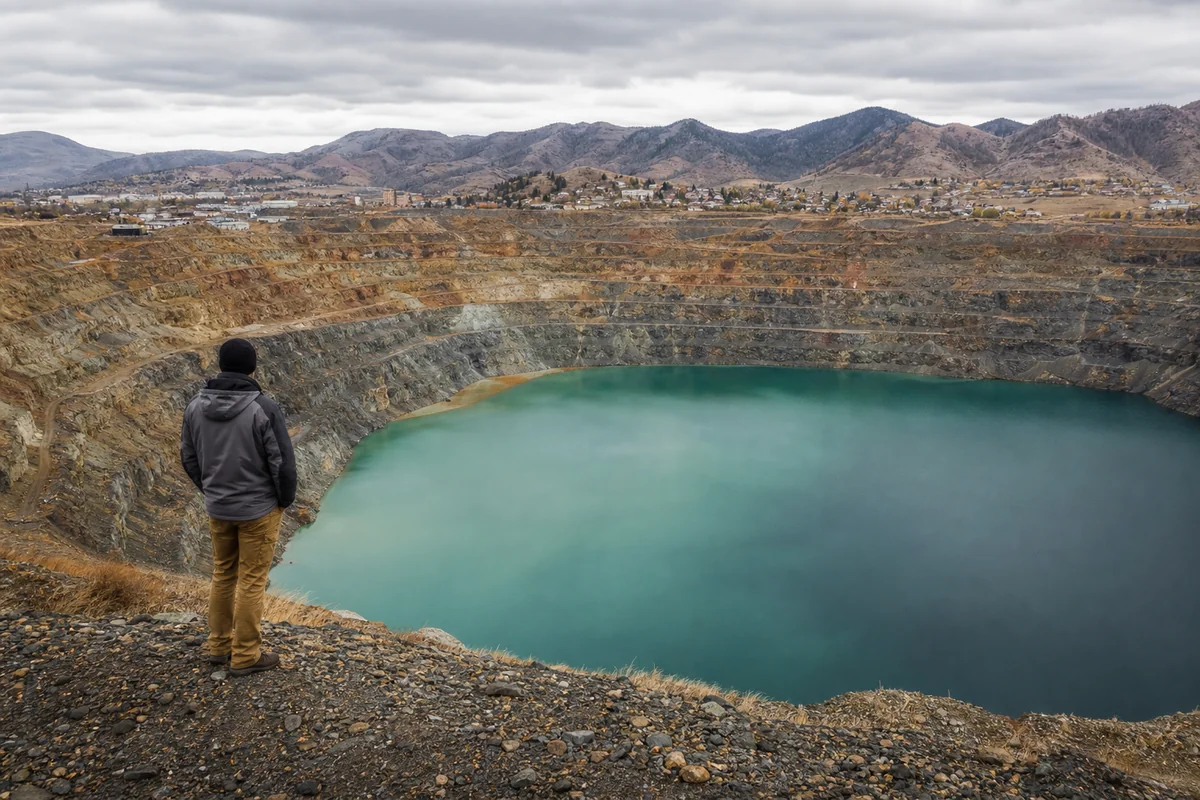
Standing at the edge of the Berkeley Pit on a cold October morning, watching a lake of toxic copper-green water shimmer beneath a grey Montana sky, was one of the most strangely beautiful — and sobering — moments of any trip across the 56 Montana Counties. Silver Bow County isn’t the Montana most visitors picture when they dream of Big Sky Country, but that’s exactly what makes it unforgettable.
- Silver Bow County is home to Butte, one of America’s most historically significant mining cities
- The Berkeley Pit — a massive open-pit copper mine turned toxic lake — is a must-see attraction
- Uptown Butte is one of the largest National Historic Landmark Districts in the US
- Outdoor recreation includes skiing at Discovery Ski Area, hiking, and fishing along the Clark Fork River
- The county covers roughly 718 square miles and sits at around 5,500 feet elevation
- Plan at least two full days to do the area justice
- Visit in summer or early fall for the best conditions — winters are long and genuinely cold
Liked this article?
Add Roaming Montana as a preferred source so you see more of our articles and guides on Google.
Why Silver Bow County Deserves a Place on Your Montana Itinerary
Most visitors to Montana race toward Glacier, Yellowstone, or the Gallatin Valley — and understandably so. But Silver Bow County offers something none of those places can: a raw, unvarnished window into the industrial history that shaped the American West.
Butte, the county seat, was once the richest hill on earth. At its peak in the early 20th century, this was one of the most populous cities west of the Mississippi, a multicultural boomtown built on copper, silver, and the backbreaking labor of thousands of immigrant miners from Ireland, Finland, Croatia, China, and beyond.
That layered history is still deeply visible today — in the ornate Victorian architecture, the ethnic neighborhoods, the underground mine tours, and the fierce civic pride that runs through every conversation with a local. Silver Bow County rewards curious travelers who look beyond the Instagram-obvious.
Understanding Silver Bow County: The Basics
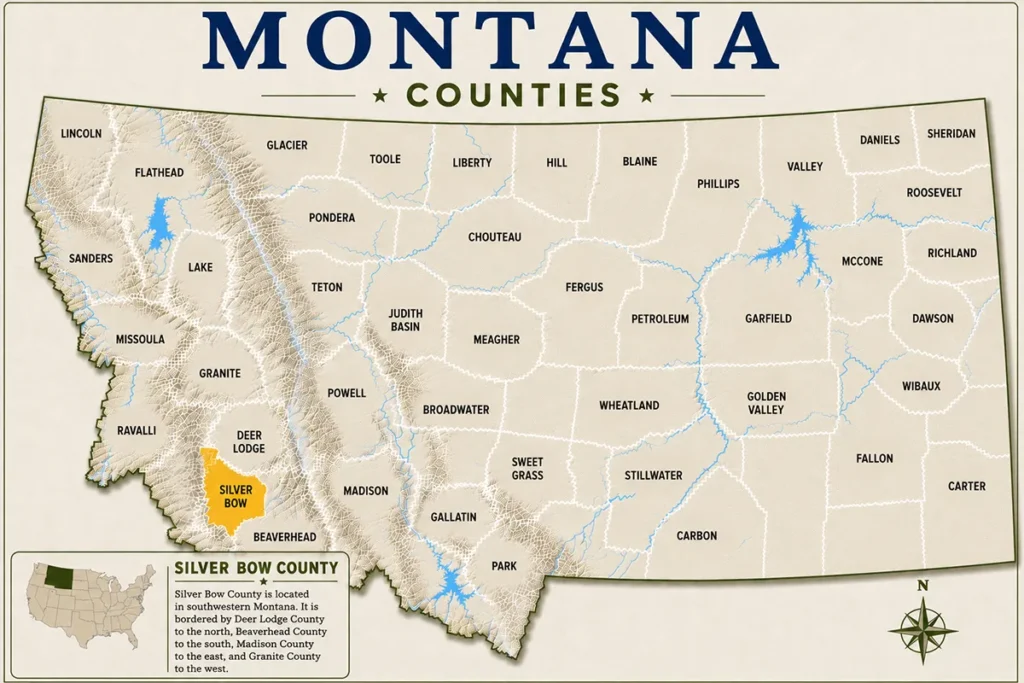
Silver Bow County is located in southwestern Montana, roughly 65 miles west of Bozeman along Interstate 90. It covers approximately 718 square miles and sits at an elevation of around 5,500 feet — meaning even summer days can turn chilly after sunset.
The county is unique in Montana because Butte and Silver Bow County merged their governments in 1977, creating a consolidated city-county entity. That makes Silver Bow County effectively synonymous with Butte for most practical travel purposes.
The population hovers around 34,000, making it one of Montana’s larger population centers while still feeling genuinely small-town in texture. For context on how Silver Bow compares to the state’s growth patterns, it’s worth reading about Montana’s fastest-growing cities and counties — Butte has held relatively steady while other areas boom.
| Feature | Detail |
|---|---|
| County Seat | Butte (consolidated city-county) |
| Area | ~718 square miles |
| Elevation | ~5,500 feet |
| Population | ~34,000 |
| Nearest Major Airport | Bert Mooney Airport (BTM), Butte — or Bozeman Yellowstone International (~75 miles) |
| Best Access Route | Interstate 90 from Bozeman; Interstate 15 from Helena |
| Best Seasons to Visit | June through October |
| Peak Season | July–August |
The Berkeley Pit: Butte’s Most Iconic (and Complicated) Attraction
The Berkeley Pit is a former open-pit copper mine that operated from 1955 to 1982, reaching depths of over 1,700 feet. When the pumps shut off, groundwater began flooding it. Today, it holds roughly 50 billion gallons of acidic, metal-laden water.
What most guides skip is the complex emotional response visitors have here. It’s one of the largest Superfund sites in the US — and simultaneously one of the most striking visual spectacles in Montana. The copper-blue-green water against the terraced rust-red walls is genuinely beautiful in a way that makes you uncomfortable.
There’s a viewing platform and small visitor center at the site. Admission typically runs just a few dollars — expect to pay roughly $3–$5 per person at the time of writing, though fees can change seasonally. One unexpected thing worth knowing: the platform can be windy and cold even in July, so bring a layer.
The pit became national news in 1995 when a flock of snow geese landed on its surface and died — tens of thousands of birds. That story alone tells you something about Butte’s relationship with its own history. It doesn’t shy away from the difficult parts.
Uptown Butte: A National Historic Landmark District
Uptown Butte is one of the largest National Historic Landmark Districts in the United States, encompassing over 4,000 historic structures. Walking its streets feels genuinely different from any other Montana town — more like stumbling into a preserved slice of the Gilded Age than a Western frontier postcard.
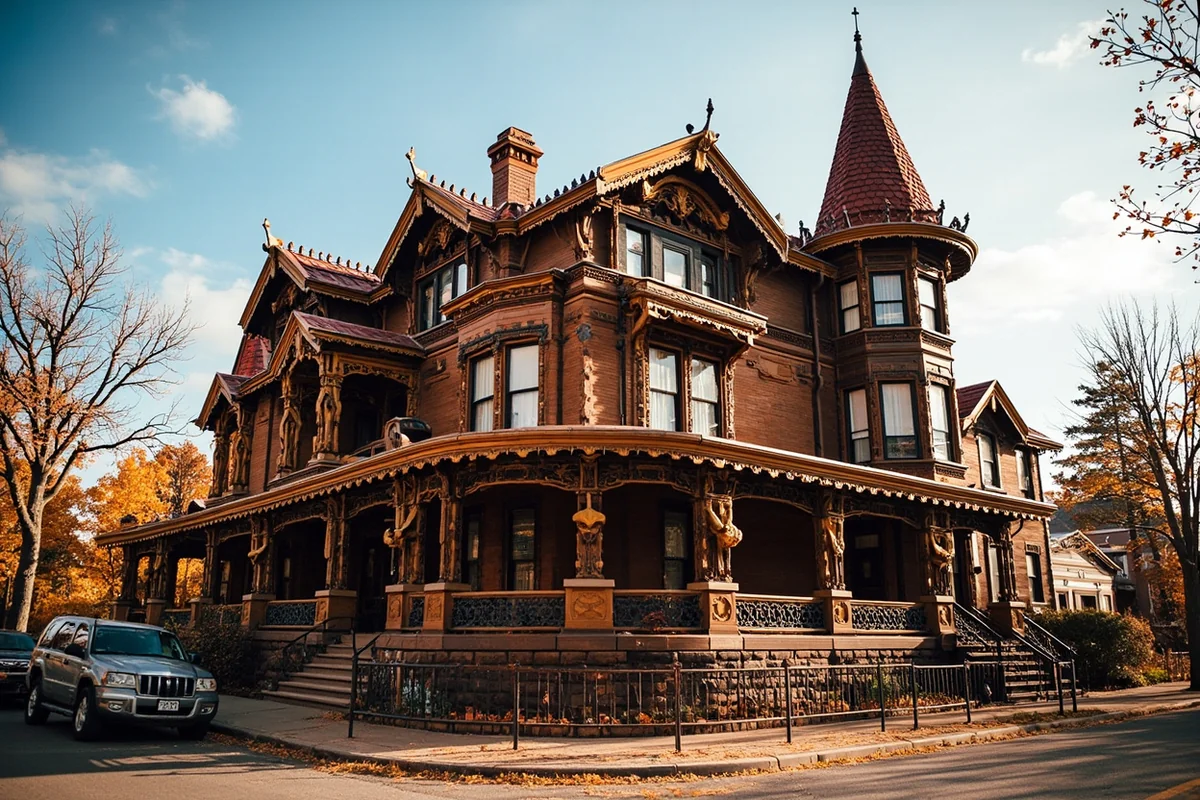
The architecture is extraordinary. Copper barons built elaborate Victorian mansions, and workers packed into dense ethnic neighborhoods — Finn Town, Chinatown, Dublin Gulch — each with its own character. Many of those distinctions have faded, but the physical bones remain.
On a visit during late September, what surprised me most was how lived-in it all feels. These aren’t museum pieces — people actually live in these buildings, run businesses from them, and repair them with a practical reverence that’s different from tourist-town preservation. The Dumas Brothel Museum, the Mai Wah Society (which celebrates Butte’s Chinese-American heritage), and the Copper King Mansion are all worth your time.
Copper King Mansion
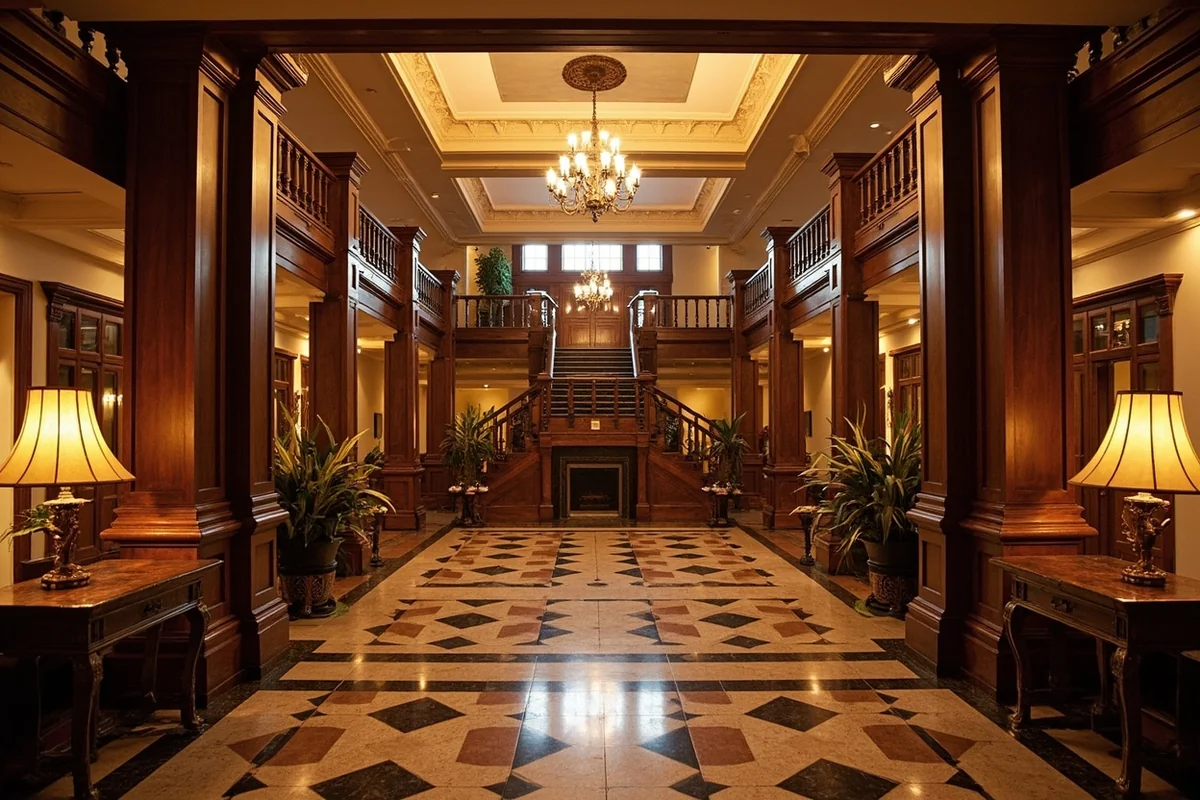
Built by William Andrews Clark — one of the wealthiest men in 19th-century America — the Copper King Mansion is an extraordinary 34-room Victorian home that operates as both a B&B and a museum. The guided tours are detailed and genuinely engaging, run by the family that currently owns the property.
Room rates generally range from roughly $100–$180 per night depending on the room and season, making it one of the more memorable places to stay in southwestern Montana. Book ahead in summer — it fills up faster than you’d expect for a city Butte’s size.
World Museum of Mining
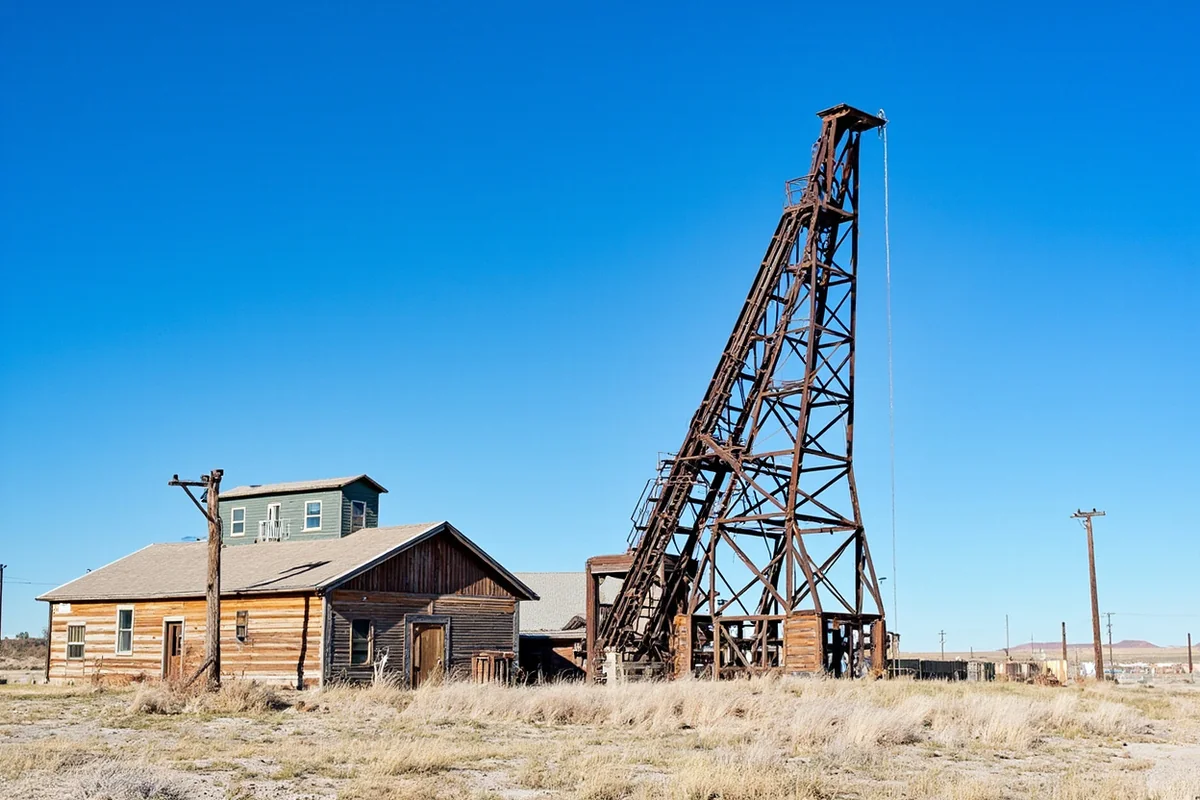
Located on the surface of the Orphan Girl Mine, this is one of the most underrated museums in Montana. The outdoor “Hell Roarin’ Gulch” recreates a 1900s-era mining camp at full scale, and the underground mine tour takes you 65 feet beneath the surface into an authentic working mine environment.
Budget at least two to three hours here, more if you’re genuinely interested in history. The depth of detail in the exhibits is impressive, covering everything from hardrock mining techniques to the labor union battles that made Butte a pivotal city in American labor history.
Our Lady of the Rockies
Visible from almost anywhere in Butte, Our Lady of the Rockies is a 90-foot statue of the Virgin Mary perched on the Continental Divide at an elevation of roughly 8,510 feet. It was built entirely by volunteers between 1979 and 1985, and the story of its construction — cranes, helicopters, and thousands of donated hours in brutal mountain conditions — is remarkable.
Bus tours run to the statue from the visitor center in town during summer. The views from up there on a clear day are expansive enough to justify the trip even if you have zero interest in the religious or historical significance.
What nobody tells you: the road to the statue is not passable by personal vehicle. You go by tour bus or not at all. Plan accordingly.
Outdoor Recreation in Silver Bow County
Butte tends to be talked about purely in terms of history and mining, but the outdoor recreation in and around Silver Bow County is seriously underrated.
Discovery Ski Area
Located about 30 miles south of Butte near Anaconda (just across the county line in Deer Lodge County), Discovery Ski Area is beloved by Montanans who know it well and almost completely unknown to out-of-state visitors. That combination means genuinely uncrowded runs, affordable lift tickets — typically well under the $100+ prices at destination ski resorts — and terrain that ranges from gentle groomers to legitimate expert pitches.
Lift ticket prices generally range from roughly $50–$80 per day depending on the season, though you should verify current pricing directly with the resort. It’s a refreshing contrast to the increasingly expensive ski culture developing elsewhere in Montana.
Clark Fork River Corridor
The Silver Bow Creek and Clark Fork River offer fishing opportunities near Butte, though it’s important to be informed here. The upper Clark Fork has been significantly impacted by historic mining contamination, and fishing regulations and water quality vary by section. According to Montana Fish, Wildlife & Parks, restoration work has been ongoing for decades, with meaningful improvements to aquatic habitat in rehabilitated stretches.
Always check current fishing regulations and advisories with Montana FWP before fishing in this area. The catch-and-release ethic is particularly important here given the restoration context.
Hiking and Trail Access
The Butte area has a growing trail network, partly developed in recent years as part of broader economic revitalization efforts. The Stodden Park area and the trails heading into the Highland Mountains offer accessible day hikes with good elevation gain and views back over the city.
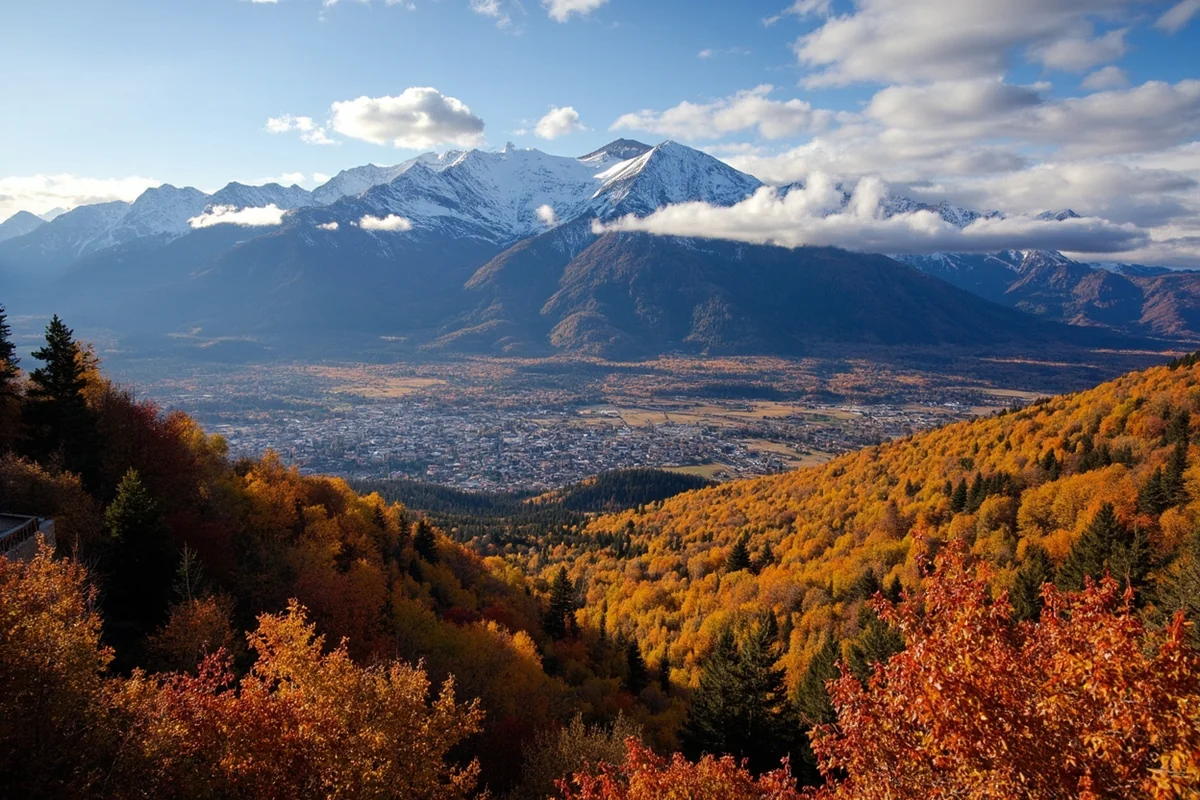
During my visit in early October, the aspen groves on the lower Highland Mountain trails were in peak fall color — golds and yellows so bright they looked almost artificial against the dark conifers. It was a genuinely unexpected highlight of the trip.
Eating and Drinking in Butte
Butte has a food culture that’s proudly working-class and genuinely distinctive. The most famous local specialty is the pasty (pronounced PASS-tee, not PAY-stee) — a Cornish meat-and-vegetable hand pie brought to Butte by Cornish miners in the 19th century.
Pasties are available all over town. Expect to pay roughly $5–$10 each depending on size and filling. They’re filling, portable, and taste exactly like the kind of food designed to fuel a 12-hour shift underground.
Where to Eat
- Metals Sports Bar & Grill — classic Butte bar food in a mining-themed space, very local feel
- Uptown Café — probably the most respected kitchen in town, known for thoughtful daily specials and a wine list that surprises visitors expecting dive bars
- Joe’s Pasty Shop — the go-to spot for traditional pasties, cash-friendly, no-frills, and exactly what it promises
- Gamers Bar & Casino — yes, bar-top video poker is a legal Montana institution, and this is a genuine local gathering spot
- Butte Brewing Company — local craft beer in a city that takes its drinking seriously
One thing worth noting: Butte has more bars per capita than almost any city in the US, and the drinking culture here is real and celebrated. St. Patrick’s Day in Butte is a legitimate spectacle — the Irish heritage runs deep.
Where to Stay in Silver Bow County
Accommodation options in Butte are more varied than many visitors expect, ranging from historic B&Bs to standard chain hotels near the interstate.
- Copper King Mansion B&B — the most atmospheric option in town; book well ahead
- Hampton Inn & Suites Butte — reliable chain option near I-90, generally in the $100–$160/night range depending on season
- Finlen Hotel & Motor Inn — a historic downtown hotel with old-world character; rates typically run $80–$130/night
- Budget chain options — several are clustered near the interstate, generally ranging from $70–$110/night
Summer rates are moderately higher than shoulder season. The city doesn’t have the extreme peak-pricing dynamics of resort towns like Bozeman or Whitefish — which is another reason it’s a genuinely good-value Montana destination.
Suggested Itinerary
Silver Bow County rewards at least a weekend. There’s enough depth here — historical, cultural, and outdoor — to fill two full days without rushing.
Day 1: Mining History and Uptown Exploration
Start the morning at the Berkeley Pit viewing platform. Arrive before 10 a.m. to beat the tour buses and get the space mostly to yourself. The light on the water is best in the morning anyway.
From there, walk or drive up to the Uptown Historic District. Spend the late morning exploring on foot — the copper-clad facades, the labor union murals, the side streets that still feel like 1910. The Mai Wah Museum is a compact but genuinely moving stop.
Have lunch at the Uptown Café or grab pasties from Joe’s Pasty Shop to eat in Stodden Park. Afternoons are best spent at the World Museum of Mining — budget a minimum of two hours and take the underground tour. It books up in peak summer, so reserve ahead online if you can.
In the evening, walk the Uptown streets again after dark. Butte has a particular energy at night — the neon signs, the bars, the sound of live music drifting out of open doors. It feels like a city from another era.
Day 2: Our Lady of the Rockies, Hiking, and Local Life
Morning is the time for the Our Lady of the Rockies bus tour. Tours typically depart mid-morning from the visitor center — check current departure times when you arrive, as schedules shift by season. Expect roughly two to three hours for the full experience including the summit visit.
Afternoons on Day 2 work well for a hike into the Highland Mountains. The trailheads south of town are accessible and less crowded than more famous Montana hiking areas. In fall, the aspen display is worth the drive alone.
For the final evening, pick up supplies at a local grocery and cook in if you’re in a self-catering rental, or settle into one of Butte’s bars for a genuinely local experience. The bar-casino culture is part of Butte life, not a tourist gimmick — embracing it is part of understanding the place.
What Most Visitors Get Wrong About Silver Bow County
The biggest mistake is treating Butte as a day-trip from Bozeman. It’s only 65 miles, and many visitors breeze through on a loop itinerary, spending three hours and leaving thinking they’ve seen it. What they’ve actually seen is the Berkeley Pit and one pasty. The real Butte — the layered, complicated, fascinating Butte — takes at least two full days to begin to understand.
A second common error: expecting a polished tourist experience. Butte doesn’t soft-pedal its history or dress it up for consumption. The poverty, the environmental damage, the boom-and-bust story — it’s all out in the open. Visitors who come expecting a theme park will be confused. Visitors who come curious and open-minded will leave genuinely moved.
One personal mistake worth sharing: on my first visit, I skipped the labor history entirely, treating it as dry background information. That was wrong. The 1914 Speculator Mine disaster, the rise of the Western Federation of Miners, the violent labor battles with copper company enforcers — this history shaped modern American workers’ rights in ways that reverberate to this day. The World Museum of Mining covers it well. Don’t skip it.
Finally, many travelers drive I-90 through Butte without stopping, assuming it’s an industrial eyesore not worth the exit. That assumption cost me a trip for years before I finally stopped. Don’t make the same mistake.
Silver Bow County in Context: Nearby Montana Destinations
Silver Bow County sits in a part of Montana that’s genuinely rich for multi-day road trips. Understanding what’s nearby helps you plan a fuller itinerary.
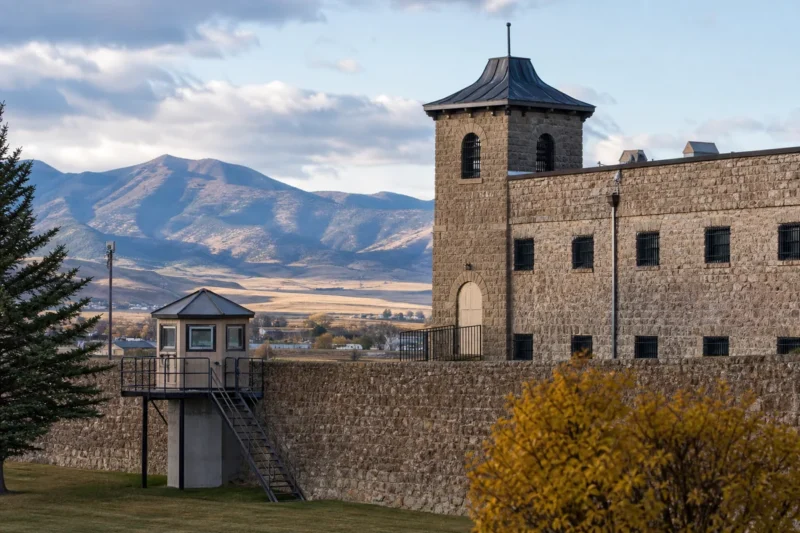
Deer Lodge County is immediately to the north and holds the Old Montana Prison complex and the Grant-Kohrs Ranch National Historic Site — an excellent half-day addition to a Butte visit.
To the south and east, Beaverhead County offers some of the best fly fishing in the American West along the Big Hole and Beaverhead Rivers, plus the dramatic scenery of the Pioneer Mountains.
Further afield, Jefferson County lies to the northeast along I-15 toward Helena, with Lewis and Clark Caverns State Park as a standout stop. And if you’re heading west toward Missoula, Granite County offers ghost towns and high-country scenery along Highway 1.
For those interested in other distinctive Montana counties worth building a trip around, Cascade County (Great Falls) and Broadwater County (Townsend) are both worth exploring as part of a broader southwestern and central Montana loop.
Getting Around Silver Bow County
A personal vehicle is essential for getting the most out of Silver Bow County. Butte itself is walkable in the Uptown area, but reaching the Berkeley Pit, the ski area, hiking trailheads, and Our Lady of the Rockies all require wheels.
Bert Mooney Airport (BTM) offers direct flights to Salt Lake City via United and some seasonal service through SkyWest. For more flight options, Bozeman Yellowstone International (BZN) is about 75 miles east — roughly an hour’s drive on I-90 — and serves most major US cities.
Rental cars are available at both airports. Booking ahead, especially in summer, is strongly advised as Bozeman rental inventory in particular runs tight between June and August.
Interstate 90 runs directly through Butte, making it accessible from both Bozeman to the east and Missoula to the west. I-15 connects Butte to Helena to the north and Idaho to the south.
When to Visit Silver Bow County
Summer (June through August) is the most accessible time, with long days and warm afternoon temperatures. Morning temperatures even in July can dip into the 40s at this elevation, so layers are always sensible.
Early fall — September and October — is arguably the best time to visit. Crowds thin out noticeably after Labor Day, fall foliage in the Highland Mountains is genuinely spectacular, and the cooler air makes walking the Uptown streets far more pleasant than the height of summer.
Winter is long, cold, and real. Temperatures regularly drop below zero Fahrenheit in January. The ski area at Discovery comes into its own, but the city itself can feel quiet and isolating unless you’re specifically there for winter sports.
Spring is the muddiest and least rewarding season — the snow melts slowly at elevation, and conditions can be sloppy and grey into May.
Final Thoughts
Silver Bow County is the Montana that most visitors never take the time to see — and that’s genuinely their loss. Butte is a city that wears its history without apology, from the toxic grandeur of the Berkeley Pit to the ornate Victorian streets that once housed America’s most powerful mining families and the workers who made them rich.
What stays with you after a visit here isn’t just the history — it’s the character. Butte has a civic personality unlike anywhere else in Montana, shaped by centuries of hard work, hard loss, and stubborn pride. The people here know what their city is and love it fiercely.
If your Montana trip currently has no room for Silver Bow County, rethink it. Even two days here will give you a perspective on Montana — and on American industrial and labor history — that no other stop on your itinerary will provide.
How We Researched This Guide
This guide is based on multiple visits to Butte and Silver Bow County across different seasons, including summer and early fall trips that allowed firsthand exploration of the Berkeley Pit, World Museum of Mining, Uptown Historic District, Highland Mountain trails, and Discovery Ski Area.
We spoke with local business owners, museum staff, and long-time Butte residents to verify details and capture genuine local perspective. Key facts were cross-referenced with Montana Fish, Wildlife & Parks, the Montana Department of Transportation, the National Park Service (which oversees the Grant-Kohrs Ranch designation), the US Environmental Protection Agency Superfund records for the Berkeley Pit, and the Butte-Silver Bow Chamber of Commerce. Pricing information reflects conditions at the time of writing and should be verified before your visit.
Frequently Asked Questions
What is Silver Bow County, Montana best known for as a travel destination?
Silver Bow County is best known as the home of Butte, Montana, one of the most historically rich mining towns in the American West. Visitors come for the expansive Butte Historic District, the fascinating Berkley Pit overlook, and the area’s deep Irish-American heritage that shaped the city’s unique culture. It’s a destination that rewards travelers who love authentic, off-the-beaten-path American history over polished tourist traps.
When is the best time to visit Silver Bow County, Montana?
The best time to visit Silver Bow County is late June through early September, when temperatures are comfortable in the 70s°F and outdoor attractions like the Continental Divide Trail access points are fully accessible. If you enjoy winter history tours and don’t mind cold temperatures that can drop below 0°F, the quieter winter months offer a more local experience with fewer crowds. Spring and fall can bring unpredictable mountain weather, so always check forecasts before heading out.
How far is Silver Bow County from other major Montana destinations?
Silver Bow County sits in a convenient central-southwest location in Montana, making it a natural road trip hub. Butte is approximately 65 miles from Bozeman, about 115 miles from Missoula, and roughly 80 miles from Helena, all via Interstate 90 or I-15. If you’re visiting Yellowstone National Park, the North Entrance at Gardiner is around 130 miles southeast, making Butte a practical overnight stop on a Montana loop itinerary.
What are the top things to do in Silver Bow County for first-time visitors?
First-time visitors should start with the Berkley Pit viewing stand, one of the largest Superfund sites in the US and a striking piece of industrial history that costs just $2 to visit. The World Museum of Mining is a must-do, offering a sprawling outdoor recreation of a 1900s mining camp for around $8.50 per adult. Walking the Uptown Butte Historic District, exploring the Mai Wah Museum for Chinese-American mining history, and stopping at the Dumas Brothel Museum round out a well-balanced first visit.
Is Silver Bow County an affordable place to visit compared to other Montana destinations?
Silver Bow County is noticeably more affordable than tourist-heavy destinations like Whitefish or Big Sky, making it an excellent budget-friendly Montana stop. Motel and hotel rooms in Butte typically run $80–$130 per night, and most major attractions cost under $10. Dining is also wallet-friendly, with several local diners and the famous Butte pasty shops offering hearty meals for under $15, a legacy of the Cornish mining community that settled here.
What should I pack for a trip to Silver Bow County, Montana?
Silver Bow County sits at an elevation of around 5,550 feet, so even summer visitors should pack layers since mornings and evenings can be quite cool even in July and August. Comfortable walking shoes are essential for exploring the hilly Uptown Butte historic streets and outdoor museum grounds. If you’re planning any hiking along the Continental Divide or nearby Highland Mountains, bring sun protection, a reusable water bottle, and a light rain jacket since afternoon thunderstorms are common in summer.
Are there any free or low-cost attractions in Silver Bow County worth visiting?
Yes, Silver Bow County has several free and low-cost experiences that make it great for budget travelers. The Our Lady of the Rockies statue, a 90-foot hilltop landmark visible from miles away, is free to view from below, and guided bus tours to the summit cost around $15. Strolling the Butte Heritage Neighborhoods, visiting the free Copper King Mansion grounds, and exploring the historic uptown architecture are all ways to spend a full day without spending much money.