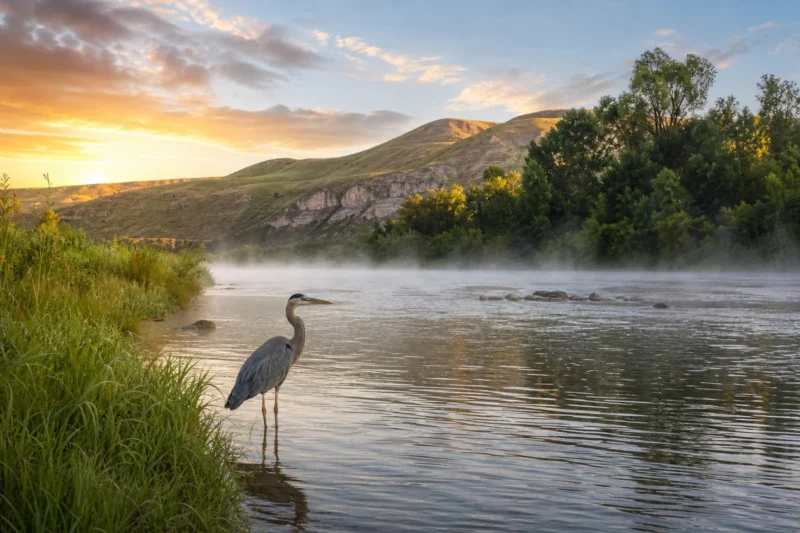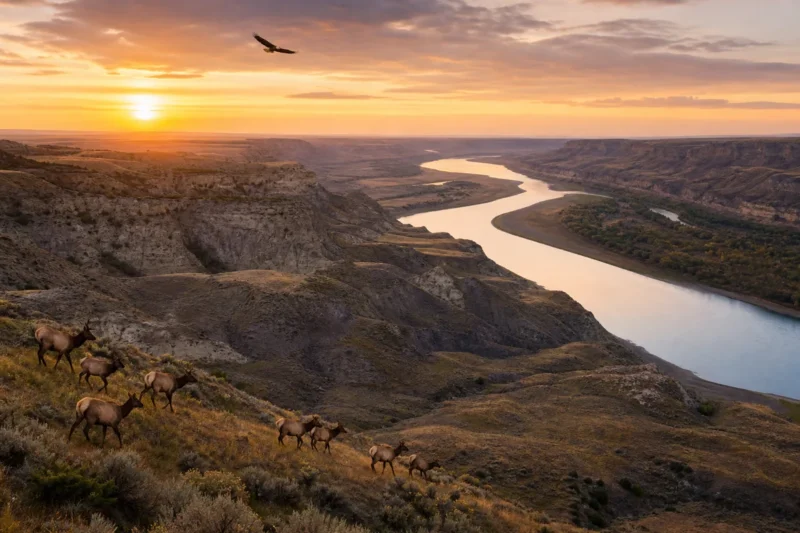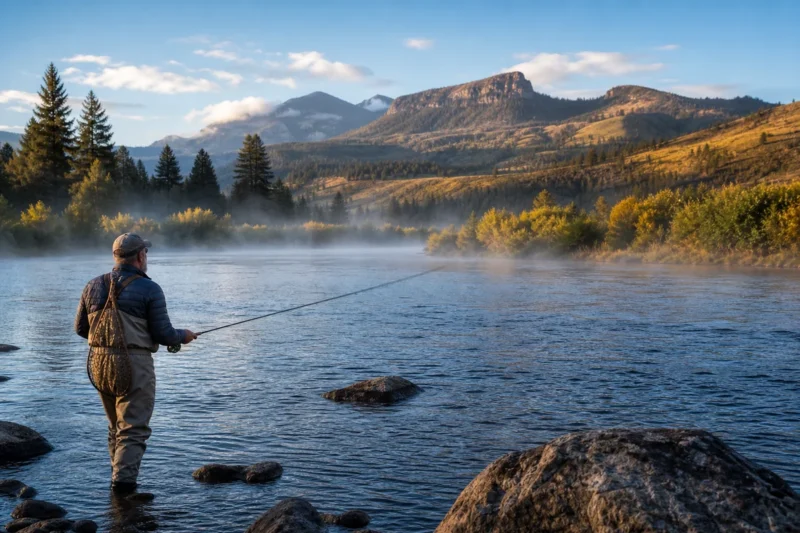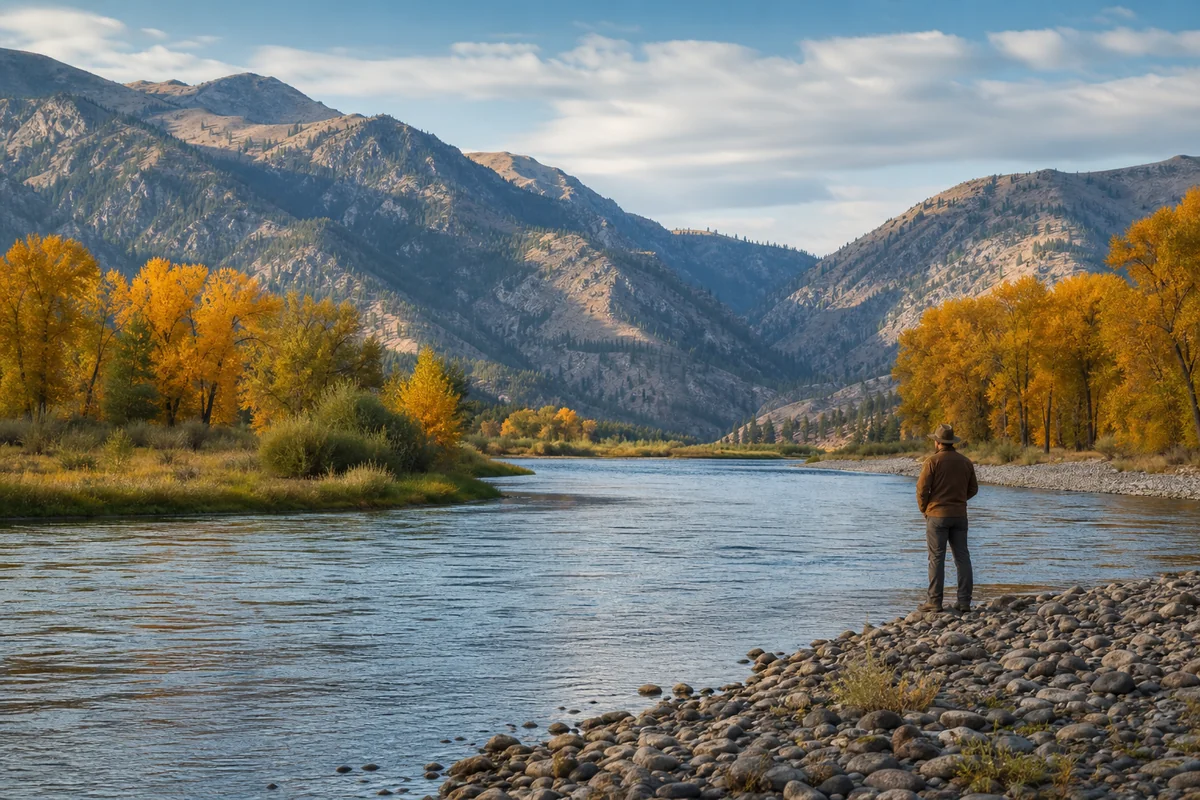
Standing at the confluence of the Boulder and Jefferson Rivers on a cool September morning, it struck me how few other visitors were around — just magpies, cottonwoods going gold, and a stretch of river that Lewis and Clark themselves once paddled. Jefferson County doesn’t shout for attention, and that’s precisely what makes it worth seeking out.
This is one of the 56 Montana Counties that most travellers blow straight through on I-15, never realising they’re passing ghost towns, elk-dotted ridgelines, and one of the most historically layered river valleys in the entire state.
- Jefferson County sits in southwest Montana, roughly between Butte and Helena, and is easy to pair with both cities.
- The county is home to Boulder (the county seat), Elkhorn ghost town, the Jefferson River corridor, and rich Lewis & Clark history.
- Outdoor activities include fishing, hiking, rockhounding, and wildlife watching — with very little crowds compared to Glacier or Yellowstone.
- Nearby hot springs make for excellent add-ons, particularly Fairmont and Elkhorn Hot Springs.
- Best visited late May through early October; some roads become impassable after heavy snow.
- Budget-friendly compared to Montana’s major tourist corridors — accommodation, food, and activities all skew affordable.
Liked this article?
Add Roaming Montana as a preferred source so you see more of our articles and guides on Google.
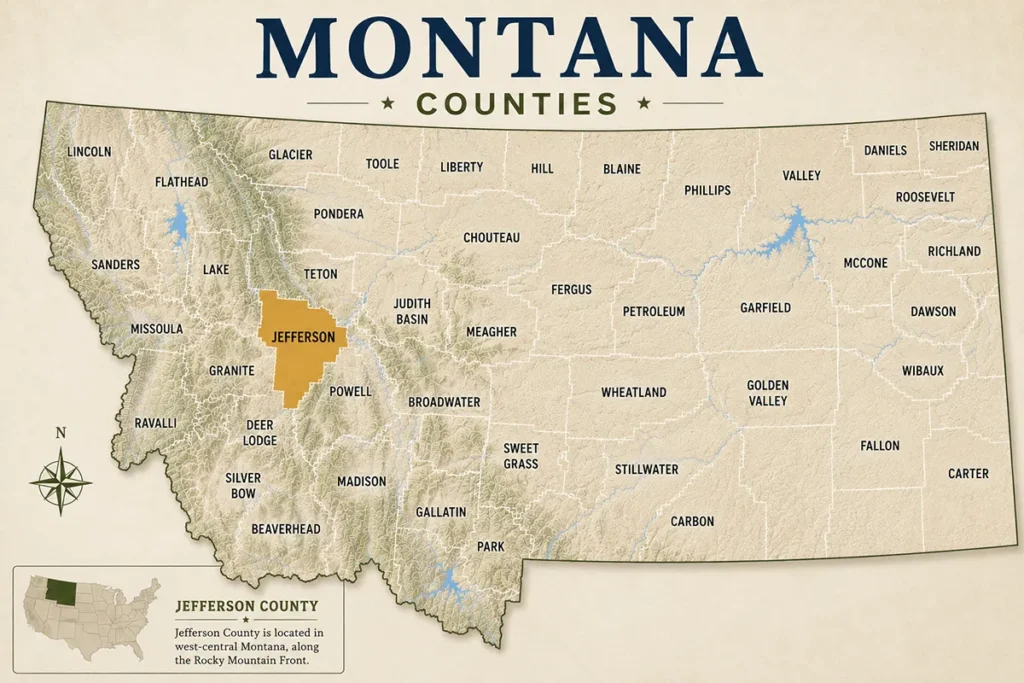
Where Exactly Is Jefferson County?
Jefferson County occupies a roughly 1,657-square-mile chunk of southwest Montana, bordered by Broadwater County to the north, Deer Lodge County to the west, Silver Bow County to the southwest, and Madison and Gallatin counties to the south.
The county seat, Boulder, sits along Highway 69 about 35 miles south of Helena and 30 miles north of Butte. That position — sandwiched between two of Montana’s most historically significant cities — makes Jefferson County one of the most underrated base camps in the state.
The Jefferson River runs east to west through the county, fed by the Madison, Gallatin, and Ruby rivers near Twin Bridges before flowing north. This is geologically active, historically loaded, and scenically gorgeous terrain.
A Brief History That Actually Matters for Visitors
Jefferson County was established in 1865 and named for President Thomas Jefferson — the same president who commissioned the Lewis and Clark Expedition. That’s not a coincidence. The Jefferson River itself was named by Meriwether Lewis in 1805 during the Corps of Discovery’s upstream push toward the Continental Divide.
Walking the riverbanks here, you’re retracing footsteps that shaped American history. The expedition camped along this stretch in late July and early August 1805, and several interpretive sites around the county mark those locations with surprising specificity.
Mining also left a deep mark. Silver and lead deposits drew prospectors in the 1860s and 1870s, producing boom towns that either survived (barely) or collapsed entirely. Elkhorn is the most dramatic example of the latter — and one of the best-preserved ghost towns in Montana.
Boulder: The County Seat Worth a Proper Stop
Boulder is a small town — fewer than 1,500 residents — but it punches above its weight for a road-trip stop. The main street has a handful of locally owned restaurants, a regional history museum, and a distinctly unhurried pace that’s genuinely refreshing after the hustle of Bozeman or Missoula.
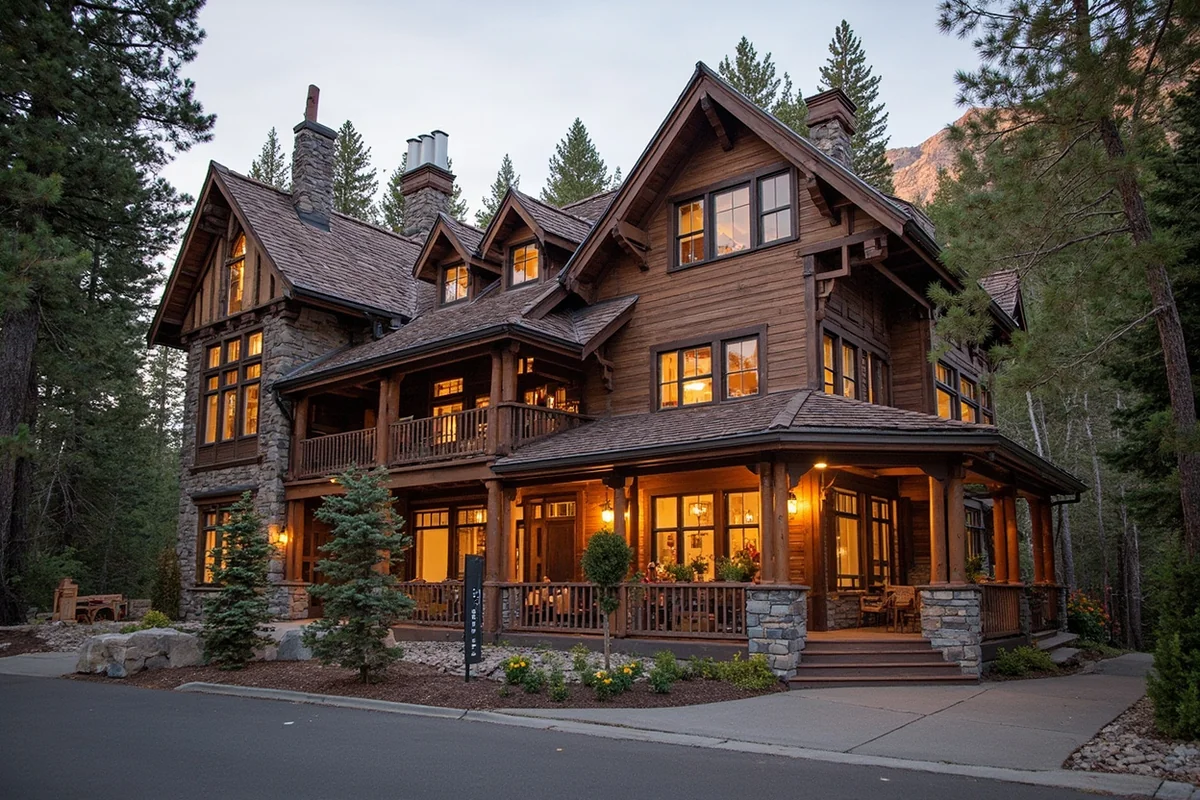
Boulder Hot Springs Inn & Spa
The most compelling reason to stay in Boulder itself is the Boulder Hot Springs Inn & Spa. This 1888 historic hotel is one of the quirkiest, most atmospheric places to sleep in all of southwest Montana. The natural geothermal pools are the main draw — both indoor and outdoor options — and the building itself is on the National Register of Historic Places.
What most visitors don’t realise: the outdoor pool is unheated by anything artificial. The temperature varies with the season and the natural flow, so checking conditions before arrival is worth the two-minute phone call. During my visit in early September, the outdoor pool hovered around a perfect 98°F — but fellow guests mentioned it runs hotter in winter and slightly cooler after heavy summer rains.
Rooms typically range from modest to mid-range in price, generally under $150 per night for standard accommodation, though rates climb on weekends and holidays. The hotel operates with a certain vintage charm that means don’t expect perfectly modernised bathrooms — but that’s half the appeal.
Jefferson County Museum
The Jefferson County Museum in Boulder is small but genuinely well-curated. One display that caught me completely off guard was an exhibit on the Montana State Training School — a large state institution for people with developmental disabilities that operated in Boulder from 1892 until relatively recently. It’s a sobering and important piece of local history that gets zero coverage in mainstream travel writing.
Elkhorn Ghost Town: Montana’s Hidden Gem
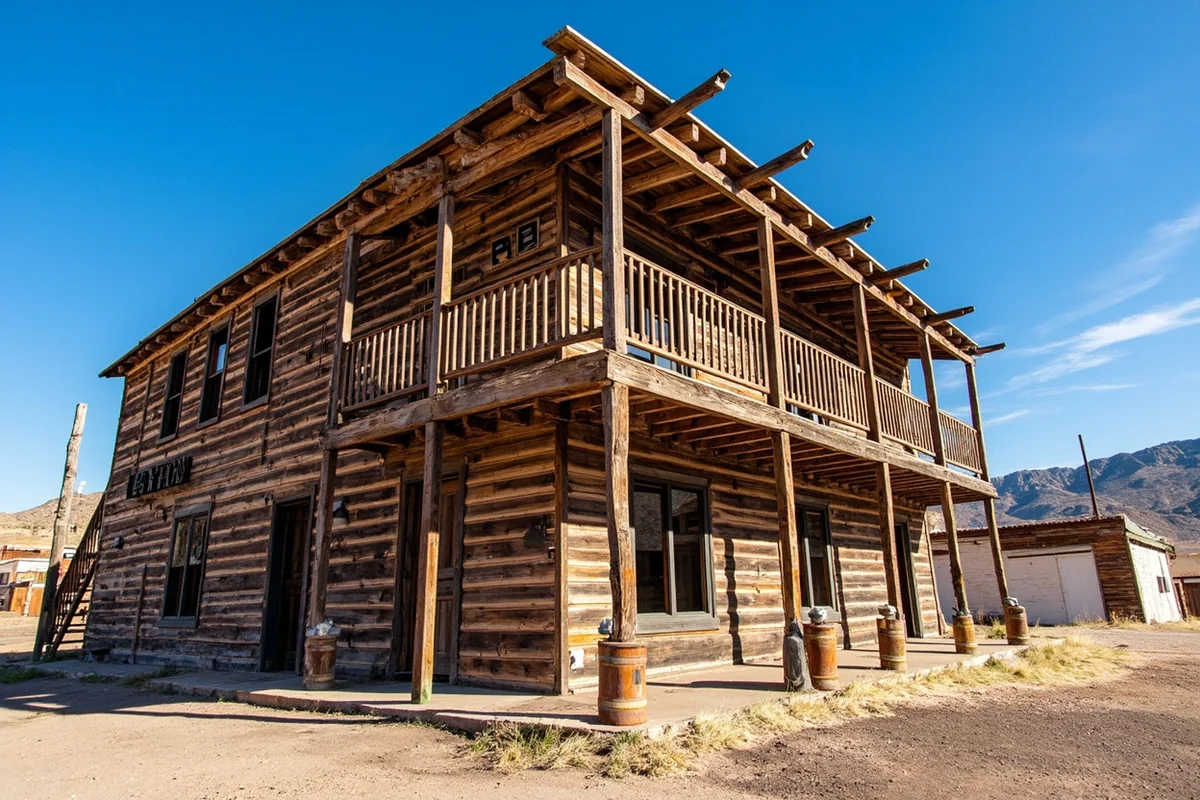
If you visit just one thing in Jefferson County, make it Elkhorn. Located about 12 miles south of Boulder on a well-maintained gravel road, this former silver-mining boomtown once had a population of over 2,500 people in the 1880s. Today, around a dozen original wooden structures remain standing, managed by Montana Fish, Wildlife & Parks as a State Park.
Two buildings dominate the site: Fraternity Hall and Gillian Hall. Both are multi-storey wooden structures that have been stabilised but not over-restored — you’re looking at original timbers, original hardware, and a genuine sense of abandonment. According to Montana Fish, Wildlife & Parks, Elkhorn is one of the best-preserved examples of a frontier mining ghost town in the American West.
What to Know Before You Go
The road to Elkhorn is passable in a standard car during summer and early fall. After October, snow and mud can make the final miles genuinely dicey without 4WD. The site is free to visit (no entrance fee at time of writing), and there are no services — bring water and a snack.
What surprised me most was the solitude. On a Saturday afternoon in late August, there were only four other visitors. No gift shop, no guided tours, no crowds. Just weathered wood, lodgepole pines, and the faint scent of history.
Wildlife is active around Elkhorn. Elk are commonly spotted in the meadows surrounding the ghost town (the town was literally named for the elk that populated the area), and white-tailed deer are almost guaranteed sightings at dusk.
Lewis and Clark Along the Jefferson River
For history-minded travellers, the Jefferson River corridor is the county’s most significant draw. The Corps of Discovery travelled this entire stretch in 1805, and interpretive signage at several pullouts along Highway 41 and secondary roads puts the journey in vivid context.
The Lewis and Clark Caverns State Park — Montana’s oldest and largest state park — sits just across the county line in neighboring Broadwater County territory, but it’s worth noting for anyone exploring this region.
However, the Jefferson River itself within Jefferson County offers something arguably more authentic: undeveloped riverbanks where you can genuinely feel the isolation the Corps of Discovery experienced.
Fishing the Jefferson River
The Jefferson is a blue-ribbon trout fishery managed by Montana’s Department of Fish, Wildlife & Parks. Brown trout are the primary target, with rainbow trout also present. Float fishing is the most effective approach — the river is wide and shallow in places, making wade fishing productive in certain sections but limited overall.
Local outfitters in the Boulder–Whitehall area offer guided float trips, typically charging around $400–$500 per person for a full day at the time of writing, though exact pricing varies by season and group size. A Montana fishing license is required and can be purchased online through Montana FWP.
One important note: water levels on the Jefferson drop significantly in late summer. By August, some sections become too shallow to float effectively. Early June and late September are generally the sweet spots for both flow levels and fishing pressure.
Whitehall: The Other Town Worth Knowing
Whitehall is Jefferson County’s second-largest community and sits at the intersection of Highway 2 and Interstate 90. It’s a functional stop rather than a destination, but the surrounding area rewards exploration.
The Jefferson Valley Museum in Whitehall houses a surprisingly comprehensive collection of local artifacts, pioneer photographs, and geological specimens. Entry is typically just a few dollars or by donation — one of those places that takes 45 minutes but you leave feeling like you actually learned something.
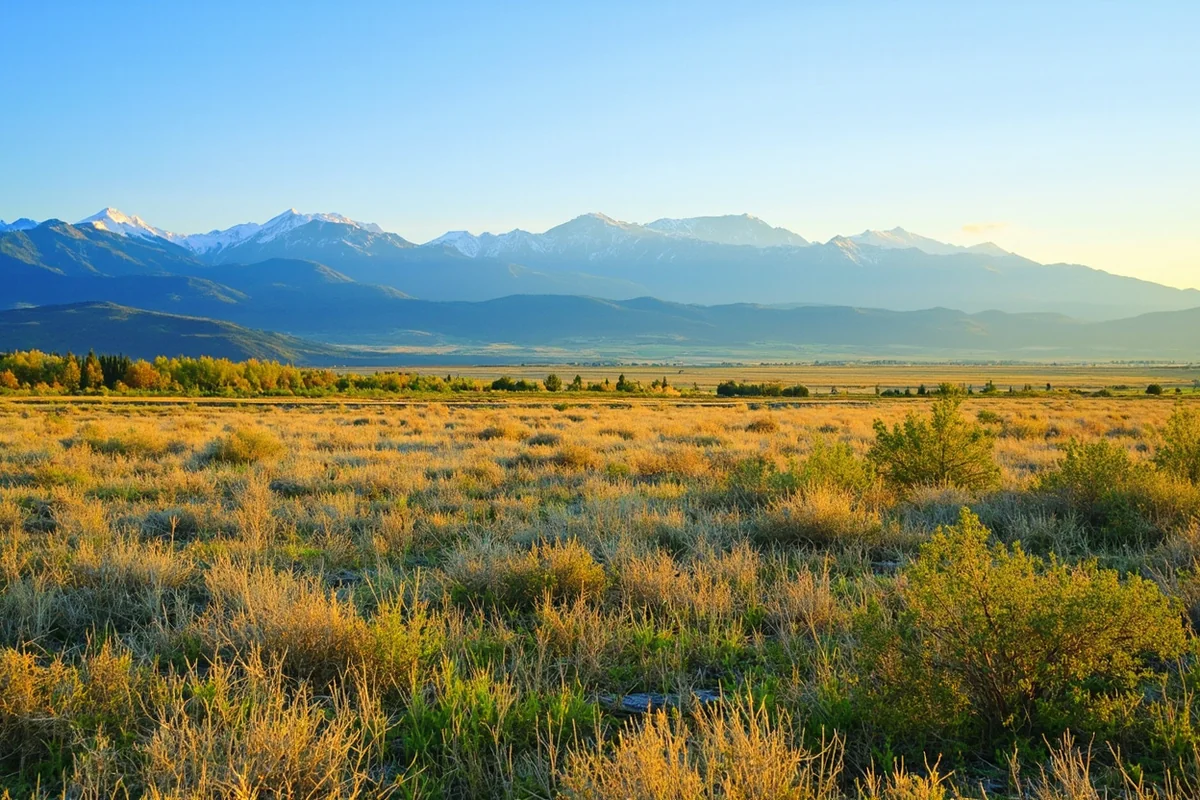
East of Whitehall, the terrain opens into broad ranchland with views toward the Tobacco Root Mountains to the south. This is classic Montana high desert transition country — sagebrush flats giving way to ponderosa-dotted ridges.
Rockhounding in Jefferson County
Jefferson County sits in one of Montana’s most productive rockhounding zones. The county is known for sapphires, garnets, quartz crystals, and various semi-precious minerals tied to its complex geological history.
The Beaverhead-Deerlodge National Forest covers significant portions of the county’s western highlands, and rockhounding is permitted in many areas on National Forest land with basic regulations. Always check current rules with the local ranger district before collecting.
For visitors interested in Montana’s gem hunting culture, this pairs naturally with exploring Beaverhead County to the south, where sapphire deposits are particularly well-documented.
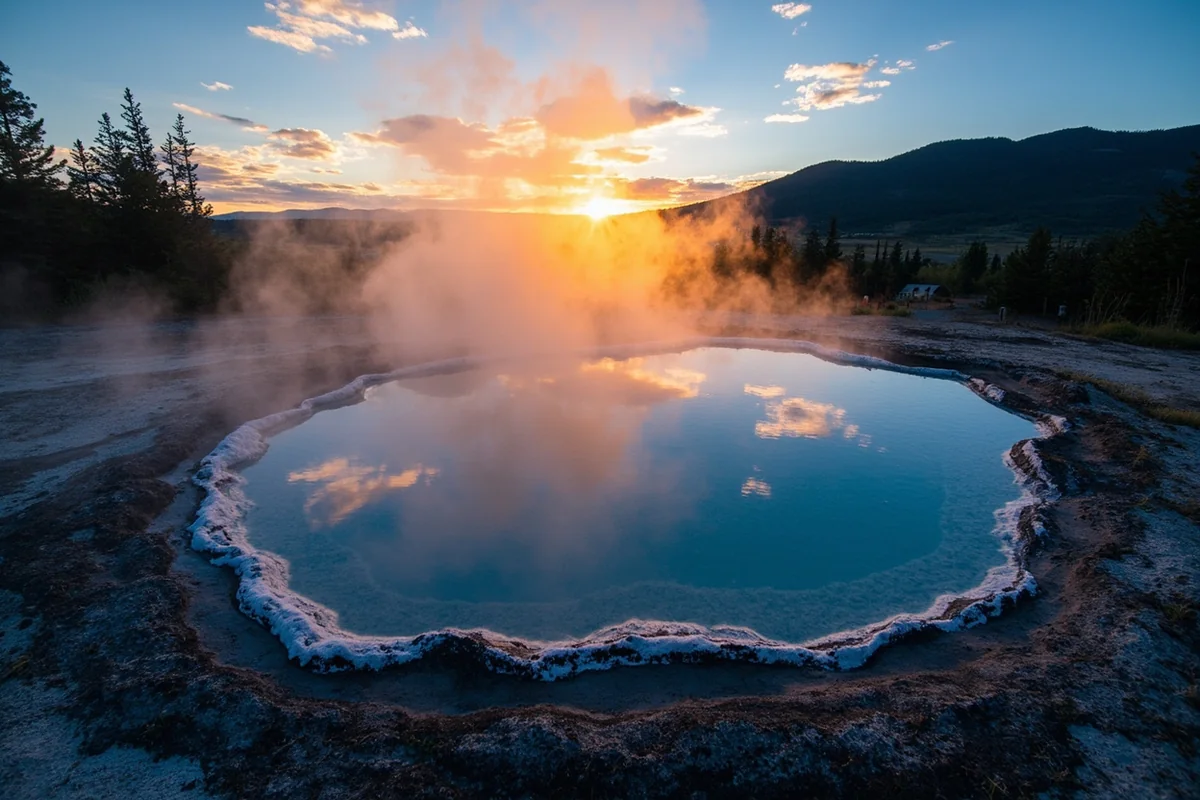
Hot Springs Near Jefferson County
Jefferson County’s position in southwest Montana puts it within striking distance of several of the state’s best hot springs — a major bonus for travellers who want to combine history and outdoor adventure with a proper soak.
Elkhorn Hot Springs near Polaris is roughly an hour south, sitting at elevation in the Beaverhead Mountains. It’s rustic, remote, and wonderfully authentic — read our full guide to Elkhorn Hot Springs Montana for everything you need to plan that side trip.
Fairmont Hot Springs Resort near Anaconda is about 45 minutes west and offers a more resort-style experience with multiple pools and full amenities. Our detailed Fairmont Hot Springs Resort guide covers pricing, pool options, and what to expect.
For a broader overview of soaking options across the state, the Montana Hot Springs guide is the best starting point.
Wildlife Watching in Jefferson County
The county’s mix of river corridor, montane forest, and open ranchland creates exceptional wildlife habitat. Elk, mule deer, white-tailed deer, pronghorn, and black bear are all resident species. Golden eagles are common overhead, and bald eagles frequently winter along the Jefferson River where open water persists.
Pronghorn are particularly visible in the sagebrush flats east of Whitehall — the fastest land animal in North America, and strangely underappreciated by visitors fixated on bears and wolves. On a recent drive along Highway 2 in early October, a group of seven pronghorn crossed the road less than 200 meters ahead of my vehicle. Not a bear, but genuinely thrilling in its own right.
The Jefferson River corridor during spring and fall migration is excellent for birds. Sandhill cranes pass through in significant numbers, and the riparian cottonwood stands hold an impressive variety of warblers and flycatchers for birders willing to walk slowly and look carefully.
Hiking and Outdoor Recreation
Jefferson County doesn’t have the dramatic alpine scenery of Glacier County or the trail infrastructure of Gallatin County, but it offers quality hiking with minimal company.
Beaverhead-Deerlodge National Forest Access
Multiple trailheads on the county’s western edge access the Beaverhead-Deerlodge National Forest. The trails here tend toward moderate difficulty — long ridge walks through open timber with views of multiple mountain ranges.
The ponderosa and lodgepole pine forests in this part of the state are visually striking, particularly in spring when the understory greens up quickly. Wildflowers along the lower forest roads in late May and early June are genuinely spectacular and almost entirely unvisited.
Boulder River Trail Area
South of Boulder, informal trails follow the Boulder River through a narrow canyon before opening into broader meadows. This is not a developed trail system — you’re essentially following social trails and old mining roads — but the terrain is navigable and the scenery rewards the effort.
What Most Visitors Get Wrong About Jefferson County
The most common mistake is treating Jefferson County as a pure pass-through between Butte and Helena. Travellers do I-15 and see nothing but freeway exits and highway signs. The county’s best experiences sit 10–30 minutes off the main corridor on secondary highways and gravel roads.
Another frequent error: underestimating the road conditions for accessing sites like Elkhorn. Standard sedans handle the Elkhorn ghost town road fine in summer, but visitors who attempt it after a late-season storm learn quickly that Montana gravel roads don’t forgive soft tires and low clearance. Checking the Montana Department of Transportation‘s road conditions website (511.mt.gov) before heading out is a habit worth forming.
Finally, many visitors plan only a quick half-day and end up wishing they’d stayed longer. Boulder itself warrants at least one night — particularly if you’re soaking at Boulder Hot Springs. Combining Elkhorn, a float on the Jefferson, and an evening at the hot springs is a genuinely full and satisfying two-day itinerary.
Practical Visitor Information
| Detail | Information |
|---|---|
| County Seat | Boulder, MT |
| Population | Approx. 11,000 (Jefferson County) |
| Distance from Helena | ~35 miles south via I-15 |
| Distance from Butte | ~30 miles north via I-15 |
| Best Months to Visit | Late May through early October |
| Nearest Airport | Helena Regional Airport (HLN), ~40 miles |
| Primary Highway | I-15, Hwy 69, Hwy 41, Hwy 2 |
| Cell Service | Reliable in Boulder and Whitehall; patchy in rural areas |
| Fuel | Available in Boulder and Whitehall; fill up before rural exploration |
| Fishing License | Required — purchase via Montana FWP website |
| Elkhorn Ghost Town Fee | Free (no fee at time of writing) |
Where to Stay in Jefferson County
Accommodation options are limited but well-suited to the county’s character.
Boulder Hot Springs Inn & Spa is the standout choice — historic, atmospheric, and genuinely unique. Rates generally range from roughly $100 to $180 per night depending on room type and season. Book well ahead for summer weekends.
A handful of motels in Boulder and Whitehall offer basic but clean budget options, typically running under $100 per night. These are functional rather than memorable, but perfectly adequate for travellers using the county as a base.
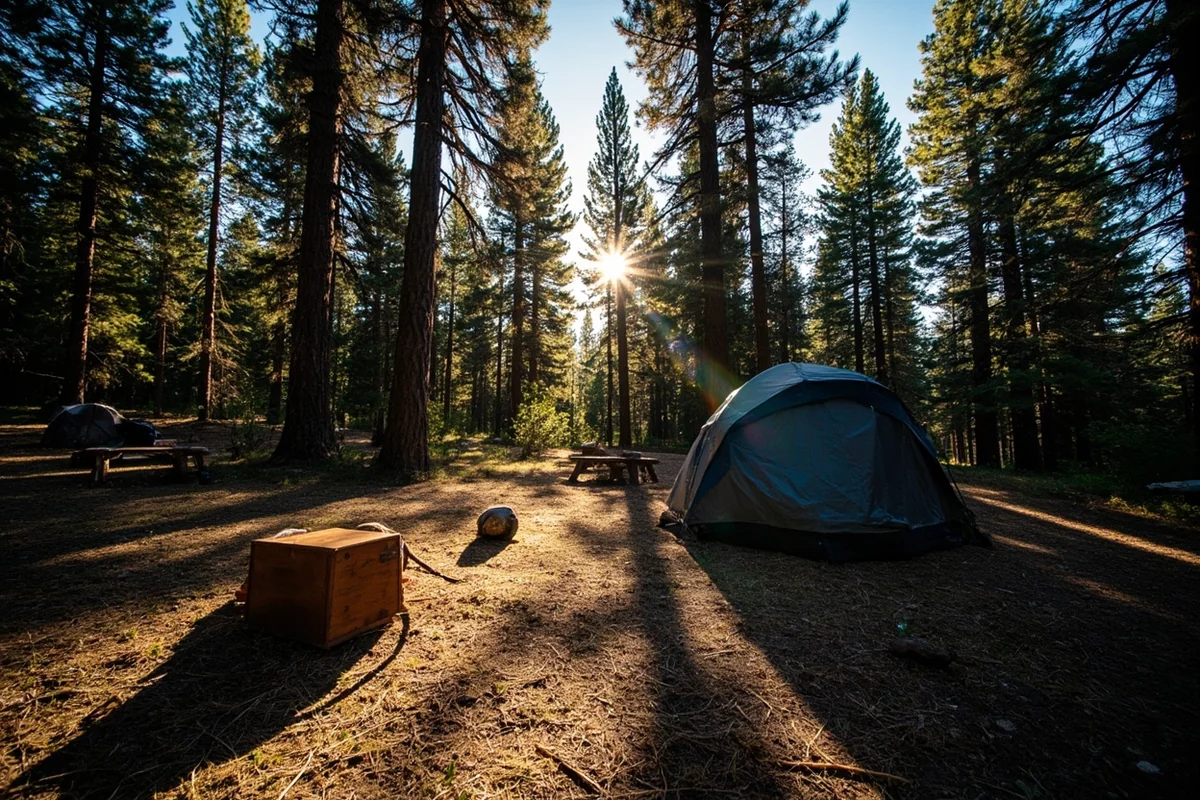
Camping is an excellent option. Dispersed camping is permitted on Beaverhead-Deerlodge National Forest lands with basic guidelines, and developed campgrounds exist along the Jefferson River corridor. Fees for developed sites are typically modest — expect to pay somewhere in the range of $10–$20 per night, though rates vary and should be confirmed with the relevant ranger district.
Where to Eat in Jefferson County
Dining options are straightforward rather than sophisticated — this is small-town Montana, not a culinary destination.
Boulder has a few locally owned diners and a bar or two that serve solid burgers and comfort food. Prices are genuinely affordable — expect a full meal to come in well under $20 per person at most spots. Whitehall similarly offers basic American diner-style dining at very reasonable prices.
The practical approach: stock a cooler before arriving. The nearest larger grocery options are in Helena or Butte. If you’re camping or exploring remote areas, self-catering makes the most sense both economically and logistically.
Seasonal Considerations
Summer (June–August) offers the most reliable road access and warmest weather, but afternoon thunderstorms are common — particularly in July. The Montana bug season peaks in June and early July; mosquitoes along the Jefferson River corridor can be genuinely relentless at dusk.
Fall (September–October) is arguably the best time to visit. The cottonwoods along the Jefferson turn gold, elk are in rut (making them more visible and audible), and crowds — already minimal — drop to almost nothing. Temperatures are crisp but comfortable during the day.
Winter brings snow and cold but also a certain starkness that’s beautiful in its own way. Elkhorn road can close entirely. Boulder Hot Springs becomes particularly appealing when the outdoor air is sub-zero and the pools steam dramatically.
Spring (April–May) sees the river running high and fast from snowmelt — not ideal for floating but spectacular visually. Wildflowers in the lower elevations begin in earnest by late May.
Jefferson County in the Context of Southwest Montana
Jefferson County makes most sense as part of a broader southwest Montana itinerary. The natural pairing is a loop that includes Helena, Jefferson County, Butte, and then onward to either Deer Lodge County (for the Grant-Kohrs Ranch National Historic Site) or south toward Beaverhead County and the Big Hole Valley.
For travellers interested in Montana’s more remote eastern character, comparison with places like Garfield County or Carter County makes clear just how different the western half of the state feels — greener, more mountainous, with a distinct mining-and-ranching heritage that shapes everything from architecture to attitude.
If you’re assembling a longer road trip covering multiple Montana counties, our full Montana Counties guide is the best resource for sequencing your route efficiently.
Final Thoughts
Jefferson County won’t dazzle you with superlatives. It’s not Montana’s tallest, wildest, or most photographed destination. What it offers instead is something rarer: a genuine encounter with Montana’s layered history and landscape without the crowds, the commercialisation, or the entry fees that come with the state’s marquee attractions.
What surprised me most — across multiple visits — was how consistently the county delivered small, specific moments of discovery. A herd of pronghorn at dawn. The creak of Elkhorn’s old timbers in the wind. The Jefferson River completely to myself on a Tuesday afternoon in October. These are the experiences that actually stay with you.
If you’re planning a southwest Montana trip, build in at least two nights in Jefferson County. Soak at Boulder Hot Springs, walk Elkhorn at golden hour, and float or fish a stretch of the Jefferson. That itinerary will not disappoint.
How We Researched This Guide
This guide is based on multiple visits to Jefferson County across different seasons — including summer, early fall, and a winter stop-through — combined with firsthand exploration of Elkhorn Ghost Town, the Jefferson River corridor, Boulder Hot Springs, and the Whitehall area.
We spoke with staff at the Jefferson County Museum, local outfitters operating on the Jefferson River, and the team at Boulder Hot Springs Inn & Spa.
Key facts were verified with Montana Fish, Wildlife & Parks, the Beaverhead-Deerlodge National Forest Ranger District, and the Montana Department of Transportation (511.mt.gov). Historical information was cross-referenced with Lewis and Clark National Historic Trail interpretive materials.
Frequently Asked Questions
What is Jefferson County, Montana best known for among travelers?
Jefferson County is best known for its rich gold rush history, particularly the historic mining town of Boulder and the ghost town remnants scattered across its rugged landscape. The county also sits along the Jefferson River, making it a draw for fly fishing enthusiasts, and it borders the striking beauty of the Elkhorn Mountains. If you’re road-tripping through southwest Montana, it’s a rewarding detour off Interstate 15.
When is the best time to visit Jefferson County, Montana?
The best time to visit Jefferson County is between late May and early September, when roads are clear, temperatures are comfortable in the 60s–80s°F range, and outdoor activities like hiking and fishing are in full swing. Fall is also spectacular for foliage and fewer crowds, especially in September and October. Winter visits are possible but expect snow-covered roads and limited services in more rural areas.
How far is Jefferson County, Montana from Helena and Butte?
Jefferson County is conveniently located between two of Montana’s most visited cities — Helena sits roughly 30 miles to the north of Boulder, the county seat, while Butte is about 35 miles to the south along Interstate 15. This makes Jefferson County an easy and often-overlooked stop on a southwest Montana road trip without requiring significant detours from your itinerary.
What outdoor activities can you do in Jefferson County, Montana?
Jefferson County offers fly fishing on the Jefferson River, hiking in the Elkhorn Mountains, rockhounding for sapphires and garnets, and exploring historic mining sites. The Elkhorn State Park near Boulder is a hidden gem for wildlife watching and photography, especially for spotting elk and deer. If you enjoy off-the-beaten-path adventures, the county’s network of forest roads opens up excellent dispersed camping and ATV trail opportunities.
Are there budget-friendly travel options in Jefferson County, Montana?
Yes, Jefferson County is one of the more affordable corners of Montana to explore — free dispersed camping on Bureau of Land Management and national forest land keeps accommodation costs low, and many of the historic sites and natural attractions have no entry fee. Small-town diners in Boulder offer hearty meals typically under $15, and gas costs are comparable to the Montana state average. Bringing your own gear for fishing or hiking will save you significantly versus renting in larger cities.
What should I pack for a trip to Jefferson County, Montana?
Pack layers regardless of the season, as mountain temperatures in Jefferson County can swing 30–40°F between morning and afternoon. Sturdy hiking boots, sun protection, and a reusable water bottle are essentials for any outdoor exploration. If you plan to fish the Jefferson River, a valid Montana fishing license (available online at fwp.mt.gov) is required, and bring your own waders since rental shops are limited in this rural county.
Is Jefferson County, Montana worth visiting for history lovers?
Absolutely — Jefferson County is one of Montana’s most historically rich counties, with deep ties to the Lewis and Clark Expedition, the Montana gold rush, and early territorial settlement. The town of Boulder features well-preserved Victorian-era architecture, and the ruins of Elkhorn, a former silver mining boomtown, are remarkably intact and open for self-guided exploration. History travelers often pair this area with a visit to the Montana Historical Society in nearby Helena for broader context on the region.