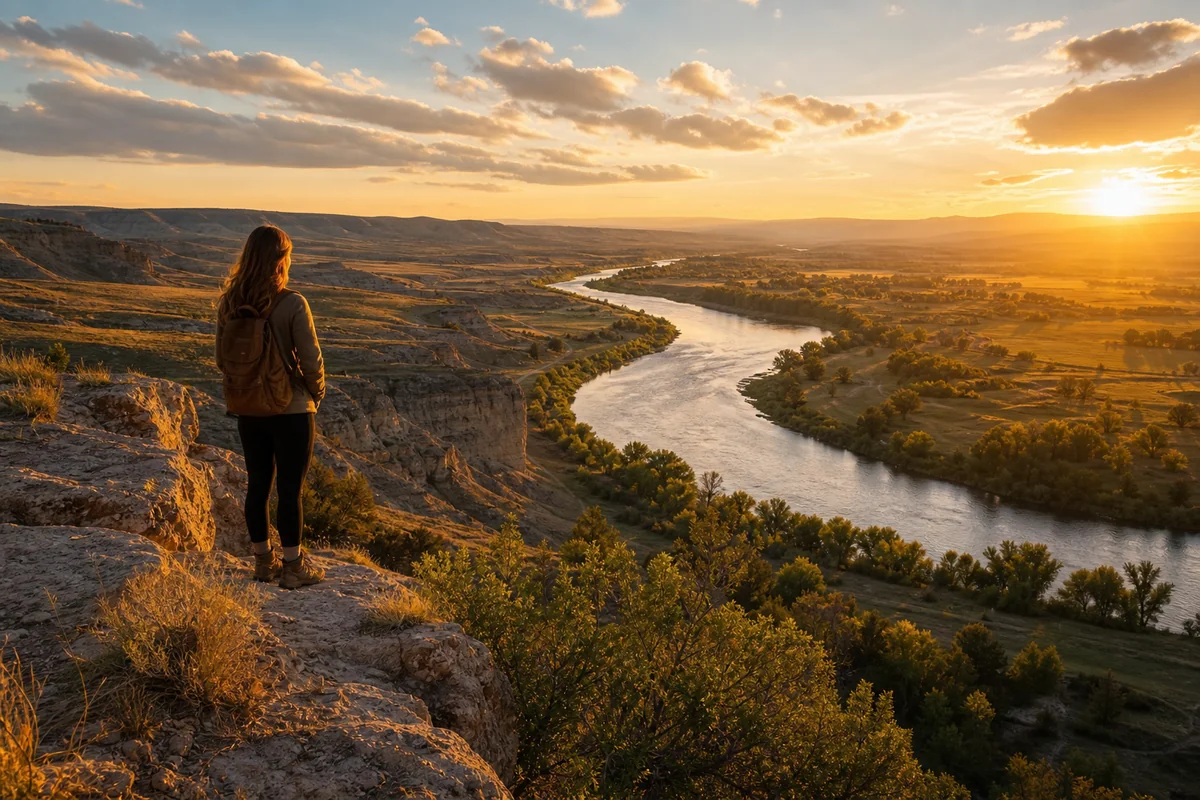
Standing on the edge of the Rimrocks at sunset, watching the Yellowstone River cut its golden path through the valley below, it’s hard to believe this is a place most road-trippers speed right past on their way to the national park.
Yellowstone County, Montana isn’t just a stopover — it’s one of the most underrated destinations in the entire state, and part of the magnificent tapestry that makes up the 56 Montana Counties worth exploring.
- Yellowstone County is home to Billings — Montana’s largest city — yet remains refreshingly uncrowded compared to western Montana destinations.
- The Rimrocks, Yellowstone River corridor, and Pictograph Cave State Park are the headline natural attractions.
- It’s a genuine gateway to Yellowstone National Park, sitting roughly 130 miles north of the park’s north entrance.
- Best visited May through October, though winter brings its own raw, dramatic beauty.
- Billings has a surprisingly robust food, art, and craft beer scene that catches most first-timers off guard.
- Budget roughly 2–3 days to do the county justice — longer if you’re using it as a base for broader regional exploration.
Liked this article?
Add Roaming Montana as a preferred source so you see more of our articles and guides on Google.
Where Exactly Is Yellowstone County?
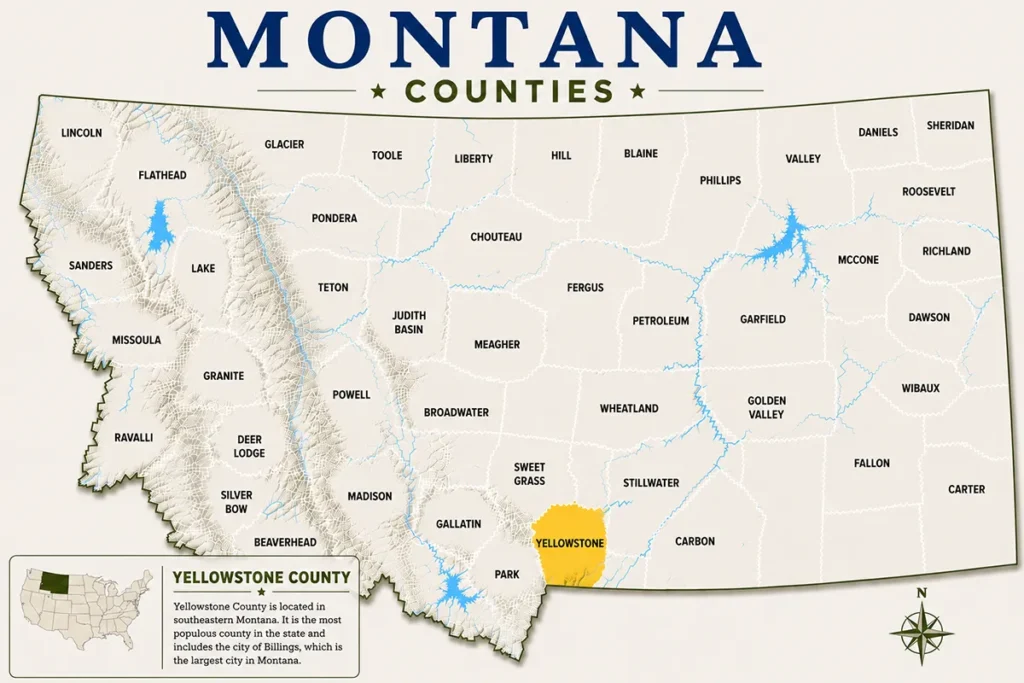
Yellowstone County sits in south-central Montana, anchored by Billings — the state’s largest city with a population hovering around 120,000. It borders Carbon County to the south (a region worth exploring in its own right — see our guide to Carbon County, Montana), and sits roughly midway between the Wyoming border and the center of the state.
The Yellowstone River, Montana’s longest undammed river, runs directly through the county. That river corridor shapes everything from the local ecology to the agricultural economy to the recreational opportunities available to visitors.
Despite being Montana’s most populated county, Yellowstone County still feels like genuine Big Sky country. The horizon stretches impossibly wide, the traffic is minimal by any urban standard, and the landscape transitions quickly from downtown streets to open prairie within minutes.
Why Visit Yellowstone County?
Most travelers assume the only reason to stop in Billings is logistics — a place to fuel up, sleep, and move on. That assumption is a mistake, and one that what most guides skip entirely.
The county offers a rare combination of urban amenities and wild landscapes packed into a compact area. On a single day, you can walk a gallery-lined downtown street, hike a sandstone canyon rim, fish a blue-ribbon trout stretch, and end the evening with a craft beer and a plate of locally raised beef.
It also functions as a strategic base for exploring a remarkable slice of the region. Custer County to the east (check our Custer County guide), Big Horn County to the south (Big Horn County is especially worth the detour for Little Bighorn Battlefield), and the entire Yellowstone Country region are all within a comfortable drive.
The Rimrocks: Billings’ Most Dramatic Feature
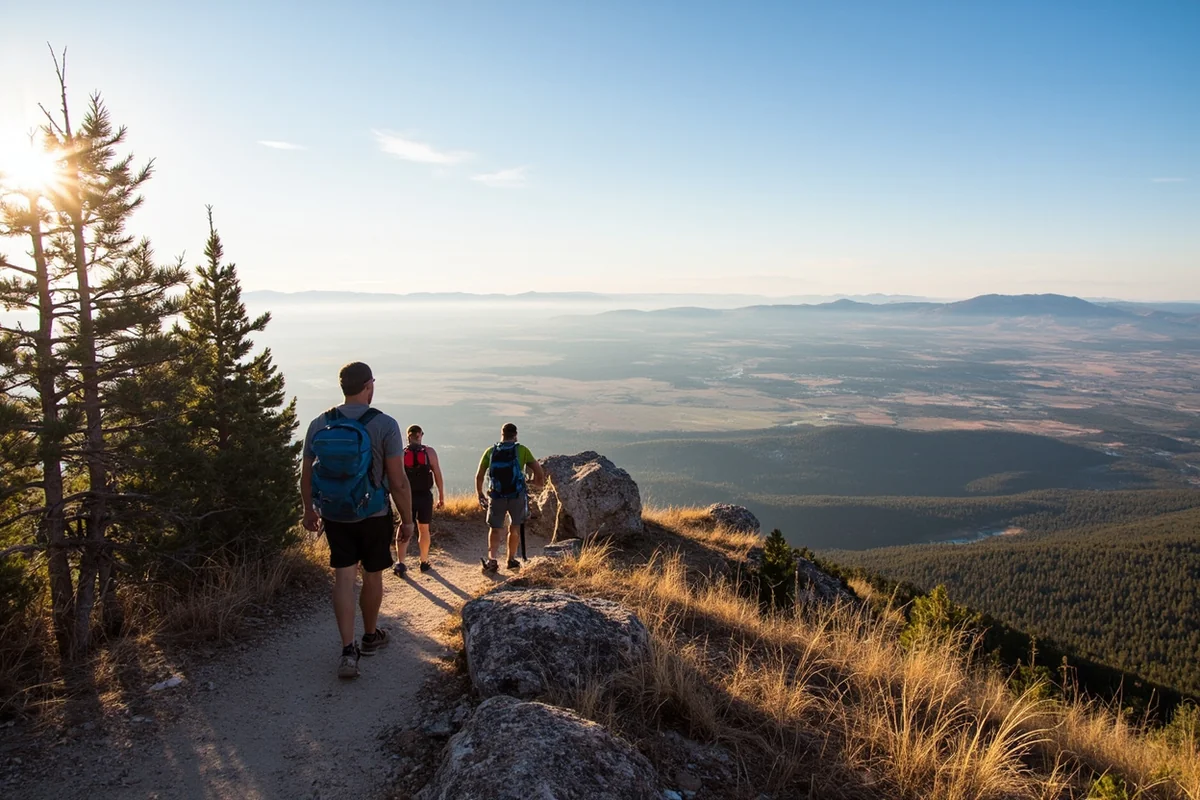
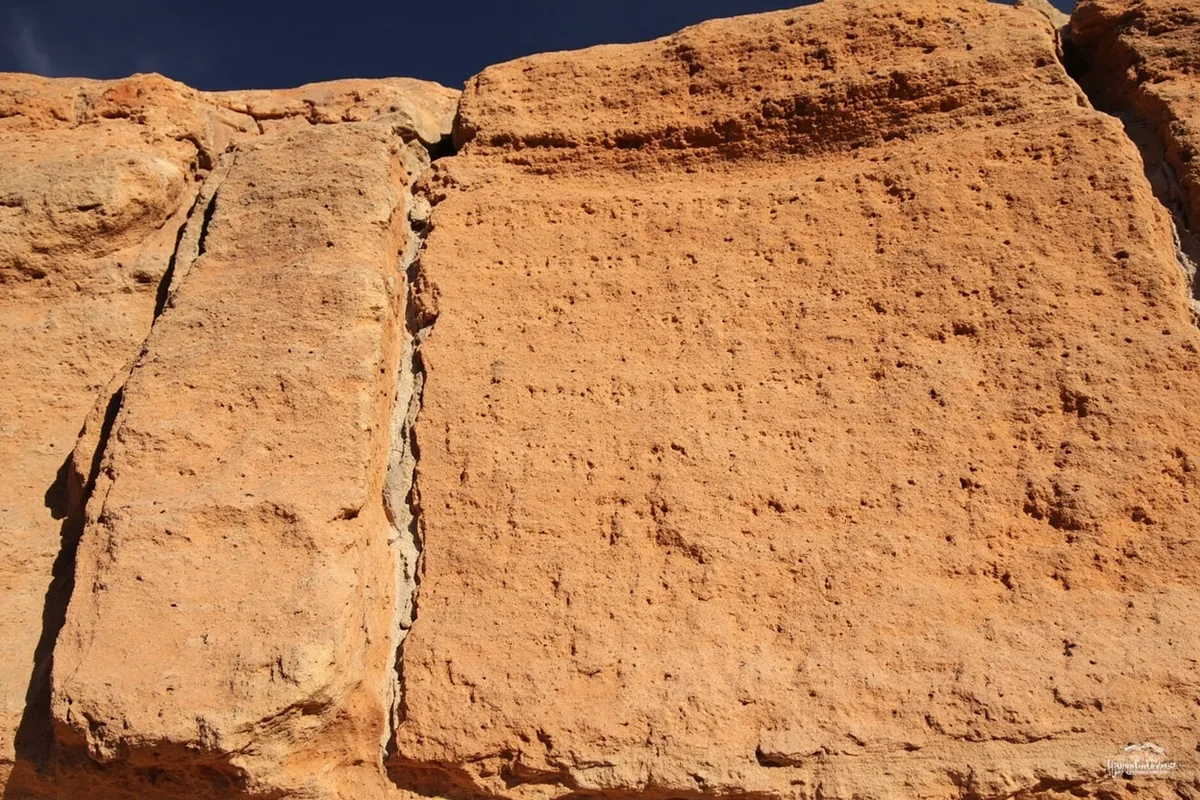
The defining geological feature of Yellowstone County is the Rimrocks — a 400-foot-tall sandstone escarpment that runs for miles along the northern edge of Billings. These aren’t gentle hills. They’re sharp, vertical, genuinely imposing cliffs that rise abruptly from the valley floor and offer panoramic views across the entire county.
One thing that caught me off guard on my first visit was how accessible they are. A network of trails reaches the rim from multiple access points, and the drive up Poly Drive takes you to the top in under ten minutes from downtown. The rim trail itself stretches for several miles and rewards hikers with views that rival anything in more famous Montana destinations.
The Rimrocks also hold some genuine history. Chief Black Otter Trail, which runs along the top of the rim, is named after a Crow warrior buried there, and the area has deep cultural significance to the Apsáalooke (Crow) Nation.
Pictograph Cave State Park
About five miles southeast of downtown Billings, Pictograph Cave State Park is one of the most significant archaeological sites in the entire Northern Great Plains. Three caves — Pictograph Cave, Middle Cave, and Ghost Cave — contain more than 100 rock paintings, some dating back over 2,000 years.
What makes this site genuinely special is the layered history. Excavations beginning in the 1930s uncovered artifacts spanning nearly 10,000 years of human occupation. According to Montana Fish, Wildlife & Parks, Pictograph Cave is listed on the National Register of Historic Places and represents one of the most important prehistoric sites in the region.
The painted pictographs themselves are faint — years of natural weathering and, sadly, early vandalism have taken a toll. Binoculars help significantly, and rangers on-site can point out images that are easy to miss. Expect to pay a small day-use fee (generally a few dollars per vehicle, though fees vary seasonally — confirm current pricing with Montana State Parks before you go).
The Yellowstone River Corridor
The Yellowstone River is the longest free-flowing river in the contiguous United States, and Yellowstone County sits along one of its most accessible stretches. For visitors, this translates to exceptional fishing, kayaking, wildlife watching, and riverside hiking.
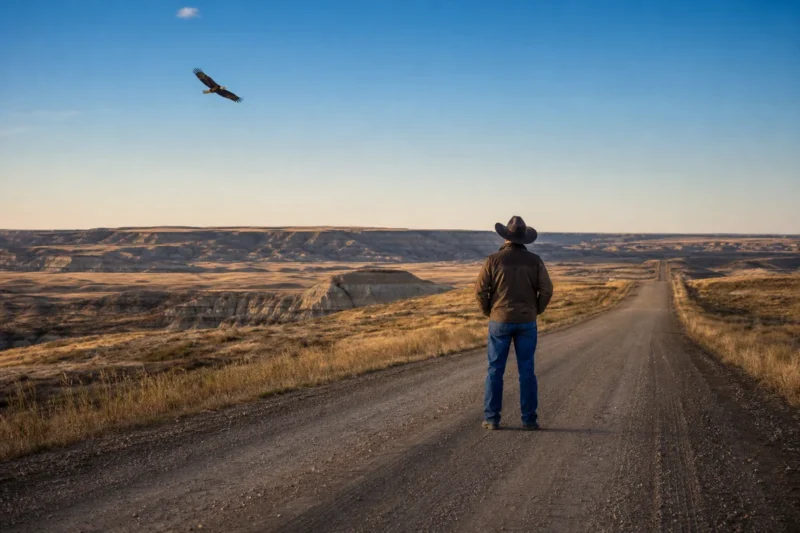
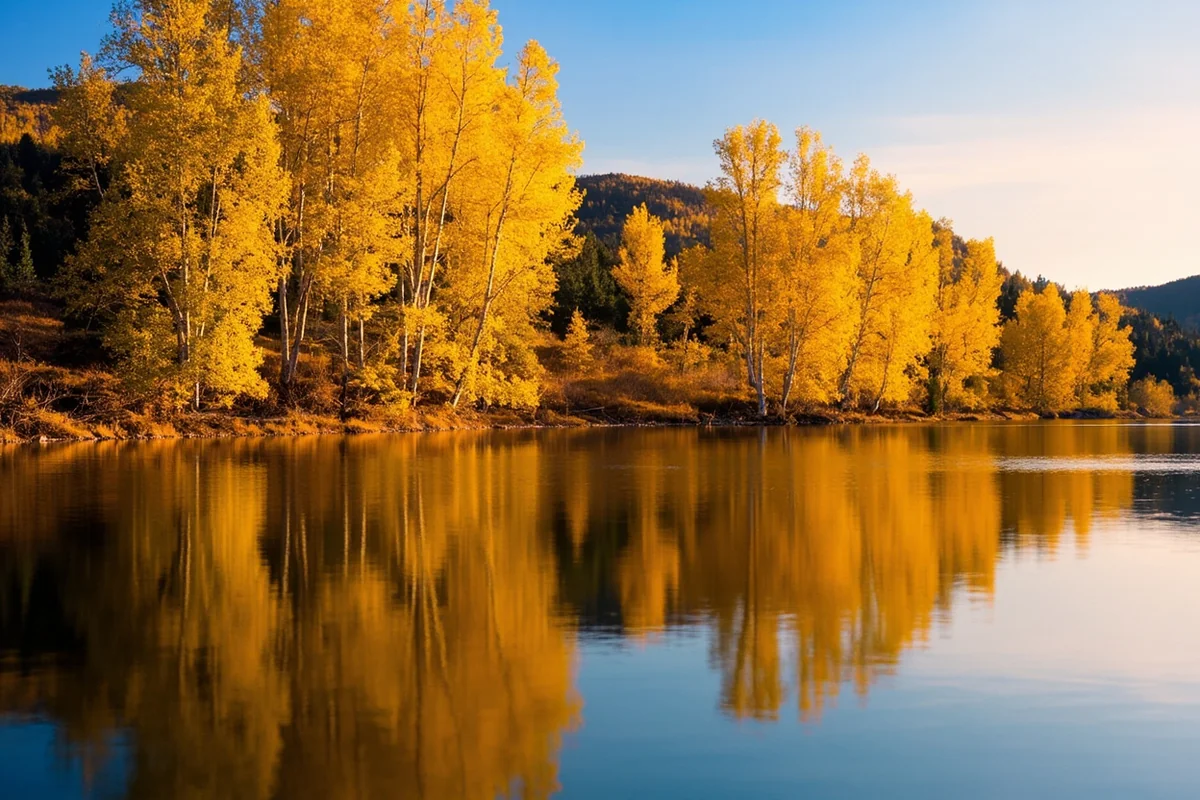
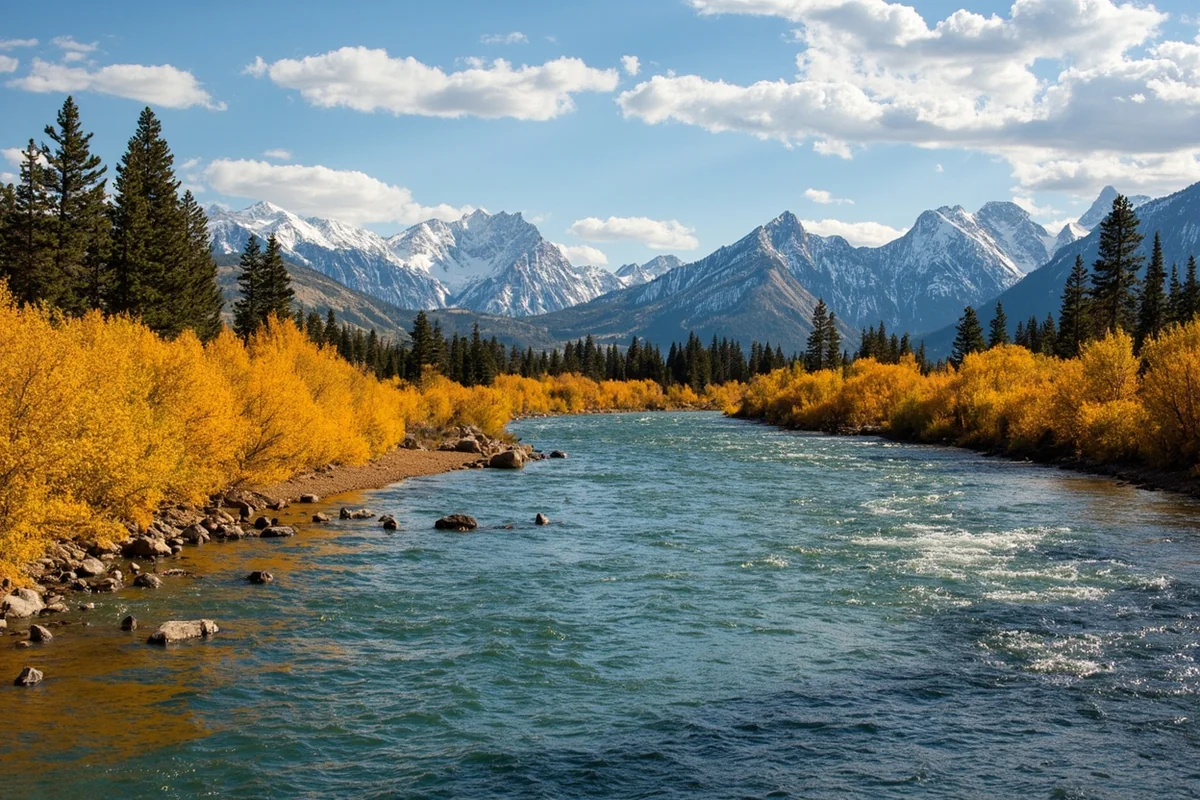
Coulson Park and Two Moon Park are the two most popular river access points in the Billings area. Two Moon Park, in particular, is a hidden gem — a cottonwood-lined bottomland that feels completely wild despite being minutes from the city center. During my last visit in late September, the cottonwoods had turned full gold, and a bald eagle was hunting low over the water. It was the kind of moment that feels impossible to plan for.
Fishing the Yellowstone through this stretch is productive for brown and rainbow trout, as well as warm-water species like smallmouth bass and walleye. The river runs big and fast through much of the summer, so conditions matter — check current flow data through the USGS water resources site before heading out.
Billings: More City Than You’re Expecting
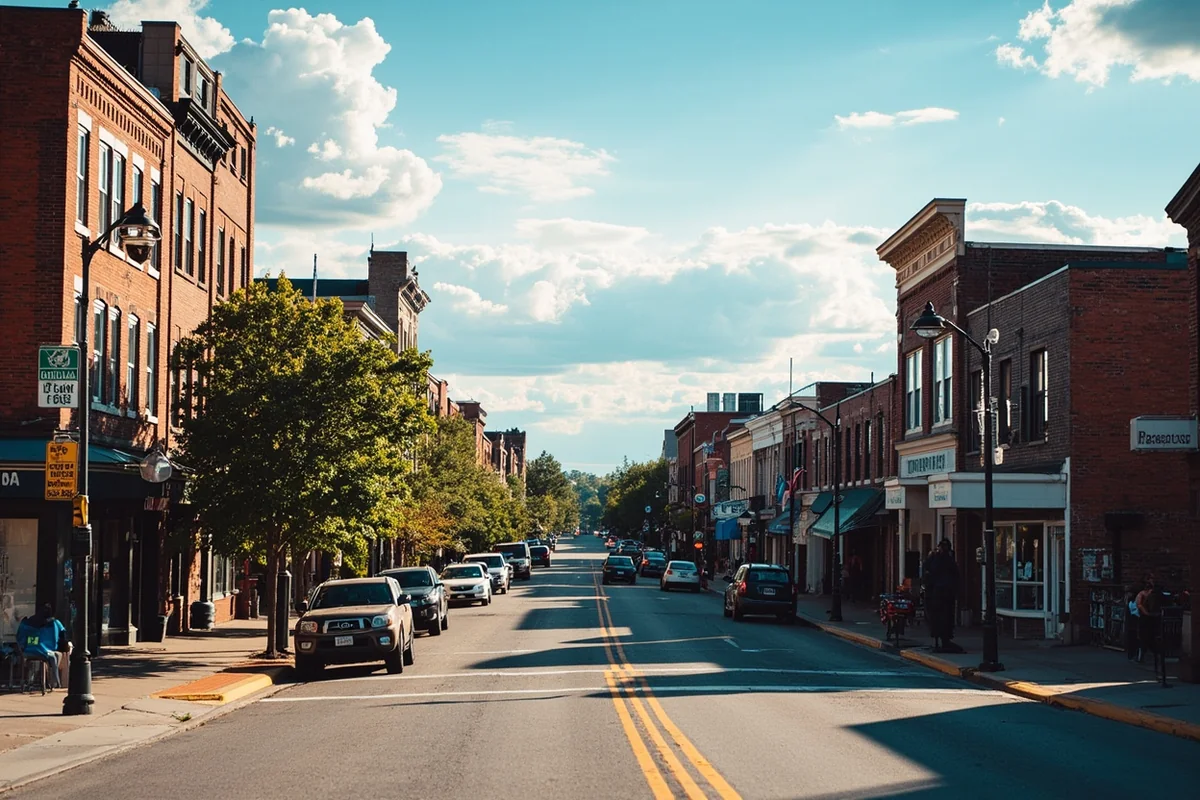
Billings earns its title as Montana’s largest city with a downtown that punches well above its weight. The arts scene, restaurant quality, and general energy surprised me considerably on my first trip — this is not a quiet cow town, whatever the stereotypes might suggest.
Arts and Culture
The Yellowstone Art Museum (YAM) is the anchor of the local arts scene, housing an impressive collection of contemporary and regional Western art. The permanent collection includes significant works by Western Montana artists, and the rotating exhibitions bring in nationally recognized shows throughout the year.
Western Heritage Center, just down the street, digs into the human history of the Yellowstone River Valley — from Native American cultures through the cattle ranching era. It’s compact but genuinely engaging, and admission is typically very reasonable (usually under $10 for adults at the time of writing, though check current pricing before visiting).
Food and Drink
The food scene in Billings has evolved substantially over the past decade. Several farm-to-table restaurants now source beef, bison, and produce from within the region, and the craft brewing scene has exploded. Angry Hank’s, Carter’s Brewing, and Uberbrew each have distinct personalities and are worth visiting.
For a proper meal, the dining options along Montana Avenue and in the downtown core range from excellent steakhouses (this is cattle country, after all) to inventive farm-fresh menus that would hold their own in any major city. Expect to pay roughly $15–$35 per person for a sit-down dinner at a mid-range restaurant, more at the better steakhouses.
Billings as a Gateway
Billings Logan International Airport is the busiest airport in Montana, making it a practical entry point for visitors flying in from outside the state. Rental cars are widely available, though inventory can tighten considerably in summer — booking well ahead is strongly advisable.
For those driving, the I-90 corridor makes Billings genuinely central. It’s roughly 130 miles north of the Wyoming border and the northern approach to Yellowstone National Park, making it a natural overnight stop before or after a park visit.
Suggested Itinerary
Yellowstone County rewards a two-day visit, though you could easily fill three. Here’s how to structure your time to get the most out of the county.
Day 1: The Rimrocks, Cave Art, and a Downtown Evening
Start the morning early at Pictograph Cave State Park — arrive before 9 a.m. if possible, as the site is small and the parking area fills quickly on summer weekends. Spend 1.5 to 2 hours walking the paved trail through all three caves. The interpretive signage is genuinely informative, and a ranger walk (available on weekends during peak season) adds significant depth to what you’re seeing.
From Pictograph Cave, drive north into Billings and head up to the Rimrocks. The Poly Drive access point is the easiest starting point for first-timers. Walk a section of the rim trail — even 30 minutes out and back delivers sweeping valley views that genuinely justify the stop.
Have lunch in downtown Billings, then spend the afternoon at the Yellowstone Art Museum. Allow at least 90 minutes if you’re interested in the collection. End the day on Montana Avenue — walk the street, pick a craft brewery, and find dinner nearby. The whole evening there operates at a pleasantly unhurried pace.
Day 2: The River, Wildlife, and a Drive East or South
Wake up early and head to Two Moon Park for a morning walk along the Yellowstone River. If you’re a birder or photographer, this is prime time — the light is good and the cottonwood bottoms are active with wildlife through spring and fall.
Spend mid-morning fishing the river if that’s your thing, or drive south toward the area around Lake Elmo State Park, a popular local reservoir just north of Billings that offers swimming, kayaking, and picnicking in a less crowded environment than you might expect.
The afternoon is a natural transition point — head south toward Carbon County and the Beartooth Highway if you’re continuing into Wyoming, or east along I-90 toward Custer County and the Little Bighorn Battlefield if Montana history is drawing you further.
Practical Visitor Information
| Detail | Information |
|---|---|
| County Seat | Billings |
| Population | Approximately 165,000 (county total) |
| Nearest Major Airport | Billings Logan International (BIL) |
| Best Months to Visit | May–October (peak: June–September) |
| Average Summer High | 85–95°F (July/August) |
| Average Winter Low | 10–20°F (December/January) |
| Drive from Yellowstone NP (North Entrance) | Approximately 130 miles / 2.5 hours |
| Drive from Bozeman | Approximately 145 miles / 2 hours |
| Accommodation Range | Budget motels from roughly $70–$90/night; mid-range hotels $120–$180/night; boutique options $180–$250+/night |
| Cell Coverage | Excellent in Billings; variable in rural county areas |
Seasonal Considerations
Summer (June–August)
Summer is peak season and for good reason. Days are long, the Yellowstone River runs with enough water to kayak and raft, the trail conditions at Pictograph Cave and the Rimrocks are at their best, and the Billings restaurant and event scene is in full swing. Temperatures regularly push into the 90s°F in July and August — afternoon thunderstorms are common and can be dramatic.
Visitors arriving in July will notice that the Yellowstone Valley turns a deep dusty gold as the grasses dry out. It’s beautiful in its own way, but the lush spring green is gone by mid-July.
Spring (April–May)
Spring is genuinely one of the best times to visit, and it’s consistently underrated. The river runs high and clear with snowmelt, the cottonwoods leaf out in vivid green, and the crowds are essentially nonexistent. Wildflowers on the Rimrocks in May are worth the trip alone.
The trade-off is weather unpredictability — late spring snowstorms are possible through May, and the Yellowstone can flood badly in high snow-melt years. Check conditions ahead of time.
Fall (September–October)
Fall in Yellowstone County is arguably its most photogenic season. The cottonwood corridors along the Yellowstone River turn brilliant gold, elk are active and bugling in areas around the county edges, and the light takes on that low-angled warmth that photographers chase. Temperatures cool into the 50s–70s°F — comfortable hiking weather.
Winter (November–March)
Winter is quiet and genuinely cold, but Billings maintains normal city services and remains fully open. The Rimrocks take on an entirely different character under snow — dramatic and stark. It’s not a primary tourist season, but accommodation rates drop substantially and the city has a locals-only feel that can be its own kind of reward.
Wildlife Watching in Yellowstone County
Wildlife watching in Yellowstone County doesn’t get the same attention as the national park to the south, but the county has genuine wildness to offer.
White-tailed and mule deer are common throughout the county, including in the river bottoms near the city. Pronghorn antelope appear on the open prairie sections east of Billings. Bald and golden eagles are year-round residents along the Yellowstone River corridor, with concentrations in winter when the river stays partly open and fishing is easy.
Coyotes are ubiquitous, often heard at dawn and dusk from surprisingly urban locations. Beaver activity is visible along Two Moon Park’s river edges — dams and gnawed cottonwood stumps are easy to spot.
For those specifically interested in wolf watching, the country to the south and west becomes more relevant — our guide to Yellowstone Wolf Watching covers the best strategies in detail.
Day Trips from Yellowstone County
The county’s central location makes it one of Montana’s best base camps for multi-day regional exploration.
Little Bighorn Battlefield National Monument sits about 65 miles southeast in Big Horn County — a half-day trip that adds enormous historical depth to any Montana itinerary.
The Beartooth Highway, reached via Red Lodge in Carbon County about 60 miles south, is consistently ranked among the most scenic drives in the United States. It’s a full-day excursion from Billings and worth every mile.
Pompeys Pillar National Monument, about 28 miles east of Billings along I-94, is one of the most accessible and undervisited historic sites in the region. This is where William Clark of the Lewis and Clark Expedition carved his name into sandstone in 1806 — the signature is still visible, preserved under glass. It takes about 90 minutes to visit and is genuinely moving in person.
For those extending further west, Gallatin County and the Bozeman area are roughly two hours away via I-90, and the full Yellowstone Country region is laid out in detail in our Yellowstone Country regional guide.
What Most Visitors Get Wrong About Yellowstone County
Mistaking it for a quick drive-through. The single biggest error is treating Billings as a logistics stop rather than a destination. Visitors who spend only one night routinely miss Pictograph Cave, the Rimrock trail system, and the river corridor entirely.
Underestimating summer heat. July and August temperatures routinely hit 90–95°F, and the open exposed nature of the Rimrocks and cave sites means there’s little shade. Starting hikes before 8 a.m. and carrying more water than you think you need are non-negotiable.
Skipping Pompeys Pillar. Almost every road-tripper on I-94 passes the exit for Pompeys Pillar without stopping. This is a mistake. The William Clark inscription is the only physical, on-site evidence of the Lewis and Clark Expedition’s return journey remaining in the country. It takes 90 minutes and costs a small entrance fee — absolutely worth it.
Assuming accommodation books itself. Billings has significantly more hotel inventory than anywhere else in rural Montana, but summer weekends and major rodeo events (the Montana Fair in August, for example) fill the city’s rooms faster than you’d expect. Booking 6–8 weeks out in summer is reasonable insurance.
Overlooking the art scene. More than a few visitors arrive expecting a purely outdoor-focused trip and are genuinely surprised by the quality of the Yellowstone Art Museum and the concentration of galleries along Montana Avenue. It’s worth half a day of any itinerary.
Where to Stay in Yellowstone County
Billings has the widest range of accommodation options in Montana outside of the Glacier and Yellowstone park corridors. National chain hotels cluster around the I-90 exits on the city’s west end — convenient, predictable, and generally in the $90–$160/night range for a standard room depending on season.
Downtown boutique options offer a more characterful experience and tend to run $160–$250/night during peak summer. For those who prefer to stay near natural attractions rather than the city, there are limited lodging options near the Rimrocks on the north side of Billings.
Campgrounds within or near the county include Billings KOA (well-equipped, popular with families) and several BLM sites along the Yellowstone River east of the city that offer a more primitive experience. The BLM sites are free or very low cost, but facilities are minimal — come self-sufficient.
For extended Yellowstone region trips, our comprehensive guide on where to stay in Yellowstone covers lodging options throughout the broader area in detail.
Final Thoughts
Yellowstone County earns its place as one of Montana’s most rewarding but underappreciated destinations. It combines the accessibility of a genuine city with the wide-open, untamed character of the Montana landscape — a combination that’s rarer than it sounds in this state.
What surprised me most, across multiple visits over different seasons, was how consistently it exceeded expectations set by the “drive-through city” reputation it undeservedly carries.
Whether you’re a first-time Montana visitor flying into Billings and heading south toward the national park, or a more experienced explorer building a detailed multi-county itinerary, Yellowstone County deserves deliberate time and attention. Pictograph Cave alone justifies a half-day. The Rimrocks at sunrise justify an early alarm. The Yellowstone River at peak fall color justifies planning your whole trip around it.
Come with two days minimum and an open schedule. Leave the interstate mindset behind. Yellowstone County will take care of the rest.
How We Researched This Guide
This guide is based on multiple visits to Yellowstone County across different seasons, including summer explorations of the Rimrocks trail system, an autumn river walk through Two Moon Park, and winter visits to the Billings downtown arts district.
We spoke with staff at the Yellowstone Art Museum, rangers at Pictograph Cave State Park, and local outfitters operating on the Yellowstone River. Key facts were verified with Montana Fish, Wildlife & Parks, Montana State Parks, the City of Billings, and the Billings Chamber of Commerce.
Accommodation and pricing information reflects conditions observed at the time of writing and should be confirmed directly with providers before travel.
Frequently Asked Questions
Is Yellowstone County Montana worth visiting even if I’m not going to Yellowstone National Park?
Absolutely — Yellowstone County is home to Billings, Montana’s largest city, and it offers a fantastic base for exploring the Rimrocks, Pictograph Cave State Park, and the nearby Pryor Mountains. The county has a rich Western history, great dining, and easy access to both the Beartooth Highway and Crow Nation cultural sites, making it a rewarding destination in its own right.
What is the best time of year to visit Yellowstone County Montana?
Late May through early October is the sweet spot for visiting Yellowstone County, with warm temperatures ranging from the mid-60s to upper 80s°F and minimal snowfall. Summer is ideal for hiking the Rims and exploring outdoor attractions, while late September offers stunning fall colors and far fewer crowds at popular spots like Pompeys Pillar National Monument.
How far is Yellowstone County Montana from Yellowstone National Park?
Billings, the county seat of Yellowstone County, sits about 130 miles north of Yellowstone National Park’s northeast entrance at Cooke City, making it a common gateway city for park-bound travelers. The drive takes roughly 2.5 to 3 hours via US-212, and many visitors use Billings as an overnight stop before heading into the park.
What are the top things to do in Yellowstone County Montana for first-time visitors?
First-time visitors should prioritize Pictograph Cave State Park, where 2,000-year-old Native American rock art is surprisingly well-preserved and free to walk through, and Pompeys Pillar National Monument, where you can see William Clark’s actual 1806 signature carved into sandstone. The Billings Rimrocks offer easy hiking with sweeping views of the Yellowstone River Valley, and the downtown Billings arts and restaurant scene is genuinely impressive for a city its size.
How much does a trip to Yellowstone County Montana typically cost per day?
Budget travelers can get by on around $100–$130 per day in Yellowstone County, with mid-range hotel rooms in Billings running $90–$150 per night and most outdoor attractions costing little to nothing. Dining out in Billings is reasonably priced compared to resort towns, with solid sit-down meals averaging $15–$30 per person, and gas costs are comparable to national averages along I-90.
What should I pack for a trip to Yellowstone County Montana in summer?
Pack layers even in summer, since mornings near the Rimrocks and Pryor Mountains can dip into the 40s°F while afternoons push into the 80s°F. Sunscreen and a wide-brimmed hat are essential given Montana’s high-altitude UV exposure, and sturdy hiking shoes are a must if you plan to explore trails around Pictograph Cave or the Billings Rims. Don’t forget insect repellent for evening outings near the Yellowstone River.
Is Yellowstone County Montana a good road trip stop between Mount Rushmore and Yellowstone National Park?
Yellowstone County is one of the best natural stopovers on that classic Northern Plains road trip route, sitting right along I-90 roughly 350 miles west of Mount Rushmore and 130 miles from Yellowstone’s northeast entrance. Spending one or two nights in Billings lets you break up the drive, visit Pompeys Pillar along the way, and fuel up before tackling the Beartooth Highway, one of America’s most scenic mountain roads.