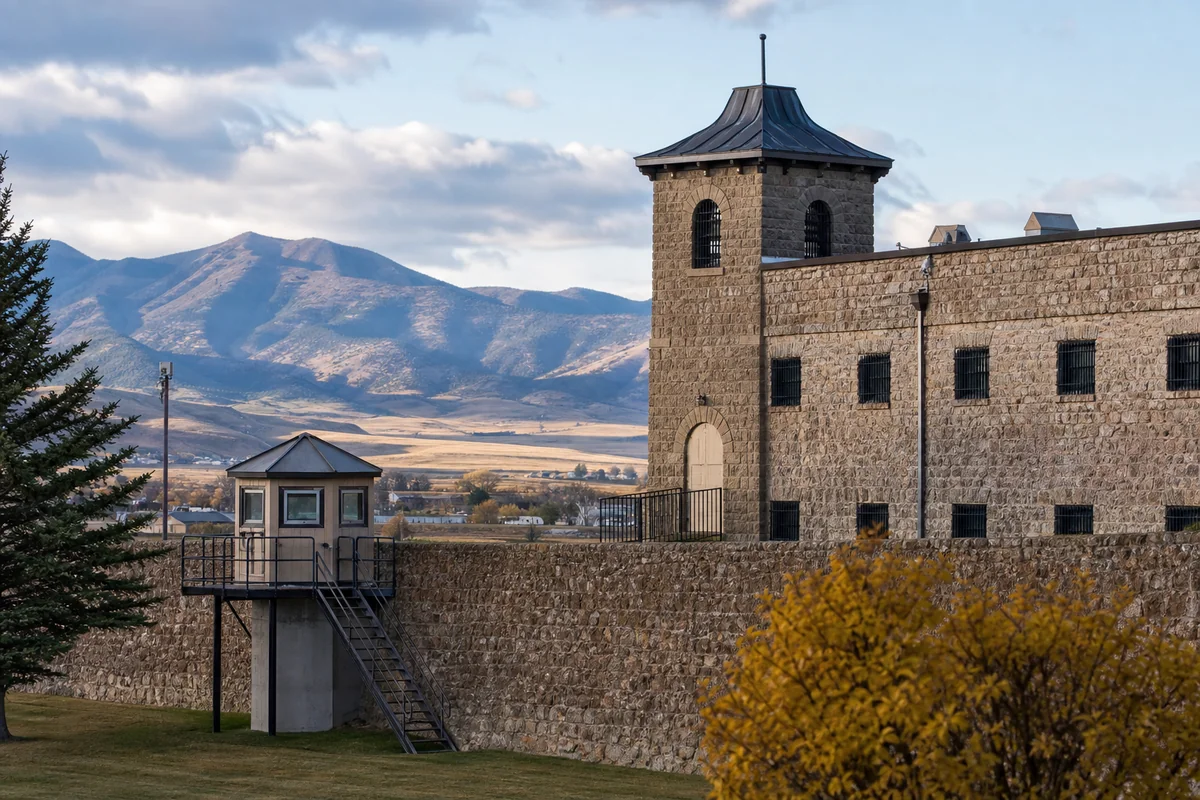
Pulling off the interstate near Deer Lodge on a crisp September morning, what hit me first wasn’t the mountain backdrop — it was the eerie silence of the old prison yard, still and watchful behind its stone walls. Powell County doesn’t announce itself loudly, but it has a way of stopping you cold.
As part of the broader tapestry of 56 Montana Counties, it punches well above its weight for history, wilderness, and genuine off-the-beaten-path appeal.
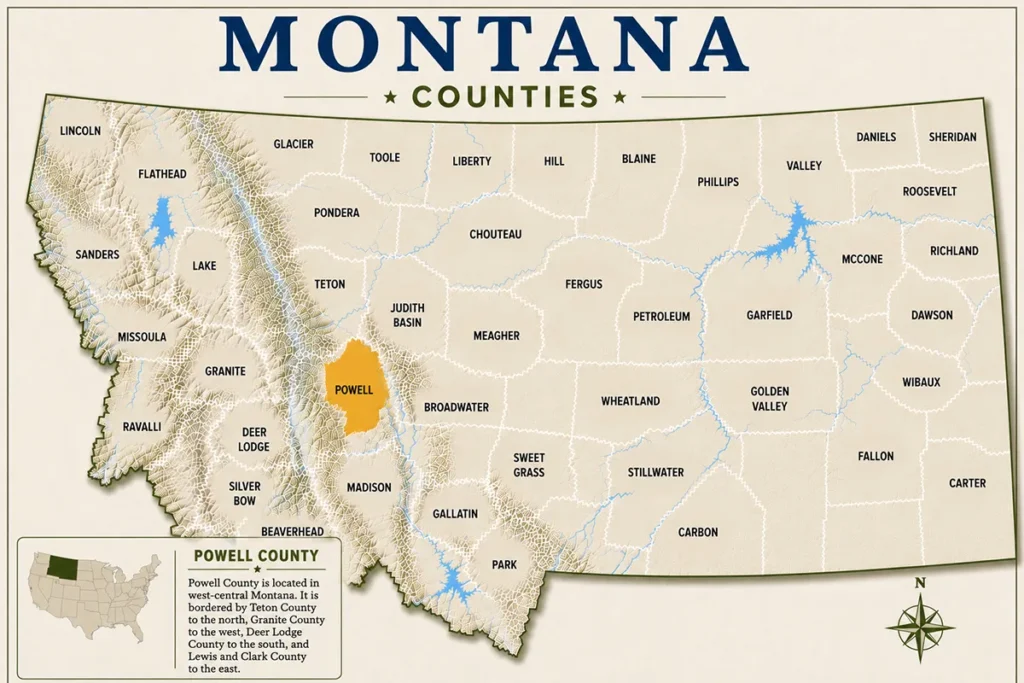
- Powell County is anchored by the small city of Deer Lodge and flanked by the Flint Creek Range and the Continental Divide.
- The Old Montana Prison complex is the county’s must-see attraction — plan at least 3–4 hours.
- The Anaconda-Pintler Wilderness and Flint Creek Valley offer outstanding hiking, fishing, and wildlife watching.
- Best visited late May through October; winters are harsh and many recreation areas close or become inaccessible.
- A genuinely underrated stop between Missoula and Butte — most visitors only scratch the surface.
Liked this article?
Add Roaming Montana as a preferred source so you see more of our articles and guides on Google.
Where Is Powell County?
Powell County sits in west-central Montana, roughly halfway between Missoula and Butte along Interstate 90. Deer Lodge is the county seat and its only incorporated city, sitting at an elevation of around 4,500 feet in the upper Clark Fork River valley.
The county covers approximately 2,326 square miles, stretching from the valley floor up into mountain terrain on both the east and west. To the west, the Flint Creek Range rises sharply; to the east, the county edges toward the Continental Divide.
Neighboring Deer Lodge County shares its name but is a separate jurisdiction — a quirk that confuses more than a few first-time visitors. Powell County is its own distinct area with its own character, history, and draw.
A Brief History of Powell County
Powell County was created in 1901, carved out of Deer Lodge County and named after John Wesley Powell, the legendary explorer of the American West. The region’s history is rich, complex, and sometimes dark — which makes it all the more compelling to dig into.
The Clark Fork valley was a natural corridor for Indigenous peoples for thousands of years. Euro-American settlement accelerated after gold was discovered in nearby areas in the 1860s, and by the late 19th century, Deer Lodge had grown into a significant administrative and ranching hub.
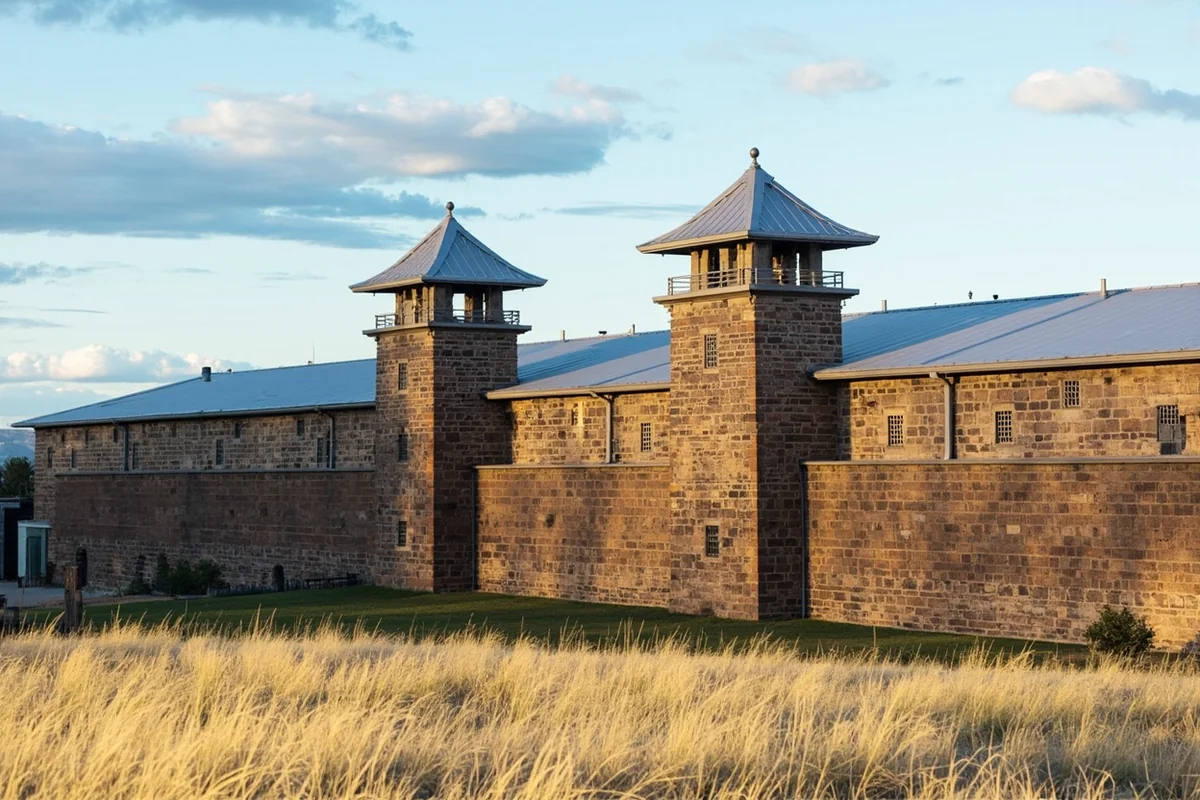
The construction of the Montana Territorial Prison in 1871 — later the Montana State Prison — cemented Deer Lodge’s role as a center of law and government. That prison now sits at the heart of the county’s tourism identity, a living museum that draws visitors from across the country.
Ranching remains central to the local economy today. Drive through the Flint Creek Valley on a summer morning and you’ll still see working cattle operations that have been in the same families for generations. It’s the kind of place where that history isn’t just on display in a museum — it’s still actively being lived.
Top Things to Do in Powell County
Old Montana Prison Complex
This is the main event, and it earns every minute you give it. The Old Montana Prison operated from 1871 to 1979, and today the complex houses several distinct museums under one umbrella.
What surprised me most on my visit was how visceral the experience is — you walk actual cell blocks, see solitary confinement cells barely larger than a closet, and stand in the exercise yard imagining what it meant to spend years within those granite walls. The 1959 prison riot, one of the most violent in Montana history, is covered in compelling detail.
The complex also includes the Montana Auto Museum (with an impressive collection of vintage American cars), the Frontier Montana Museum, and the Powell County Museum. Budget at least half a day; rushing through it means missing the details that make it genuinely affecting.
Admission covers all museums in the complex and is typically charged per adult, with discounts for children and seniors — generally around $10–$15 per adult at the time of writing, though checking current rates directly with the Old Montana Prison is always advisable.
Deer Lodge National Forest and the Anaconda-Pintler Wilderness
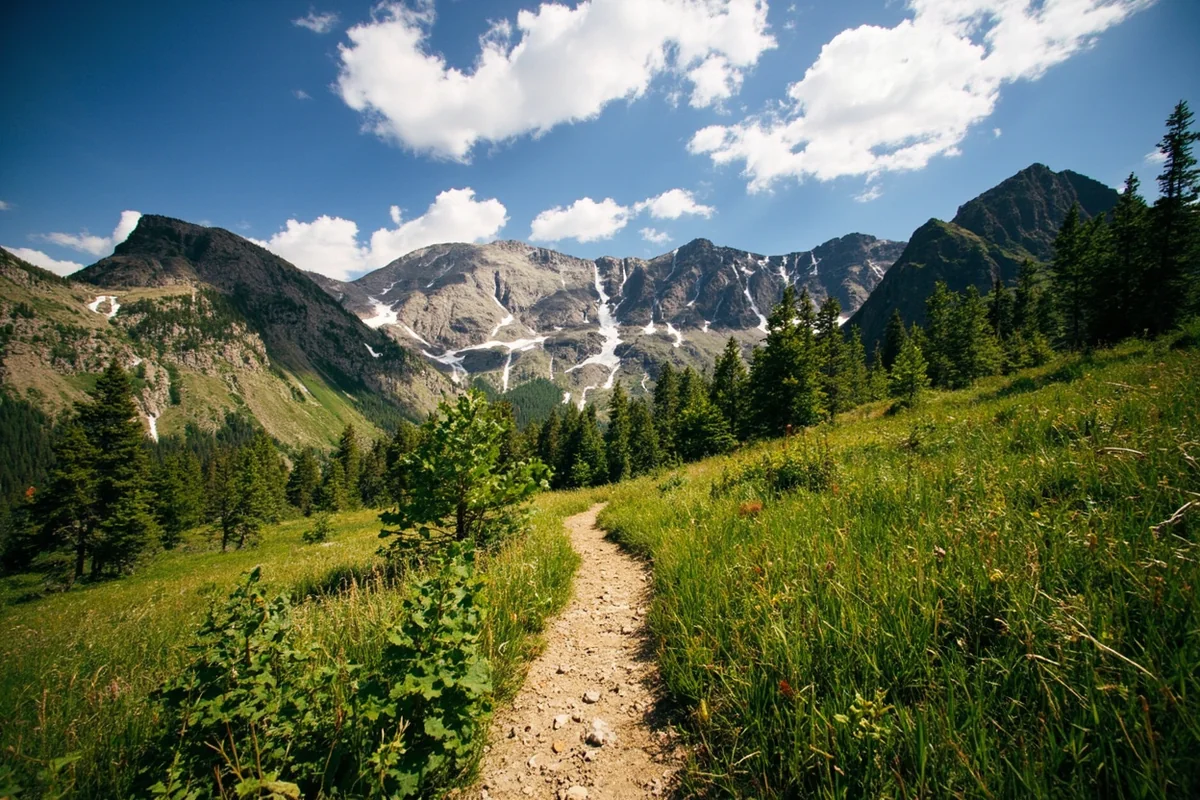
The southern edge of Powell County brushes against the Anaconda-Pintler Wilderness, one of Montana’s most rewarding and least crowded backcountry destinations.
According to the U.S. Forest Service, the wilderness spans roughly 158,000 acres across three national forests, offering trails through alpine terrain, past glacial lakes, and along ridgelines with 360-degree views.
The Storm Lake Trail is a favorite entry point — the trailhead is accessible from the county’s southern reaches and rewards hikers with a high lake nestled under rocky peaks.
On a weekday in early July, the parking area had only two other vehicles; that kind of solitude is harder and harder to find in Montana’s more famous wild areas.
Fishing in this terrain runs the range from small, cold alpine lakes to the Clark Fork River in the valley.
The Clark Fork holds brown and rainbow trout, and Montana Fish, Wildlife & Parks (FWP) manages it as a blue-ribbon fishery in sections. A valid Montana fishing license is required — available online through FWP or at local sporting goods stores.
Flint Creek Valley Scenic Drive
One of the genuinely overlooked pleasures of Powell County is simply driving the Flint Creek Valley. Montana Highway 1 winds south from Deer Lodge through rolling ranch land flanked by the Flint Creek Range — it’s the kind of drive where you stop the car, get out, and just stand there for a while.
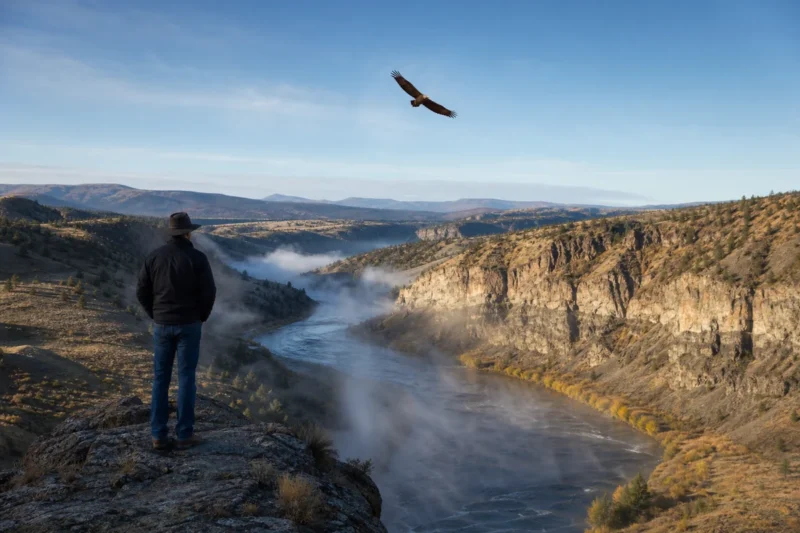
Wildlife sightings along this corridor are common. Mule deer graze roadside in the early morning, and raptors — red-tailed hawks and golden eagles especially — ride thermals above the valley on calm afternoons. Elk move through the upper meadows in fall, particularly September through October.
This route also connects Powell County to Granite County to the south, making it an excellent loop road trip option if you’re spending a few days in the region.
Clark Fork River Recreation
The Clark Fork runs directly through Deer Lodge, and the stretch through Powell County offers accessible fishing, wildlife watching, and a pleasant riverside walk right in town.
The river corridor is popular with local anglers in the early mornings, when brown trout are actively feeding in the shallower riffle sections.
Float fishing the Clark Fork through this stretch has become more popular in recent years, with guided trips typically running half-day or full-day formats. Expect to pay roughly $300–$450 for a guided float for two, though prices vary by outfitter and season.
Grant-Kohrs Ranch National Historic Site
Technically, Grant-Kohrs Ranch sits within Deer Lodge but draws from the full Powell County visitor base, and it’s too good to skip.
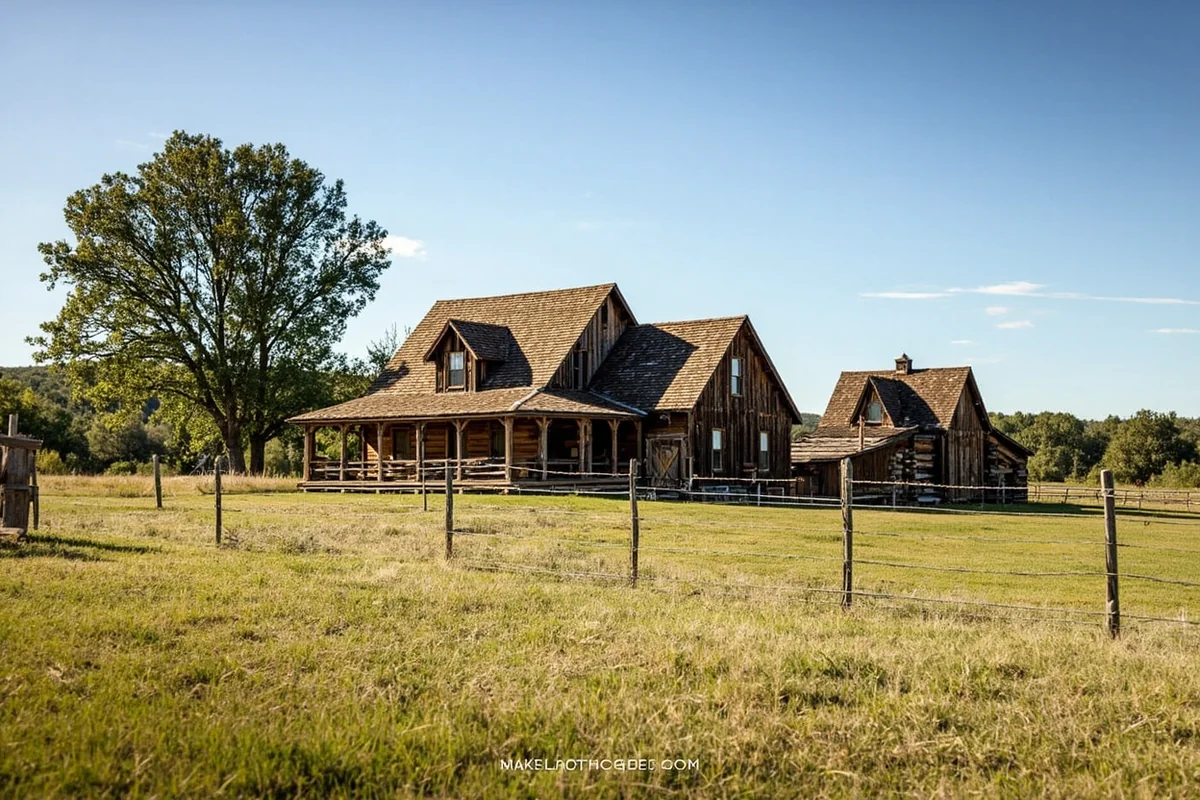
The National Park Service preserves this working ranch as it existed in the late 19th century — it was once headquarters for one of the largest cattle operations in North America, spanning millions of acres.
Rangers lead tours of the Victorian ranch house, outbuildings, and bunkhouse with genuine enthusiasm and real historical depth.
The entrance fee was free at the time of writing (the NPS had waived fees for this site), though checking the official NPS website before your visit is recommended since fee policies can change.
Wildlife Watching in Powell County
Powell County delivers consistently strong wildlife encounters, particularly for visitors who arrive early or stay out near dusk. The valley corridors and adjacent mountain terrain support a healthy population of white-tailed and mule deer, elk, black bears, and occasionally moose near riparian areas.
Birding is underrated here. The Clark Fork corridor and adjacent wetlands attract waterfowl, wading birds, and songbirds through migration season (April–May and September–October).
Osprey nest along the river through summer, and what felt like a dozen bald eagles were working the river corridor during a late October visit — one of those unexpected discoveries that only reveals itself if you’re paying attention.
For more remote wildlife watching, the upper drainages on the west side of the county near the Flint Creek Range hold mountain goats and bighorn sheep in summer. These aren’t reliable roadside encounters — they require hiking or glassing from distance with binoculars — but the payoff is significant.
Suggested Itinerary
Day 1: History, Town, and the River
Start the morning at the Old Montana Prison complex when it opens. Arrive early — by 9 a.m. if possible — to beat any summer crowds and to have the cell blocks to yourself for the first hour. The atmosphere in the morning light is something else entirely.
After lunch at one of Deer Lodge’s local cafes (Main Street has a handful of solid options), walk to Grant-Kohrs Ranch for an afternoon ranger tour. The ranch tour runs roughly 45 minutes to an hour and is genuinely one of the better NPS interpretive experiences in Montana.
End the day along the Clark Fork. The riverside area near town is accessible on foot, and the evening light on the Flint Creek Range from the valley floor is the kind of view that makes you glad you came.
Day 2: Into the Wilderness
An early start is essential for Day 2. Drive south on Montana Highway 1 through the Flint Creek Valley, taking time to stop and glass for wildlife in the upper meadows.
Access the trailhead for the Storm Lake or upper Flint Creek trail system before 8 a.m. on weekends — the parking areas are small and fill up. A half-day hike into the Anaconda-Pintler terrain and back gives you a genuine taste of Montana alpine without requiring overnight backcountry gear.
On the return drive, consider stopping in Phillipsburg (just across the county line in Granite County) for sapphire mining or a meal before heading back to Deer Lodge or continuing west toward Missoula. The full drive back to Missoula from Deer Lodge on I-90 takes roughly 45 minutes.
Where to Stay in Powell County
Lodging options in Powell County are modest — this is a small rural county, not a resort destination. Deer Lodge has several motels along the main highway corridor, typically ranging from roughly $80–$140 per night depending on season and amenities.
For visitors who prefer something with more character, a handful of guest ranches and bed-and-breakfast options operate in the valley. These tend to book out quickly in summer (July–August), so reserving several weeks ahead is advisable.
Camping is available in the Deer Lodge National Forest, with dispersed camping permitted in many areas and developed campgrounds along some of the mountain road corridors.
Sites are generally available on a first-come, first-served basis at most Forest Service campgrounds, though calling the Deer Lodge National Forest ranger district ahead of time helps confirm current availability and road conditions.
| Accommodation Type | Location | Typical Price Range | Best For |
|---|---|---|---|
| Highway Motels | Deer Lodge town center | Roughly $80–$140/night | Budget-conscious travelers, one or two nights |
| Guest Ranch / B&B | Flint Creek Valley | Generally $130–$220/night | Couples, longer stays, authentic ranch experience |
| Forest Service Campgrounds | Deer Lodge National Forest | Usually under $25/night | Hikers, anglers, self-sufficient campers |
| Dispersed Camping | National Forest backcountry | Free with regulations | Backcountry users, multi-day trips |
Where to Eat in Deer Lodge
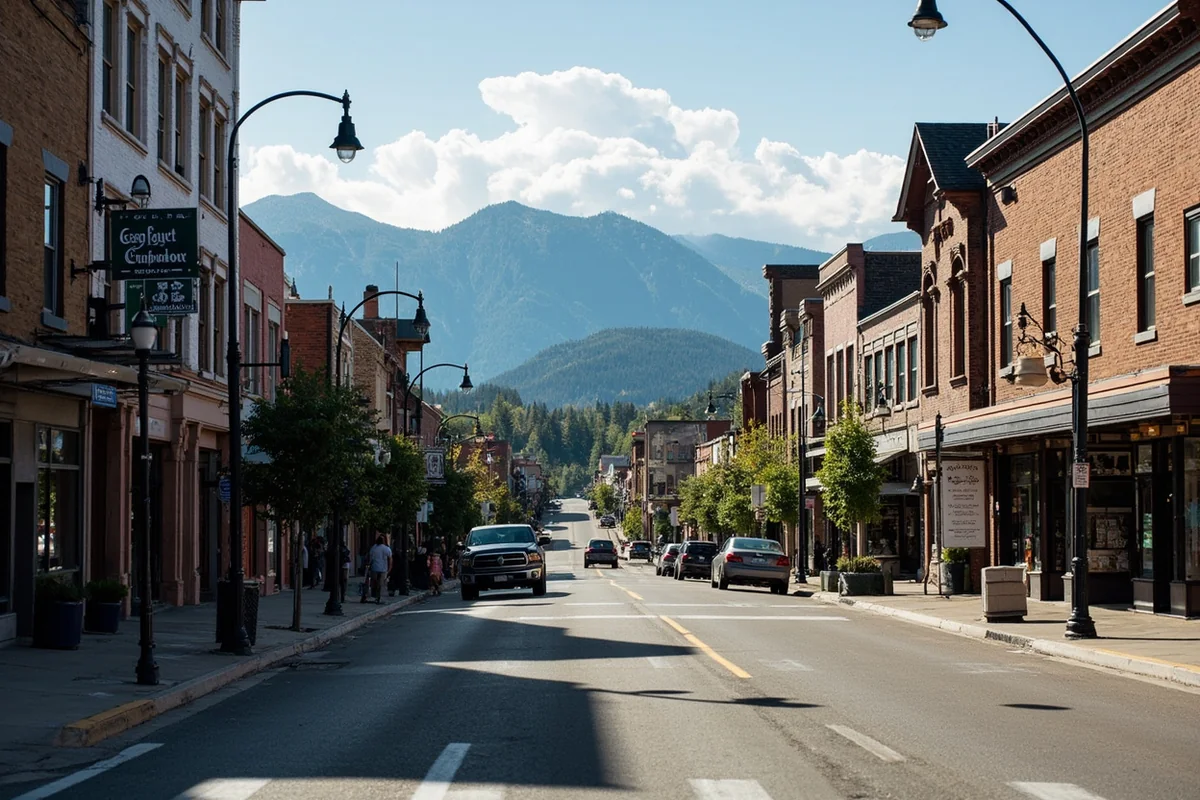
Deer Lodge’s dining scene is small but functional. Main Street has a few reliable spots — a diner-style restaurant that does solid breakfasts with generous portions, and at least one place doing good burgers and local beef at lunch.
What most visitors miss is the opportunity to stop at one of the local gas stations-slash-convenience stores on the edge of town that serve surprisingly good made-to-order sandwiches — the kind of low-key, high-quality local finds that don’t show up on travel apps.
During my last visit, a hand-cut roast beef sandwich from one of these spots was genuinely better than anything on the formal restaurant menus.
For anything more upscale or varied, Missoula (45 minutes west) and Butte (45 minutes east) are both easy day-trip distances and offer a full range of dining options.
Getting To and Around Powell County
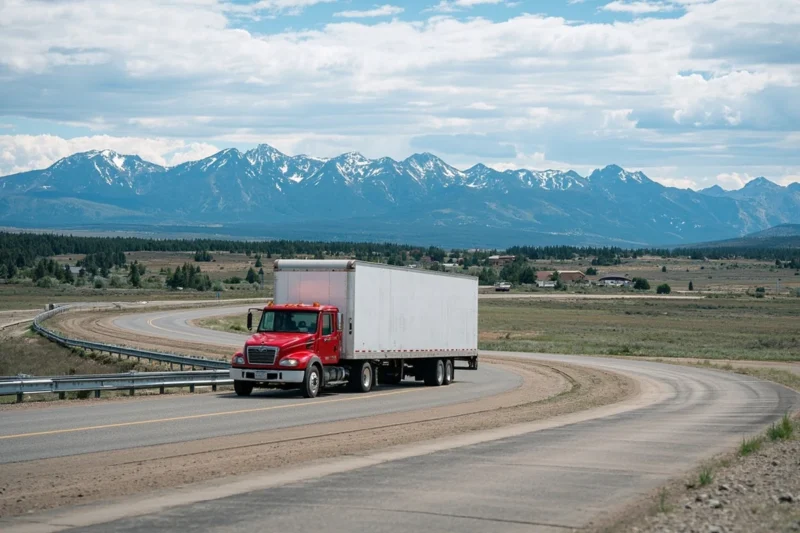
Interstate 90 runs directly through Powell County, making it one of the more accessible rural Montana counties. Deer Lodge exits off I-90 are well-signed and easy to find.
The nearest commercial airport is Missoula Montana Airport (MSO), roughly 45 miles to the west. Butte has smaller regional service as well. Renting a car in Missoula and driving to Powell County is the standard approach — there is no meaningful public transit serving the county.
Cell service in Deer Lodge itself is reasonable, but coverage drops quickly once you head into the mountains or along secondary roads. Downloading offline maps before heading out into the Flint Creek Valley or National Forest is not optional — it’s genuinely necessary.
Best Time to Visit Powell County
Late May through early October is the window that works best for most visitors. Summer (June–August) brings warm days, long light, and full access to hiking trails and the Anaconda-Pintler Wilderness.
Fall — particularly September and into early October — is what I’d call the county’s hidden season. The crowds (such as they are) thin out, elk are in rut and actively visible, the Flint Creek Valley takes on golden tones, and the weather is crisp but manageable.
During a September visit, temperatures were in the mid-60s during the day and dropped to the low 40s at night — sweater weather, not winter gear.
Winter closes many mountain roads and makes dispersed camping impractical. Deer Lodge itself remains accessible year-round, and the Old Montana Prison complex operates seasonally — confirming hours before a winter visit is essential.
What Most Visitors Get Wrong About Powell County
The most common mistake is treating Powell County purely as a highway stop between Missoula and Butte. Many travelers pull off for 90 minutes at the prison, then get back on I-90. That approach misses the deeper character of the place entirely.
Another error: underestimating the mountain access. Many visitors assume the wilderness areas require significant planning or specialized gear. The lower trail systems in the Flint Creek Range and National Forest are genuinely accessible for a fit day hiker with standard gear — sturdy footwear, layers, water, and an offline map.
A subtler mistake is ignoring the ranching culture as mere backdrop. The working ranches of the Flint Creek Valley are living history, not just scenery. Engaging with locals — whether at a diner over breakfast or stopping to ask a rancher about what you’re seeing — reveals a side of Powell County that no museum exhibit can replicate.
Finally, arriving without a fishing license if you plan to fish the Clark Fork is a frustrating and avoidable oversight. Montana FWP licenses are easy to purchase online before your trip.
Visitors exploring neighboring counties as part of a broader Montana road trip might also find value in reading up on Broadwater County to the east and Jefferson County — both sit along natural driving corridors from Powell County and offer complementary experiences.
Powell County in Context: Montana’s Broader Story
Understanding Powell County is easier when you place it within Montana’s wider geographic and historical narrative. The Clark Fork corridor was a major route for both Indigenous peoples and early settlers moving through the mountains — it’s one reason why so much history concentrated here.
As Montana’s fastest-growing cities and counties shift toward Bozeman and the Flathead Valley, Powell County has remained largely unchanged — which is precisely its appeal for visitors seeking something authentic rather than curated.
Other counties along the I-90 and western Montana corridor worth considering as part of a broader trip include Cascade County (home to Great Falls) to the north, and Carbon County to the southeast for a dramatically different landscape.
If you’re drawn to frontier history and wide-open ranch country, Custer County in eastern Montana follows a similar thread but in a completely different setting.
For those building out a multi-county Montana itinerary, it’s worth noting that many travelers pair Powell County with Flathead County to the north or Gallatin County to the southeast — both larger destinations that contrast well with Powell County’s quieter, more contemplative pace.
Practical Information at a Glance
| Detail | Information |
|---|---|
| County Seat | Deer Lodge |
| Location | West-central Montana, along I-90 |
| Distance from Missoula | Approximately 45 miles east (~45 min drive) |
| Distance from Butte | Approximately 40 miles west (~40 min drive) |
| Best Seasons | Late May–October (peak: July–September) |
| Nearest Airport | Missoula Montana Airport (MSO) |
| Cell Service | Reliable in Deer Lodge; patchy in mountains |
| Fishing License Required | Yes — purchase via Montana FWP online |
| Old Montana Prison Hours | Seasonal — confirm before visiting |
| Grant-Kohrs Ranch Hours | Daily in summer; seasonal hours apply — check NPS website |
Final Thoughts
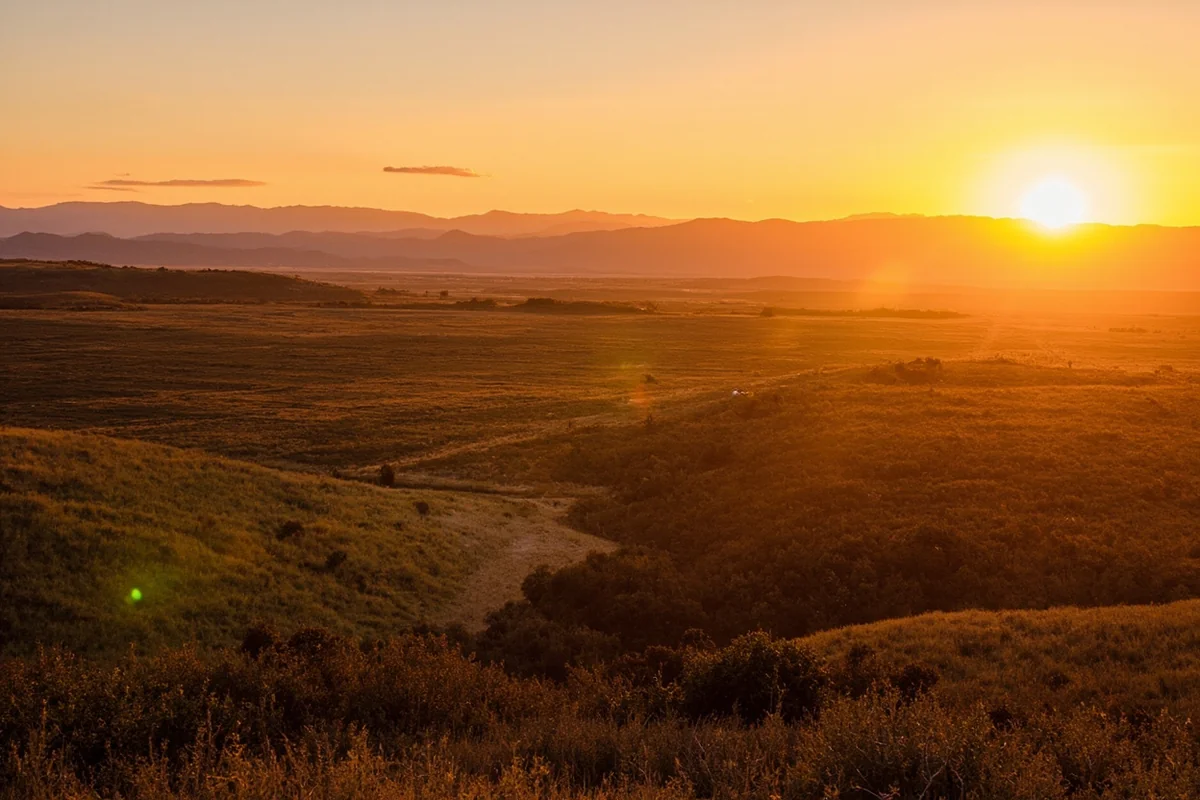
Powell County rewards the visitor who slows down. It’s not a place that dazzles you on the first glance — it reveals itself gradually, through a morning walk along the Clark Fork, an hour spent alone in a prison cell block thinking about the people who lived there, or the particular quality of light on the Flint Creek Range as the sun drops behind it.
What stays with me from multiple visits isn’t any single attraction but a feeling — that this valley has been living its own story for a very long time, and a short visit gives you just enough of it to want more. That’s the mark of a destination worth returning to.
Whether you’re passing through on I-90 or deliberately building an itinerary around Powell County, give it more time than you think you need. Two full days is the minimum to do it justice — and if you fish, hike, or simply value places that haven’t been smoothed over for tourism, you’ll likely wish you had three.
How We Researched This Guide
This guide is based on multiple visits to Powell County and Deer Lodge across different seasons, including summer and fall trips that covered the Old Montana Prison complex, Grant-Kohrs Ranch, the Flint Creek Valley, and the lower Anaconda-Pintler trail systems firsthand.
Information on fishing regulations and licensing was verified with Montana Fish, Wildlife & Parks (FWP); wilderness area details were confirmed with the U.S. Forest Service’s Beaverhead-Deerlodge National Forest ranger district; and Grant-Kohrs Ranch details were cross-checked with the National Park Service.
Conversations with local outfitters and Deer Lodge business owners informed the practical recommendations on lodging, dining, and seasonal access.
Frequently Asked Questions
What is Powell County Montana best known for as a travel destination?
Powell County is best known for Deer Lodge, a small historic town that punches well above its weight in attractions. You’ll find the Old Montana Prison Museum, the Grant-Kohrs Ranch National Historic Site, and the Towe Auto Museum all within a few blocks of each other, making it one of Montana’s most underrated road trip stops. It’s also surrounded by the Deerlodge National Forest, offering excellent outdoor recreation just minutes from town.
When is the best time to visit Powell County Montana?
The best time to visit Powell County is late spring through early fall, roughly May through September, when temperatures are comfortable and all major attractions are fully open. Summer highs typically reach the mid-70s to low 80s°F, ideal for both sightseeing and hiking in the surrounding national forest. If you’re visiting primarily for the museums and historic sites, late spring and early fall offer smaller crowds and easier parking.
How far is Powell County Montana from major cities like Missoula or Butte?
Powell County sits conveniently between two of Montana’s most visited cities, making it an easy road trip addition. Deer Lodge, the county seat, is about 38 miles northeast of Butte and roughly 75 miles southeast of Missoula along Interstate 90. Most travelers passing through on I-90 find it a perfect halfway stop with a full day’s worth of attractions.
How much does it cost to visit the main attractions in Powell County Montana?
Admission to the Old Montana Prison Museum complex runs around $10–$15 per adult and covers several connected exhibits including the Powell County Museum and the Towe Auto Museum. The Grant-Kohrs Ranch National Historic Site is operated by the National Park Service and has free admission, making it a great value stop. Budget around $30–$50 per person for a full day of paid attractions, not including meals or lodging.
What outdoor activities can you do in Powell County Montana?
Powell County borders the Deerlodge National Forest, giving visitors access to hiking, fishing, and wildlife watching just a short drive from Deer Lodge. The Clark Fork River runs through the area and is popular for fishing and bird watching, while nearby forest roads open up opportunities for ATV riding and dispersed camping. If you’re visiting in winter, the surrounding backcountry offers snowmobiling and cross-country skiing with far fewer crowds than more famous Montana destinations.
Is Powell County Montana worth visiting if I’m road tripping through on I-90?
Absolutely — Deer Lodge is one of the most worthwhile I-90 exits in the entire state if you have even half a day to spare. The concentration of unique museums, including a working historic prison and a national ranch site, is genuinely surprising for a town of roughly 3,000 people. I’d recommend budgeting at least 4–6 hours if you want to see the Grant-Kohrs Ranch and the prison complex without feeling rushed.
What should I pack or bring when visiting Powell County Montana?
Layers are essential since Montana weather can shift quickly, even in summer, with cool mornings and evenings even when afternoons are warm. Comfortable walking shoes are a must since the Grant-Kohrs Ranch involves walking across a working historic property with uneven terrain. If you’re planning to explore the Deerlodge National Forest, bring sunscreen, plenty of water, a paper map or downloaded offline maps since cell service can be spotty, and bear spray if you’re heading into more remote trails.