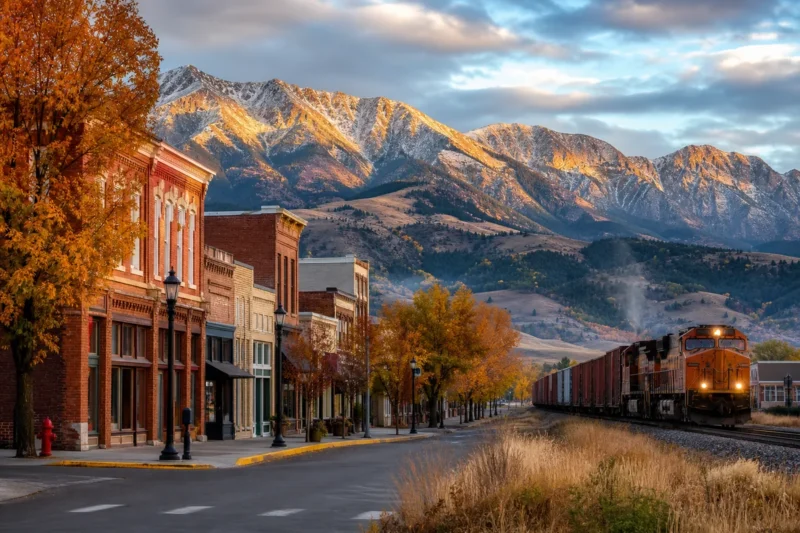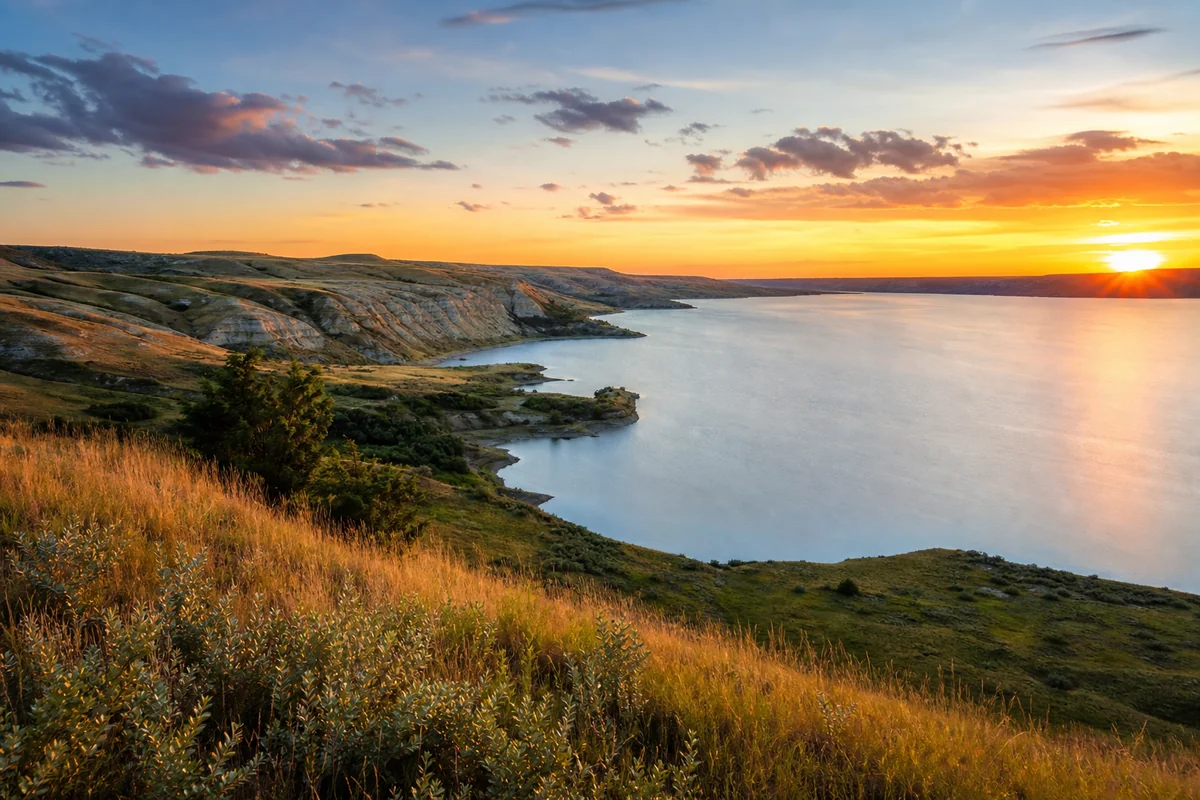
Standing at the edge of Fort Peck Lake’s upper reaches as the sun dips below the prairie horizon, it’s hard to believe this corner of northeastern Montana stays off most visitors’ radar. Roosevelt County is one of those rare places where the landscape feels genuinely untouched — and where the history runs so deep it practically rises out of the soil. If you’re working through Montana’s 56 Montana Counties, this one deserves a serious spot on your itinerary.
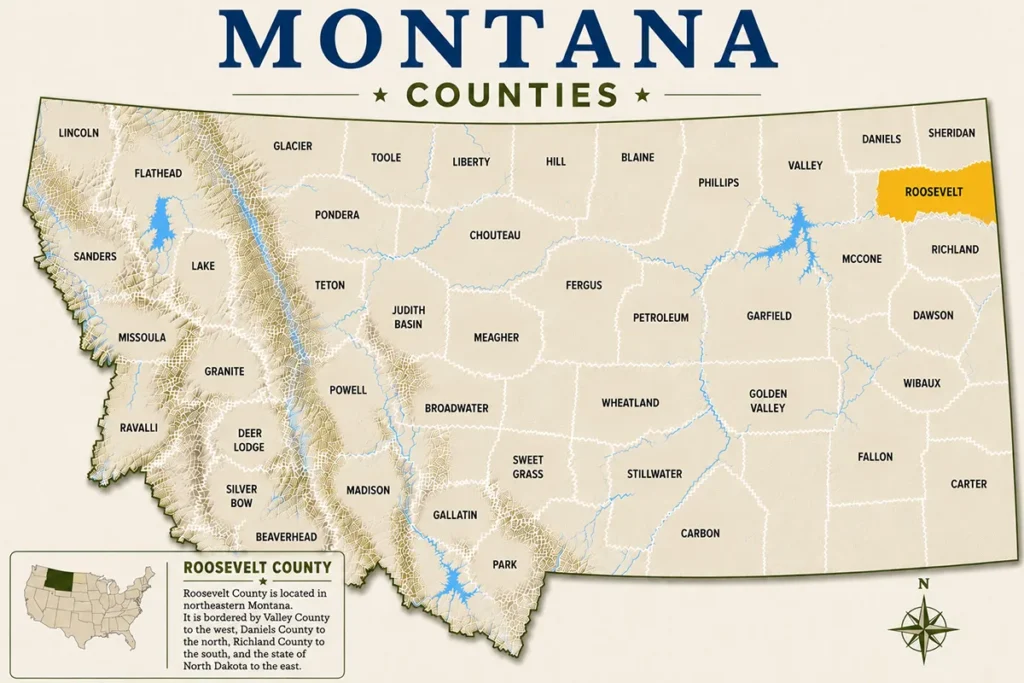
- Roosevelt County sits in northeastern Montana, bordering North Dakota and the Fort Peck Indian Reservation.
- Wolf Point is the county seat and the main hub for services, food, and accommodation.
- Key draws include the Wild Horse Stampede rodeo, Missouri River fishing, Native American cultural heritage, and wide-open prairie scenery.
- Best visited late spring through early fall — summers are warm but short, and winters are seriously harsh.
- This is genuine off-the-beaten-path Montana — bring a full tank of gas and an open mind.
Liked this article?
Add Roaming Montana as a preferred source so you see more of our articles and guides on Google.
Where Exactly Is Roosevelt County?
Roosevelt County occupies the northeastern corner of Montana, tucked up against the North Dakota border. It covers roughly 2,400 square miles of high plains prairie, river breaks, and rolling grasslands — a landscape that feels simultaneously vast and intimate once you’ve spent a day in it.
The county seat is Wolf Point, a small city of around 2,800 residents that serves as the commercial and cultural center of the area. Other communities include Poplar, the tribal headquarters of the Fort Peck Indian Reservation, and the tiny towns of Brockton and Culbertson near the county’s eastern edge.
US Highway 2 — the famed “Hi-Line” — cuts straight across the northern edge of the county, making Roosevelt County accessible as part of a longer east-west Montana road trip. What most travellers don’t realise until they arrive is how different this landscape feels from the mountain counties further west.
The Fort Peck Indian Reservation: Understanding the Land and Its People
Much of Roosevelt County sits within the Fort Peck Indian Reservation, home to the Assiniboine and Sioux tribes. This is one of the largest reservations in the United States by land area, and its presence shapes everything about the county — from the land management to the cultural calendar to the rhythm of daily life.
Visitors should approach this with genuine respect and curiosity. The tribes have inhabited this region for thousands of years, and their connection to the Missouri River, the grasslands, and the wildlife is inseparable from any honest understanding of the landscape.
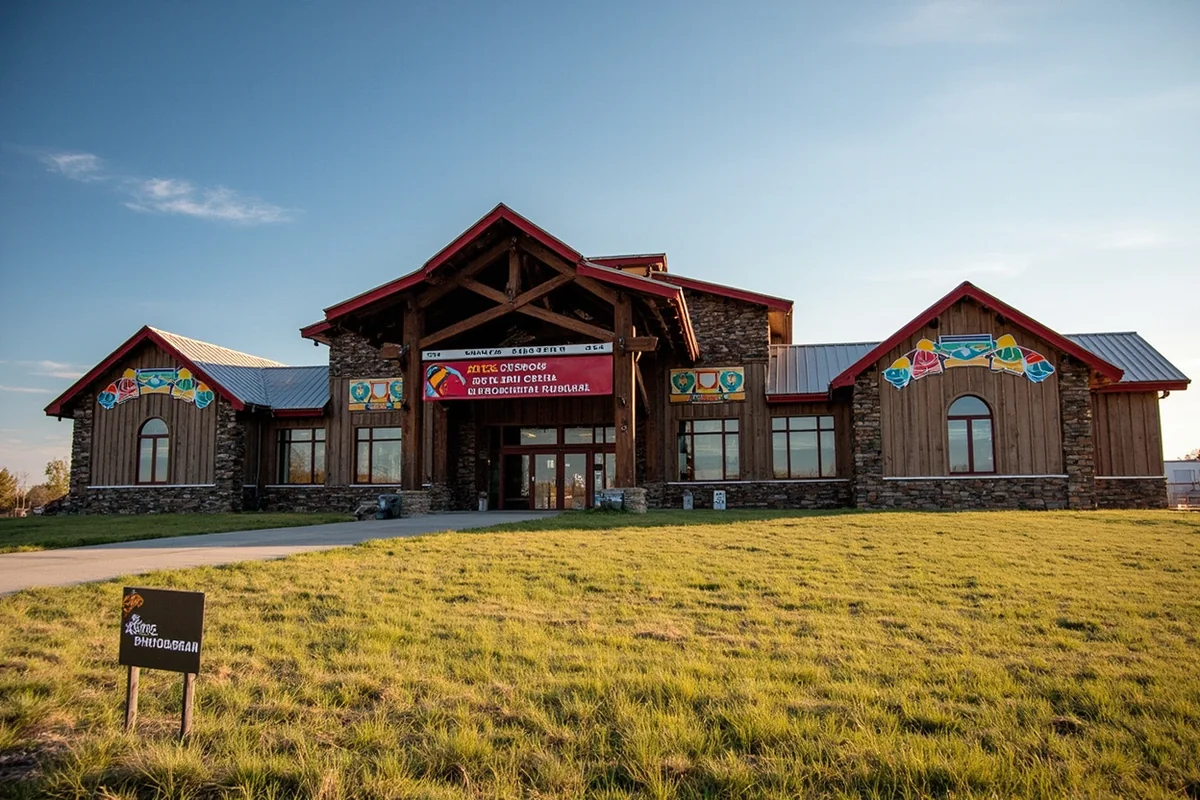
The Assiniboine and Sioux Cultural Center and Museum in Poplar is an excellent first stop. During a recent visit, what surprised me most was the depth and quality of the exhibits — this isn’t a small roadside display but a serious cultural institution with artifacts, oral history recordings, and rotating exhibits that give real context to the history of both tribes. Admission is typically low, usually just a few dollars per person.
One thing worth knowing before you go: some areas of the reservation require a tribal recreation permit for fishing, hunting, or camping. These permits are available through the Fort Peck Tribes Fish, Wildlife, Parks & Recreation department. Picking one up is straightforward, and the staff there are genuinely helpful about pointing you toward the best spots for whatever you’re after.
The Wild Horse Stampede: Roosevelt County’s Signature Event
If there is one event that defines Roosevelt County in the eyes of those who’ve made the trip, it’s the Wild Horse Stampede in Wolf Point. Held every year in mid-July, this is one of the oldest and largest rodeos in Montana — a claim that the locals make without exaggeration.
Established in 1915, the Wild Horse Stampede draws competitors and spectators from across the northern plains. The wild horse race itself — where teams attempt to saddle and ride unbroken horses in the arena — is something that genuinely cannot be replicated at a polished destination rodeo. The chaos, the skill, and the noise of it hit you in a way that a highlights video simply cannot convey.
Plan accommodation well in advance if you’re visiting during Stampede week. Wolf Point’s limited hotel options fill up fast, and what surprised me on my first visit was how early — by early June, many rooms were already gone for mid-July. Rates during rodeo week tend to run noticeably higher than the rest of the season, so booking early is both a logistical and a financial move.
Missouri River Fishing and Recreation
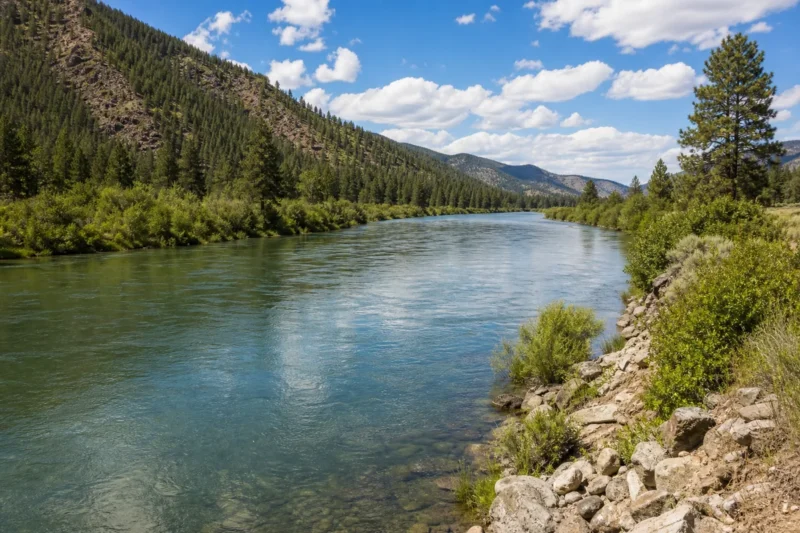
The Missouri River forms a natural southern boundary for parts of Roosevelt County, and it is genuinely one of the best-kept fishing secrets on the Hi-Line. The stretch near Wolf Point and Poplar holds strong populations of paddlefish, walleye, northern pike, and catfish — and the paddlefish season in particular draws dedicated anglers from across the country.
According to Montana Fish, Wildlife & Parks, the paddlefish snagging season typically runs from mid-April through June, though the specific dates and quotas can change year to year based on population surveys. Checking the FWP website before your trip for current regulations is essential — seasons can close early once the quota is reached.
What most fishing guides gloss over is the access situation. Not all river access points are publicly accessible — some launch sites sit on reservation land and require a tribal permit. The Blaine County area further west along the Hi-Line has similar access considerations, so if you’ve navigated that county, you’ll have a sense of what to expect here.
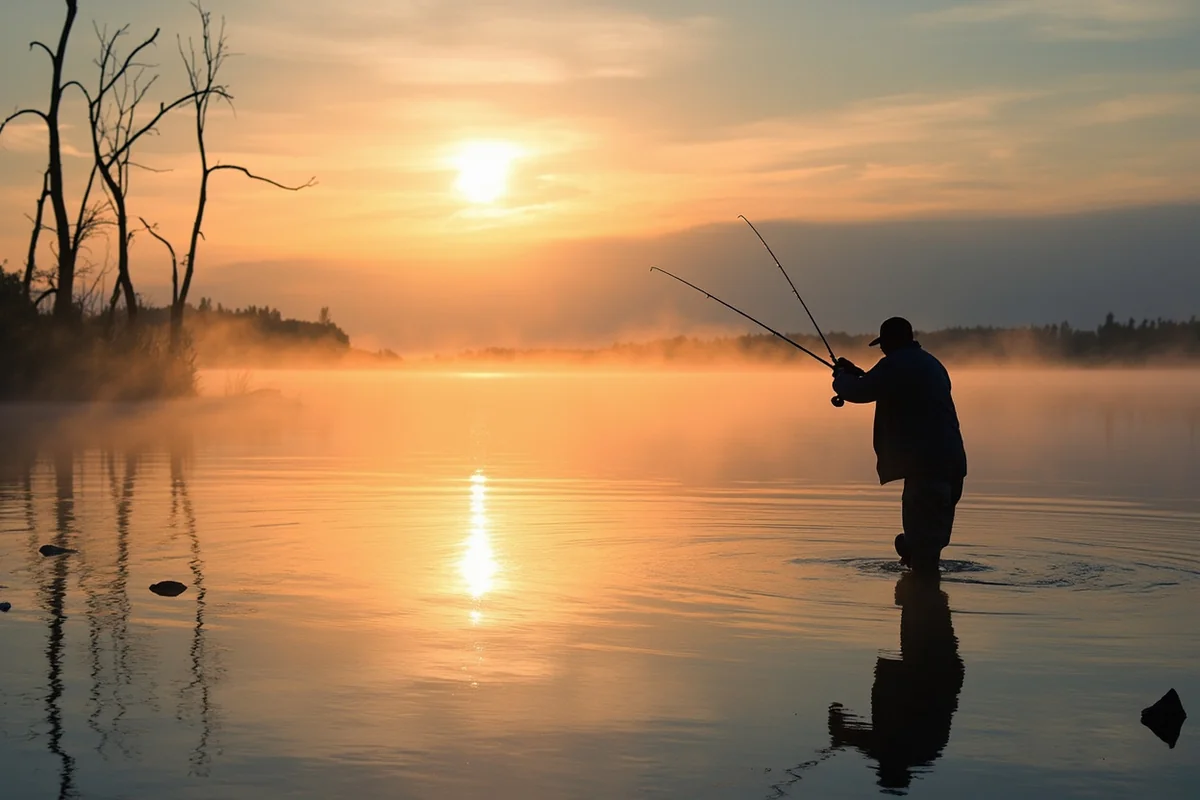
The Wolf Point Bridge area is a reliable public access point for non-motorised fishing along this stretch. On a mid-May morning visit, the river was running high and the walleye were stacked in the slower current behind the bridge pilings — one of those unexpectedly productive sessions that northeastern Montana tends to produce quietly, without fanfare.
Wildlife Watching on the Prairie
Roosevelt County’s high plains are a genuine wildlife destination if you know where to look. Prairie dog towns dot the grasslands east of Wolf Point, and they draw a reliable chain of predators — ferruginous hawks, golden eagles, and occasionally swift foxes have all been spotted working the same colonies.
Pronghorn antelope are abundant throughout the county and visible from Highway 2 without even leaving the car. Mule deer concentrate in the river breaks during the early morning hours, and white-tailed deer are common closer to the river bottoms.
For birders, the county’s mix of native grassland and riparian habitat along the Missouri is productive across multiple seasons. Breeding season in late May and June brings upland sandpipers, marbled godwits, and several species of sparrow that are genuinely difficult to find further west in the state. The grasslands here compare favourably with sections of Chouteau County for sheer bird diversity across open country.
Exploring Wolf Point: The County Seat
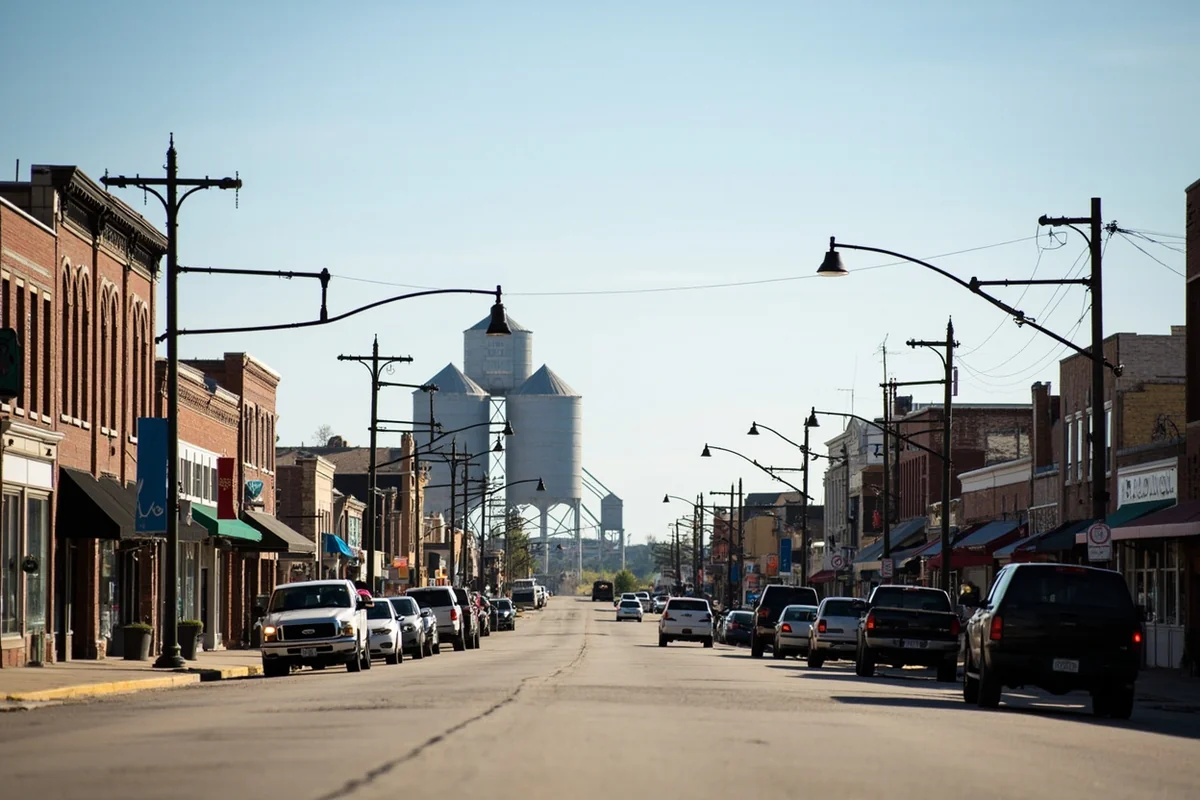
Wolf Point is a compact, unpretentious town that functions as a working agricultural and reservation community — not a tourist destination in the polished sense. That’s actually what makes it interesting to spend time in.
The Wolf Point Area Museum is worth a stop for local history context. It covers the era of the fur trade, early homesteading, the railroad’s arrival (the Great Northern Railway transformed the Hi-Line towns in the early 1900s), and the region’s Native American history. Admission is generally just a small donation.
Downtown Wolf Point has a handful of restaurants, a couple of bars with pool tables and strong opinions on the local sports teams, and grocery stores sufficient for restocking before a longer drive. What you won’t find is a craft cocktail bar or an artisan coffee shop — this is not that kind of town, and it’s better for it.
For fuel, Wolf Point is reliable. Heading east toward Culbertson or north through the reservation toward the Canadian border, options thin out quickly. Filling up before any significant detour off the Hi-Line is a habit worth developing.
Day Trips and Nearby Destinations
Roosevelt County makes a natural stopping point along a longer northeastern Montana loop. Several neighbouring counties are worth adding to your itinerary if you have the time.
Daniels County to the north offers the small, quiet town of Scobey and the fascinating Daniels County Museum and Pioneer Town — a collection of original homestead-era buildings that is one of the best of its kind in the region. It’s roughly an hour’s drive north of Wolf Point on good roads.
To the east, Dawson County and the city of Glendive bring Makoshika State Park — Montana’s largest state park and a significant dinosaur fossil site — within range as a longer day trip or overnight extension.
West along the Hi-Line, Blaine County leads toward the bears Paw Battlefield and the Upper Missouri River Breaks National Monument. That combination makes for a compelling multi-day loop through some of the most historically rich and least-visited country in the American West.
For travellers curious about population trends across the region, it’s worth noting that many of these northeastern counties are experiencing demographic shifts compared to Montana’s fastest-growing areas — understanding that context helps explain the character of places like Wolf Point, which operates at its own pace, independent of the tourism boom happening further west.
Practical Information for Visitors
| Category | Details |
|---|---|
| County Seat | Wolf Point |
| Major Highway | US Highway 2 (Hi-Line) |
| Best Time to Visit | Late May through September |
| Signature Annual Event | Wild Horse Stampede (mid-July) |
| Nearest Airport | Wolf Point Airport (WPS) — small regional; Great Falls or Billings for major connections |
| Cell Coverage | Reliable in Wolf Point and Poplar; patchy in rural areas |
| Tribal Permits Required | Yes — for fishing, hunting, or camping on Fort Peck Reservation land |
| Accommodation Range | Typically $70–$130/night for motels; higher during Stampede week |
| Fuel Availability | Available in Wolf Point, Poplar, and Culbertson — fill up before rural drives |
Where to Stay in Roosevelt County
Accommodation options in Roosevelt County are limited but functional. Wolf Point has a handful of motels and one or two larger chain-adjacent properties that serve the business traveller and occasional tourist equally well.
Expect to pay roughly $70–$130 per night for a standard motel room outside of event periods. During the Wild Horse Stampede, rates tend to spike and availability drops to near zero — booking two to three months out for mid-July is not an overstatement.
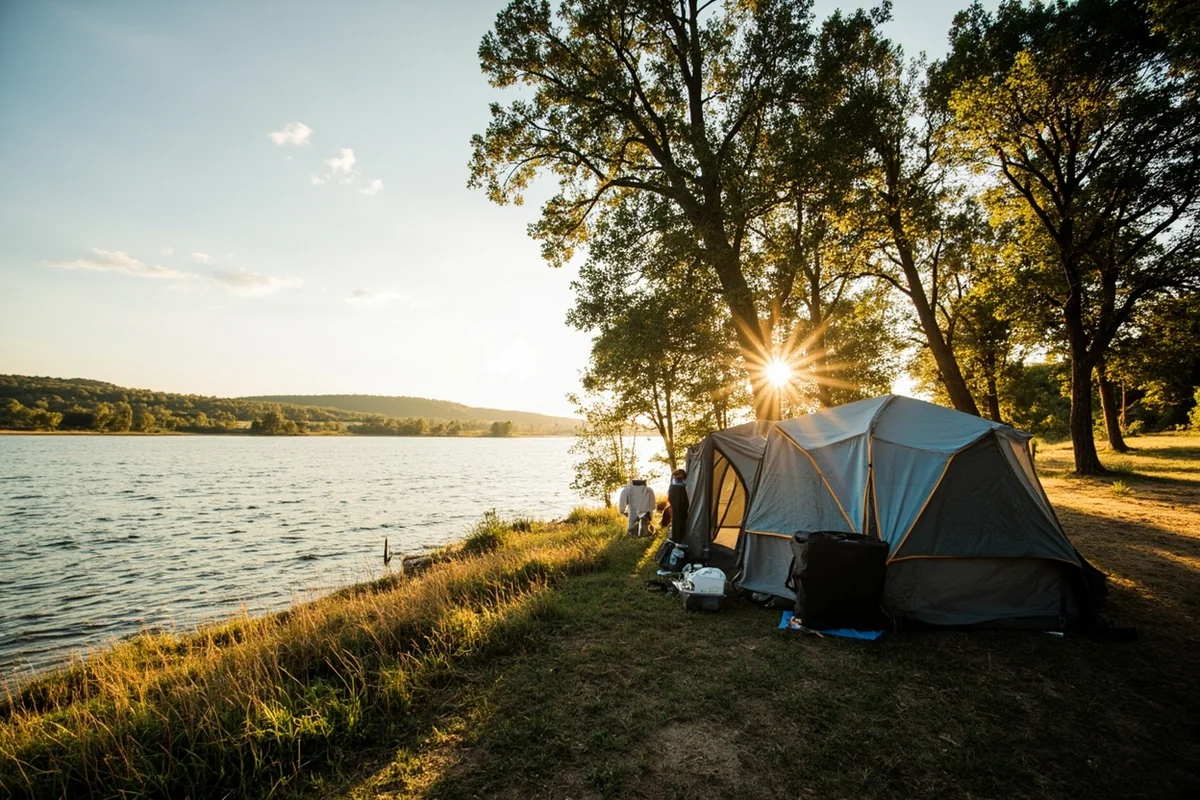
Camping is available along the Missouri River at a few informal access points, and the Fort Peck Tribes operate campground facilities that are accessible with a valid tribal recreation permit. These sites tend to be quiet, uncrowded, and genuinely close to good fishing — worth the permit fee even if you’re only camping for one night.
Where to Eat in Wolf Point
Dining in Wolf Point is practical rather than adventurous. There are several local cafes and diners that serve reliable American diner food — burgers, breakfast plates, and the kind of pie that small-town Montana does quietly well.
One local restaurant that repeatedly came up in conversations with Wolf Point residents is the kind of spot where the breakfast special is enormous and costs roughly what a cup of coffee costs in a city — genuinely good value. The specifics change (small-town restaurants open and close), so asking at your motel or the gas station for the current recommendation is genuinely the best strategy.
Grocery stores in Wolf Point are adequate for self-catering. If you’re planning a longer stay or a camping trip, picking up supplies here before heading into more remote areas makes sense.
Suggested Itinerary
Day 1: Arriving, Orienting, and Getting Cultural Context
Drive into Wolf Point along US Highway 2 and check into your accommodation first — options don’t require much searching. Head south to Poplar in the afternoon (about 15 minutes from Wolf Point) and spend two hours at the Assiniboine and Sioux Cultural Center and Museum. This is genuinely the single best investment of time you can make in understanding what you’re looking at across the entire county.
Return to Wolf Point for dinner and an evening walk along the Missouri River access near the bridge. Sunset on the river here, with the wide prairie sky doing its thing, is one of those moments that makes a long drive feel immediately worth it.
Day 2: Fishing, Wildlife, and Open Prairie
Rise early — the Missouri River in the morning light deserves the effort. Pack gear and head to the Wolf Point Bridge area for two to three hours of fishing before the day warms up fully. If paddlefish season is open and you’ve secured the relevant FWP permit, the lower Missouri access points accessed via tribal permit offer better water.
After fishing, drive east on Highway 2 toward Culbertson in the afternoon, watching the roadside grasslands for pronghorn and prairie raptors. Culbertson has the Medicine Lake National Wildlife Refuge nearby — a short detour north — which is outstanding for shorebirds and waterfowl in late spring.
Return to Wolf Point via the same route, stopping wherever the light or the wildlife demands it. On a clear evening, the sky east of Wolf Point turns colours that don’t have names.
Day 3: Day Trip to Daniels County and Departure
Dedicate your third morning to the drive north to Scobey in Daniels County. The Daniels County Museum and Pioneer Town is worth two hours of your time. It’s a genuine surprise — far more comprehensive than its remote location suggests.
Return south through Wolf Point by early afternoon and continue east toward Culbertson for departure, or loop back west on Highway 2 depending on your onward destination. If you’re heading west toward Blaine County or Cascade County, budget a full afternoon of driving — distances on the Hi-Line are honest.
What Most Visitors Get Wrong About Roosevelt County
The most common mistake is underestimating distances and overestimating fuel options. A GPS app showing a back road through the reservation as a shortcut may technically be correct in terms of distance, but a gravel road through remote tribal land without cell service and with the nearest fuel 60 miles away is a different calculation than a suburban shortcut.
Visiting without understanding the reservation context is the other significant gap. Some travellers arrive treating the landscape as simply “empty prairie” without recognising that they’re on land with its own governance, its own rules, and its own people who have been here for generations. Taking 20 minutes at the Cultural Center in Poplar genuinely changes how you see everything else.
Timing the trip around the Wild Horse Stampede without booking early is a mistake that costs people their accommodation. What surprised me on my first visit was finding the Wolf Point motels completely full three weeks before the event — a scenario I hadn’t anticipated for a town this size in a county this remote.
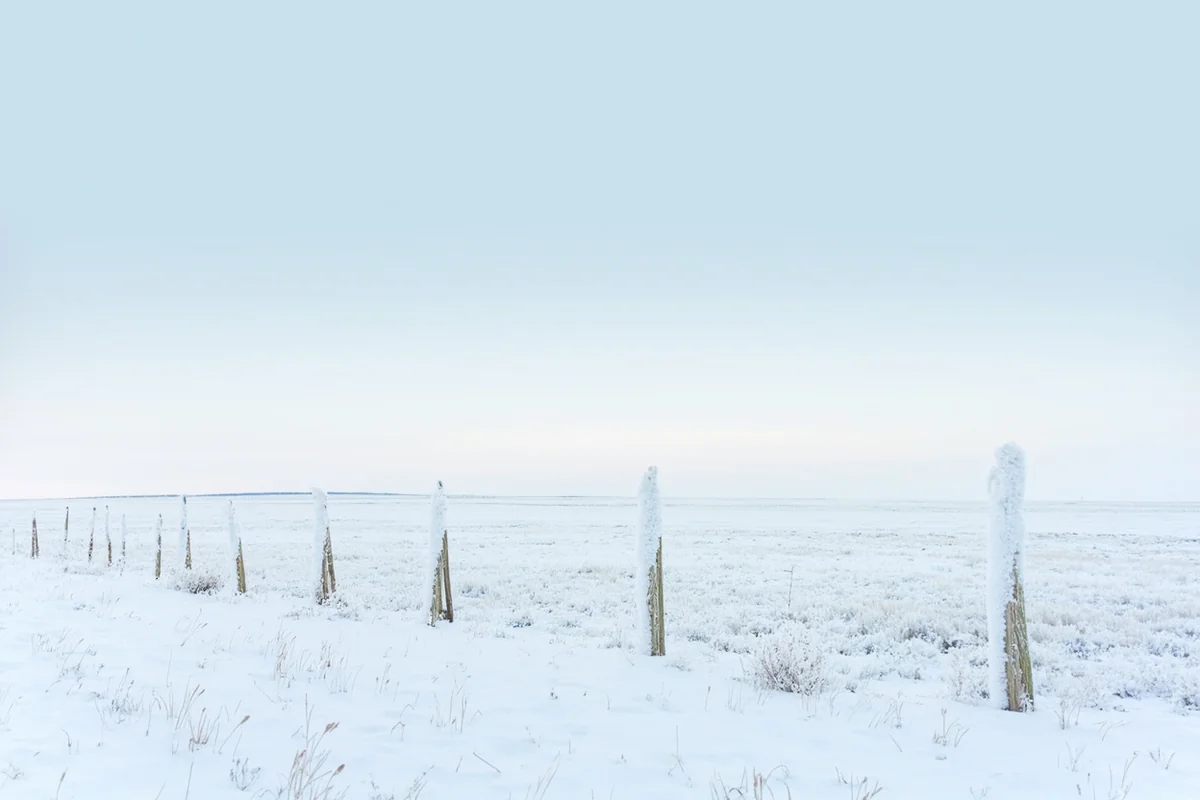
Finally, many visitors from further east underestimate Montana winter. Roosevelt County winters are not the mild cold of the coasts — temperatures regularly fall to -20°F or colder, roads close, and towns become genuinely isolated. If you’re reading this and considering a January visit, the honest answer is: come back in June.
Final Thoughts
Roosevelt County rewards visitors who come with patience and genuine curiosity. This isn’t a county that hands its best moments over immediately — it asks you to slow down, to drive a road you’ve never heard of, and to talk to people who’ve spent their whole lives making sense of this particular corner of the world.
What stays with me most from time spent here is the quality of the quiet. Not the absence of things to do, but the presence of space — actual, physical space that most of the country has traded away for convenience. On the Hi-Line east of Wolf Point, you can still stand outside and hear nothing made by human hands, and that has its own value that’s difficult to articulate and impossible to manufacture.
If northeastern Montana intrigues you, don’t limit yourself to one county. Fallon County further east and Garfield County to the south both offer different textures of the same broad landscape. But Roosevelt County, with its layered Native heritage, its wild rodeo tradition, and its honest working-town character, is a strong place to start.
How We Researched This Guide
This guide is based on multiple visits to Roosevelt County across different seasons, including time spent during the Wild Horse Stampede period and on early-season fishing trips along the Missouri River.
Firsthand conversations with staff at the Assiniboine and Sioux Cultural Center, local fishing guides, and Wolf Point area businesses informed the practical details throughout.
Fishing regulations and permit requirements were verified directly with Montana Fish, Wildlife & Parks and the Fort Peck Tribes Fish, Wildlife, Parks & Recreation department.
Accommodation and event information was cross-referenced with the Wolf Point Chamber of Commerce and official tribal tourism resources.
Frequently Asked Questions
What is the best time of year to visit Roosevelt County, Montana?
The best time to visit Roosevelt County is late spring through early fall, roughly May through September, when temperatures are mild and the roads to Fort Peck Lake and surrounding prairies are accessible. Summer highs typically reach the mid-80s°F, making it comfortable for fishing, hiking, and exploring the Hi-Line region. If you’re chasing wildlife or want fewer crowds, September is a sweet spot with cooler temps and stunning golden prairie landscapes.
What is Roosevelt County, Montana best known for among travelers?
Roosevelt County is best known for its rich Native American heritage, particularly its connection to the Fort Peck Indian Reservation, home to the Assiniboine and Sioux tribes. Travelers also come for exceptional paddlefish snagging on the Yellowstone River near Culbertson, wide-open prairie scenery, and a genuine off-the-beaten-path Montana experience. It’s one of the least-touristed corners of the state, which makes it especially appealing for travelers who want authentic rural Montana without the crowds.
How far is Roosevelt County from major Montana cities like Billings or Great Falls?
Roosevelt County’s county seat, Wolf Point, sits about 280 miles northeast of Billings and roughly 290 miles northeast of Great Falls, making it a solid half-day drive from either city. Most travelers reach the area via US Highway 2, known as the Hi-Line, which runs east-west across northern Montana. I’d recommend planning an overnight stop if you’re driving from western Montana, as the drive is long but scenic across the northern plains.
What should I pack for a trip to Roosevelt County, Montana?
Pack layers no matter the season, since northeastern Montana weather can shift quickly from warm afternoons to surprisingly cold evenings, even in July. Insect repellent is a must during summer months near the Yellowstone River and wetland areas. If you’re heading out for paddlefish season or wildlife watching, bring polarized sunglasses, sun protection, and plenty of water since services are sparse once you leave Wolf Point or Culbertson.
Is Roosevelt County, Montana worth visiting for outdoor activities and fishing?
Absolutely, especially if paddlefish snagging is on your bucket list — the stretch of the Yellowstone River near Culbertson draws anglers from across the country each spring, typically April through June. The region also offers excellent upland bird hunting in fall, decent walleye and catfish fishing, and birding opportunities in the prairie wetlands. Just keep in mind that amenities are limited, so you’ll want to come prepared with gear, snacks, and a flexible attitude toward rustic travel.
How much does a trip to Roosevelt County, Montana typically cost?
Roosevelt County is one of Montana’s more budget-friendly destinations since lodging, meals, and fuel tend to be cheaper than in tourist-heavy areas like Glacier or Yellowstone. Expect to pay $80–$130 per night for a motel in Wolf Point, and most local diners serve filling meals for under $20. Paddlefish snagging licenses are an additional cost — a nonresident combination fishing license runs around $100–$111 depending on the year, so factor that in if fishing is your main reason for visiting.
Are there any cultural or historical sites to visit in Roosevelt County, Montana?
Yes, the Tribal Assiniboine and Sioux Cultural Center and Museum in Wolf Point is a worthwhile stop to learn about the history and traditions of the Fort Peck Indian Reservation’s tribal nations. The annual Wolf Point Wild Horse Stampede, held each July and billed as Montana’s oldest rodeo, is a major cultural highlight that draws visitors from across the region. I’d also recommend driving through Poplar, the reservation’s administrative center, and stopping at local businesses to support the tribal community while you’re there.