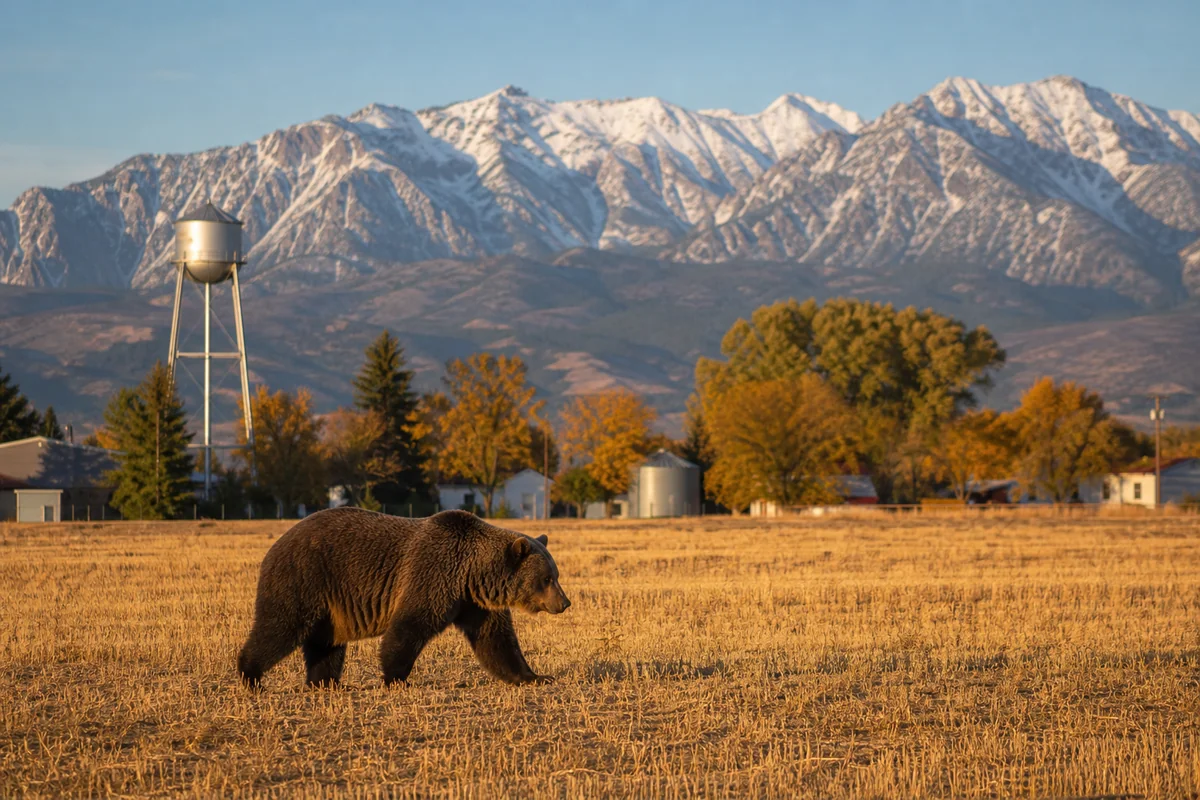
Standing at the edge of Choteau on a cold October morning, watching a grizzly bear saunter across a harvested wheat field less than a mile from Main Street, it hit me that Teton County is one of Montana’s most misunderstood places. This is not just a pass-through county — it’s a destination that rewards the curious, and it’s part of the remarkable tapestry of the 56 Montana Counties that make this state endlessly explorable.
- Teton County sits along the stunning Rocky Mountain Front — one of North America’s most dramatic geological transitions.
- Choteau is the county seat and the main base for visitors exploring the area’s dinosaur sites, wildlife, and hiking.
- The Bob Marshall Wilderness Complex is accessible from here — one of the largest roadless areas in the lower 48.
- Elk, grizzly bears, and migratory birds are all regularly spotted near town, especially in fall and spring.
- This is a genuine off-the-beaten-path Montana destination — plan ahead because services are limited.
- Best visited May through October, though winter has its own stark, quiet appeal.
Liked this article?
Add Roaming Montana as a preferred source so you see more of our articles and guides on Google.
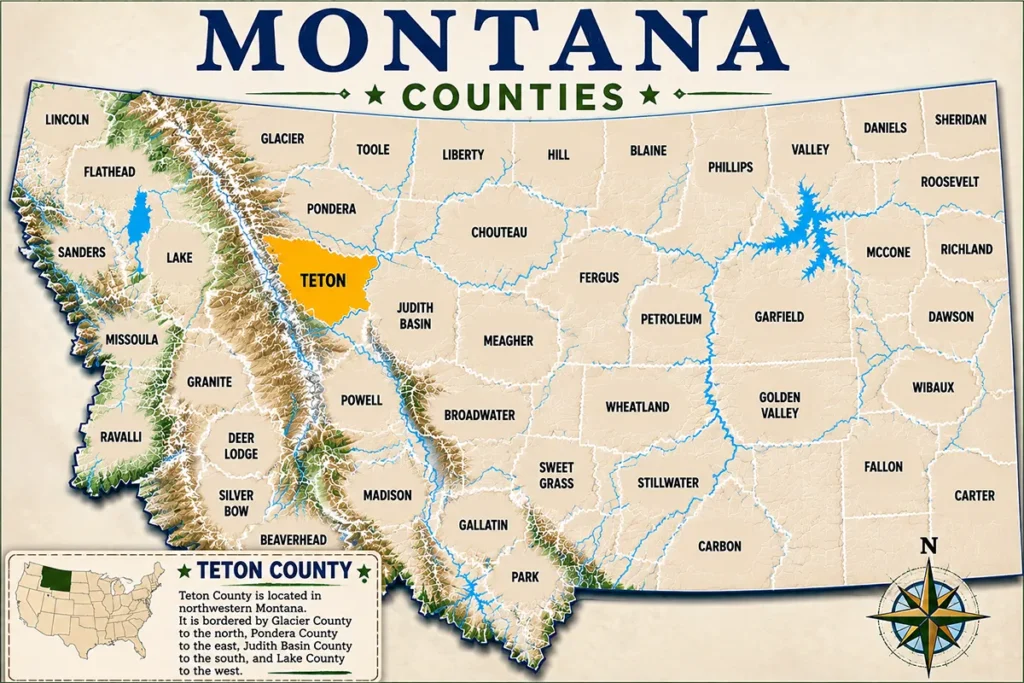
Where Exactly Is Teton County?
Teton County occupies a striking stretch of north-central Montana, wedged between the Great Plains and the jagged peaks of the Rocky Mountain Front. The county covers roughly 2,273 square miles, and its eastern half is wide-open high plains while its western edge crashes into some of the most dramatic mountain terrain in the American West.
The county seat is Choteau (pronounced “SHOW-toe” — an easy mistake to make and one that immediately identifies out-of-towners). Fairfield, Dutton, and Power are smaller communities spread across the county’s agricultural heartland.
Geographically, Teton County borders Glacier County to the north, Pondera County to the northwest, and Cascade County to the south. That position on the Front makes it one of the best wildlife-watching corridors in the entire state.
The Rocky Mountain Front: Why It Matters
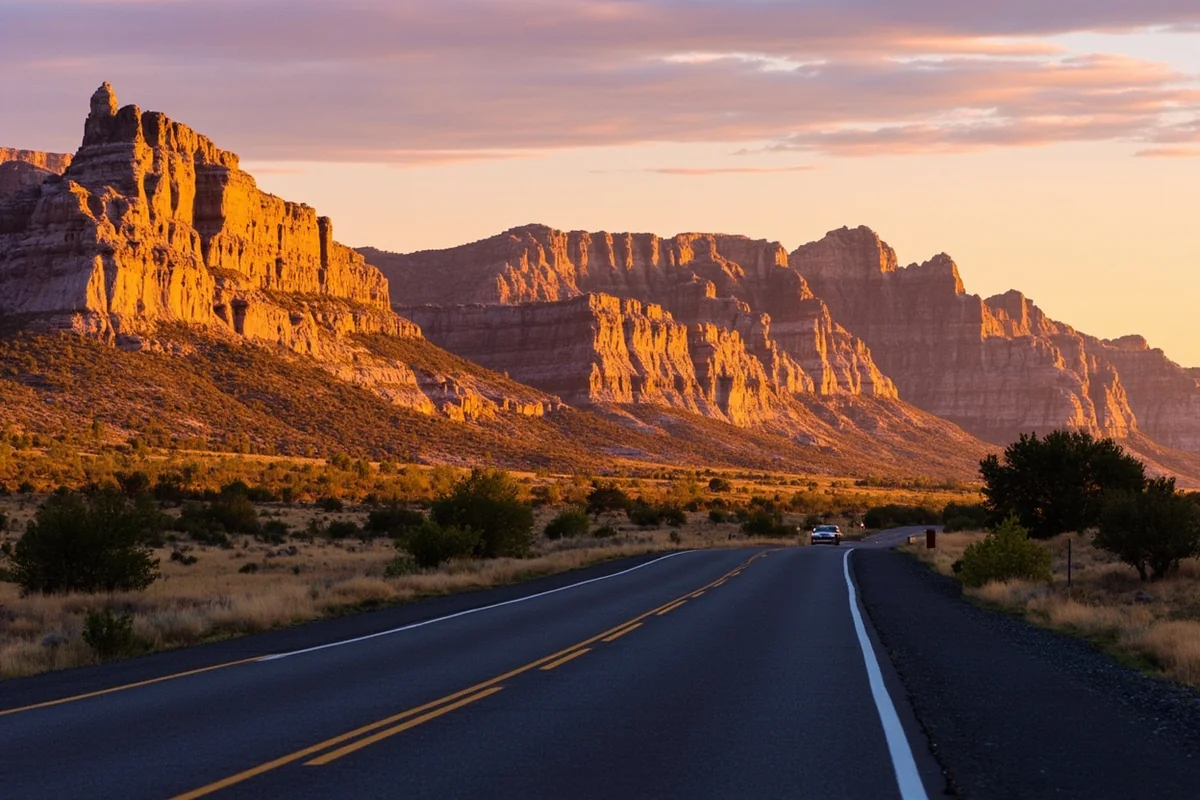
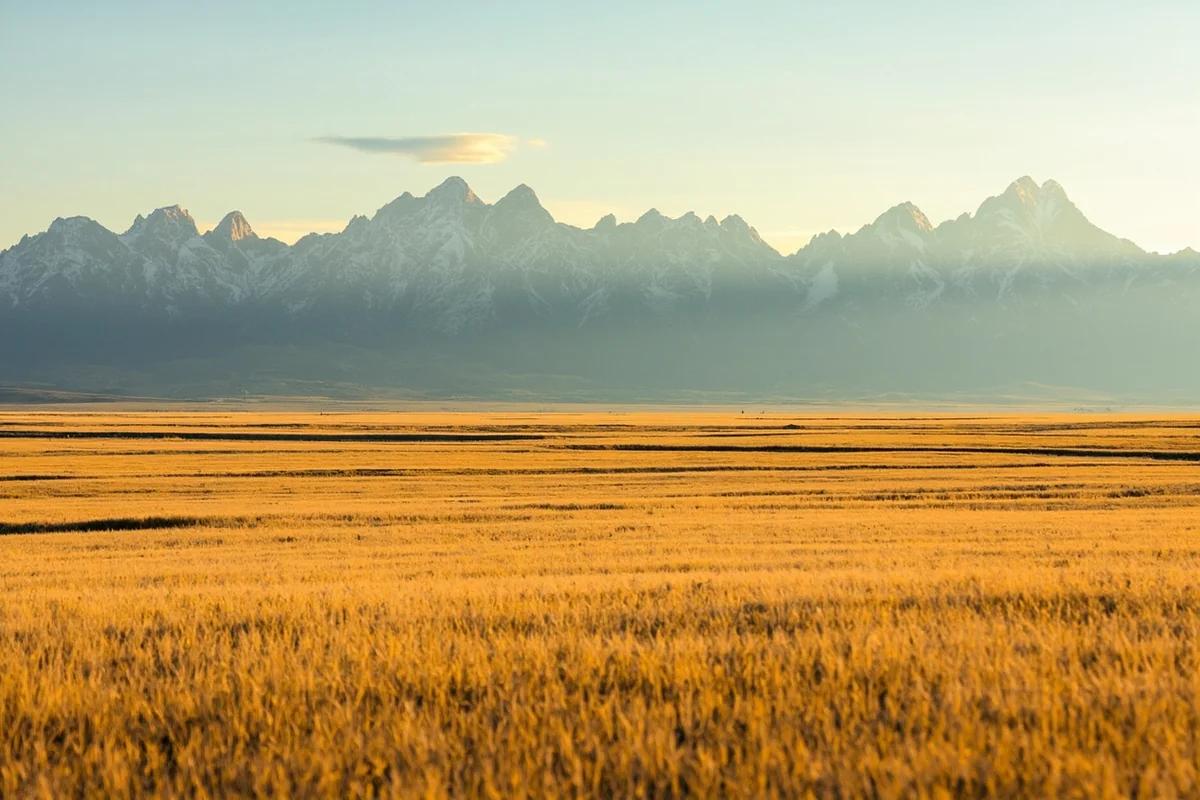
The Rocky Mountain Front is the defining feature of Teton County — and frankly, it’s one of the most spectacular geological transitions in North America. Drive west out of Choteau on a clear morning and the mountains simply erupt from the flatlands without foothills or warning.
This abrupt wall of limestone and shale runs for hundreds of miles and creates a unique ecological meeting point. Cold arctic air funnels down from Canada, warm Chinook winds sweep up from the south, and the resulting climate variation creates habitat for an extraordinary range of species.
The Front is also one of the last places in the lower 48 where grizzly bears regularly move out of the mountains and forage on the open plains. According to Montana Fish, Wildlife & Parks, the Northern Continental Divide Ecosystem — which includes this stretch of the Front — supports one of the largest and most viable grizzly populations outside of Alaska.
What surprised me most, on my first visit, was how close the bears actually come to town. This isn’t a “maybe you’ll see wildlife” situation. During October, grain-field foraging puts grizzlies within sight of county roads almost daily.
Choteau: The Heart of Teton County
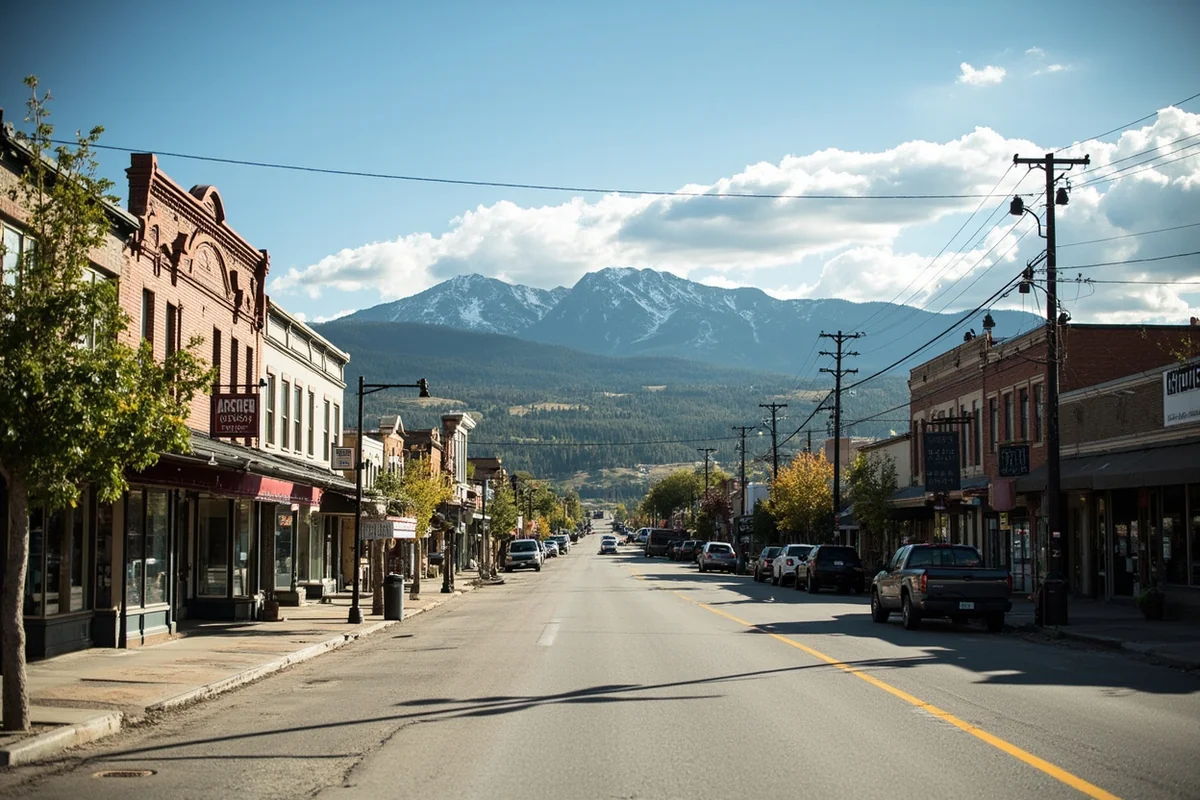
Choteau is a small town of roughly 1,700 people, but it punches well above its weight in terms of what it offers visitors. The main drag has a grocery store, several good local restaurants, a motel or two, and an old-fashioned hardware store that looks like it hasn’t changed since 1975 — in the best possible way.
The town has a laid-back, working-ranch character that feels completely authentic. Locals are genuinely friendly and happy to give advice, though they’ll give you a curious look if you roll in with $80,000 worth of camera gear and no idea what a Chinook is.
One thing worth knowing: Choteau closes up early. Most restaurants stop seating by 8 p.m., and options on Sunday are genuinely limited. Plan grocery runs and dinner reservations accordingly — this is not a place where you can wing it at 9 p.m.
Where to Stay in Choteau
Accommodation in Teton County is limited but functional. The main options are a handful of motels in Choteau, a few vacation rentals scattered across the county, and some ranch-stay experiences that offer a more immersive visit.
Motel rates typically range from around $90 to $150 per night depending on the season, with peak wildlife-watching periods in October commanding higher prices. Ranch stays vary considerably — expect to pay more, but the experience of waking up on a working cattle ranch against the backdrop of the Front is genuinely unforgettable.
Booking ahead is non-negotiable during September and October. What most visitors get wrong is assuming that because Teton County is remote, rooms will always be available. During hunting season and fall wildlife-watching season, everything fills up weeks in advance.
Where to Eat in Choteau
The dining scene is small but satisfying. The local bar and grill is the social hub of the county, and the burgers and steaks are exactly what you want after a day in the field. There’s also a well-regarded bakery that does a roaring morning trade, and a diner-style breakfast spot that opens early — critical if you’re heading out for dawn wildlife watching.
Don’t expect craft cocktails or farm-to-table menus. Expect honest, generous portions, reasonable prices, and the chance to sit next to a fifth-generation Montana rancher who has stories you couldn’t invent.
Top Things to Do in Teton County
Egg Mountain and the Old Trail Museum
Choteau’s most famous claim to national scientific attention is Egg Mountain — the site where paleontologist Jack Horner made discoveries in the 1970s and 1980s that fundamentally changed our understanding of dinosaur behavior. The hadrosaur nesting sites found here provided the first solid evidence that dinosaurs cared for their young, a revelation that reframed decades of scientific thinking.
The Old Trail Museum in Choteau does an excellent job of telling this story. It’s small, locally run, and genuinely fascinating — the kind of museum where the volunteers know as much as any curator. Entry is typically very affordable, usually just a few dollars at the time of writing.
Guided tours to the actual Egg Mountain site are offered through the museum in summer. These fill up, so book ahead. What most travel guides skip is the fact that the site itself is on private land, and the museum-run tours are essentially the only legitimate way to visit — showing up on your own isn’t an option.
Wildlife Watching Along the Rocky Mountain Front
This is, honestly, the main event. The combination of open agricultural land, wetlands, and immediate mountain access creates a wildlife corridor that is extraordinary by any measure.
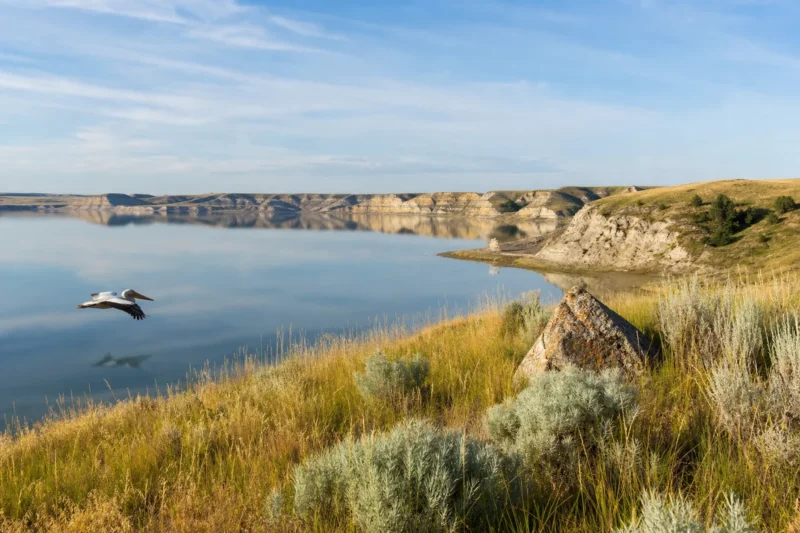
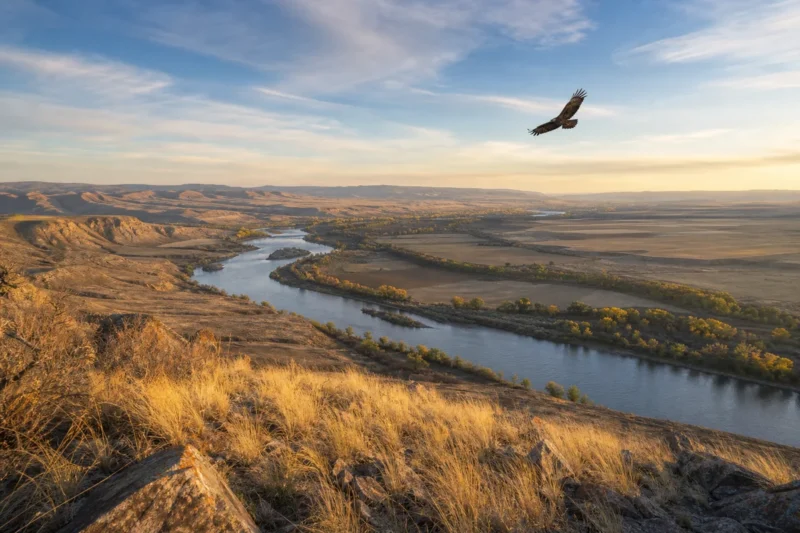
Grizzly bears are the headliner in fall, but the supporting cast is equally impressive. Elk herds move through the Front in large numbers during October and November. Mule deer and whitetails are common on the plains. Golden eagles are a near-constant presence overhead. In spring and early summer, the wetlands west of Choteau attract impressive concentrations of migrating waterfowl and shorebirds.
The stretch of US Highway 89 between Choteau and Bynum is one of the best wildlife drives in Montana — and almost nobody outside the state knows about it. Pull-outs are informal, so be prepared to simply stop on the shoulder. Early morning and late afternoon are peak activity windows, and the last two hours of daylight in October are when grizzly sightings near grain fields are most common.
Bob Marshall Wilderness Complex
The western edge of Teton County is your gateway to one of the most significant wilderness areas in the United States. The Bob Marshall Wilderness, along with the adjacent Scapegoat and Great Bear Wilderness areas, forms a contiguous roadless block of over 1.5 million acres — larger than Yellowstone National Park.
Access from the Teton County side is via several trailheads along the Rocky Mountain Front. The Teton Canyon area, west of Choteau, offers excellent day hiking with relatively modest elevation gain before the terrain gets serious. The Chinese Wall — a dramatic 1,000-foot limestone escarpment deep in the Bob — is a multi-day backcountry objective that is on a lot of serious hikers’ bucket lists.
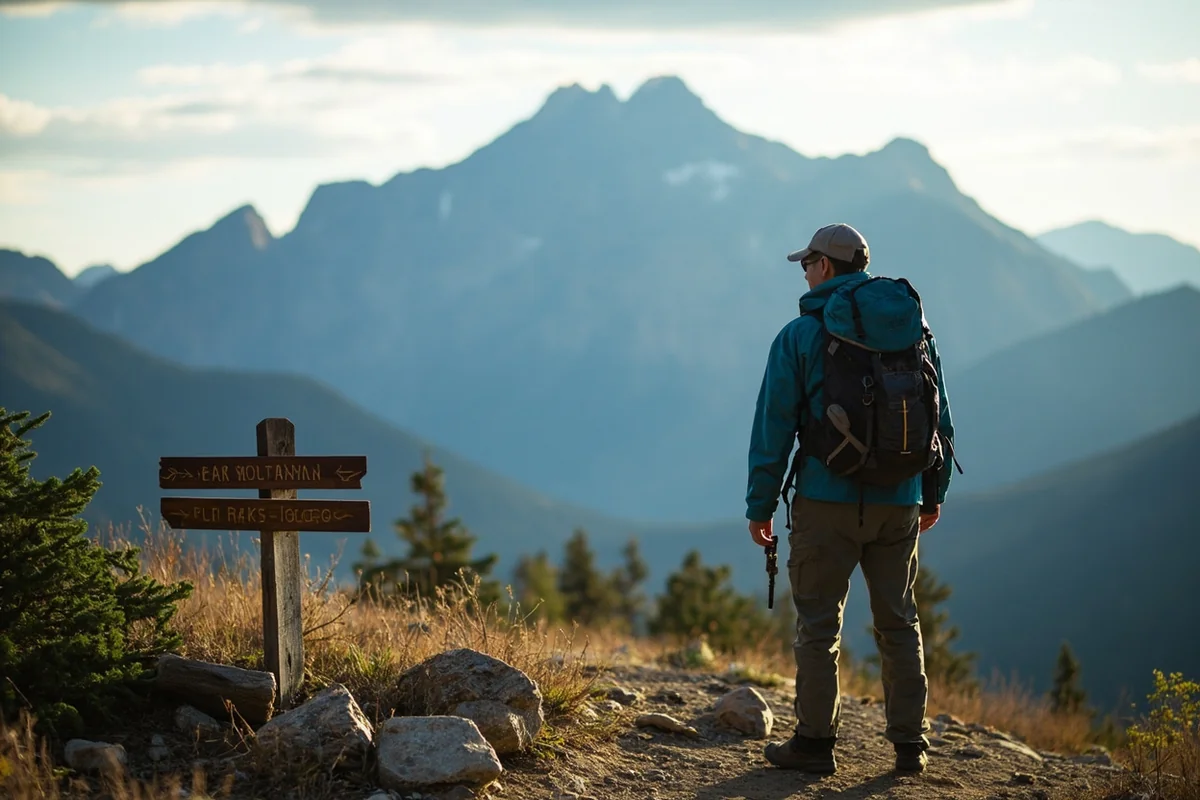
Day hikers can get a real taste of the Front from shorter routes. The trail to Ear Mountain, west of Choteau, offers sweeping views and is manageable for fit hikers in a half day. For those considering backcountry travel in the Bob, checking current conditions and bear activity with the US Forest Service’s Rocky Mountain Ranger District is strongly recommended before any trip.
Teton Pass Ski Area
Winter visitors have a genuinely excellent option in Teton Pass Ski Area, a small, family-run mountain that offers uncrowded terrain and a refreshingly old-school ski experience. There are no lift lines to speak of, no resort-level prices, and a genuine sense that skiing is still primarily a local activity here rather than a packaged experience.
The mountain sits at the western edge of Teton County and gets solid snowfall thanks to its proximity to the Front. It’s not a destination resort by any stretch, but if you’re already in the area in winter, it’s a genuinely fun half-day on snow.
Freezout Lake Wildlife Management Area
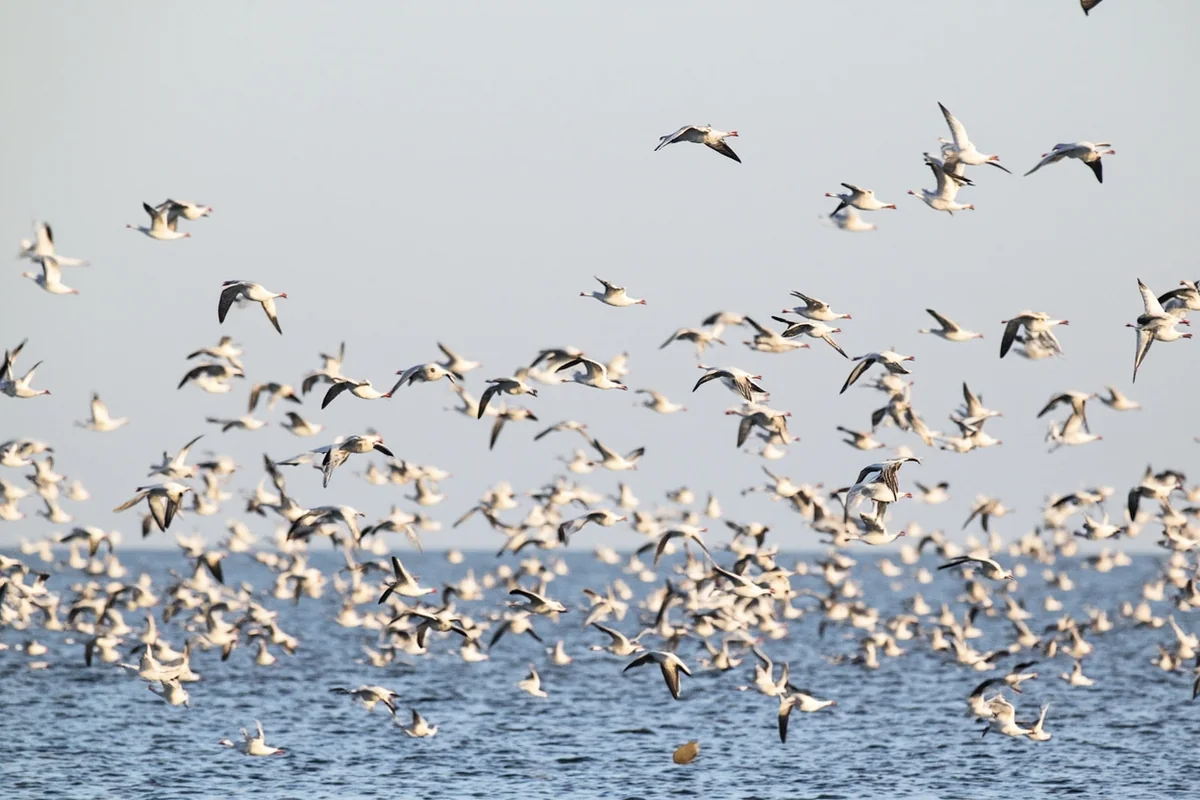
Just south of Choteau, Freezout Lake is one of Montana’s premier waterfowl staging areas. According to Montana Fish, Wildlife & Parks, the lake and surrounding wetlands host some of the largest concentrations of migrating snow geese and tundra swans in the state — numbers that can reach into the hundreds of thousands during peak migration in March and April.
Visiting during the spring migration is one of those genuinely jaw-dropping wildlife experiences that Montana keeps delivering. The sound alone — hundreds of thousands of geese lifting off at once — is something that stays with you. There’s no fee to access the area, and the viewing can be done entirely from your vehicle along the access roads, which makes it accessible for all fitness levels.
Fishing in Teton County
The Teton River runs through the county and offers solid fishing for brown trout and rainbow trout, particularly in the reach west of Choteau. The river is small and wade-able, which makes it approachable for fly fishers who prefer more intimate water over the heavily trafficked blue-ribbon rivers of southwest Montana.
Access points are scattered along county roads, and the fishing pressure is genuinely light compared to rivers like the Madison or the Gallatin. A Montana fishing license is required — these are available online through Montana Fish, Wildlife & Parks, and prices vary by residency and duration at time of purchase.
Suggested Itinerary
Teton County rewards at least two full days, though a long weekend gives you enough time to hit the highlights without rushing.
Day 1: Arrive, Orient, and Explore Town
Arrive in Choteau by mid-morning and start at the Old Trail Museum. Spend an hour or two getting the geological and paleontological context for what you’re about to see in the landscape — it genuinely changes how you look at everything.
After lunch in town, drive west on Highway 89 toward Bynum and then take one of the forest service roads toward Teton Canyon. A short afternoon hike into the canyon gives you your first real look at the Front up close. Return to Choteau for an early dinner and a sunset walk along the edge of town — on clear evenings, the mountain silhouette against the orange sky is extraordinary.
Day 2: Wildlife and Wilderness
Rise before dawn. This is non-negotiable. Drive west of town and position yourself near agricultural fields or along Highway 89 before first light. The two hours around sunrise are when wildlife activity is highest, and in fall this is your best window for grizzly sightings.
Mid-morning, visit Freezout Lake if you’re traveling in spring or fall. Even outside peak migration, there are usually interesting birds present. In summer, the area is quieter but still worth a stop.
In the afternoon, consider a longer hike — the Ear Mountain trail is a solid choice that returns views you’ll photograph repeatedly. Wind down with dinner in Choteau and, if you have a third day, book a guided tour to Egg Mountain for the morning.
Day 3 (Optional): Deep Wilderness or Day Trip
A third day opens up options. If you’re a serious backpacker, this is when you start a multi-day trip into the Bob Marshall Wilderness. If day hiking is more your speed, explore further south along the Front toward the Sawtooth Ridge area.
Alternatively, a short drive south into Cascade County and Great Falls gives you a very different Montana experience — the Lewis and Clark Interpretive Center there is one of the best in the region.
What Most Visitors Get Wrong About Teton County
The biggest mistake is underestimating how rural this county is. Cell service drops in and out west of Choteau, and there are stretches of forest service road where you genuinely won’t see another vehicle for hours. Downloading offline maps before you head out is not optional — it’s basic safety preparation.
The second common error is timing wildlife watching poorly. Driving the Front at midday in August and wondering where the animals are is a frustrating experience. Dawn and dusk are the only windows that reliably produce sightings, full stop.
A third mistake: people assume the Bob Marshall Wilderness is accessible for a casual afternoon walk. Parts of it are — the trail systems near the Front are well-maintained and approachable. But the deeper you go, the more prepared you need to be. Bear spray is mandatory (not optional) in any backcountry setting in this county. On my first serious day hike here, I came across fresh grizzly digging within a mile of the trailhead — a useful reminder that “bear country” means exactly that.
Finally, don’t leave without talking to someone local. The staff at the Old Trail Museum, the folks at the ranger station, the woman running the bakery — these people know things about Teton County that aren’t on any travel website, and they’re almost always happy to share.
Practical Information for Visitors
| Category | Details |
|---|---|
| County Seat | Choteau |
| Nearest Major Airport | Great Falls International (GTF), approximately 1 hour south |
| Best Time to Visit | May–June (spring migration, wildflowers), September–October (fall wildlife, hunting season atmosphere) |
| Accommodation Range | Typically $90–$150/night for motels; ranch stays vary and cost more |
| Cell Coverage | Reliable in Choteau; spotty to non-existent west of town and in mountain areas |
| Key Wildlife | Grizzly bear, elk, mule deer, golden eagle, snow goose, tundra swan |
| Bear Spray | Mandatory for any backcountry hiking — available in Choteau at local outfitters |
| Gas | Fill up in Choteau before heading west — no services along mountain roads |
| Fishing License | Required — purchase via Montana Fish, Wildlife & Parks online or in Choteau |
| Emergency Services | Benefis Teton Medical Center in Choteau; nearest major hospital in Great Falls |
How Teton County Compares to Other Montana Counties
Montana’s county diversity is one of its great strengths as a travel destination, and Teton County occupies a genuinely unique niche. If you’ve visited Flathead County and loved the Glacier National Park experience, Teton County offers something adjacent but quieter — similar mountain drama with almost none of the crowds.
Compared to Gallatin County, which has boomed dramatically (it’s consistently ranked among Montana’s fastest-growing counties), Teton County feels frozen in time in the best way. There’s no Instagram crowd at the trailheads. There are no influencer tours of the wilderness. Just the land, the animals, and the people who have lived alongside both for generations.
Counties like Blaine County to the east and Chouteau County to the northeast share that wide-open high plains character, but neither has the Rocky Mountain Front as a western anchor. That geological drama is what sets Teton County apart.
Visitors interested in the paleontology angle might also enjoy exploring Fergus County and its dinosaur country connections, or comparing notes with the fossil sites of Carbon County in the south.
Getting to Teton County
Most visitors fly into Great Falls International Airport, roughly an hour’s drive south of Choteau via US Highway 89. The drive itself is worth your attention — the transition from the Great Plains to the mountain edge happens gradually along this corridor, and you can watch the Front grow larger through your windshield over the final 30 miles.
Renting a car is essential. There is no meaningful public transportation in Teton County, and the best experiences here require you to be mobile on your own schedule. A high-clearance vehicle is useful but not strictly necessary unless you plan to explore forest service roads in wet conditions. Four-wheel drive becomes relevant if you’re visiting in winter or early spring.
Highway 89 is well-maintained year-round, but secondary roads can become impassable in winter and early spring mud season. The Montana Department of Transportation’s road condition reporting system is worth bookmarking before any visit.
Final Thoughts
Teton County is the kind of place that rewards people who are willing to slow down, wake up early, and pay attention. The wildlife is real and abundant, the landscape is genuinely dramatic, and the sense of scale — standing on the plains watching weather roll in off the mountains — is the kind of thing that recalibrates your perspective in ways that a week in a resort never could.
What stays with me from visits here isn’t one particular moment but an accumulation of them: the sound of geese at Freezout Lake before sunrise, the fresh-dug soil of a bear’s foraging hole on a morning hike, the way Choteau’s Main Street looks at dusk with the Front glowing behind it. These aren’t manufactured experiences. They’re just what happens when you show up to a place that hasn’t been packaged for tourism yet.
If you’re building a Montana itinerary and this county isn’t on it, it probably should be. It’s not flashy. It won’t trend on social media. But it is profoundly, distinctly Montana — and that’s the point.
How We Researched This Guide
This guide is based on multiple visits to Teton County across different seasons, including fall wildlife-watching trips and spring migration visits to Freezout Lake, combined with firsthand exploration of the county’s hiking trails, towns, and paleontology sites.
Information was verified with Montana Fish, Wildlife & Parks, the US Forest Service’s Rocky Mountain Ranger District, the Old Trail Museum in Choteau, and the Montana Department of Transportation.
Conversations with local business owners, outfitters, and long-time residents in Choteau informed the practical tips and insider observations throughout.
Frequently Asked Questions
What is the best time of year to visit Teton County, Montana?
The best time to visit Teton County, Montana is late spring through early fall, roughly May through September, when roads are clear and outdoor activities like hiking and fishing are fully accessible. Summer brings warm days ideal for exploring the Rocky Mountain Front, while fall offers stunning foliage and excellent elk hunting opportunities with far fewer crowds.
What is Teton County, Montana known for?
Teton County is best known for its dramatic position along the Rocky Mountain Front, offering incredible wildlife viewing, world-class fishing on the Teton River, and access to the vast Lewis and Clark National Forest. The county seat of Choteau is a popular base for dinosaur enthusiasts, as the region is home to Egg Mountain, one of the most significant dinosaur nesting sites ever discovered in North America.
How far is Teton County, Montana from Great Falls?
Teton County, Montana is approximately 60 to 80 miles northwest of Great Falls, depending on your exact destination within the county, making it an easy hour-and-a-half drive. Great Falls is the nearest city with a commercial airport, so most travelers fly into Great Falls Airport and rent a car for the scenic drive up to Choteau and the surrounding area.
What should I pack for a trip to Teton County, Montana?
I’d strongly recommend packing layers regardless of the season, since temperatures along the Rocky Mountain Front can shift dramatically in a single day, especially near the mountains. Bring sturdy hiking boots, bear spray if you plan on backcountry adventures, insect repellent for summer visits, and rain gear since afternoon storms are common throughout the warmer months.
How much does it cost to visit Teton County, Montana for a weekend trip?
A budget-conscious weekend in Teton County can be done for around $300 to $500 per person, covering a motel room in Choteau averaging $80 to $130 per night, meals at local diners, and free or low-cost outdoor activities like hiking and wildlife watching. If you plan to fish, factor in a Montana fishing license which runs about $15 to $25 for a two-day non-resident license, and guided tours or dinosaur site visits can add another $50 to $150 to your budget.
Are there good camping options in Teton County, Montana?
Yes, Teton County has several solid camping options, including developed campgrounds within the Lewis and Clark National Forest and along the Teton River corridor that typically cost between $10 and $25 per night. Ear Mountain Outstanding Natural Area and nearby Forest Service sites are popular with campers looking to combine stargazing with wildlife viewing, and dispersed camping is permitted in many parts of the national forest for free with proper planning.
What wildlife can I expect to see in Teton County, Montana?
Teton County offers some of the best wildlife viewing in Montana, with regular sightings of grizzly bears, black bears, wolves, elk, pronghorn, and golden eagles along the Rocky Mountain Front. The Freezout Lake Wildlife Management Area, located in the eastern part of the county, is a world-famous migration stopover where hundreds of thousands of snow geese and tundra swans gather each spring, typically peaking in late March and early April.