Nestled in the heart of Montana’s Golden Triangle, Benton Lake National Wildlife Refuge stands as a testament to the state’s commitment to preserving its diverse ecosystems. Established on November 21, 1929, this sprawling sanctuary encompasses 12,383 acres of pristine wetlands, grasslands, and prairie potholes. Located just 10 miles north of Great Falls, the refuge offers visitors a unique glimpse into the natural wonders of the Northern Great Plains.
Benton Lake, despite its name, is not actually a lake but a shallow wetland basin fed by Muddy Creek and spring runoff from the nearby Highwood Mountains. This expansive wetland system, combined with the surrounding uplands, creates a mosaic of habitats that support an incredible diversity of wildlife, particularly migratory birds.
The refuge’s strategic location along the Central Flyway makes it a crucial stopover for hundreds of thousands of waterfowl, shorebirds, and other migratory species. During peak migration seasons, the skies above Benton Lake come alive with the sights and sounds of countless birds, offering nature enthusiasts and birdwatchers an unforgettable experience.
As part of the National Wildlife Refuge System, Benton Lake plays a vital role in wildlife conservation, habitat protection, and public education. Its establishment nearly a century ago was a forward-thinking move to protect this unique ecosystem from the pressures of agricultural development and urbanization that were rapidly transforming the Montana landscape.
Today, Benton Lake National Wildlife Refuge continues to serve as a haven for wildlife and a treasured destination for those seeking to connect with nature. Whether you’re a seasoned birder, a photography enthusiast, or simply someone looking to escape the hustle and bustle of daily life, this remarkable refuge offers a window into the wild heart of Montana.
Table of Contents
The Unique Ecosystem of Benton Lake
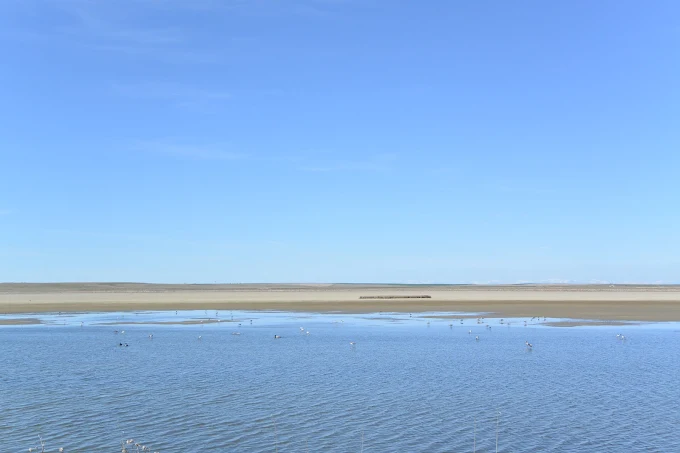
Benton Lake National Wildlife Refuge in Montana boasts a diverse and captivating ecosystem that serves as a haven for an array of wildlife. At the heart of this remarkable refuge lies a complex network of wetlands and grasslands, creating a mosaic of habitats that support a rich biodiversity.
The wetlands of Benton Lake are a defining feature of the refuge, comprising shallow marshes, ponds, and seasonal wetlands. These aquatic environments are fed by snowmelt, rainfall, and groundwater, creating a dynamic landscape that shifts with the seasons. The wetlands play a crucial role in water filtration, flood control, and provide essential breeding grounds for numerous waterfowl species.
Surrounding the wetlands, vast expanses of native grasslands stretch across the refuge. These prairie ecosystems are dominated by a variety of grasses, including rough fescue, bluebunch wheatgrass, and needle-and-thread grass. Interspersed among the grasses are colorful wildflowers that bloom throughout the growing season, adding splashes of color to the landscape and supporting vital pollinators.
The interplay between wetlands and grasslands creates a diverse array of microhabitats, each supporting its own unique community of plants and animals. This ecological diversity is one of the key factors that make Benton Lake such a significant refuge for wildlife.
The refuge is home to an impressive variety of bird species, with over 240 species recorded. Waterfowl such as northern pintails, American wigeons, and Canada geese find ideal nesting and feeding grounds in the wetlands. Shorebirds like American avocets and Wilson’s phalaropes frequent the mudflats, while grassland birds such as Sprague’s pipits and chestnut-collared longspurs thrive in the prairie habitats.
Mammals also play an important role in the ecosystem. Pronghorn antelope graze on the grasslands, while muskrats and beaver make their homes in the wetlands. Predators like coyotes and red foxes help maintain the balance of prey populations.
The unique ecosystem of Benton Lake also supports a variety of reptiles, amphibians, and insects. Western painted turtles bask on logs in the wetlands, while chorus frogs provide a soundtrack to spring evenings. Dragonflies and damselflies dart above the water’s surface, playing their part in the intricate food web of the refuge.
This remarkable diversity of life at Benton Lake National Wildlife Refuge is a testament to the importance of preserving and protecting these vital ecosystems. As visitors explore the refuge, they have the opportunity to witness firsthand the intricate relationships between the land, water, and wildlife that make this corner of Montana truly special.
Birdwatching Paradise: Avian Species at Benton Lake
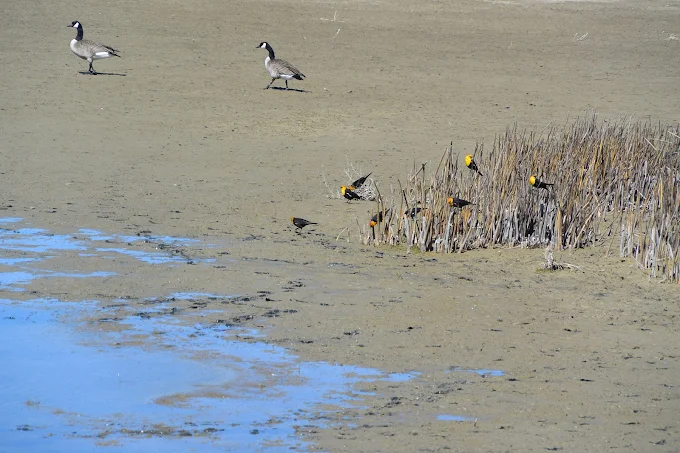
Benton Lake National Wildlife Refuge is a birdwatcher’s dream, offering a diverse array of avian species throughout the year. This wetland oasis in the midst of Montana’s arid landscape serves as a crucial stopover for migratory birds and a permanent home for many resident species.
Notable bird species at Benton Lake include the majestic Sandhill Crane, whose distinctive calls echo across the refuge during migration seasons. Visitors may also spot the elusive American Bittern, expertly camouflaged among the reeds, or witness the graceful flight of the White-faced Ibis. The refuge is also home to numerous waterfowl species, including Northern Pintails, American Wigeons, and the striking Cinnamon Teal.
Raptors are well-represented at Benton Lake, with Swainson’s Hawks, Northern Harriers, and the occasional Peregrine Falcon patrolling the skies. Bald Eagles are known to nest within the refuge boundaries, offering lucky visitors a chance to observe these iconic birds of prey.
Migration patterns at Benton Lake follow the rhythms of the seasons. Spring migration, typically from late March through May, brings a flurry of activity as birds return from their southern wintering grounds. Fall migration, peaking from August to October, offers another spectacular display as birds prepare for their southward journey.
The best seasons for birdwatching at Benton Lake largely depend on the species you hope to observe. Spring and fall migrations offer the greatest diversity and number of birds, with thousands of waterfowl and shorebirds passing through. Summer brings nesting season, where patient observers may witness breeding behaviors and catch glimpses of fledglings. Even winter has its charms, with hardy resident species and winter visitors like Rough-legged Hawks and Snow Buntings braving the cold.
For the most rewarding birdwatching experience, early mornings and late afternoons typically offer the highest bird activity. Don’t forget to bring binoculars, a field guide, and plenty of patience. Whether you’re a seasoned birder or a curious novice, Benton Lake National Wildlife Refuge offers unparalleled opportunities to connect with nature and marvel at the incredible diversity of avian life.
Mammals and Other Wildlife in the Refuge
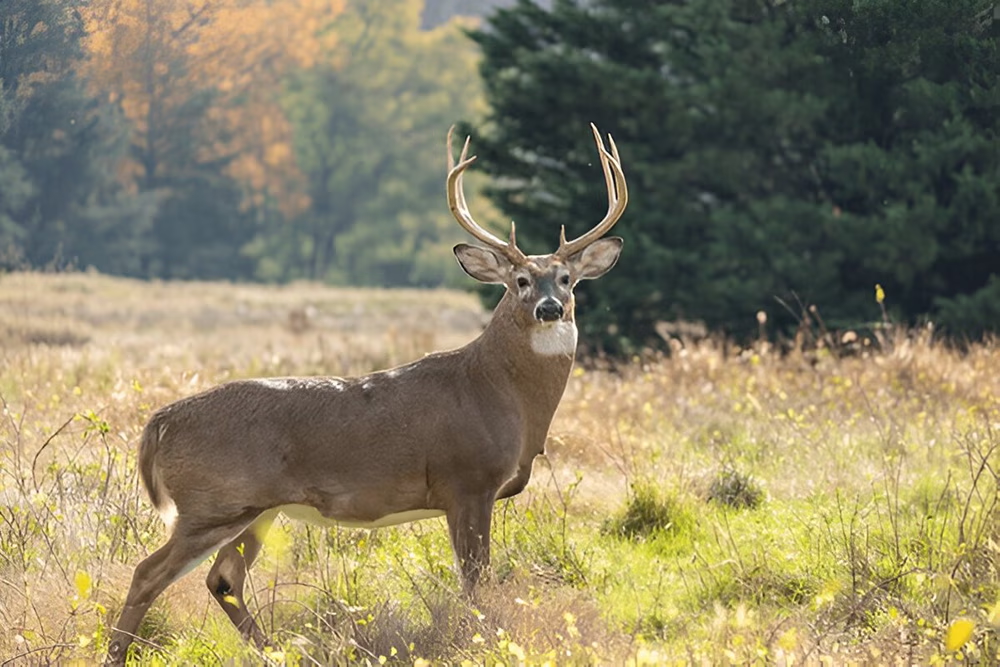
Benton Lake National Wildlife Refuge is home to a diverse array of wildlife beyond its famous avian inhabitants. The refuge’s unique blend of wetlands, grasslands, and shrublands provides ideal habitats for numerous mammals, reptiles, and amphibians.
Common mammals that visitors might encounter include the ever-present white-tailed deer, gracefully bounding through the grasslands. Coyotes can often be heard yipping in the distance, especially during dawn and dusk. The refuge also supports populations of pronghorn antelope, showcasing their impressive speed as they traverse the open plains.
Smaller mammals like the black-tailed prairie dog are a delight to observe, with their intricate colony systems and sentinel behaviors. Visitors might also spot muskrats swimming in the wetlands or catch glimpses of swift foxes darting through the brush.
The refuge’s wetlands are a haven for amphibians. The western chorus frog’s melodious calls fill the air during spring evenings, while the northern leopard frog can be seen leaping among the reeds. The plains spadefoot toad, adapted to the region’s semi-arid conditions, emerges after heavy rains to breed in temporary pools.
Reptiles also thrive in this diverse ecosystem. The prairie rattlesnake, while less commonly seen, plays a crucial role in controlling rodent populations. More frequently encountered are the western painted turtle, basking on logs in the wetlands, and the short-horned lizard, camouflaged against the rocky terrain.
Benton Lake’s varied habitats support an intricate food web, where predators like the American badger and long-tailed weasel help maintain the balance of prey species. This complex ecosystem offers visitors a chance to observe and appreciate the interconnectedness of wildlife in a protected natural setting.
Whether you’re an experienced naturalist or a casual observer, the diverse wildlife of Benton Lake National Wildlife Refuge provides endless opportunities for discovery and appreciation of Montana’s rich natural heritage.
Seasonal Changes at Benton Lake
Benton Lake National Wildlife Refuge in Montana undergoes a remarkable transformation throughout the year, offering visitors a dynamic and ever-changing landscape to explore. Each season brings its own unique charm and wildlife viewing opportunities, making the refuge a year-round destination for nature enthusiasts.
In spring, the refuge comes alive with vibrant energy as migratory birds return to their breeding grounds. The wetlands fill with water from melting snow and spring rains, creating ideal conditions for waterfowl nesting. Visitors can witness the spectacle of courtship displays and the arrival of numerous shorebird species. Wildflowers begin to bloom, painting the prairie with splashes of color.
Summer at Benton Lake is a time of abundance. The grasslands are lush and teeming with life, providing excellent opportunities for wildlife photography. Young birds take their first flights, and mammals like pronghorn antelope are often seen with their offspring. This season is perfect for hiking the refuge trails and observing the diverse ecosystems up close.
As autumn approaches, the refuge prepares for another grand migration. Fall colors paint the landscape in warm hues, and the skies fill with large flocks of waterfowl and other migratory birds stopping to rest and refuel on their journey south. This is an excellent time for birdwatching, as species diversity peaks during the fall migration.
Winter transforms Benton Lake into a serene, snow-covered wonderland. While many birds have departed for warmer climates, hardy year-round residents like rough-legged hawks and snowy owls can be spotted. The frozen landscape offers unique photography opportunities and the chance to observe wildlife adaptations to the harsh Montana winter.
Seasonal activities at the refuge cater to these natural cycles. Spring and fall are prime times for guided birding tours, while summer offers optimal conditions for hiking and wildlife photography workshops. In winter, the refuge hosts special events like eagle watches and provides opportunities for cross-country skiing and snowshoeing when conditions permit.
By visiting Benton Lake National Wildlife Refuge throughout the year, visitors can gain a deeper appreciation for the intricate balance of nature and the importance of preserving these vital ecosystems for future generations.
Visitor Information: Planning Your Trip
Planning a visit to Benton Lake National Wildlife Refuge in Montana requires some forethought to ensure you have the best possible experience. Here’s what you need to know:
Best Times to Visit
The refuge is open year-round, but each season offers a unique experience:
- Spring (April-June): Ideal for birdwatching as migratory birds return. Wildflowers begin to bloom, creating a colorful landscape.
- Summer (July-August): Perfect for hiking and wildlife viewing. Expect warmer temperatures and longer daylight hours.
- Fall (September-November): Witness the spectacular fall migration of waterfowl and shorebirds. Fall colors add to the scenic beauty.
- Winter (December-March): Observe winter residents like bald eagles and rough-legged hawks. Cross-country skiing and snowshoeing opportunities available when conditions permit.
Weather Considerations
Montana’s weather can be unpredictable, so it’s crucial to be prepared:
- Summer: Daytime temperatures can reach 80-90°F (27-32°C). Afternoon thunderstorms are common.
- Winter: Temperatures can drop below 0°F (-18°C). Snowfall is frequent, and wind chill can make it feel even colder.
- Spring/Fall: Expect variable conditions. Temperatures can range from 30-70°F (-1 to 21°C). Be prepared for sudden weather changes.
Always check the local forecast before your visit and dress in layers to accommodate temperature fluctuations throughout the day.
What to Bring
To make the most of your visit to Benton Lake National Wildlife Refuge, consider packing:
- Binoculars: Essential for spotting wildlife, especially birds.
- Camera: Capture the stunning landscapes and wildlife encounters.
- Field guides: Helpful for identifying various species of birds and plants.
- Sunscreen and hat: Protect yourself from the sun, even on cloudy days.
- Insect repellent: Mosquitoes can be prevalent, especially near water.
- Water and snacks: There are limited facilities in the refuge, so bring your own supplies.
- Appropriate footwear: Sturdy, waterproof boots are recommended for hiking trails.
- Warm layers: Even in summer, mornings and evenings can be cool.
- Rain gear: Be prepared for sudden weather changes.
- First-aid kit: Always a good idea when venturing into nature.
By considering these factors and packing appropriately, you’ll be well-prepared to enjoy the natural wonders of Benton Lake National Wildlife Refuge, regardless of when you choose to visit.
Recreational Activities at Benton Lake
Benton Lake National Wildlife Refuge offers a diverse array of recreational activities for nature enthusiasts and outdoor adventurers. The refuge’s unique wetland ecosystem provides an ideal setting for various pursuits, with hiking, photography, and wildlife viewing being the most popular among visitors.
Hiking
The refuge boasts several well-maintained trails that wind through different habitats, offering hikers an intimate experience with the local flora and fauna. The Prairie Marsh Loop, a 2.5-mile trail, takes visitors through grasslands and around wetland areas, providing excellent opportunities to spot native bird species and small mammals. For those seeking a shorter walk, the quarter-mile Visitor Center Trail offers interpretive signs and a chance to learn about the refuge’s ecosystem.
Photography
Benton Lake is a photographer’s paradise, with its expansive skies, diverse wildlife, and stunning landscapes. The changing seasons bring new photographic opportunities, from vibrant wildflowers in spring to dramatic storm clouds in summer and migratory birds in fall. The refuge’s auto tour route offers numerous pull-offs where photographers can set up tripods and capture the perfect shot. Early mornings and late afternoons provide the best light for landscape and wildlife photography.
Wildlife Viewing
Wildlife viewing is the cornerstone of the Benton Lake experience. The refuge is home to over 240 species of birds, making it a premier destination for birdwatchers. Visitors can observe large flocks of waterfowl during migration seasons, as well as resident species like bald eagles, northern harriers, and American white pelicans. The refuge also supports populations of mammals such as mule deer, coyotes, and prairie dogs. Strategically placed viewing blinds and observation decks allow visitors to watch wildlife without disturbing their natural behaviors.
These recreational activities not only provide enjoyment for visitors but also foster a deeper appreciation for the delicate balance of nature preserved within Benton Lake National Wildlife Refuge. Whether you’re an avid hiker, a passionate photographer, or a dedicated wildlife enthusiast, the refuge offers unforgettable experiences that connect you with Montana’s natural heritage.
The Auto Tour Route: Exploring Benton Lake by Car
One of the best ways to experience the diverse landscapes and abundant wildlife of Benton Lake National Wildlife Refuge is through its scenic Auto Tour Route. This well-maintained gravel road offers visitors a comfortable and accessible way to explore the refuge’s vast expanse from the convenience of their vehicle.
The Auto Tour Route spans approximately 9 miles and typically takes about 1-2 hours to complete, depending on how often you stop to observe wildlife or take in the views. The route winds through various habitats, including wetlands, grasslands, and shrublands, providing an excellent overview of the refuge’s ecological diversity.
As you drive, you’ll encounter numerous pullouts and observation points where you can safely park and use binoculars or cameras to get a closer look at the surrounding environment. Highlights of the tour include:
- Wetland Overlooks: Several spots offer panoramic views of the expansive wetlands, where you might spot a variety of waterfowl and wading birds.
- Grassland Vistas: The route passes through rolling prairies, home to pronghorn antelope, mule deer, and various grassland bird species.
- Marsh Boardwalk: A short detour from the main route leads to a boardwalk extending into a marsh, providing an up-close look at aquatic plants and animals.
- Bald Eagle Nesting Areas: During certain times of the year, you may spot bald eagles nesting in trees along the route.
- Seasonal Ponds: Depending on water levels, you’ll pass by temporary ponds that attract migratory shorebirds and waterfowl.
The Auto Tour Route is open year-round, weather permitting, allowing visitors to experience the changing seasons at Benton Lake. Spring and fall are particularly popular times, coinciding with bird migrations. In winter, the route offers opportunities to see hardy resident species and occasional snowy owl visitors.
To enhance your experience, consider picking up an Auto Tour Route guide at the Visitor Center before starting your journey. This informative booklet provides details about specific points of interest along the route and helps identify the flora and fauna you might encounter.
Remember to drive slowly, stay on the designated route, and respect wildlife by maintaining a safe distance. The Auto Tour Route at Benton Lake National Wildlife Refuge offers a fantastic opportunity to immerse yourself in Montana’s natural beauty while minimizing your impact on this precious ecosystem.
Hiking Trails and Nature Walks
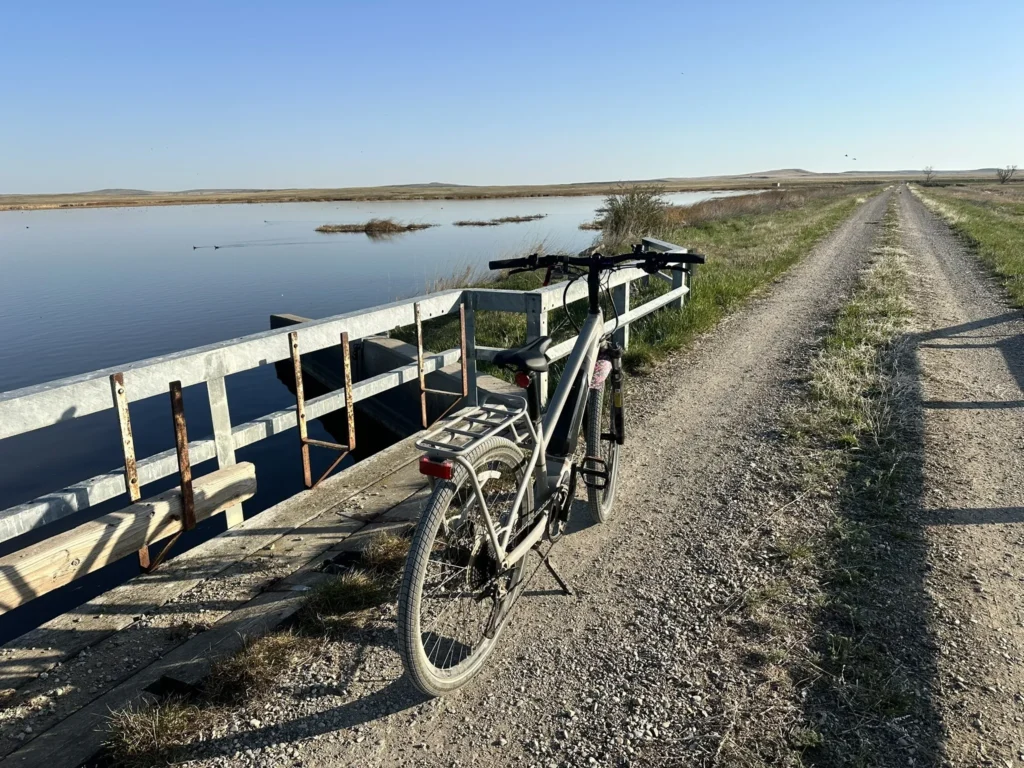
Benton Lake National Wildlife Refuge offers visitors a unique opportunity to explore its diverse habitats through a network of hiking trails and nature walks. These paths provide intimate encounters with the refuge’s flora and fauna, allowing visitors to immerse themselves in the natural beauty of Montana’s wetlands and prairies.
Available Trails
- Wetland Loop Trail: This 1.5-mile trail circles a portion of the wetland area, offering excellent views of waterfowl and shorebirds. The trail is relatively flat and well-maintained, making it accessible for most visitors.
- Prairie Vista Trail: Stretching for 2 miles, this trail winds through native grasslands, providing glimpses of prairie wildlife and sweeping views of the surrounding landscape.
- Marsh Overlook Trail: A short 0.5-mile trail that leads to an elevated platform overlooking the marsh, perfect for birdwatching and photography.
- Riparian Walk: This 1-mile trail follows a small stream, showcasing the unique plant and animal life found in riparian zones.
Difficulty Levels
The trails at Benton Lake National Wildlife Refuge cater to a range of fitness levels:
- Easy: The Wetland Loop Trail and Marsh Overlook Trail are considered easy, with level terrain and well-defined paths suitable for all ages and abilities.
- Moderate: The Prairie Vista Trail and Riparian Walk offer a slightly more challenging experience, with some gentle slopes and varied terrain.
All trails are well-marked and maintained, but visitors should wear appropriate footwear and bring water, especially during warmer months.
Points of Interest
Along these trails, hikers can expect to encounter numerous points of interest:
- Bird Blinds: Strategically placed along the Wetland Loop Trail, these structures allow for close-up wildlife viewing without disturbing the animals.
- Native Plant Gardens: The Prairie Vista Trail features sections showcasing native Montana plant species, with informational plaques describing their ecological importance.
- Scenic Overlooks: Both the Prairie Vista Trail and Marsh Overlook Trail offer stunning vistas of the refuge, perfect for photography and contemplation.
- Interpretive Signage: Throughout the trail system, visitors will find educational signs detailing the refuge’s ecology, wildlife, and conservation efforts.
Whether you’re an avid hiker or a casual nature enthusiast, the hiking trails and nature walks at Benton Lake National Wildlife Refuge offer a rewarding way to experience the diverse ecosystems of this Montana treasure. Remember to stay on designated paths, respect wildlife, and leave no trace to help preserve this natural wonder for future generations.
Photography Tips for Capturing Benton Lake’s Beauty
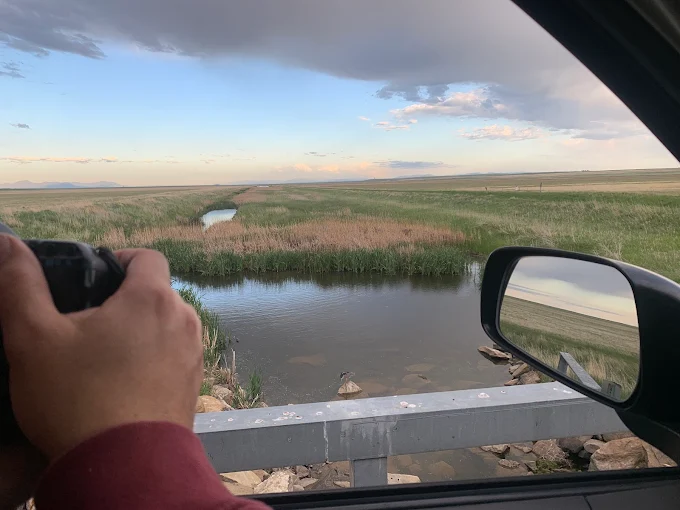
Benton Lake National Wildlife Refuge offers a treasure trove of photographic opportunities for both amateur and professional photographers. The diverse landscape, abundant wildlife, and ever-changing light conditions make it a perfect canvas for capturing stunning images. Here are some tips to help you make the most of your photography experience at Benton Lake:
Best Spots for Photography
- Wetland Overlooks: The refuge’s wetland areas provide excellent vantage points for capturing waterfowl and wading birds. Look for elevated platforms or designated observation areas for unobstructed views.
- Grassland Edges: The transition zones between grasslands and wetlands often attract a variety of wildlife. These areas are great for capturing animals in their natural habitat.
- Auto Tour Route: This 9-mile loop offers numerous pull-offs where you can safely park and photograph landscapes and wildlife from your vehicle.
- Hiking Trails: The refuge’s hiking trails lead you through diverse habitats, offering unique perspectives and intimate encounters with nature.
Lighting Tips
- Golden Hour: Plan your shoots during the first and last hours of daylight. This “golden hour” provides warm, soft light that enhances the beauty of landscapes and wildlife.
- Overcast Days: Don’t shy away from cloudy conditions. Overcast skies can provide soft, even lighting that’s perfect for capturing details in birds’ plumage or animal fur.
- Backlighting: Experiment with shooting towards the light source for dramatic silhouettes, especially during sunrise and sunset.
- Reflections: Use the wetland areas to capture stunning reflections, particularly during calm mornings or evenings.
Equipment Recommendations
- Telephoto Lens: A lens with a focal length of 300mm or more is essential for wildlife photography, allowing you to capture close-up shots without disturbing the animals.
- Wide-Angle Lens: For sweeping landscape shots that capture the vastness of Benton Lake, a wide-angle lens (16-35mm) is invaluable.
- Tripod: A sturdy tripod will help you achieve sharp images, especially in low-light conditions or when using long lenses.
- Binoculars: While not strictly photography equipment, a good pair of binoculars can help you spot and identify distant subjects before setting up your shot.
- Weather-Sealed Gear: Given the variable weather conditions at Benton Lake, consider using weather-sealed cameras and lenses to protect your equipment from moisture and dust.
- Neutral Density Filters: These can help you achieve longer exposures, even in bright conditions, allowing you to create smooth, misty effects with moving water.
Remember to always respect wildlife and refuge regulations while photographing. Keep a safe distance from animals, stay on designated trails, and avoid using flash photography that might disturb the wildlife. With patience and practice, you’ll be able to capture the unique beauty of Benton Lake National Wildlife Refuge in your photographs.
Conservation Efforts at Benton Lake
Benton Lake National Wildlife Refuge stands as a testament to successful conservation efforts in Montana. The refuge’s dedication to preserving its unique wetland ecosystem has resulted in numerous ongoing projects and notable successes.
One of the primary conservation challenges at Benton Lake is maintaining adequate water levels in the wetlands. To address this, the refuge has implemented an innovative water management system. This system carefully controls water flow throughout the refuge, ensuring that critical habitats remain viable for the diverse wildlife that depends on them.
Invasive species management is another key focus of conservation efforts. The refuge actively works to control non-native plants like leafy spurge and Canada thistle, which can outcompete native vegetation. Through a combination of targeted herbicide application, biological controls, and manual removal, the refuge has successfully reduced the spread of these invasive species, allowing native plants to thrive.
Habitat restoration is an ongoing project at Benton Lake. The refuge team has been working tirelessly to replant native grasses and forbs in areas previously dominated by agricultural crops. This effort has significantly increased the diversity of plant species, providing better food and shelter for wildlife.
A notable success story is the refuge’s contribution to the recovery of the piping plover, a threatened shorebird. By carefully managing water levels and protecting nesting sites, Benton Lake has become an important breeding ground for these birds, contributing to their population growth.
The refuge also participates in long-term research projects, monitoring wildlife populations and habitat health. This data informs management decisions and helps track the success of conservation efforts over time. For instance, ongoing studies of waterfowl populations have shown a steady increase in numbers, affirming the effectiveness of the refuge’s wetland management practices.
Community involvement plays a crucial role in conservation at Benton Lake. The refuge partners with local schools and organizations for educational programs and volunteer opportunities. These initiatives not only assist in conservation work but also foster a sense of stewardship among community members.
Despite these successes, Benton Lake faces ongoing challenges. Climate change poses a significant threat, potentially altering water availability and habitat conditions. The refuge is actively developing adaptive management strategies to mitigate these impacts and ensure the long-term survival of its diverse ecosystems.
Through these dedicated conservation efforts, Benton Lake National Wildlife Refuge continues to protect and enhance its unique habitats, providing a sanctuary for wildlife and a natural treasure for future generations to enjoy.
Educational Programs and Visitor Center
Benton Lake National Wildlife Refuge offers a wealth of educational opportunities for visitors of all ages. The refuge’s Visitor Center serves as the hub for these programs, providing a gateway to understanding and appreciating the unique ecosystem of Benton Lake.
Upon entering the Visitor Center, guests are greeted by informative exhibits that showcase the refuge’s diverse wildlife and habitats. Interactive displays allow visitors to learn about the various bird species that call Benton Lake home, as well as the importance of wetland conservation. A large diorama depicts the seasonal changes in the refuge, giving visitors a year-round perspective of this dynamic ecosystem.
For those seeking a more in-depth learning experience, the refuge offers guided tours led by knowledgeable naturalists. These tours provide visitors with insights into the refuge’s ecology, wildlife behavior, and conservation efforts. Depending on the season, tours may focus on specific themes such as spring migration, wetland ecology, or winter survival strategies of resident species.
Educational programs cater to a variety of interests and age groups. School groups can participate in tailored field trips that align with curriculum standards, while families can enjoy weekend workshops on topics like bird identification, nature photography, or wetland ecology. During the summer months, the refuge hosts a popular Junior Ranger program, allowing young visitors to earn badges while learning about wildlife conservation.
The Visitor Center also houses a small theater where educational films about Benton Lake and wildlife conservation are screened regularly. These films provide an excellent overview of the refuge’s importance and the challenges faced by migratory birds and wetland habitats.
For self-guided learning, visitors can access a variety of educational resources at the Visitor Center. Field guides, wildlife checklists, and interpretive brochures are available to enhance the exploration of the refuge. Additionally, touch tables with natural artifacts like feathers, skulls, and plant specimens offer a hands-on learning experience.
Throughout the year, Benton Lake National Wildlife Refuge hosts special events and workshops. These may include bird banding demonstrations, wildlife art classes, or lectures by visiting researchers. These events not only educate visitors but also foster a sense of community and shared responsibility for wildlife conservation.
By providing these diverse educational resources and programs, Benton Lake National Wildlife Refuge ensures that visitors leave with a deeper understanding of the natural world and the importance of preserving these vital habitats for future generations.
Nearby Attractions and Accommodations
While Benton Lake National Wildlife Refuge is a captivating destination in its own right, the surrounding area offers additional attractions and comfortable lodging options for visitors looking to extend their stay.
Just 12 miles south of the refuge lies Great Falls, Montana, a vibrant city with plenty to offer. History buffs will appreciate the Lewis and Clark Interpretive Center, which provides in-depth information about the famous expedition. Art enthusiasts can explore the C.M. Russell Museum, showcasing the works of the renowned Western artist Charlie Russell.
For those seeking more outdoor adventures, Giant Springs State Park is a must-visit. Home to one of the largest freshwater springs in the country, it offers scenic walking trails and excellent fishing opportunities. The nearby First Peoples Buffalo Jump State Park provides a fascinating look into Native American history and culture.
When it comes to accommodations, Great Falls offers a wide range of options to suit every budget and preference. Visitors can choose from well-known hotel chains like Holiday Inn Express, Hilton Garden Inn, and La Quinta Inn & Suites, all of which provide comfortable rooms and modern amenities. For a more unique experience, the Historic Hotel Arvon in downtown Great Falls offers boutique lodging in a beautifully restored 19th-century building.
Those preferring a closer connection to nature might opt for camping at the Dick’s RV Park, which offers full hookups and is conveniently located near the city center. For a rustic experience, the nearby Sluice Boxes State Park provides primitive camping opportunities in a stunning canyon setting.
Several bed and breakfasts in the area, such as the Gibson Mansion Bed and Breakfast, offer a cozy and personalized stay. These charming accommodations often provide insider tips on local attractions and may even prepare picnic lunches for your day trips to Benton Lake National Wildlife Refuge.
Whether you’re looking for urban exploration, additional natural wonders, or a comfortable place to rest after a day of wildlife watching, the area surrounding Benton Lake National Wildlife Refuge has something for everyone. By exploring these nearby attractions and choosing from the diverse lodging options, visitors can create a well-rounded Montana experience centered around their refuge visit.
Rules and Regulations for Visitors
Benton Lake National Wildlife Refuge welcomes visitors to explore and enjoy its natural beauty, but it’s crucial to follow the established rules and regulations to protect the wildlife and preserve the ecosystem. Here are some important guidelines to keep in mind during your visit:
Important Guidelines
- Stay on designated trails and roads to minimize disturbance to wildlife and vegetation.
- Observe wildlife from a safe distance using binoculars or spotting scopes.
- Pack out all trash and leave no trace of your visit.
- Respect closed areas, which are typically marked with signs or barriers.
- Follow all posted speed limits while driving within the refuge.
- Use designated parking areas only.
Prohibited Activities
To ensure the safety of both visitors and wildlife, the following activities are strictly prohibited:
- Hunting or trapping without proper permits and outside of designated seasons.
- Collecting plants, animals, or artifacts.
- Feeding wildlife or approaching animals too closely.
- Using drones or other unmanned aircraft without prior authorization.
- Camping or overnight stays within the refuge boundaries.
- Building fires or using fireworks.
- Operating off-road vehicles outside of designated areas.
Pet Policies
While pets can be wonderful companions, they can also pose risks to wildlife and other visitors. The following pet policies are in place at Benton Lake National Wildlife Refuge:
- Pets must be kept on a leash no longer than 6 feet at all times.
- Owners are responsible for cleaning up after their pets.
- Pets are not allowed in buildings, including the visitor center.
- Service animals are permitted in all areas open to the public.
By adhering to these rules and regulations, visitors can help maintain the delicate balance of the ecosystem at Benton Lake National Wildlife Refuge while enjoying a safe and memorable experience. Remember, these guidelines are in place to protect both the wildlife and visitors, ensuring that future generations can continue to appreciate this remarkable natural treasure.
FAQs About Benton Lake National Wildlife Refuge
What is Benton Lake National Wildlife Refuge?
Benton Lake National Wildlife Refuge is a 12,383-acre protected wetland ecosystem located just 10 miles north of Great Falls, Montana. Despite its name, it’s actually a shallow wetland basin rather than a true lake, serving as a crucial habitat for migratory birds along the Central Flyway.
When is the best time to visit Benton Lake National Wildlife Refuge?
The best time to visit depends on your interests. Spring (April-June) and fall (September-November) offer spectacular bird migrations. Summer provides lush landscapes and wildlife viewing, while winter offers unique photography opportunities and chances to see resident species like bald eagles and rough-legged hawks.
What wildlife can I see at Benton Lake National Wildlife Refuge?
The refuge is home to over 240 bird species including Sandhill Cranes, Northern Pintails, and Bald Eagles. You may also spot mammals like pronghorn antelope, coyotes, and muskrats, along with various reptiles and amphibians such as western painted turtles and northern leopard frogs.
Are pets allowed at Benton Lake National Wildlife Refuge?
Yes, pets are allowed but must be kept on a leash no longer than 6 feet at all times. Owners must clean up after their pets, and pets are not permitted inside buildings including the visitor center. Service animals are allowed in all public areas.
What activities can I do at Benton Lake National Wildlife Refuge?
Visitors can enjoy birdwatching, wildlife photography, hiking on designated trails, and driving the 9-mile Auto Tour Route. The refuge also offers educational programs through its Visitor Center and seasonal guided tours.
Is there camping available at Benton Lake National Wildlife Refuge?
No, camping is not permitted within the refuge boundaries. However, nearby accommodations can be found in Great Falls (12 miles south) including hotels, motels, and RV parks.
What should I bring for a day visit to Benton Lake National Wildlife Refuge?
Bring binoculars, a camera, field guides, sunscreen, insect repellent, water, snacks, appropriate footwear, warm layers (even in summer), and rain gear. A first-aid kit is also recommended for any outdoor adventure.
How accessible is Benton Lake National Wildlife Refuge?
The refuge offers varying levels of accessibility. The Auto Tour Route provides good wildlife viewing opportunities from your vehicle. Some trails are relatively flat and well-maintained, while the Visitor Center is designed to accommodate visitors of all abilities.
Conclusion: The Importance of Benton Lake National Wildlife Refuge
Benton Lake National Wildlife Refuge stands as a testament to the importance of preserving our natural heritage. This unique wetland oasis in the midst of Montana’s grasslands plays a crucial role in maintaining biodiversity and providing a sanctuary for countless species of birds, mammals, and plants. The refuge’s significance extends far beyond its boundaries, contributing to larger conservation efforts and serving as a vital stopover for migratory birds along the Central Flyway.
For visitors, Benton Lake offers an unparalleled opportunity to connect with nature and witness the intricate workings of a thriving ecosystem. Whether it’s the awe-inspiring sight of thousands of waterfowl taking flight, the quiet observation of a pronghorn antelope grazing in the distance, or the delicate beauty of wildflowers blooming in spring, the refuge provides experiences that leave lasting impressions and foster a deeper appreciation for the natural world.
The conservation impact of Benton Lake cannot be overstated. By protecting and managing this critical habitat, the refuge ensures the survival of numerous species, some of which are threatened or endangered. It serves as a living laboratory for scientists studying wetland ecology and climate change impacts, contributing valuable data to our understanding of these complex systems.
Moreover, Benton Lake National Wildlife Refuge plays a vital role in environmental education, offering programs that inspire the next generation of conservationists. Through its visitor center, guided tours, and educational initiatives, the refuge helps cultivate a sense of stewardship and environmental responsibility among its visitors.
As we face increasing environmental challenges, places like Benton Lake remind us of the importance of preserving our natural spaces. They serve not only as havens for wildlife but also as retreats for humans seeking solace, inspiration, and connection with the natural world. The continued protection and appreciation of Benton Lake National Wildlife Refuge ensure that this invaluable resource will continue to enrich our lives and the environment for generations to come.