
Are you ready to discover one of Montana’s best-kept natural secrets? Nestled in the remote wilderness of northwestern Montana lies Pinkham Creek Falls, a hidden gem that offers intrepid explorers a chance to experience the raw beauty of Big Sky Country without the crowds. But finding and safely enjoying this cascading wonder requires some insider knowledge.
Have you ever wondered how to navigate to a remote waterfall, what gear you’ll need, or how to camp responsibly in pristine wilderness? This comprehensive guide will take you on a journey from planning your trip to Pinkham Creek Falls to capturing stunning photos and preserving this natural treasure for future generations.
- Related article: Experience Montana’s Grand Falls
You’ll learn about the best times to visit, essential safety considerations, and even get tips on spotting local wildlife. Whether you’re an experienced backcountry adventurer or a nature enthusiast looking for a new destination, this article will equip you with everything you need to make your visit to Pinkham Creek Falls an unforgettable Montana adventure. So lace up your hiking boots and get ready to explore one of the last truly wild places in America!
Table of Contents
About Pinkham Creek Falls
Nestled in the remote wilderness of northwestern Montana, Pinkham Creek Falls stands as one of the state’s hidden natural treasures. This captivating waterfall cascades approximately 25 feet down a series of rugged rock formations, creating a multi-tiered display of rushing water that varies dramatically with the seasons. During spring runoff, the falls transform into a thundering spectacle as snowmelt from the surrounding mountains feeds the creek, while summer and fall bring a more gentle, mesmerizing flow that allows visitors to appreciate the intricate rock formations.
Geologically, Pinkham Creek Falls formed over thousands of years as water gradually eroded the ancient Belt Series sedimentary rock that dominates this region. The falls feature distinctive layers of argillite and quartzite, creating the stepped appearance that makes this waterfall uniquely photogenic. The rock face displays fascinating striations in shades of gray, rust, and occasional green where moss has taken hold in the perpetually damp environment.
The surrounding ecosystem represents a classic northern Rocky Mountain riparian zone, with a rich diversity of plant and animal life. Dense stands of western red cedar, Douglas fir, and western larch create a shaded canopy around the falls, while the forest floor hosts a variety of ferns, mosses, and wildflowers that thrive in the moist microclimate. The constant mist generated by the falls creates ideal conditions for lichens and mosses that cling to nearby rocks and tree trunks.
The clear, cold waters of Pinkham Creek support a healthy population of native westslope cutthroat trout and other aquatic species. The creek itself forms part of the Kootenai River watershed, eventually feeding into one of Montana’s major river systems. The falls and surrounding area serve as an important corridor for wildlife, including white-tailed deer, black bears, various bird species, and the occasional moose or elk passing through the area.
What makes Pinkham Creek Falls particularly special is its relatively undisturbed nature. Unlike many of Montana’s more famous waterfalls, the remote location has helped preserve the pristine character of this natural wonder, offering visitors a genuine wilderness experience that has become increasingly rare in today’s world.
Best Time to Visit Pinkham Creek Falls
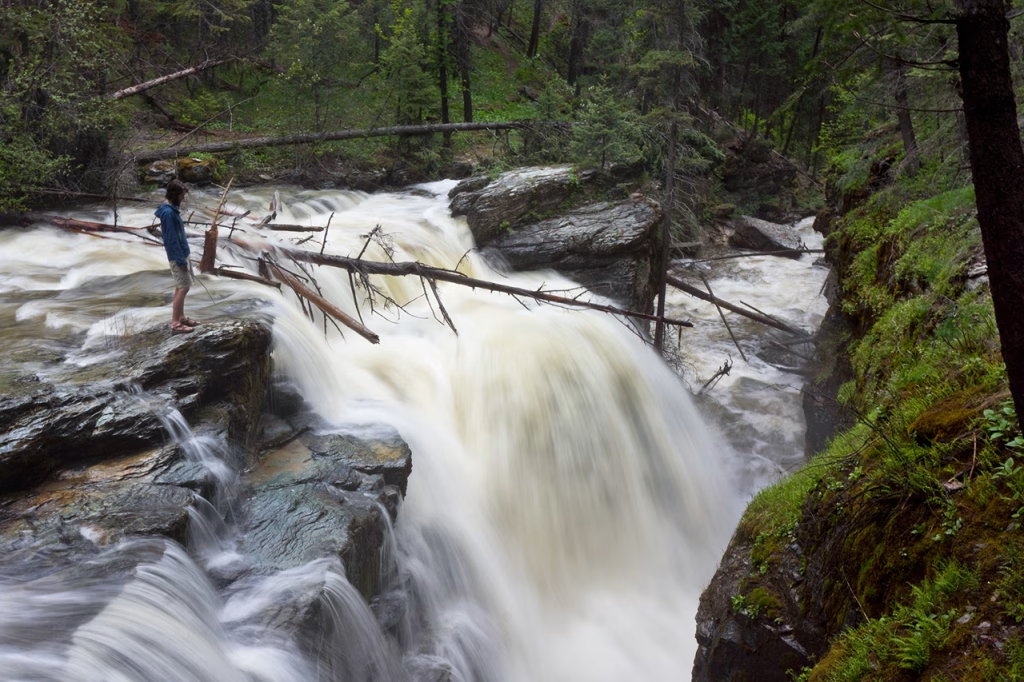
Timing your visit to Pinkham Creek Falls can significantly enhance your experience at this hidden Montana gem. The falls showcase different personalities throughout the year, with seasonal variations affecting everything from water volume to crowd levels.
Spring (Late April to June)
Spring offers perhaps the most spectacular viewing of Pinkham Creek Falls. As mountain snowmelt reaches its peak, the waterfall transforms into a thundering cascade, with water volume at its annual maximum. The surrounding forest comes alive with fresh greenery and wildflowers begin to emerge. However, be prepared for muddy trails and occasional rain showers. Late spring (May-June) provides a sweet spot of impressive water flow with increasingly stable weather conditions.
Summer (July to Early September)
Summer brings the most reliable weather conditions for visiting Pinkham Creek Falls. Temperatures typically range from 70-85°F during daytime hours, making it comfortable for hiking and exploration. Water levels gradually decrease throughout summer, offering a more moderate flow that still maintains the falls’ beauty while allowing safer access to various viewing points. This is the busiest season, though Pinkham Creek Falls remains less crowded than many of Montana’s more famous attractions. Weekdays and early mornings offer the most solitude.
Fall (Mid-September to October)
Fall creates a magical atmosphere around Pinkham Creek Falls as the surrounding forest transforms into vibrant yellows, oranges, and reds. Water flow is significantly reduced compared to spring and early summer, but this allows for unique photography opportunities and easier access to areas that might be dangerous during high water. Temperatures become crisp, especially in the mornings and evenings, requiring layers of clothing. Tourist traffic drops considerably, making this an excellent time for those seeking tranquility.
Winter (November to March)
Winter transforms Pinkham Creek Falls into a frozen wonderland, with ice formations creating spectacular natural sculptures. However, accessing the falls becomes challenging and potentially hazardous during this season. Snow and ice make the trails difficult to navigate, and proper winter hiking gear becomes essential. Only experienced winter hikers should attempt visiting during this season, and always with appropriate equipment and companions. The reward for the brave is having this natural wonder completely to yourself.
For the optimal balance of impressive water flow, comfortable weather, and manageable crowd levels, late June to early July and September are generally considered the prime times to visit Pinkham Creek Falls. These shoulder seasons offer the best compromise between natural beauty and practical accessibility.
Detailed Directions to Pinkham Creek Falls
Tucked away in the northwestern corner of Montana, Pinkham Creek Falls remains one of the state’s hidden gems. Finding this natural wonder requires some navigation know-how, but the journey is part of the adventure. Here’s how to reach this secluded cascade:
From Eureka, Montana (Closest Town)
- Start in downtown Eureka on Highway 93
- Head east on Highway 37 for approximately 4.5 miles
- Turn right onto Pinkham Creek Road (Forest Road 7018)
- Continue on Pinkham Creek Road for about 7 miles, following the creek
- Watch for a small clearing on your right with an unmarked trail
- Park in the small dirt pullout area that accommodates 3-4 vehicles
From Libby, Montana
- Take Highway 37 north from Libby
- Drive approximately 35 miles
- Look for Pinkham Creek Road on your left
- Follow the directions above once on Pinkham Creek Road
GPS Coordinates
For precise navigation, use these coordinates for the trailhead:
- Latitude: 48.8742° N
- Longitude: 115.0361° W
Key Landmarks to Watch For
- Wooden bridge crossing Pinkham Creek about 5 miles up Pinkham Creek Road
- Fork in the road at mile 6 – stay right to continue toward the falls
- Large pine with a bent trunk near the parking area
- Small cairn (stack of rocks) marking the trailhead entrance
Parking Information
- Limited space available for 3-4 vehicles
- No formal parking lot – just a widened section of dirt road
- No parking fee required
- Leave no valuables visible in your vehicle
- Consider carpooling during summer weekends when more visitors are present
Final Approach on Foot
From the parking area, you’ll need to:
- Locate the narrow trail heading east into the forest
- Hike approximately 0.4 miles following the sound of rushing water
- Navigate a moderately steep descent for the final 100 yards
- Cross a small wooden footbridge just before reaching the falls
The trail isn’t officially maintained by the Forest Service, so come prepared for potentially overgrown sections and basic trail conditions, especially in late spring and summer months when vegetation grows rapidly.
Trail Difficulty and What to Expect
Pinkham Creek Falls offers a moderately challenging hiking experience that rewards visitors with stunning views of cascading waters. The trail presents a balanced mix of terrain types that makes it accessible to most hikers while still providing a satisfying outdoor adventure.
Trail Length: The main trail to Pinkham Creek Falls spans approximately 2.3 miles one-way, making it a 4.6-mile round trip journey. This distance is manageable for most hikers with basic fitness levels, though families with young children may find it somewhat demanding.
Difficulty Rating: The trail is rated as moderate difficulty. While not technically challenging, certain sections require careful footing and a reasonable level of fitness. Most hikers with some experience will navigate the trail comfortably, but beginners should prepare for a few challenging spots.
Elevation Gain: Hikers will experience approximately 450 feet of elevation gain from the trailhead to the falls. The climb is gradual rather than steep, with the most significant elevation changes occurring in the middle section of the trail.
Terrain Description: The path begins on relatively flat, well-maintained forest floor before transitioning to more varied terrain. Expect to encounter:
- Packed dirt trails through dense pine forest
- Several small creek crossings with stepping stones
- Rocky sections that require careful footing
- Some exposed roots along the forest floor
- A moderately steep descent to the falls viewing area
The final approach to the falls includes a short scramble over some larger rocks, which can be slippery when wet.
Approximate Hiking Time: Most hikers complete the round trip in 2.5-3 hours, including time to enjoy the falls. Those moving at a leisurely pace or stopping frequently for photos may take up to 4 hours. More experienced hikers moving at a brisk pace could complete the journey in under 2 hours, though rushing would mean missing the natural beauty along the way.
The trail is generally well-marked with blue blazes, though some junctions may require attention to stay on the correct path. During spring runoff (typically May-June), certain sections near creek crossings may be muddy or partially flooded, requiring extra caution.
Essential Gear for Visiting Pinkham Creek Falls
Preparing for your adventure to Pinkham Creek Falls requires thoughtful packing to ensure comfort, safety, and enjoyment throughout your visit. Montana’s weather can be unpredictable, and the terrain around the falls demands specific equipment.
Clothing Essentials
Layer your clothing regardless of the season. Even summer days can start cool and end with unexpected temperature drops. Pack:
- Moisture-wicking base layers
- Insulating mid-layers (fleece or wool)
- Waterproof/windproof outer shell
- Hat for sun protection
- Lightweight gloves (even in summer)
- Extra socks (your feet will thank you if they get wet)
During spring and fall, temperatures can fluctuate dramatically. Winter visitors should bring heavy-duty cold weather gear including insulated boots and thermal layers.
Appropriate Footwear
The trail to Pinkham Creek Falls features uneven terrain, potentially slippery rocks, and occasionally muddy sections. Your footwear should provide:
- Ankle support to prevent injuries
- Deep tread patterns for traction on varied surfaces
- Waterproof materials (especially important near the falls)
- Comfort for extended walking
Hiking boots are ideal, but sturdy trail runners can suffice in dry summer conditions. Avoid sandals or casual shoes that offer minimal protection and support.
Water and Hydration
Despite being near a water source, always bring your own drinking water:
- Carry at least 2 liters per person for a day hike
- Consider a water filter or purification tablets for longer stays
- Use insulated bottles in winter to prevent freezing
- Pack electrolyte supplements for hot weather hiking
Navigation Tools
Cell service is unreliable in the Pinkham Creek area, making traditional navigation tools essential:
- Physical map of the Kootenai National Forest
- Compass (and the knowledge to use it)
- GPS device with preloaded maps
- Trail description printout
- Power bank for electronic devices
Before departing, share your itinerary with someone who isn’t joining the trip.
Safety Equipment
Be prepared for emergencies with these essential safety items:
- First aid kit with blister treatment
- Emergency whistle
- Headlamp or flashlight with extra batteries
- Fire starter (matches in waterproof container)
- Emergency blanket
- Multi-tool or knife
- Bear spray (essential in Montana wilderness)
- Insect repellent (especially during summer months)
Additional Considerations
- Trekking poles help with stability around the falls and creek crossings
- Camera equipment (waterproof protection recommended)
- Dry bags to protect electronics and spare clothing
- Lightweight towel for drying off after water activities
- Garbage bags for packing out all trash
Properly equipped visitors can fully enjoy the natural beauty of Pinkham Creek Falls while staying comfortable and safe throughout their adventure. Remember that conditions can change rapidly in Montana’s wilderness, so being overprepared is always better than being caught unprepared.
Camping Options Near Pinkham Creek Falls
The area surrounding Pinkham Creek Falls offers several excellent camping options for visitors looking to extend their stay and fully immerse themselves in Montana’s natural beauty. Whether you prefer established facilities with amenities or more primitive backcountry experiences, the region accommodates various camping styles.
Established Campgrounds
Koocanusa Campground
Located approximately 20 miles from Pinkham Creek Falls, this well-maintained campground offers 32 sites with picnic tables, fire rings, and access to vault toilets. The campground operates on a first-come, first-served basis during the peak season (May through September) and charges a modest fee of $10-15 per night. The proximity to Lake Koocanusa provides additional recreational opportunities including fishing, boating, and swimming.
Libby Dam Recreation Area
This developed campground features 40 sites with electrical hookups, potable water, hot showers, and flush toilets. Located about 25 miles from the falls, it offers a more comfortable camping experience for those who prefer additional amenities. Reservations are recommended during summer months and can be made through the recreation.gov website. Fees range from $18-25 per night depending on the site and season.
Primitive Camping Areas
Pinkham Creek Dispersed Camping
For those seeking a more rustic experience, several dispersed camping spots are available along Pinkham Creek Road within a mile of the falls. These primitive sites offer no facilities but provide the closest overnight option to the falls. No reservations are required, and camping is free, though visitors should be prepared to follow leave-no-trace principles.
Kootenai National Forest Dispersed Camping
Throughout the surrounding Kootenai National Forest, dispersed camping is permitted along many forest service roads. These sites typically feature small clearings with fire rings but no other amenities. The maximum stay is limited to 16 days in a 30-day period, and campers must position themselves at least 100 feet from any water source.
Amenities Available
Amenities vary significantly between established campgrounds and dispersed camping areas:
- Established campgrounds typically provide picnic tables, fire rings, vault or flush toilets, garbage collection, and sometimes electrical hookups and shower facilities.
- Primitive camping areas offer few to no amenities. Visitors must pack in all necessary supplies and pack out all waste.
Cell service is limited throughout the region, so plan accordingly. The nearest supplies can be found in Eureka (about 15 miles north) or Libby (about 30 miles south), where you’ll find grocery stores, outdoor equipment shops, and gas stations.
Reservation Requirements
Established Campgrounds: Libby Dam Recreation Area accepts reservations up to six months in advance through recreation.gov, while Koocanusa Campground operates on a first-come, first-served basis.
Primitive Camping: No reservations are needed for dispersed camping in the area. However, during peak summer weekends (especially holiday weekends), the limited spots near the falls can fill quickly, so arriving early is recommended.
Remember that camping regulations can change seasonally, particularly regarding fire restrictions during dry summer months. Always check with the Kootenai National Forest Rexford Ranger District office before your trip for the most current information on camping regulations and fire restrictions.
Wild Camping Guidelines and Regulations
Dispersed camping near Pinkham Creek Falls offers a genuine wilderness experience, but comes with important responsibilities. Understanding and following proper guidelines ensures this natural treasure remains pristine for future visitors.
Rules for Dispersed Camping
When setting up camp in the Pinkham Creek area, remember these essential regulations:
- Camp at least 200 feet (about 70 paces) from water sources to protect riparian zones
- Choose previously used sites when possible to minimize new impact
- Limit your stay to 16 days maximum in any 30-day period
- Keep group sizes small (typically under 10 people)
- Maintain at least 1/4 mile distance from developed recreation areas
- Never camp in meadows or other sensitive ecological areas
The Kootenai National Forest, which encompasses Pinkham Creek Falls, manages these lands under specific guidelines designed to balance recreational access with conservation.
Fire Regulations
Fire safety is paramount in Montana’s forests:
- Use existing fire rings whenever possible
- Clear a 10-foot diameter area around your fire down to bare soil
- Keep fires small and manageable
- Never leave fires unattended
- Completely extinguish fires before leaving (cool to the touch)
- Check for seasonal fire restrictions before your trip—complete bans are common during dry summer months
- Consider using a portable camp stove instead of an open fire
Remember that fire restrictions can change rapidly based on conditions. Always have a backup plan for cooking and warmth that doesn’t involve an open flame.
Waste Disposal
Proper waste management is essential for maintaining the area’s natural beauty:
- Pack out ALL trash (including food scraps, wrappers, and hygiene products)
- Dig catholes 6-8 inches deep and at least 200 feet from water for human waste
- Use biodegradable soap sparingly and always at least 200 feet from water sources
- Strain dishwater and scatter it widely, away from camp and water sources
- Never bury or burn trash (it attracts wildlife and doesn’t fully decompose)
Leave No Trace Principles
The Pinkham Creek Falls area remains pristine because visitors follow these seven core principles:
- Plan Ahead and Prepare: Research regulations, prepare for weather, and schedule your trip to avoid high-use periods
- Travel and Camp on Durable Surfaces: Stick to established trails and campsites
- Dispose of Waste Properly: Pack it in, pack it out
- Leave What You Find: Preserve the past, leave rocks, plants, and other natural objects as you find them
- Minimize Campfire Impacts: Keep fires small, use established fire rings, and burn only small sticks
- Respect Wildlife: Observe from a distance and never feed animals
- Be Considerate of Other Visitors: Yield to others on the trail and keep noise levels down
By adhering to these guidelines, you not only enhance your own experience of Pinkham Creek Falls’ natural beauty but also ensure that this hidden Montana gem remains unspoiled for generations to come.
Wildlife and Nature Around Pinkham Creek Falls
The ecosystem surrounding Pinkham Creek Falls is a thriving wilderness sanctuary that offers visitors a chance to connect with Montana’s diverse flora and fauna. This pristine environment supports a remarkable variety of wildlife throughout the changing seasons.
Common Animal Species
The forests and waterways around Pinkham Creek Falls are home to an impressive array of mammals. White-tailed deer frequently appear at dawn and dusk, gracefully moving through the underbrush. More elusive residents include black bears, which are most active during spring and fall. While hiking, you might spot tracks from bobcats, coyotes, or even the occasional mountain lion, though these predators typically avoid human contact.
Small mammals abound in this ecosystem, with red squirrels, chipmunks, and snowshoe hares being common sightings. Beaver activity can be observed along calmer sections of the creek, where their engineering skills create small ponds and diverse microhabitats.
Plant Life
The botanical diversity around Pinkham Creek Falls changes dramatically with elevation. The riparian zones near the water feature moisture-loving plants like red osier dogwood, willows, and cottonwoods. In spring, wildflowers carpet the forest floor—look for trillium, wild ginger, and shooting stars between April and June.
The surrounding forest is primarily composed of western larch, Douglas fir, and ponderosa pine, creating a mixed coniferous ecosystem typical of northwestern Montana. During autumn, the western larch transforms the landscape with a spectacular display of golden needles before they fall, making it one of the few deciduous conifers in North America.
Bird Watching Opportunities
Bird enthusiasts will find Pinkham Creek Falls a rewarding destination. The rushing waters attract American dippers, remarkable birds that hunt underwater by walking along the streambed. Along the creek’s edge, you might spot belted kingfishers perched on overhanging branches, scanning for small fish.
The forest canopy hosts numerous species including Steller’s jays, mountain chickadees, and various woodpeckers. During spring migration, warblers add splashes of color and melody to the forest. Raptors such as red-tailed hawks and bald eagles can sometimes be seen soaring overhead, particularly in open areas.
For the best bird watching experience, bring binoculars and visit during the early morning hours when avian activity peaks.
Seasonal Wildlife Activity
Each season brings unique wildlife viewing opportunities around Pinkham Creek Falls:
Spring (April-June): This is perhaps the most dynamic season as animals emerge from winter dormancy. Bears become active searching for food, wildflowers bloom in succession, and migratory birds return. The creek runs high with snowmelt, creating spectacular waterfall conditions.
Summer (July-August): Warm months bring butterfly activity, with swallowtails and fritillaries fluttering among streamside flowers. Reptiles like western terrestrial garter snakes become more visible basking on sun-warmed rocks.
Fall (September-October): As temperatures cool, elk may be heard bugling in the distance during their rut. Bears become more active preparing for winter, and the changing foliage creates a spectacular backdrop for wildlife viewing.
Winter (November-March): Though access becomes more challenging, winter reveals stories in the snow through animal tracks. Year-round resident birds like nuthatches and chickadees can be spotted, and the occasional snowshoe hare, its coat turned white, might bound across the trail.
Remember to maintain a respectful distance from all wildlife and never feed wild animals. Bringing a field guide specific to Montana’s wildlife can enhance your nature experience at Pinkham Creek Falls, helping you identify the diverse species that call this special place home.
Photography Tips for Pinkham Creek Falls
Pinkham Creek Falls offers photographers a stunning natural canvas that changes with the seasons. Whether you’re a seasoned professional or simply want to capture memories with your smartphone, these photography tips will help you make the most of your visit.
Best Angles and Compositions
The most dramatic shots of Pinkham Creek Falls come from positioning yourself directly in front of the main cascade. For a more unique perspective, try these vantage points:
- Lower Pool View: Frame your shot from the pool at the base of the falls, looking upward to capture the full height and power of the cascade.
- Side Profile: Move to either side of the falls to capture the layered rock formations and the way the water interacts with the cliff face.
- Through the Trees: For a more artistic shot, frame the falls through the surrounding pine trees, creating natural framing elements.
- Upstream Perspective: Capture the stream leading to the falls for a compelling leading line that draws the viewer’s eye toward the main attraction.
Optimal Lighting Conditions
Lighting makes all the difference when photographing waterfalls, and Pinkham Creek Falls is no exception:
- Early Morning: The falls face east, making morning light (7-10 AM) ideal for front-illuminated shots with minimal harsh shadows.
- Overcast Days: Cloud cover creates perfect diffused lighting that reduces contrast and allows for longer exposures without overexposure.
- Golden Hour: Late afternoon light (particularly in autumn) creates a warm glow on the surrounding foliage, though the falls themselves may be in shadow.
- Avoid Midday: The harsh overhead light between 11 AM and 2 PM creates difficult contrast and can wash out the water’s details.
Equipment Recommendations
While any camera can capture the beauty of Pinkham Creek Falls, these tools will elevate your photography:
- Tripod: Essential for long-exposure waterfall shots that create that silky, flowing water effect.
- Neutral Density (ND) Filters: These reduce light entering your lens, allowing for longer daytime exposures.
- Polarizing Filter: Helps reduce glare on wet rocks and water surfaces while enhancing the colors of foliage.
- Wide-Angle Lens: Ideal for capturing the entire waterfall and surrounding landscape (16-35mm range works well).
- Weather Protection: A simple rain cover for your camera as spray from the falls can reach your equipment.
- Smartphone Alternatives: If using a phone, consider a small tripod attachment and an app that allows manual control of shutter speed.
Seasonal Photo Opportunities
Each season transforms Pinkham Creek Falls into a different photographic experience:
- Spring (May-June): Capture the falls at peak flow with vibrant green new growth and possibly wildflowers in the foreground.
- Summer (July-August): Lower water levels reveal more of the rock structure, while the lush surrounding forest creates a verdant frame.
- Fall (September-October): The surrounding trees burst with golden and red hues, creating stunning contrast with the blue-white water.
- Winter (December-March): For the adventurous photographer, partially frozen falls create dramatic ice formations, though access becomes more challenging.
Remember to protect the natural environment while pursuing your perfect shot. Stay on established trails, don’t climb on wet rocks for a better angle, and pack out everything you bring in. The most beautiful photograph is one that leaves no trace of your visit behind.
Nearby Attractions and Points of Interest
While Pinkham Creek Falls is a stunning destination in its own right, the surrounding Kootenai National Forest area offers numerous other attractions worth exploring during your visit. Extending your stay allows you to experience the full breadth of northwestern Montana’s natural beauty.
Just a short drive from Pinkham Creek Falls, Libby Dam and Lake Koocanusa provide excellent opportunities for water recreation. The 90-mile-long reservoir offers pristine waters perfect for boating, fishing, and swimming during summer months. Anglers will appreciate the abundance of rainbow trout, kokanee salmon, and bull trout.
The charming town of Eureka, located approximately 30 minutes from the falls, serves as an excellent base for exploration. This small Montana town offers local dining options, accommodations, and a glimpse into the region’s history through its heritage museum.
For hiking enthusiasts, the Ten Lakes Scenic Area presents breathtaking alpine landscapes with over 89 miles of trails. The Highline Trail is particularly notable, offering panoramic views of the surrounding wilderness and opportunities to spot local wildlife including mountain goats and elk.
The Ross Creek Cedar Grove is another natural wonder worth visiting. This ancient forest contains some of the largest western red cedars in Montana, with trees measuring up to 12 feet in diameter and standing over 175 feet tall. The short, accessible trail winds through these gentle giants, creating an almost mystical atmosphere.
History buffs should consider visiting the Kootenai Falls and Swinging Bridge, a sacred site to the Kootenai tribe and one of the largest free-flowing waterfalls in Montana. The impressive falls and suspension bridge have even served as filming locations for movies including “The River Wild.
For those seeking more remote wilderness experiences, the Cabinet Mountains Wilderness Area offers over 94,000 acres of pristine backcountry with alpine lakes, rugged peaks, and extensive trail systems. Rock Creek Meadows and Granite Lake are particularly scenic destinations within this wilderness.
During winter months, the Turner Mountain Ski Area provides excellent downhill skiing opportunities with minimal crowds and affordable lift tickets, making it a hidden gem for winter sports enthusiasts visiting the region.
Safety Considerations at Pinkham Creek Falls
Exploring Pinkham Creek Falls is an adventure that requires proper preparation and awareness of potential hazards. While the falls offer breathtaking beauty, nature always demands respect. Here are essential safety considerations to ensure your visit remains enjoyable and incident-free.
Water Safety
The allure of Pinkham Creek’s crystal-clear waters can be irresistible, but caution is paramount:
- Strong Currents: Even when water levels appear low, undercurrents can be deceptively powerful, especially near the base of the falls.
- Slippery Surfaces: Rocks around and within the creek are often covered with algae, making them extremely slippery when wet.
- Water Temperature: Montana’s mountain waters remain cold year-round, posing a risk of hypothermia even during summer months.
- No Diving: Water depths can be unpredictable and may conceal submerged objects. Never dive into pools, regardless of how deep they appear.
Always supervise children closely near the water, and consider wearing water shoes with good grip if you plan to wade or cross the creek.
Terrain Hazards
The natural landscape around Pinkham Creek Falls presents several challenges:
- Steep Sections: Parts of the trail feature significant elevation changes with loose rocks and soil.
- Fallen Trees: Deadfall across paths may require climbing over or navigating around obstacles.
- Unstable Edges: Keep a safe distance from cliff edges and waterfall overlooks, as erosion may have weakened these areas.
- Poison Ivy and Other Plants: Learn to identify and avoid contact with irritating vegetation common in the area.
Sturdy hiking boots with ankle support are strongly recommended, as is the use of trekking poles for additional stability on uneven terrain.
Weather Concerns
Montana’s weather can change rapidly, particularly in mountainous regions:
- Thunderstorms: Summer afternoons often bring sudden thunderstorms. Seek lower ground immediately if lightning threatens.
- Flash Flooding: Heavy rainfall upstream can cause rapid water level increases with little warning.
- Seasonal Considerations: Spring brings high water levels from snowmelt, while early fall may see early snowfall at higher elevations.
- Exposure: Limited tree cover in some areas means protection from sun, wind, and precipitation may be minimal.
Always check weather forecasts before departing and pack appropriate layers, including rain gear, regardless of the season.
Emergency Preparedness
Cell service around Pinkham Creek Falls is unreliable at best. Prepare accordingly:
- Emergency Contacts: Lincoln County Sheriff’s Office: (406) 293-4112
- Nearest Medical Facilities: Cabinet Peaks Medical Center in Libby (approximately 30 miles from the falls)
- Communication: Consider carrying a satellite messenger or personal locator beacon for remote areas
- First Aid: Pack a comprehensive first aid kit including treatments for cuts, sprains, and insect bites
Before heading out, inform someone trustworthy of your planned route and expected return time. Establish a clear check-in procedure and what actions they should take if you don’t return as scheduled.
Remember that self-sufficiency is essential in remote areas like Pinkham Creek Falls. Your safety ultimately depends on good preparation, sound judgment, and respecting the power of nature.
Conclusion: Preserving Pinkham Creek Falls
Pinkham Creek Falls represents one of Montana’s hidden natural treasures, a place where visitors can still experience the raw beauty of the wilderness without the crowds found at more popular destinations. However, this pristine quality depends entirely on the actions of those who visit. As more people discover this magnificent waterfall, the importance of conservation grows exponentially.
The delicate ecosystem surrounding Pinkham Creek Falls faces increasing pressure from human activity. Vegetation along trails becomes trampled, wildlife patterns are disrupted, and water quality can deteriorate without proper visitor practices. Every person who visits bears responsibility for minimizing their impact through simple yet crucial actions: staying on established trails, packing out all trash (including biodegradable items), and avoiding the temptation to create “memorial cairns” or other unnatural structures.
Local conservation groups have begun monitoring the area more closely in recent years, organizing occasional cleanup events and trail maintenance days. These grassroots efforts make a significant difference, but they require support from the broader community of outdoor enthusiasts. Consider volunteering with these organizations or making a small donation to support their work if you’ve enjoyed your time at the falls.
For those camping near Pinkham Creek Falls, practicing Leave No Trace principles becomes even more critical. Proper human waste disposal, careful campfire management (when permitted), and respecting quiet hours aren’t just courtesies—they’re essential practices that determine whether this natural wonder remains pristine for future generations.
By approaching our visits with mindfulness and respect, we ensure that Pinkham Creek Falls will continue to offer solace, adventure, and natural beauty to visitors for decades to come. The responsibility of preservation falls to each of us who has the privilege of experiencing this remarkable place. Let’s ensure our footprints fade quickly, leaving only memories behind.
Frequently Asked Questions
Is Pinkham Creek Falls accessible year-round?
Pinkham Creek Falls is technically accessible year-round, but winter conditions make the journey significantly more challenging. The best access is from late spring through early fall when snow has melted and before winter weather returns. During winter months, the roads and trails may be covered in snow, requiring specialized equipment like snowshoes or cross-country skis.
Do I need a permit to visit Pinkham Creek Falls?
No special permit is required to visit Pinkham Creek Falls for day use. However, if you plan to camp in the surrounding Kootenai National Forest, you should follow standard Forest Service camping regulations. For organized group activities or commercial photography, you may need to contact the local Forest Service office.
Are there restroom facilities at Pinkham Creek Falls?
There are no developed restroom facilities at Pinkham Creek Falls itself. The area is undeveloped and maintains its natural state. Visitors should plan accordingly and be prepared to follow Leave No Trace principles, including packing out all waste.
Is swimming allowed at Pinkham Creek Falls?
Swimming is not officially prohibited at Pinkham Creek Falls, but extreme caution is advised. The water can be dangerously cold even in summer, currents can be unpredictable, and there are no lifeguards. The pool areas can also have hidden underwater hazards. Anyone considering entering the water does so at their own risk.
Are dogs allowed at Pinkham Creek Falls?
Dogs are allowed at Pinkham Creek Falls, but they must be kept under control at all times. Preferably, keep your dog on a leash to protect wildlife and other visitors. Remember to pack out pet waste to maintain the natural environment.
Is there cell phone reception at Pinkham Creek Falls?
Cell phone reception is extremely limited or non-existent at Pinkham Creek Falls due to its remote location. Plan accordingly by informing someone of your itinerary before heading out, and consider bringing alternative communication devices like a satellite phone or personal locator beacon for emergencies.
How difficult is the hike to Pinkham Creek Falls?
The hike to Pinkham Creek Falls is considered moderately difficult. While not extremely long, the trail includes uneven terrain, some elevation changes, and potentially slippery conditions near the water. Proper footwear and a moderate level of fitness are recommended.
Are campfires allowed near Pinkham Creek Falls?
Campfire regulations vary seasonally based on fire danger levels. During low fire danger periods, campfires may be permitted in established fire rings at designated camping areas. However, during high fire danger periods, fire restrictions or bans may be in effect. Always check current fire restrictions with the Kootenai National Forest before your visit.
Sources