
Have you ever dreamed of discovering a hidden natural wonder, far from the crowds of popular tourist destinations? Nestled in the heart of Montana’s wilderness lies Pintler Falls, a breathtaking cascade that offers visitors a true escape into untamed beauty. But this isn’t just any waterfall – it’s a gateway to an authentic Montana adventure that combines pristine nature, thrilling outdoor activities, and the chance to reconnect with the wild.
In this comprehensive guide, we’ll take you on a journey through everything Pintler Falls has to offer. From the best hiking trails to reach this secluded gem, to the myriad of activities awaiting you in the surrounding wilderness. You’ll discover the ideal seasons to visit, learn about the diverse wildlife that calls this area home, and gain insights into the conservation efforts preserving this natural treasure.
- Related article: Grand Waterfalls in Montana
Whether you’re an avid hiker, a nature photographer, or simply someone seeking solace in the great outdoors, Pintler Falls promises an unforgettable Montana experience. So pack your sense of adventure and join us as we explore one of the last truly wild places in America.
Table of Contents
About Pintler Falls: A Natural Wonder
Nestled within Montana’s Anaconda-Pintler Wilderness, Pintler Falls stands as a testament to nature’s artistic prowess. This magnificent waterfall cascades approximately 45 feet down a series of granite ledges, creating a mesmerizing multi-tiered display that changes character with each season. The falls are fed by Pintler Creek, which originates from snowmelt in the higher elevations of the Anaconda Range, ensuring a consistent flow throughout most of the year.
The geological formation of Pintler Falls dates back millions of years, shaped by glacial activity that carved out the dramatic landscape of the region. The falls flow over ancient metamorphic rock formations, predominantly composed of quartzite and schist, which give the water its characteristic crystal-clear appearance. The surrounding basin features smooth, polished rock surfaces—evidence of centuries of water erosion that continues to slowly reshape the falls with each passing year.
Spring visits (late May through June) showcase Pintler Falls at its most powerful, when snowmelt from higher elevations creates a thunderous display of rushing water that can be heard from considerable distances. Summer (July through August) offers more moderate flows and warmer temperatures, making it ideal for swimming in the lower pools. Fall transforms the area into a canvas of vibrant colors as the surrounding aspen and larch trees turn golden, providing spectacular photography opportunities. Winter presents the falls in a dramatic frozen state, though access becomes significantly more challenging.
Accessibility to Pintler Falls varies by season. During summer months, the falls can be reached via a moderately difficult 2.3-mile hiking trail that gains approximately 800 feet in elevation. The trailhead is located off Montana Highway 1, approximately 15 miles west of Philipsburg. Winter access typically requires snowshoes or cross-country skis and should only be attempted by experienced winter hikers. The area has limited cell phone coverage, so visitors should plan accordingly.
The natural surroundings of Pintler Falls create a diverse ecosystem that supports a rich variety of flora and fauna. The falls are encircled by a mixed coniferous forest dominated by Douglas fir, lodgepole pine, and subalpine fir. The understory features huckleberry bushes, beargrass, and various wildflowers that bloom throughout the spring and summer. This habitat supports wildlife including black bears, mountain goats, elk, and numerous bird species like the Clark’s nutcracker and mountain chickadee. The clear waters below the falls are home to native westslope cutthroat trout, making it a paradise for naturalists and wildlife enthusiasts alike.
Hiking Trails to Pintler Falls
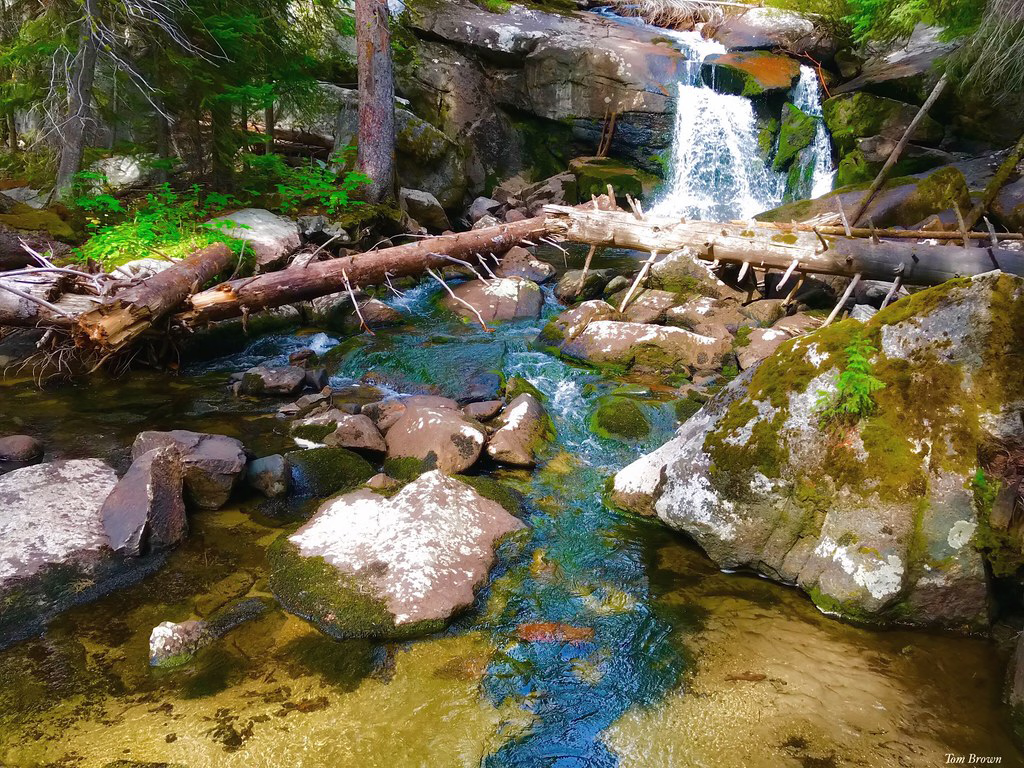
The journey to Pintler Falls offers hikers some of the most rewarding trails in Montana’s wilderness. Nestled within the Anaconda-Pintler Wilderness area, these hiking paths showcase the region’s diverse ecosystem while guiding adventurers to the spectacular waterfall.
The hiking network around Pintler Falls features trails of varying difficulties, making it accessible for both novice hikers and seasoned trekkers. Most trails range from 2-5 miles round trip, with elevation gains between 300-800 feet depending on your chosen route. The terrain transitions from gentle forest paths to more challenging rocky sections as you approach the falls.
Spring and early summer hikes reward visitors with wildflower meadows and the falls at peak flow from snowmelt. By mid-summer, the trails are generally clear of snow, offering easier hiking conditions but slightly reduced water volume at the falls. Fall brings spectacular foliage colors, transforming the hiking experience with vibrant reds and golds against the evergreen backdrop.
For families and beginners, the morning hours provide cooler temperatures and better wildlife viewing opportunities. More experienced hikers might enjoy the solitude of late afternoon treks when the trails are less crowded and the setting sun casts a golden glow on the cascading waters.
All hikers should come prepared with proper footwear, layered clothing, and plenty of water. The weather in the Pintler region can change rapidly, so rain gear is recommended regardless of the forecast. Trail maps are available at the ranger station, and it’s advisable to check current trail conditions before setting out, especially in early spring when snowmelt can create muddy or slippery sections.
1. Pintler Falls Trail: The Direct Route
The Pintler Falls Trail offers the most direct path to witness the cascading beauty of this Montana treasure. Stretching 2.4 miles round-trip, this moderately difficult trail provides hikers with an accessible yet rewarding journey through some of the Anaconda-Pintler Wilderness’s most captivating terrain.
The trail begins at a well-marked trailhead off Forest Road 1776, where a small parking area accommodates about 8-10 vehicles. From the trailhead, you’ll immediately enter a dense lodgepole pine forest that provides welcome shade during summer months. The path follows Pintler Creek upstream, with the sound of rushing water accompanying you throughout most of the hike.
With an elevation gain of approximately 450 feet, the trail presents a steady but manageable climb. The first half-mile features a relatively flat path with packed dirt and occasional tree roots. As you progress, the trail becomes slightly more challenging with rocky sections and a few steeper inclines. Proper hiking footwear is recommended, especially after rainfall when portions can become slippery.
About one mile in, you’ll reach the first significant viewpoint—a small clearing offering glimpses of the surrounding Pintler Mountains. This makes for an excellent rest stop before continuing the final approach to the falls. Shortly after, the trail narrows and follows a ridge that provides dramatic views into the creek valley below.
The final quarter-mile delivers the hike’s most spectacular reward as the forest opens to reveal Pintler Falls in all its glory. The 60-foot waterfall cascades over a series of granite ledges, creating a multi-tiered display that’s particularly impressive during late spring and early summer when snowmelt increases water volume.
A natural viewing area with several large boulders provides the perfect spot to rest and photograph the falls. For the adventurous, a steep but short side path leads to the base of the falls, where the cool mist offers refreshing relief on warm days.
For the best hiking experience, start early in the morning to avoid afternoon thunderstorms common in Montana summers. Carry at least one liter of water per person, and pack layers as temperatures can fluctuate significantly throughout the day. Wildlife sightings are common, with deer, various bird species, and occasionally moose making appearances, so having a camera ready is always a good idea.
2. Pintler Creek Trail: The Scenic Alternative
For visitors seeking a more immersive wilderness experience, the Pintler Creek Trail offers a breathtaking alternative to the main falls trail. This 3.2-mile path follows the meandering Pintler Creek through dense pine forests and open meadows before reaching the spectacular falls. Unlike the more direct route, this trail showcases the complete ecosystem of the area, making it perfect for nature enthusiasts and photographers.
The trail begins at the lower parking area and immediately plunges into a lush forest environment. What sets this route apart are the multiple creek crossings—three in total—where rustic log bridges provide charming photo opportunities against the backdrop of crystal-clear waters. During spring runoff, these crossings become particularly dramatic as the creek swells with snowmelt.
Wildlife encounters are considerably more common on this less-traveled path. Early morning hikers frequently report sightings of white-tailed deer drinking from the creek, while the occasional moose can be spotted in the marshy areas. Birdwatchers will appreciate the diversity of species, including mountain chickadees, western tanagers, and if you’re fortunate, the majestic golden eagle soaring overhead.
The trail features several natural viewpoints that open up to reveal stunning vistas of the surrounding Anaconda-Pintler Wilderness. These clearings create perfect natural frames for photographers looking to capture the rugged Montana landscape. The morning light filtering through the pine canopy creates ethereal scenes, particularly in early summer when wildflowers carpet the forest floor.
While slightly longer and more challenging than the main trail with its 620 feet of elevation gain, the Pintler Creek Trail rewards hikers with solitude and an authentic Montana backcountry experience. Plan for approximately 2-3 hours round trip, and wear waterproof hiking boots, as some sections can remain muddy well into summer.
Things to Do Near Pintler Falls
1. Swimming and Water Activities at Pintler Falls
The crystal-clear waters surrounding Pintler Falls offer some of Montana’s most refreshing swimming opportunities. During summer months, visitors flock to these pristine waters to escape the heat and immerse themselves in nature’s own swimming pools.
Swimming Areas Near the Falls
While swimming directly at the base of Pintler Falls is not recommended due to strong currents and slippery rocks, several excellent swimming holes exist within a short walking distance:
- Lower Pintler Pool: Located about 200 yards downstream from the main falls, this natural pool features calmer waters and a small sandy beach area, making it ideal for families with children.
- Granite Creek Junction: Where Pintler Creek meets Granite Creek, a wider, deeper pool forms with gentle currents and smooth rock surfaces for sunbathing.
- Upper Creek Pools: For those seeking more secluded swimming spots, several smaller pools can be found by hiking upstream from the falls.
Water Temperature Throughout Seasons
The water temperature at Pintler Falls varies dramatically with the seasons:
- Spring (April-May): Extremely cold (35-40°F) and often dangerous due to snowmelt runoff and high water levels.
- Early Summer (June): Still quite chilly (45-55°F) but becoming more tolerable for brief swims.
- Peak Summer (July-August): The most comfortable swimming temperatures (58-65°F), though still refreshingly cool even on the hottest days.
- Fall (September-October): Temperatures begin dropping (50-55°F), with comfortable swimming possible only during warmer days.
- Winter: Swimming is not recommended as water temperatures drop below 40°F.
Safety Considerations
Pintler Falls’ natural beauty comes with inherent risks that all swimmers should respect:
- Never swim alone, especially in less-frequented areas
- Avoid swimming during high water periods (typically spring runoff)
- Be cautious of submerged logs and rocks, particularly in areas you haven’t explored
- The water clarity can be deceptive – depths may be greater than they appear
- No lifeguards are present, so personal responsibility is essential
- Cell phone coverage is limited, so emergency response may be delayed
Best Spots for Water Recreation
Beyond simple swimming, Pintler Falls offers various water recreation opportunities:
- Cliff Jumping: The eastern bank features a 15-foot cliff that adventurous visitors use for jumping. Always check water depths before jumping.
- Natural Water Slides: Smooth rock formations create natural water slides in several locations along Pintler Creek.
- Wading Areas: Families with small children appreciate the shallow, gentle areas near the Lower Pintler Picnic Grounds.
- Photography Pools: The reflective pools about half a mile upstream from the main falls create perfect mirror images of the surrounding mountains – a photographer’s dream.
Whether you’re looking to cool off with a quick dip or spend a full day enjoying water activities, Pintler Falls provides some of Montana’s most scenic and refreshing swimming opportunities. Just remember to pack out all trash and help preserve this natural treasure for future generations.
2. Boating and Fishing Opportunities
The Pintler region offers exceptional boating and fishing opportunities that attract outdoor enthusiasts from across the country. While Pintler Falls itself isn’t suitable for boating due to its cascading nature, the surrounding waterways provide ample options for aquatic adventures.
Georgetown Lake, located just a short drive from Pintler Falls, spans over 3,700 acres and serves as the premier boating destination in the area. The lake accommodates various watercraft including motorboats, sailboats, canoes, and kayaks. A concrete boat ramp on the eastern shore provides easy access, while several rental facilities nearby offer equipment for visitors without their own gear. The lake has a 5 mph speed limit in certain areas to maintain the peaceful atmosphere that makes this region so special.
Echo Lake and Storm Lake are smaller alternatives that prohibit motorized boats, making them perfect for paddlers seeking tranquility. The gentle waters of these alpine lakes reflect the surrounding mountains, creating a picturesque setting for a relaxing day on the water.
Fishing enthusiasts will find themselves in paradise throughout the Pintler region. Georgetown Lake is renowned for its trophy-sized rainbow and brook trout, with many anglers reporting catches exceeding 20 inches. The lake also supports populations of salmon and kokanee, providing diverse fishing opportunities year-round. Ice fishing becomes particularly popular during winter months when the lake freezes over.
Pintler Creek itself offers excellent stream fishing for native cutthroat trout. The creek’s clear, cold waters create ideal habitat for these striking fish, recognizable by their distinctive red slash marks beneath their gills. Anglers should note that special regulations apply to protect these native species, including catch-and-release requirements in certain sections.
Montana fishing regulations require all anglers 15 years and older to possess a valid fishing license. Daily catch limits vary by location and species, with special regulations applying to native trout. The general fishing season runs from the third Saturday in May through November 30, though some waterways maintain year-round seasons.
The best fishing times typically occur during early morning and evening hours when fish are most active. Spring (May-June) and fall (September-October) generally provide the most productive fishing conditions, with summer offering consistent action during cooler parts of the day. Winter ice fishing on Georgetown Lake peaks from January through March when ice conditions are safest.
Local fishing guides offer specialized trips for both novice and experienced anglers, providing equipment, expertise, and access to lesser-known fishing spots that often yield the most impressive catches. Whether you’re casting from shore, wading in Pintler Creek, or drifting on Georgetown Lake, the region’s pristine waters promise memorable fishing experiences amid Montana’s breathtaking landscape.
3. White Water Rafting Adventures Near Pintler Falls
While Pintler Falls itself isn’t suitable for white water rafting, the surrounding region offers some of Montana’s most exhilarating rafting experiences. The nearby Clark Fork River and Rock Creek provide varying levels of rapids that attract adventure seekers from across the country.
The Clark Fork River, just a short drive from Pintler Falls, features class II and III rapids that are perfect for beginners and intermediate rafters. During peak season (May through August), the snowmelt creates more challenging conditions, upgrading some sections to class IV rapids that will satisfy even experienced thrill-seekers. Rock Creek, meanwhile, offers a more technical rafting experience with narrow passages and boulder gardens that require precise navigation.
Several reputable outfitters serve the Pintler region, including Montana River Guides, Clark Fork Outfitters, and Wilderness Adventures. These companies provide half-day, full-day, and multi-day excursions with all necessary equipment and safety gear. Guides are typically well-versed in local history and ecology, adding an educational component to your adventure.
Spring runoff (late May through June) creates the most exciting conditions with higher water levels and faster currents. However, this period also presents greater risks and is recommended only for experienced rafters or those with professional guides. Late summer (July-August) offers more moderate conditions ideal for families and beginners, while still providing plenty of excitement.
Before embarking on any rafting adventure near Pintler Falls, proper preparation is essential. Wear quick-drying clothes and secure footwear, apply waterproof sunscreen, and bring a change of clothes for after your trip. Most importantly, always wear a properly fitted life jacket regardless of your swimming ability. For those new to rafting, consider taking a basic safety course or starting with a guided tour before attempting self-guided trips on these rivers.
The combination of stunning mountain scenery, crystal-clear waters, and varying rapid intensities makes white water rafting near Pintler Falls an unforgettable addition to your Montana wilderness experience.
4. Wildlife Viewing in the Pintler Wilderness
The Pintler Wilderness area surrounding Pintler Falls offers some of Montana’s most rewarding wildlife viewing opportunities. This pristine ecosystem serves as home to a diverse array of animals that thrive in the region’s varied habitats of alpine meadows, dense forests, and riparian zones.
Common Wildlife Species
Visitors to the Pintler Wilderness can expect to encounter numerous fascinating species throughout the year:
- Large Mammals: The area hosts healthy populations of elk, moose, mule deer, and white-tailed deer. Lucky observers might spot black bears foraging for berries in summer or mountain goats navigating rocky outcroppings at higher elevations.
- Predators: While more elusive, the wilderness is home to mountain lions, bobcats, coyotes, and occasionally gray wolves. These animals are typically most active at dawn and dusk.
- Small Mammals: Keep an eye out for playful river otters along waterways, beavers constructing dams, marmots sunning themselves on rocks, and various squirrel species darting among the trees.
- Birds: Birdwatchers will delight in spotting bald eagles, ospreys, great blue herons, and various hawk species soaring overhead. The forests teem with woodpeckers, jays, nuthatches, and during warmer months, a variety of warblers and thrushes.
Best Viewing Times and Locations
Wildlife viewing success depends largely on timing and location:
- Dawn and Dusk: Animals are most active during these transitional periods, making early morning and evening the optimal times for wildlife observation.
- Seasonal Considerations: Spring brings newborn animals and returning migratory birds. Summer offers extended daylight hours for viewing. Fall features elk bugling and increased activity during the rut. Winter provides opportunities to spot animals against snowy backgrounds and observe tracks.
- Prime Locations: The meadows near Pintler Creek offer excellent viewing opportunities for deer and elk. Riparian areas along the creek attract a variety of birds and smaller mammals. Higher elevation trails provide chances to spot mountain goats and marmots.
Ethical Wildlife Watching Practices
Responsible wildlife viewing ensures both your safety and the wellbeing of the animals:
- Maintain a respectful distance of at least 100 yards from large mammals and 25 yards from other wildlife
- Never feed wild animals, as this disrupts natural behaviors and can create dangerous dependencies
- If an animal changes its behavior due to your presence, you’re too close
- Keep pets leashed to prevent them from chasing or disturbing wildlife
- Pack out all trash and food scraps to avoid attracting animals to human areas
- Use binoculars or spotting scopes to observe animals from a distance
Photography Tips for Wildlife
Capturing memorable wildlife images requires preparation and patience:
- Bring a telephoto lens (at least 200mm, preferably 300mm or longer) to photograph animals from a safe distance
- Use a tripod or monopod to stabilize your camera, especially in low light conditions
- Set your camera to a fast shutter speed (1/500 or faster) to freeze animal movement
- Practice “shoot and scoot” – take a few photos, then move on to minimize disturbance
- Focus on capturing natural behaviors rather than trying to create the perfect pose
- Early morning and late afternoon provide the best lighting for wildlife photography
- Consider the background and composition – a less-than-perfect shot of an animal in its natural habitat often tells a better story than a perfect portrait
The Pintler Wilderness offers a glimpse into Montana’s rich biodiversity. By approaching wildlife viewing with respect and awareness, visitors can enjoy meaningful encounters with the region’s animal residents while preserving this special ecosystem for future generations.
5. Horseback Riding Trails and Guided Tours
The rolling terrain surrounding Pintler Falls offers some of Montana’s most breathtaking horseback riding experiences. The combination of mountain vistas, dense forests, and meandering streams creates an ideal backdrop for equestrian adventures.
Several established riding trails wind through the Pintler Wilderness area, accommodating both novice and experienced riders. The Pintler Creek Equestrian Trail spans approximately 8 miles of moderate terrain, following the creek’s natural course before opening to spectacular views of the surrounding mountains. For more experienced riders, the Anaconda-Pintler Wilderness Loop offers a challenging 12-mile journey through varied elevations and diverse ecosystems.
Local outfitters provide guided horseback tours ranging from two-hour excursions to full-day adventures. Montana Mountain Outfitters offers daily guided rides that include educational commentary about the area’s unique flora, fauna, and geological features. Their signature “Sunset Ride to Pintler Falls” allows visitors to experience the falls during the golden hour when wildlife is most active.
For those bringing their own horses, the Continental Divide Stock Trailhead provides ample parking for trailers and access to over 20 miles of designated equestrian paths. Remember that stock animals must stay on designated trails, and riders should carry proof of negative Coggins test results as required by Montana regulations.
Wilderness regulations require all feed brought into the area to be certified weed-free to prevent the introduction of invasive species. Additionally, groups with stock animals are limited to 15 people and 35 head of stock per party to minimize environmental impact.
Whether you’re an experienced equestrian or a first-time rider, exploring the Pintler region on horseback offers a unique perspective of this magnificent wilderness that simply can’t be matched by foot travel alone.
6. Hunting in the Pintler Region: Seasons and Regulations
The Pintler region offers some of Montana’s most rewarding hunting experiences, with diverse terrain and abundant wildlife populations. Hunters from across the country are drawn to these wilderness areas each season for the opportunity to pursue big game in pristine natural settings.
Hunting Seasons
Montana’s hunting seasons in the Pintler region are carefully structured to maintain sustainable wildlife populations:
- Elk: General season typically runs from late October through late November. Archery season begins in early September.
- Deer: Both whitetail and mule deer seasons generally coincide with elk season, with archery beginning in September and rifle season running October through November.
- Black Bear: Spring season runs April through mid-June, with a fall season from September to November.
- Mountain Lion: Winter season from December through April, depending on harvest quotas.
- Upland Game Birds: Seasons vary by species, with most running September through January.
Permit Requirements
All hunters in the Pintler region must obtain proper licensing through Montana Fish, Wildlife & Parks:
- Montana hunting license (resident or non-resident)
- Conservation license
- Species-specific tags or permits
- Special permits for restricted areas through drawing applications
- Hunter education certification for hunters born after January 1, 1985
Application deadlines for special permits typically fall between March and June for the following fall seasons. The Pintler region falls within several hunting districts, each with specific regulations and quotas.
Common Game Species
The diverse ecosystems of the Pintler region support a variety of game species:
- Elk: Rocky Mountain elk thrive in the higher elevations
- Deer: Both mule deer and whitetail populations
- Black Bear: Healthy populations throughout forested areas
- Moose: Limited populations requiring special permits
- Mountain Grouse: Blue, ruffed, and spruce grouse in forested habitats
- Waterfowl: Various duck and goose species around wetlands and waterways
Designated Hunting Areas
The Pintler region encompasses several prime hunting locations:
- Anaconda-Pintler Wilderness: Offers remote backcountry hunting experiences
- Beaverhead-Deerlodge National Forest: Contains numerous access points and hunting districts
- Block Management Areas: Private lands with public hunting access through Montana’s Block Management Program
- Wildlife Management Areas: State-managed lands with specific regulations
Hunters should verify current boundaries and restrictions for each area, as some locations have limited access or special regulations.
Safety Guidelines
Hunting safely in the Pintler region requires proper preparation:
- Always wear highly visible blaze orange during rifle seasons
- Inform others of your hunting location and expected return time
- Carry emergency supplies including first aid kit, fire starter, and extra food
- Be prepared for rapidly changing mountain weather conditions
- Practice bear safety, including carrying bear spray
- Field dress game promptly and properly dispose of remains away from trails and campsites
- Respect private property boundaries and obtain permission when required
The remote nature of much of the Pintler region means hunters should be self-sufficient and prepared for emergencies, including having navigation tools and the skills to use them in this rugged wilderness setting.
7. Camping Options Around Pintler Falls
The area surrounding Pintler Falls offers some of Montana’s most pristine camping experiences, allowing visitors to fully immerse themselves in the natural beauty of the region. Whether you prefer established campgrounds with amenities or secluded backcountry sites, the Pintler area has options for every type of outdoor enthusiast.
Established Campgrounds
Pintler Creek Campground sits just 1.5 miles from the falls, featuring 12 well-maintained sites nestled among mature ponderosa pines. Each site includes a fire ring, picnic table, and access to vault toilets. While there’s no running water, the proximity to Pintler Creek provides a natural water source (filtration required). Sites are available on a first-come, first-served basis for $10 per night.
Georgetown Lake Campground, located approximately 8 miles from Pintler Falls, offers a more developed camping experience with 32 sites, some with electric hookups. Amenities include flush toilets, potable water, and a boat ramp for lake access. Reservations are recommended during peak summer months (June-August) and can be made through the Forest Service reservation system up to 6 months in advance.
East Fork Reservoir Campground provides 18 sites about 12 miles from the falls. This family-friendly option features vault toilets, picnic shelters, and excellent fishing access. The $15 nightly fee is collected by the on-site host during summer months.
Primitive Camping Opportunities
For those seeking solitude, dispersed camping is permitted throughout much of the Beaverhead-Deerlodge National Forest surrounding Pintler Falls. These primitive sites offer no facilities but provide unparalleled access to nature. Popular areas include:
- The meadows along upper Pintler Creek (about 1 mile above the falls)
- The forested areas near Seymour Creek junction
- Several clearings along Forest Road 1243
Remember that dispersed camping requires adhering to Leave No Trace principles, including camping at least 100 feet from any water source and properly managing all waste.
Facilities and Amenities
Facilities vary significantly between established campgrounds and primitive sites:
- Water: Only Georgetown Lake Campground offers potable water. At other locations, water must be filtered from natural sources or brought in.
- Restrooms: Established campgrounds provide vault or flush toilets. Primitive campers must be prepared to properly dispose of human waste.
- Cell Service: Spotty at best throughout the region, with Georgetown Lake area offering the most reliable coverage.
- Firewood: Available for purchase at Georgetown Lake Campground during peak season. For other areas, gather only downed wood or bring your own.
Reservation Information
Reservation policies vary by location:
- Pintler Creek and East Fork Reservoir campgrounds operate primarily on a first-come, first-served basis.
- Georgetown Lake sites can be reserved through recreation.gov or by calling (877) 444-6777.
- Primitive camping requires no reservations but is subject to Forest Service regulations.
During peak season (July-August), arriving mid-week offers the best chance of securing a first-come, first-served site.
Camping Tips for Pintler Falls
- Bear Safety: The Pintler region is home to both black and grizzly bears. Store food properly in bear-resistant containers or hang food at least 10 feet high and 4 feet from any vertical support.
- Weather Preparedness: Mountain weather can change rapidly. Even in summer, temperatures can drop below freezing at night, so pack accordingly.
- Fire Restrictions: Check current fire restrictions before your trip, as summer fire bans are common in this dry region.
- Drinking Water: Bring a reliable water filtration system for backcountry camping, as giardia and other waterborne pathogens exist in even the clearest-looking streams.
- Timing Your Visit: Late June through early September offers the most reliable weather, though September provides fewer crowds and spectacular fall colors.
The camping options around Pintler Falls accommodate everyone from families seeking comfortable outdoor experiences to adventurers looking for remote backcountry solitude, making this area a perfect base camp for exploring one of Montana’s most beautiful wilderness regions.
Best Seasons to Visit Pintler Falls
Pintler Falls transforms dramatically throughout the year, offering visitors unique experiences with each passing season. Understanding the seasonal variations will help you plan the perfect trip to this Montana treasure.
Spring (Late April to June)
Spring brings renewal to Pintler Falls as snowmelt from the surrounding mountains feeds the waterfall, creating a powerful, thundering display. The falls reach their most impressive volume during late May to early June, making this an excellent time for photographers seeking dramatic water shots.
Pros:
- Peak water flow creates the most impressive waterfall display
- Wildflowers begin blooming in meadows surrounding the trails
- Fewer crowds compared to summer months
- Wildlife becomes more active and visible
Cons:
- Trails can be muddy and slippery from snowmelt
- Water may be too cold for swimming
- Weather can be unpredictable with occasional late-season snow
- Some access roads may still be closed in early spring
Summer (July to September)
Summer is undoubtedly the most popular time to visit Pintler Falls, with warm temperatures and reliable weather conditions.
Pros:
- Ideal temperatures for swimming in pools below the falls
- All trails and facilities are fully accessible
- Extended daylight hours for longer hikes
- Perfect conditions for camping and outdoor activities
- Water temperature becomes more comfortable
Cons:
- Larger crowds, especially on weekends and holidays
- Water flow decreases as summer progresses
- Potential for forest fires and smoke in late summer
- Higher prices for nearby accommodations
Fall (Late September to October)
Fall transforms the Pintler region into a canvas of red, orange, and gold as aspen and larch trees change color.
Pros:
- Spectacular fall foliage creates magical photography opportunities
- Cooler temperatures make hiking more comfortable
- Significantly fewer visitors than summer months
- Wildlife becomes more active preparing for winter
- Hunting season opens for those interested
Cons:
- Water flow is at its annual low
- Swimming becomes too cold for most visitors
- Weather can change quickly with early snow possible
- Shorter daylight hours limit hiking time
Winter (November to Early April)
Winter turns Pintler Falls into a frozen wonderland, though access becomes more challenging.
Pros:
- Frozen waterfall creates spectacular ice formations
- Pristine snow-covered landscapes
- Complete solitude and wilderness experience
- Opportunities for snowshoeing and cross-country skiing
- Unique wildlife tracking opportunities in the snow
Cons:
- Access roads may be closed or require specialized vehicles
- Extremely cold temperatures require proper winter gear
- Trails can be difficult to follow under snow
- Limited facilities and services available
- Potential avalanche danger in surrounding areas
For the optimal balance of impressive water flow, comfortable temperatures, and manageable crowds, early June and late September represent the sweet spots for visiting Pintler Falls. Early June offers the dramatic power of the falls with emerging summer warmth, while late September provides a more serene experience enhanced by fall colors.
Conservation and Preservation of Pintler Falls
Pintler Falls and its surrounding wilderness represent a pristine ecosystem that faces increasing environmental challenges as its popularity grows. The delicate balance of this Montana treasure requires thoughtful conservation efforts and visitor participation to ensure it remains unspoiled for generations to come.
The Pintler Wilderness area confronts several environmental challenges that threaten its natural integrity. Increased foot traffic has led to trail erosion in popular sections, while some visitors leave behind trash that endangers local wildlife. Climate change has also begun to affect the region, with changing precipitation patterns potentially impacting the falls’ water flow and the surrounding forest ecosystem. Invasive plant species have started appearing along some trails, competing with native vegetation that local wildlife depends upon.
Fortunately, several conservation initiatives are actively working to protect this natural wonder. The U.S. Forest Service, which manages the area, has implemented restoration projects focused on trail maintenance and erosion control. Local conservation groups conduct regular volunteer clean-up events, particularly after busy summer weekends. Scientific monitoring programs track water quality, wildlife populations, and plant health to identify emerging concerns before they become critical issues.
Visitors play a crucial role in preservation efforts. By practicing Leave No Trace principles, hikers can significantly reduce their environmental impact. This means packing out all trash (including biodegradable items like apple cores and orange peels), staying on established trails to prevent vegetation damage, and keeping a respectful distance from wildlife. Visitors should also avoid picking wildflowers or collecting rocks, as these small actions can have cumulative negative effects on the ecosystem.
Responsible tourism practices extend beyond individual behavior to how we plan our visits. Considering off-peak timing can reduce overcrowding, which benefits both the environment and the quality of your experience. Carpooling to trailheads reduces carbon emissions and parking congestion. Supporting local conservation organizations through donations or volunteer work helps fund ongoing preservation efforts.
The preservation of Pintler Falls represents a collaborative effort between land managers, conservation organizations, and conscientious visitors. By approaching this natural wonder with respect and awareness, we can ensure that its cascading waters, diverse wildlife, and serene beauty remain intact for future adventurers to discover and cherish.
FAQs About Pintler Falls
Is Pintler Falls accessible year-round?
Pintler Falls is typically accessible from late May through October. Winter snow often blocks access roads and trails from November through April. Spring runoff in May can make the falls particularly spectacular but may also create hazardous conditions on trails.
Do I need a permit to visit Pintler Falls?
No special permit is required to visit Pintler Falls itself. However, if you plan to camp in designated areas of the Beaverhead-Deerlodge National Forest, you may need a camping permit. Day use for hiking and recreation is generally free and open to the public.
Are there restroom facilities at Pintler Falls?
Limited facilities are available at the main trailhead parking area, including vault toilets. Once you’re on the trails, no facilities are available, so plan accordingly and practice Leave No Trace principles.
Is it safe to swim at the base of Pintler Falls?
Swimming at the base of Pintler Falls can be dangerous, especially during high water periods. The water is extremely cold year-round, and currents can be unpredictable. If you choose to swim, do so with extreme caution, never swim alone, and avoid the immediate area where the falls impact the pool.
What wildlife should I be aware of when visiting?
The Pintler region is home to black bears, mountain lions, moose, and other wildlife. Carry bear spray, make noise while hiking, and properly store food. Most wildlife encounters are harmless if you maintain a respectful distance and follow proper wilderness protocols.
Where is the closest place to stay near Pintler Falls?
The closest accommodations to Pintler Falls include campgrounds within the Beaverhead-Deerlodge National Forest. For hotels and motels, the towns of Philipsburg (approximately 20 miles away) and Anaconda (about 30 miles away) offer various lodging options from budget to mid-range.
Can I bring my dog to Pintler Falls?
Dogs are allowed on the trails to Pintler Falls but must be kept on a leash no longer than 6 feet at all times. Remember to pack out pet waste and ensure your dog doesn’t disturb wildlife or other visitors.
What should I pack for a day hike to Pintler Falls?
For a day hike, bring plenty of water, high-energy snacks, sun protection, insect repellent, a first aid kit, and layers of clothing as mountain weather can change rapidly. A map, compass, or GPS device is recommended, as is letting someone know your planned route and return time.
Sources