Have you ever dreamed of standing before a majestic 100-foot waterfall, feeling the mist on your face and hearing the thunderous roar of cascading water? Just minutes from Big Sky, Montana, the hike to Ousel Falls offers exactly that – and so much more.
But venturing into Montana’s wilderness, even on a popular trail, requires careful preparation and knowledge. This comprehensive guide will equip you with everything you need to safely navigate the Ousel Falls trail, from essential gear and seasonal considerations to hidden viewpoints and local legends.
- Related article: Explore Waterfall Destinations in Montana
Whether you’re a seasoned hiker or planning your first family outing, you’ll discover how to make the most of this breathtaking natural wonder while respecting its delicate ecosystem. Get ready to embark on an unforgettable adventure to one of Big Sky’s most beloved destinations.
Table of Contents
Ousel Falls: A Hidden Gem in Big Sky
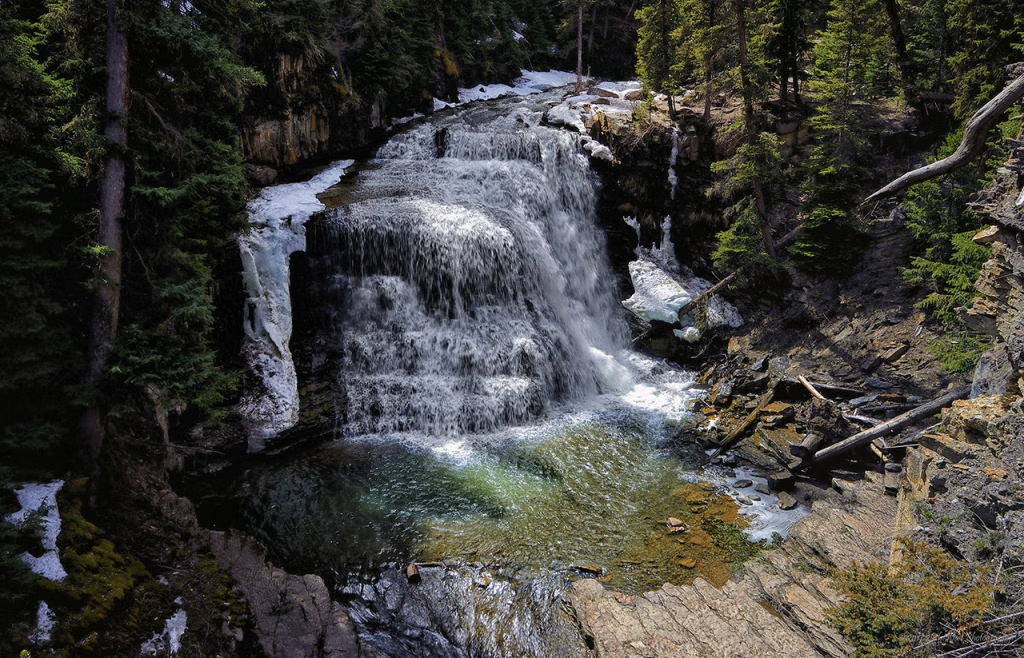
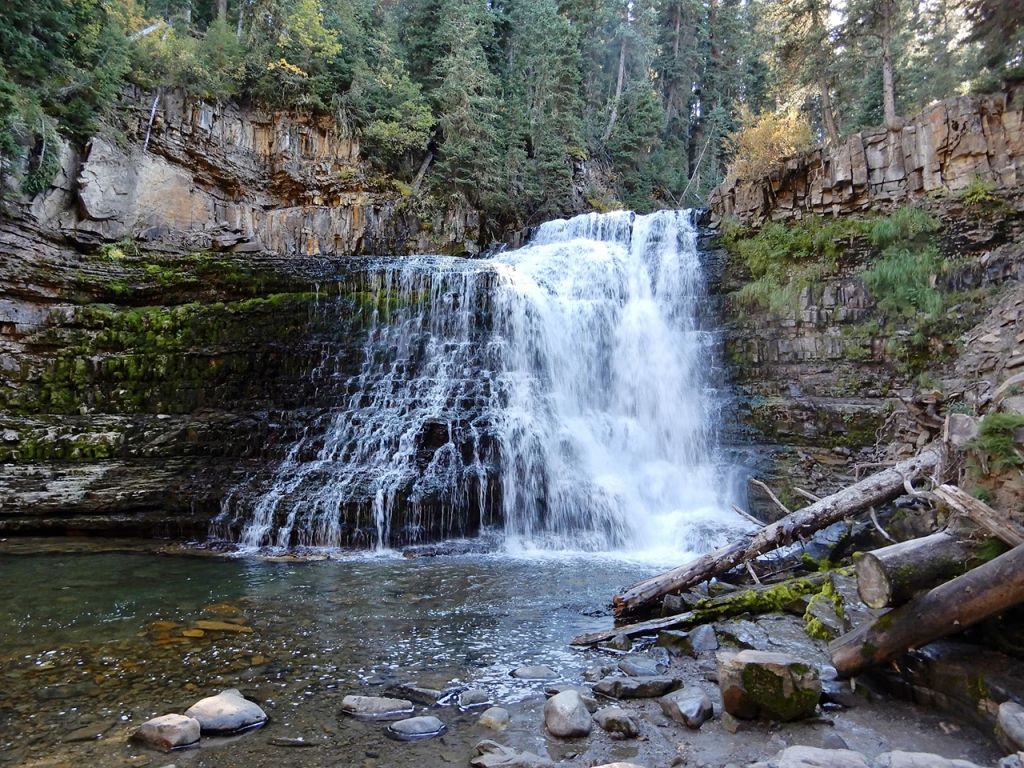
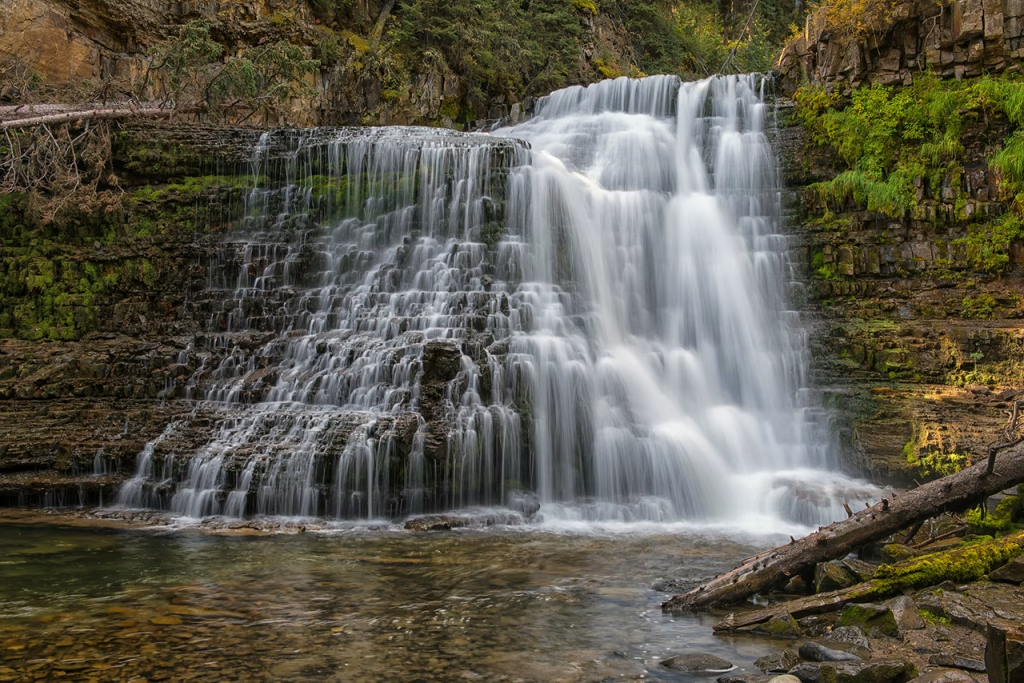
Nestled in the picturesque landscape of Big Sky, Montana, Ousel Falls stands as one of the region’s most captivating natural attractions. This stunning 100-foot waterfall, fed by the crystal-clear waters of the South Fork West Fork Gallatin River, offers visitors a perfect blend of accessibility and wilderness experience. Just a short drive from Big Sky’s town center, Ousel Falls has become increasingly popular among hikers, nature enthusiasts, and photographers seeking to capture Montana’s raw beauty.
The allure of Ousel Falls lies not only in the magnificent cascade itself but also in the journey to reach it. The relatively short trail leading to the falls winds through diverse terrain featuring lush forests, wildflower meadows, and dramatic rock formations carved by centuries of flowing water. Each season transforms the falls and surrounding area, from the powerful spring runoff to the delicate ice formations of winter.
What makes Ousel Falls particularly special is its accessibility without sacrificing the feeling of discovery. Unlike many spectacular waterfalls that require strenuous all-day hikes, Ousel Falls delivers a rewarding experience for visitors of all ages and ability levels. The South Fork West Fork Gallatin River creates a mesmerizing soundtrack as you approach the falls, building anticipation for the breathtaking view awaiting at the trail’s end.
For many visitors to Big Sky, a hike to Ousel Falls represents the perfect introduction to the natural splendor of Montana’s mountain landscape. Whether you’re seeking a peaceful morning walk, a family-friendly adventure, or a photographer’s paradise, Ousel Falls delivers an experience that captures the essence of Big Sky country.
Trail Overview and Basic Information
The Ousel Falls Trail offers an accessible wilderness experience that appeals to hikers of all skill levels. This well-maintained path stretches approximately 1.6 miles round-trip, making it a perfect option for those seeking a rewarding yet manageable outdoor adventure. The trail is classified as easy to moderate in difficulty, with a gentle elevation gain of about 250 feet from the trailhead to the falls.
Most visitors complete the entire hike in 45-60 minutes, not including time spent enjoying the magnificent waterfall at the trail’s endpoint. The path follows an out-and-back route, meaning you’ll return along the same trail after reaching Ousel Falls. This straightforward navigation makes it ideal for families and first-time visitors to the Big Sky area.
The trail remains accessible year-round, though each season offers a distinct experience. Summer brings lush vegetation and comfortable temperatures, while fall delivers stunning foliage. Winter transforms the area into a snowy wonderland with potential ice formations around the falls, though microspikes or snowshoes may be necessary. Spring showcases the falls at their most powerful as snowmelt increases water volume.
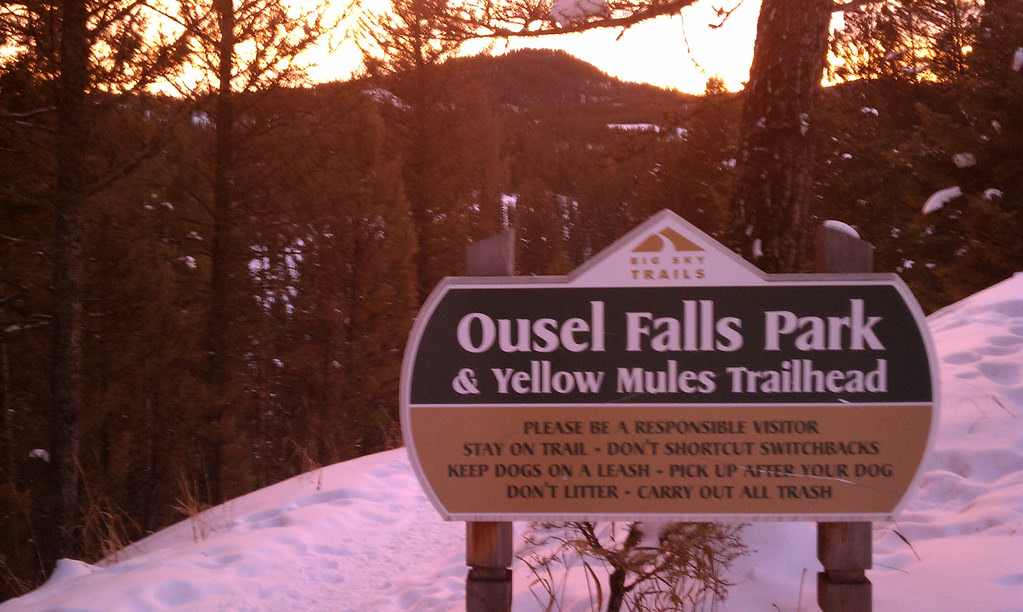
At the trailhead, visitors will find ample parking, restroom facilities, and informational signage about the area’s natural features. Several picnic tables are available near the parking area, making it convenient to enjoy a meal before or after your hike. The trailhead also features a detailed map of the route and connecting trails in the area, helping you plan your adventure with confidence.
Getting to the Ousel Falls Trailhead
Ousel Falls is conveniently located just a short drive from Big Sky Town Center, making it one of the most accessible natural attractions in the area. Whether you’re staying in Big Sky or just passing through, finding your way to this picturesque trailhead is straightforward with the right information.
Directions from Big Sky
From Big Sky Town Center, head south on Ousel Falls Road for approximately 2 miles. The well-maintained road winds through beautiful mountain scenery before reaching the clearly marked Ousel Falls Park Road on your right. Follow this road for another quarter mile until you reach the parking area. The entire drive from Town Center takes about 5-7 minutes depending on traffic.
For those staying at Big Sky Resort, you’ll need to first drive to Town Center (about 7 miles) before following the directions above. The total drive time from the resort area is approximately 15-20 minutes.
Parking Information
The Ousel Falls trailhead features a spacious parking lot that can accommodate approximately 30-40 vehicles. During peak summer months (July-August) and on weekends, the lot can fill up by mid-morning, so arriving early (before 10 AM) is recommended. The parking area includes designated accessible spaces near the trailhead entrance.
Parking is free, which is a welcome bonus for visitors. The lot is well-maintained year-round, with regular plowing during winter months to ensure accessibility.
Alternative Transportation Options
If you’re staying in Big Sky and prefer not to drive, several options are available:
- Skyline Bus Service: During summer and winter seasons, the Skyline Bus makes regular stops near Ousel Falls Road. Check their current schedule as service times vary by season.
- Bike Access: A paved bike path runs alongside Ousel Falls Road from Town Center, making cycling a pleasant option during warmer months. Bike racks are available at the trailhead.
- Rideshare Services: Uber and Lyft operate in the Big Sky area, providing a convenient option for reaching the trailhead without worrying about parking.
- Hotel Shuttles: Several Big Sky hotels and lodges offer shuttle services to popular attractions, including Ousel Falls. Check with your accommodation about availability.
Accessibility Considerations
The parking area features several designated accessible parking spaces close to the trailhead. While the trail itself has some challenging sections, the first quarter-mile is relatively flat and wide, making it navigable for those with limited mobility. Beyond this point, the trail includes stairs and steeper sections that may present challenges.
The trailhead area includes accessible restroom facilities and informational signage at a height suitable for wheelchair users.
GPS Coordinates and Digital Navigation
For precise navigation, use these coordinates for the Ousel Falls trailhead:
- Latitude: 45.2841° N
- Longitude: 111.3684° W
Most GPS systems and smartphone mapping applications can easily locate “Ousel Falls Trailhead” or “Ousel Falls Park” without needing to enter coordinates. Cell service is generally reliable on the drive to the trailhead but can become spotty on certain sections of the trail itself.
If you’re using digital maps, download the area for offline use before heading out, especially if you plan to use your phone for photography or navigation on the trail itself.
What to Pack for Your Ousel Falls Hike
Proper preparation ensures your hike to Ousel Falls remains enjoyable and safe. While the trail is relatively accessible, having the right gear can make all the difference in your experience.
Essential Gear
Even for this shorter trail, certain items should always make your packing list:
- Backpack: A small daypack with 15-20L capacity works perfectly for this hike
- Trail map: Though the trail is well-marked, having a map is always good practice
- First aid kit: Include bandages, antiseptic wipes, pain relievers, and any personal medications
- Multi-tool or pocket knife: Useful for unexpected situations
- Flashlight or headlamp: Essential if you plan to stay until dusk
- Whistle: A simple safety device that can alert others if you need help
- Fully charged cell phone: Coverage is generally good around the trail area
Seasonal Clothing Recommendations
Spring (April-June)
- Moisture-wicking base layers
- Light to medium-weight fleece or softshell jacket
- Waterproof outer layer (rain can be common)
- Hiking pants (convertible pants work well for changing temperatures)
- Sturdy waterproof hiking boots (trail can be muddy from snowmelt)
- Warm hat and gloves for early spring
Summer (July-August)
- Lightweight, breathable hiking clothes
- Short-sleeve shirts and shorts or lightweight pants
- Light rain jacket (afternoon thunderstorms are possible)
- Sun hat with brim
- Hiking shoes or sturdy trail runners
- Light fleece for early morning starts
Fall (September-October)
- Layered clothing (temperatures can vary significantly)
- Medium-weight fleece or down jacket
- Waterproof outer layer
- Hiking pants
- Warm hat and light gloves
- Waterproof hiking boots
Winter (November-March)
- Insulated, waterproof boots
- Microspikes or snowshoes depending on conditions
- Insulated winter jacket
- Thermal base layers
- Waterproof pants
- Warm hat, gloves, and neck gaiter
- Trekking poles with snow baskets
Water and Food Recommendations
The 1.6-mile roundtrip hike doesn’t demand extensive provisions, but staying hydrated and energized is important:
- Water: Carry at least 1 liter per person in summer, slightly less in cooler seasons
- Hydration bladder or water bottles: Either works well for this shorter hike
- Trail snacks: Energy bars, trail mix, fruit, or jerky
- Picnic supplies: Consider packing a small lunch to enjoy at the falls viewpoint
Sun Protection
Montana’s high elevation means stronger UV exposure, even on cloudy days:
- Sunscreen: Minimum SPF 30, reapply every two hours
- Lip balm with SPF: Often forgotten but essential
- Sunglasses: Polarized lenses work best for reducing glare
- Sun hat: Wide-brimmed for maximum protection
- Sun-protective clothing: Consider UPF-rated items for summer hikes
Camera Equipment Suggestions
Ousel Falls offers spectacular photo opportunities worth capturing:
- Weather-resistant camera: The mist from the falls can damage sensitive equipment
- Wide-angle lens: Ideal for capturing the entire waterfall
- Polarizing filter: Helps reduce glare from water and enhances colors
- Tripod: Useful for long-exposure waterfall shots (a small, portable tripod works well)
- Extra batteries and memory cards: Always good to have backups
- Waterproof camera bag or cover: Protection from spray near the falls
- Lens cleaning cloth: Essential for keeping equipment dry and clear
Remember that while Ousel Falls is a relatively short hike, Montana’s mountain weather can change rapidly. Packing smart ensures you’re prepared for unexpected conditions while keeping your load manageable for this beautiful trail experience.
Navigating the Ousel Falls Trail
The Ousel Falls trail offers an accessible yet rewarding hiking experience through some of Montana’s most picturesque terrain. The 1.6-mile round-trip journey follows a well-maintained path that guides hikers through dense forests before revealing the spectacular 100-foot waterfall.
From the parking area, you’ll begin on a wide, graveled path that descends gradually into the South Fork valley. About a quarter-mile in, you’ll encounter your first landmark—a sturdy wooden bridge crossing the South Fork of the West Fork of the Gallatin River (quite a mouthful!). This bridge provides your first opportunity to pause and appreciate the crystal-clear waters rushing below.
After crossing, watch for the trail junction marker. The main path to Ousel Falls continues straight ahead, while a side trail branches right, leading to the river’s edge. This side path creates a pleasant detour if you’re interested in getting closer to the water.
Continuing on the main trail, you’ll notice blue diamond-shaped markers on trees, ensuring you stay on the correct path even during winter months when snow might obscure the ground trail. The path winds through a mixed forest of lodgepole pines, Douglas firs, and aspens, with occasional breaks offering glimpses of the surrounding mountains.
Approximately halfway to the falls, you’ll reach a second bridge crossing—this one traversing the West Fork of the Gallatin River. This bridge marks an excellent viewpoint where the river narrows dramatically and rushes through a small gorge. The sound of rushing water intensifies here, giving you the first auditory hint that you’re approaching the falls.
Beyond this bridge, the trail begins a moderate climb. You’ll pass a distinctive rock outcropping on your left that local hikers affectionately call “Turtle Rock” due to its shape. This serves as a reliable indicator that you’re about a quarter-mile from the falls.
As you continue, the trail enters a cooler, more densely forested section before opening dramatically at the Ousel Falls overlook. Here, a wooden viewing platform offers the classic postcard view of the falls plunging into the pool below. For those seeking different perspectives, a side trail descends to the base of the falls, though this requires careful footing on sometimes slippery rocks.
For the more adventurous, a less-traveled path continues past the main overlook and climbs to a higher vantage point offering views down the entire canyon. This unofficial trail requires more careful navigation but rewards hikers with a unique perspective few visitors experience.
Throughout the hike, interpretive signs highlight the geology, flora, and fauna of the area, making the journey educational as well as scenic. The trail features several strategically placed benches at key viewpoints, perfect for catching your breath or simply taking time to absorb the natural beauty surrounding you.
Seasonal Considerations for Hiking Ousel Falls
Ousel Falls transforms dramatically with the changing seasons, offering visitors a unique experience throughout the year. Understanding these seasonal variations is crucial for planning a safe and enjoyable hike.
Spring (April-June)
Spring brings the most dramatic waterfall displays as snowmelt feeds the South Fork of the Gallatin River. In late May and early June, Ousel Falls reaches its peak flow, creating a thunderous display of nature’s power. The surrounding landscape comes alive with wildflowers, particularly in June when the meadows burst with color.
Trail Conditions: Be prepared for muddy sections, especially in early spring. Some portions may still have snow patches until mid-May. Sturdy waterproof hiking boots are essential during this season.
Safety Note: Spring runoff can create dangerous conditions near the waterfall’s base. The observation areas may be slippery, and the water’s force is significantly stronger. Maintain a safe distance from the edge and keep children under close supervision.
Summer (July-September)
Summer offers the most reliable trail conditions and comfortable hiking temperatures, typically ranging from 70-85°F during the day. The waterfall flow moderates but remains impressive.
Crowd Management: This is the busiest season at Ousel Falls. For a more peaceful experience, visit before 9 AM or after 4 PM to avoid the midday crowds. Weekdays are noticeably less crowded than weekends.
Wildlife Activity: Summer brings increased wildlife sightings along the trail. Deer, various bird species, and occasionally moose can be spotted, particularly during early morning or evening hours.
Fall (Late September-October)
Fall transforms the Ousel Falls trail into a canvas of gold, orange, and red as the aspens and underbrush change color. Water levels are lower, allowing for safer exploration of some areas that might be inaccessible during peak flow.
Trail Experience: The trail becomes quieter as tourist numbers decrease. The crisp air and fall foliage make this perhaps the most photogenic season for the falls and surrounding landscape.
Weather Preparedness: Fall temperatures can fluctuate dramatically. Mornings may start near freezing while afternoons warm considerably. Layer clothing appropriately and be prepared for sudden weather changes.
Winter (November-March)
Winter transforms Ousel Falls into a frozen wonderland, with ice formations creating a completely different but equally spectacular scene. The trail becomes a popular snowshoe and winter hiking destination.
Trail Navigation: The path may be completely snow-covered, requiring familiarity with the route or navigation tools. Trail markers can be obscured by snow.
Safety Considerations: Microspikes or snowshoes are essential for safe winter hiking. The trail can become icy, particularly on the steeper sections near the falls. Daylight hours are limited, so start your hike early to ensure a return before dark.
Winter Accessibility: The parking area is plowed regularly, but after heavy snowfalls, access may be temporarily limited until clearing occurs.
For any season, checking current trail conditions with the local ranger station or visitor center before heading out will ensure you’re properly prepared for your Ousel Falls adventure.
Wildlife and Natural Features Along the Trail
The Ousel Falls Trail offers more than just a stunning waterfall at its conclusion—it’s a vibrant ecosystem teeming with diverse wildlife and natural wonders. As you journey along this scenic path, keep your senses alert for the rich biodiversity that makes this area special.
Local Wildlife Encounters
The trail corridor provides habitat for numerous wildlife species. Early morning or evening hikers might glimpse white-tailed deer browsing in forest clearings or mule deer navigating the rocky terrain. While less common, black bears, moose, and elk occasionally frequent the area, particularly in spring and fall. Always maintain a respectful distance if you encounter larger mammals.
Smaller residents include red squirrels, chipmunks, and snowshoe hares, which are often more visible as they scurry across the trail or forage near its edges. The South Fork of the Gallatin River attracts various mammals who come to drink, including the occasional beaver working on riverside constructions.
Bird Watching Paradise
Bird enthusiasts will find the Ousel Falls Trail particularly rewarding. The trail’s namesake, the American dipper (formerly called water ouzel), can frequently be spotted along the river. These remarkable birds dive into rushing water and even walk underwater against the current while hunting for aquatic insects. Look for their gray bodies and characteristic bobbing motion on rocks mid-stream.
Other avian species commonly sighted include:
- Osprey and bald eagles soaring overhead or fishing in the river
- Varied thrushes and Steller’s jays adding splashes of color to the forest
- Red-naped sapsuckers and northern flickers working the tree trunks
- Warblers and vireos flitting through the canopy during spring and summer
The convergence of forest and river ecosystems creates an ideal environment for bird diversity, making this trail a hotspot for casual and serious birders alike.
Plant Life and Seasonal Changes
The trail showcases Montana’s rich botanical diversity that shifts dramatically with the seasons. Spring brings wildflower displays including arrowleaf balsamroot, shooting stars, and glacier lilies. Summer sees the emergence of fireweed, lupine, and Indian paintbrush adding vibrant colors to the landscape.
The forest itself transitions from predominantly Douglas fir and spruce at lower elevations to lodgepole pine stands higher up. Aspen groves intersperse throughout, offering spectacular golden displays in autumn. The understory features thimbleberry, huckleberry, and Oregon grape—some bearing edible fruits later in the season.
Geological Features
The geology surrounding Ousel Falls tells a fascinating story of the region’s formation. The waterfall itself exists because of differential erosion, where the river has carved through layers of varying resistance. The exposed rock faces reveal volcanic history and sedimentary processes dating back millions of years.
Sharp-eyed hikers will notice glacial erratics—boulders deposited by ancient ice flows—scattered along portions of the trail. The canyon walls display distinctive stratification, showing the layered history of rock deposition and subsequent uplift that created the modern landscape.
The River Ecosystem
The South Fork of the Gallatin River forms the backbone of this ecosystem. The clear, cold waters support a thriving aquatic community, including native cutthroat trout and introduced rainbow trout. During spawning seasons, you might spot fish navigating the currents.
The riverside vegetation forms a critical riparian zone that stabilizes banks and filters runoff. This transitional area between aquatic and terrestrial environments hosts specialized plants adapted to periodic flooding and provides crucial habitat for numerous species.
The river’s constant flow has shaped not only the physical landscape but also the biological communities that have adapted to life alongside it, creating a dynamic ecosystem that changes subtly with each passing season.
Photography Tips for Capturing Ousel Falls
Ousel Falls presents photographers with a stunning natural canvas that changes with the seasons, weather, and time of day. Whether you’re a professional with expensive gear or simply using your smartphone, these tips will help you capture the magic of this Big Sky treasure.
Best Viewpoints for Spectacular Shots
The trail to Ousel Falls offers several prime photography locations:
- Main Viewing Platform: The obvious choice, providing a head-on view of the falls. While popular, it offers the classic shot that captures the full majesty of the cascading water.
- Lower Basin Approach: Before reaching the main platform, explore the lower area where you can capture unique upward angles of the falls framed by canyon walls.
- Upper Overlook: A short scramble above the main trail rewards photographers with a downward perspective that showcases the falls in their environmental context.
- Behind the Falls: During lower water seasons, careful hikers can sometimes access a spot behind the falls for dramatic “through the curtain” compositions.
Golden Hours: Optimal Lighting for Waterfall Photography
The best times to photograph Ousel Falls are:
- Early Morning (7-9 AM): The soft morning light creates gentle highlights without harsh shadows. The morning sun angle illuminates the canyon walls beautifully.
- Late Afternoon (5-7 PM in summer): The golden hour casts a warm glow on the scene, particularly magical when it filters through the surrounding pine trees.
- Overcast Days: Don’t be discouraged by cloud cover! Overcast conditions create perfect diffused lighting for waterfall photography, eliminating harsh contrasts and allowing for even exposure.
Avoid midday shooting when possible, as the harsh overhead sun creates difficult lighting conditions with blown-out highlights and deep shadows.
Camera Settings for Waterfall Magic
To capture the silky, flowing effect of water:
- Slow Shutter Speed: Use 1/15 to 1/2 second for a gentle blur, or 1-4 seconds for dreamy, cotton-like water effects.
- Low ISO: Keep it at 100-200 to minimize noise.
- Narrow Aperture: Use f/11 to f/16 for good depth of field.
- Tripod Essential: A stable tripod is non-negotiable for longer exposures.
- Neutral Density Filters: These are helpful in bright conditions to allow for longer exposures without overexposure.
- Smartphone Tip: Many newer phones have “long exposure” or “live photo” modes that can create similar effects.
Composition Techniques for Memorable Images
- Framing: Use overhanging branches, rock formations, or the canyon walls to naturally frame the falls.
- Foreground Interest: Include interesting rocks, wildflowers, or fallen logs in the foreground to add depth.
- Rule of Thirds: Position the falls off-center for a more dynamic composition.
- Leading Lines: Utilize the natural curves of the South Fork stream to lead the viewer’s eye to the falls.
- Scale Reference: Include a person (with permission) at a distance to demonstrate the impressive scale of the falls.
- Reflections: During calmer water conditions, capture reflections in the pools below the falls.
Seasonal Photo Opportunities
Each season offers unique photographic possibilities at Ousel Falls:
- Spring: Capture peak water flow and the vibrant greens of new growth. Look for wildflowers along the trail edges.
- Summer: Focus on the contrast between the cool blue water and lush surrounding vegetation.
- Fall: The golden aspens and cottonwoods create stunning color contrasts against the evergreens and water.
- Winter: Ice formations and snow-covered surroundings transform the falls into a magical frozen wonderland. The reduced water flow creates fascinating ice sculptures and patterns.
Remember that the best photographs often come from patience and exploration. Spend time at different viewpoints, experiment with settings, and visit during various conditions to capture the many moods of Ousel Falls.
Safety Precautions for the Ousel Falls Hike
While the Ousel Falls Trail is considered relatively accessible, proper preparation and awareness can make the difference between an enjoyable outing and a problematic one. Safety should always be your top priority when venturing into Montana’s wilderness areas, even on well-maintained trails like this one.
Trail Hazards to Be Aware Of
The trail to Ousel Falls features several potential hazards that hikers should watch for. During spring and early summer, snowmelt can create muddy and slippery sections, particularly on the steeper portions of the trail. The path also features exposed roots and occasional loose rocks that can cause trips and falls if you’re not paying attention to your footing.
Near the falls viewing area, rocks can be extremely slippery due to spray and mist. The viewing platforms have railings, but venturing off the designated areas puts you at risk of falls on slick surfaces. Stay on established paths and resist the temptation to climb around the falls area for better photos or views.
Wildlife Safety
Ousel Falls and the surrounding area is home to a variety of wildlife, including larger mammals like black bears, moose, and elk. While encounters are relatively rare, it’s essential to know how to respond:
- Make noise while hiking to avoid surprising animals
- Travel in groups when possible
- Carry bear spray and know how to use it
- If you encounter a bear, don’t run—back away slowly while facing the animal
- Give moose and elk plenty of space, as they can be territorial, especially during calving season
Food storage is equally important—never leave food unattended, and properly dispose of all waste to avoid attracting wildlife to the trail area.
Water Safety Near the Falls
The powerful Ousel Falls creates a spectacular 100-foot cascade, but the beauty comes with dangers. The water is extremely cold year-round, and currents near the falls are strong and unpredictable. Never attempt to swim near the base of the falls or in the pools immediately above them.
During peak runoff (typically May-June), the water volume increases dramatically, creating dangerous conditions. Keep children and pets well away from the edge of steep dropoffs near the water. Remember that wet rocks near the water’s edge are extremely slippery and have led to serious accidents.
Weather Considerations
Mountain weather in Montana can change rapidly, even during summer months. Start your hike early to avoid afternoon thunderstorms, which are common in July and August. Lightning is a serious hazard in exposed areas.
In winter, the trail becomes snow-covered and icy. Proper footwear with good traction (microspikes or yaktrax) is essential if hiking during colder months. Dress in layers regardless of season, as temperatures can fluctuate significantly throughout the day.
Emergency Preparedness
Even on a relatively short trail like Ousel Falls, being prepared for emergencies is crucial:
- Carry a basic first aid kit
- Bring more water than you think you’ll need
- Pack high-energy snacks
- Carry a headlamp or flashlight even on day hikes
- Bring a whistle for emergencies (three short blasts is the universal distress signal)
- Let someone know your hiking plans and expected return time
Cell Phone Reception
Cell phone reception along the Ousel Falls Trail is spotty at best. You may find service at the trailhead and occasionally at higher points along the trail, but don’t count on having reliable communication throughout your hike. The falls area itself is in a canyon where reception is particularly limited.
Consider downloading offline maps before your hike, and don’t rely solely on your phone for navigation or emergency communication. A paper map and compass are reliable backups that don’t require battery power or cell service.
Family-Friendly Features of the Ousel Falls Trail
The Ousel Falls Trail stands out as one of Big Sky’s most accessible and enjoyable outdoor experiences for families with children of all ages. The trail’s moderate difficulty level, combined with its relatively short length (just 1.6 miles round trip), makes it an ideal destination for families looking to experience Montana’s natural beauty without overexerting young hikers.
For families with toddlers and very young children, the first quarter-mile of the trail is particularly accommodating, featuring a wide, well-maintained path with minimal elevation change. Parents can comfortably push sturdy strollers along this portion, though all-terrain wheels are recommended. Several benches positioned strategically along the route provide perfect rest spots for little legs that tire quickly or for nursing parents needing a comfortable place to stop.
Children between 5-10 years old can typically complete the entire trail with minimal assistance, finding natural entertainment in the several small bridge crossings over the South Fork of the West Fork of the Gallatin River. These bridges not only serve as practical trail features but also as exciting landmarks that children eagerly anticipate reaching. The “counting bridges game” has become a favorite among young hikers, with seven crossings to discover throughout the journey.
The trail offers numerous educational opportunities for curious young minds. Interpretive signs along the path highlight local flora and fauna, teaching children about native plant species and the wildlife that calls this ecosystem home. Parents can enhance this learning experience by bringing along a simple field guide to help identify various flowers, trees, and perhaps even animal tracks.
Several natural “exploration zones” appear along the trail where the path widens near the river. These areas allow children to safely observe the water, toss pebbles (a timeless activity that never loses its appeal), and watch for the American Dipper birds (ousels) that gave the falls their name. The birds’ unique behavior of “dipping” into the rushing water provides a fascinating wildlife viewing opportunity that often captivates children.
Approximately halfway to the falls, a small clearing opens up with flat rocks that serve as a perfect snack break location. This natural rest area gives families a chance to refuel before continuing to the main attraction. For a more substantial meal, the area near the falls itself offers several flat rock formations that function as nature’s picnic tables, though visitors should be mindful of keeping a safe distance from the edge of the falls.
The grand finale of the trail—the waterfall itself—never fails to impress hikers of all ages. The viewing platform provides a safe space for families to gather and appreciate the powerful cascade. The natural amphitheater-like setting around the falls dampens outside noise, creating a peaceful atmosphere despite the waterfall’s impressive sound. This sensory experience—the sight of rushing water, the sound of the falls, the feel of mist on warm days—creates memorable moments for children and adults alike.
For families with older children seeking additional adventure, several unmarked but visible side paths branch off from the main trail, leading to alternative viewpoints of the falls or quieter spots along the river. These optional explorations can be added for families with teenagers or more experienced young hikers.
The trail’s accessibility extends to its facilities as well. Clean restrooms are available at the trailhead, allowing families to start and end their adventure comfortably. The parking area also features several picnic tables, making it convenient to enjoy a post-hike meal before heading back to Big Sky or other destinations.
While the Ousel Falls Trail welcomes hikers of all ages, parents should maintain appropriate supervision, especially near the water features and at the falls viewpoint. The trail’s natural guardrails and barriers at key points help maintain safety, but attentive parenting remains essential to ensure everyone enjoys this family-friendly Montana treasure safely.
Hidden Spots and Lesser-Known Views at Ousel Falls
While the main viewing platform at Ousel Falls attracts most visitors, the area holds several hidden gems for those willing to explore a bit further. Just upstream from the main falls, a series of smaller cascades creates perfect photography opportunities without the crowds. Follow the faint trail to the right of the main viewing area to discover these lesser-known spots.
For a unique perspective, carefully make your way (weather and conditions permitting) to the rocky outcrop on the eastern side of the falls. This vantage point offers a side angle of the waterfall that few visitors experience, with the added bonus of feeling the cool mist on your face during high water seasons.
The quietest spot near Ousel Falls lies approximately 200 yards downstream from the main attraction. Here, the rushing water calms into a serene pool surrounded by moss-covered rocks and fallen logs—perfect for peaceful contemplation or wildlife watching. Early mornings and weekdays provide the best opportunity to have this tranquil spot to yourself.
Adventure seekers should consider exploring the upper section of the South Fork trail beyond the falls, where additional cascades await. Roughly a quarter-mile past Ousel Falls, you’ll find a charming series of small waterfalls cascading through a narrow canyon—a perfect reward for those willing to venture beyond the main attraction.
For those seeking solitude, the bench located on the small rise above the western side of the falls offers both privacy and panoramic views of the surrounding landscape. This spot is especially magical during early morning hours when the first light creates a golden glow on the water and mist.
Combining Ousel Falls with Other Big Sky Activities
After experiencing the natural beauty of Ousel Falls, you’ll find that Big Sky offers numerous additional attractions to round out your day. The trail’s relatively short length (1.6 miles round trip) makes it perfect as one component of a more extensive Big Sky adventure.
For hiking enthusiasts, consider pairing your Ousel Falls trek with the nearby Beehive Basin Trail, which offers spectacular alpine scenery and wildflower meadows during summer months. The 6.6-mile round trip journey to Beehive Basin rewards hikers with stunning views of a pristine mountain lake nestled beneath rugged peaks. Alternatively, the Lava Lake Trail (5 miles round trip) provides another excellent companion hike with its own beautiful alpine lake destination.
During winter months, combine your morning hike to Ousel Falls with an afternoon of world-class skiing at Big Sky Resort. The frozen waterfall creates a magical winter wonderland that contrasts beautifully with the adrenaline rush of downhill skiing later in the day.
For a full-day itinerary in summer, start with an early morning hike to Ousel Falls to beat the crowds, then head to Lone Mountain Ranch for horseback riding through mountain meadows. Cap off your afternoon with fly fishing on the Gallatin River, where experienced guides can help you land trophy trout in one of Montana’s premier fishing destinations.
After working up an appetite on the trails, Big Sky’s dining scene offers excellent options for refueling. Olive B’s Big Sky Bistro provides upscale dining with mountain views, while Blue Moon Bakery offers casual fare perfect for a post-hike lunch. For craft beer enthusiasts, Lone Peak Brewery serves locally-brewed beers alongside hearty pub fare—ideal for celebrating a day of outdoor adventures.
Don’t overlook the weekly Big Sky Farmers Market (Wednesdays during summer), where local vendors sell everything from fresh produce to handcrafted souvenirs. This makes for a perfect cultural complement to your nature-focused activities.
For families, the Big Sky Community Park near the Ousel Falls trailhead features playgrounds, disc golf, and tennis courts—perfect for entertaining younger hikers who might still have energy to burn after visiting the falls.
By strategically planning your visit to Ousel Falls as part of a broader Big Sky itinerary, you can experience the diverse recreational opportunities this mountain paradise offers while making the waterfall hike the centerpiece of your Montana adventure.
Leave No Trace Principles for Visiting Ousel Falls
Ousel Falls represents one of Big Sky’s most cherished natural treasures, and preserving its pristine condition requires every visitor’s commitment to responsible stewardship. The Leave No Trace principles provide an essential framework for minimizing our impact while enjoying this spectacular waterfall.
When hiking to Ousel Falls, always stay on designated trails. The established path system is designed to protect sensitive vegetation and prevent soil erosion. Cutting switchbacks or creating “social trails” might seem harmless, but these actions contribute to habitat fragmentation and vegetation loss. The delicate alpine ecosystem surrounding the falls can take decades to recover from even minor disturbances.
Proper waste management is non-negotiable. Pack out everything you bring in—this includes food wrappers, water bottles, and even seemingly biodegradable items like fruit peels and nutshells. While the trailhead provides waste receptacles, be prepared to carry your trash throughout your hike. Consider bringing a small, dedicated trash bag to make this easier.
Trail etiquette enhances everyone’s experience at Ousel Falls. Yield to uphill hikers, as they’re expending more energy and have a narrower field of vision. Keep noise levels reasonable to avoid disturbing wildlife and other visitors seeking tranquility. If you’re hiking with a group, avoid spreading across the entire trail width, making it difficult for others to pass.
The local ecosystem around Ousel Falls supports diverse wildlife, from small mammals to numerous bird species (including the water ouzel, the falls’ namesake). Observe animals from a distance, never feed them, and keep pets leashed to prevent wildlife harassment. Remember that human food can disrupt wildlife digestive systems and create dangerous dependencies.
Water conservation might seem counterintuitive near a waterfall, but avoid introducing foreign substances into the water. This means no washing dishes, bathing, or using soap products in or near the stream. Even biodegradable soaps can harm aquatic ecosystems.
Respect natural and cultural features by leaving rocks, plants, and artifacts as you find them. The beautiful river rocks might seem perfect as souvenirs, but if every visitor took just one, the landscape would quickly change. Instead, capture memories through photographs and mental snapshots.
By practicing these Leave No Trace principles during your visit to Ousel Falls, you become part of the solution—ensuring this natural wonder remains intact for future generations to discover and enjoy. Remember, responsible recreation isn’t just about following rules; it’s about fostering a deeper connection with nature through respectful interaction.
Local Legends and History of Ousel Falls
Ousel Falls derives its name from the American dipper, locally known as the “ousel bird,” which can often be spotted diving into the rushing waters in search of aquatic insects. These remarkable birds are the only truly aquatic songbirds in North America, with the ability to walk underwater against strong currents—a fitting namesake for a waterfall known for its powerful cascade.
The area surrounding Ousel Falls holds deep historical significance, having been part of the traditional territories of several Indigenous peoples, primarily the Shoshone, Bannock, and Crow tribes. These groups used the Gallatin Canyon and surrounding mountains as seasonal hunting grounds and gathering places for centuries before European settlement. The waterfall itself likely held spiritual significance as many Indigenous cultures viewed such powerful natural features as places of special energy and importance.
When early European settlers and explorers first came to the region in the late 1800s, they were drawn to the abundant natural resources and striking beauty of the landscape. The South Fork of the West Fork of the Gallatin River, where Ousel Falls is located, became an important water source for early homesteaders and ranchers who established themselves in what would eventually become Big Sky.
The development of the trail system as we know it today began in earnest during the 1970s, coinciding with the development of Big Sky Resort by NBC news anchor Chet Huntley. As the area transformed from a remote wilderness into a recreation destination, local conservation groups recognized the importance of preserving access to natural features like Ousel Falls.
In 1998, the Big Sky Community Organization (BSCO) secured the land that now makes up Ousel Falls Park through a combination of land donations and purchases. The modern trail system was carefully designed to provide access while minimizing environmental impact, with significant improvements made in 2001 when the current parking area and trailhead facilities were constructed.
One persistent local legend tells of an old prospector who, in the early 1900s, claimed to have discovered a small cave behind the waterfall containing gold deposits. Despite numerous expeditions by treasure hunters over the decades, no such cave or gold has ever been verified—though the story continues to capture imaginations.
Another interesting historical note is that during Prohibition, the remote areas around Ousel Falls reportedly served as hiding spots for moonshine operations. The abundant water source and isolated location made it an ideal place for illicit distilleries, safely hidden from the prying eyes of law enforcement.
Today, Ousel Falls stands as one of the most beloved natural attractions in the Big Sky area, with its trail system serving as a testament to the community’s commitment to preserving natural beauty while making it accessible for all to enjoy. The falls have witnessed centuries of human history, from Indigenous gatherings to frontier settlement, and now to modern conservation efforts—each chapter adding to the rich tapestry of stories that make this place special.
Conclusion: Planning Your Perfect Ousel Falls Adventure
As you prepare for your journey to one of Big Sky’s most cherished natural attractions, remember that the magic of Ousel Falls lies not just in its cascading waters, but in the entire experience of getting there. The relatively short 1.6-mile round trip rewards hikers of all abilities with spectacular views and the soothing sounds of rushing water.
Keep these key navigation and safety tips in mind:
- Always check weather conditions before departing
- Wear appropriate footwear with good traction
- Carry plenty of water, even for this shorter hike
- Stay on marked trails to protect both yourself and the environment
- Be bear aware and carry bear spray during all seasons
- Use extra caution during winter months when ice makes surfaces slippery
- Consider trekking poles for added stability, especially during spring runoff
Ousel Falls is at its most majestic during late spring when snowmelt feeds the cascades, but each season offers its own unique charm. Summer provides warmer waters for those brave enough to dip their toes, fall delivers stunning foliage, and winter transforms the area into a serene snow-covered wonderland.
Whether you’re capturing photographs, enjoying a picnic, or simply meditating beside the rushing waters, take time to fully absorb the natural beauty surrounding you. The trail’s accessibility makes it perfect for families, casual hikers, and photography enthusiasts alike.
As you enjoy this natural treasure, please remember to practice Leave No Trace principles. Pack out everything you bring in, stay on designated paths, and give wildlife plenty of space. Your responsible enjoyment ensures that Ousel Falls remains pristine for future generations of hikers.
We’d love to hear about your Ousel Falls adventure! Share your experiences, tips, and photographs with fellow outdoor enthusiasts. Every visit to these falls creates a unique memory – what will yours be?
Frequently Asked Questions
How long is the hike to Ousel Falls?
The Ousel Falls Trail is a relatively short 1.6-mile round trip hike. Most visitors can complete the entire journey, including time spent at the falls, in about 45-60 minutes.
Is the Ousel Falls Trail suitable for children?
Yes, the trail is family-friendly and suitable for children of various ages. The first quarter-mile is particularly accessible, with a wide, well-maintained path. There are also several points of interest along the way to keep children engaged, such as bridge crossings and opportunities for wildlife spotting.
When is the best time to visit Ousel Falls?
Each season offers a unique experience at Ousel Falls. Late spring (May-June) provides the most dramatic waterfall display due to snowmelt, while summer offers comfortable hiking conditions. Fall brings beautiful foliage, and winter transforms the area into a snowy wonderland. The best time depends on your preferences and the experience you’re seeking.
Do I need special gear to hike to Ousel Falls?
For most of the year, standard hiking shoes and comfortable clothing are sufficient. However, in winter, you may need microspikes or snowshoes for traction on icy surfaces. Regardless of season, it’s always wise to bring water, snacks, and layers for changing weather conditions.
Are there restroom facilities at the Ousel Falls trailhead?
Yes, there are clean restroom facilities available at the trailhead parking area. This makes it convenient for families and hikers to start and end their adventure comfortably.
Is it safe to swim at Ousel Falls?
Swimming at Ousel Falls is not recommended due to strong currents and extremely cold water temperatures year-round. The area near the base of the falls can be particularly dangerous. It’s best to enjoy the falls from the designated viewing areas.
Can I bring my dog on the Ousel Falls Trail?
Dogs are allowed on the Ousel Falls Trail, but they must be kept on a leash at all times. This is for the safety of your pet, other hikers, and local wildlife. Remember to clean up after your dog and pack out any waste.
Sources